

What Every Dad Should Know About Hair Health After 40
For many dads, hitting the 40-year milestone brings a mix of pride, wisdom, and the occasional laugh line. But while you’re busy juggling fatherhood, career demands, and personal hobbies, your hair and scalp might be quietly undergoing their own midlife transformation. Thinning strands, unexpected grays, and a drier scalp can catch even the most laid-back dad off guard. These changes aren’t just cosmetic—they’re often tied to shifts in hormones, lifestyle, and biology that accelerate as we age. The good news? Understanding these shifts and adopting targeted strategies can help you maintain a healthy head of hair well into your 50s and beyond. Let’s dive into what every father needs to know about navigating hair health after 40.
The Science Behind Hair Changes in Your 40s
Aging is an inevitable part of life, and your hair is no exception to its effects. By your 40s, hormonal fluctuations—particularly declining testosterone levels—begin to reshape your hair’s texture, growth patterns, and overall vitality. Testosterone plays a dual role: it fuels hair growth in certain areas (like facial hair) while also contributing to scalp hair loss when converted to dihydrotestosterone (DHT). This hormone disrupts hair follicle function over time, leading to thinner strands and slower regrowth. Additionally, reduced blood circulation to the scalp means fewer nutrients reach hair follicles, leaving hair brittle and lackluster.
But hormones aren’t the only culprits. Lifestyle factors—like stress from balancing work and family, dietary shortcuts during hectic weeks, or years of using harsh grooming products—compound these biological changes. The result? A perfect storm of dryness, thinning, and graying that demands a proactive approach.
What to Expect: Common Hair Changes
1. The Silver Surge: Gray Hair
Gray hair isn’t just a badge of wisdom—it’s a sign of declining melanin production. Melanin, the pigment responsible for your hair’s color, dwindles as the cells that produce it slow down with age. Genetics play a starring role here, but environmental factors like smoking, UV exposure, and even stress can speed up the graying process. Gray hairs are also structurally different: they’re often coarser, drier, and more prone to breakage due to reduced sebum production from the scalp.
2. Slower Growth and Thinning Strands
Hair growth operates in three phases: growth (anagen), transition (catagen), and shedding (telogen). In your 40s, hair spends more time in the resting phase (telogen), leading to slower growth and more noticeable shedding. At the same time, individual strands become finer as hair follicles miniaturize—a process driven by hormonal changes. This dual effect creates the illusion of overall thinning, even if you’re not experiencing full-blown balding.
3. Dryness and Dullness
Remember the thick, glossy hair of your 20s? That shine was thanks to your scalp’s natural oils, which keep hair hydrated and resilient. As testosterone levels dip, so does sebum production. The result? A dry, flaky scalp and hair that feels like straw. Environmental factors, like frequent shampooing with harsh products or exposure to dry indoor heating, can exacerbate this issue.
Thinning vs. Balding: Knowing the Difference
For many dads, noticing a few extra hairs in the shower drain sparks panic. But not all shedding is a one-way ticket to baldness. Thinning refers to a gradual reduction in hair density, often tied to aging or temporary stressors like poor diet or illness. Male pattern baldness (MPB), on the other hand, follows a genetic blueprint: receding hairlines, thinning at the crown, and eventual patchy loss.
Key indicators of MPB include:
- Patterned Loss: Hair recedes from the temples or thins at the crown.
- Rapid Shedding: Losing 100+ hairs daily (vs. the typical 50–100).
- Family History: If your dad or grandfather lost their hair early, your risk increases.
If you suspect MPB, early intervention is critical. Over-the-counter solutions like minoxidil (Rogaine) or prescription finasteride (Propecia) can slow progression, but consult a dermatologist before starting any regimen.
Hair Care Strategies for Dads Over 40
Taking steps to adjust your hair care routine and making some lifestyle changes can help preserve what you have—and maybe even improve it. Here’s how:
1. Upgrade Your Shampoo and Conditioner Game
As your scalp becomes drier with age, it’s essential to switch to gentler, hydrating shampoos. Harsh formulas can strip natural oils, worsening dryness and irritation. Consider using shampoos designed for sensitive or aging scalps and reduce your shampooing frequency to a few times a week instead of daily.
Equally important is conditioning. Since your scalp produces fewer oils with age, conditioners help fill that gap by adding moisture and preventing breakage. Choose water-based formulas if you have fine or thinning hair to avoid weighing it down. You might even consider conditioning on non-shampoo days for an extra hydration boost.
2. Prioritize Scalp Health
Think of your scalp as soil: if it’s unhealthy, nothing will grow. Exfoliate weekly with a scalp scrub to remove dead skin and product buildup, which can clog follicles. Massaging your scalp while shampooing boosts circulation, delivering oxygen and nutrients to hair roots. For dads noticing significant thinning, consider consulting a dermatologist specializing in scalp therapies, such as microneedling or platelet-rich plasma (PRP) treatments, to rejuvenate follicles.
3. Adopt a Hair-Loss Prevention Routine
If you’ve started noticing changes that go beyond normal aging—such as accelerated thinning or clear patterns of baldness—it may be time to explore a hair loss treatment in Singapore. Over-the-counter options like minoxidil or prescription medications such as finasteride have been shown to slow hair loss and even stimulate regrowth in some cases.
These treatments are most effective when started early, so don’t delay if you suspect hair loss is becoming more than just a cosmetic issue. However, always consult a healthcare provider before starting any new treatment, as these medications can carry side effects or interact with existing health conditions.
4. Eat Like Your Hair Depends on It (Because It Does)
Your diet plays a significant role in your hair’s health. Hair is made of protein, and it requires vitamins, minerals, and antioxidants to grow well. After 40, your body may not absorb nutrients as efficiently, which can impact hair quality.
Aim to include foods that prevent hair loss, particularly anti-inflammatory foods rich in vitamins A, C, D, and E, as well as biotin, zinc, and omega-3 fatty acids. In some cases, a hair-specific supplement may also be beneficial, though it should complement—not replace—a well-rounded diet.
5. Stress Less, Sleep More
Chronic stress triggers cortisol spikes, which disrupt hair growth cycles. Carve out time for stress management—whether it’s a post-dinner walk, meditation, or spending more time with your hobbies. Prioritize sleep, too: during deep sleep, your body repairs cells, including hair follicles.
When to See a Professional
Persistent shedding, scalp irritation, or sudden changes in hair texture warrant a trip to an aesthetic clinic in Singapore. They can diagnose conditions like psoriasis or hormonal imbalances and recommend tailored solutions. Remember, addressing hair issues early—whether through medical treatments or lifestyle tweaks—gives you the best shot at maintaining your signature look.
Conclusion
Entering your 40s as a dad doesn’t mean resigning yourself to a lifetime of hats and buzzcuts. By understanding the biological shifts at play and adopting a targeted care routine, you can keep your hair looking thick, healthy, and vibrant. It’s not about chasing the hair of your youth—it’s about embracing smart, sustainable habits that let you age confidently, one strand at a time. After all, your kids are watching; show them how to tackle life’s changes with grace (and a great head of hair).
Revitalize Your Hair’s Natural Strength at The Clifford Clinic
Struggling with hair thinning or unexpected hair loss? You’re not alone—The Clifford Clinic is here to guide you toward lasting solutions. Our advanced, science-backed treatments target the root causes of hair loss, promoting regrowth and fortifying your scalp’s vitality. With a team of dedicated aesthetic specialists, we craft bespoke plans to ensure results that blend seamlessly with your lifestyle. Embrace a future of resilient, vibrant hair—explore our proven therapies and begin your transformation today:
Follicular Unit Extraction (FUE) is a modern hair restoration technique that meticulously extracts individual hair follicles from donor areas, such as the scalp or body. Renowned for its precision, FUE leaves tiny, dot-like scars that are easily concealed, ensuring a natural appearance. Patients typically resume daily activities within 24–48 hours, making it a preferred choice for those seeking minimal downtime. This method is particularly advantageous for individuals with sparse donor hair, as it allows flexible harvesting from alternative body sites.
Bellasonic is a non-invasive skincare device that employs ultrasound frequencies to create micro-channels in the skin’s surface. These temporary pathways enable deeper penetration of serums or creams, amplifying their effectiveness without injections. Ideal for sensitive skin, the procedure enhances collagen production and product absorption, delivering visible improvements in texture and hydration after just a few sessions.
Thulium Laser Hair Rejuvenation is a clinically validated therapy that activates dormant hair follicles using targeted laser energy. The process stimulates cellular metabolism and protein synthesis, leading to thicker, stronger hair growth within weeks. With an 85% success rate in halting hair loss, it is a painless, in-office procedure supported by decades of research.
4. Exosomes Hair Loss Treatment
Exosome therapy leverages bioactive signaling molecules derived from stem cells to rejuvenate hair follicles and combat hair loss. By enhancing intercellular communication, it stimulates regrowth and prolongs the hair growth cycle. The treatment is minimally invasive, compatible with other therapies, and ideal for patients seeking alternatives to surgery.
Author Bio
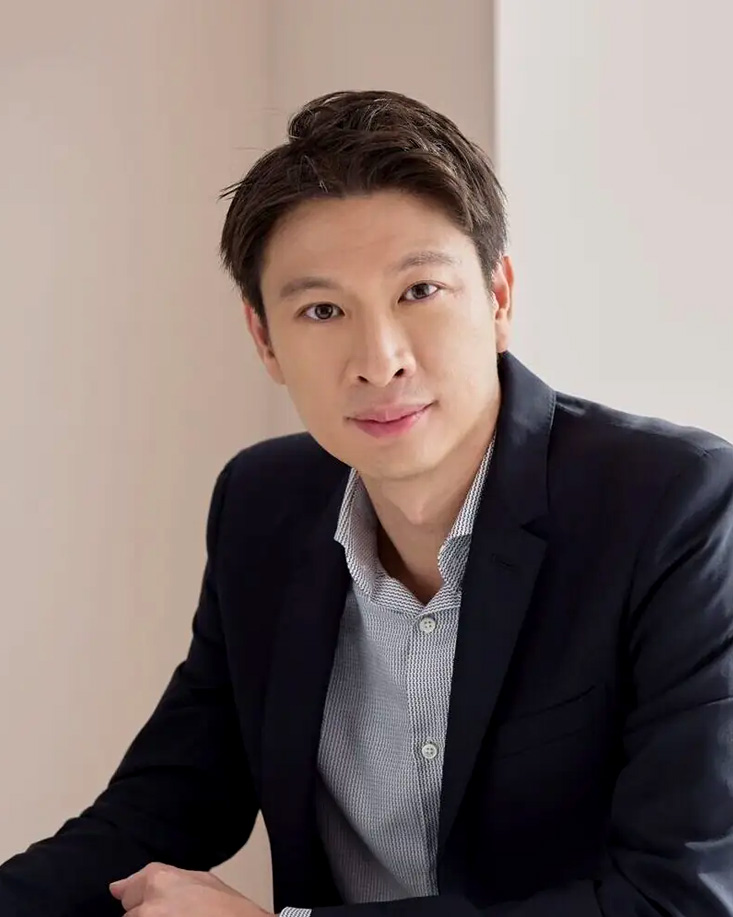
Dr Gerard Ee

Dr Gerard Ee is the Medical Director of The Clifford Clinic in Singapore. He earned his medical degree from St George's University of London and built his surgical experience across the Singapore General Hospital, National University Hospital, and Mount Sinai Hospital in New York. He holds Membership of the Royal College of Surgeons (Edinburgh) and a Postgraduate Diploma in Dermatology (Cardiff), and is fully accredited in aesthetic procedures including botulinum toxin, fillers, lasers, and light therapies. A strong advocate of minimally invasive, natural-looking results, Dr Ee has published in several medical and scientific journals and presented his research in cities including Taipei, Las Vegas, and London.
See all posts by Dr Gerard Ee »