

Vasectomy in Singapore
Medically reviewed by Dr Nathaniel Heah, Consultant Urologist, FAMS (Urology). Clinical focus: Andrology and Men’s Health. Last reviewed: June 2026. Next review: June 2027.
Vasectomy is one of the most effective forms of permanent contraception available to men. If you and your partner have decided that your family is complete, a vasectomy in Singapore offers a minimally invasive day surgery option performed by a qualified urologist. It is highly effective but not immediately effective. Sperm can remain in the reproductive tract after the procedure, so continue contraception until a post-vasectomy semen analysis (PVSA) shows no sperm in the semen. At The Clifford Clinic, vasectomy consultations and procedures are led by Dr Nathaniel Heah, a UK fellowship-trained Consultant Urologist (FAMS, Urology) with subspecialty expertise in Andrology and Men’s Health, with clinical support from Dr Law Zhi Wei, MBBS (NUS), MRCSEd, where appropriate. This page covers what the procedure involves, who may be suitable, recovery, cost and MediSave claimability.
Vasectomy FAQs at a Glance
| Question | Answer |
|---|---|
| Is vasectomy permanent? | Yes. Choose it only when you are confident you do not want future biological children. |
| Is it immediately effective? | No. Continue contraception until PVSA confirms clearance. |
| How effective is it? | First-year failure is about 0.15%; after confirmed clearance, pregnancy risk is about 1 in 2,000. |
| Does it affect testosterone or erections? | No reliable evidence shows vasectomy lowers testosterone or causes erectile dysfunction. |
| Does it protect against STIs? | No. It is a contraceptive procedure only. |
| When is semen testing done? | At 12 to 16 weeks and after 20 ejaculations. Your urologist confirms when contraception can stop. |
| Cost at The Clifford Clinic | $5,000 for local anaesthesia or $5,800 with sedation, first consultation included; MediSave and insurance subject to eligibility. |
About the Doctors
Dr Nathaniel Heah
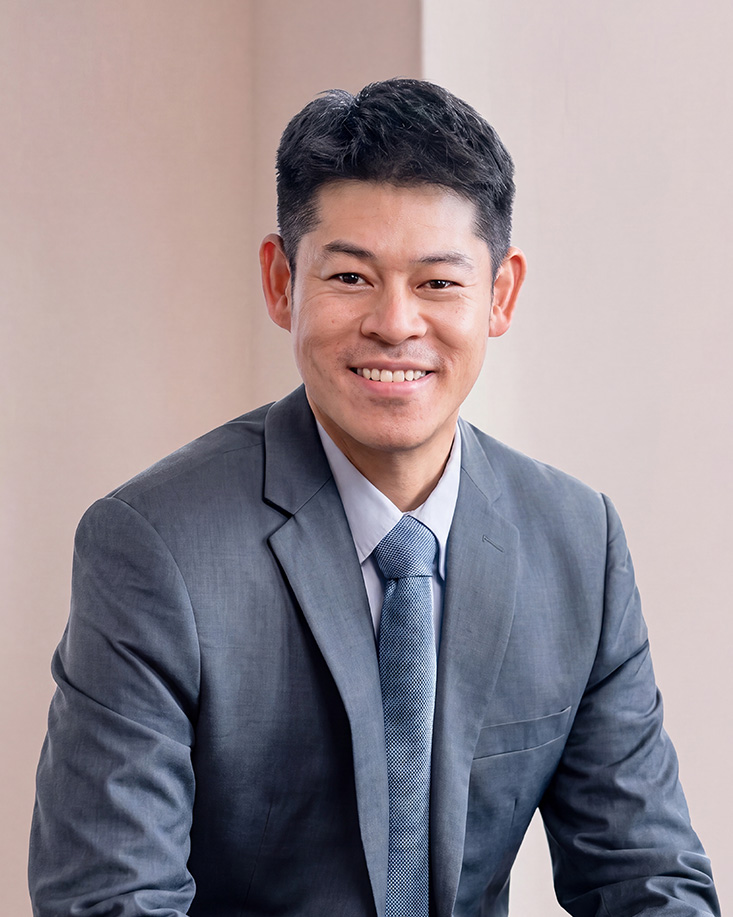
Dr Nathaniel Heah is the primary surgeon and Dr Law Zhi Wei is the assisting surgeon. Both are registered with the Singapore Medical Council.
Dr Heah is a UK fellowship-trained Consultant Urologist (FAMS) with subspecialty expertise in Andrology and Men’s Health, and completed his Reconstructive Urology fellowship at University College London Hospital (UCLH).
Dr Law Zhi Wei

Dr Law holds an MBBS (NUS) and MRCSEd, with broad surgical experience across KKH, SGH and CGH.
All vasectomy content on this site is medically reviewed by Dr Law Zhi Wei, MBBS (NUS), MRCSEd, and updated annually.
Speak with our doctor in a private consultation to understand the procedure, recovery, cost, and whether vasectomy is suitable for your long-term family planning goals.
What is a Vasectomy?
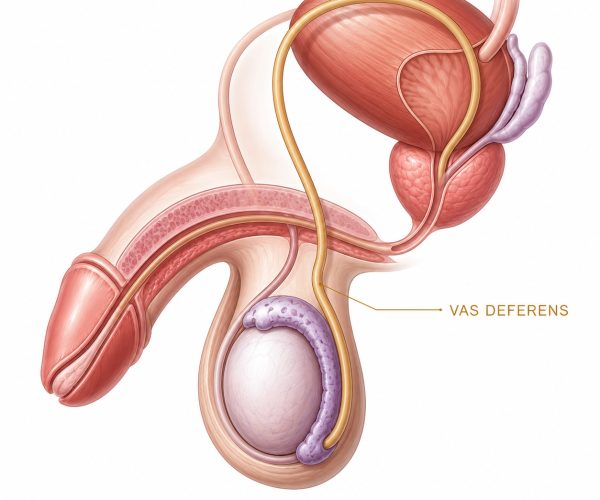
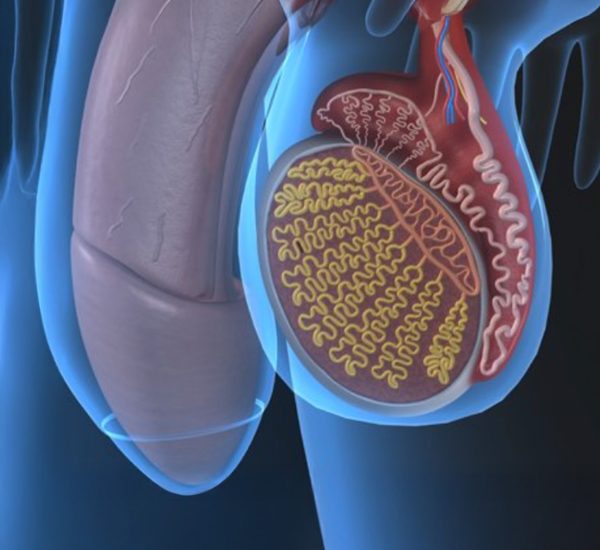
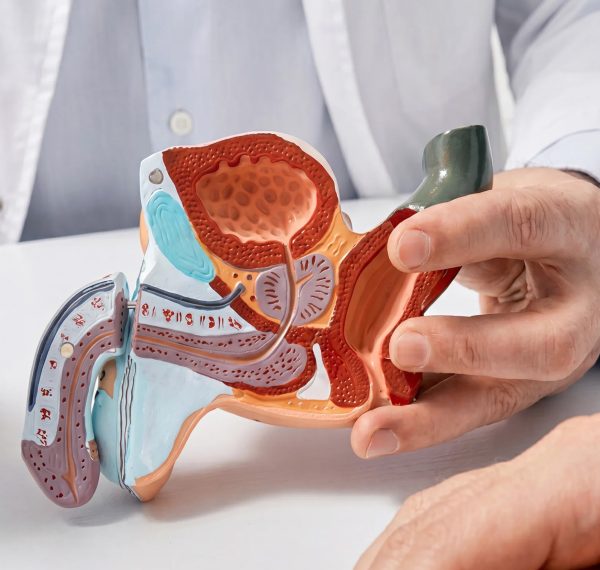
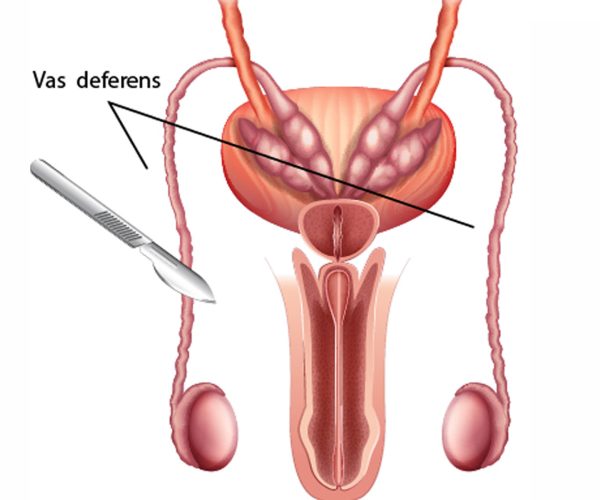
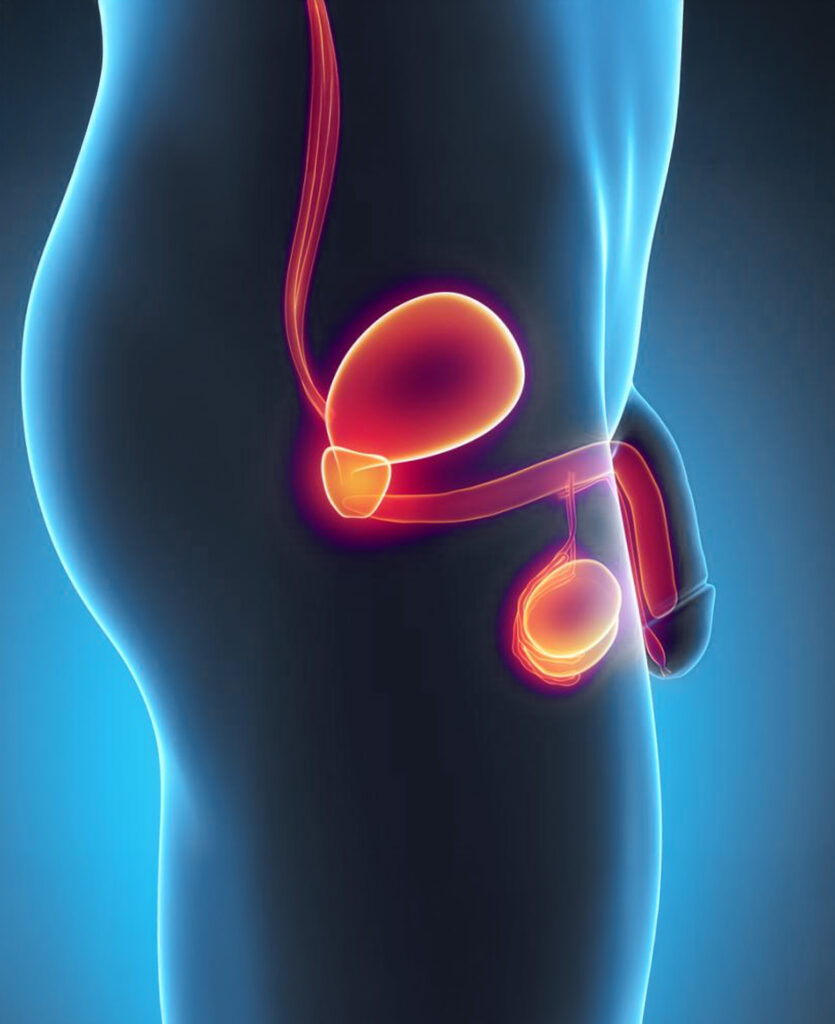
A vasectomy is a surgical procedure that cuts, ties, or blocks the vas deferens, the two tubes that carry sperm from the testicles to the urethra. After a vasectomy, sperm can no longer enter the semen. Ejaculation continues normally, but the semen no longer contains sperm. This makes pregnancy highly unlikely once the procedure is confirmed successful through post-vasectomy semen analysis.
Vasectomy is considered a permanent form of male contraception. It is more than 99% effective and is regarded by NUH as a permanent sterilisation procedure. Men considering a vasectomy should treat it as a lifelong decision.
Who May Consider Vasectomy?
Vasectomy may be suitable for men who are certain they do not want future biological children, have completed their family, and are making a fully informed, independent decision. It is also an appropriate option for couples who prefer a male sterilisation procedure over a female sterilisation.
Men who are uncertain about having future children, or who have medical factors that may affect suitability, should have a careful consultation. Your doctor will review factors including any history of bleeding disorders, anticoagulation therapy, prior scrotal surgery, known allergy to local anaesthetics, or significant anatomical variations.
What Happens During the Vasectomy Procedure?
The process begins with a consultation, which is included in the procedure fee. The doctor explains the procedure, the risks, the success rates, and the available techniques. Partners are welcome to attend the consultation, but not required.
On the procedure day, local anaesthesia numbs the scrotal area. Intravenous sedation is also available. The doctor accesses the vas deferens through a small incision or puncture, cuts and seals each tube, and closes the access site. The procedure takes approximately half an hour and is performed as a day surgery at an accredited facility. Patients are discharged the same day with written aftercare instructions and emergency contact details.
Book a discreet appointment to learn about your options and receive personalised medical advice.
No-Scalpel vs Conventional Vasectomy
The Clifford Clinic offers both the conventional (scalpel incision) and no-scalpel (puncture access) techniques. Both Dr Nathaniel Heah and Dr Law Zhi Wei are trained in both approaches. The appropriate technique is determined at the consultation based on your anatomy and the doctor’s clinical assessment. Both techniques achieve the same result and are performed under local or intravenous sedation as a day surgery.
With the no-scalpel approach, the vas is reached through a small puncture rather than a scalpel incision, which lowers bleeding, haematoma and infection.
Techniques Used in Vasectomy
There are different vasectomy techniques. Your doctor will recommend the most appropriate option after assessment.
Conventional Vasectomy
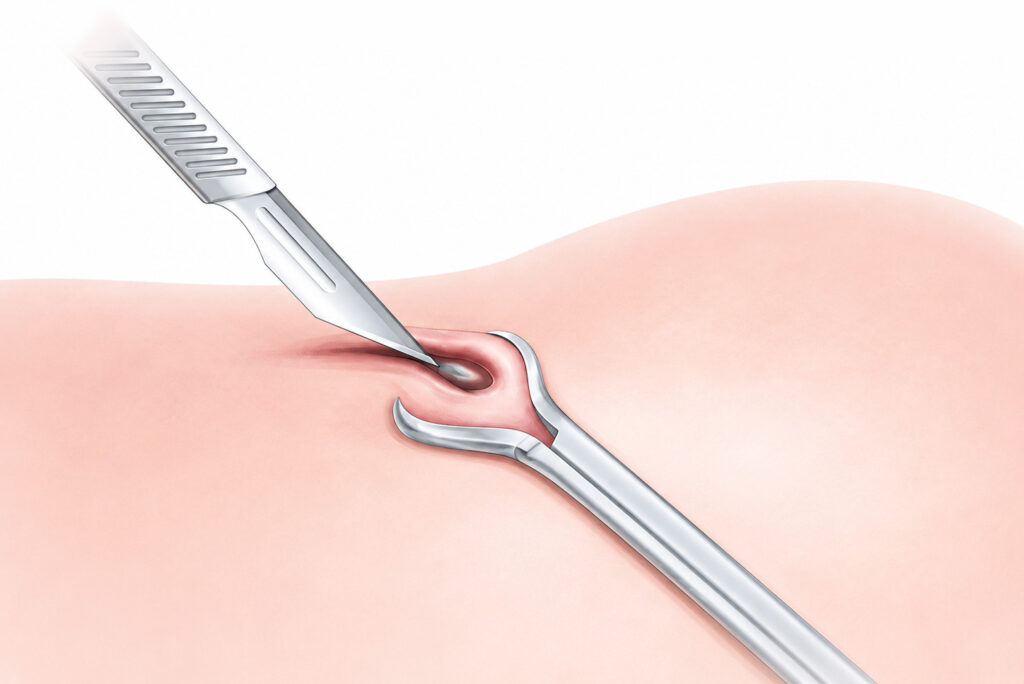
A conventional vasectomy uses one or two small incisions to access the vas deferens. The tubes are then cut and sealed. The skin may be closed with stitches, often dissolvable.
This is a well-established method and may still be suitable in many cases.
No-Scalpel Vasectomy
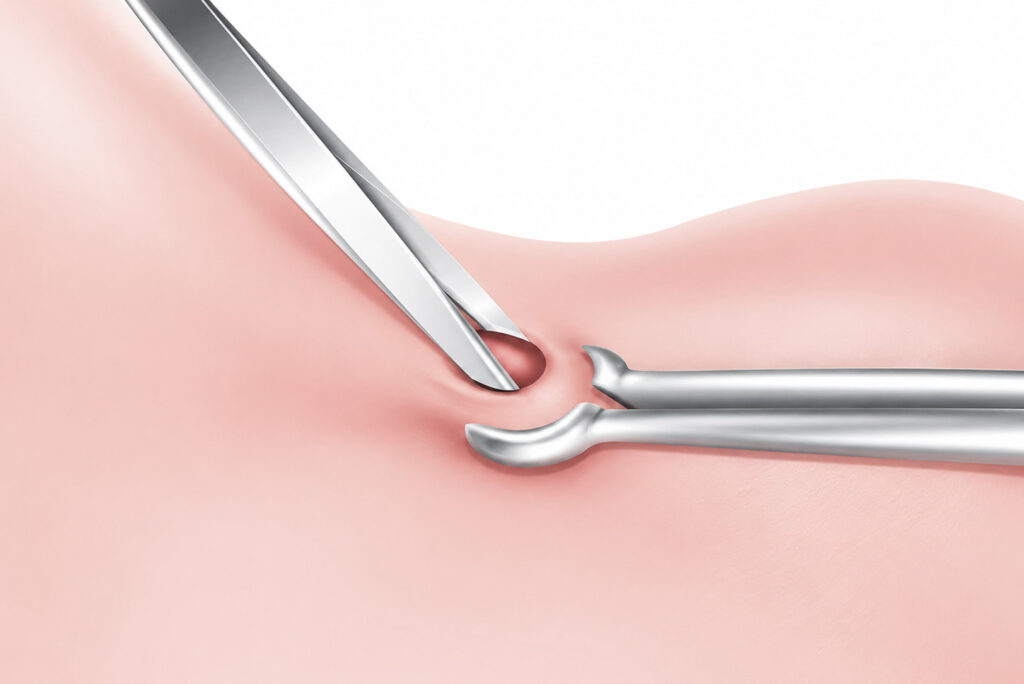
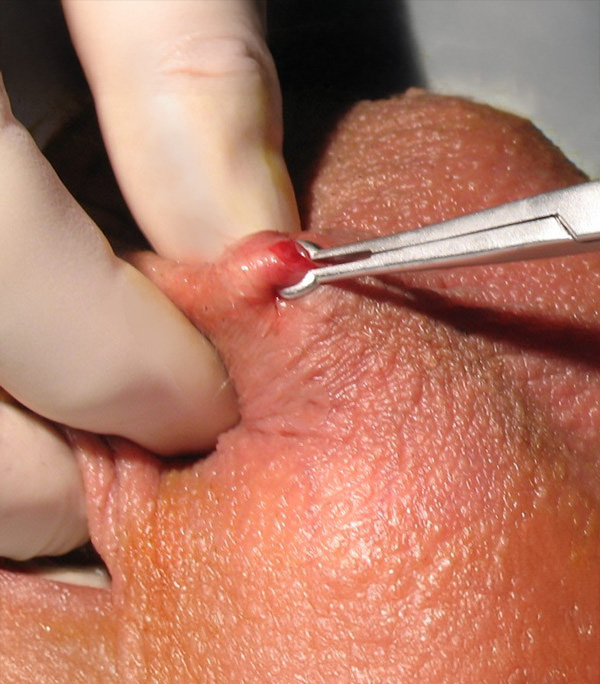
A no-scalpel vasectomy uses a small puncture rather than a traditional incision. The doctor gently opens the skin to access the vas deferens, then seals the tubes.
Many patients searching for no-scalpel vasectomy Singapore are looking for a technique associated with a smaller opening, less tissue handling and potentially quicker recovery. Whether this method is suitable depends on the doctor’s assessment and the patient’s anatomy.
No-Scalpel vs Conventional Vasectomy
The Clifford Clinic offers vasectomies done via the conventional scalpel incision method and no-scalpel puncture access method. The technique that is best suited for the patient is determined during the consultation session based on anatomy and the doctor’s clinical assessment.
Both techniques achieve the same result and are performed under local or general anaesthesia as day surgery.
However, the no-scalpel approach is associated with lower rates of bleeding, haematoma and infection and faster return to normal activity as the vas is reached through a small puncture rather than a scalpel incision.
Modern methods of local anaesthesia, such as the fine mini-needle and no-needle jet techniques, makes the procedure comfortable for most men. General anaesthesia is also available where preferred or clinically indicated.
Our team can walk you through how vasectomy works, what to expect before and after the procedure, and the key questions to consider before proceeding.
Is Vasectomy Safe?
Vasectomy has a strong long-term safety record and is more effective than female tubal ligation. Its first-year failure rate is about 0.15%. It does not affect sexual function and has no proven causal link to heart disease, immune conditions, testicular cancer or prostate cancer. This is consistent with AUA and ACOG guidance. Major complications are rare, and minor ones such as bruising or swelling are usually self-limiting. A small proportion of men, around 1 to 2%, develop post-vasectomy pain syndrome (chronic scrotal discomfort), which is usually manageable and discussed at your consultation.
Recovery After Vasectomy
Recovery is typically less than a week. Most normal activities resume within a few days. Sexual activity should be avoided for approximately one week. Mild soreness, bruising and swelling are normal and improve with rest. Supportive underwear and painkillers will help manage discomfort.
Contact the clinic promptly if you experience worsening pain, increasing swelling, fever above 38 degrees Celsius, wound discharge, or any other concerns. Emergency contact details are provided at discharge.
Post-Vasectomy Semen Analysis: Confirming Success
Vasectomy is not immediately effective. Post-vasectomy semen analysis (PVSA) is required to confirm success. At The Clifford Clinic, PVSA is overseen by your attending urologist, while the semen sample is processed at an external accredited laboratory or andrology centre because a fresh specimen must reach the laboratory immediately. The process:
- First sample: minimum 12 to 16 weeks after surgery
- Ejaculation milestone: at least 20 ejaculations before the first sample, to clear residual sperm
- Abstinence: 2 to 7 days before each sample (no sexual activity or masturbation)
- Collection: masturbation into the sterile container supplied for the test; the entire ejaculate must be collected. Some andrology centres provide a private room on site for collecting and handing in the sample
- Transport: the specimen must reach the analysing laboratory within 50 minutes of collection, kept at body temperature in transit. The short window means it cannot be sent by courier or specimen dispatch service
- Second sample: if non-motile sperm are detected, a second sample is requested 4 to 6 weeks later
- Results: communicated personally by your attending urologist; contraception must continue until official clearance is confirmed
Because the sample must be analysed within 50 minutes, PVSA is done at an external accredited laboratory rather than by courier. Your urologist provides the laboratory order. Centres we refer patients to include Parkway Laboratory (Gleneagles Medical Centre), Mount Elizabeth Fertility Centre (The Heeren) and Sincere Andrology Lab (Novena Specialist Centre). The laboratory fee is paid directly to the provider.
Vasectomy Cost at The Clifford Clinic
Procedure fee: $5,000 for local anaesthesia, or $5,800 if sedation is used. The fee is inclusive of the first consultation with Dr Nathaniel Heah, the day surgery facility, anaesthesia, medications and follow-up. The external laboratory fee for post-vasectomy semen analysis is separate and paid directly to the laboratory. Your final cash payment depends on the procedure fee, the MediSave amount you are eligible to claim, and any private insurance coverage. A dedicated billing team provides a personalised financial breakdown before the procedure.
Estimated Vasectomy Cost at The Clifford Clinic
| Estimated Vasectomy Cost at The Clifford Clinic | Amount |
|---|---|
| Procedure fee, local anaesthesia | $5,000 First consultation, facility, anaesthesia, medications and follow-up included. |
| Procedure fee with sedation | $5,800 |
| External laboratory PVSA fee | Paid separately: seminal analysis about $88 to $95, or about $35 for a sperm count. |
| MediSave claim | Subject to CPF/MOH TOSP and day-surgery limits, procedure eligibility and your available balance. |
| Final cash payment | Varies with the procedure fee, approved MediSave amount and any insurance coverage. |
Arrange a consultation to get clear guidance on your options, expected fees, claim considerations, and the right approach for your needs.
Is Vasectomy MediSave Claimable in Singapore?
Yes. The Clifford Clinic processes MediSave claims. Vasectomy is an approved day surgery procedure under the MOH Table of Surgical Procedures (TOSP), and MediSave may be applied toward the procedure cost, subject to withdrawal limits and your available balance. The exact amount MediSave offsets depends on the TOSP surgical withdrawal limit, the day-surgery hospital limit, and your available balance, so out-of-pocket cost varies between patients. Our billing team will advise on the applicable TOSP code and your personalised estimate at the consultation.
Is Vasectomy MediShield Life or Insurance Claimable?
Vasectomy is generally not MediShield Life claimable. MediShield Life explicitly excludes contraceptive operations and their related complications.
For private insurance, The Clifford Clinic assists patients with pre-authorisation submissions. Patients with policies from AIA, Great Eastern, NTUC Income, Cigna, Bupa and other major insurers have gone through this process with our support. Coverage varies by policy. Obtain written confirmation from your insurer before confirming the procedure date.
Can Vasectomy Be Reversed?
Reversal may be possible, but success rates decline over time and are not guaranteed. Vasectomy should always be treated as permanent.
Book a Confidential Vasectomy Consultation in Singapore
To book a confidential consultation with Dr Nathaniel Heah (FAMS, Urology) or Dr Law Zhi Wei (MBBS NUS, MRCSEd), contact The Clifford Clinic at 50 Raffles Place, #01-01 Singapore Land Tower, Singapore 048623. Call (65) 6532 2400 or WhatsApp (65) 8318 6332. Monday to Friday 10am to 8pm, Saturday 10am to 5pm.
Frequently Asked Questions
Vasectomy is performed by Dr Nathaniel Heah, FAMS (Urology), a UK fellowship-trained Consultant Urologist with subspecialty expertise in Andrology and Men's Health, and Dr Law Zhi Wei, MBBS (NUS), MRCSEd. Both are SMC-registered and trained in both the conventional and no-scalpel techniques.
A vasectomy is more than 99% effective, as stated by NUH. As mentioned, success must be confirmed through post-vasectomy semen analysis at a minimum of 12 to 16 weeks post procedure. PVSA will be overseen by your urologist and the sample will be processed at an external accredited laboratory.
$3,500 to $5,000 for the procedure and an additional $100 consultation fee.
Our all-inclusive vasectomy package includes day surgery facility, anaesthesia, medications, the day surgery facility, and follow-up and post-vasectomy semen analysis.
A vasectomy does not affect sex drive, testosterone, erections or ejaculation as the vas deferens has no role in testosterone production or sexual function. This information is confirmed by both NUH and Raffles Medical.
Reversal may be possible but success rates decline over time and are not guaranteed. Vasectomy should thus always be treated as permanent
No. Vasectomy is a contraceptive procedure only. The Centres for Disease Control and Prevention (CDC) states it does not protect against STIs such as HIV.
Only after your urologist personally confirms clearance based on your semen analysis result.
About the Doctors Performing Vasectomy at The Clifford Clinic
Vasectomy at The Clifford Clinic is performed by Dr Nathaniel Heah and assisted by Dr Law Zhi Wei. Both doctors are registered with the Singapore Medical Council.
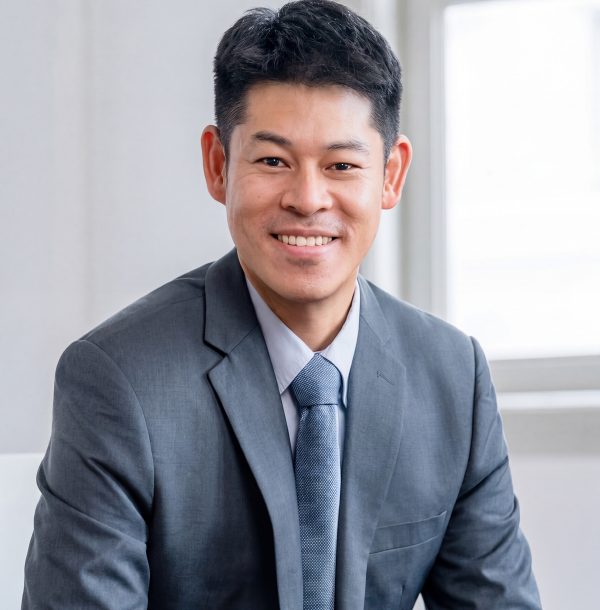
Dr Nathaniel Heah
Dr Nathaniel Heah is a UK fellowship-trained Consultant Urologist with subspecialty expertise in Andrology, Reconstructive Urology and Endoscopic Surgery.
He completed his fellowship in Reconstructive Urology at University College London Hospital (UCLH) and is a Fellow of the Academy of Medicine, Singapore, Chapter of Urology (FAMS).
Dr Heah graduated from Monash University in 2008 and completed his specialist training in Urology in 2020. He is an executive committee member of both the Singapore Urological Association and the Society of Men’s Health Singapore, and currently serves as Visiting Consultant at Woodlands Hospital and Khoo Teck Puat Hospital.
His clinical interests include men’s health, andrology, general urology and minimally invasive urological procedures.

Dr Law Zhi Wei
Dr Law Zhi Wei is a Partner at The Clifford Clinic. He holds a Bachelor of Medicine and Surgery from the National University of Singapore (NUS) and Membership of the Royal College of Surgeons, Edinburgh (MRCSEd). He has accumulated surgical experience across KKH, SGH and CGH in specialties including Urology, General Surgery, Paediatric Surgery and Obstetrics and Gynaecology.
Dr Law also holds a Postgraduate Diploma in Practical Dermatology from Cardiff University and regularly attends local and overseas medical conferences to keep current with clinical developments.
All vasectomy content on this site is medically reviewed by Dr Law Zhi Wei, MBBS (NUS), MRCSEd, and updated annually.
Medical References
Key medical sources:
- Vasectomy: AUA Guideline. The Journal of Urology. 2012. Sharlip ID, Belker AM, Honig S, et al. https://doi.org/10.1016/j.juro.2012.09.080
- ACOG Practice Bulletin No. 208: Benefits and Risks of Sterilization. Obstetrics and Gynecology. 2019. https://doi.org/10.1097/AOG.0000000000003111
- Scalpel Versus No-Scalpel Incision for Vasectomy. The Cochrane Database of Systematic Reviews. 2014. Cook LA, Pun A, Gallo MF, Lopez LM, Van Vliet HA. https://www.cochranelibrary.com/cdsr/doi/10.1002/14651858.CD004112.pub4/full
- Vasectomy: Common Questions and Answers. American Family Physician. 2025. Arnold JJ, Villanueva D, Puntkattalee MJ. https://www.aafp.org/link_out?pmid=40961303
Related Vasectomy Guides
Explore our other vasectomy guides for more detail on cost, technique, recovery and the decision itself:
- Vasectomy Cost, MediSave & Insurance
- No-Scalpel vs Conventional Vasectomy
- Vasectomy Recovery Timeline
- Vasectomy, Sex Drive & Testosterone Myths
- Is Vasectomy Right for Me?
- Vasectomy Reversal in Singapore
- Post-Vasectomy Semen Analysis (PVSA)
- Public vs Private Vasectomy in Singapore
- Sperm Banking Before Vasectomy
Medical Disclaimer
Information on this page is general and educational. It does not replace a consultation with a qualified medical professional. MediSave and insurance details are based on publicly available MOH/CPF guidelines and are subject to change. Confirm all financing details with the clinic and CPF before proceeding.
Medically reviewed by Dr Law Zhi Wei, MBBS (NUS), MRCSEd, Partner, The Clifford Clinic | Co-authored with Dr Nathaniel Heah, FAMS (Urology), Consultant Urologist | Last reviewed: June 2026 | Next review: June 2027