

Hair Masks Unmasked: Can They Help To Combat Hair Loss?
If you’ve ever searched online for ways to treat female hair loss, there’s a good chance you’ve come across recommendations for hair masks. Marketed as nourishing treatments for the scalp and hair, these products promise to revitalize damaged strands and promote healthier growth. But can a hair mask genuinely address hair loss, or is it merely a temporary fix for superficial concerns? This article explores the science behind hair masks, their potential benefits, and how they fit into the broader landscape of hair loss management.
Understanding Hair Masks: More Than Just a Conditioning Treatment
Hair masks are intensive conditioning products designed to address specific hair concerns, such as dryness, frizz, or damage from chemical treatments. Unlike regular conditioners, which are rinsed out after a few minutes, hair masks contain higher concentrations of active ingredients and are typically left on the hair and scalp for 15 minutes to an hour. This extended application allows the formula to penetrate deeply into the hair shaft and follicles, delivering hydration and nutrients.
Commercial hair masks often feature a blend of natural oils (like coconut, argan, or castor oil), vitamins (such as biotin and vitamin E), proteins (including keratin and collagen), and botanical extracts (such as rosemary or aloe vera). These ingredients aim to strengthen hair structure, reduce breakage, and enhance shine. DIY enthusiasts might opt for homemade versions using pantry staples like avocado, honey, or apple cider vinegar, which are praised for their moisturizing and antioxidant properties.
While hair masks can improve the appearance and texture of hair, their primary function is cosmetic. They excel at managing damage caused by environmental stressors, heat styling, or coloring—issues that contribute to split ends and brittleness. However, the leap from repairing superficial damage to addressing hair loss is far more complex.
The Role of Hair Masks in Scalp and Hair Health
Proponents of hair masks often highlight their ability to nourish the scalp and fortify hair. For instance, oils like argan and coconut are rich in fatty acids that moisturize the scalp, potentially alleviating dryness and flakiness. Similarly, caffeine and rosemary oil—common additives in growth-focused formulas—have been studied for their ability to stimulate blood flow to the scalp. Enhanced circulation may prolong the hair’s active growth phase (anagen) and delay shedding, though evidence remains limited.
Hair masks may also indirectly support hair retention by improving scalp health. Conditions like dandruff or psoriasis can cause itching and inflammation, leading to excessive scratching and hair breakage. By soothing irritation and maintaining a balanced scalp environment, certain masks could reduce secondary hair loss.
However, it’s crucial to manage expectations. While ingredients like rosemary oil show promise in small studies, over-the-counter hair masks lack the potency of clinically proven hair loss treatments in Singapore. Their effects are subtle and cumulative, making them better suited for preventive care rather than reversing significant thinning or baldness.
The Limitations of Hair Masks for Hair Loss
Despite their benefits, hair masks fall short as standalone solutions for hair loss. Most formulations target the hair shaft rather than the root cause of shedding, such as hormonal imbalances, genetics, or autoimmune conditions. For example, female pattern hair loss (androgenetic alopecia) is driven by hormonal sensitivity, which no topical mask can counteract. Similarly, masks cannot regenerate follicles that have entered the dormant phase of the growth cycle.
This isn’t to dismiss their value entirely. For individuals with mild shedding linked to stress or nutritional deficiencies, a nutrient-rich hair mask could complement a holistic approach to hair care. Yet, those experiencing persistent or worsening hair loss should explore more targeted interventions.
Other Evidence-Based Hair Loss Treatments To Consider
If hair masks are a supportive tool, the following treatments have stronger scientific backing for addressing hair loss:
1. Minoxidil
As the only FDA-approved topical treatment for female pattern hair loss, minoxidil stimulates hair follicles by prolonging the growth phase and enhancing blood flow to the scalp. Available as a 2% solution or 5% foam, it’s widely accessible over the counter and can yield visible results within six months of consistent use.
2. Spironolactone
This prescription diuretic is commonly used off-label to treat hormonal hair loss in women. By blocking androgen receptors and reducing DHT (a hormone linked to follicle shrinkage), spironolactone can slow shedding and promote thicker regrowth, especially when paired with minoxidil.
3. Finasteride
Though primarily prescribed for male pattern baldness, finasteride may benefit postmenopausal women by inhibiting DHT production. Its oral form requires medical supervision due to potential side effects, but studies suggest it can stabilize hair loss in certain cases.
4. Platelet-Rich Plasma (PRP) Therapy
This innovative procedure involves drawing a patient’s blood, processing it to concentrate platelets, and injecting the plasma into the scalp. Rich in growth factors, PRP stimulates dormant follicles and encourages new growth.
5. Low-Level Laser Therapy (LLLT)
FDA-cleared laser devices, such as caps or combs, emit red light to boost cellular activity in hair follicles. Regular use may increase hair density and thickness, particularly for those with early-stage androgenetic alopecia.
For individuals seeking personalized hair loss treatment plans, visiting an aesthetic clinic in Singapore can provide access to a range of hair loss therapies tailored to your specific needs. Professionals at these clinics can assess your condition, recommend appropriate treatments, and monitor your progress, ensuring a comprehensive approach to managing hair loss.
Conclusion
While hair masks can play a supportive role in maintaining healthy hair and scalp conditions, they are not a standalone solution for hair loss. Incorporating them into your hair care routine can enhance hair quality, but for significant hair loss concerns, it’s advisable to explore evidence-based treatments and consult with healthcare professionals to determine the most effective course of action.
Rediscover Your Boldest Self with Hair Restoration Tailored to You
Hair loss can dim your confidence, but it doesn’t define your story. At The Clifford Clinic in Singapore, we blend empathy with expertise to deliver personalized hair restoration strategies. Using medically endorsed innovations, our doctors stimulate growth, nourish your scalp, and ensure results that endure. Whether you seek subtle rejuvenation or dramatic renewal, we’re here to walk you through every step. Step into a world where thicker, healthier hair is within reach—connect with our specialists and explore treatments like:
FUE stands out in hair transplantation for its scar-free results and adaptability. By isolating and transplanting follicular units one by one, surgeons avoid linear scarring and achieve denser, more natural-looking hair growth. The procedure’s ability to utilize body hair as a donor source expands its suitability, offering hope to patients previously deemed ineligible for traditional transplants. Recovery is swift, with most returning to work or social engagements the following day.
Using advanced ultrasound cavitation, Bellasonic gently disrupts the skin barrier to boost the delivery of topical treatments. This South Korean innovation is painless and requires no downtime, making it a versatile option for enhancing anti-aging regimens or treating hyperpigmentation. By optimizing product absorption at a cellular level, it ensures active ingredients work more efficiently than with standard application.
This laser treatment revitalizes hair follicles by increasing blood flow and nutrient delivery to the scalp. Thulium’s precise wavelength ensures deep tissue penetration without discomfort, promoting hair density and reducing shedding. Results are often noticeable after 4–6 sessions, offering a science-backed solution for androgenetic alopecia or thinning hair.
4. Exosomes Hair Loss Treatment
As a breakthrough in regenerative medicine, exosome therapy introduces growth factors directly into the scalp to repair damaged follicles and reduce inflammation. Its natural approach encourages thicker, healthier hair with minimal risk of side effects. Often paired with PRP or microneedling, it provides a synergistic boost to hair restoration efforts.
Author Bio
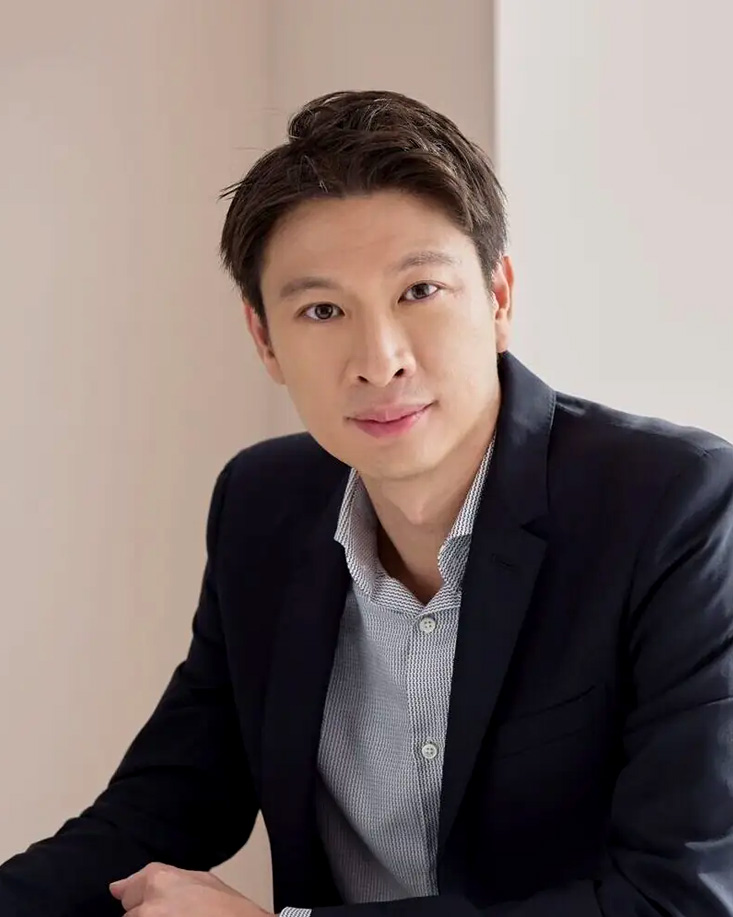
Dr Gerard Ee

Dr Gerard Ee is the Medical Director of The Clifford Clinic in Singapore. He earned his medical degree from St George's University of London and built his surgical experience across the Singapore General Hospital, National University Hospital, and Mount Sinai Hospital in New York. He holds Membership of the Royal College of Surgeons (Edinburgh) and a Postgraduate Diploma in Dermatology (Cardiff), and is fully accredited in aesthetic procedures including botulinum toxin, fillers, lasers, and light therapies. A strong advocate of minimally invasive, natural-looking results, Dr Ee has published in several medical and scientific journals and presented his research in cities including Taipei, Las Vegas, and London.
See all posts by Dr Gerard Ee »