
Collagen Stimulating Fillers
Immediate structural support followed by gradual collagen remodelling
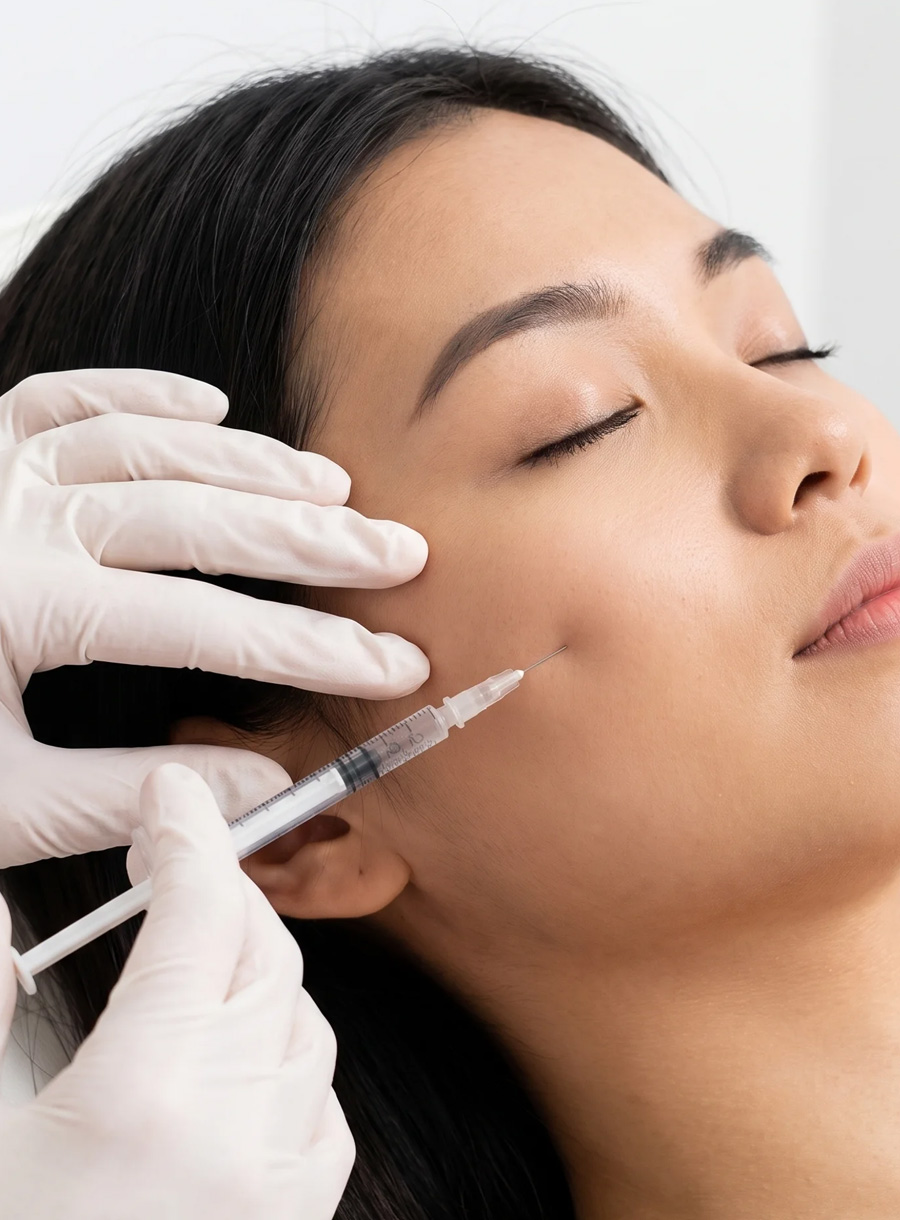
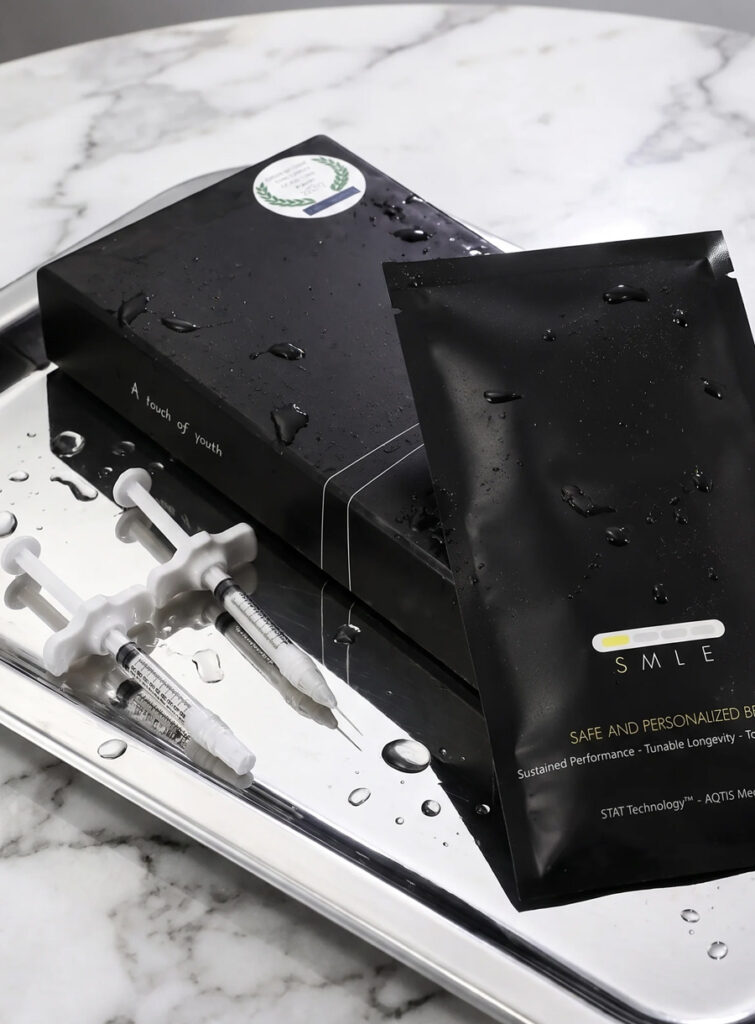
PCL collagen stimulating filler is a non-surgical injectable treatment designed to restore selected areas of facial volume while encouraging gradual collagen production. It combines the immediate volumising effect of a carrier gel with the longer-term tissue response produced by polycaprolactone, commonly abbreviated as PCL.
Collagen is one of the skin’s main structural proteins. It contributes to firmness, elasticity and suppleness. As the face ages, changes occur across the skin, fat compartments, ligaments and underlying bone. These changes can contribute to wrinkles, folds, hollowing and a gradual loss of facial support.
A PCL filler cannot stop or reverse biological ageing. It may, however, address some of its visible effects by replacing lost volume, supporting facial contours and encouraging new collagen formation within the treated area.
Call us today at (65) 6532 2400 to book an appointment on any of our cosmetic services and treatments.
How does a PCL collagen stimulating filler work?
A PCL collagen stimulating filler has two complementary effects. The gel carrier provides immediate structural support after injection, while the PCL microspheres encourage a controlled tissue response that activates cells involved in collagen production.
This is different from a conventional hyaluronic acid filler, which works mainly by replacing volume through the physical presence of the gel. A PCL filler provides initial volume while also stimulating gradual collagen remodelling. Published reviews and expert recommendations describe this dual mechanism and its use across selected areas of the upper, middle and lower face.2,3
As the carrier gel is gradually absorbed, newly formed collagen develops around the microspheres. This collagen network helps maintain support within the treated area. The PCL component is also biodegradable and is broken down progressively over time.
Interest in collagen stimulating fillers has grown in Singapore among patients seeking facial rejuvenation with gradual and potentially longer-lasting changes. Natural-looking results still depend on an accurate diagnosis, appropriate product selection, conservative treatment volumes and precise placement. More filler does not necessarily produce a better result.
Benefits of PCL collagen stimulating fillers
Depending on the area treated and the patient’s facial anatomy, potential benefits include:
- An immediate improvement in volume and contour from the carrier gel
- Gradual collagen formation within the treated tissue
- Restoration of volume in selected areas of facial hollowing
- Improved support around wrinkles and facial folds
- Refinement of the cheeks, temples, chin and lower facial contour
- A gradual result that can look natural when treatment is planned conservatively
- Potentially longer intervals between maintenance treatments
Earlier PCL filler literature has described formulation-dependent effects lasting approximately one to four years. This range should not be interpreted as a guaranteed duration for every patient. The visible result depends on the specific formulation, amount injected, treatment area, injection technique, individual metabolism, facial movement and the continuing ageing process.<sup>6,7</sup>
Some patients may require only one initial treatment session rather than a predetermined course of several sessions. A clinical review remains important, however, and further correction or maintenance treatment may sometimes be appropriate.
Unlike hyaluronic acid filler, PCL filler is not designed to be dissolved with hyaluronidase. Its longer persistence can be an advantage for an appropriately selected patient, but it also means that product choice, placement and treatment volume require particularly careful planning.
The treatment process
Before treatment, the doctor assesses the patient’s facial structure, skin thickness, areas of volume loss, previous filler treatments and overall aesthetic goals. The proposed injection sites and treatment volume should be planned according to the individual rather than using the same approach for every face.
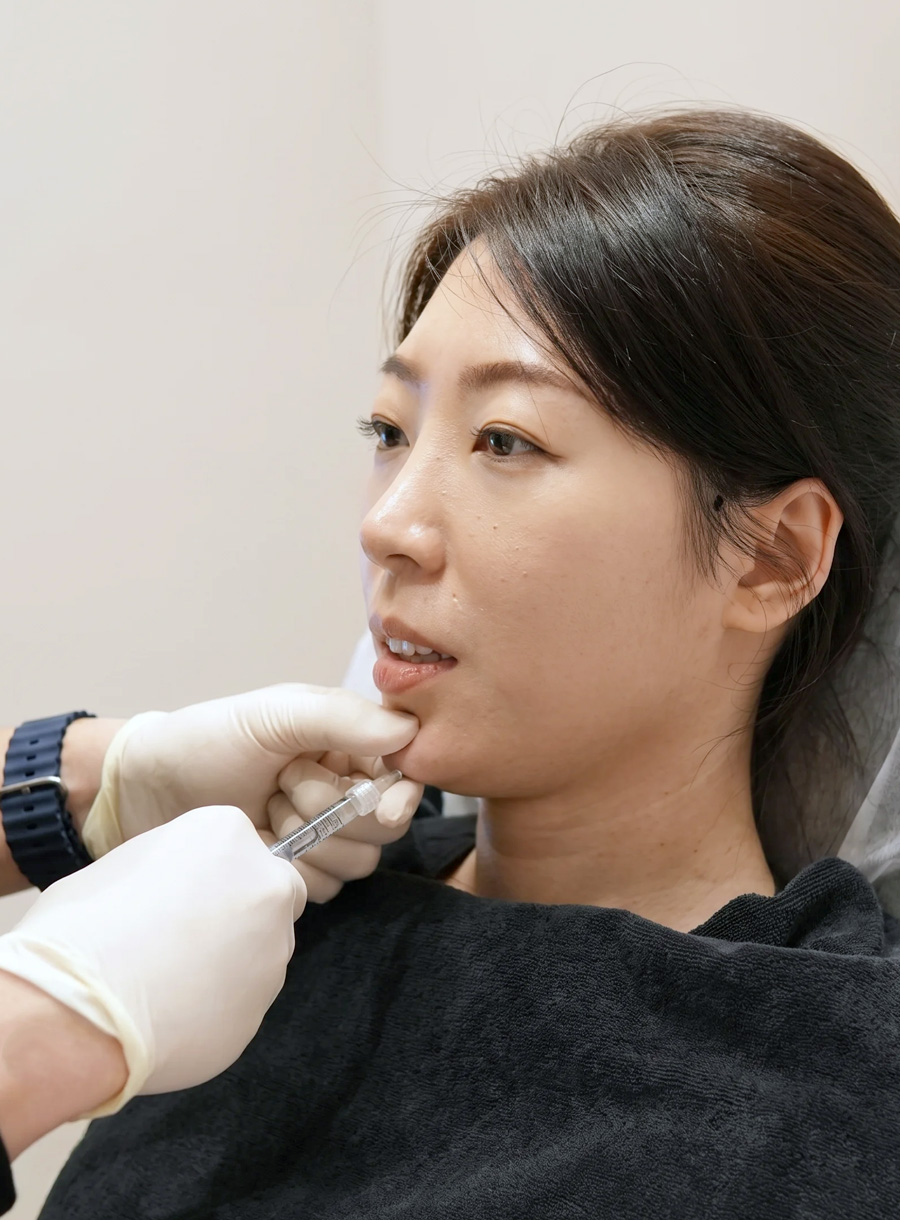
The treatment area is cleansed and may be prepared with topical anaesthetic. The filler is then placed carefully using a needle or cannula, depending on the anatomical area and intended tissue plane.
Many patients find the injections tolerable, although the level of discomfort differs between individuals and treatment areas. Brief pressure, pinching or stinging may be felt during the procedure.
The initial improvement is produced largely by the gel carrier and the injected volume. Temporary swelling can also affect the appearance immediately after treatment, so the result seen on the day of injection should not be regarded as the final outcome.
As the carrier gel is absorbed, the PCL microspheres support a gradual collagen response. Changes related to collagen production develop over the following weeks and months rather than appearing all at once. The resulting collagen can continue to provide structural support after the initial carrier gel has diminished.
What does the published clinical evidence show?
The published literature provides support for the dual filling and collagen stimulating properties of PCL fillers, although the strength and purpose of the available publications differ.
A 2024 narrative review discussed the technology, mechanism and clinical applications of an established PCL collagen stimulating filler. The authors described immediate volume correction followed by collagen stimulation and reviewed reported satisfaction, longevity and adverse effects. They also stated that further clinical data would be needed to confirm performance and duration across different treatment sites. The journal classified the article as Level V evidence, so it should be read as a narrative review rather than a comparative clinical trial. [1]
A 2017 publication brought together a multinational group of plastic surgeons and dermatologists to develop recommendations for facial and hand treatment. It discussed the upper, middle and lower face, with guidance on anatomy, injection depth, volume and choice of needle or cannula. This paper is particularly relevant to the treatment areas discussed on this page, but it represents expert recommendations rather than randomised evidence.[2]
A 2025 case series and experimental study examined the management of delayed PCL filler nodules. The clinical portion involved ten nodules in three patients, which had reportedly persisted for an average of two years. The author investigated a collagenase mixture as a potential treatment and also performed laboratory experiments comparing it with other substances.[3]
The findings of that study are preliminary. A three-patient case series cannot establish collagenase as a universally effective or routinely accepted reversal treatment. Patients should therefore not regard PCL filler as being as readily reversible as hyaluronic acid filler.
Taken together, these publications support the biological basis of PCL collagen stimulation, the importance of anatomy-specific injection techniques and the need to plan for potential complications. They do not establish that one filler is superior for every patient, nor do they guarantee a particular duration or outcome.
Which are the Areas Which are Most Suitable for collagen-stimulating-fillers?
Collagen-stimulating-fillers can be applied to most volume depleted areas on the face.
The common areas where collagen-stimulating-fillers really creates dramatic effects are:

THE COVETED OGEE CURVE
Cheeks
The cheeks are important to help prop up our face. One of the hallmarks of beauty are a smooth and elegant “ogee curve”. As we age, our cheeks lose volume and this causes us to lose this beautiful S-shaped curve on the face. What’s worse is that in severe cases of cheek sagging, the nasolabial fold is made worse and more prominent. Collagen-stimulating-fillers can be applied to help restore the missing volume to the cheeks, resulting in a more youthful appearance.
PROMINENT CHEEKBONES
Cheeks Hollows
Collagen-stimulating-fillers is excellent at reducing hollows below the cheekbones. These hollows make the cheekbones more prominent and make the face look aged due to excessive hollowing. In this situation, collagen-stimulating-fillers is ideal for providing long lasting relief and correction of these defects.


MANY REASONS TO SMILE
Nasolabial Folds or Laughter Lines
These lines are a telltale sign of aging on our face. Deep nasolabial lines add years to our facial age, and are commonly due to two factors: skin sagging and volume loss. Skin sagging can be addressed with a threadlift or other skin tightening procedures, but loss of volume on the face will require volume replacement with either a derma filler or collagen-stimulating-fillers.
THE COVETED V
Chin
The chin is an excellent place for collagen-stimulating-fillers. Lengthening the chin has many beneficial effects. The face becomes more V-shaped, and the whole face looks slightly slimmer. As the chin filler takes up some of the loose skin from below the chin, the appearance of the double chin is also significantly reduced.


YOUTHFUL & FULL
Temples
Sunken temples make the face look skeletonized and aged. This may happen due to aging, or just due to excessive weight loss. With collagen-stimulating-fillers, it is possible to restore the temples to their normal fullness and hence create a more youthful facial contour.
Call us today at (65) 6532 2400, Whatsapp us at (65) 8318 6332 or email us at thecliffordclinic@gmail.com to book an appointment or enquire on any of our cosmetic services and treatments.
How long does collagen-stimulating-fillers last?
After treatment, the effects start immediately and can last anywhere from 1 to 4 years. The period depends on the type of collagen-stimulating-fillers used.
Compared to other dermal fillers, the long-lasting effects means that you do not have to come back for follow-up visits or multiple sessions. Not only is it an economical solution to reverse aging, but it saves a lot of time as well.
Who is Collagen-stimulating-fillers is recommended for?
There is no age limit for anyone wishing to try collagen-stimulating-fillers. Anyone who wishes to erase wrinkles, folds or decrease sagging of the skin around the mouth, nose, cheeks or even scars are suitable for collagen-stimulating-fillers. It is also suitable for nose sculpting and contouring as well.
Which Areas Are Not Suitable for collagen-stimulating-fillers?
Certain areas are not suitable for collagen-stimulating-fillers use. Notably, they are areas where the overlying skin is very thin. For example, collagen-stimulating-fillers should not be used under the eyes. This is because the thin skin will cause any filler bumps to be visible.
Safety, recovery and reversibility
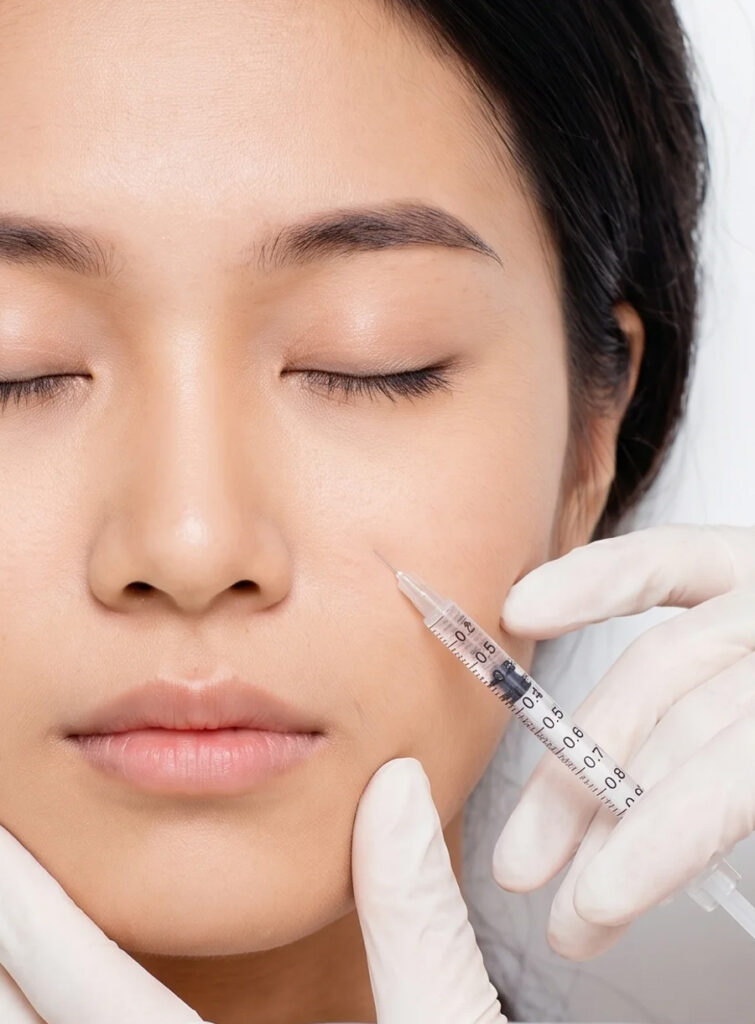
Temporary redness, swelling, tenderness or bruising may occur after injection. These effects usually improve as the treated tissue settles, although recovery differs between patients and treatment areas.
Less common complications can include persistent lumps, palpable nodules, asymmetry, infection, prolonged inflammation or an unsatisfactory contour. As with all facial fillers, accidental injection into or compression of a blood vessel can cause a vascular occlusion. Severe or increasing pain, pale or mottled skin, rapidly worsening swelling or any visual disturbance requires urgent medical assessment.
PCL microspheres cannot be assumed to respond to hyaluronidase, which is the enzyme commonly used to dissolve hyaluronic acid fillers. A 2025 publication investigated collagenase for delayed nodules in three patients and reported encouraging observations, but this remains limited clinical evidence.<sup>8</sup>
The existence of this case series should not be interpreted as proof that PCL filler can always be dissolved quickly or predictably. Preventing complications through patient selection, accurate placement and conservative treatment remains more reliable than depending on a reversal procedure.
Why Choose The Clifford Clinic?
1. Experienced doctors with advanced injection skills
Our treatments are performed by medical doctors experienced in facial assessment and injectable treatments. This includes collagen stimulating formulations based on PCL, calcium hydroxylapatite and PDLLA.
Treatment planning considers facial anatomy, the appropriate tissue plane and the amount of structural support required. The aim is balanced correction rather than simply placing a larger volume of filler.
2. Gradual and potentially longer-lasting rejuvenation
PCL fillers combine immediate volume support with gradual collagen stimulation. This may provide a more progressive change in facial contour, firmness and skin support.
Some patients retain visible correction for up to two years or longer, depending on the formulation and individual response. Duration and degree of improvement vary and cannot be guaranteed.
3. Tailored treatment plans
Every filler treatment is planned according to the patient’s facial structure, skin condition, pattern of ageing and treatment goals.
This allows the doctor to assess whether hollow areas, facial folds, sagging or contour concerns are primarily caused by volume loss or whether another treatment would be more appropriate.
4. A comprehensive anti-ageing strategy
Collagen stimulating fillers may be combined with complementary treatments such as lasers, high intensity focused ultrasound or skin boosters when clinically appropriate.
Different procedures act on different aspects of facial ageing. A combination plan may therefore address volume, skin texture, pigmentation or laxity more effectively than relying on one treatment for every concern. The order and interval between procedures should be planned carefully to allow appropriate recovery.
Our Certified Medical Doctors

Dr. Gerard Ee
Dr. Gerard Ee is the founder and medical director of The Clifford Clinic. He is fully accredited in cosmetic treatments including fillers, Botox, light therapies, and more. Driven by his passion for sharing his expertise across the medical community, Dr. Ee has accumulated his surgical experiences internationally from working in the Mount Sinai Hospital in New York, National University Hospital (NUH), and Singapore General Hospital (SGH).
Dr. Chow Yuen Ho
Dr. Chow Yuen Ho is the founder and medical director of The Clifford Clinic. With over 10 years of clinical practice experience, the reputable aesthetic doctor specializes in non-invasive aesthetic and acne treatments. Dr. Chow has accomplished so much in this field. He served as the founding Director of Medical Informatics at SGH and then as the Managing Director of the Asian division of Alert Life Sciences Computing.


Dr. Law Zhi Wei
Dr. Law is a highly experienced medical professional specializing in acne treatments and aesthetic medicine. A graduate from the National University of Singapore and a member of the Royal College of Surgeons (Edinburgh), he has comprehensive clinical experience from renowned institutions such as KKH, SGH, and CGH. Passionate about the transformative power of effective acne care, Dr. Law is fully accredited in advanced treatments including lasers, radiofrequency, ultrasound therapies, Botox, and fillers. Holding a Postgraduate Diploma in Practical Dermatology from Cardiff University, he continuously updates his expertise to provide personalised, effective acne solutions, enhancing patients’ confidence and overall well-being.
Ready for a more beautiful & youthful you?
Contact us today to get a comprehensive assessment of your condition and to find out how we can effectively use collagen-stimulating-filler to give you the look you’ve always been wishing for. Contact us today!
Call Us: (65) 6532 2400 Whatsapp: (65) 8318 6332
Clinical references
The trade names below are reproduced solely because they form part of the original titles of the cited publications. Their appearance in this bibliography should not be interpreted as a product advertisement, clinic endorsement, comparative claim or representation that the protocols in the publications are identical to the treatment provided by the clinic.
- Chen Q, Wang Y. Ellansé: Advanced Technology and Advantageous Selection of New Collagen Stimulating Agents for Face Rejuvenation. Aesthetic Plastic Surgery. 2024;48(10):1977–1984. doi:10.1007/s00266-023-03761-w.
- de Melo F, Nicolau P, Piovano L, et al. Recommendations for volume augmentation and rejuvenation of the face and hands with the new generation polycaprolactone-based collagen stimulator (Ellansé). Clinical, Cosmetic and Investigational Dermatology. 2017;10:431–440. doi:10.2147/CCID.S145195.
- Wu L. iCare Technique of Dissolving Ellanse M Nodules Using Collagenase: A Case Series and Experimental Study. Journal of Cosmetic Dermatology. 2025;24(5):e70201. doi:10.1111/jocd.70201.