

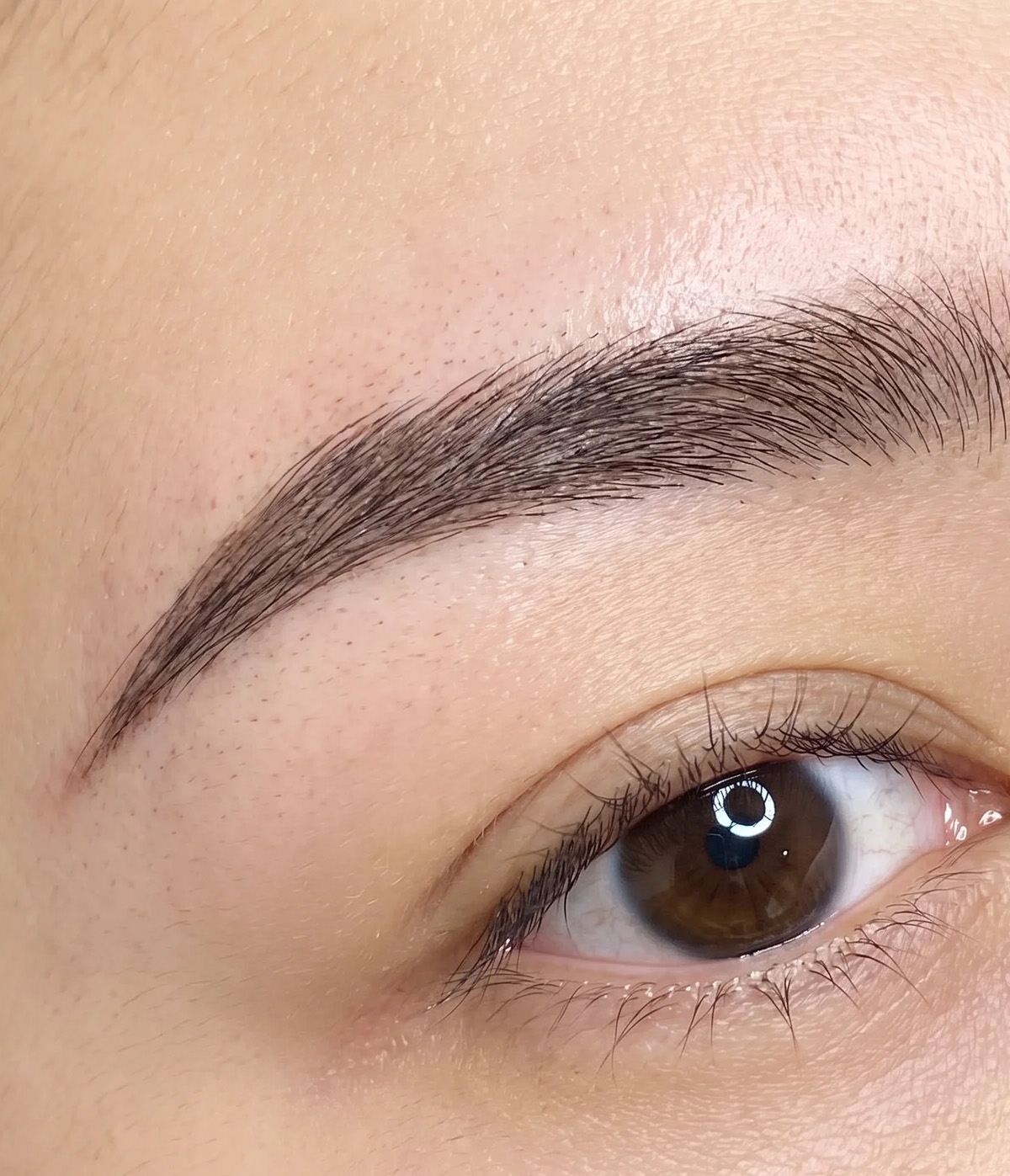
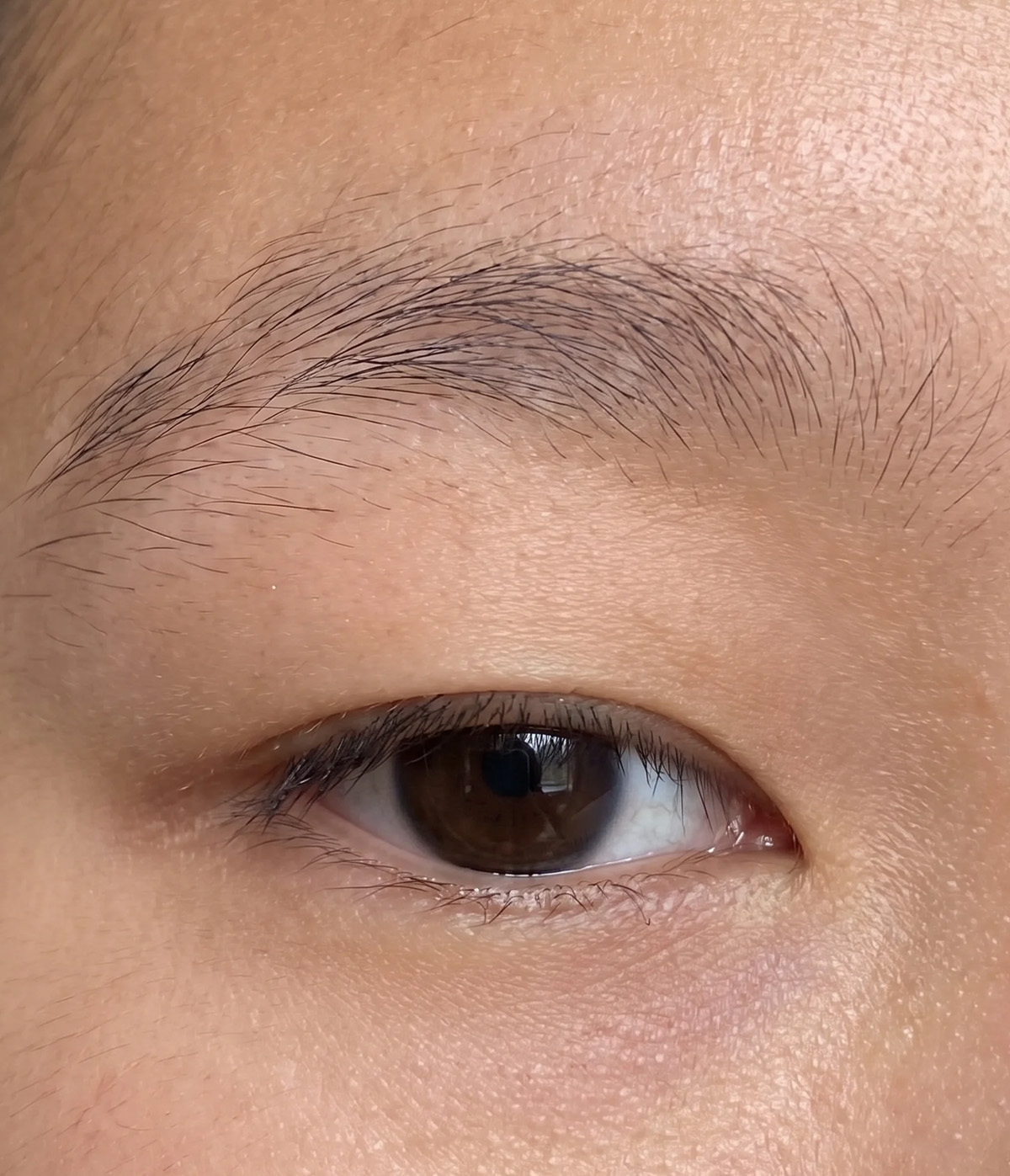
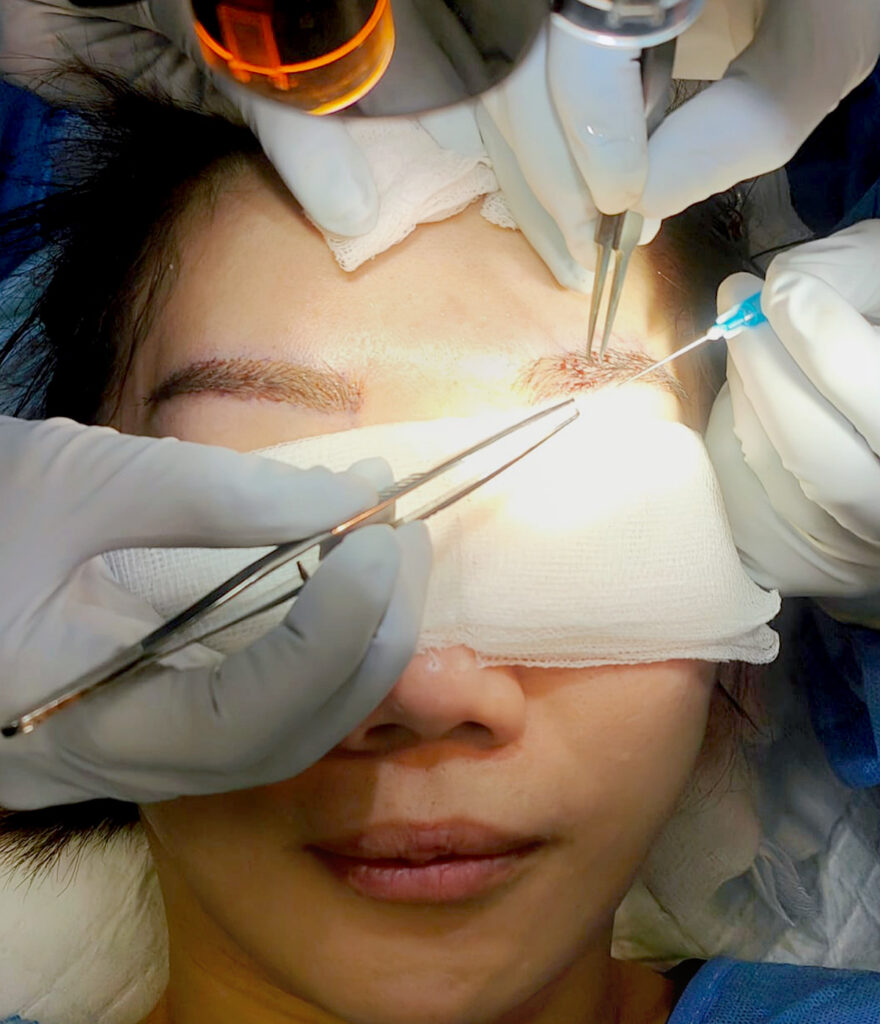
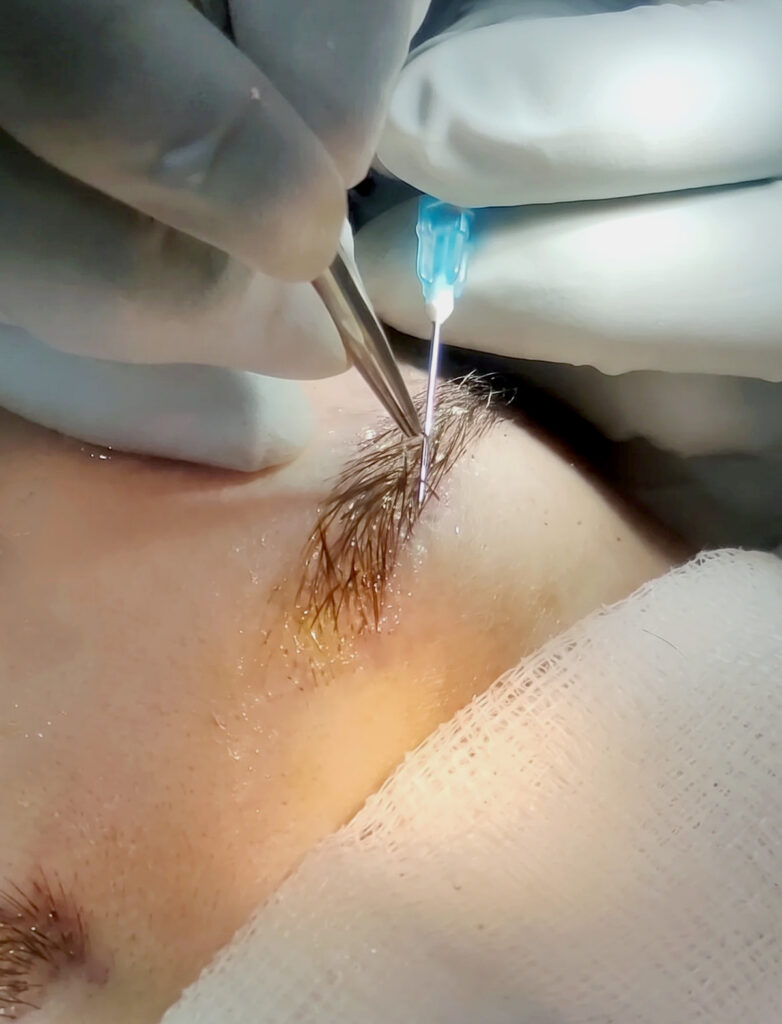
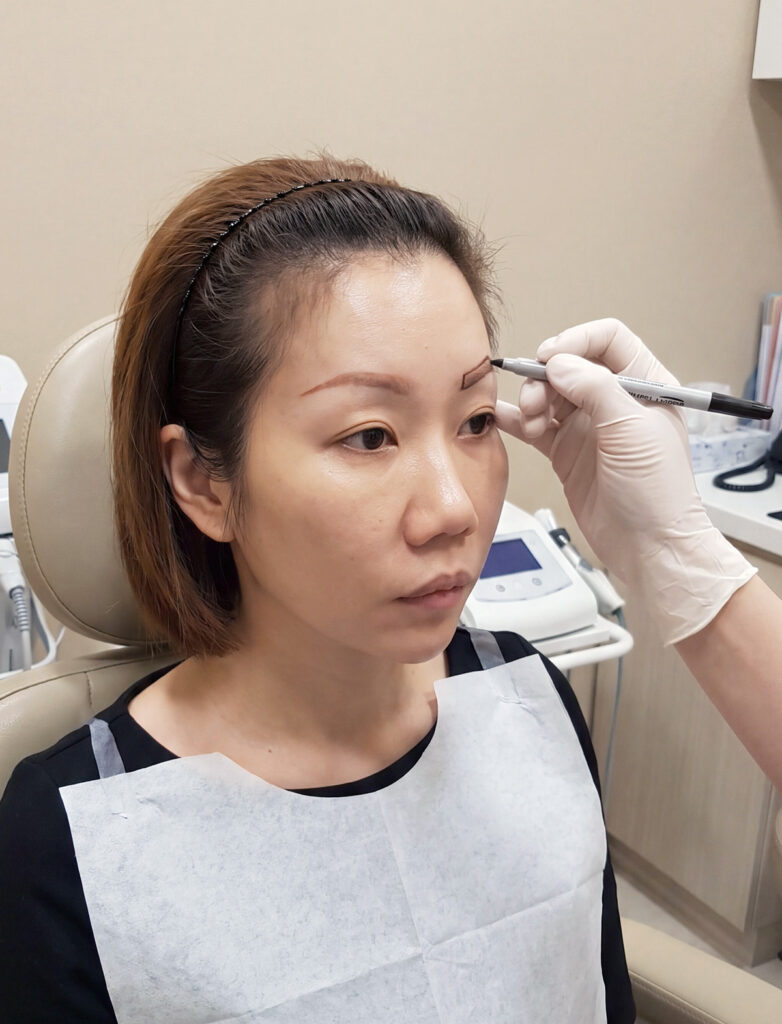
Yes. Suitability depends more on the cause of hair loss, donor hair and intended design. The shape, width, arch, density and relationship to the surrounding facial features are planned individually.
Surviving follicles can continue to produce hair for many years. However, not every graft necessarily survives, and the native eyebrow may continue to change. Active hair-loss disorders can also affect long-term results.
Many Clifford eyebrow transplant procedures use approximately 100 to 200 grafts. A small gap may require fewer, while a fuller reconstruction or correction of both eyebrows may require more. The final number is determined after an examination.
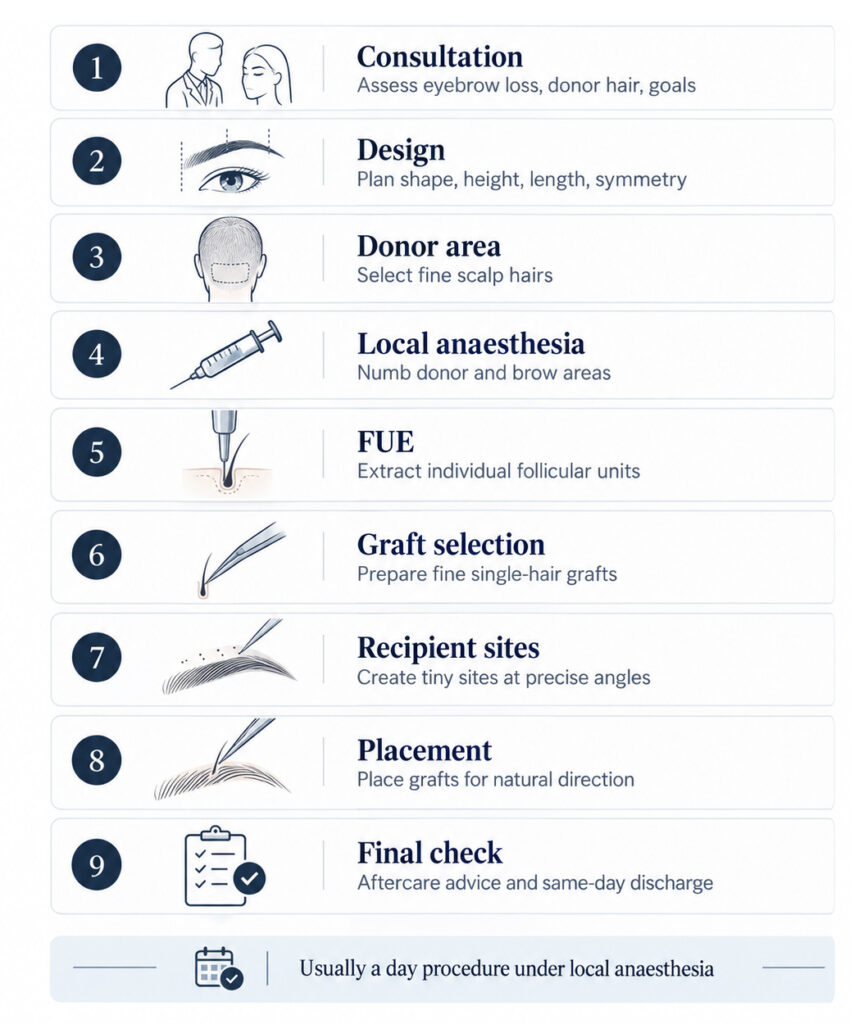
The procedure commonly takes approximately 3 to 4 hours. More extensive or scar-related reconstruction may take longer.
Eyebrow transplantation is generally performed under local anaesthesia. The treatment areas are numbed while the patient remains awake.
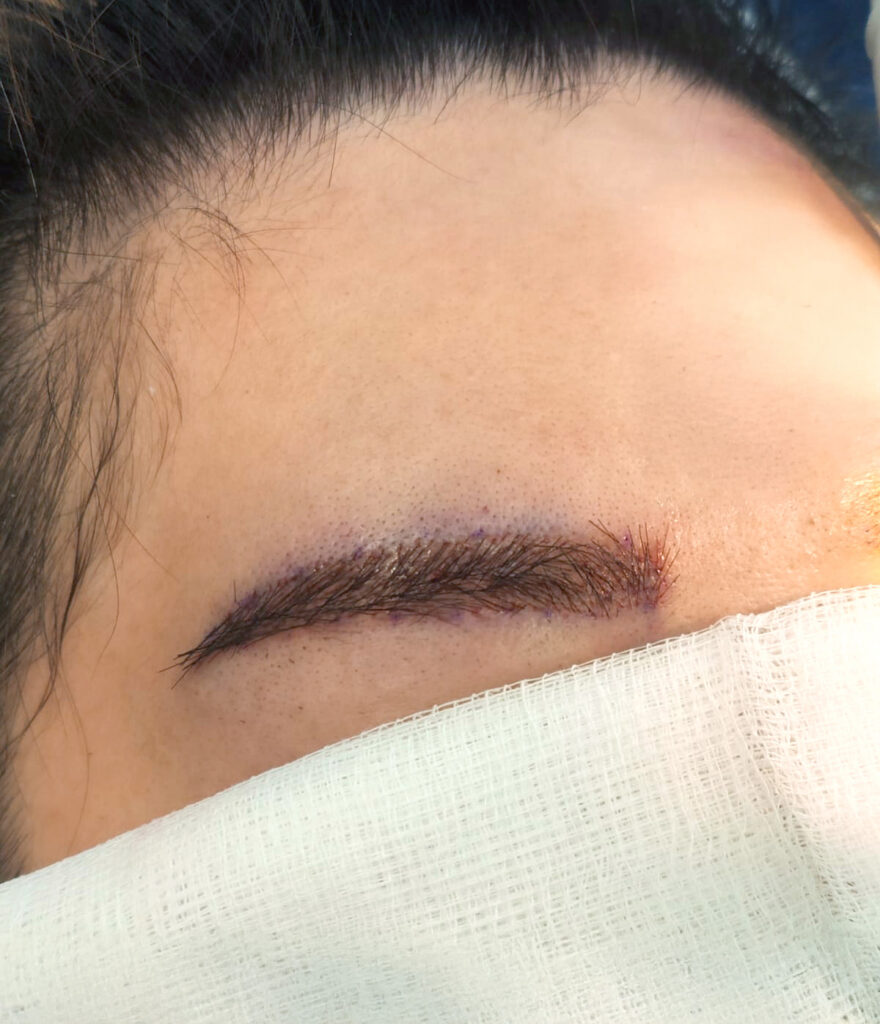
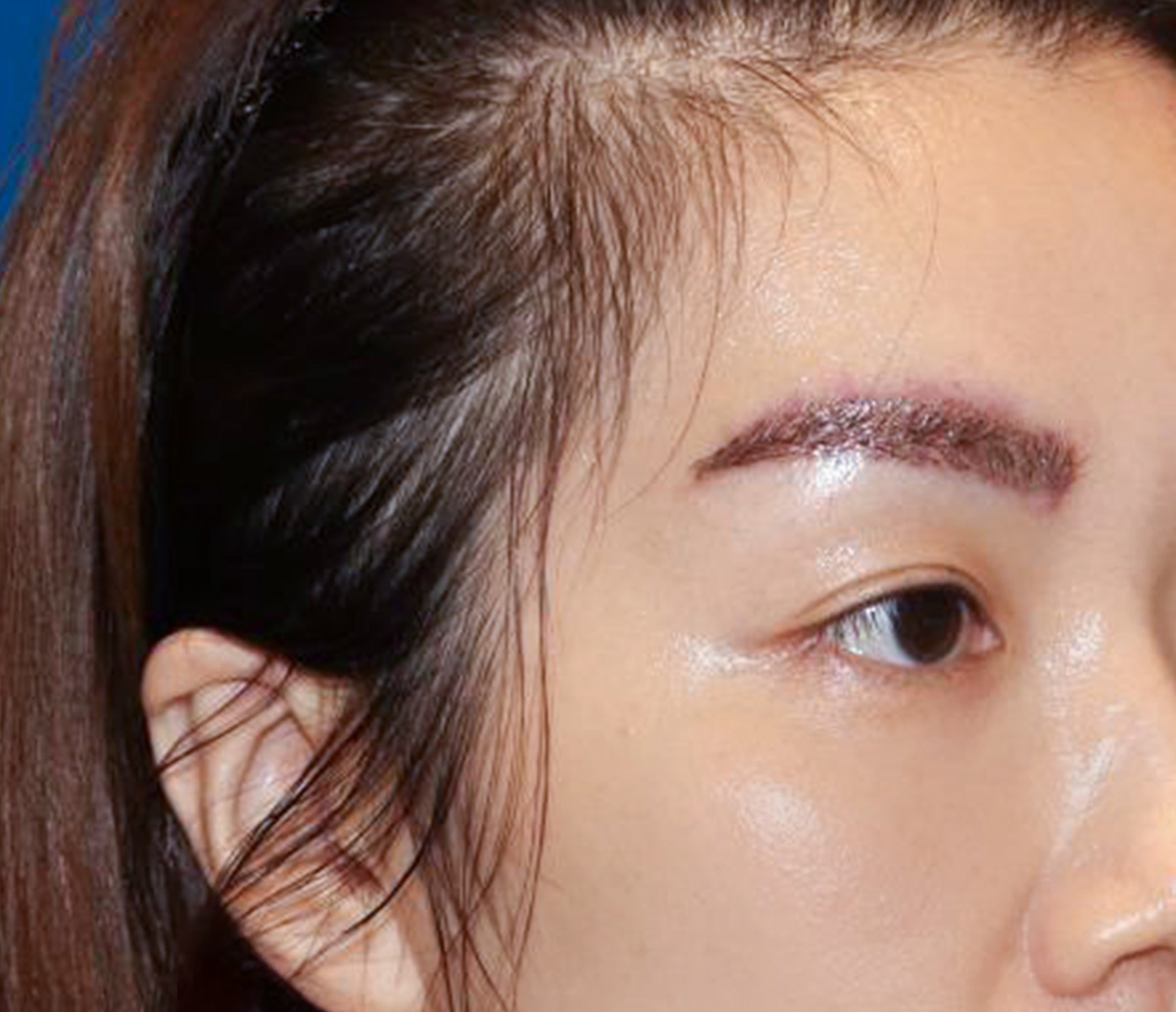
Redness, swelling and crusting are usually most visible during the first week. The approximate visible recovery period of 5 to 7 days, although mild redness can last longer in some patients.