


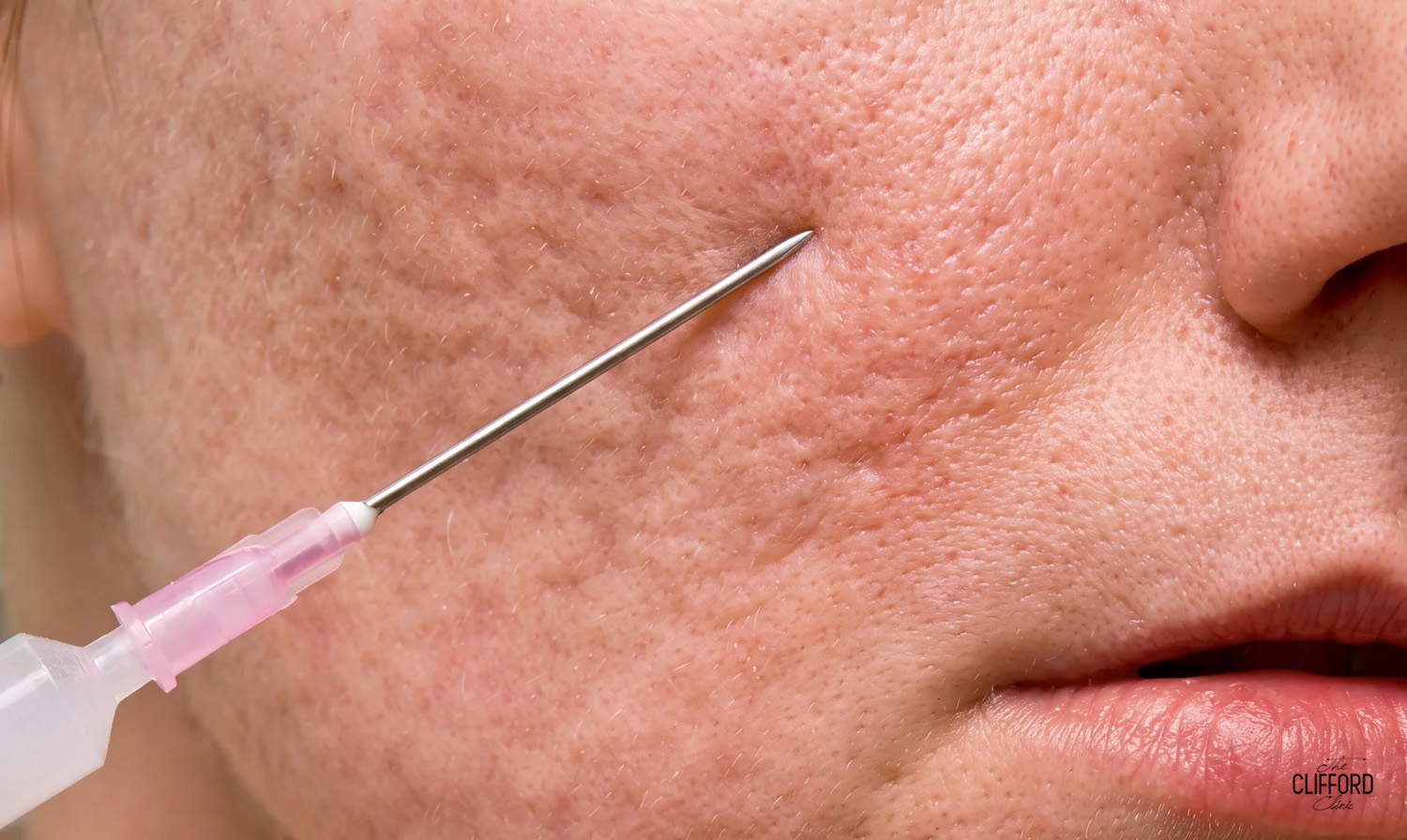
Subcision and Fillers for Rolling Acne Scars. Release, Then Rebuild
Written by Dr Bernard Ong | Medically reviewed by Dr Bernard Ong | Expert opinion by Dr Bernard Ong
Dr Bernard Ong is an aesthetic doctor at The Clifford Clinic. With 16 years of experience treating acne and acne scars, having treated over 5,000 cases of acne and over 3,000 cases of acne scars. More about Dr Bernard Ong.
Rolling acne scars frustrate patients because they often fail to respond to lasers and microneedling. The reason is simple. The scars are tethered. Until the fibrous bands pulling the skin down are released, no amount of surface resurfacing will lift them. Subcision releases them, and paired with the right biostimulator, it is one of the most effective treatments for this scar type. This article explains how and why biostimulators beat standard fillers. It builds on our complete acne scar treatment guide, the types of acne scars and RF microneedling for acne scars.
Why are rolling scars different
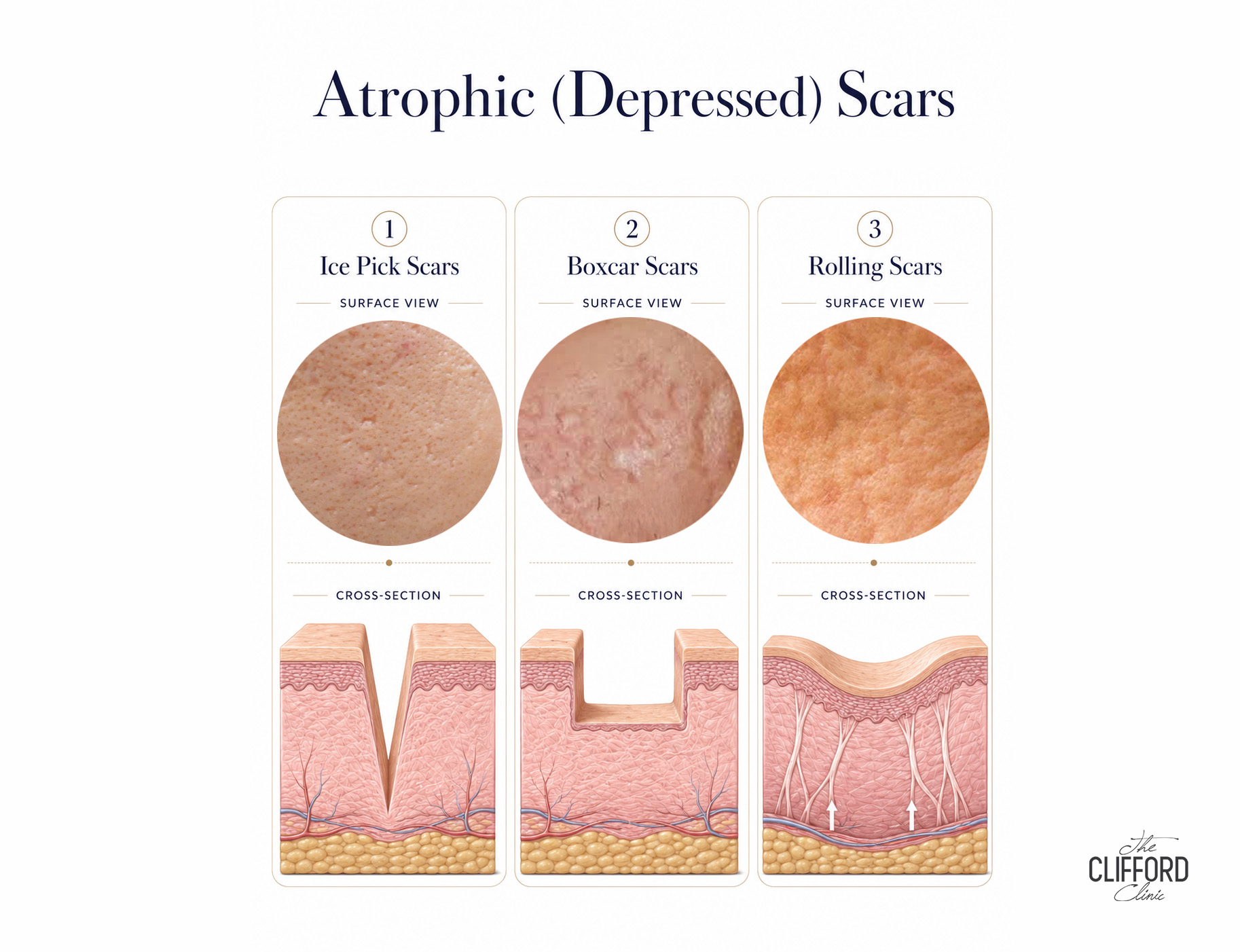
A rolling scar is not simply a dent in the surface. It is skin anchored down to the deeper tissue by bands of fibrous scar tissue, giving the skin its broad, undulating, wavy appearance. Because the problem is mechanical, a tether, the solution has to be mechanical too. Resurfacing with a laser, or stimulating collagen with microneedling alone, does not address the band holding the scar down. Our breakdown of the three main scar types shows where rolling scars sit.
How subcision works
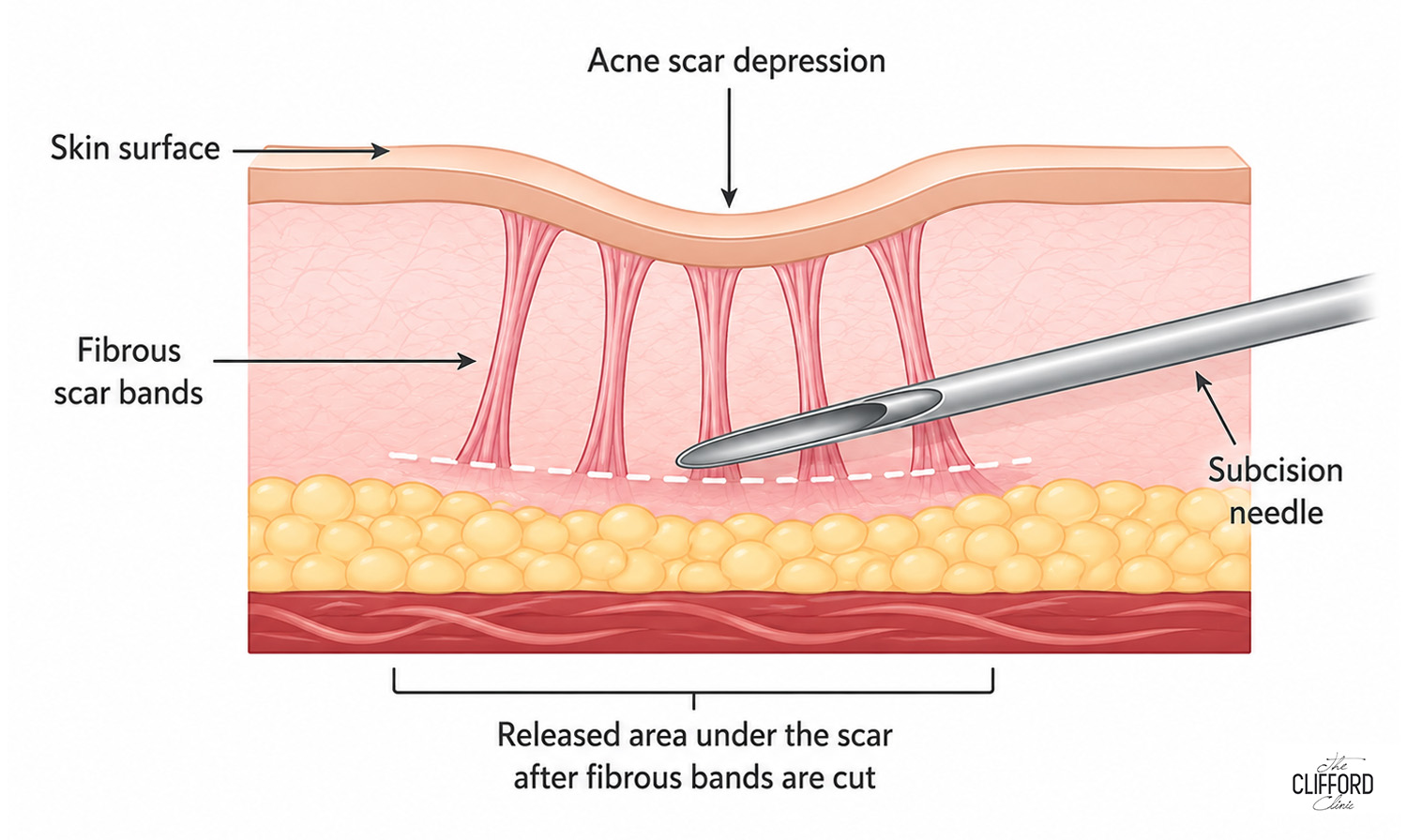
In subcision, a fine needle or blunt cannula is passed beneath the scar and moved in controlled sweeps to cut and release the fibrous bands tethering the skin down. Once divided, the depressed skin is free to lift, and the controlled micro-injury stimulates fresh collagen to fill the space. It is a minor in-clinic procedure under local anaesthesia. The deeper explanation is in our subcision for acne scars page and is subcision the right treatment for you.
Why biostimulators are preferred over HA fillers
Hyaluronic acid (HA) fillers are not the preferred option for acne scars. Biostimulators fit better because they stimulate the skin to build its own collagen rather than simply occupying space, and they integrate more naturally with the released scar. The choice follows the scar type. Ellanse where there is significant volume loss, Juvelook for ice pick and boxcar scars, and Sculptra or Lenisna when the scars are mostly rolling with loose skin. RE20 suits very mild scarring. Our pages on dermal fillers for acne scars and subcision with fillers for deep atrophic scars expand on this.
Poly-L-Lactic Acid (PLLA) Collagen Stimulator and the cannula technique
There is a practical reason subcision is often paired with Poly-L-Lactic Acid (PLLA) Collagen Stimulator specifically. It is best placed with a cannula, and the act of passing that cannula beneath the scar itself produces a subcision effect, releasing tethers, while it stimulates collagen to hold the lift. One delivery step does double duty, giving rolling scars a more durable result than either step alone. The approach of combining subcision, PDRN Skin Booster and fillers is described in our subcision, PDRN Skin Booster and fillers guide.
Combining subcision with RF and PDRN
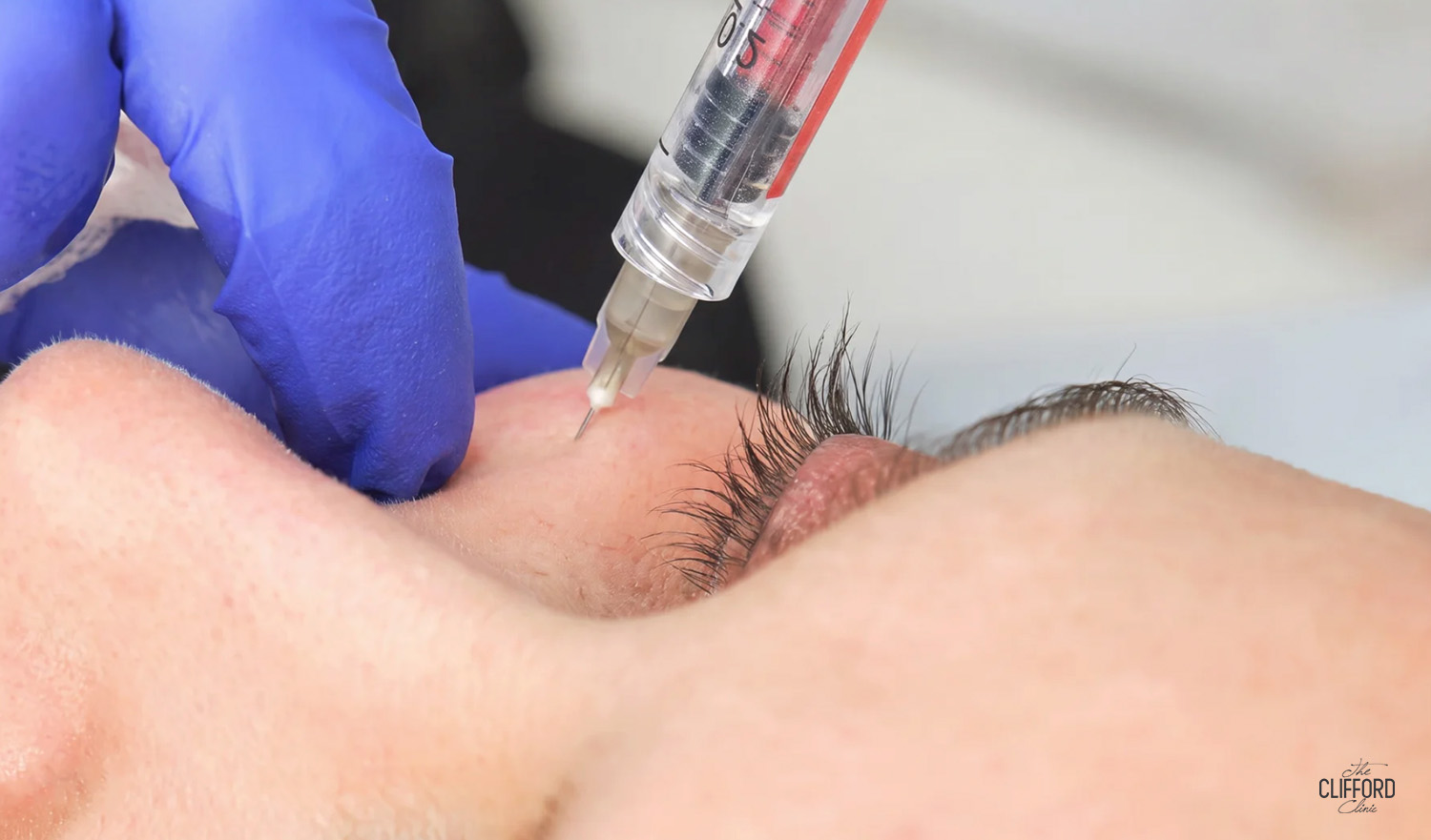
Subcision is rarely the entire plan. It is often paired with Secret RF in the same programme to start remodelling, with fractional CO2 added about a month later to resurface texture. or PDRN Skin Booster, is a valuable addition because it improves healing and potentiates results, and it can be done alongside microneedle RF. Sequencing these treatments, with adequate spacing, is what lets each one work. The logic is in our combination therapy article and laser treatment for acne scars.
Patient selection, downtime and limitations
Subcision suits tethered rolling scars and certain atrophic scars, but it is not the answer for every scar. Deep ice pick scars are better served by TCA CROSS, and keloid scars cannot be improved by subcision or resurfacing at all. Expect some bruising and swelling for a few days after subcision, which settles. As with all scar work, the result is gradual and usually needs a small series of sessions, and it works best once any active acne is controlled. The principle runs through what causes acne scars and do acne scars go away on their own.
A common scenario in practice
The most common scenario is a patient who has spent on lasers or microneedling for rolling scars with little to show for it, simply because the tether was never released. Once subcision is added, the same scars finally begin to lift. The lesson holds every time. Match the mechanism of the treatment to the mechanism of the scar, release for a tether, collagen for volume, resurfacing for surface. That match separates a good result from a frustrating one.
What a subcision session involves, step by step
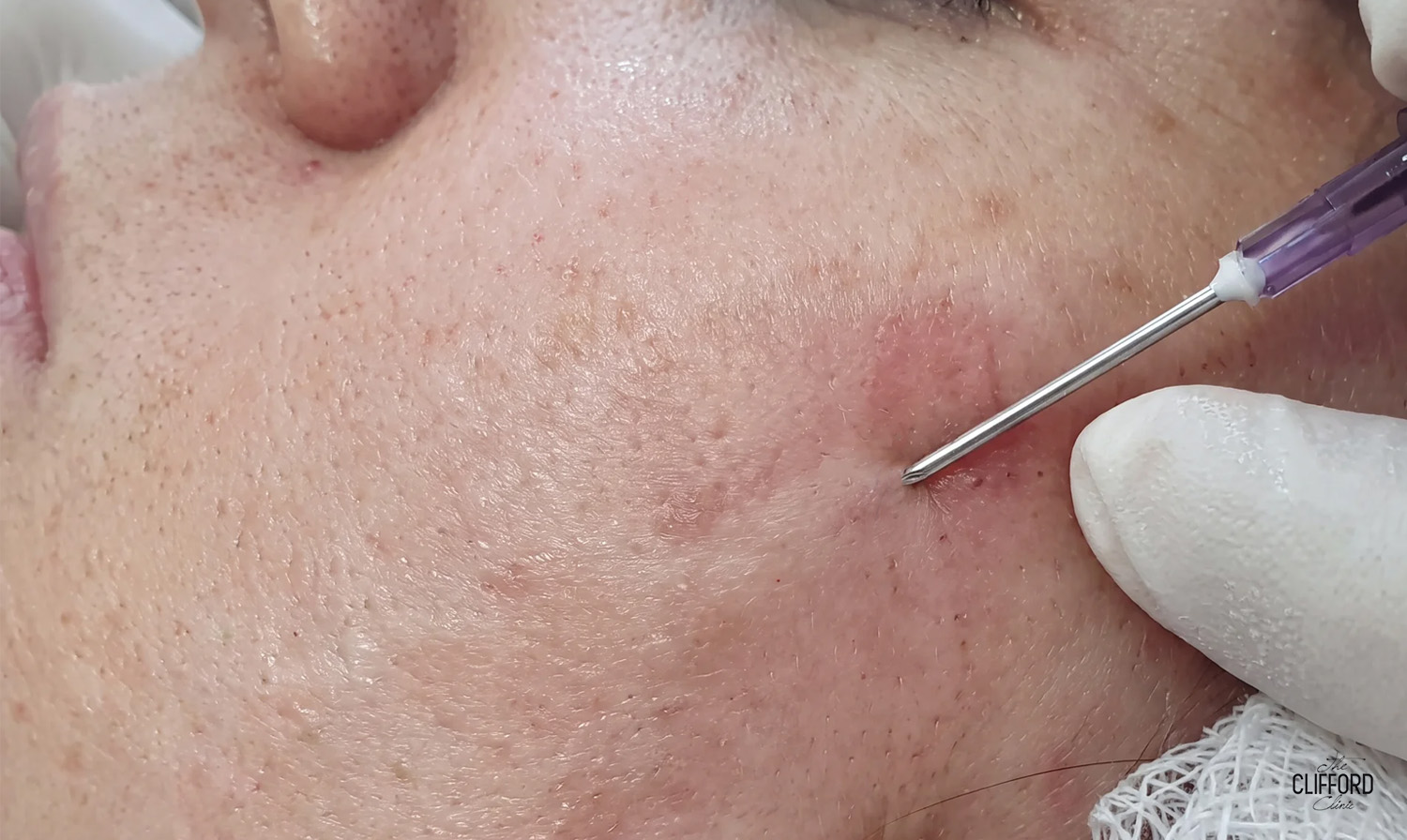
Knowing what to expect removes much of the apprehension around subcision. After cleansing and marking the scars, the area is numbed with local anaesthesia, so the procedure itself is well tolerated. A fine needle or blunt cannula is passed just beneath each tethered scar and moved in controlled sweeps to divide the bands holding it down. Where Sculptra is used, the cannula that delivers it performs this release at the same time. The treated area is then soothed, and you can usually return to normal activities the same day.
Afterwards, expect some bruising, swelling and tenderness for several days, this is normal, as the released space fills with new collagen. Results develop gradually over the following weeks and months, and most patients need a small series of sessions for the best effect. This timeline is set out up front, because subcision rewards patience. The lift you see at six weeks continues to improve as collagen matures.
Looking after and maintaining your results
After a course of subcision and biostimulator treatment, the results are durable but not entirely static, because skin continues to age and lose a little collagen and firmness over the years. Reviewing the skin periodically and, where helpful, a maintenance treatment helps preserve and build on what has been achieved. Good daily skincare and sun protection protect the investment in between. This is not constant treatment. It is about sensible upkeep of a result that took time and care to build.
It also reinforces why biostimulators are preferred over simple fillers for this work. By stimulating the skin to make its own collagen, they tend to age more naturally than a product that merely occupies space. The aim throughout is a result that looks like better skin, not a treated appearance.
Clinical summary
Rolling acne scars are tethered, so they need release before rebuilding. Subcision divides the fibrous bands, and a biostimulator chosen to suit the scar type holds and builds the lift. Biostimulators such as Poly-L-Lactic Acid (PLLA) Collagen Stimulator are preferred over HA fillers, and the cannula technique releases and stimulates in one step. Combined with RF, PDRN and resurfacing in sequence, this gives rolling scars their best chance. Continue with acne scar treatment for dark skin or the cost of acne scar removal in Singapore.
Frequently Asked Questions
Are biostimulators like Sculptra, Ellanse or RE20 good for acne scars?
Yes. They are preferred over HA fillers for scars because they stimulate the skin’s own collagen, matched to the scar type. Ellanse for volume loss, Juvelook for ice pick and boxcar scars, Sculptra or Lenisna for rolling scars with loose skin, and RE20 for very mild scarring.
Is subcision more effective with fillers?
Often yes. Subcision releases the tether, and a biostimulator then stimulates collagen to hold and build the lift. Sculptra is frequently placed with a cannula, which itself produces a subcision effect while stimulating collagen.
Does subcision hurt, and what is the downtime?
Subcision is done under local anaesthesia, so it is well tolerated. Expect some bruising and swelling for a few days afterwards, which settles. Results develop gradually and usually need a small series of sessions.
Why not use HA fillers for acne scars?
HA fillers are avoided for scars in favour of biostimulators that build the skin’s own collagen and integrate more naturally with a released scar. Biostimulators are also matched to the specific scar type rather than simply adding volume.

Written, medically reviewed and expert opinion by Dr Bernard Ong, The Clifford Clinic. This article is for general education and reflects Dr Ong’s clinical experience treating acne scars in Singapore. It is not medical advice. Treatment suitability, results, downtime and cost vary between individuals. Please arrange a consultation for advice specific to your skin.