
What Causes Acne Scars? How Inflammation Becomes a Permanent Mark
Written by Dr Bernard Ong. Medically reviewed by Dr Gerard Ee
The Clifford Clinic has over 16 years of experience treating acne and acne scars, having personally treated over 5,000 cases of acne and over 3,000 cases of acne scars.
Understanding the causes of acne scars is the first step to preventing and treating them, and it explains why some people walk away from severe acne with smooth skin while others are left with lasting texture. In this article, I explain the biology in plain terms, why certain people scar more, and the practical steps that lower your risk. It pairs naturally with our complete guide to acne scar treatment in Singapore.
The biology of inflammation and collagen damage
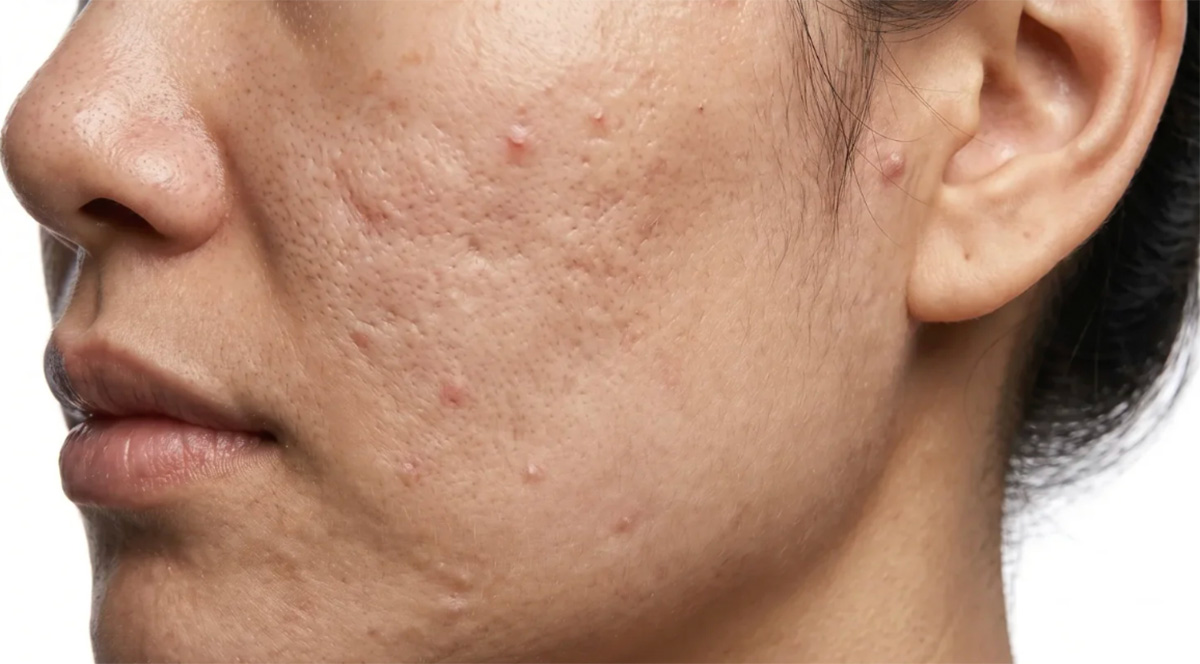
All acne scars begin with inflammation. When a pore becomes clogged with oil, dead skin and bacteria, the immune system responds, and if inflammation is intense or severe, as in cystic and nodular acne, it damages the surrounding tissue and the collagen scaffold that holds the skin’s structure. As the wound heals, the body remodels collagen. Insufficient collagen production causes the skin surface to sink and a depressed (atrophic) scar to form. Too much collagen, however, causes a raised hypertrophic or keloid scar to form. Either way, the change is structural and sits deep, which is why no cream or topical skincare can reverse it once it has formed.
In my experience, the single biggest driver of scarring is the depth and duration of inflammation. This is why I treat the active acne itself as the true root cause. Recurrent acne and inflammation on the skin are the single biggest risk factors for forming acne scars. A patient who controls their acne early simply gives their skin far less to scar over. Our overview of acne and acne scar treatment explains how active acne and scarring are managed together.
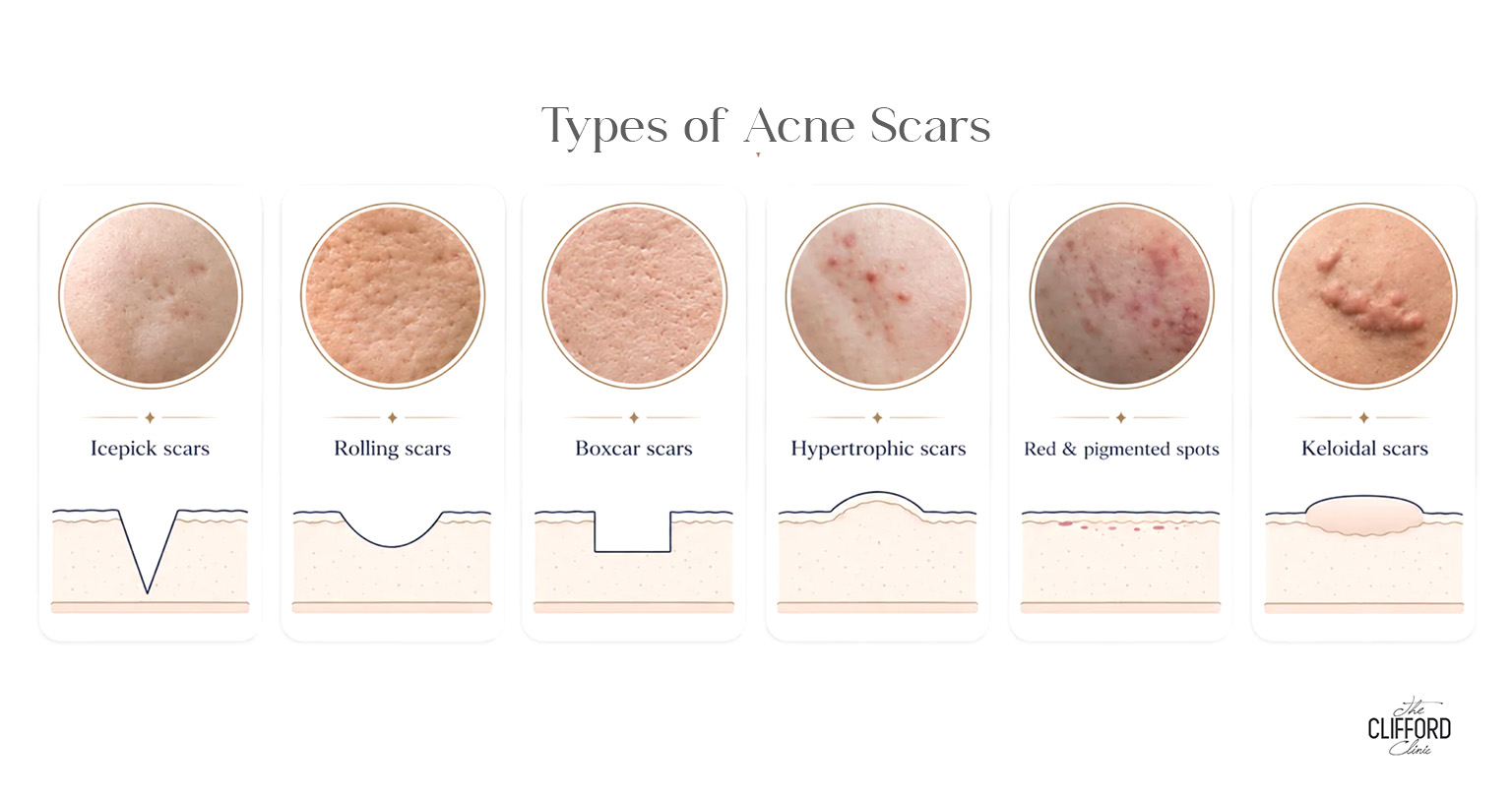
Why do some people scar more than others
Several factors decide who scars, and understanding them helps you judge your own risk:
- Acne severity and depth: cystic and nodular acne that reaches deep into the skin is far more likely to scar than surface whiteheads.
- Time left untreated: the longer inflammation persists, the more tissue is damaged. Delay is one of the most modifiable risk factors.
- Picking and squeezing: this worsens inflammation and pushes it deeper, and in my clinic it is one of the most common avoidable causes of scarring.
- Genetics: how your skin heals and remodels collagen is partly inherited, which is why scarring can run in families.
- Skin tone: deeper skin tones are more prone to post-inflammatory hyperpigmentation, the dark marks that follow a breakout, though these are different from true scars.
The important distinction between scars and marks
Not every mark left by acne is a scar. Flat brown or red discolouration is post-inflammatory pigmentation or redness, and it usually fades over months. A true scar is a change in texture. This presents as a depression or a raised area. I make this distinction early with every patient, because the treatments are completely different and I would rather a patient avoid paying for resurfacing when their marks would have faded on their own. Our acne scars vs hyperpigmentation guide shows how to tell them apart, and do acne scars go away on their own, covering what fades and what does not.
What raises your risk, and what I see in practice
Two patterns come up repeatedly in the clinic. The first is the patient who waited, hoping severe acne would settle by itself, and accumulated scarring in the meantime. The second is the patient who picked persistently. Neither did anything unusual (a very human response to a frustrating condition). Both illustrate the same point: scarring is driven by inflammation that is deep, prolonged or aggravated. The practical takeaway is that the most powerful anti-scarring step is not a cream or a device but bringing the acne under control quickly and keeping your hands off it. Where acne is stubborn, treatments such as AGNES RF can target the oil glands directly.

How to lower your risk of scarring
Prevention is far easier than treatment, and a few habits make a real difference
- Treat active acne early and properly rather than waiting it out.
- Never pick, squeeze or pop lesions.
- Protect the skin with daily sunscreen, UV darkens marks and slows healing.
- Support the skin barrier with gentle cleansing and good hydration.
These steps will not undo existing scars, but they reduce how many new ones form, which, given that scars are so much harder to treat than to prevent, is time very well spent.
If scars have already formed
If you already have scars, the cause is in the past and the focus shifts to remodelling collagen at the right depth, typically RF microneedling, subcision, lasers and biostimulators, matched to your scar type and combined rather than used alone. The details are in our complete acne scar treatment guide. The most important thing I tell my patients is that improvement is realistic and worthwhile, but it is gradual and works best once any remaining acne is controlled.
Do hormones, diet and stress cause scarring?
Patients often ask whether hormones, diet or stress are to blame for their scars. These factors influence the acne, not the scarring directly. Hormonal fluctuations drive many breakouts (which is why adult hormonal acne along the jaw and chin is so common), and for some people, high-glycaemic or dairy-heavy diets appear to worsen acne, though this varies from person to person. Stress aggravates acne through its effect on inflammation and on picking behaviour. But none of these creates a scar by itself, they create or prolong the acne, and it is the depth and duration of that inflammation that determines scarring.
Scar prevention and acne management are therefore the same project, not two separate ones. If the acne is hormonally driven, addressing that root cause does far more to prevent future scarring than any topical scar product could.
When to see a doctor about your acne
Because scarring is driven by deep, prolonged inflammation, the timing of treatment matters more than most people realise. I encourage anyone with cystic or nodular acne, acne that leaves marks, acne that keeps recurring in the same areas, or acne they find themselves picking to seek treatment rather than wait. These are precisely the situations that scar, and they are far easier to control early than to correct later. Seeing a doctor early is not about vanity, it is the single most effective form of scar prevention there is.
At the consultation, the goal is to bring the inflammation under control quickly and to identify whether the acne is hormonal, oil gland-driven or aggravated by skincare, so the right treatment can be chosen. Settling the acne is also the foundation for any later scar work, which is why I treat the two as one continuous plan rather than waiting for scars to appear before acting.
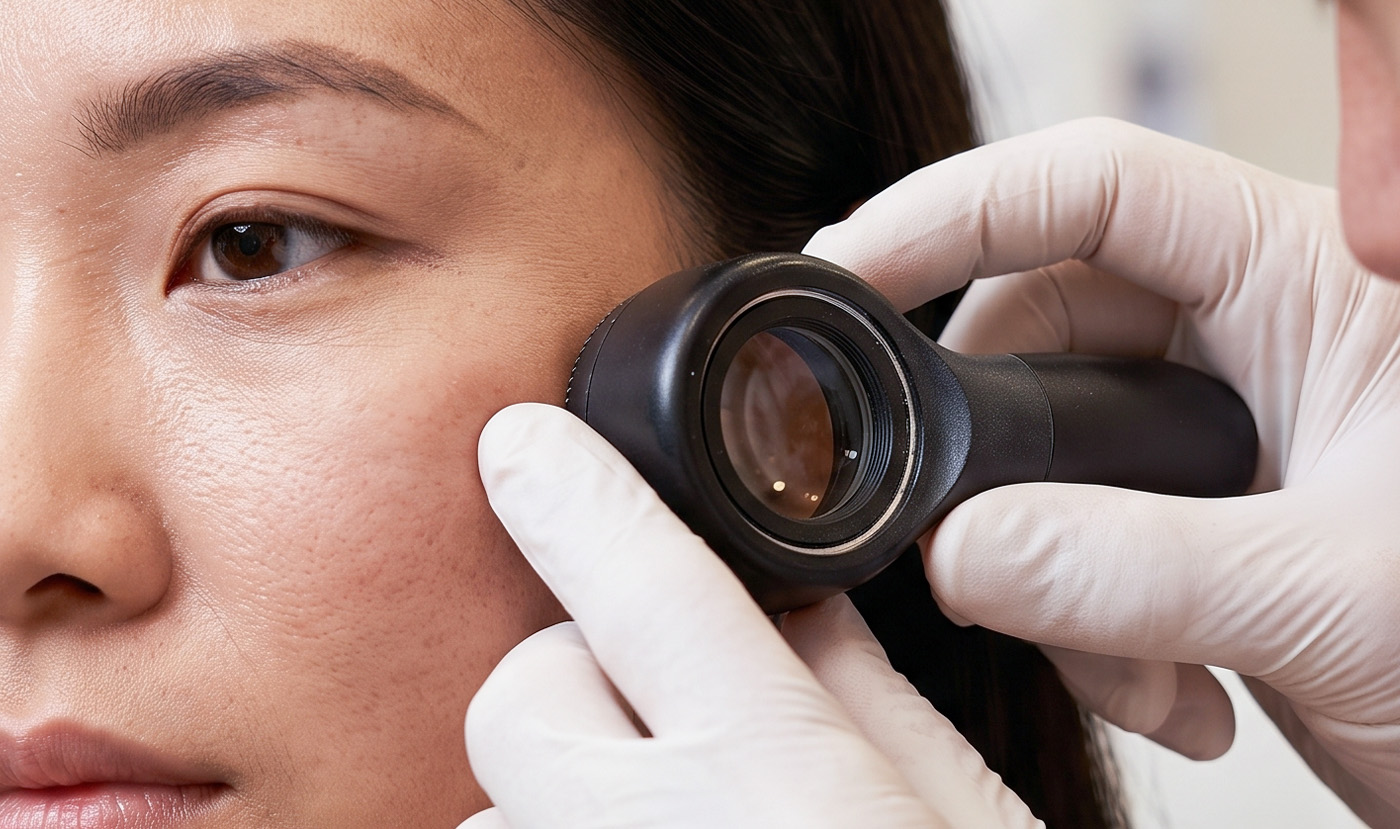
Clinical summary
Acne scars are caused by inflammation that damages collagen deep in the skin, and the people who scar most are those with deep, prolonged or aggravated acne, which is largely within your control. Treating acne early, never picking, and protecting the skin are the most effective ways to prevent scarring. If scars have formed, they can be improved with the right combined treatment. To continue, read what causes acne to begin with through the lens of treatment or move on to the types of acne scars.
Frequently Asked Questions
What is stage 4 acne?
Stage 4 (severe) acne involves widespread inflamed papules, pustules, and deep nodules or cysts. Because the inflammation is deep, it carries the highest risk of scarring, which is why I treat severe acne promptly rather than waiting.
What makes acne scars worse?
Deep, prolonged inflammation, picking or squeezing, delayed treatment, and sun exposure all worsen scarring or the marks around it. Treating acne early and not picking are the most effective preventive steps.
Does everyone with acne get scars?
No. Scarring depends on how deep and prolonged the inflammation was, genetics, and whether lesions were picked. Mild surface acne rarely scars, deep cystic acne often does, especially if left untreated.
Can acne scars be prevented?
Yes. Treating active acne early, never picking, and protecting the skin from the sun substantially reduces new scarring. Prevention is far easier than treating established scars.

Written by Dr Bernard Ong, Aesthetic Doctor, The Clifford Clinic. This article is for general education and reflects Dr Ong’s clinical experience treating acne scars in Singapore, it is not medical advice. Treatment suitability, results, downtime and cost vary between individuals. Please arrange a consultation for advice specific to your skin.

Author Bio
Dr Gerard Ee

Dr Gerard Ee is the Medical Director of The Clifford Clinic in Singapore. He earned his medical degree from St George's University of London and built his surgical experience across the Singapore General Hospital, National University Hospital, and Mount Sinai Hospital in New York. He holds Membership of the Royal College of Surgeons (Edinburgh) and a Postgraduate Diploma in Dermatology (Cardiff), and is fully accredited in aesthetic procedures including botulinum toxin, fillers, lasers, and light therapies. A strong advocate of minimally invasive, natural-looking results, Dr Ee has published in several medical and scientific journals and presented his research in cities including Taipei, Las Vegas, and London.
See all posts by Dr Gerard Ee »