

New Year, New You: How to Start Your Hair Loss Recovery Journey
A new year often brings quiet promises we make to ourselves. To feel better. To look after our health. To finally address things we have been putting off. For many, hair thinning or shedding sits high on that list. It can creep up slowly, showing first in the shower drain or in photos where the scalp feels a little more visible than before. Over time, it can chip away at confidence and change how you see yourself.
If you have ever found yourself feeling self-conscious about hair loss, the start of a new year can be the perfect moment to reset. Hair recovery is not about overnight miracles or chasing trends. It is about understanding what your hair needs, taking consistent steps forward and choosing support that works with your lifestyle.
This guide walks you through how to begin your hair loss recovery journey in a realistic, supportive way, so you can move into the year feeling informed, empowered and hopeful.
Understanding Hair Loss Before You Take Action
Before jumping into solutions, it helps to understand why hair loss happens. Hair growth follows a natural cycle of growth, rest and shedding. When this cycle is disrupted, shedding becomes more noticeable and regrowth slows.
Common triggers include hormonal changes, stress, nutritional deficiencies, genetics and scalp inflammation. For some, hair thinning appears gradually with age. For others, it can feel sudden after illness, major life changes or prolonged stress. Identifying the root cause is essential, because different causes respond best to different approaches.
Starting your recovery journey with clarity helps you avoid frustration and wasted effort later on.
Step 1: Reframe Hair Loss as a Health Issue, Not a Cosmetic Flaw
One of the most important mindset shifts is viewing hair loss as part of your overall health. Hair follicles are living structures that respond to blood flow, nutrients, hormones and scalp condition. When something is off internally or at the scalp level, hair growth is often one of the first places it shows.
Rather than blaming yourself or hiding the problem, treat hair loss as a signal worth listening to. This reframing reduces anxiety and makes it easier to commit to long-term care rather than quick fixes.
Step 2: Start With a Professional Assessment
A proper assessment sets the foundation for meaningful progress. A trained medical professional can examine your scalp, assess hair density and evaluate patterns of thinning. This process helps distinguish between temporary shedding and progressive hair loss.
Many people delay this step, hoping the issue will resolve on its own. However, early intervention often leads to better outcomes. When treatment starts before follicles become permanently inactive, the chances of regrowth and preservation improve significantly.
A professional consultation also helps you understand realistic timelines. Hair growth takes time, and knowing what to expect can make the journey less stressful.
Step 3: Build Daily Habits That Support Hair Recovery
Recovery does not rely on treatments alone. Daily habits play a powerful role in creating the right environment for hair growth.
Start with scalp care. A clean, balanced scalp allows follicles to function properly. Gentle cleansing, avoiding harsh products and keeping the scalp free from buildup can make a noticeable difference over time.
Nutrition is another key factor. Hair is made of protein, and deficiencies in iron, zinc or essential vitamins can slow growth. A balanced diet supports follicles from the inside out.
Stress management also matters more than many realize. Chronic stress can push hair into the shedding phase prematurely. Simple practices like regular sleep, movement and relaxation help create stability for your hair cycle.
These small changes may feel subtle, but together they form a strong base for recovery.
Step 4: Understand When Professional Treatments Are Needed
For many people, lifestyle changes alone are not enough. This is where professional support becomes valuable. Advanced hair loss treatment in Singapore focuses on improving scalp health, reactivating dormant follicles and strengthening existing hair.
Professional treatments are designed to work with your body rather than forcing unnatural results. They target circulation, cellular activity and nutrient delivery to the scalp. When combined with good daily habits, they often produce more visible and lasting improvements.
The key is choosing treatments tailored to your hair loss pattern and goals rather than following a one-size-fits-all approach.
Step 5: Set Realistic Expectations and Stay Consistent
Hair recovery is a journey, not a sprint. It is normal to want fast results, especially when hair loss affects confidence. However, follicles need time to respond. Most treatments require consistent sessions and several months before visible changes appear.
Tracking progress through photos or follow-up assessments can help you stay motivated. Even small improvements in thickness, reduced shedding or better scalp comfort are signs that your plan is working.
Patience and consistency often separate successful outcomes from disappointing ones.
Step 6: Make Hair Recovery Part of Your Self-Care Routine
Rather than seeing treatments as a chore, integrate hair care into your self-care routine. Think of it as an investment in how you feel day to day. When hair health improves, many people notice a positive shift in confidence, posture and self-expression.
The new year is a powerful time to establish habits that support not just your appearance, but your sense of control and wellbeing.
Conclusion: Take the First Step Toward Healthier Hair
Starting a hair loss recovery journey is not about chasing perfection. It is about making informed choices, understanding your scalp and giving your hair the support it needs to thrive. With the right combination of professional guidance, consistent care and realistic expectations, progress is absolutely possible.
If you are ready to take action, consider speaking with an experienced team that understands the science behind hair growth. The Clifford Clinic provides personalized care plans designed to support long-term hair health and confidence. Book a consultation today and begin the year with a proactive step toward stronger, fuller hair.
Advanced Hair Loss Solutions at The Clifford Clinic
At The Clifford Clinic, hair restoration is approached with precision and individual care. Each treatment plan is customized based on your scalp condition, hair loss pattern and lifestyle needs.
This minimally invasive procedure relocates individual hair follicles from donor areas to thinning regions. The technique allows for natural-looking density and precise placement, with minimal scarring and downtime. It is a long-term option for individuals seeking permanent restoration.
Bellasonic uses ultrasound energy to enhance the penetration of nourishing serums into the scalp. By improving circulation and follicle activity, this gentle, needle-free treatment supports healthier hair growth and overall scalp balance.
This laser-based treatment works at the cellular level to stimulate follicle metabolism and strengthen existing strands. Improved blood flow helps deliver oxygen and nutrients to the scalp, encouraging gradual thickening and regrowth with regular sessions.
4. Exosome Hair Loss Treatment
Exosome therapy delivers concentrated growth factors to the scalp to revitalize dormant follicles and improve scalp health. This advanced option can enhance hair thickness, texture and shine while complementing other treatments for comprehensive results.
Your hair deserves thoughtful care backed by medical expertise. Take the first step toward a healthier scalp and renewed confidence by scheduling a consultation with The Clifford Clinic today.
Author Bio
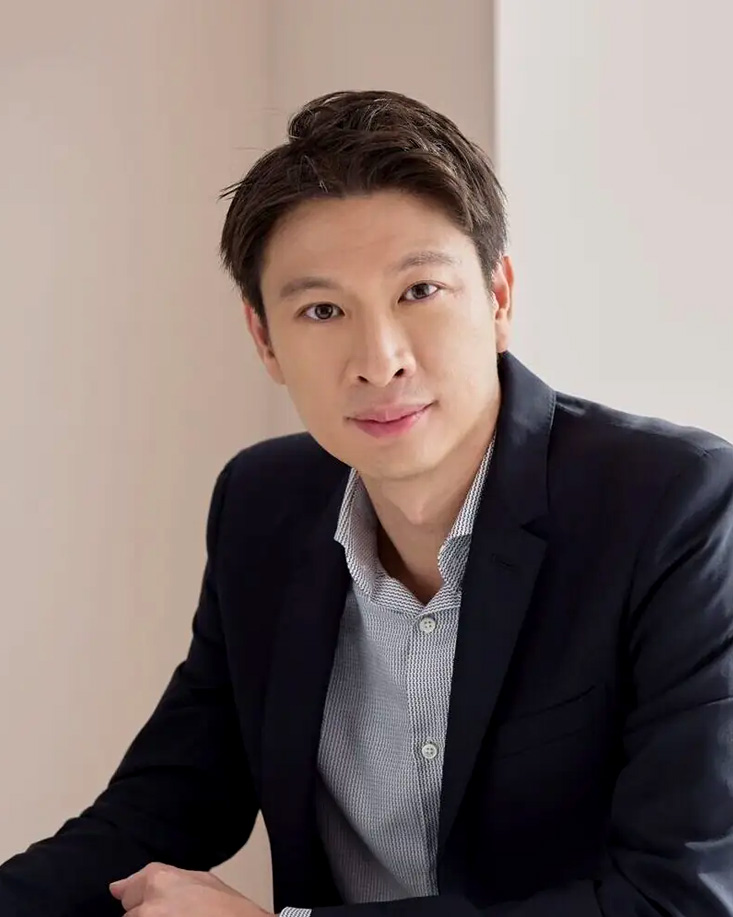
Dr Gerard Ee

Dr Gerard Ee is the Medical Director of The Clifford Clinic in Singapore. He earned his medical degree from St George's University of London and built his surgical experience across the Singapore General Hospital, National University Hospital, and Mount Sinai Hospital in New York. He holds Membership of the Royal College of Surgeons (Edinburgh) and a Postgraduate Diploma in Dermatology (Cardiff), and is fully accredited in aesthetic procedures including botulinum toxin, fillers, lasers, and light therapies. A strong advocate of minimally invasive, natural-looking results, Dr Ee has published in several medical and scientific journals and presented his research in cities including Taipei, Las Vegas, and London.
See all posts by Dr Gerard Ee »