
Best Acne Treatment in Singapore, A Doctor-Led Guide (2026)
Written by Dr Bernard Ong. Medically reviewed by Dr Gerard Ee. Dr Gerard Ee (MBBS, MRCS, Diploma in Practical Dermatology, Cardiff) is the Founder and Medical Director of The Clifford Clinic, with more than 14 years of experience treating acne, and among the first doctors in Singapore to use AGNES and AviClear. This article reflects the clinical approach of The Clifford Clinic, and is for general education only. It does not replace a personal consultation. Last reviewed July 2026.
Patients often find an overwhelming number of solutions promising clear skin while searching for the best acne treatment in Singapore. This guide compares those options directly, delineating the purpose of each treatment, which patients it suits, its limitations, and its expected downtimes. The diagnostic reasoning applied before a treatment is chosen is set out separately in our guide to how our doctors choose your acne treatment. The focus below is the treatments themselves, so that the category an individual case falls into can be identified before any appointment is booked.
Quick answer, matching the treatment to the acne type
Mild comedonal acne, meaning blackheads and whiteheads, usually responds to evidence-based topicals such as retinoids and benzoyl peroxide. Inflammatory acne often needs a course of oral medication or a sebum-targeting procedure. Oily, relapsing acne is better suited to device treatments such as AGNES radiofrequency and the AviClear 1726 nm laser, which act on the sebaceous gland itself rather than on the skin surface. Severe nodulocystic acne may warrant oral isotretinoin, which is reserved for disease that has not responded to the steps above. Most patients require a combination delivered in the correct sequence, and the starting point in every case is a diagnosis of the acne type and its drivers.
What the acne consultation assesses
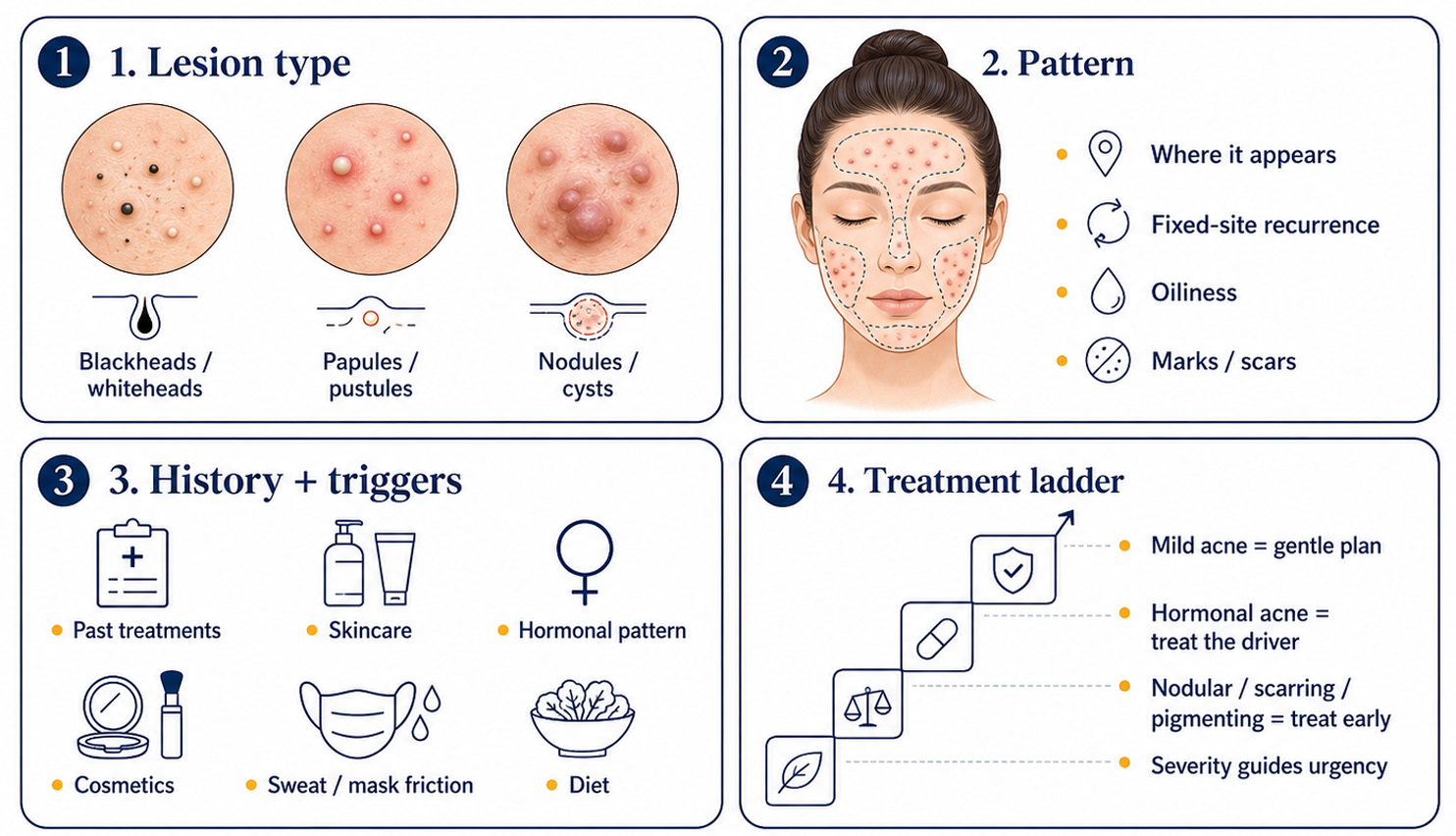
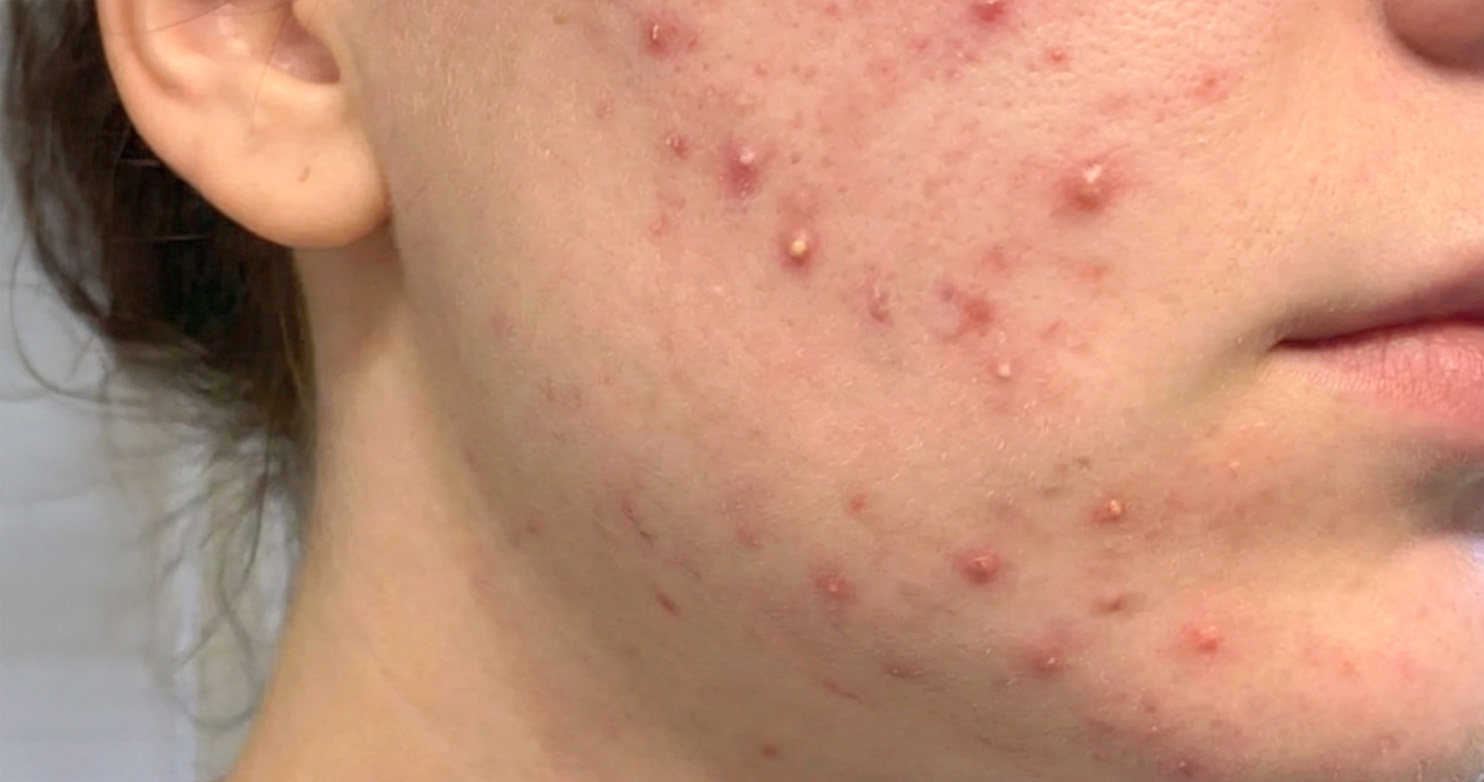
The assessment begins with lesion type, namely blackheads and whiteheads, inflamed papules and pustules, or deeper nodules and cysts. It then records distribution, whether lesions recur in fixed sites, the degree of oiliness, and whether marks or scars have already formed. The history covers previous treatments and the response to them, current skincare, and factors that commonly drive acne in Singapore, including hormonal patterns, occlusive cosmetics, sweat and mask friction, and diet. Together these findings determine which treatment ladder is appropriate. Acne driven by a hormonal pattern, for example, responds poorly to an approach that only addresses the skin surface, because the androgen signal driving sebum production is never reached.
Severity grading sets the urgency of treatment. Acne that is already nodular, scarring or pigmenting is treated more assertively from the outset, since every month of uncontrolled inflammation adds to the pigmentation and scarring that will later require repair. Mild acne, conversely, does not require aggressive intervention, and over-treatment produces irritation without benefit.
The acne treatment ladder
Topical acne treatments
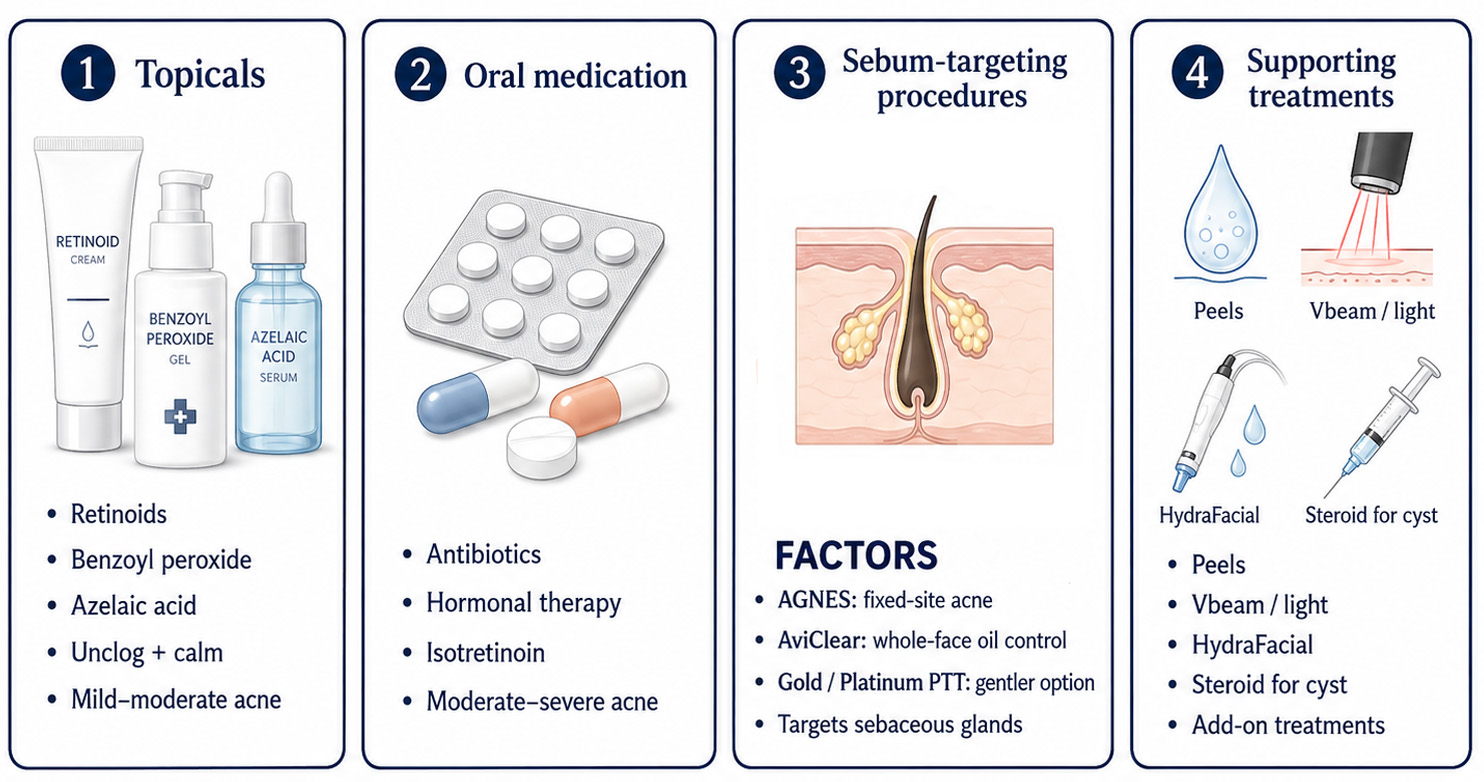
Topical retinoids remain the foundation for most acne. They normalise the shedding of cells that line the follicle, so that existing comedones clear and new plugs are less likely to form. Benzoyl peroxide releases free oxygen radicals inside the follicle, which kills Cutibacterium acnes without selecting for resistant strains, so it can be used alongside an antibiotic. Azelaic acid reduces inflammation and, by inhibiting the pigment enzyme tyrosinase, also fades the brown marks acne leaves behind. Applied consistently, well-chosen topicals control a substantial proportion of mild to moderate acne. Their limitations are irritation, the sustained daily use they require, and their inability to reduce the output of the sebaceous glands that drive oilier acne.
Oral acne medication
Short courses of oral antibiotics reduce the inflammatory load in moderate acne. They are always paired with a topical and limited to roughly three months, because longer use selects for resistant bacteria without adding benefit. For women whose breakouts track the menstrual cycle or cluster around the jawline, hormonal treatment addresses the androgen signal that drives sebum production. Combined oral contraceptives lower circulating androgens, whereas spironolactone blocks the androgen signal at the sebaceous gland itself. Oral isotretinoin is the most effective medication available for severe or treatment-resistant acne. It reduces the size and output of the sebaceous glands, and a completed course produces durable remission in many patients. It is reserved rather than offered early, because it requires a monitored course with blood tests and strict contraceptive precautions, and because gland-directed devices can achieve durable sebum reduction in selected patients without systemic exposure.
Sebum-targeting procedures, AGNES, AviClear and Gold Photothermal Therapy (PTT)
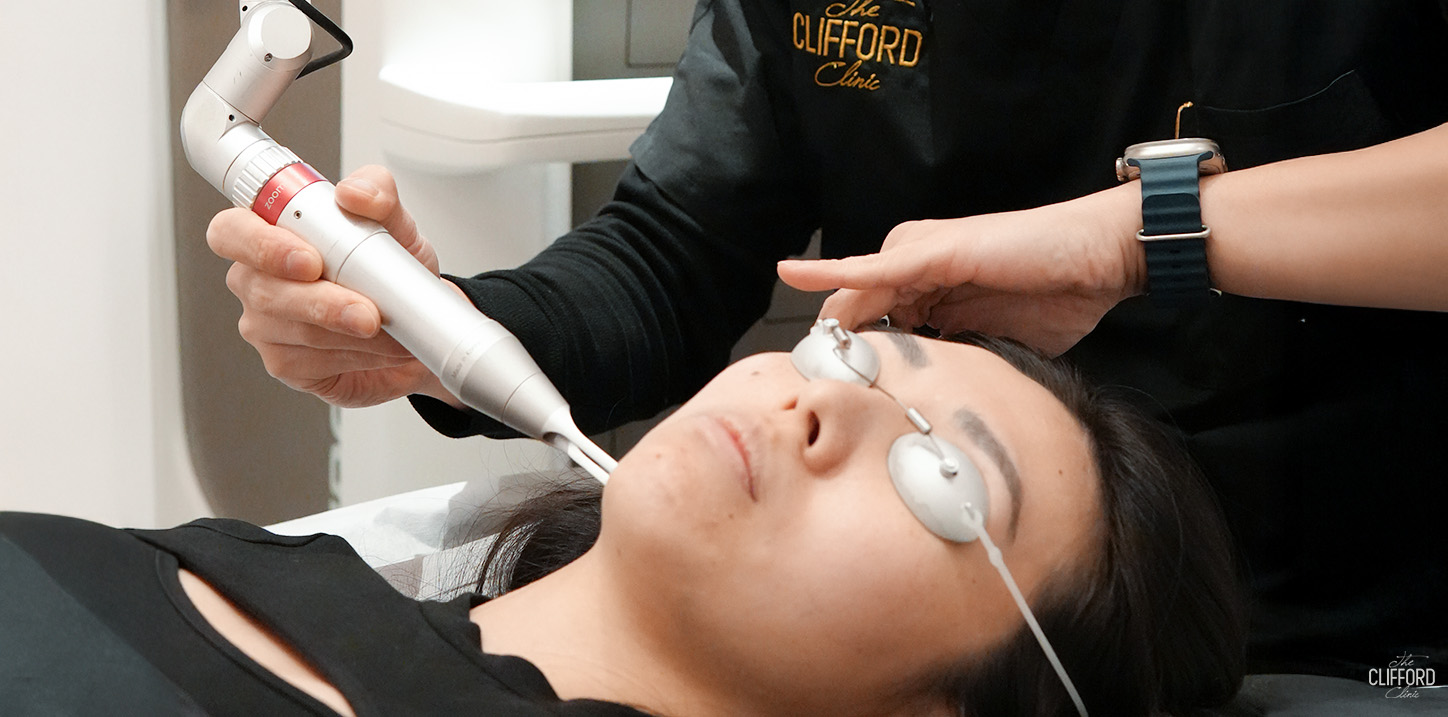
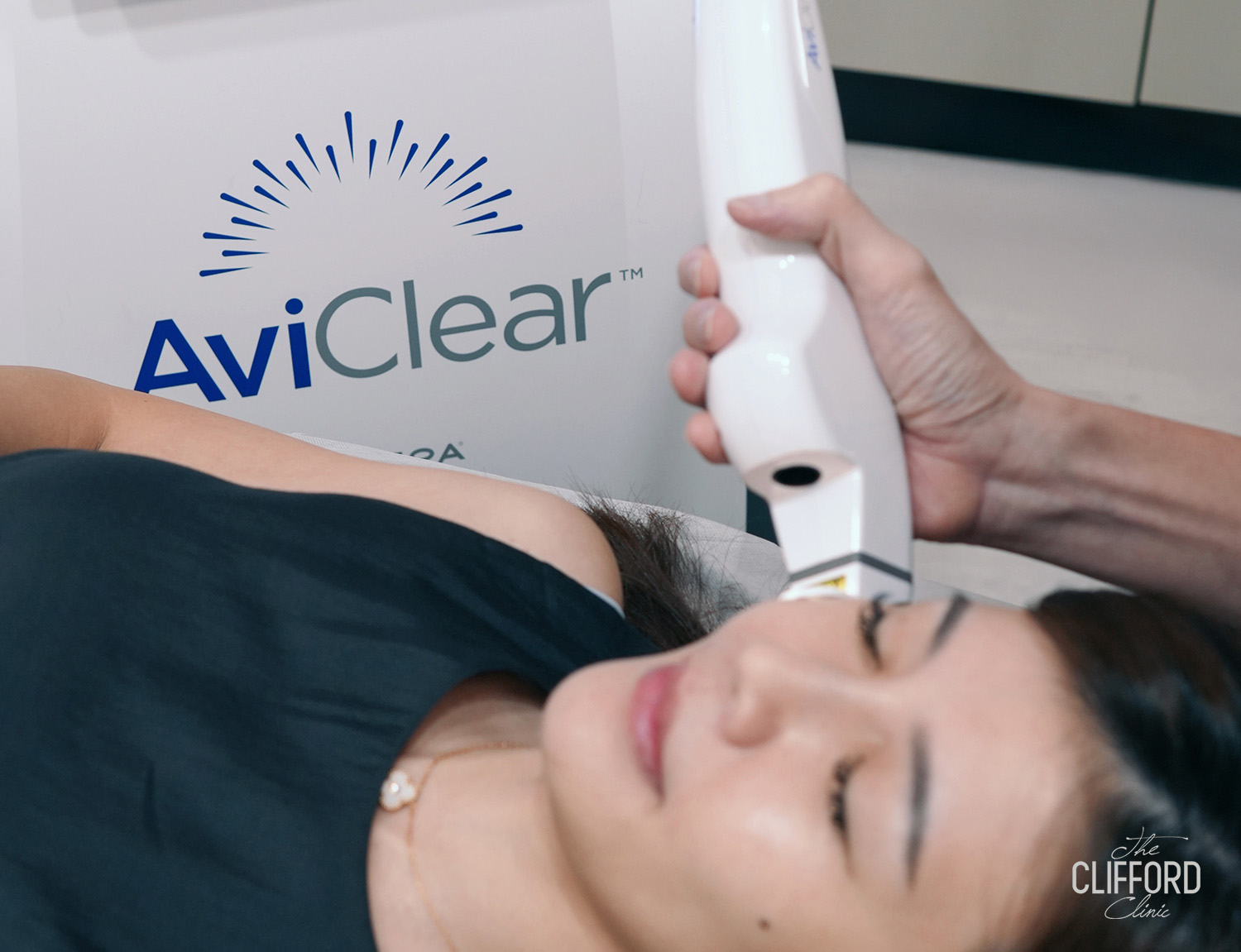
These treatments exist because the sebaceous gland is where the disease begins. Sebum feeds the follicular plug, the bacterial overgrowth and the inflammation that follows, so reducing gland output interrupts the sequence at its origin. AGNES uses a fine insulated microneedle to deliver radiofrequency energy into individual sebaceous glands, coagulating the gland so that it no longer produces sebum, which suits acne that recurs in a small number of fixed sites. AviClear is a 1726 nm laser, a wavelength preferentially absorbed by sebum, so the energy is concentrated in the sebaceous glands across the whole face while the surrounding skin is spared, reducing sebum production without medication. Gold and Platinum photothermal therapy delivers gold nanoparticles into the follicle and then heats them with a laser pulse, producing a more gradual reduction in gland activity. This makes it useful for younger teenagers and for pregnant or breastfeeding mothers, in whom retinoids and isotretinoin cannot be used. Selection between them depends on the distribution of the acne, the downtime that can be accommodated, and whether medication is suitable or acceptable.
Supporting acne treatments
Chemical peels accelerate the clearing of comedones and post-acne marks. Light-based treatments and the Vbeam pulsed dye laser reduce redness and inflammation, the laser by targeting the haemoglobin in the dilated vessels that keep post-acne marks red. Medical facials such as HydraFacial clear congested pores during a course of treatment, but they do not act on the sebaceous gland or on the inflammatory process. Intralesional corticosteroid injection reduces the size and pain of an individual nodule within one to two days. Each has a role within a treatment plan, but none acts on the sebaceous gland or the follicular plug, so none can serve as the plan itself.
When a treatment is not recommended
A facial-only approach is not recommended for inflammatory acne, because it delays effective care while scarring risk accumulates. A series of lasers like Q-switch or Pico lasers is also not advised for acne that is primarily hormonal until the hormonal driver has been addressed, because sebum output returns once the androgen signal resumes. Isotretinoin is not offered in pregnancy or to those planning conception, because it is teratogenic, and aggressive resurfacing is approached cautiously in darker skin tones, where the risk of post-inflammatory hyperpigmentation is higher.
Common mistakes in acne treatment
The most common mistake is treating acne as a hygiene problem and scrubbing harder, which strips the barrier lipids from the skin surface and worsens the inflammation. The second is changing products every few weeks, never giving any single approach the two to three months it needs to show results. The third is spending months on facials for acne that needed medical treatment, arriving at the clinic only once scars have formed. The fourth is stopping treatment as soon as the skin clears, without a maintenance plan, after which relapse is common.
What the evidence shows
Current clinical guidelines place retinoids and benzoyl peroxide as first-line care, antibiotics as a time-limited addition to topicals, hormonal therapy for androgen-driven acne in women, and isotretinoin for severe disease. The 1726 nm laser produces durable improvement in inflammatory acne that extends well beyond the end of the treatment course, across a range of skin types. Radiofrequency delivered into the sebaceous glands reduces gland activity and lowers the recurrence rate in the treated sites. Across these findings, treatments that act on sebum production and on the follicle itself produce more lasting control than measures confined to the skin surface.
Realistic timelines and results
Acne treatment is measured in months rather than days. Topicals typically show meaningful change by eight to twelve weeks. Oral courses and device programmes build progressively, with AviClear and AGNES results often continuing to improve for three to six months after the final session. A realistic plan clears active acne first, protects the skin from new scarring, and only then addresses the repair of marks and scars. Costs scale with the number and type of treatments required, so an assessment precedes any quotation.
When to see a doctor
See a doctor if acne is painful, nodular or scarring, if it recurs in the same spots, if breakouts persist beyond three months of consistent over-the-counter care, or if acne is affecting your confidence and daily life. Earlier treatment is simpler and less costly, and leaves less scarring to repair later.
How acne forms
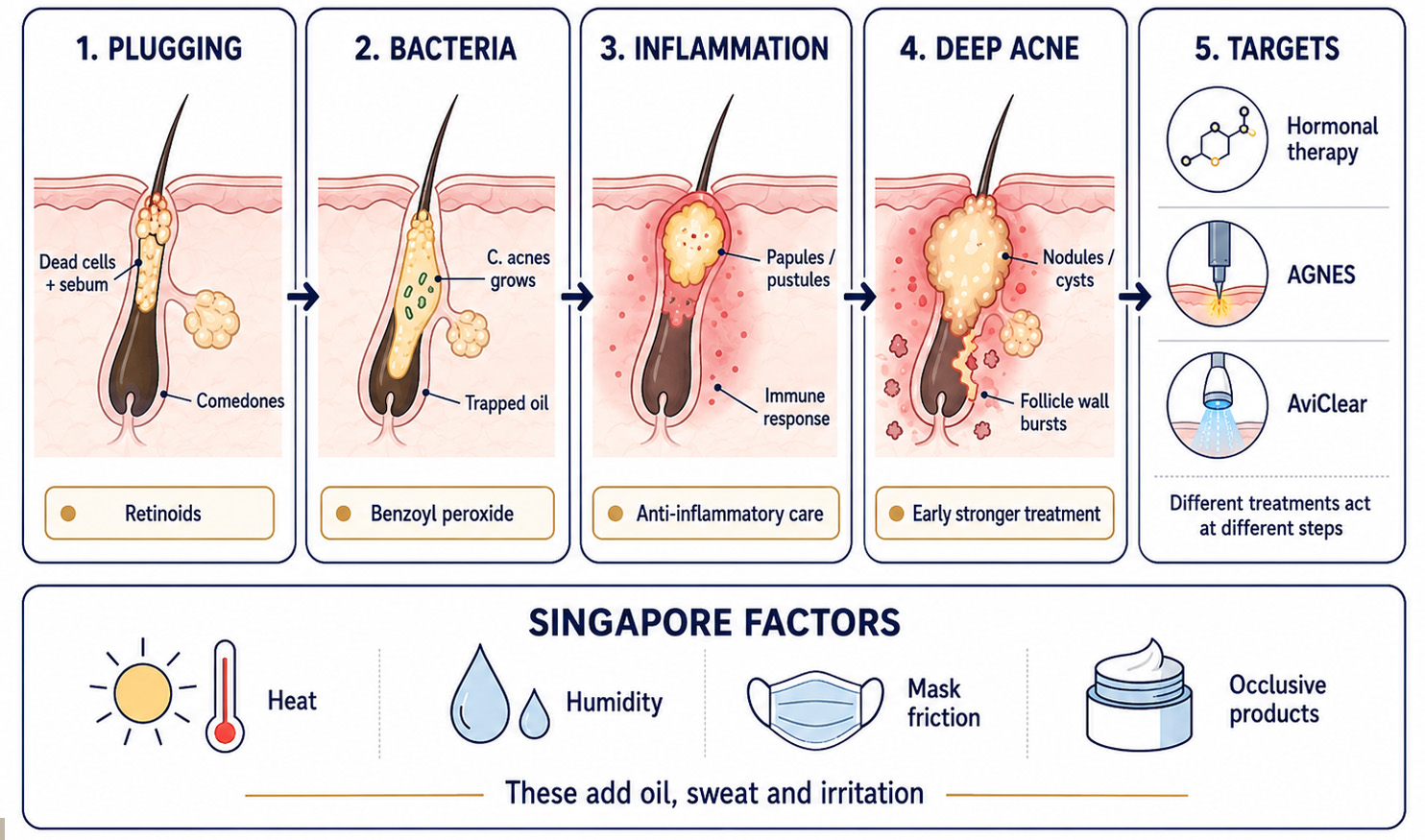
Every lesion begins in a follicle. The lining sheds cells that mix with sebum and form a plug, Cutibacterium acnes multiplies in the trapped oil, and the immune system responds with inflammation. Comedones are the plug stage, papules and pustules are the inflammation stage, and nodules and cysts are deep inflammation that has burst the follicle wall. Each treatment class acts on a different point in this sequence. Retinoids act on the plugging, benzoyl peroxide on the bacteria, hormonal therapy on the androgen signal that drives sebum production, and devices such as AGNES and AviClear on the sebaceous gland itself.
The Singapore climate adds its own aggravating factors. Year-round heat and humidity raise sebum output and sweating, occlusive sunscreen and makeup sit longer on the skin, and mask-wearing concentrates humidity and friction over the lower face. None of these causes acne on its own, but each adds to the inflammatory and occlusive load on skin that is already borderline, which explains why a routine that worked in a temperate climate can fail here.
Sequencing actives, devices and scar repair
The order of treatment matters as much as the choice of treatment. Active inflammation is treated first, because each additional week of inflammation increases the risk of pigmentation and scarring. Marks and redness are addressed second, once new lesions have largely stopped. Depressed scars are repaired last, because resurfacing skin that is still producing new lesions provokes fresh inflammation in the treated area and undoes the remodelling. Patients who ask for everything to be treated at once are given the same sequence, because reversing the order produces a poorer final result at greater cost.
Within the acne-control phase, combinations are deliberately staged. In a typical moderate case, topicals are started immediately, a short antibiotic course is added for the inflammatory load, and a device programme is scheduled if the pattern is oily and relapsing, with review at each stage. Because the plan is adjusted according to the skin’s response, review is a component of treatment rather than an optional addition.
Special situations in acne treatment
In pregnancy, retinoids and isotretinoin are withdrawn, and treatment relies on azelaic acid and other pregnancy-compatible options until after delivery. Darker skin tones shift the emphasis toward pigment-safe choices and earlier control, because post-inflammatory hyperpigmentation is more intense and persists for longer in more pigmented skin. Teenagers require regimens simple enough to be followed consistently. Adult women with jawline-pattern breakouts are assessed for hormonal drivers before devices are proposed.
Frequently asked questions
What is the best acne treatment in Singapore?
No single treatment is best for every patient. Mild acne responds to topicals, inflammatory acne may need oral medication, oily relapsing acne suits sebum-targeting devices such as AGNES or AviClear, and severe acne may warrant isotretinoin. The appropriate choice follows an assessment of the acne type and its drivers.
How much does acne treatment cost in Singapore?
Costs range widely, from prescription topicals to structured device programmes. Because the appropriate combination depends on the individual skin, assessment should precede any quotation. A fixed package priced before the skin has been examined should be treated with caution.
Can acne be cured permanently?
Acne is not cured in the sense of being permanently eliminated, but it can be controlled and, in many patients, placed into prolonged remission. Isotretinoin and sebum-targeting treatments such as AviClear and AGNES offer the most durable results because they reduce the output of the sebaceous glands that drive breakouts.
Do acne facials work?
Medical facials clear congested pores and support a treatment plan, but they do not act on the sebaceous gland, the bacteria or the inflammation that drive acne. Acne that is painful, deep or scarring requires medical treatment first.

Ready for a proper acne assessment? Our doctors will diagnose your acne type and match it to the right plan.
The Clifford Clinic, 50 Raffles Place, Singapore Land Tower. Call (65) 6532 2400 or WhatsApp (65) 8318 6332 to arrange a consultation.
Related reading
- How Our Doctors Choose Your Acne Treatment
- Acne Treatment at The Clifford Clinic
- A Doctor’s Honest Acne Guide (2026)
- AGNES Acne Treatment
- AviClear Acne Treatment
- Gold Photothermal Treatment
Selected References
- HealthHub Singapore. Acne. https://www.healthhub.sg/a-z/diseases-and-conditions/acne.
- American Academy of Dermatology. Guidelines of care for the management of acne vulgaris. https://www.aad.org/member/clinical-quality/guidelines/acne.
- Acne vulgaris. https://dermnetnz.org/topics/acne.
- Guidelines of care for the management of acne vulgaris. JAAD. https://www.jaad.org/article/S0190-9622(23)03389-3/fulltext.
- A 1726 nm laser system for the treatment of acne vulgaris. PubMed. https://pubmed.ncbi.nlm.nih.gov/36197599/.
- Long-term outcomes of 1726 nm laser treatment for acne. JAAD. https://www.jaad.org/article/S0190-9622(25)02900-7/fulltext.
- Radiofrequency microneedling of the sebaceous gland for acne. PubMed. https://pubmed.ncbi.nlm.nih.gov/31502662/.
- Oral isotretinoin for acne. Cochrane Database of Systematic Reviews. https://pubmed.ncbi.nlm.nih.gov/30484286/.
- Spironolactone for adult female acne (SAFA trial). BMJ. https://pubmed.ncbi.nlm.nih.gov/37192767/.
Medical disclaimer: This article is for general education and does not replace an in-person consultation. Treatment suitability, results and risks vary between individuals. Please speak with a qualified doctor before starting any acne treatment.

Author Bio
Dr Gerard Ee

Dr Gerard Ee is the Medical Director of The Clifford Clinic in Singapore. He earned his medical degree from St George's University of London and built his surgical experience across the Singapore General Hospital, National University Hospital, and Mount Sinai Hospital in New York. He holds Membership of the Royal College of Surgeons (Edinburgh) and a Postgraduate Diploma in Dermatology (Cardiff), and is fully accredited in aesthetic procedures including botulinum toxin, fillers, lasers, and light therapies. A strong advocate of minimally invasive, natural-looking results, Dr Ee has published in several medical and scientific journals and presented his research in cities including Taipei, Las Vegas, and London.
See all posts by Dr Gerard Ee »