

Does Vasectomy Affect Sex Drive, Erections or Testosterone? Common Myths Explained
Medically reviewed by Dr Nathaniel Heah, Consultant Urologist, FAMS (Urology). Clinical focus: Andrology and Men’s Health. Last reviewed: June 2026. Next review: June 2027.
At The Clifford Surgery, vasectomy consultations and procedures are led by Dr Nathaniel Heah, FAMS (Urology), a UK fellowship-trained Consultant Urologist with subspecialty expertise in Andrology and Men’s Health, with clinical support from Dr Law Zhi Wei, MBBS (NUS), MRCSEd, where appropriate. Both are registered with the Singapore Medical Council. These concerns are addressed directly at every consultation. In short, vasectomy does not affect sex drive, erections, ejaculation or testosterone.
Vasectomy and Sexual Function: Quick Facts
Vasectomy: What It Does and Does Not Affect
| Question | Answer |
|---|---|
| Affect Sex Drive? | No |
| Affect Erections? | No. Erections are vascular and neurological. |
| Affect Testosterone? | No. Testosterone is made in the testicles, not the vas. |
| Affect Ejaculation or Orgasm? | No. Volume and sensation are unchanged. |
| Protect Against STIs? | No |
| Any Real Consideration? | Chronic scrotal pain in about 1 to 2% of men, usually manageable |
Why These Concerns Are So Common
The reproductive system is closely associated with masculinity and vitality. It is entirely understandable that a surgical procedure involving the vas deferens raises questions about whether it might change how a man feels or functions sexually.
These concerns are also sustained by myths that circulate online with no factual basis. Separating myth from clinical evidence is important, both to avoid unnecessary anxiety and to ensure that men who are well-suited to vasectomy do not delay a decision based on inaccurate information.
Does Vasectomy Affect Sex Drive?
No. Vasectomy does not affect sex drive. Sex drive is driven primarily by testosterone and psychological factors. The vas deferens is a sperm-carrying tube only and has no physiological connection to libido or testosterone production.
Some men report a subjective improvement in sexual confidence after vasectomy, attributed to reduced anxiety about unintended pregnancy. This is a psychological effect, not physiological. If a man experiences any change in libido after vasectomy, this is most likely related to other factors, including psychological adjustment, relationship changes, medication or other health conditions. Any persistent change should be discussed with a doctor.
Does Vasectomy Affect Erections?
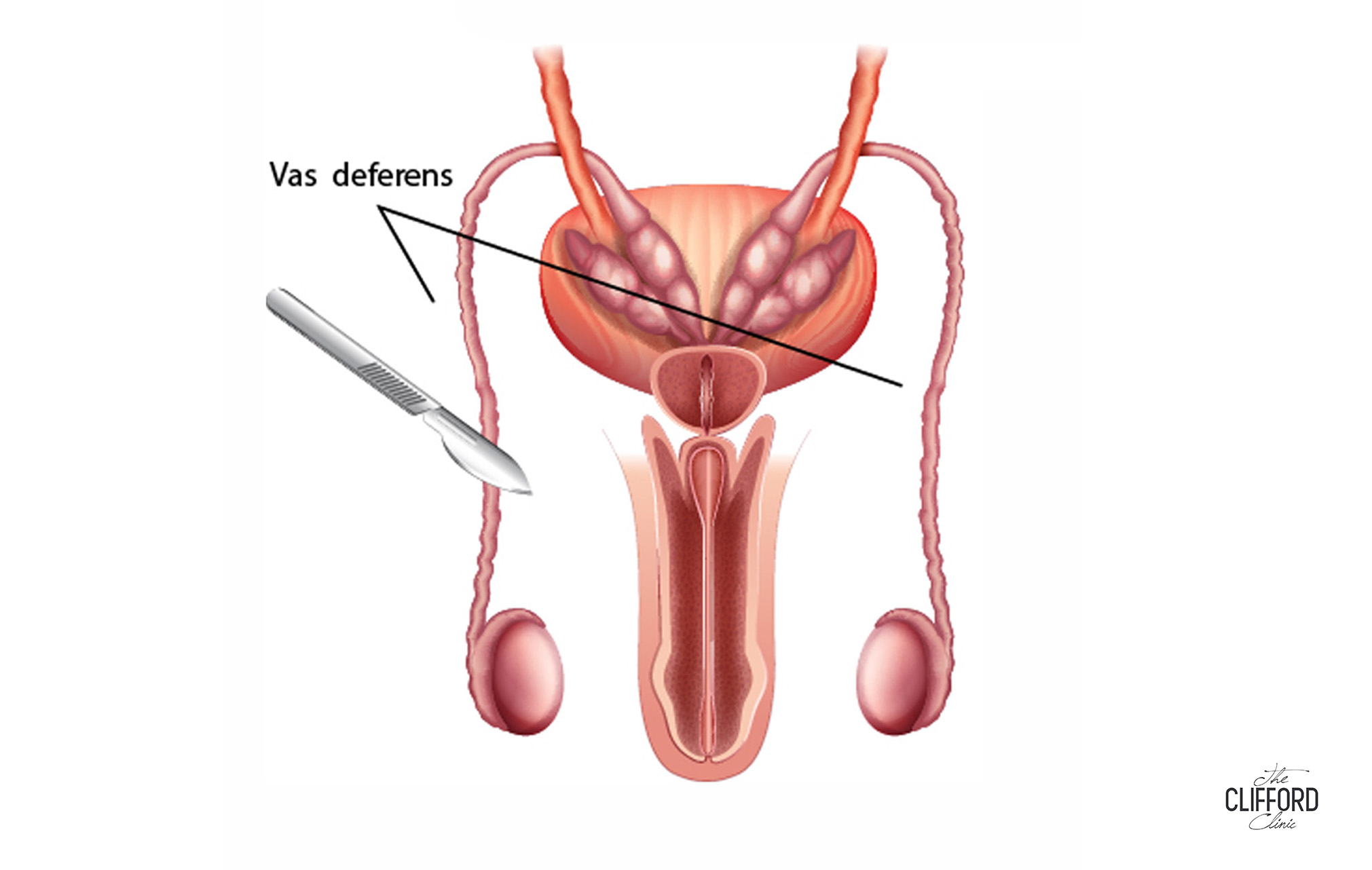
No. Erections are a vascular and neurological function that depends on blood flow and nerve signalling. The vas deferens plays no role in this process. Cutting or blocking the vas deferens does not affect the vascular or neurological pathways that produce and sustain erections.
Any erectile difficulty after vasectomy should be investigated as an independent concern, unrelated to the procedure. Dr Nathaniel Heah’s subspecialty in Andrology and Men’s Health includes assessment and treatment of male sexual health conditions, including erectile dysfunction.
Does Vasectomy Affect Ejaculation?
No. Ejaculation continues normally after a vasectomy. Sperm make up only approximately two to five percent of the total ejaculate volume. The vast majority of semen is produced by the seminal vesicles and prostate gland, which are completely unaffected by vasectomy. After the procedure, the volume, appearance and sensation of ejaculation remain unchanged. The only difference is that the semen no longer contains sperm, once confirmed successful through post-vasectomy semen analysis.
Does Vasectomy Affect Testosterone?
No. Testosterone is produced by the testicles. The vas deferens is only a sperm transport tube and has no involvement in testosterone production. Cutting or blocking it does not interfere with testosterone-producing cells, the hormonal feedback system, or testosterone release into the bloodstream.
Testosterone does naturally decline gradually with age in all men, a process unrelated to vasectomy. If you experience symptoms that could indicate low testosterone, such as persistent fatigue, reduced muscle mass, mood changes or reduced libido, speak to your doctor about a hormonal assessment. Dr Nathaniel Heah’s Andrology subspecialty includes assessment of testosterone-related concerns.
What Actually Changes After Vasectomy?
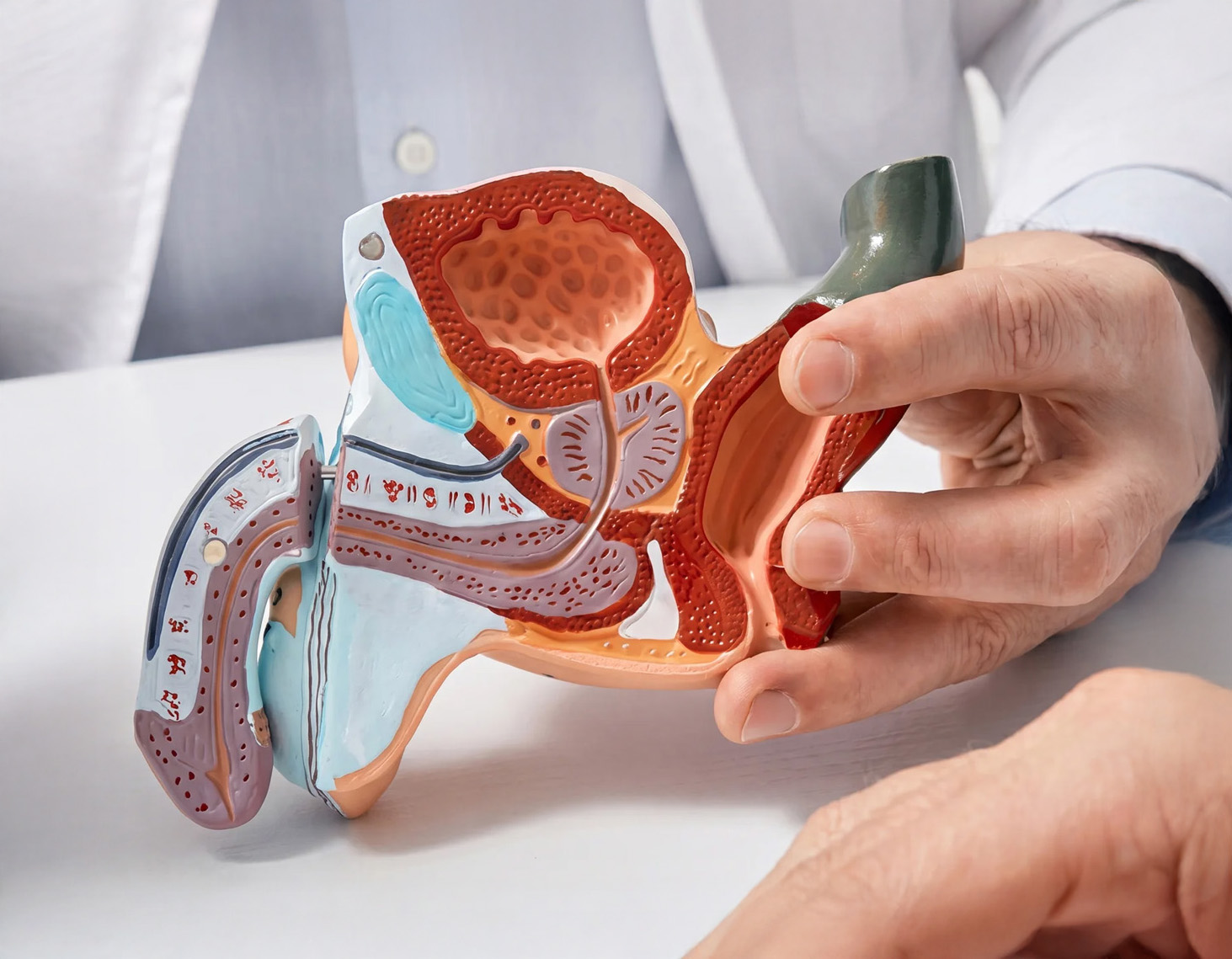
The only physiological change produced by vasectomy is that sperm can no longer pass from the testicles into the semen. The following are completely unchanged:
- Testosterone production and circulating testosterone levels
- Sex drive and libido
- The ability to achieve and maintain erections
- The ability to ejaculate
- The volume, appearance and sensation of ejaculation
- Orgasm sensation
- General physical health
The testicles continue to produce sperm after a vasectomy. The sperm are simply reabsorbed by the body rather than transported, which is a normal and harmless biological process.
What Vasectomy Does Not Protect Against: STIs
Vasectomy is a contraceptive procedure only. It does not protect against sexually transmitted infections such as HIV. Condoms remain the recommended barrier method for STI protection.
Addressing These Concerns at Your Consultation
At The Clifford Surgery, every vasectomy consultation includes a direct discussion of sexual function concerns. Dr Nathaniel Heah, as an Andrology and Men’s Health specialist and executive committee member of the Society of Men’s Health Singapore, is specifically trained to address these questions with clinical depth. Dr Law Zhi Wei, with his extensive surgical background, also addresses these concerns as part of the consultation. There is no obligation to proceed.
What the Medical Evidence Says
The reassurance that vasectomy does not harm sexual function is backed by major guidelines and reviews. The American Urological Association (AUA) states that vasectomy has no effect on sexual function, and the American College of Obstetricians and Gynecologists (ACOG) reaches the same conclusion. Guidelines also confirm there is no proven causal link between vasectomy and atherosclerotic (heart) disease, immunologic disease, testicular cancer or prostate cancer. These are among the most searched worries about vasectomy, and the evidence consistently does not support them.
The reason is anatomical. Testosterone is made by the Leydig cells in the testicles and travels in the bloodstream, a pathway a vasectomy never touches. The vas deferens only transports sperm. Blocking it changes the destination of sperm, not the production of hormones or the nerves and blood vessels responsible for erections and orgasm. This is why studies find that testosterone levels in men who have had a vasectomy are comparable to those who have not.
Chronic Scrotal Discomfort
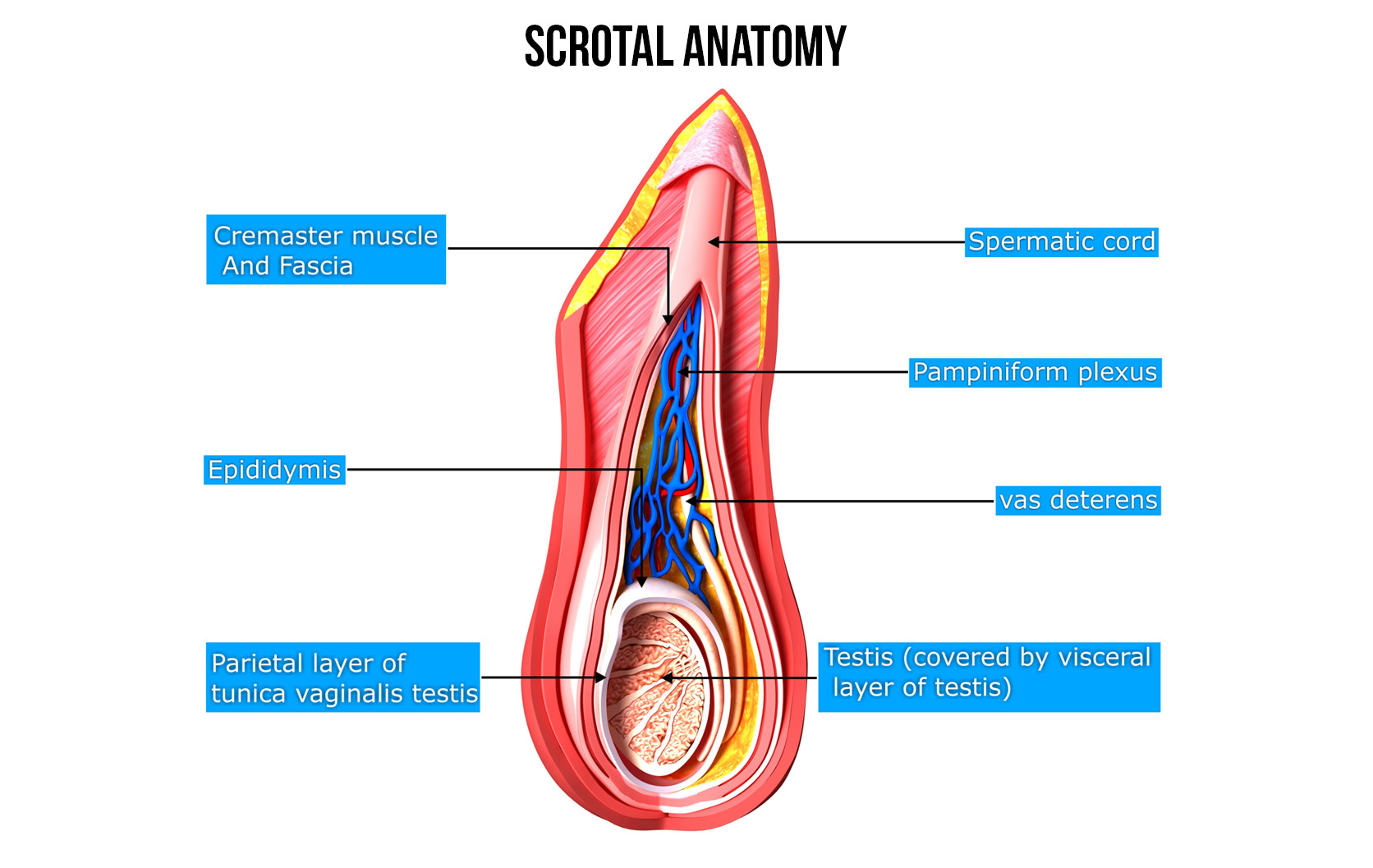
The one genuine, if uncommon, consideration is post-vasectomy pain syndrome, a form of chronic scrotal discomfort that persists beyond the normal healing period. It is estimated to affect roughly 1 to 2% of men to a degree that troubles them. It is distinct from the myths above because it is a recognised, studied outcome rather than misinformation. When it occurs, it is usually manageable with conservative measures, and it should be discussed openly at the consultation so you can make a fully informed decision. This is a separate issue from sex drive, testosterone or performance, none of which a vasectomy impairs.
Why Some Men Report Better Intimacy After Vasectomy
Beyond the absence of harm, some men describe an improvement in their sex life after a vasectomy. This is not a hormonal effect but a psychological one. Once post-vasectomy semen analysis confirms success, the removal of pregnancy worry can reduce anxiety around intimacy, and spontaneity often improves without the interruption of other contraceptive methods. Sexual satisfaction is shaped by relationship quality, mood and confidence, and for many couples, the reassurance of reliable contraception supports rather than diminishes their intimacy.
When to Speak to a Doctor

Speak to your doctor if you experience any persistent change in sexual function, symptoms that could indicate low testosterone, any psychological distress related to the procedure, or concerns about recovery. These are not vasectomy side effects, but they are worth investigating properly.
What the Research Shows on Sexual Function
The reassurance that vasectomy does not impair sexual function is consistent across all international guidelines. The AUA and ACOG both conclude that vasectomy has no effect on sexual function, and testosterone levels in men who have had a vasectomy are comparable to those of men who have not. This is because hormone production occurs in the testicles, and its release into the bloodstream is untouched by the procedure. Large reviews have also found no proven causal link between vasectomy and prostate cancer, testicular cancer, heart disease or immune disorders, despite these being among the most common online worries. Where men do report a change, it is usually a positive one, driven by reduced anxiety about unintended pregnancy rather than any physiological effect.
Frequently Asked Questions
Will a vasectomy change my sex life?
For most men, a vasectomy does not negatively change sexual function. Sex drive, erection quality and ejaculation are unchanged. Some men report greater sexual confidence after a vasectomy. Any negative change in sexual function should be investigated independently.
Do I still ejaculate after a vasectomy?
Yes. Ejaculation continues normally. Volume and appearance are essentially unchanged. The only difference is that semen no longer contains sperm after a confirmed successful vasectomy.
Is it normal to feel anxious about a vasectomy and sex?
Yes, it is completely normal. These are among the most common questions at vasectomy consultations. Dr Nathaniel Heah’s Andrology and Men’s Health subspecialty background means these concerns are addressed with clinical depth and without dismissiveness.
Is post-vasectomy pain syndrome common?
No. Chronic scrotal discomfort affects only around 1 to 2% of men to a bothersome degree, and it is usually manageable. It is unrelated to sex drive, testosterone or performance, and your urologist will discuss it with you at the consultation.
Can a vasectomy affect my mood or mental wellbeing?
Vasectomy has no hormonal effect, so it does not directly change mood. Many men actually feel relief once contraception is reliably settled. If you notice persistent low mood or anxiety, it is worth speaking to your doctor, as it would have a cause unrelated to the procedure.
Medical References
Key medical sources:
- Vasectomy: AUA Guideline. The Journal of Urology. 2012. Sharlip ID, Belker AM, Honig S, et al. https://doi.org/10.1016/j.juro.2012.09.080
- ACOG Practice Bulletin No. 208: Benefits and Risks of Sterilization. Obstetrics and Gynecology. 2019. https://doi.org/10.1097/AOG.0000000000003111
- Vasectomy: Common Questions and Answers. American Family Physician. 2025. Arnold JJ, Villanueva D, Puntkattalee MJ. https://www.aafp.org/link_out?pmid=40961303
Related Vasectomy Guides
Explore our other vasectomy guides for more detail on cost, technique, recovery and the decision itself:
- Vasectomy in Singapore
- Is Vasectomy Right for Me?
- Vasectomy Recovery Timeline
- Vasectomy Reversal in Singapore
Medical Disclaimer
This article is for general educational purposes and does not replace a consultation with a qualified medical professional. Any persistent change in sexual function or psychological wellbeing should be discussed with a qualified medical professional. Reviewed by Dr Law Zhi Wei, MBBS (NUS), MRCSEd, Partner, The Clifford Surgery. Co-authored with Dr Nathaniel Heah, FAMS (Urology), Consultant Urologist. Last reviewed: June 2026. Next review: June 2027.
Medically reviewed by Dr Law Zhi Wei, MBBS (NUS), MRCSEd, Partner, The Clifford Surgery | Co-authored with Dr Nathaniel Heah, FAMS (Urology), Consultant Urologist | Last reviewed: June 2026 | Next review: June 2027
Decide Whether Vasectomy Is Right for You: Consult The Clifford Surgery

If you have concerns about how vasectomy may affect your sexual health, book a confidential consultation with Dr Nathaniel Heah, FAMS (Urology), Consultant Urologist and Andrology specialist, or Dr Law Zhi Wei, MBBS (NUS), MRCSEd, at The Clifford Surgery, 50 Raffles Place, #01-01 Singapore Land Tower. Call (65) 6532 2400 or WhatsApp (65) 8318 6332.

Author Bio
Dr Gerard Ee

Dr Gerard Ee is the Medical Director of The Clifford Clinic in Singapore. He earned his medical degree from St George's University of London and built his surgical experience across the Singapore General Hospital, National University Hospital, and Mount Sinai Hospital in New York. He holds Membership of the Royal College of Surgeons (Edinburgh) and a Postgraduate Diploma in Dermatology (Cardiff), and is fully accredited in aesthetic procedures including botulinum toxin, fillers, lasers, and light therapies. A strong advocate of minimally invasive, natural-looking results, Dr Ee has published in several medical and scientific journals and presented his research in cities including Taipei, Las Vegas, and London.
See all posts by Dr Gerard Ee »