
Pico Laser for Acne Marks vs Acne Scars in Singapore, What Is the Difference?
Written by Dr Bernard Ong. Medically reviewed by Dr Gerard Ee
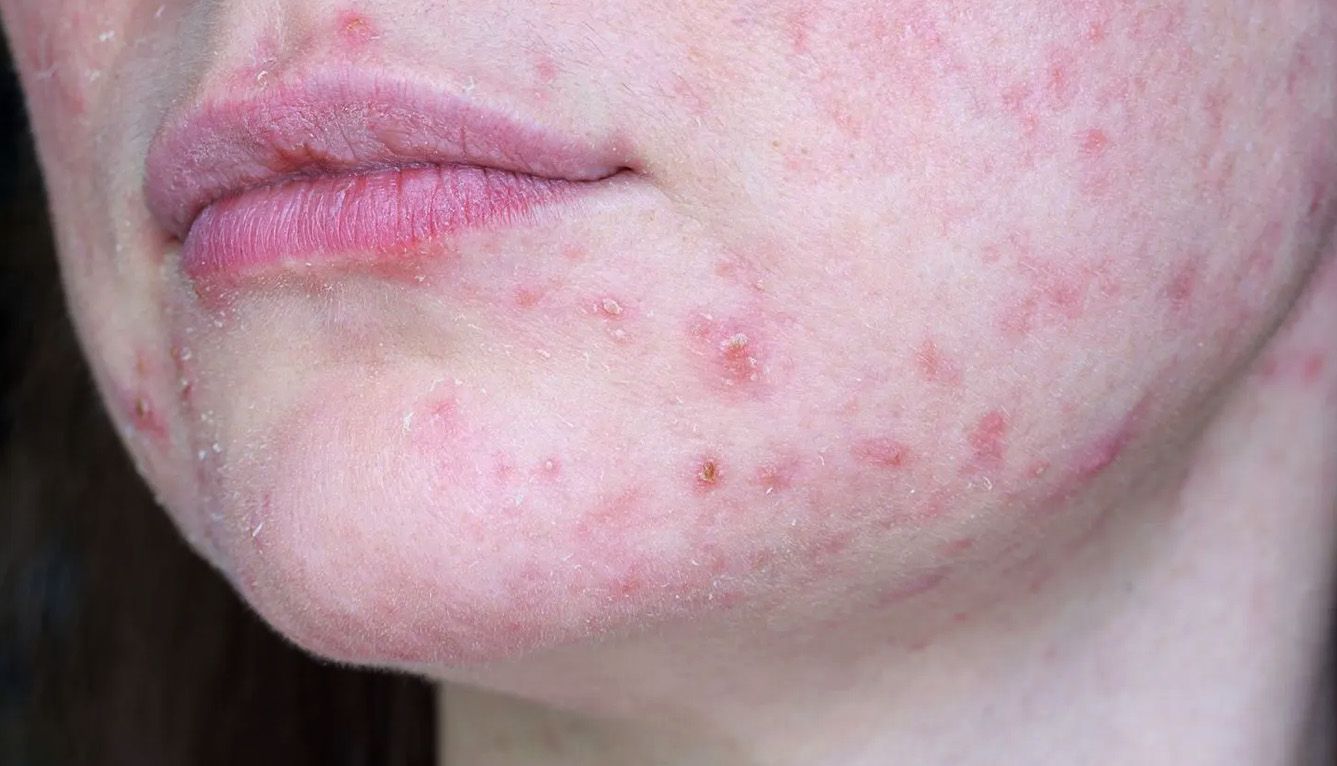
Acne can leave three distinct types of residual change, and each responds to a different treatment. Brown flat marks are post-inflammatory hyperpigmentation (PIH), an excess of melanin that Pico laser clears effectively. Red flat marks are post-inflammatory erythema (PIE), dilated capillaries that respond to vascular rather than pigment lasers. Indented or textured changes are true acne scars, a structural loss of collagen that requires fractional resurfacing or surgical release. Most patients present with a combination of all three, so identifying each component accurately is what determines the treatment plan.
How to tell acne marks from acne scars
The distinction is made by texture rather than by colour. Where the skin surface remains flat and the abnormality is purely one of colour, the lesion is a mark, namely pigment or redness that responds to colour-targeted treatment and, in many cases, fades partially with time. Where a depression, pit or raised area can be felt, the lesion is a scar, in which collagen has been lost or laid down abnormally while the skin healed. No pigment-directed laser can restore collagen that has been lost, which is why a course of treatment that clears brown marks completely will leave an indentation unchanged.
Acne marks and acne scars compared
Brown Acne Marks, Red Acne Marks and Indented Acne Scars Compared
| Feature | Brown Marks, PIH | Red Marks, PIE | Indented Scars |
|---|---|---|---|
| What It Is | Excess melanin after inflammation | Dilated or damaged capillaries | Lost collagen, namely ice pick, boxcar and rolling scars |
| Look and Feel | Flat, tan to dark brown | Flat, pink to red, blanches when pressed | Textural dips visible in angled light |
| Natural Course | Fades over 3–24 months | Fades over 3–12 months | Permanent without treatment |
| First-Line Treatment | Pigment care with Pico laser, topicals and sunscreen | Vascular lasers, such as pulsed-dye laser | Fractional lasers, RF microneedling, subcision and TCA CROSS |
| Pico Laser Role | Primary tool | Limited | Adjunct via fractional Pico for mild texture |
Brown acne marks (PIH)
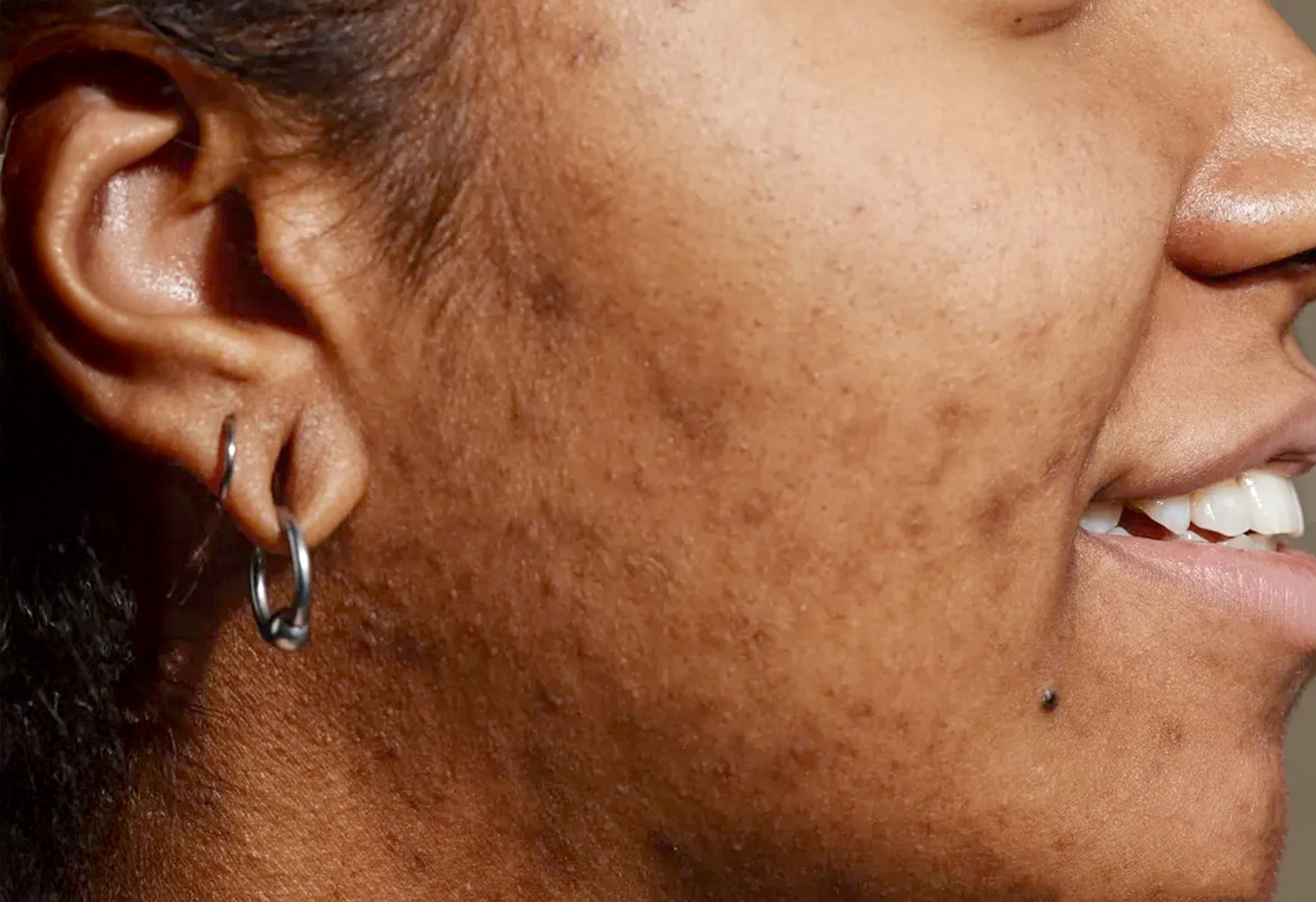
PIH is the most common consequence of acne in Asian skin. Melanocytes in Fitzpatrick skin types III to V produce pigment readily in response to inflammation, so a lesion that would settle without colour in fair skin leaves a brown discolouration instead. Each healed lesion can therefore leave a flat brown patch that persists for months to years, and both ultraviolet exposure and picking prolong it by extending the inflammation that drives pigment production. Pico laser delivers its energy in pulses lasting a trillionth of a second, which shatters the pigment mechanically rather than by heating it, so the fragments are small enough for the skin’s own scavenging cells to carry away over the following weeks. Three to six sessions are typical, supported throughout by daily sunscreen and pigment-suppressing topical agents, without which new pigment forms as quickly as the laser clears the old.
Red acne marks (PIE)
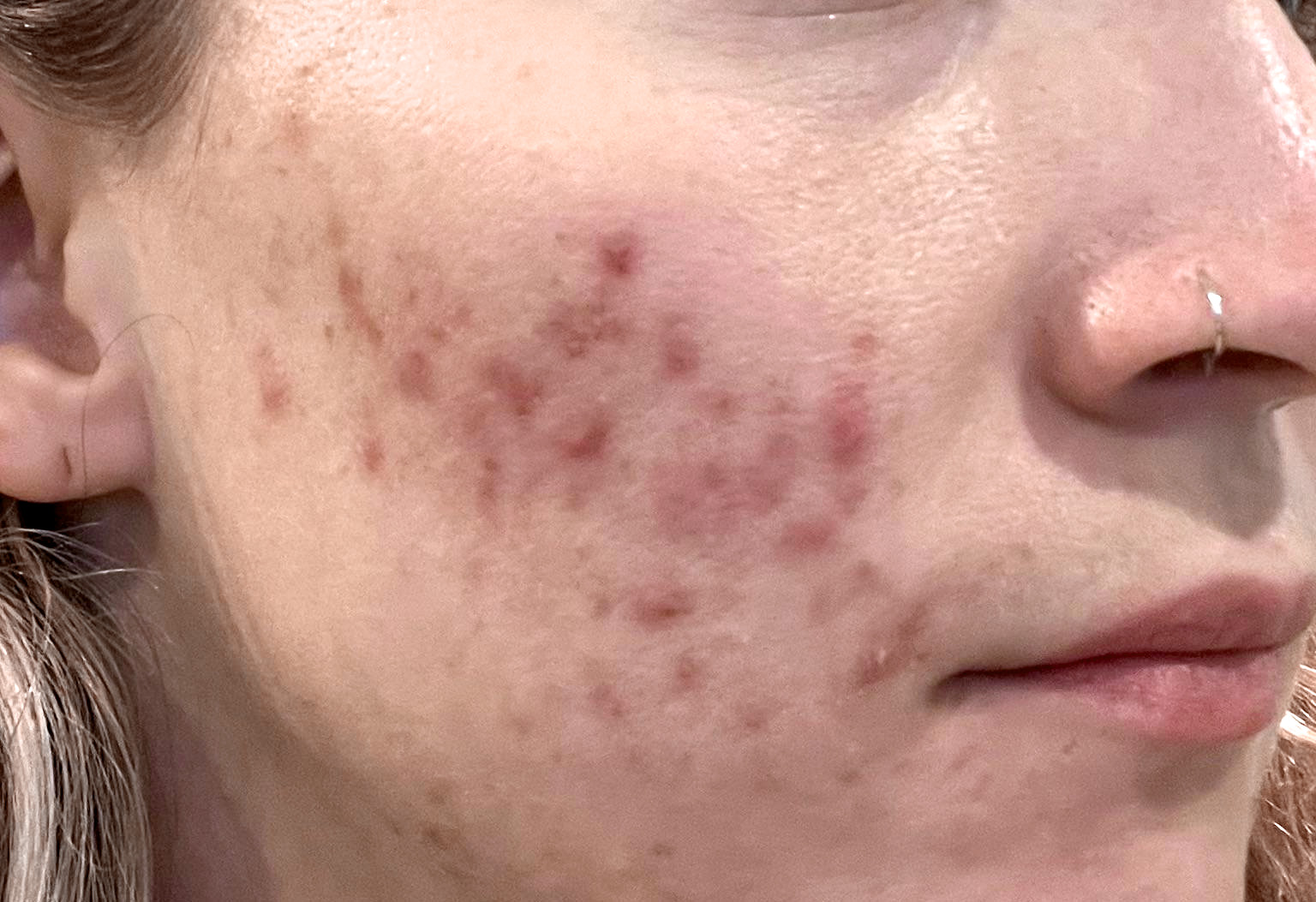
Red marks are not pigment at all. They are small dilated blood vessels left behind where inflammation has damaged the capillary network, which is why they blanch briefly when pressed and refill when the pressure is released. Pigment lasers have little effect on them, because their wavelengths are selected for absorption by melanin and haemoglobin absorbs poorly at those settings. Vascular treatments such as the Vbeam laser are absorbed by haemoglobin instead, which heats and closes the vessel rather than acting on pigment. Many patients have both PIH and PIE in the same area. The two are usually treated in sequence rather than at the same visit, since stacking two inflammatory treatments on the same skin raises the risk of provoking further pigmentation.
Atrophic acne scars and how each type is treated
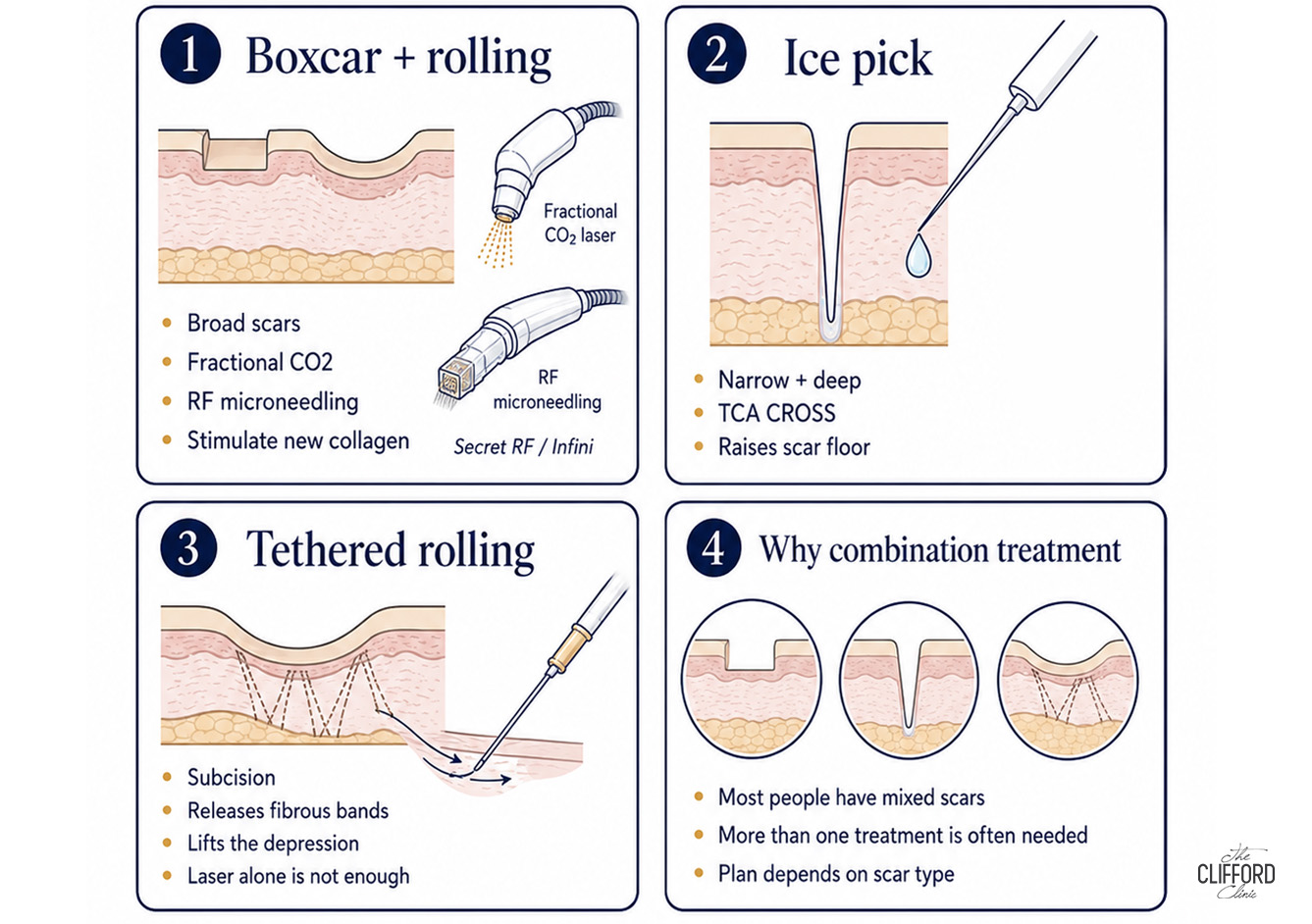
Ice pick, boxcar and rolling scars are all deficits of collagen, but they differ in shape, and the shape determines which treatment is effective. Boxcar and rolling scars are broad enough to resurface, and respond to treatment that removes tissue in narrow columns so that the surrounding skin lays down new collagen as it heals. That is the role of fractional CO2 laser, and of RF microneedling such as Secret RF or Infini, which delivers the same collagen-stimulating energy through fine needles rather than across the whole skin surface, and so spares more of the epidermis. TCA CROSS is reserved for ice pick scars, which are too narrow and too deep to resurface. It works by applying a high-strength acid to the base of each individual scar to provoke a controlled healing response that raises the floor. Subcision is used where rolling scars are tethered to the deeper tissue by fibrous bands, releasing the tether with a fine needle so that the depression can lift, since resurfacing alone will not free it. Most patients need a combination, because most patients have more than one type of scar. Full options are set out on our acne scar treatment page.
Where Pico laser helps and where another device is needed
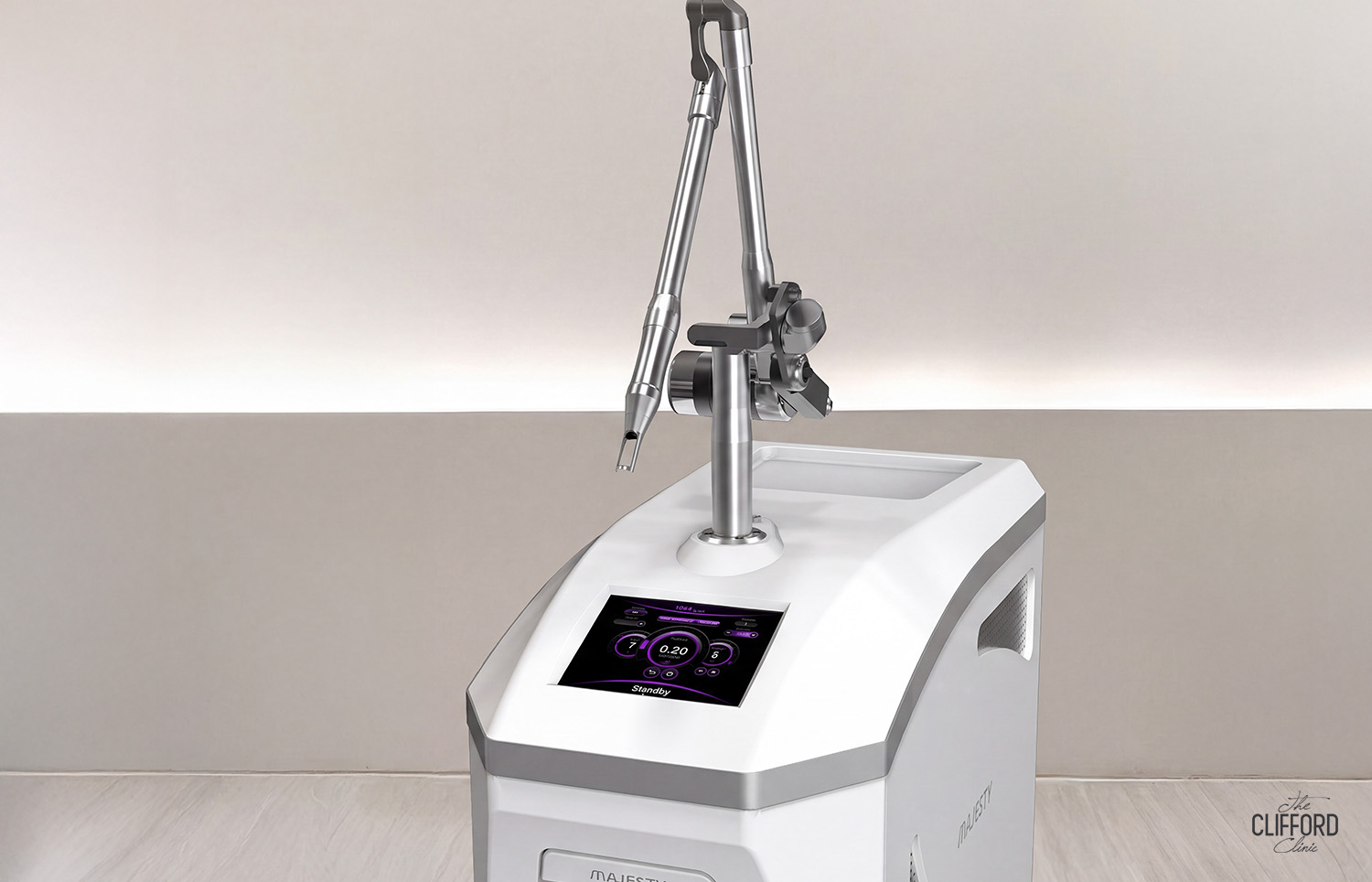
Pico laser is the first-line device for brown marks and, with fractional handpieces such as Pico MLA, a low-downtime adjunct for mild texture and shallow scars, since the fractionated beam concentrates energy into microscopic columns that stimulate collagen without stripping the surface. For deep or extensive scarring, fractional CO2 and RF microneedling remain more effective, because they deliver enough thermal injury at depth to remodel collagen that has already matured, which a picosecond pulse does not. For redness, a vascular laser is the appropriate choice. A single device applied to all three problems will under-treat at least two of them, which is why the assessment matters more than the machine.
Why active acne should be controlled first
Treating marks while new lesions are still forming produces little lasting benefit, because every active lesion is a future mark and the skin accumulates new pigment as fast as the laser clears the old. Laser also delivers energy into skin that is already inflamed, which in Asian skin can itself trigger further post-inflammatory hyperpigmentation. Acne should therefore be brought under control first, through a structured acne treatment plan, with the residual marks addressed afterwards. Acne control and mark treatment are occasionally run in parallel in selected cases, but that is a sequencing decision for the treating physician rather than a default.
How many sessions are needed?
Brown marks typically require three to six Pico sessions spaced about a month apart. The interval is not arbitrary, since the fragmented pigment is carried away gradually over several weeks, and treating again before that clearance is complete adds inflammation without adding benefit. Vascular sessions for PIE are staged at similar intervals. Scar programmes are longer and vary with the type and depth of the scar, since collagen remodelling continues for months after each session. Where more than one problem is being treated, sessions are sequenced so that no treatment is applied to skin still healing from the last.
Doctor’s perspective. The most valuable part of an acne-mark consultation is the assessment that separates pigment from redness from true scarring, because the three do not respond to the same device. Patients frequently arrive convinced they have acne scars when most of what they see is pigment, which clears far more readily than they expect. The opposite error carries more consequence, since a full course of pigment treatment bought for what is in fact a collagen defect leaves the indentation exactly as it was.
Aftercare for acne-prone skin
Post-laser care follows the usual requirements, namely gentle skincare, no picking and strict sun protection, with one addition for acne-prone skin. The acne maintenance routine should continue through the treatment course, as the treating doctor allows, so that new breakouts do not seed fresh marks while the existing ones are being cleared. Sunscreen carries more weight here than in most indications, because ultraviolet exposure on recently treated skin is itself a trigger for post-inflammatory pigmentation. Details are set out in our Pico laser aftercare guide.
Which laser treats which part of the problem
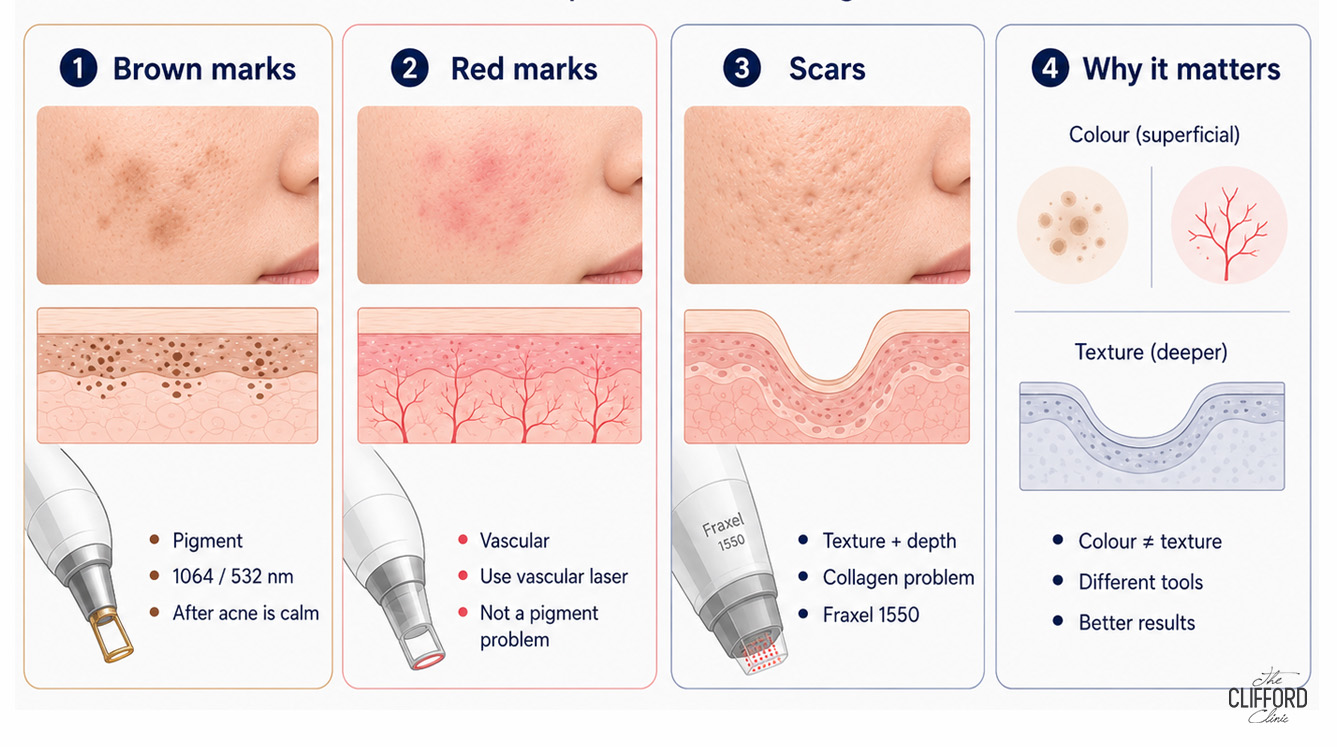
Brown marks are pigment, so they respond to picosecond settings, usually 1064 nm or 532 nm chosen for the depth of the mark once the acne is controlled. Red marks are vascular and need a vascular laser rather than a pigment wavelength. The indented texture of a scar is a collagen problem, better suited to fractional resurfacing such as the Fraxel 1550. Separating the colour from the texture and matching each to the right tool is what makes the difference.
Frequently asked questions
Does Pico laser help acne marks?
Yes. Brown acne marks are post-inflammatory hyperpigmentation, an excess of melanin left in otherwise flat skin, and they clear well across a course of three to six Pico laser sessions. Sunscreen and pigment-suppressing topical agents are required alongside it, since without them the same melanocytes deposit new pigment as the laser clears the old.
Does Pico laser help acne scars?
It can improve mild texture, particularly with fractional handpieces, which concentrate the energy into microscopic columns and stimulate a limited amount of new collagen. Deeper indented scars respond better to fractional CO2 laser, RF microneedling or a combination scar programme, because these deliver enough thermal injury at depth to remodel collagen that has already matured.
What is the difference between acne marks and acne scars?
Marks are flat colour changes, either brown pigment or red vessels, which fade with time and colour-targeted treatment. Scars are changes in the texture of the skin, caused by collagen lost or laid down abnormally while the lesion healed, and they do not resolve without resurfacing or remodelling. The distinction is made by feeling the skin surface rather than by looking at it.
Can Pico laser treat red acne marks?
Not efficiently. Red marks are vascular rather than pigmented, and picosecond wavelengths are selected for absorption by melanin, so they pass largely unabsorbed through a red mark. A pulsed-dye laser such as the Vbeam is absorbed by haemoglobin instead and is the appropriate choice.
Should active acne be treated before Pico laser?
Generally yes. Active breakouts continue to produce new marks as fast as the existing ones are cleared, and treating over skin that is already inflamed can itself provoke further post-inflammatory pigmentation.
How many sessions are needed for acne marks?
Commonly three to six sessions for brown marks, spaced about a month apart. The number varies with the depth of the pigment, the skin tone and the degree of continuing sun exposure, since pigment sitting deeper in the skin needs more passes before it clears.
Assessing your mix of acne marks and scars

A single clinical assessment can establish which of the three components are present, in what proportion, and in what order they should be treated. Learn about pigmentation treatment in Singapore or book at The Clifford Clinic, 50 Raffles Place, #01-01 Singapore Land Tower. Call (65) 6532 2400 or WhatsApp (65) 8318 6332.
Selected References
- Disorders of hyperpigmentation, part I: pathogenesis and clinical features of common pigmentary disorders. Journal of the American Academy of Dermatology, 2023. https://pubmed.ncbi.nlm.nih.gov/35151757.
- American Academy of Dermatology: acne scars. https://www.aad.org/public/diseases/acne/derm-treat/scars.
- DermNet: postinflammatory hyperpigmentation. https://dermnetnz.org/topics/postinflammatory-hyperpigmentation.

Author Bio
Dr Gerard Ee

Dr Gerard Ee is the Medical Director of The Clifford Clinic in Singapore. He earned his medical degree from St George's University of London and built his surgical experience across the Singapore General Hospital, National University Hospital, and Mount Sinai Hospital in New York. He holds Membership of the Royal College of Surgeons (Edinburgh) and a Postgraduate Diploma in Dermatology (Cardiff), and is fully accredited in aesthetic procedures including botulinum toxin, fillers, lasers, and light therapies. A strong advocate of minimally invasive, natural-looking results, Dr Ee has published in several medical and scientific journals and presented his research in cities including Taipei, Las Vegas, and London.
See all posts by Dr Gerard Ee »