
HBOT vs Other Recovery & Longevity Therapies
Medically reviewed by The Clifford Clinic clinical team
Reviewer: Dr Gerard Ee, MBBS
Practising at The Clifford Clinic, Raffles Place, Singapore
Last reviewed: June 2026
How we review: Articles in this hyperbaric oxygen library are written for The Clifford Clinic and reviewed by medical professionals. Reviewers check medical accuracy and ensure claims align with current MOH, UHMS and peer-reviewed guidance.
Hyperbaric Oxygen Therapy (HBOT), red light therapy, intravenous vitamin drips, ozone therapy, cold plunge and cryotherapy, peptide protocols, sauna and heat exposure are some of the more well-known longevity therapies in the Singapore wellness market. As these therapies are often offered together, it is natural for patients to want to know whether they overlap, complement or compete with each other.
The aim of this article is to help you determine what other therapy you may find worthwhile to try alongside HBOT, which therapies overlap with HBOT, and which therapies are over hyped by marketing. As such, we will be comparing various longevity and wellness focused therapies against HBOT in terms of what they do and how much clinical evidence they have backing up their claims.
For broader background on HBOT, please see our complete guide to hyperbaric oxygen therapy.
Red Light Therapy vs HBOT

Photobiomodulation, also known as red light therapy (RLT) or near-infrared light therapy, is an emerging treatment that uses specific light wavelengths improve skin appearance, accelerate muscle recovery and reduce inflammation. While RLT achieves some of the same downstream effects as HBOT such as supported cellular energy, modulated inflammation, and improved tissue repair signals, it works through a different mechanism. RLT works via light absorption in mitochondrial cytochrome c oxidase rather than dissolved oxygen delivery in HBOT.
Photobiomodulation is light based and superficial while HBOT is pressure and oxygen based and systemic. When stacked together in a longevity programme, they target different layers of the body, making them reasonably complementary rather than directly competing.
However, we would like to stress that neither therapy is a replacement for sleep, exercise, or proper nutrition, and RLT and HBOT both work best as adjuncts.
IV Vitamin Drips vs HBOT
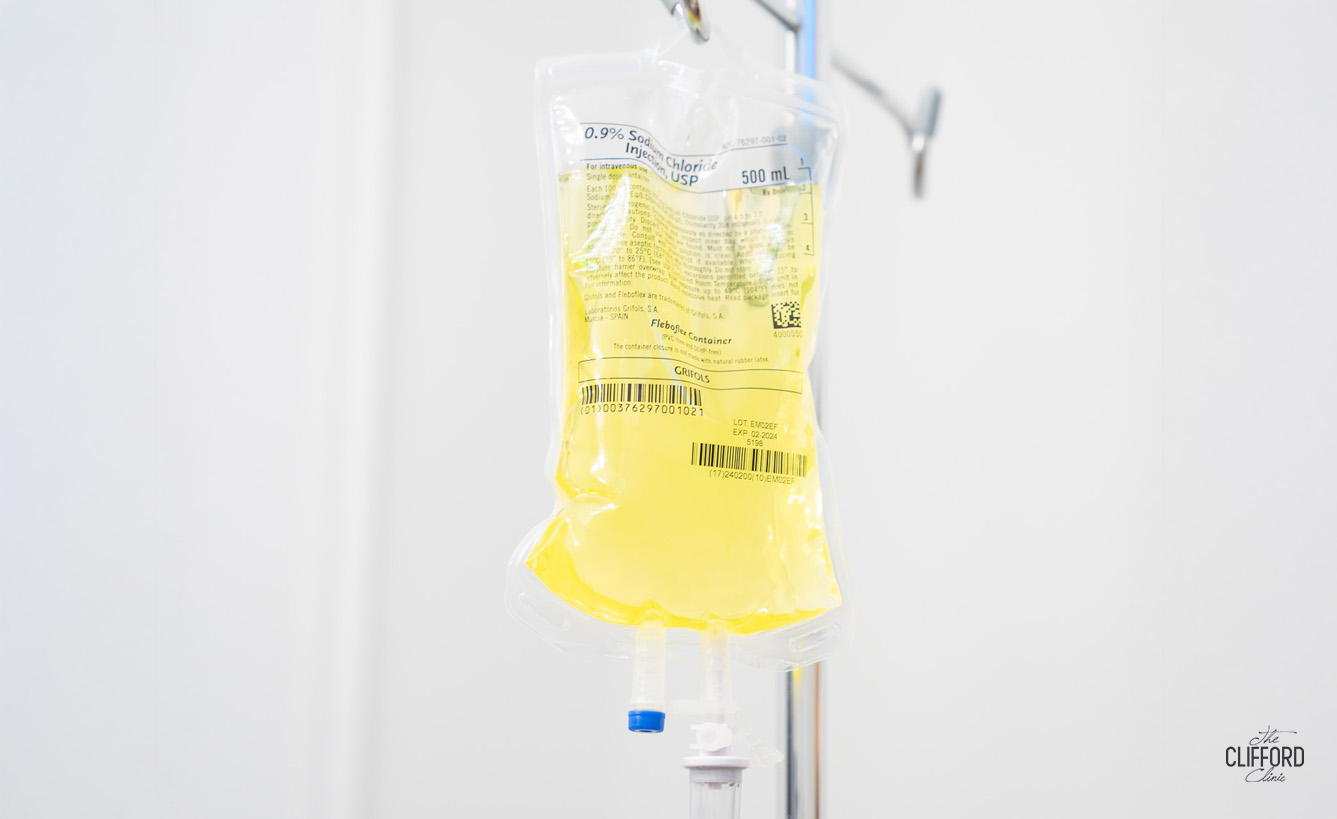
Intravenous vitamin drips, or Intravenous nutrient therapies (IVNT), are widely marketed as wellness drips for energy, immunity and recovery.
IVNT allows for rapid absorption of vitamins or nutrients at high doses by administering vitamins or nutrients directly into the bloodstream. While appropriate IV supplementation can correct specific vitamin or nutrient deficiencies such as B12, iron, or vitamin D deficiency, clinical evidence supporting marketing claims that IVNT can provide an energy boost to an already well-nourished patient is lacking. If the patient does not have a deficiency, most wellness drips usually end up being expensive hydration drips rather than a meaningful therapy.
HBOT and IVNT are not comparable interventions. HBOT targets oxygen delivery and tissue repair under pressure while vitamin drips delivers fluids and micronutrients directly into the bloodstream. While they can be done together, IV vitamin drips generally do not provide any additional benefit unless the patient has a nutrient deficiency.
Ozone Therapy vs HBOT
Ozone therapy is a broader category of treatments involving the controlled administration of ozone gas, also known as trioxygen (O3) gas, to the body. Ozone therapy is claimed to have an effect on inflammation, oxygenation and immunity and is used to disinfect and treat wounds. The evidence base for ozone therapy is mixed and varies by indication, though. And the U.S. Food and Drug Administration cites a lack of evidence in terms of safety and efficacy.
While HBOT and ozone therapy are sometimes marketed together under the oxidative therapy umbrella, they are mechanistically different and have very different evidence profiles. Additionally, HBOT has a defined set of indications recognized by the Ministry of Health of Singapore while ozone therapy does not. We recommend that patients considering ozone therapy should clarify with their provider what conditions the therapy targets, and what evidence supports that specific use.
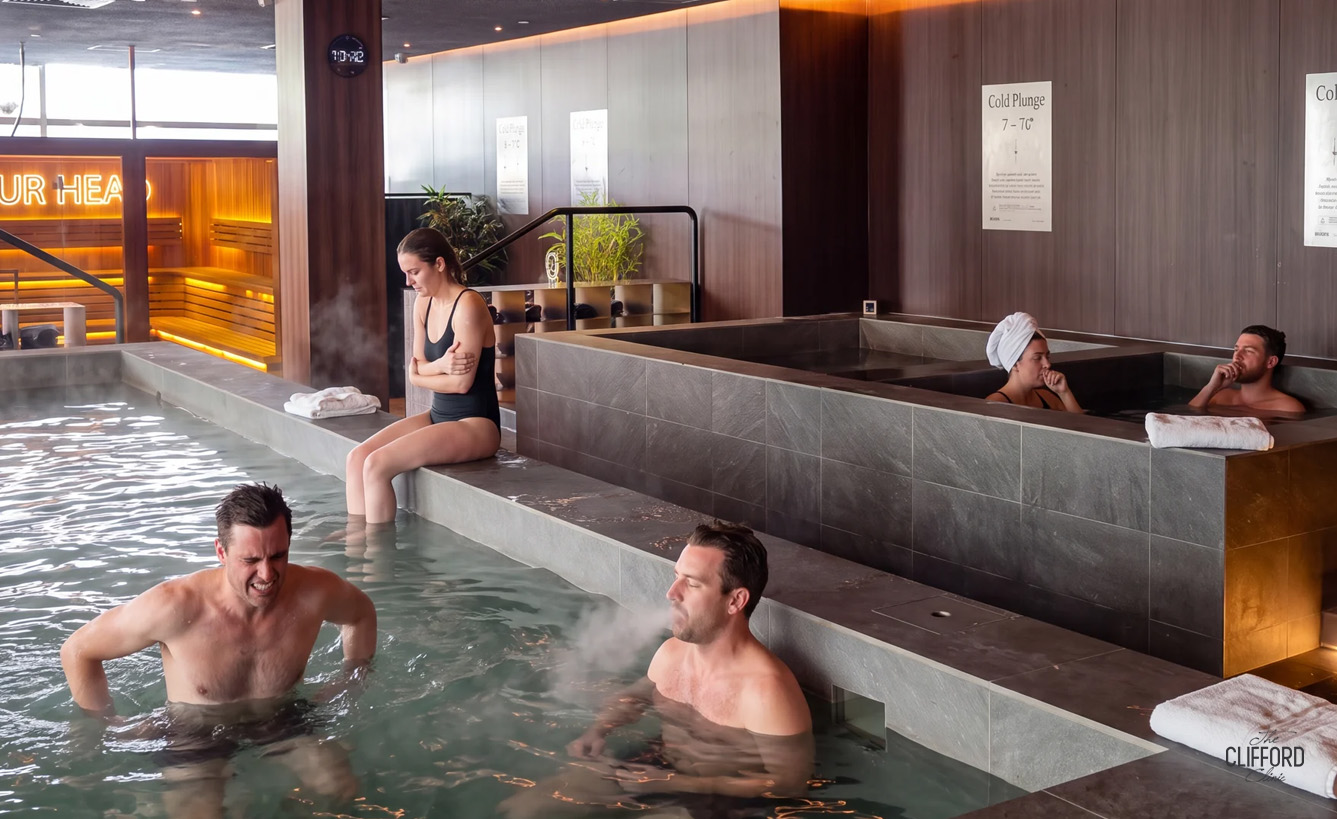
Cold Plunge and Cryotherapy vs HBOT
Cold plunge and cryotherapy have gained mainstream popularity as recovery tools in recent years. However, the evidence is mixed. Cold exposure post-exercise has modest acute effects on perceived soreness and inflammation but may also blunt some of the training adaptation that the inflammation drives. Thus, when used selectively after competition or during heavy training blocks, it can be beneficial. But when used habitually after every training session, it may work against the patient’s long-term training goals.
HBOT and cold plunge share ground is in supporting recovery during heavy training, but they are not substitutes for each other as they address different aspects of recovery.
Peptide Protocols vs HBOT
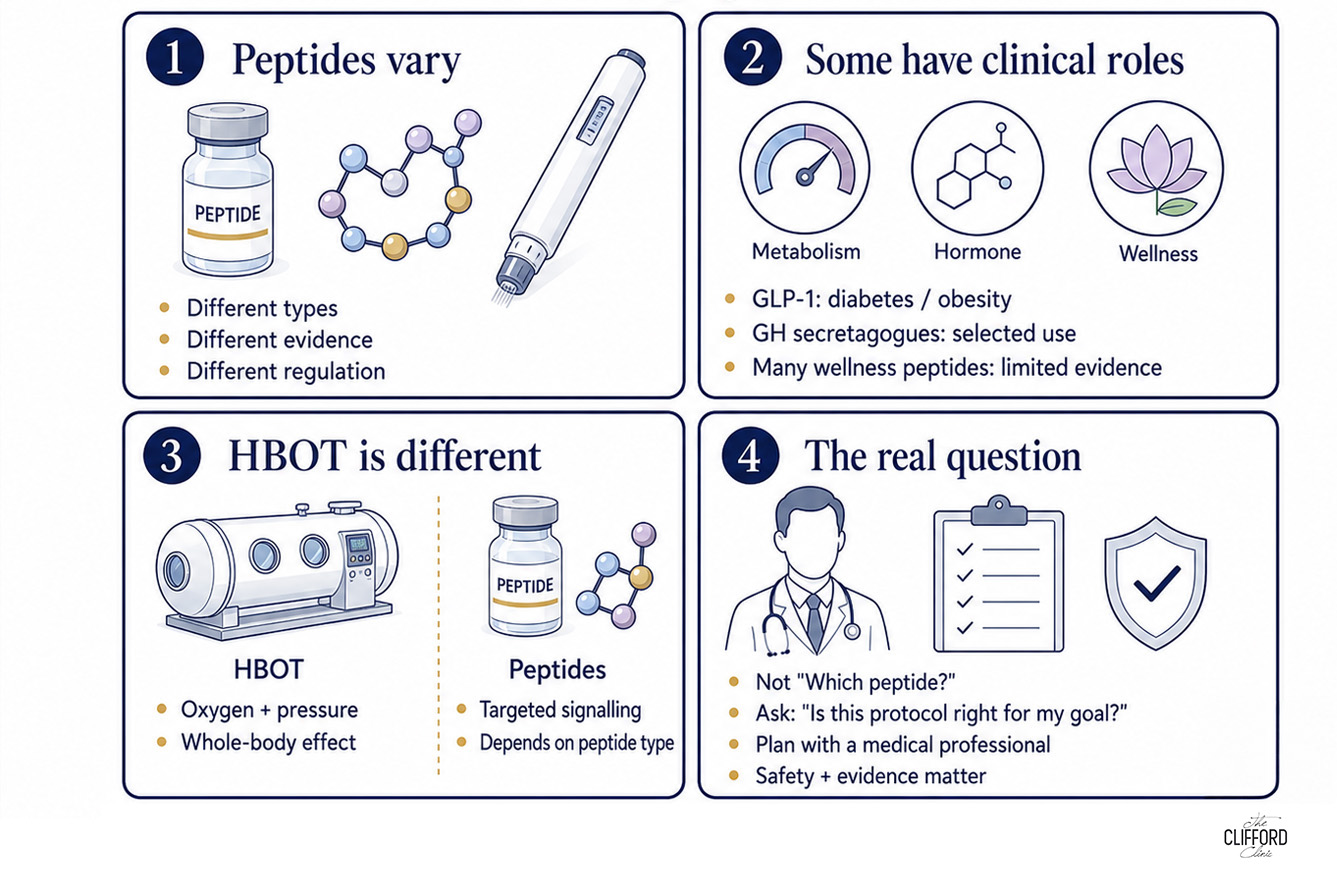
Peptide therapies cover an broad range of substances with different mechanisms of action, evidence bases and regulatory status. Some peptides such as GLP-1 receptor agonists for diabetes and obesity or growth hormone secretagogues have supported clinical roles in treating specific medical conditions, many peptides that are marketed for wellness lack the same level of supporting evidence.
HBOT and peptides have completely different mechanisms of action and targeted biology. Also, as there are many different kinds of peptides, the important question is not which peptide to choose, but whether a specific peptide protocol is appropriate for your specific situation or goals.
As the targeted health outcomes and how robust the clinical evidence base is varies depending on the type of peptides used in a protocol, we advise patients to plan their protocol with the help of a trained medical professional to ensure that the protocol is both safe and effective.
Sauna and Heat Exposure vs HBOT
Saunas are widely available, low-cost and commonly a part of the long-term health routine of most adults. There is medical evidence that regular sauna use can improve cardiovascular health, longevity, perceived stress and sleep quality. Studies show that heat exposure during sauna bathing increases circulation, dilates blood vessels, increases heart rate, and induces sweating, which mimics the physical effects of moderate-intensity cardiovascular exercise.
HBOT and sauna therapy are distinct treatments with different mechanisms and goals, but are complements rather than competitors. Sauna usage is suitable for habitual integration into weekly general wellness routines which HBOT is usually done as a defined course that is centered around achieving specific treatment goals.
HBOT Compared with Other Wellness and Recovery Therapies
| Therapy | Evidence Tier | Remarks |
|---|---|---|
| Photobiomodulation, Red Light Therapy | Emerging | Complements HBOT as it targets different layers of the body.
Growing evidence supporting red light therapy. |
| IV Vitamin Drips for Improving General Energy | Lacks Medical Evidence
Wellness Tier |
Current evidence shows that vitamin drips may correct certain deficiencies, but there is limited evidence that such drips benefit well-nourished patients. |
| Ozone Therapy | Lacks Medical Evidence
Wellness Tier |
Not recognised by the Ministry of Health of Singapore. |
| Cold Plunge / Cryotherapy | Emerging | Useful when done selectively, but may blunt training adaptation if overused. |
| Peptide Protocols | Lacks Medical Evidence
Wellness Tier |
Targeted health outcomes and strength of clinical evidence base are highly variable by peptide. Proper medical evaluation of each peptide used in the protocol is recommended. |
| Sauna and Heat Exposure | Supported | Established medical evidence that it can improve cardiovascular health and wellbeing. |
| HBOT Done at a Therapeutic Pressure of 2.0 ATA | Supported | Has a defined evidence base. Benefits of HBOT are not instant; they are seen over a completed course. |
When to Combine Therapies
Generally, most wellness-oriented therapies can be layered or combined with each other. For example, if the patient’s goal is to improve sports performance and muscle recovery, HBOT alongside sensible sauna use, occasional cold exposure, photobiomodulation, and good sleep, good nutrition and training is a good combination protocol. It is important to define your goal before stacking therapies as your goal will determine what should be included in the combination protocol. It is also important to consider where the therapies you intend to stack are on the evidence spectrum so you can determine if the marketed claims are backed by a good clinical evidence base.
We would like to caution again that no therapy or treatment listed in this article is a replacement for sleep, exercise, or proper nutrition and certain medical conditions cannot be improved by wellness therapies. Layering several wellness therapies on top of poor sleep or an unaddressed underlying medical issue will not improve the situation and can be detrimental for your health. We advise always seeking the option of a trained medical professional before committing to any treatment or therapy.
When to Choose HBOT
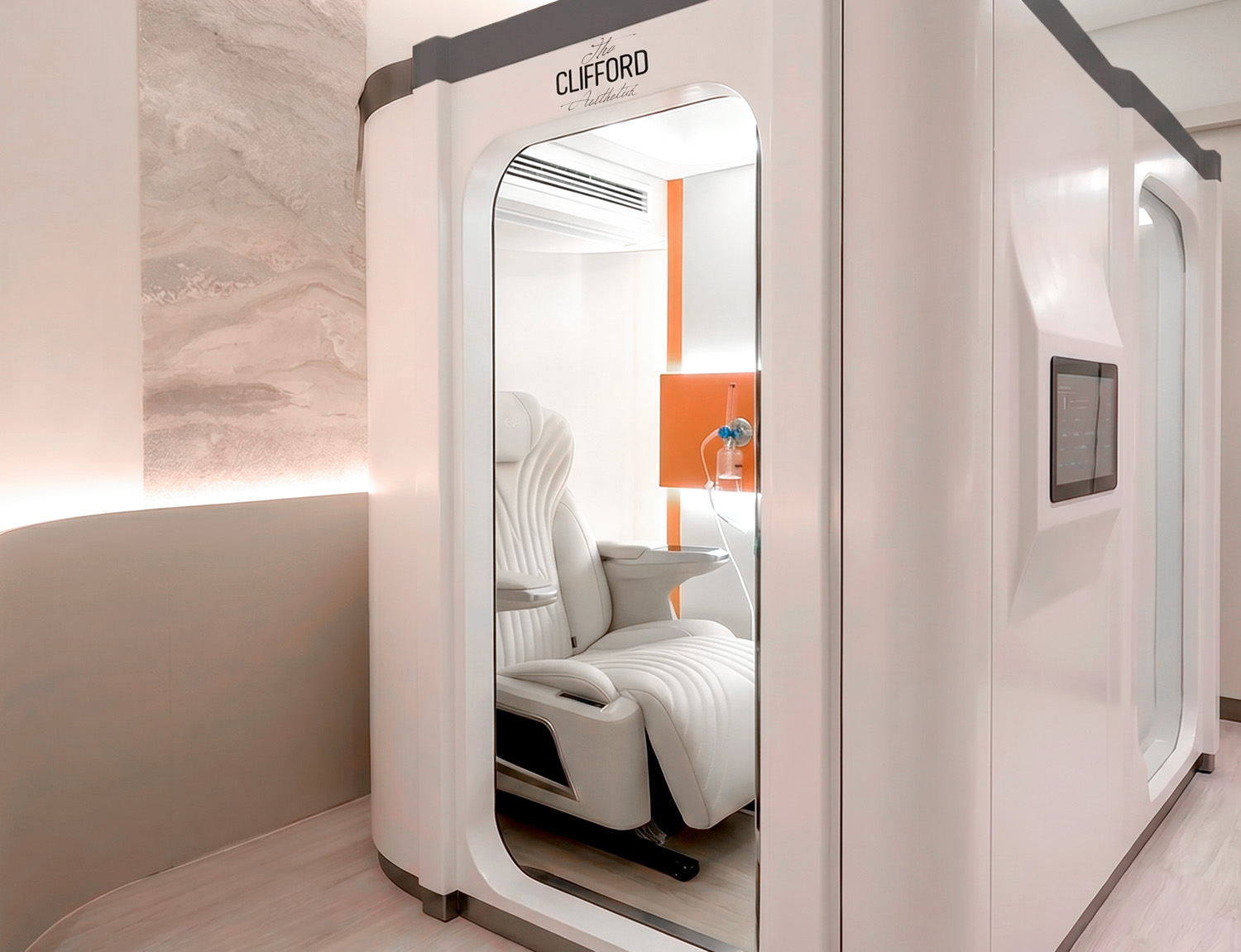
HBOT has a different mechanism of action or therapeutic outcome as compared to the other therapies listed in this article, and is thus not in competition with most of the mentioned therapies. The Clifford Clinic’s team does not believe in disparaging other wellness therapies to justify the use of HBOT as each therapy has its own niche.
HBOT in the Clifford Clinic is done in a hard-shell chamber at a clinical pressure of 2.0 ATA with doctor-led screening by an accredited clinician. HBOT done at a clinical pressure has genuine value when use in post-surgical recovery, sports recovery, or supported longevity programmes.
The Clifford Clinic Perspective
Most patients that The Clifford Clinic’s clinical team encounter have multi-therapy stacked wellness protocols as opposed to a single-therapy protocol. The team’s view is that stacking therapies or treatments is fine as long as each therapy in the protocol contributes to achieving the end goal and the patient is keeping track of their progress and end goal.
The Clifford Clinic’s clinical team believes that a good protocol should be built based on the patient’s needs and medical evidence, not based on trends and what is fashionable. If the team notices that a patient’s wellness protocol is bloated due to therapies being added just because they are fashionable, the team will work with the patient to overhaul their protocol.
Clifford’s team also stresses to all patients that poor sleep, poor nutrition or an unaddressed underlying medical condition cannot not be fixed with a wellness protocol. And a wellness protocol should never be used as a substitute for the fundamentals of good health, which are physical activity, good nutrition, and proper rest.
The clinic’s longevity programme has built in objective tracking to help patients monitor their progress and gauge if they are reaching their goals. Tracking can be done through telomere length testing, gut microbiome analysis, APOE gene testing, the PT217 plasma tau blood test, VO2 max and lactate threshold testing, multi-cancer early detection (MCED) screening, and bone ultrasound for osteoporosis. These tests help patients accurately see what is actually moving wellness markers.
Across four years and more than 200 patients, the clinical team’s guiding principle is that a properly designed and streamlined protocol beats an overly enthusiastically stacked one. Open and honest communication is key, and the patient and clinic should decide the protocol together.
Frequently Asked Questions
Is HBOT better than red light therapy?
They are not really comparable as they address different layers of biology. The Clifford Clinic’s team considers them to be complementary rather than competing.
Should I do IV drips alongside HBOT?
Only if there is a genuine need for an IV vitamin drip, such as when the patient is suffering from a nutrient deficiency. There is limited evidence that vitamin drips that are marketed as wellness drips can provide an energy boost in well-nourished patients.
Is ozone therapy as effective as HBOT?
Ozone therapy and HBOT have very different evidence profiles and HBOT is a MOH recognised treatment in Singapore while ozone therapy is not.
Will cold plunge before HBOT make it more effective?
There is no medical evidence to support this.
Can peptides replace HBOT?
No, as they target different biology.
Is sauna a cheaper substitute for HBOT?
Depends on the provider, but sauna therapy and HBOT address different physiology. Additionally, sauna therapy is a habitual practice that is usually a part of a wellness routine while HBOT is structured as a defined course for specific goals.
Should I add HBOT to my existing wellness stack?
It can be added if it aligns with the goals of your current plan or stack. If you are unsure what your goals are, we recommend discussing your plan with a medical professional
How do I know any of these therapies are actually working?
Objective markers like sleep tracker data, training data, and longevity diagnostics are a good way to measure progress.
Key Research References
- Hamblin MR. Mechanisms and applications of photobiomodulation. Photochemistry and Photobiology.
- Stussman BJ et al. National Health Interview Survey — complementary therapy use.
- Hausswirth C et al. Cryotherapy and recovery from exercise — systematic reviews.
- Laukkanen JA et al. Sauna bathing and cardiovascular outcomes. JAMA Internal Medicine.
- Undersea and Hyperbaric Medical Society. Hyperbaric Oxygen Therapy Indications, 13th Edition.
- Kirby JP et al. Essentials of Hyperbaric Oxygen Therapy: 2019 Review. Missouri Medicine.
- Mayo Clinic. Hyperbaric oxygen therapy: overview and indications.
To plan an evidence-based HBOT and recovery programme that fits your wider routine, book a consultation at The Clifford Clinic.

Author Bio
Dr Gerard Ee

Dr Gerard Ee is the Medical Director of The Clifford Clinic in Singapore. He earned his medical degree from St George's University of London and built his surgical experience across the Singapore General Hospital, National University Hospital, and Mount Sinai Hospital in New York. He holds Membership of the Royal College of Surgeons (Edinburgh) and a Postgraduate Diploma in Dermatology (Cardiff), and is fully accredited in aesthetic procedures including botulinum toxin, fillers, lasers, and light therapies. A strong advocate of minimally invasive, natural-looking results, Dr Ee has published in several medical and scientific journals and presented his research in cities including Taipei, Las Vegas, and London.
See all posts by Dr Gerard Ee »