

What Happens When Acne Comes Back After Accutane
Written by Dr Bernard Ong. Medically reviewed by Dr Gerard Ee Dr Gerard Ee (MBBS, MRCS, Diploma in Practical Dermatology, Cardiff) is the Founder and Medical Director of The Clifford Clinic, with more than 14 years of experience treating acne, and among the first doctors in Singapore to use AGNES and AviClear. This article reflects the clinical approach of The Clifford Clinic, and is for general education only and does not replace a personal consultation. Last reviewed July 2026.
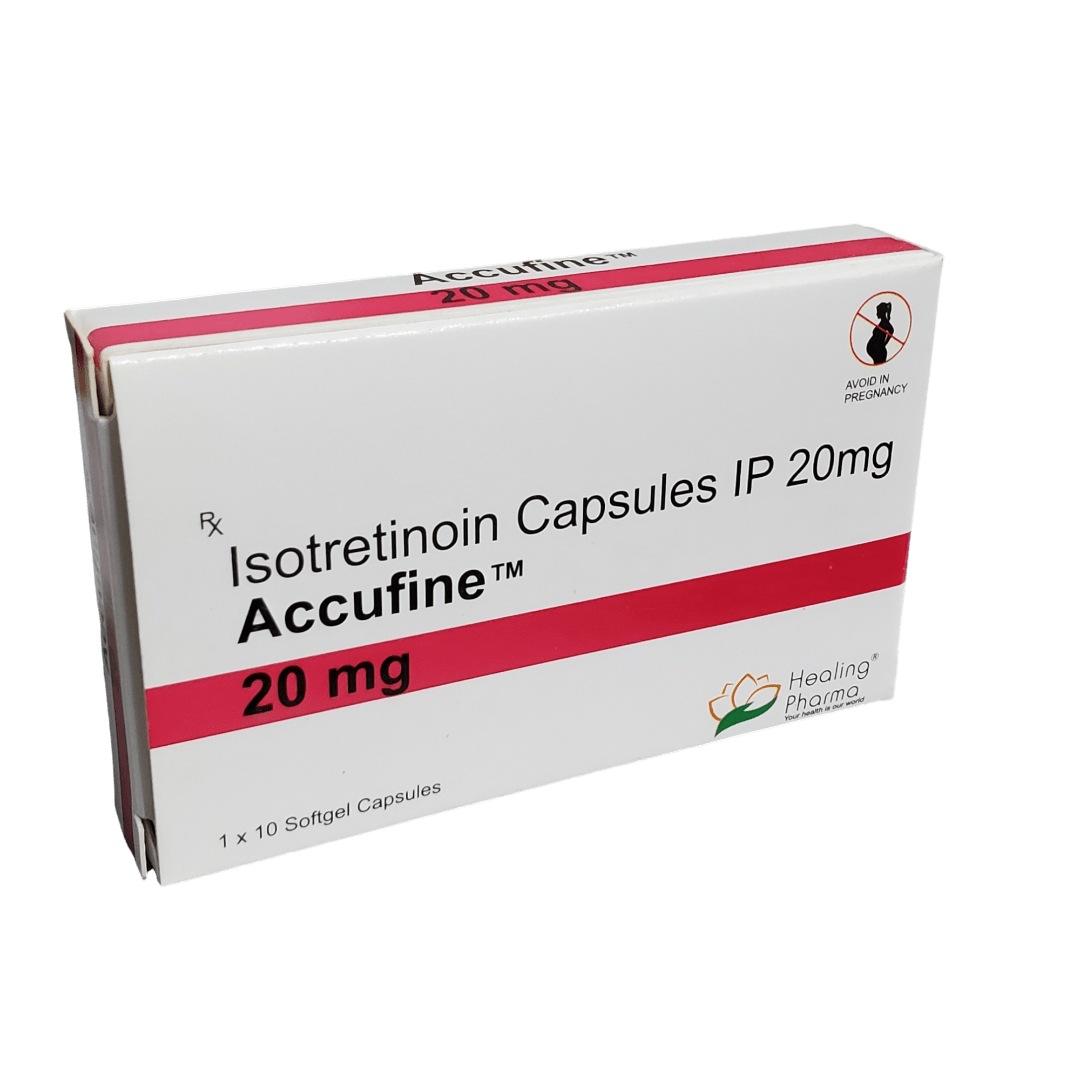
The return of acne some months after a course of isotretinoin is one of the more disheartening outcomes in acne treatment, particularly after months of dryness and laboratory monitoring. It is also more common than most patients are advised beforehand, and reported relapse rates vary widely with cumulative dose and length of follow-up. Relapse does not mean the medication failed or that the course was wasted. It reflects partial recovery of sebaceous gland activity, and the returning acne is usually milder and more localised than the original. This guide sets out why relapse occurs, what determines its severity, and how our doctors approach it, which is rarely by repeating the same course.
Our quick answer
Relapse after isotretinoin usually reflects partial recovery of sebaceous gland activity rather than treatment failure, and returning acne is typically milder. Options include a second course, transition to hormonal therapy where the driver is androgenic in women, and gland-directed treatment. Where a small number of glands are refilling in fixed locations, treat those individually, a more proportionate response than a further systemic course. Maintenance therapy continued after clearance is the single measure that most reduces the likelihood of relapse.
What we look for during the consultation
The doctor first establishes how long remission lasted, since the interval carries prognostic weight. Relapse within the first year suggests the course was insufficient in cumulative dose or that an untreated driver persists, whereas relapse after several clear years more often reflects gradual recovery of gland activity and is usually managed with targeted treatment rather than a repeat course. The distribution is more informative than the lesion count. Acne returning in two or three identical locations indicates specific recovered glands, whereas a diffuse oily return across the face indicates a field problem requiring area treatment. The original course is reviewed for cumulative dose, as is whether maintenance was used afterwards and, in women, whether a hormonal driver was ever addressed. An untreated androgenic pattern is a common reason for recurrence once the medication suppressing sebum output is withdrawn.
Why relapse happens
Isotretinoin acts principally by reducing the size and secretory activity of the sebaceous glands, which lowers sebum output substantially and removes the substrate on which Cutibacterium acnes proliferates. In many patients the glands remain suppressed indefinitely. In others the sebaceous units gradually regain secretory capacity, and sebum production returns towards pre-treatment levels, at which point lesions may recur. Three factors bear on the likelihood of relapse. The first is cumulative dose, since courses achieving a lower total exposure per kilogram of body weight are associated with higher recurrence. The second is age at treatment, as younger patients retain the hormonal drive of adolescence after the course ends. The third is whether an ongoing driver, such as an androgenic pattern in women, was ever addressed independently of the drug. None of this indicates therapeutic failure. That the returning acne is typically milder than the original is itself evidence of a durable effect on the treated glands.
Why we do not automatically repeat the course
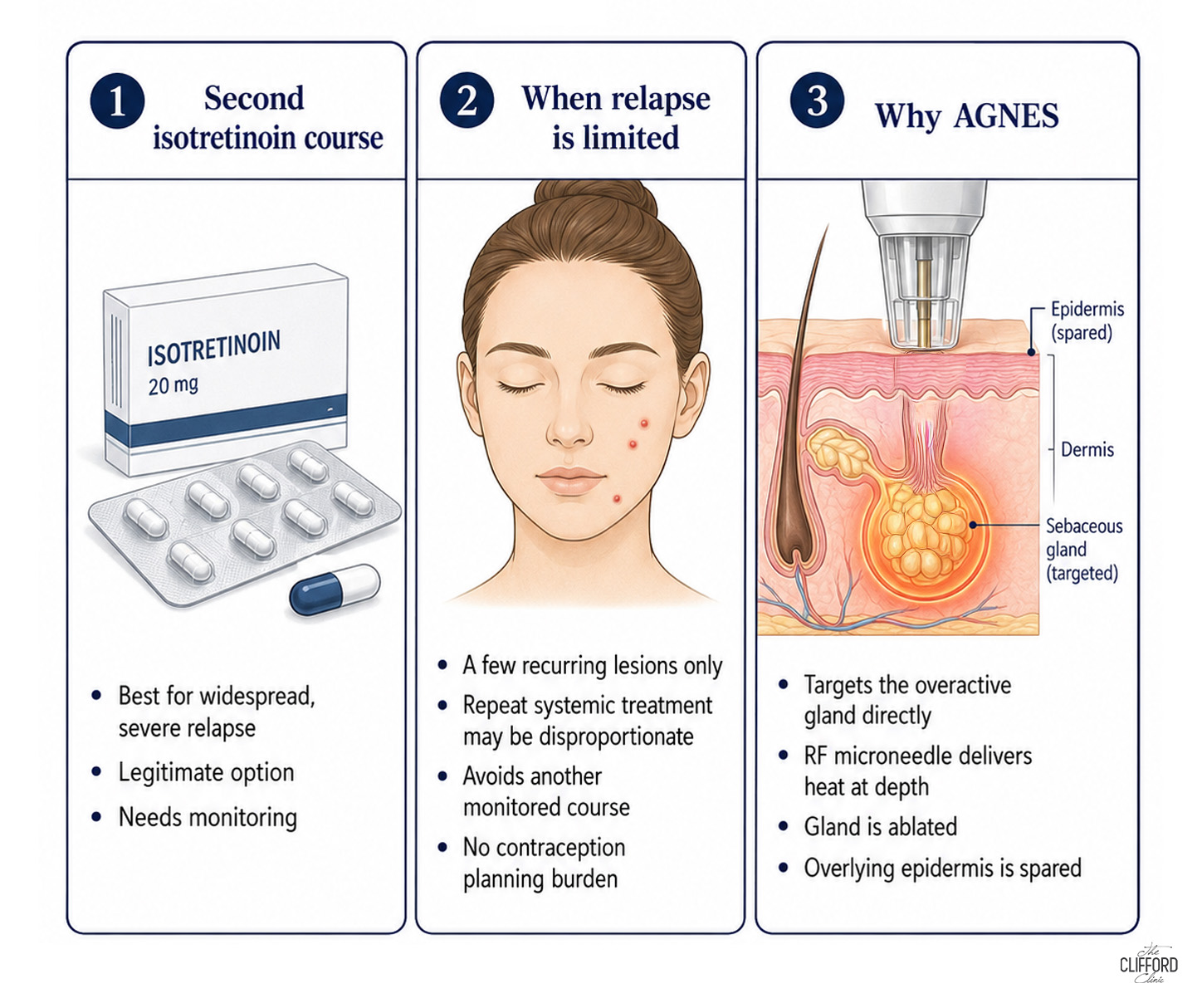
A second course is a legitimate option and sometimes the right one, particularly where relapse is widespread and severe. Repeating a systemic medication that carries monitoring requirements in order to treat a handful of recurring lesions is, however, disproportionate. In our practice isotretinoin is reserved as a last resort rather than used as a default. Where a small number of glands have regained activity, treating those glands directly is more precise, avoids a further monitored course with its laboratory surveillance, and removes the requirement for contraception planning in women of childbearing potential. This is the indication for which AGNES was designed. An radiofrequency microneedle is advanced into the individual overactive gland and delivers heat at that depth, so the gland is ablated while the overlying epidermis is spared.
The options we consider
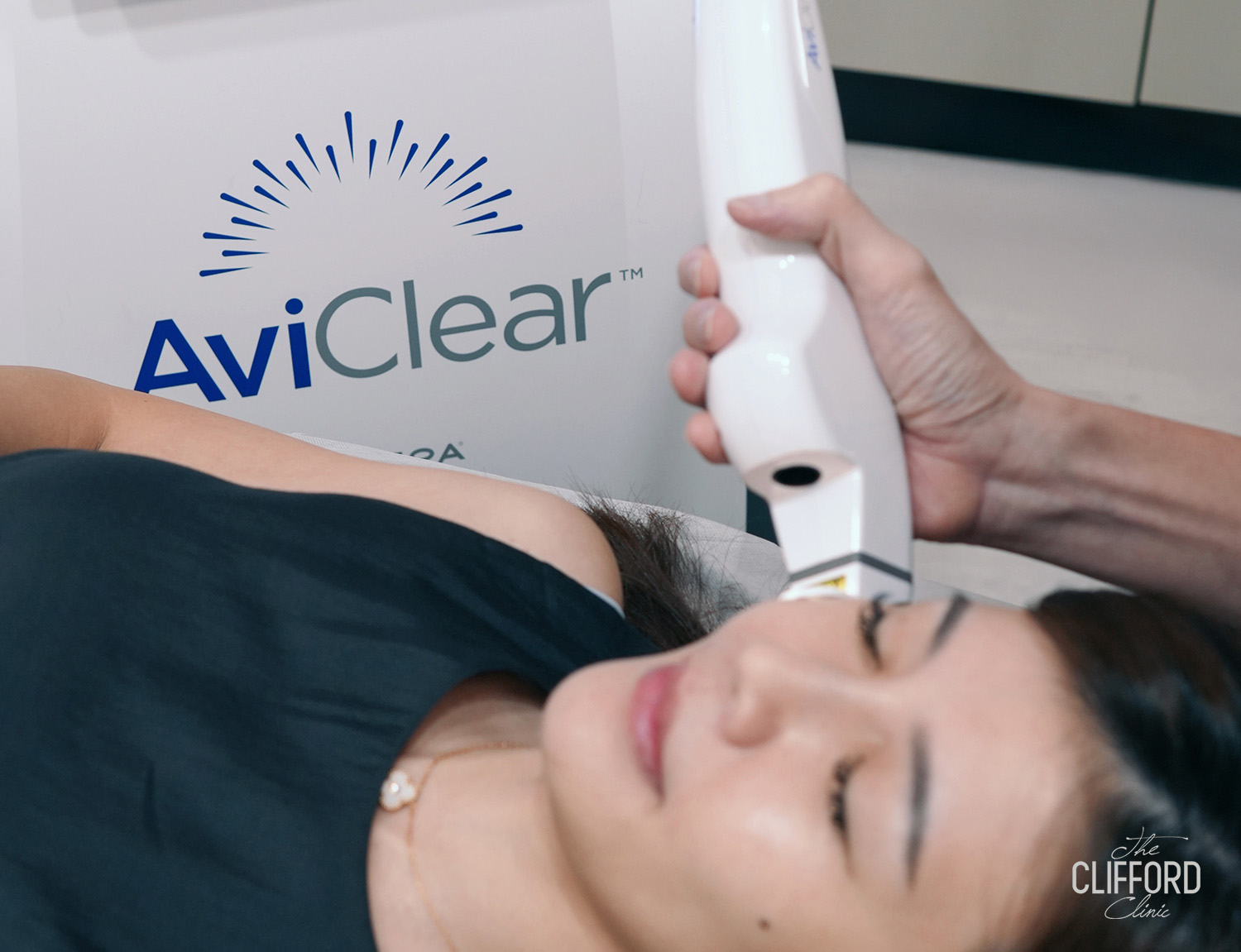
For a small number of fixed recurring lesions, AGNES treats the responsible glands individually. For a broader oily return, AviClear, a 1726 nm laser at a wavelength preferentially absorbed by sebum, reduces sebum production across the affected area. Gold or photothermal therapy offers a lower-intensity alternative where downtime or further medication must be avoided. In women whose returning acne follows a distribution or fluctuates with the menstrual cycle, hormonal therapy addresses the androgenic driver that isotretinoin suppressed without treating. Medical skincare remains the foundation of every plan, and a second isotretinoin course remains available where relapse is severe or widespread.
Maintenance prevents most of this
Discontinuing all treatment on the day a course ends is the commonest reason a good outcome deteriorates. Continuation of a maintenance regimen, maintenance of a simple non-comedogenic routine, and periodic review each reduce the likelihood of significant relapse. The retinoid is the substantive component, since it sustains follicular keratinisation and prevents the microcomedones from which new lesions arise. Patients who complete a course with a maintenance plan in place relapse less frequently and less severely than those who complete it with none. The plan is therefore established before the course finishes rather than after the acne has returned.
Common mistakes we see
The commonest is to interpret relapse as evidence that no treatment is effective, and to abandon treatment altogether, often for several years. The second is to request an immediate second course where a targeted option would resolve the presenting problem. The third is cessation of all maintenance at the end of the original course. The fourth, in women, is failure to investigate an underlying hormonal pattern that was driving the acne throughout.
What the evidence shows
Isotretinoin is the most effective single therapy available for severe acne, and a majority of patients achieve prolonged remission after one course. Relapse nonetheless occurs in a substantial minority, and reported rates are consistently higher where the cumulative dose was lower and where treatment was given at a younger age. Hormonal therapy is supported for androgen-driven acne in women, including after isotretinoin where the underlying pattern persists. The SAFA trial found spironolactone superior to placebo for acne in adult women at twenty-four weeks. Radiofrequency delivered directly into the sebaceous gland produces a durable reduction in recurrence within the treated follicles, which corresponds to the clinical picture of a limited number of identifiable glands reactivating. Guidelines support maintenance therapy after clearance, with a topical retinoid as the preferred agent, in order to reduce relapse.
What you can realistically expect
Returning acne is usually milder than the original and responds more rapidly to treatment. The expected response is a targeted plan rather than an automatic repeat course. Maintenance therapy forms part of whatever plan follows. Scarring from the original acne is a separate matter, addressed once the skin is quiescent.
When to see a doctor

Review is appropriate where acne is returning after a completed course, particularly where it is settling into the same few locations, or where it is accompanied by a jawline distribution in a woman. It is also appropriate for patients who have been offered a second course without discussion of the alternatives. Early review allows the response to remain proportionate to the extent of the relapse.
When Relapse Tends to Appear
Relapse rarely occurs immediately. Most patients experience a clear period after finishing a course, and returning acne typically appears some months later as sebaceous activity gradually recovers. That delay accounts for much of the distress relapse causes, since the course has by then been regarded as concluded. A small number of lesions appearing four or five months after completion indicates that maintenance should be intensified, not that the course has failed.
Neither cumulative dose nor age at treatment is a reason to avoid isotretinoin. Both are reasons to complete a course with a maintenance plan in place rather than an assumption of permanence.
Treating the scars left behind
Patients who relapse frequently raise the question of at the same consultation, having had significant acne before treatment. Scarring from the original acne does not improve with acne treatment and is addressed separately, once the skin is quiescent. Treatment is matched to scar morphology as for any atrophic scarring, namely focal acid application for ice pick scars, subcision to release tethering for rolling scars, and resurfacing or radiofrequency at depth for boxcar scars and general texture, staged across several sessions.
Timing relative to the isotretinoin course requires consideration. Ablative resurfacing and other procedures that create a controlled wound are approached with more caution in the period following a course, because sebaceous gland suppression alters the skin’s healing response, so scar work is planned with the course dates in mind. This is a scheduling consideration rather than a contraindication, and it is a further reason for the relapse consultation to be used to plan the scar phase.
Frequently asked questions
Is it normal for acne to come back after Accutane?
Relapse after isotretinoin is a recognised outcome. A proportion of patients relapse as the sebaceous glands recover secretory activity, and the returning acne is usually milder than the original. It does not indicate that the course failed.
Do I need a second course of isotretinoin?
A second course is sometimes indicated, but it is not the usual response. Where a small number of glands are refilling in fixed locations, treating those directly with AGNES is more proportionate. Isotretinoin is reserved as a last resort rather than used as a default.
How can I prevent acne returning after Accutane?
Maintenance therapy is the principal measure. Continuation of a topical retinoid and a simple routine, together with treatment of any hormonal driver, substantially reduces the likelihood of significant relapse.
Why does acne come back in the same spots after Accutane?
Recurrence in a fixed location indicates that specific sebaceous glands have recovered their secretory activity and are refilling. Those individual glands can be treated directly, which avoids repeating a systemic course.

Acne returning after Accutane? A targeted plan is usually preferable to a repeat course.
The Clifford Clinic, 50 Raffles Place, Singapore Land Tower. Call (65) 6532 2400 or WhatsApp (65) 8318 6332 to arrange a consultation.
Related reading
- Best Acne Treatment in Singapore A Doctor-Led Guide
- Acne Treatment at The Clifford Clinic
- How Our Doctors Choose Your Acne Treatment
- AGNES Acne Treatment
- Isotretinoin: How It Works (Dr Gerard Ee)
- Is Isotretinoin Dangerous? (Dr Rachel Ho)
Selected References
- HealthHub Singapore. Acne. https://www.healthhub.sg/a-z/diseases-and-conditions/acne
- American Academy of Dermatology. Guidelines of care for the management of acne vulgaris. https://www.aad.org/member/clinical-quality/guidelines/acne.
- Acne vulgaris. https://dermnetnz.org/topics/acne
- Oral isotretinoin for acne. Cochrane Database of Systematic Reviews. https://pubmed.ncbi.nlm.nih.gov/30484286/
- Radiofrequency microneedling of the sebaceous gland for acne. PubMed. https://pubmed.ncbi.nlm.nih.gov/31502662/
- Spironolactone for adult female acne (SAFA trial). BMJ. https://pubmed.ncbi.nlm.nih.gov/37192767/
- Guidelines of care for the management of acne vulgaris. JAAD. https://www.jaad.org/article/S0190-9622(23)03389-3/fulltext
Medical disclaimer: The Clifford Clinic publishes this article as general patient education only. It is not a substitute for an in-person clinical assessment, and the suitability, outcome and risk profile of any treatment differ from patient to patient. Arrange a consultation with one of our doctors before beginning treatment for acne.

Author Bio
Dr Gerard Ee

Dr Gerard Ee is the Medical Director of The Clifford Clinic in Singapore. He earned his medical degree from St George's University of London and built his surgical experience across the Singapore General Hospital, National University Hospital, and Mount Sinai Hospital in New York. He holds Membership of the Royal College of Surgeons (Edinburgh) and a Postgraduate Diploma in Dermatology (Cardiff), and is fully accredited in aesthetic procedures including botulinum toxin, fillers, lasers, and light therapies. A strong advocate of minimally invasive, natural-looking results, Dr Ee has published in several medical and scientific journals and presented his research in cities including Taipei, Las Vegas, and London.
See all posts by Dr Gerard Ee »