
Accutane (Isotretinoin) in Singapore, What Patients Should Know
Written by Dr Bernard Ong. Medically reviewed by Dr Gerard Ee Dr Gerard Ee (MBBS, MRCS, Diploma in Practical Dermatology, Cardiff) is the Founder and Medical Director of The Clifford Clinic, with more than 14 years of experience treating acne, and among the first doctors in Singapore to use AGNES and AviClear. This article reflects the clinical approach of The Clifford Clinic, and is for general education only and does not replace a personal consultation. Last reviewed July 2026.
Isotretinoin, widely known by the brand name Accutane, is the most powerful oral medication for acne and the only one that acts on every major driver of the disease at once. Its reputation is correspondingly divided, and both positions are supported. Administered under supervision, it remains the benchmark treatment for severe acne, and one adequate course produces prolonged remission in a majority of patients. Administered without monitoring, its teratogenicity and its laboratory requirements are consistently underestimated. This guide sets out the mechanism, the indications, the monitored course as conducted in Singapore, and the alternatives.
The Short Answer
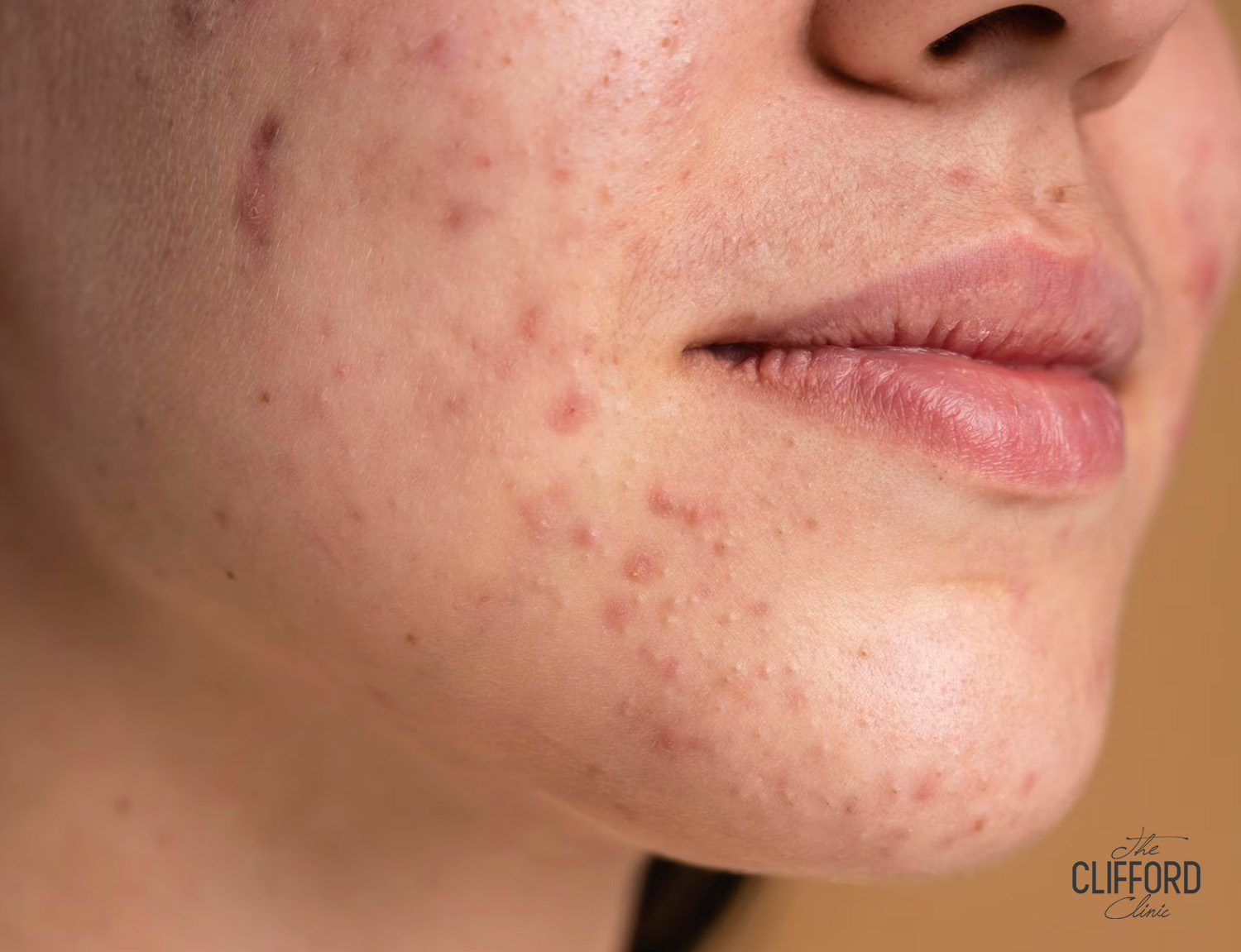
Isotretinoin is reserved for severe nodulocystic acne, scarring acne, and acne that has failed adequate courses of other treatment. It is positioned late rather than early in the sequence, since gland-directed treatment frequently achieves control without systemic exposure. It acts by reducing the size and secretory output of the sebaceous glands and by normalising follicular keratinisation, which addresses every major driver of acne simultaneously. A course runs for approximately five to eight months at conventional dosing, and requires medical supervision, blood tests before and during treatment, and, in women of childbearing potential, reliable contraception from one month before the course until one month after it. Where medication is unsuitable or declined, the devices acting on the same sebaceous target are AviClear, a 1726 nm laser that reduces sebum output across the treated field, and AGNES, an insulated radiofrequency microneedle that coagulates individual glands.
What the Consultation Assesses
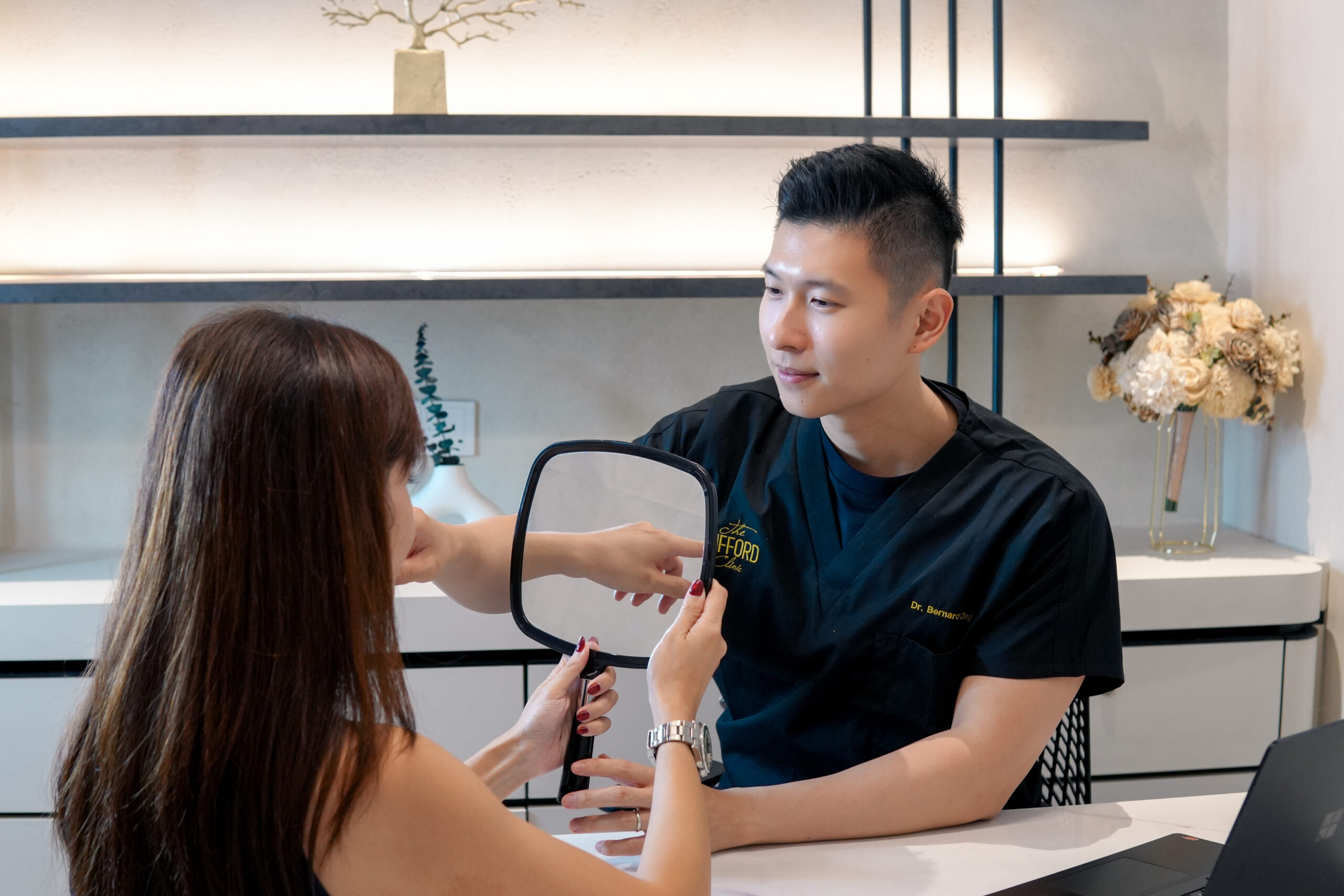
Assessment establishes the severity and morphology of the acne, the presence and rate of scarring, and the treatments already completed at adequate dose and duration. Isotretinoin is indicated where simpler measures have failed such a trial, or where the severity and rate of scarring justify proceeding directly to it. The medical history covers hepatic function, lipid profile, mood and psychiatric history, pregnancy intention, and concurrent medication, in particular tetracycline antibiotics, which are not co-prescribed because the combination raises the risk of raised intracranial pressure. Expectations are established at the outset. The course runs for months rather than weeks, mucocutaneous dryness occurs in almost all patients, an initial flare may occur in the first four to six weeks, and the result is assessed at completion rather than at the first review.
How Isotretinoin Works
Isotretinoin is a vitamin A derivative that reduces both the size of the sebaceous glands and their sebum output, by up to approximately 90 per cent during treatment. It normalises the abnormal keratinisation obstructing the follicle, and the resulting loss of the sebum-rich anaerobic environment suppresses Cutibacterium acnes without an antibiotic. It is also directly anti-inflammatory. No other single agent acts on all four drivers simultaneously, which accounts for the consistency of its results in severe acne. Dose and duration are individualised. Conventional dosing is approximately 0.5 to 1.0 mg per kilogram daily, and current practice frequently favours a lower daily dose over a longer period, which improves tolerability while preserving the outcome, since remission is determined by the cumulative dose reached rather than by the daily dose used to reach it.
Side Effects and Monitoring
Dryness of the lips, skin and eyes is expected rather than exceptional, and is managed with emollients, lip balm and, where the eyes are affected, lubricating drops. Liver enzymes and fasting lipids are measured before the course, again after the first one to two months, and thereafter as the results and the dose require. Modest asymptomatic rises are common and are monitored rather than treated. Treatment is interrupted where transaminases exceed approximately three times the upper limit of normal, or where triglycerides reach a concentration carrying a risk of pancreatitis. Myalgia, photosensitivity and temporary hair shedding may also occur. Mood is reviewed at every visit. A causal relationship with depression remains unproven at population level, but the association is reported often enough that monitoring is standard practice, and any deterioration in mood is a reason to review the course rather than to continue it unexamined. Pregnancy prevention is absolute. Isotretinoin is a potent teratogen, and exposure in the first trimester causes severe craniofacial, cardiac and central nervous system malformations. Women of childbearing potential therefore require a documented negative pregnancy test before starting, reliable contraception from one month before the course until one month after the final dose, and pregnancy testing during the course. The drug is cleared within weeks of the last dose, which is why the post-course interval is one month rather than indefinite. These requirements are the reason isotretinoin is prescribed and reviewed by a doctor rather than dispensed on request.
Indications and Contraindications for Isotretinoin
Isotretinoin is considered in nodulocystic acne, in acne that is scarring, and in moderate acne with a pronounced seborrhoeic component that relapses after adequate courses of the alternatives. It is contraindicated in pregnancy and where pregnancy is intended, and is used with caution in significant hepatic disease, in uncontrolled hyperlipidaemia, and where the psychiatric history warrants closer review. Where it is contraindicated or declined, three routes remain. AGNES and AviClear act on the same sebaceous target by physical means rather than systemically. Hormonal therapy, comprising a combined oral contraceptive or spironolactone, addresses androgen-driven acne in women. Structured combinations of topical retinoid, benzoyl peroxide and, for a limited period, an oral antibiotic remain effective in moderate disease.
Common Mistakes in Isotretinoin Treatment
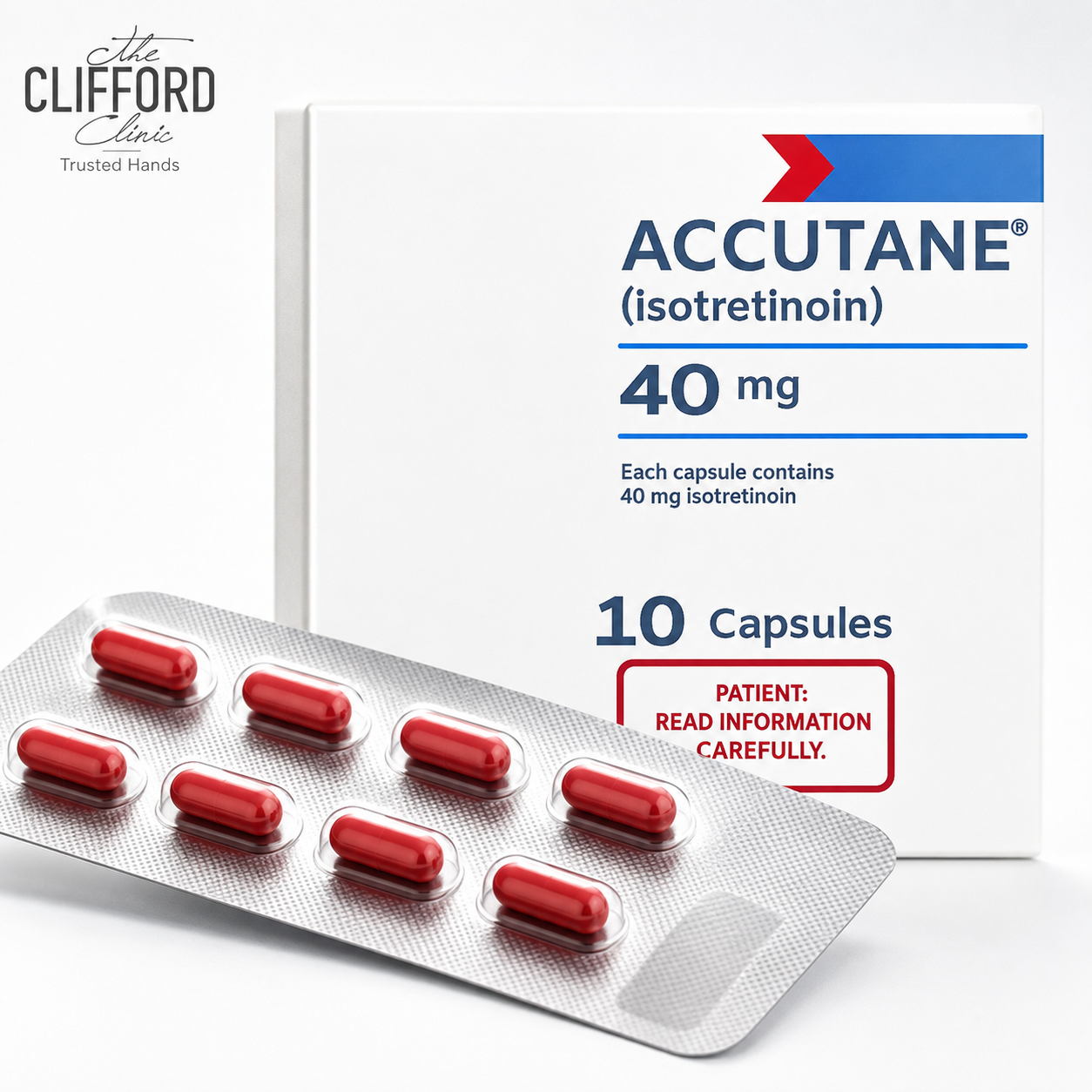
The commonest is delay driven by fear. Months or years of severe, scarring acne are endured on the strength of anecdote, during which the scarring accumulates and becomes permanent, while the side effects being avoided are in most cases manageable and reversible. The opposite error is a request for isotretinoin in mild acne that a topical regimen would clear. Others are stopping the course as soon as the skin looks clear, which is the commonest cause of early relapse because the cumulative dose associated with remission has not been reached, missing the monitoring reviews, and purchasing the drug online, which removes the laboratory testing and the pregnancy prevention that make it safe.
What the Evidence Shows
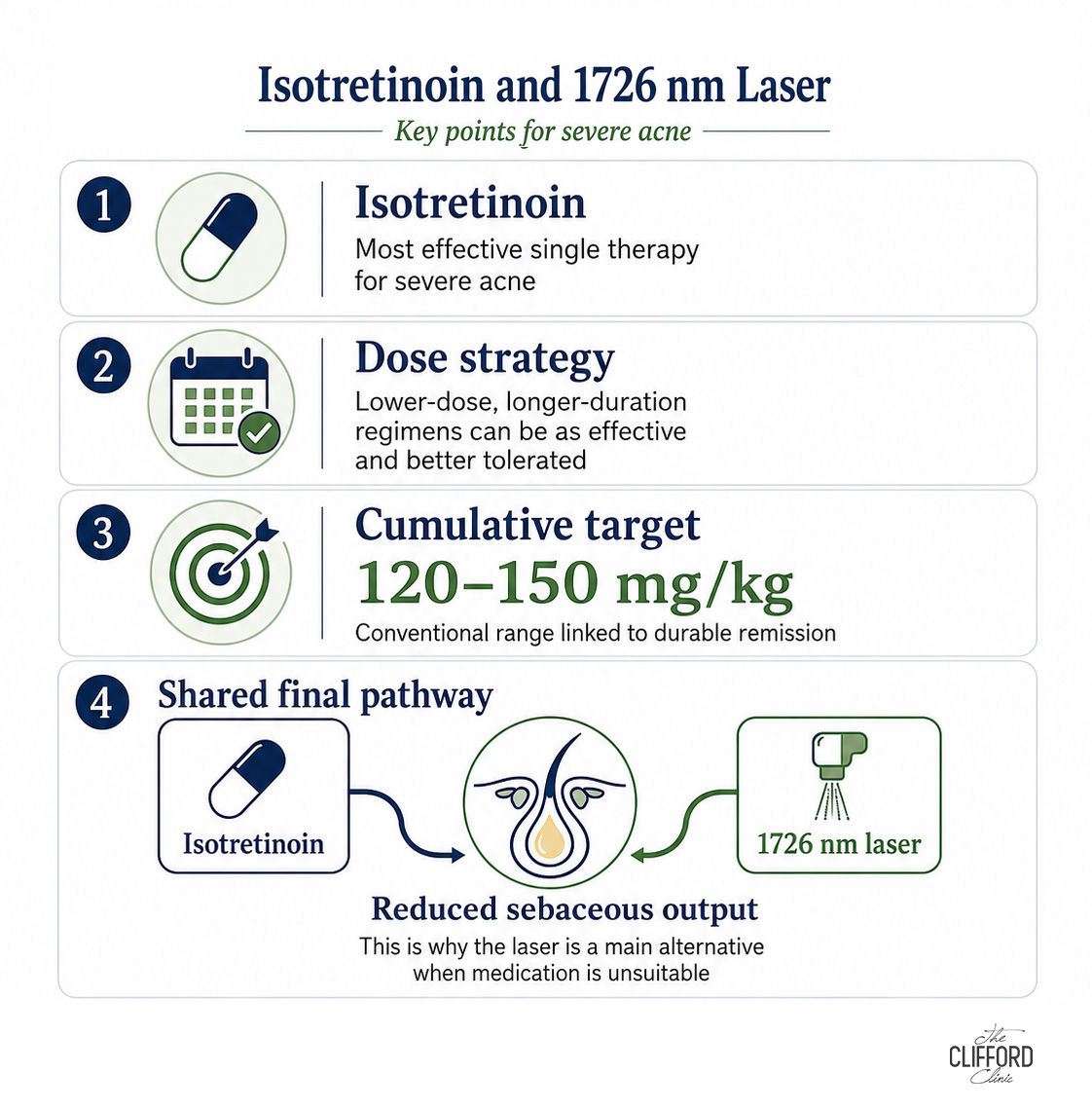
Isotretinoin is the most effective single therapy for severe acne, and prolonged remission after one adequate course is achieved by a majority of patients. Lower-dose, longer-duration regimens are as effective as conventional dosing and are better tolerated. Relapse is related to the cumulative dose delivered, and a cumulative total of approximately 120 to 150 mg per kilogram is the figure conventionally associated with durable remission. The 1726 nm laser produces durable improvement through the same final pathway, namely reduced sebaceous output, and retrospective follow-up reports that the improvement is maintained after the course is completed. That shared mechanism is the reason it has become the principal alternative where medication is unsuitable. Guideline bodies continue to recommend isotretinoin with structured monitoring rather than its avoidance.
What to Expect During a Course
A course is measured in months rather than weeks. Dryness is continuous throughout it, and visible improvement typically begins in the second or third month, in some cases following an initial flare. Reviews and blood tests are scheduled at intervals of four to eight weeks. At completion a majority of patients obtain prolonged remission. A minority relapse partially and are either retreated or transferred to a maintenance regimen, most often a topical retinoid. Scars and marks left by past acne do not resolve with the medication, and are treated separately once the skin is quiescent.
When to See a Doctor
Assessment is appropriate where acne is nodular or cystic, where it is scarring, or where it has not responded to a properly conducted topical and oral regimen. The purpose of the consultation is to determine whether isotretinoin, an alternative, or a combination is indicated. The principal risk in severe acne is not an adverse effect of treatment but the permanent scarring that accrues while the decision is deferred.
A Monitored Isotretinoin Course, Step by Step
A course begins with baseline liver function and fasting lipid measurement and, in women of childbearing potential, pregnancy testing and contraceptive counselling. The starting dose is calculated from body weight and adjusted for severity and expected tolerability, commonly 0.5 mg per kilogram daily. Review then occurs at four to eight week intervals, at which the cutaneous response, the side effects and the laboratory results are assessed together. The dose is adjusted during the course. A lower daily dose sustained over a longer period is used where tolerability is limiting, and a higher daily dose over a shorter period where it is not. The endpoint is the cumulative dose associated with durable remission, approximately 120 to 150 mg per kilogram, typically reached over five to eight months, after which the drug is stopped and a maintenance plan for the skin is established.
Day-to-day management during the course centres on skin hydration and sun avoidance. Lip balm is applied throughout the day, and moisturiser and sunscreen are used daily. Waxing, chemical peels and ablative facial procedures are deferred until the course is complete, since the skin is fragile and heals more slowly, and alcohol is moderated while liver enzymes are under surveillance. Work, exercise and ordinary activity continue unaffected in most patients.
Relapse After Isotretinoin, Retreatment and the Role of Devices
Acne that returns after a completed course is usually milder than the original disease, and does not indicate that the original decision was wrong. The options are a second course, transition to hormonal therapy where the driver is androgenic, or device treatment of the glands that recovered. AGNES is suited to the post-isotretinoin pattern in which a small number of follicles resume activity at fixed sites, whereas AviClear is suited to a diffuse seborrhoeic relapse. Because these options remain available in sequence, a relapse resumes treatment at a later point in the plan rather than at its beginning.

Isotretinoin in the Singapore Context
Isotretinoin is a prescription-only medicine in Singapore, dispensed through clinics rather than supplied on request, which keeps the monitoring attached to the medication. The local humidity moderates one of the characteristic complaints of the course, as ambient moisture makes the cutaneous dryness more tolerable than it is in a temperate winter, although lip balm remains necessary throughout. Ultraviolet exposure runs the other way. Equatorial intensity is sustained year-round while isotretinoin is raising photosensitivity, so daily sunscreen and shade are part of the course rather than an optional addition. National service, examinations and travel constrain many patients’ schedules, so the timing of the course is planned around those commitments, which the review schedule accommodates where it is raised at the outset.
Common Misconceptions About Isotretinoin
Isotretinoin does not persist in the body for years. It is cleared within weeks of the final dose, which is why the post-course interval before pregnancy is one month rather than indefinite. It does not thin the skin permanently, and the dryness reverses once the course ends. It is not restricted to the most severe presentations, since moderate acne that is scarring is itself an indication. It is not a medication to be obtained online, because unsupervised use removes the laboratory monitoring and the pregnancy prevention on which its safety depends.
Frequently Asked Questions
Is Accutane available in Singapore?
Isotretinoin is available in Singapore as a prescription-only medicine. It is prescribed following medical assessment, and is accompanied by blood test monitoring and, in women of childbearing potential, contraception maintained from one month before the course until one month after it.
How long does an isotretinoin course take?
Most courses run for five to eight months, with the dose and duration individualised and the endpoint set by cumulative dose rather than by elapsed time. Improvement is typically visible from the second or third month, and remission is assessed after the course is complete.
Is isotretinoin dangerous?
It has genuine side effects, of which mucocutaneous dryness is the most frequent, and it requires laboratory monitoring. Under medical supervision it is a well-characterised medication whose risks are anticipated and managed. The absolute requirement is the avoidance of pregnancy during treatment and for one month after it.
What are the alternatives to Accutane?
AviClear and AGNES act on the same sebaceous glands by physical means rather than systemically. Hormonal therapy, either a combined oral contraceptive or spironolactone, is suited to androgen-driven acne in women. Structured combinations of topical retinoid, benzoyl peroxide and a time-limited oral antibiotic remain effective in moderate acne.

| Severe or scarring acne? Talk to our doctors about whether isotretinoin or an alternative fits you.
The Clifford Clinic, 50 Raffles Place, Singapore Land Tower. Call (65) 6532 2400 or WhatsApp (65) 8318 6332 to arrange a consultation. |
Related Reading
- Best Acne Treatment in Singapore, A Doctor-Led Guide
- Acne Treatment at The Clifford Clinic
- Cystic Acne Treatment
- Isotretinoin, How It Works (Dr Gerard Ee)
- Is Isotretinoin Dangerous? (Dr Rachel Ho)
- AviClear (Dr Gerard Ee)
Selected References
- HealthHub Singapore. Acne. https://www.healthhub.sg/a-z/diseases-and-conditions/acne.
- American Academy of Dermatology. Guidelines of care for the management of acne vulgaris. https://www.aad.org/member/clinical-quality/guidelines/acne.
- DermNet. Acne vulgaris. https://dermnetnz.org/topics/acne.
- Oral isotretinoin for acne. Cochrane Database of Systematic Reviews. https://pubmed.ncbi.nlm.nih.gov/30484286/.
- Guidelines of care for the management of acne vulgaris. JAAD. https://www.jaad.org/article/S0190-9622(23)03389-3/fulltext.
- Long-term outcomes of 1726 nm laser treatment for acne. JAAD. https://www.jaad.org/article/S0190-9622(25)02900-7/fulltext.
- Spironolactone for adult female acne (SAFA trial). BMJ. https://pubmed.ncbi.nlm.nih.gov/37192767/.
Medical disclaimer. The Clifford Clinic publishes this article as general patient education only. It is not a substitute for an in-person clinical assessment, and the suitability, outcome and risk profile of any treatment differ from patient to patient. Arrange a consultation with one of our doctors before beginning treatment for acne.

Author Bio
Dr Gerard Ee

Dr Gerard Ee is the Medical Director of The Clifford Clinic in Singapore. He earned his medical degree from St George's University of London and built his surgical experience across the Singapore General Hospital, National University Hospital, and Mount Sinai Hospital in New York. He holds Membership of the Royal College of Surgeons (Edinburgh) and a Postgraduate Diploma in Dermatology (Cardiff), and is fully accredited in aesthetic procedures including botulinum toxin, fillers, lasers, and light therapies. A strong advocate of minimally invasive, natural-looking results, Dr Ee has published in several medical and scientific journals and presented his research in cities including Taipei, Las Vegas, and London.
See all posts by Dr Gerard Ee »