
Pico Laser Skin Rejuvenation in Singapore: What “Glow” Actually Means
Written by Dr Bernard Ong. Medically reviewed by Dr Gerard Ee
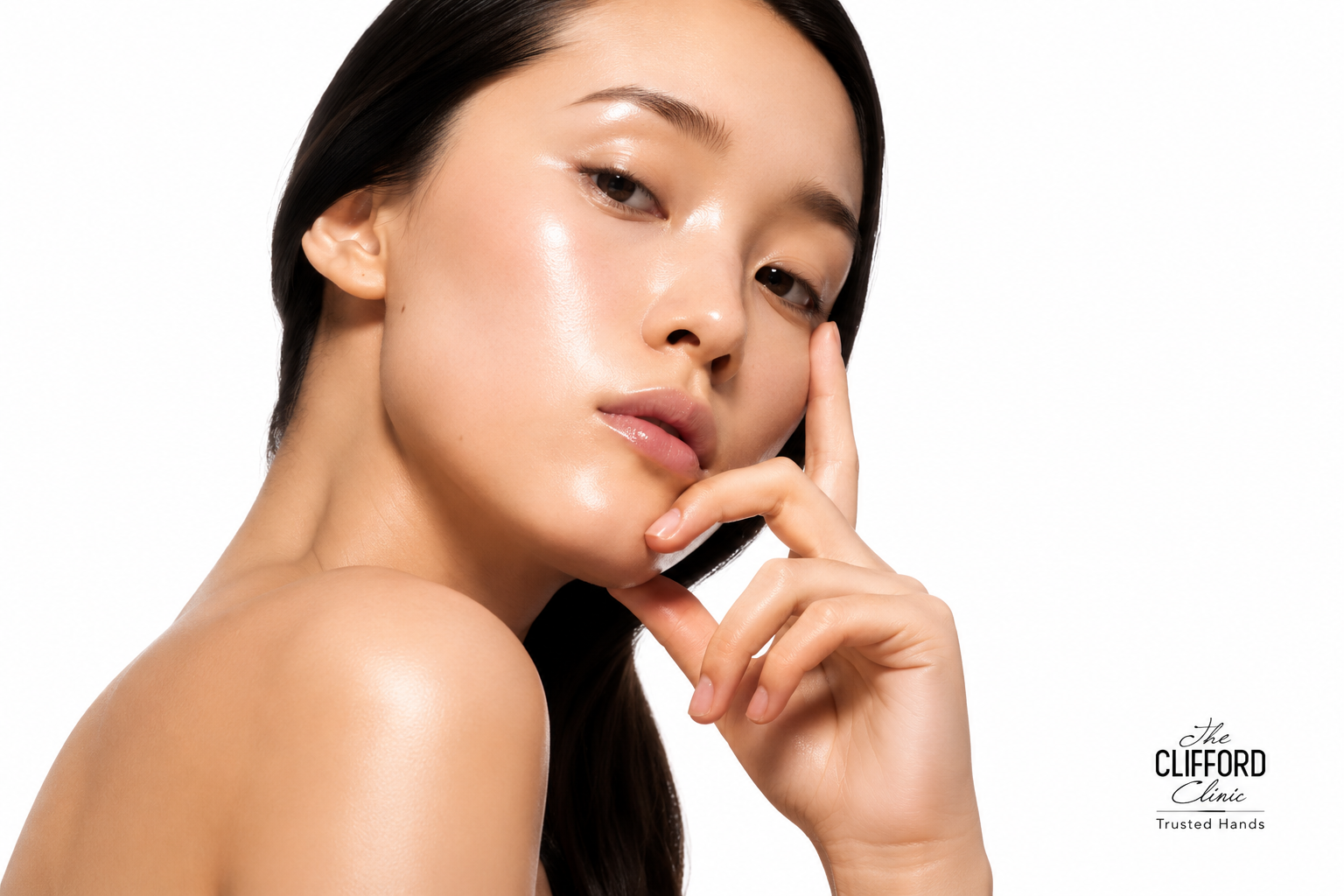
“Glow” is not a single biological endpoint. With Pico laser treatment, it usually comes from two modest changes: less visible pigment and a smoother surface. Standard picosecond wavelengths can fragment selected pigment, while a fractional handpiece can stimulate collagen in the upper dermis and refine mild texture. Together, those effects may make the complexion look clearer and fresher. They do not lift sagging tissue, replace lost facial volume or tighten significant laxity. A useful rejuvenation plan begins by separating those concerns rather than asking one device to do all of them.
Skin rejuvenation is an umbrella term
Patients use “rejuvenation” to describe several different changes: uneven pigment, dullness, rough texture, enlarged-looking pores, fine lines, loss of firmness and loss of volume. These changes do not arise in the same layer of skin. Pigment is mainly in the epidermis and upper dermis. Texture and pore appearance depend more on collagen in the dermis. Laxity involves deeper structural tissue, while volume loss reflects changes in fat compartments and support. Pico laser has a useful role in the first two groups; it is not a universal anti-ageing treatment.
How Pico laser can make a complexion look brighter
A dull complexion is often a combination of scattered pigment and a slightly uneven surface. Picosecond pulses are short enough for much of their effect on melanin to be photoacoustic rather than thermal. The pigment is fractured into smaller particles and cleared gradually over the following weeks. When superficial freckles, sun-related pigment or mild post-inflammatory change become less obvious, the overall tone looks more even. The result is not a temporary coating on the skin; it is a reduction in colour variation that was interrupting the way light reflected from the face. For the broader treatment overview, including wavelength selection and other indications, see our Pico laser treatment in Singapore page.
The fractional handpiece addresses texture
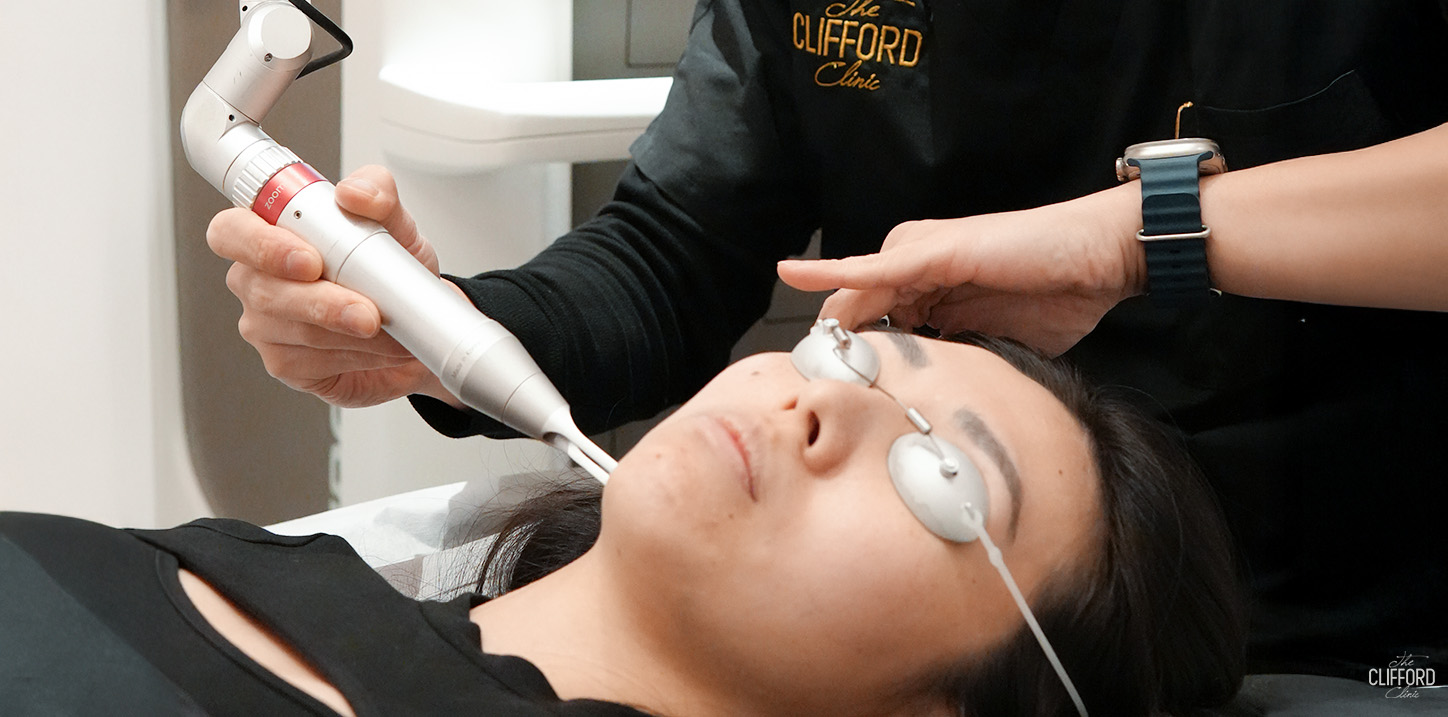
For texture, the handpiece matters as much as the wavelength. A fractional lens concentrates the pulse into an array of microscopic points and creates controlled zones of optical breakdown within the dermis. The surrounding skin remains intact, so healing is quicker than after an ablative resurfacing procedure. Collagen is laid down as those zones repair. Fine roughness, mild irregularity and early crepey texture may soften over the following months, and pore openings can look less shadowed as their surrounding support improves.
What “collagen stimulation” does and does not mean
The collagen claim is real but narrower than much of the marketing suggests. Fractional Pico treatment stimulates remodelling in the upper dermis. That is enough to improve surface quality and the appearance of mild pores or fine texture. It is not deep enough to reposition sagging tissue or recreate facial volume. Calling the effect “skin refinement” is more accurate than calling it a lift. Patients who understand that distinction are less likely to be disappointed by a treatment that worked as intended.
Where Pico laser fits in a rejuvenation plan
The table separates concerns that Pico laser commonly addresses from those that usually need a different tool.
| Concern | Likely role of Pico laser | What may be better suited |
|---|---|---|
| Uneven pigment and dullness | A primary strength when the pigment has been diagnosed correctly | Pico laser supported by daily photoprotection and topical care |
| Rough or mildly irregular texture | Useful with a fractional handpiece | Fractional picosecond treatment or other fractional resurfacing |
| Enlarged-looking pores | Partial improvement through collagen remodelling | Fractional treatment plus oil and congestion control where needed |
| Fine lines | Modest improvement when they are mainly superficial | Fractional resurfacing or skin-quality treatments |
| Loss of firmness or laxity | Not a meaningful lifting treatment | Energy-based tightening directed at deeper layers |
| Loss of facial volume | No volume-restoring effect | Treatments that replace or reposition volume |
Pigment still has to be diagnosed before it is treated
A “brightening” treatment is not the same protocol for every brown mark. A 532 nm wavelength is absorbed strongly by superficial epidermal pigment and may suit freckles or discrete sun spots. A 1064 nm wavelength penetrates further and places less energy in the surface, which is useful for deeper pigment and melanin-rich skin. Melasma is handled differently again: it is stabilised with photoprotection and topical therapy, and any laser is used conservatively because excessive heat or energy may trigger rebound. Clearing the wrong pigment aggressively is not rejuvenation.

Combining treatments without over-treating the skin
Pico laser is often one part of a broader plan. Skin boosters may be used for hydration and skin quality, while a deeper energy-based device is chosen when laxity is the main concern. Topical treatment and sunscreen maintain pigment control between procedures. Different modalities are usually separated by enough time for redness and inflammation to settle, commonly two to four weeks depending on the treatment. Exosome- and growth-factor-based add-ons are also marketed for recovery, but the evidence remains developing; they should be presented as optional adjuncts rather than replacements for established treatment.
Why photoprotection is part of the treatment
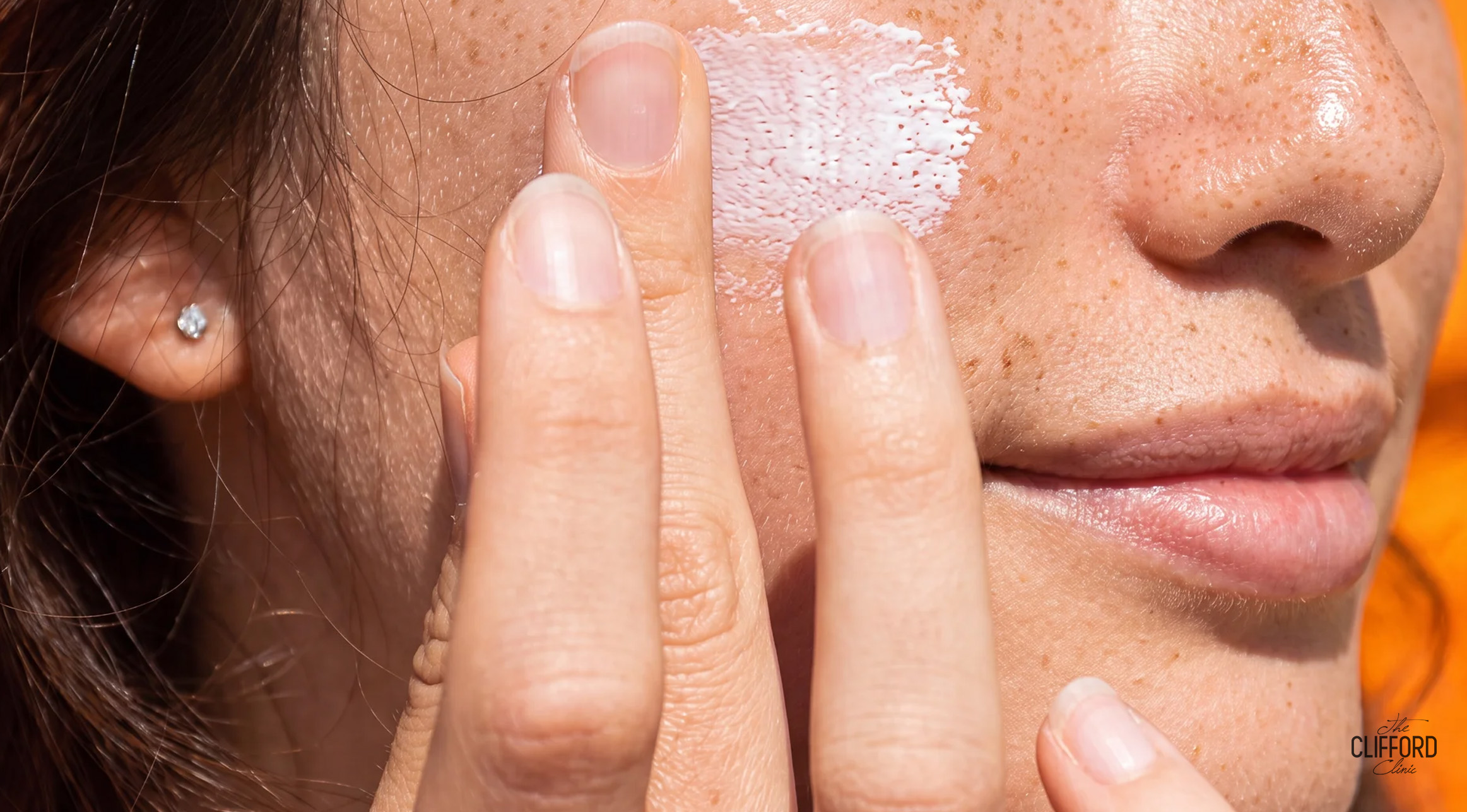
Ultraviolet exposure contributes to both uneven pigment and loss of collagen. Visible light can also sustain pigmentation in darker skin types. A course of procedures cannot hold its result if the same exposure continues unchecked, especially in Singapore’s year-round ultraviolet environment. Daily broad-spectrum sunscreen, and a tinted formulation with iron oxides where melasma is present, protects the pigment and collagen gains made during treatment. It is not merely aftercare; it is part of the long-term plan.
How many sessions are usually planned
The schedule depends on which effect is being pursued. Superficial pigment may show a visible response after one to three sessions, often spaced about three to four weeks apart. Fractional collagen remodelling is slower and may require four to six sessions, with wider intervals—commonly six to eight weeks—so the repair response is not repeatedly interrupted. Texture can continue to improve for roughly three months after the final treatment. The exact course is adjusted at review rather than fixed by a package.
Maintenance and skin longevity
Neither pigment production nor collagen loss stops when a treatment course ends. Some patients choose maintenance at intervals of three to six months; others maintain the result mainly with photoprotection, skincare and occasional treatment when a specific concern returns. The useful way to think about Pico laser is as one tool in an ongoing skin-quality plan, not a permanent reset of the ageing process.
Doctor’s perspective
When a patient asks for glow, they are usually asking for clearer colour, a smoother surface and skin that looks less tired in ordinary light. Those are reasonable Pico laser goals. Lifting, tightening and volume restoration are different requests and should be discussed separately. The best result comes from naming the concern accurately, then using the smallest number of treatments that genuinely address it.
Who may suit Pico laser rejuvenation
- May suit treatment: uneven tone, superficial pigment, dullness, mild roughness and selected pore concerns in patients seeking gradual improvement with short downtime.
- May need additional modalities: significant laxity, volume loss, deeper wrinkles or deep acne scars.
- Needs caution or postponement: active inflammation, recently tanned skin, untreated melasma being approached aggressively, or an undiagnosed pigmented lesion.
The devices behind a brighter, smoother result
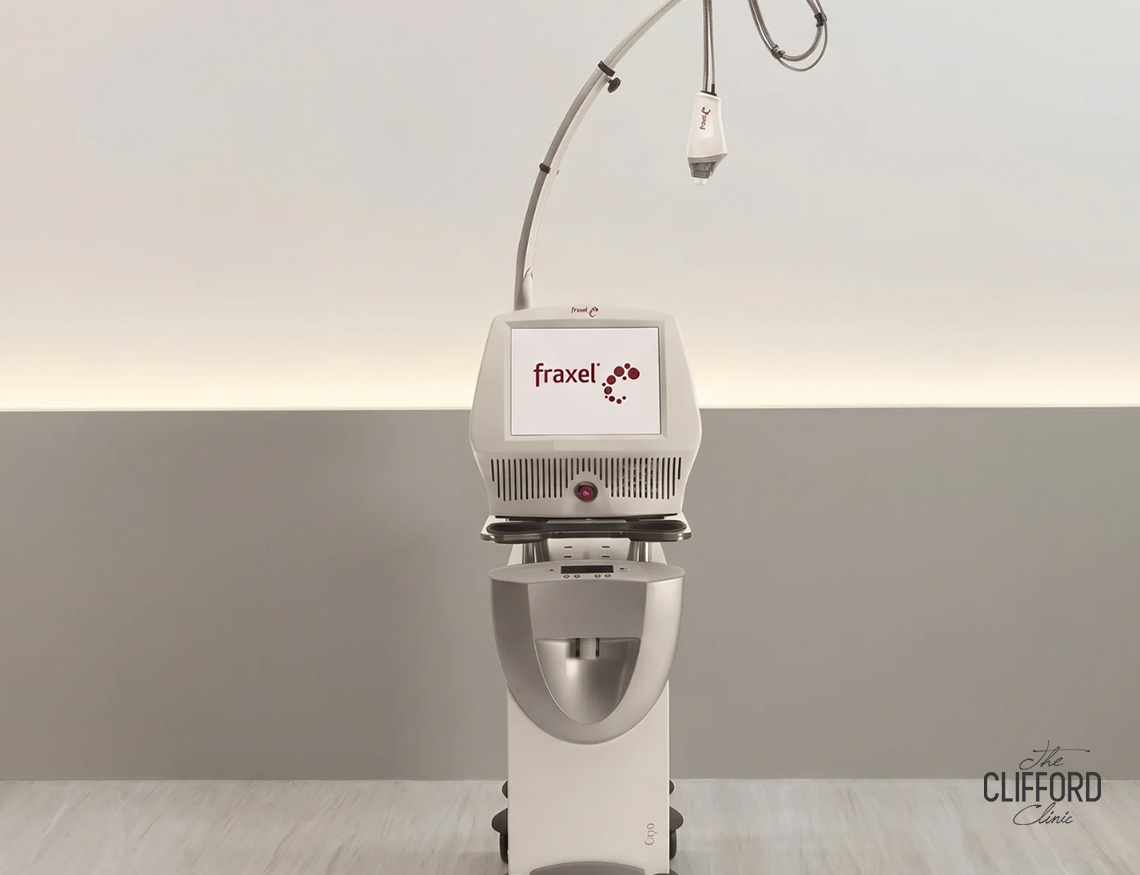
At The Clifford Clinic, picosecond wavelengths are selected for the pigment component: 532 nm for superficial targets and 1064 nm for pigment that lies deeper. Fractional Pico treatment contributes upper-dermal collagen remodelling. Fraxel 1927 Thulium may be used for diffuse superficial pigment, while Fraxel 1550 Erbium Glass acts deeper on texture. Our separate guide to pores explains how the collagen-support component is assessed. The combination is selected for the individual rather than delivered as a standard “glow” package.
Frequently asked questions
Does Pico laser make skin glow?
It can make the complexion look brighter by reducing selected superficial pigment and smoothing mild texture. The effect is clearer, more even skin rather than a temporary shine.
Can Pico laser boost collagen?
With a fractional handpiece, Pico laser stimulates collagen remodelling in the upper dermis. This can refine texture and pore appearance over the following months, but it is not the same as deep lifting.
Does Pico laser tighten skin?
It may make the surface look smoother, but it does not meaningfully tighten significant laxity. Deeper energy-based treatments are used when firmness is the main concern.
Is Pico laser useful for dull skin?
It may help when dullness is being caused by scattered pigment and mild surface roughness. A diagnosis is still needed because dehydration, inflammation and other causes require different treatment.
How long do Pico laser rejuvenation results last?
Results are maintained rather than permanently fixed. Daily photoprotection, consistent skincare and optional maintenance sessions at roughly three- to six-month intervals can help preserve the improvement.
Can Pico laser be combined with skin boosters?
Yes. Pico laser addresses pigment and surface texture, while skin boosters are used for hydration and skin quality. The treatments are sequenced with an appropriate interval so inflammation from one has settled before the next.
Build the plan around the concern, not the word “glow”
A clearer and more refined complexion comes from treating pigment, texture, laxity and volume as separate issues. Read more about Pico laser in Singapore and pigmentation treatment in Singapore. Appointments are available at The Clifford Clinic, 50 Raffles Place, #01-01 Singapore Land Tower. Call (65) 6532 2400 or WhatsApp (65) 8318 6332.
Selected references
- Comparative study of a 1064 nm fractional picosecond laser versus intense pulsed light in facial rejuvenation. Lasers in Surgery and Medicine, 2026. https://onlinelibrary.wiley.com/doi/10.1002/lsm.70094
- Three-year results of facial photoageing in Asian patients after alexandrite 755 nm picosecond laser with diffractive lens array. Lasers in Surgery and Medicine, 2021. https://onlinelibrary.wiley.com/doi/10.1002/lsm.23393
- Exosomes in dermatology: a comprehensive review of current applications, clinical evidence and future directions. International Journal of Dermatology, 2025. https://pubmed.ncbi.nlm.nih.gov/40533901

Author Bio
Dr Gerard Ee

Dr Gerard Ee is the Medical Director of The Clifford Clinic in Singapore. He earned his medical degree from St George's University of London and built his surgical experience across the Singapore General Hospital, National University Hospital, and Mount Sinai Hospital in New York. He holds Membership of the Royal College of Surgeons (Edinburgh) and a Postgraduate Diploma in Dermatology (Cardiff), and is fully accredited in aesthetic procedures including botulinum toxin, fillers, lasers, and light therapies. A strong advocate of minimally invasive, natural-looking results, Dr Ee has published in several medical and scientific journals and presented his research in cities including Taipei, Las Vegas, and London.
See all posts by Dr Gerard Ee »