

Non Surgical Hair Loss Treatment in Singapore, Medication, Laser and Regrowth Options
Non surgical hair loss treatment in Singapore includes topical and oral medication, laser and light based therapy, ultrasound treatment, regenerative injections such as polydeoxyribonucleotide and exosomes, and cellular energy support such as NMN and NAD plus. In most patients with early or moderate hair loss, these options, used alone or in combination, can stabilise loss and improve density without surgery. Outcomes depend on matching the treatment to the confirmed diagnosis and the stage of loss. The Clifford Clinic regards non invasive measures as among the safest and most effective ways to manage hair loss, and structures treatment for men and women around this combination approach.
The position of these treatments among all available options is set out in our complete hair loss treatment Singapore guide.
The Clifford Clinic approach, combination non surgical treatment
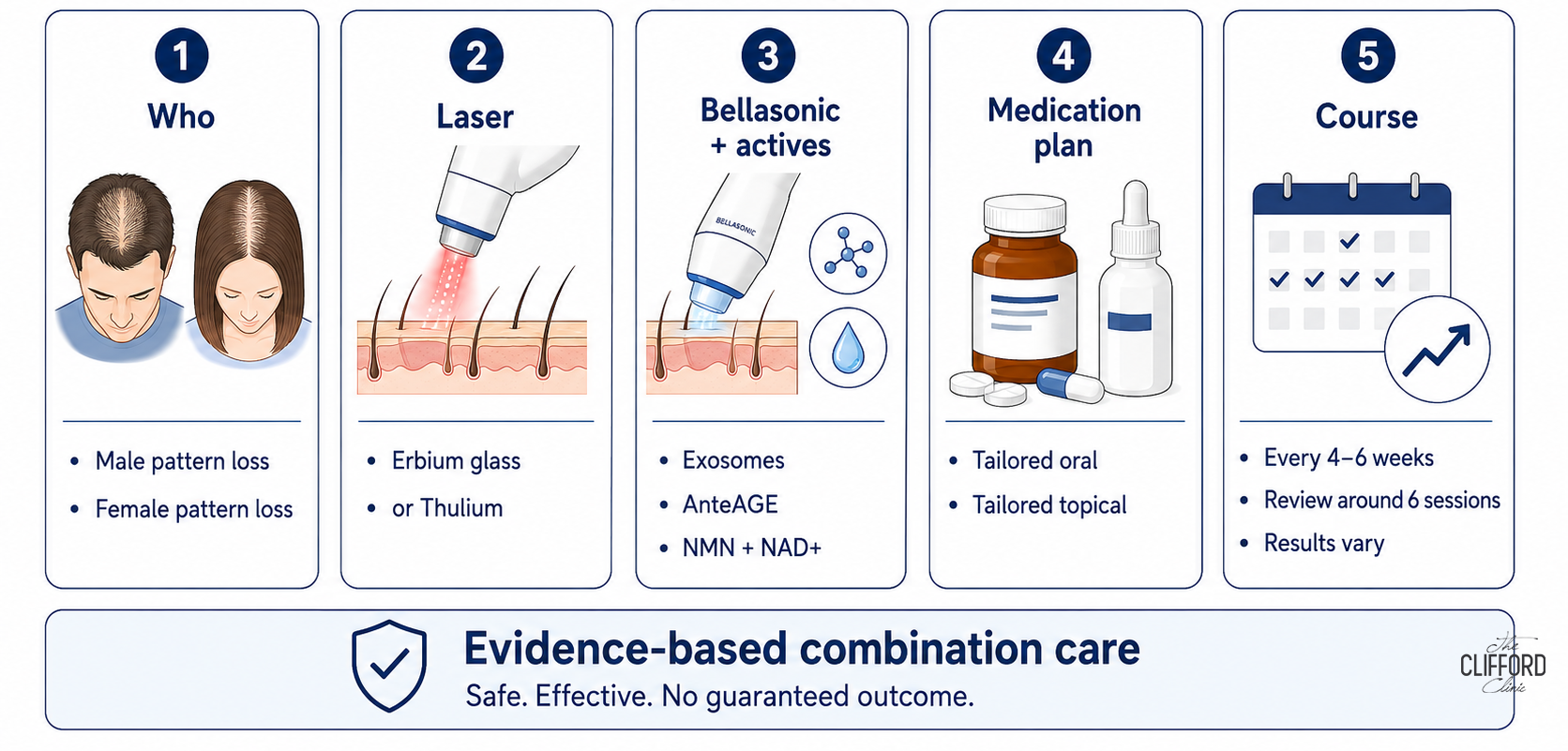
The Clifford Clinic’s clinical focus is non surgical combination therapy. In men with male pattern hair loss and women with female pattern hair loss, the standard protocol pairs the erbium glass or thulium laser with Bellasonic and regenerative actives, namely exosomes, AnteAGE growth factors, NMN and NAD plus. Sessions are scheduled every four to six weeks alongside a tailored oral and topical medication plan. In the clinic’s experience many of these patients achieve marked improvement after approximately six sessions, although results always vary between individuals and no specific outcome is guaranteed. Hair growth is difficult to reverse, so the clinic favours treatments that are proven safe and effective, updated as the literature evolves.
Matching non surgical treatment to the stage of hair loss
Non surgical treatments act by improving the function of follicles that remain alive, and that dependence determines suitability. In early thinning, where follicles are miniaturised but alive, non surgical options are most effective, and intervention at this stage is most productive. In moderate loss, where the scalp shows a mix of miniaturised and lost follicles, non surgical treatment can still thicken surviving follicles, and combination plans are of greatest benefit in this group. In advanced loss, where areas have been smooth and bald for years, no cream, laser or injection can regrow follicles that no longer exist, so treatment focuses on protecting and thickening the hair that remains and on setting honest expectations. Where the stage is uncertain, trichoscopy performed during a hair loss diagnosis establishes it within minutes.
Medication, the evidence backed foundation
The suitability, dosing and risks of the medicines described in this section must be assessed by a doctor, and some uses are off-label.
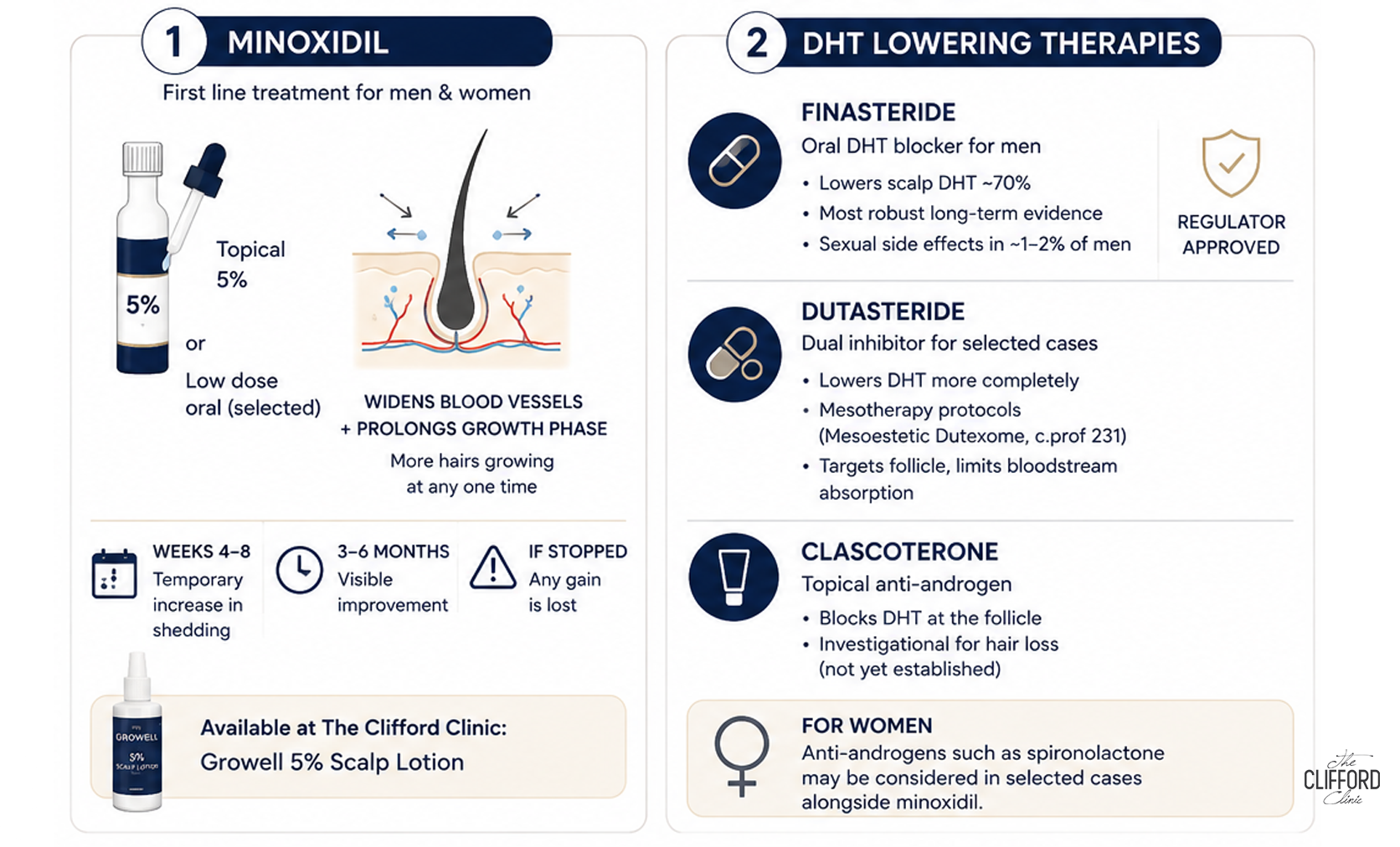
Minoxidil is the most widely used first line treatment for androgenetic alopecia in men and women. It is applied topically at 5 percent, or orally at low dose in selected cases. It widens the small blood vessels that supply the follicle and prolongs the growth phase, so that more hairs are actively growing at any one time. At The Clifford Clinic it is available as Growell 5 percent scalp lotion. A temporary increase in shedding between weeks four and eight is expected, visible improvement takes three to six months, and any gain is lost if treatment is stopped.
Finasteride, an oral DHT blocker prescribed for men, lowers scalp DHT by around 70 percent and directly addresses the cause of male pattern loss, with the most robust long term evidence of any medical treatment. Sexual side effects occur in roughly 1 to 2 percent of men and should be discussed before starting. Dutasteride is a dual inhibitor that lowers DHT more completely, reserved for selected cases including mesotherapy protocols such as Mesoestetic Dutexome and c.prof 231, which concentrate the drug at the follicle and limit absorption into the bloodstream. Clascoterone, a topical anti androgen, blocks DHT at the follicle and remains investigational for hair loss rather than established in practice. For women, anti androgens such as spironolactone may be considered in selected cases alongside minoxidil.
Minoxidil and finasteride are the gold standard, regulator approved treatments for androgenetic alopecia, with consistent efficacy across randomised trials and network meta analysis. Combining a growth phase medication with a DHT lowering medication generally outperforms either alone. Both are covered in detail in our hair loss medication guide and minoxidil guide.
Laser and light based therapy
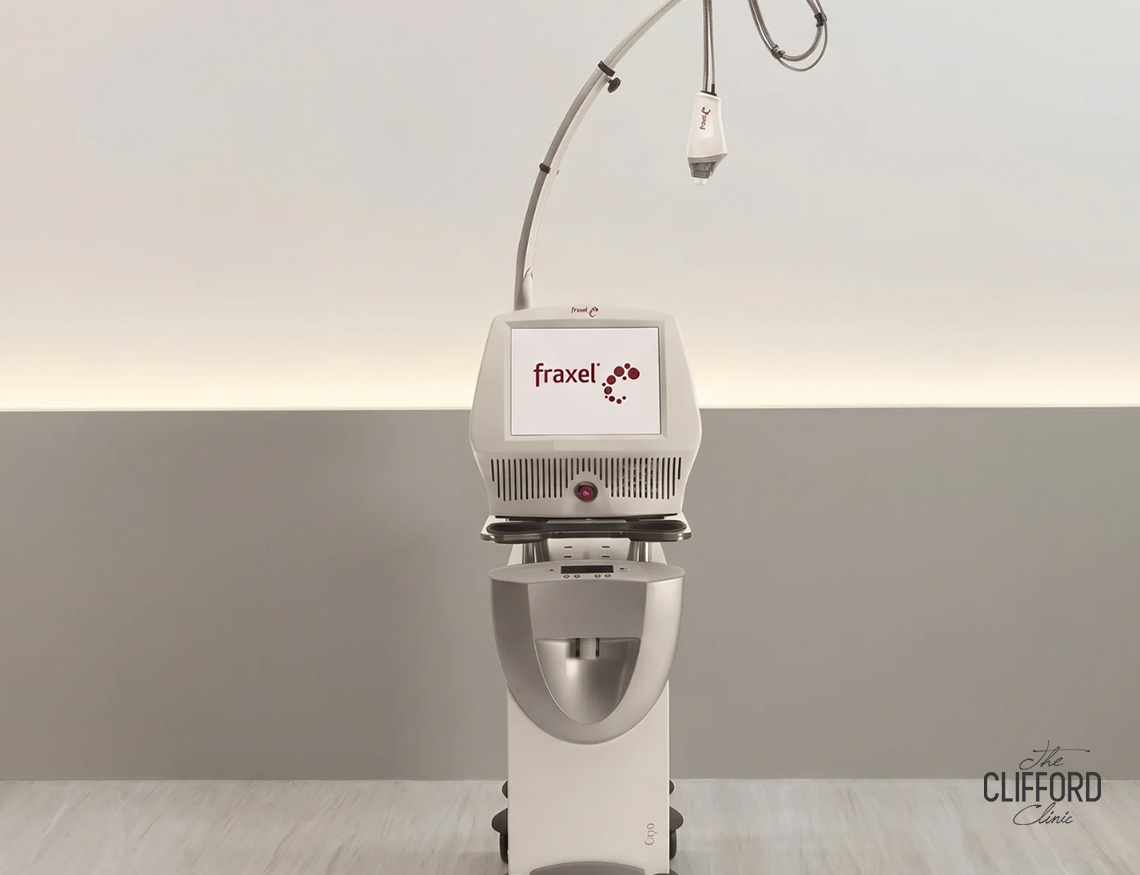
The Clifford Clinic offers two fractional lasers for hair, the 1550 nm erbium glass Fraxel 1550 and the 1927 nm thulium Fraxel 1927, both at $1,000 per treatment. They create microscopic columns of controlled heat in the scalp without breaking the skin surface, which triggers the natural repair response. Local growth factor levels rise, blood supply to the follicle improves, and follicles move from the resting phase into active growth. Studies of both wavelengths show significant increases in hair density and thickness and improvement in hair shaft diameter, and the erbium glass laser also has strong evidence in combination with minoxidil and platelet rich plasma. Low level laser therapy, delivered by clinic devices or home caps, is associated with modest density improvement in mild to moderate loss where use is consistent. Laser is an adjunct rather than a standalone cure, and is most effective when combined with medication. This is discussed further in our laser hair growth guide.
Bellasonic LDM
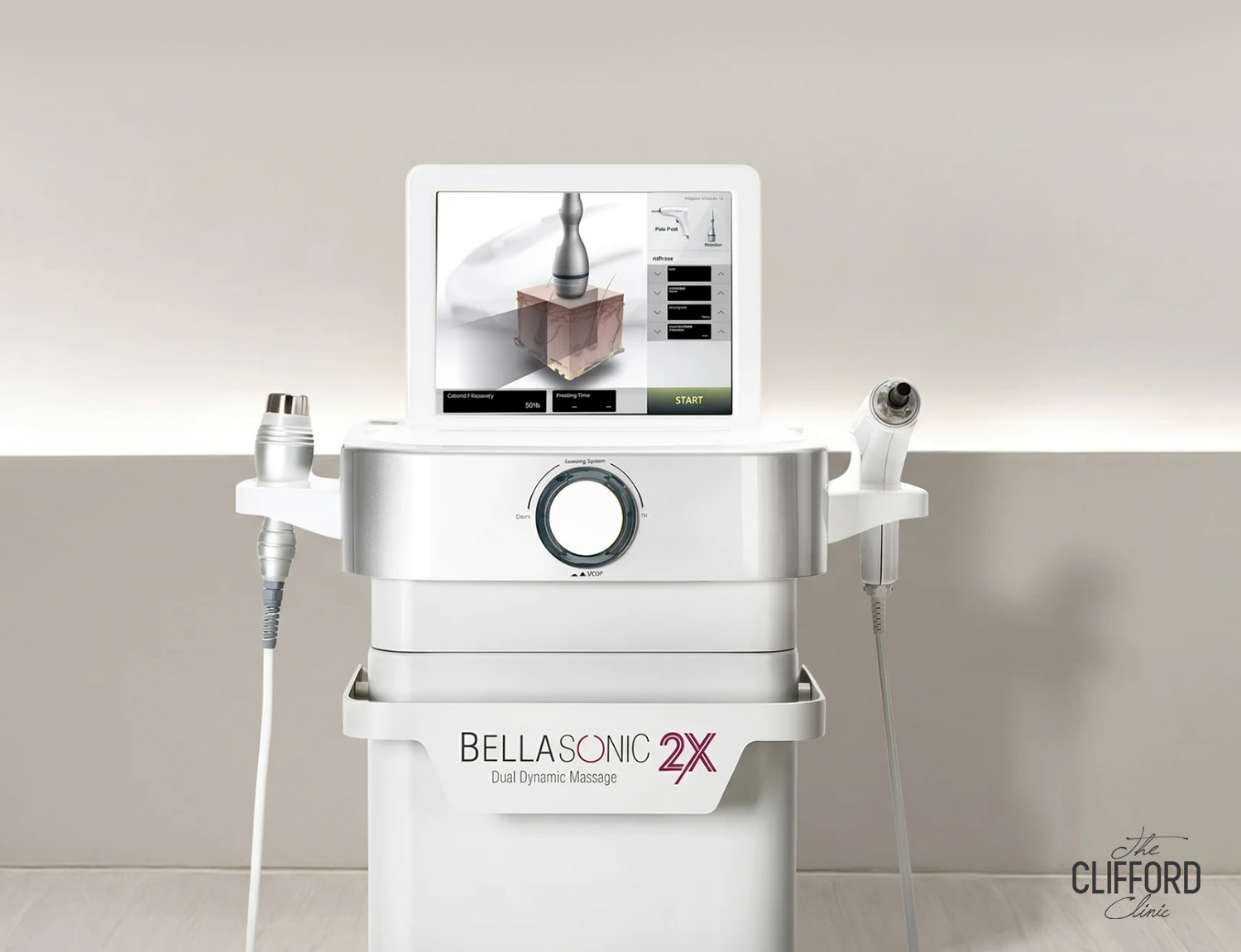
Bellasonic is an LDM (local dynamic micromassage) device. It applies gentle ultrasound micromassage to drive the regenerative actives used in the clinic protocol, namely NMN, NAD plus, exosomes and AnteAGE, into the hair follicles. The treatment is painless and requires no downtime. Ultrasound assisted delivery markedly increases the penetration of scalp treatments, so the actives are driven into the follicle rather than left to absorb passively.
Regenerative treatments
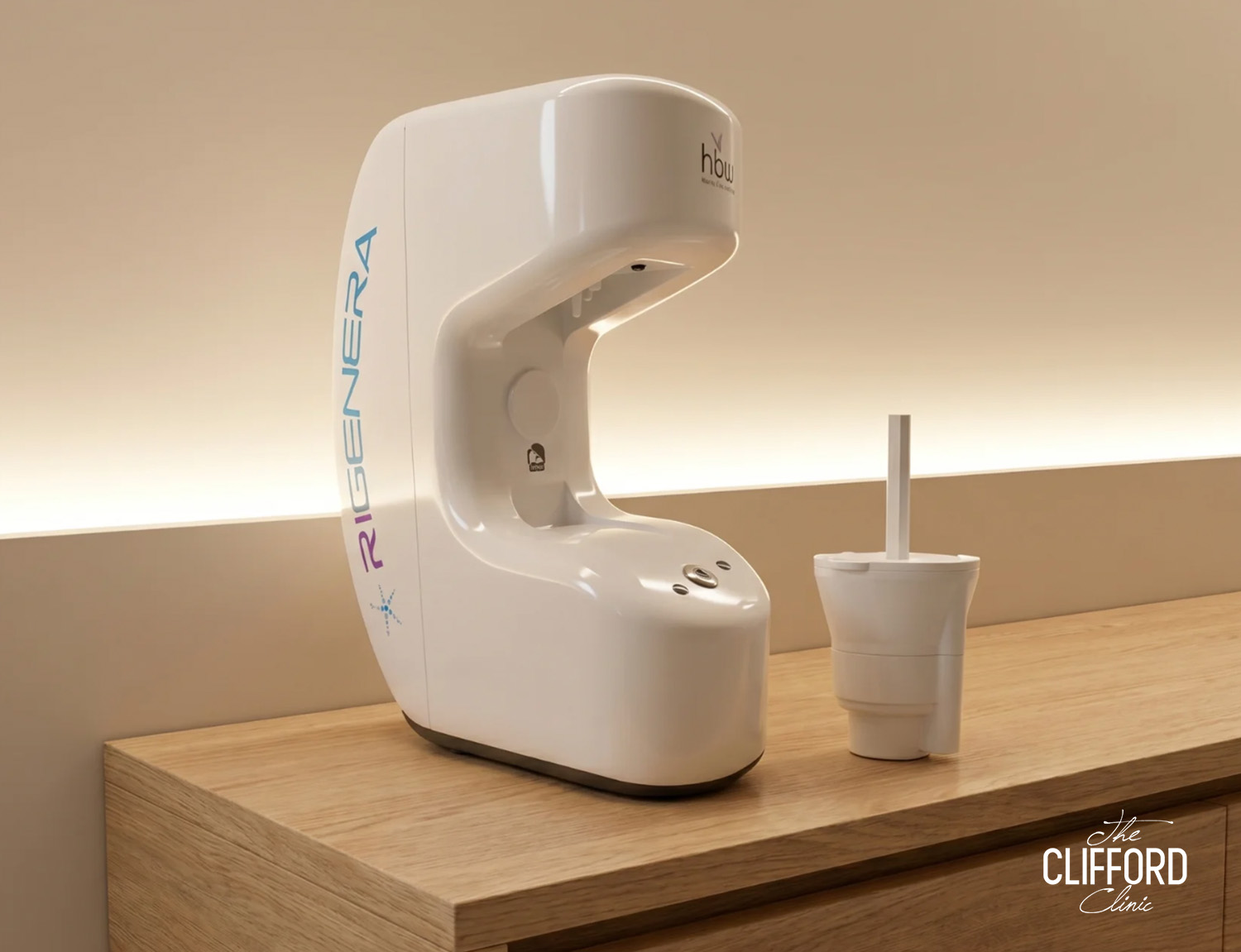
Regenera Activa uses a suspension of the patient’s own scalp cells, taken from a few healthy follicles and injected into thinning areas to reactivate dormant follicles in about 45 minutes under local anaesthesia. It is most effective in early to moderate loss. Polydeoxyribonucleotide, a DNA derived compound injected into the scalp, reduces inflammation and improves the blood supply to the follicle. In female pattern hair loss twelve weekly injections improved hair counts by about 18 percent and thickness by about 14 percent, with stronger results when combined with platelet rich plasma. A 2025 polynucleotide study reported improvement in about 82 percent of patients with no serious adverse effects. Exosome therapy, including AnteAGE growth factor systems, delivers stem cell derived growth factors that stimulate the follicle and counteract the damage caused by DHT. A 24 week clinical study reported significant density increases with high satisfaction, while a 2026 systematic review estimated density improvements of roughly 8 to 20 percent, noting small sample sizes. NMN and NAD plus support the follicle’s energy supply, which declines with age. A 2026 study of a mitochondrial activator complex reported increased cellular energy and significant density gains over 24 weeks. These regenerative options have favourable safety profiles and encouraging early results, but the evidence is limited by small samples and non standardised protocols, so they are best used as part of a combination plan. These options are compared in our regenerative treatment guide and PRP guide.
Medical scalp treatments
HydraFacial Keravive deep cleanses the scalp and delivers a growth factor serum. Treatment of dandruff and seborrhoeic dermatitis is also necessary, as an inflamed, flaking scalp undermines every other treatment. Scalp treatment has a genuine supporting role, but a healthy scalp environment alone does not reverse pattern hair loss.
Building an effective plan
Effective plans share a common structure. Reversible causes such as iron deficiency, thyroid disease and scalp disease are identified and corrected before money is spent on regrowth treatments. A medication foundation is established where pattern hair loss is confirmed. Energy based or regenerative treatments are then added to accelerate and amplify the response, selected according to stage, budget and preference. Progress is measured objectively with standardised photographs and trichoscopy at three to six months. Maintenance continues thereafter, because hair loss is a chronic condition and the plan must remain sustainable for years. A provider who proposes an intensive package with no diagnosis, no discussion of medication and no plan for objective measurement is not offering a genuine treatment plan.
Lifestyle foundations
Non surgical treatment performs better where general health is well maintained. Consistent sleep is beneficial, as chronic sleep restriction elevates stress hormones that push follicles toward the resting phase. Adequate protein and iron intake is required, as follicles are metabolically active and are the first tissue to be deprived when nutrition is inadequate. Management of sustained stress supports every other treatment, since severe stress is a recognised trigger for telogen effluvium, the diffuse shedding that follows a physical or emotional stressor. Avoidance of smoking is advisable, as smoking impairs the small blood vessels supplying the scalp, and scalp sun protection is worthwhile in thinning areas exposed to strong ultraviolet levels.
Managing more advanced hair loss
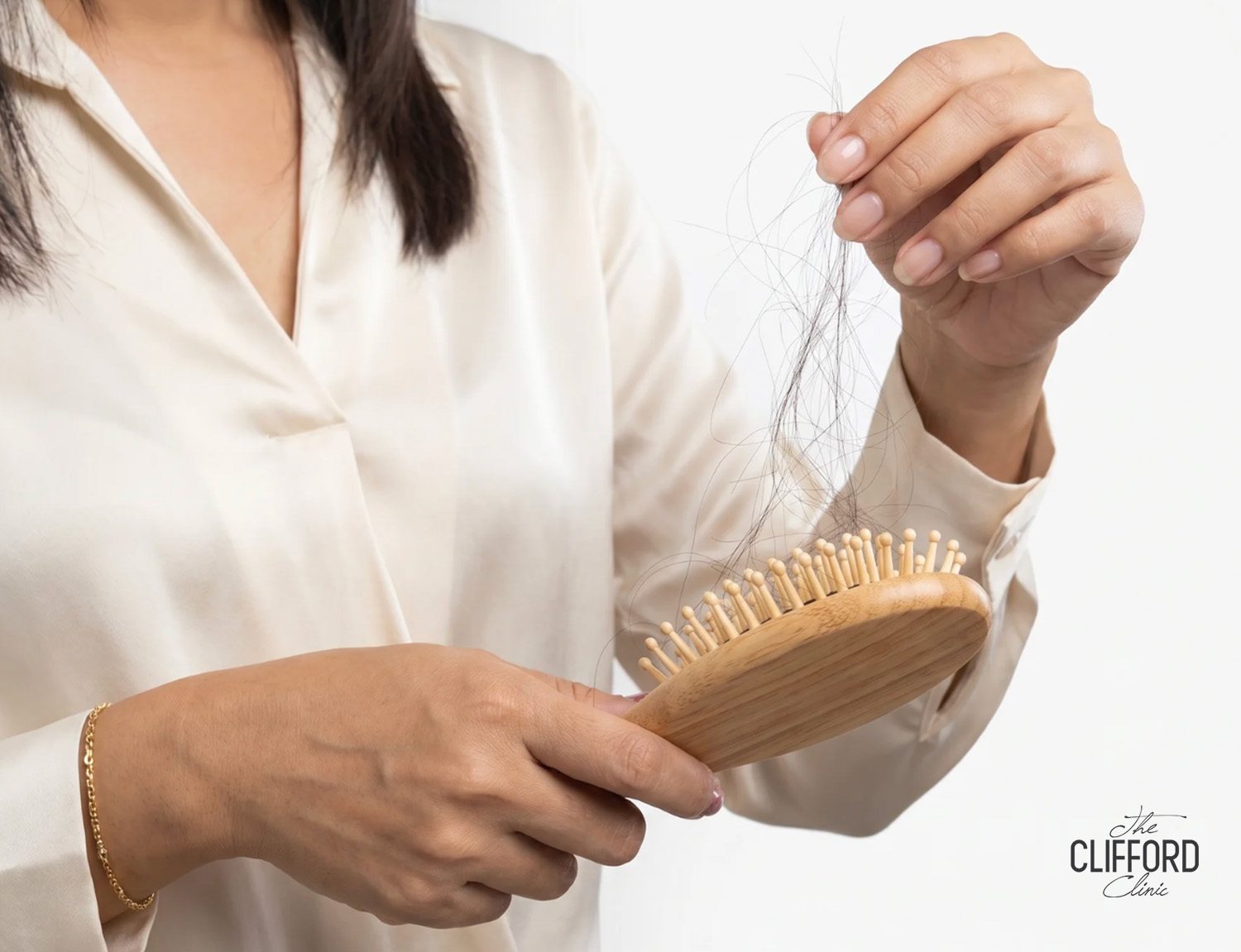
Non surgical treatment has a more limited effect in advanced hair loss, where an area has been smooth and bald for years or a hairline has receded beyond what medication can restore, because it acts only on follicles that remain alive. In these circumstances the realistic goals are to protect and thicken the surrounding hair, to slow further loss, and to use cosmetic approaches such as hair fibres or a suitable hairstyle where appropriate. A doctor can set honest expectations about what non surgical treatment can and cannot achieve at the stage of loss present. All options are compared in our hair loss treatment Singapore guide.
The protocol in clinical practice
A patient usually begins with a consultation and trichoscopy to establish the cause and stage of hair loss. If the non surgical protocol is suitable, the Fraxel laser is delivered every four to six weeks and Bellasonic every two to three weeks. A full course therefore comprises approximately four to six Fraxel sessions and eight to twelve Bellasonic sessions, alongside a medication plan. Progress is reviewed with standardised photographs and trichoscopy at around the sixth session. In the clinic’s experience, the great majority of patients who complete the protocol achieve a good improvement, although individual results vary and no outcome is guaranteed.
Two examples from the clinic illustrate the approach. A man in his mid thirties with Norwood 3 thinning at the crown and hairline, who did not want a hair transplant, was treated with the Fraxel 1927 laser and Bellasonic together with NMN, NAD plus, exosomes and AnteAGE at about four week intervals, and achieved an excellent result after six sessions. A woman in her mid forties with Ludwig 2 thinning linked to a period of stress was treated with the same combination at about six week intervals, and achieved an excellent result after eight sessions. These are individual cases, results vary between patients, and no specific outcome can be guaranteed.
Frequently asked questions
What is the best non surgical hair loss treatment in Singapore?
For confirmed pattern hair loss, medication has the strongest evidence. Laser, Bellasonic and regenerative treatments add measurable gains within a combination plan. The appropriate choice depends on the diagnosis, the stage of loss and patient preference.
Can hair grow back without surgery?
Regrowth is possible where the follicles remain alive. Miniaturised follicles respond to medication and regenerative treatment, and shedding conditions such as telogen effluvium usually recover fully. Areas that have been smooth and bald for years, where the follicles are no longer present, will not regrow.
How long does non surgical treatment take to work?
Visible change generally takes three to six months, with the full result at around twelve months. This interval reflects the length of the follicle growth cycle rather than the strength of the treatment.
Is non surgical treatment cheaper than a transplant?
On an annual basis, yes. Medication is the least expensive ongoing option, although costs accumulate over decades. Full figures are given in our cost guide.
Do I have to continue treatment?
In pattern hair loss, maintenance is generally required, as the underlying genetic tendency persists indefinitely. The treating doctor can design the minimum sustainable regimen.
References
Adil A, Godwin M. The effectiveness of treatments for androgenetic alopecia, a systematic review and meta analysis. Journal of the American Academy of Dermatology. 2017. PMID 28396101.
Cho SB, Goo BL, Zheng Z, et al. Therapeutic efficacy and safety of a 1927 nm fractionated thulium laser on pattern hair loss. Lasers in Medical Science. 2018. PMID 29340854.
Dhillon S. Clascoterone, first approval. Drugs. 2020. PMID 33030710.
Gentile P, Garcovich S. Advances in regenerative stem cell therapy in androgenic alopecia and hair loss. Cells. 2019. PMID 31357509.
Jedlowski PM, Anthony M. Use of fractionated laser therapy for the treatment of androgenetic alopecia, a systematic review and meta analysis. Lasers in Medical Science. 2023. PMID 38087122.
Kanti V, Messenger A, Dobos G, et al. Evidence based S3 guideline for the treatment of androgenetic alopecia. Journal of the European Academy of Dermatology and Venereology. 2018. PMID 29635493.
Lee E, Choi MS, Cho BS, et al. The efficacy of adipose stem cell derived exosomes in hair regeneration. International Journal of Dermatology. 2024. PMID 39155501.
Lee IG, Lim HJ, Kwon EJ, et al. Hair growth enhancement via mitochondrial activation by mito activator complex. International Journal of Cosmetic Science. 2026. PMID 41657103.
Lee SH, Zheng Z, Kang JS, et al. Therapeutic efficacy of autologous platelet rich plasma and polydeoxyribonucleotide on female pattern hair loss. Wound Repair and Regeneration. 2015. PMID 25524027.
Liao AH, Lin KH, Chuang HC, et al. Low frequency dual frequency ultrasound mediated microbubble cavitation for transdermal minoxidil delivery. Scientific Reports. 2020. PMID 32152413.
Malih S, Yang P, Jalise SZ, Sheykhhasan M. Exosome driven treatments for hair regrowth in androgenetic alopecia, a systematic review. Molecular Biology Reports. 2026. PMID 42377704.
Mella JM, Perret MC, Manzotti M, et al. Efficacy and safety of finasteride therapy for androgenetic alopecia, a systematic review. Archives of Dermatology. 2010. PMID 20956636.
Rosette C, Rosette N, Mazzetti A, Moro L, Gerloni M. Cortexolone 17 alpha propionate is an androgen receptor antagonist in dermal papilla cells in vitro. Journal of Drugs in Dermatology. 2019. PMID 30811143.
Meephansan J, Ungpraphakorn N, Ponnikorn S, Suchonwanit P, Poovorawan Y. Efficacy of 1,550 nm erbium glass fractional laser treatment in androgenetic alopecia. Dermatologic Surgery. 2018. PMID 30096107.
Suchonwanit P, Rojhirunsakool S, Khunkhet S. A 1550 nm fractional erbium glass laser combined with topical 5 percent minoxidil versus minoxidil alone for androgenetic alopecia. Lasers in Medical Science. 2019. PMID 30982177.
Squadrito F, Bitto A, Irrera N, et al. Pharmacological activity and clinical use of PDRN. Frontiers in Pharmacology. 2017. PMID 28491036.
Sydorchuk O, Pamela R, Vitale M, et al. Plasma and sonophoresis assisted topical delivery of an exosome for androgenic alopecia. Journal of Craniofacial Surgery. 2026. PMID 41945329.
Tang X, Cao C, Liang Y, et al. Adipose derived stem cell exosomes antagonise the inhibitory effect of dihydrotestosterone on hair follicle growth by activating the Wnt and beta catenin pathway. Stem Cells International. 2022.
Thanasarnaksorn W, Limsuchaiwat N, Sirithanabadeekul P, et al. Polynucleotides as a novel therapeutic approach in androgenetic alopecia. Archives of Dermatological Research. 2025. PMID 39951159.
Van Zuuren EJ, Fedorowicz Z, Schoones J. Interventions for female pattern hair loss. Cochrane Database of Systematic Reviews. 2016. PMID 27168883.
Book a hair and scalp assessment
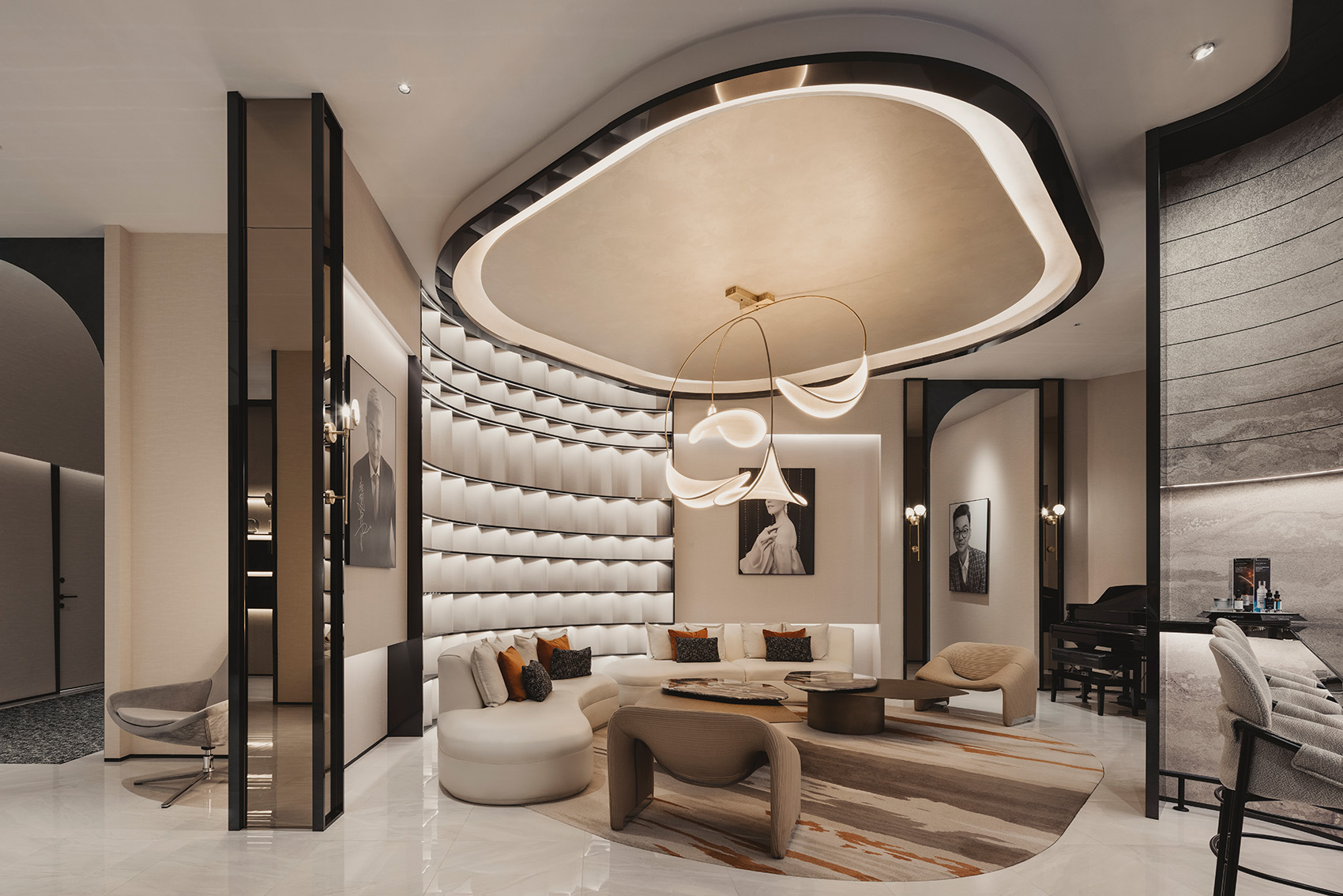
The first step is always a proper diagnosis. Our doctors examine your scalp, identify the cause of your hair loss, and recommend a plan matched to your condition, budget and goals, with no obligation to purchase a package.
The Clifford Clinic. 50 Raffles Place, #01-01 Singapore Land Tower, Singapore 048623 (Exit B, Raffles Place MRT). Opening hours Monday to Friday 10am to 8pm, Saturday 10am to 5pm, closed on Sundays and Public Holidays. Call 6532 2400 or WhatsApp 8318 6332.
Last reviewed July 2026.
How this article was reviewed. As both author and medical reviewer, Dr Ong checked this article for medical accuracy, treatment suitability, Singapore context and compliance with HSA and MOH advertising guidelines.
Transparency. The Clifford Clinic provides the non surgical hair loss treatments described in this article. The information here is for education and does not replace an individual consultation.
Medical disclaimer. This article is for general information only and does not replace a consultation with a qualified medical practitioner. Individual results vary and no specific outcome is guaranteed. Any medication mentioned should be prescribed and monitored by a doctor.
Author Bio
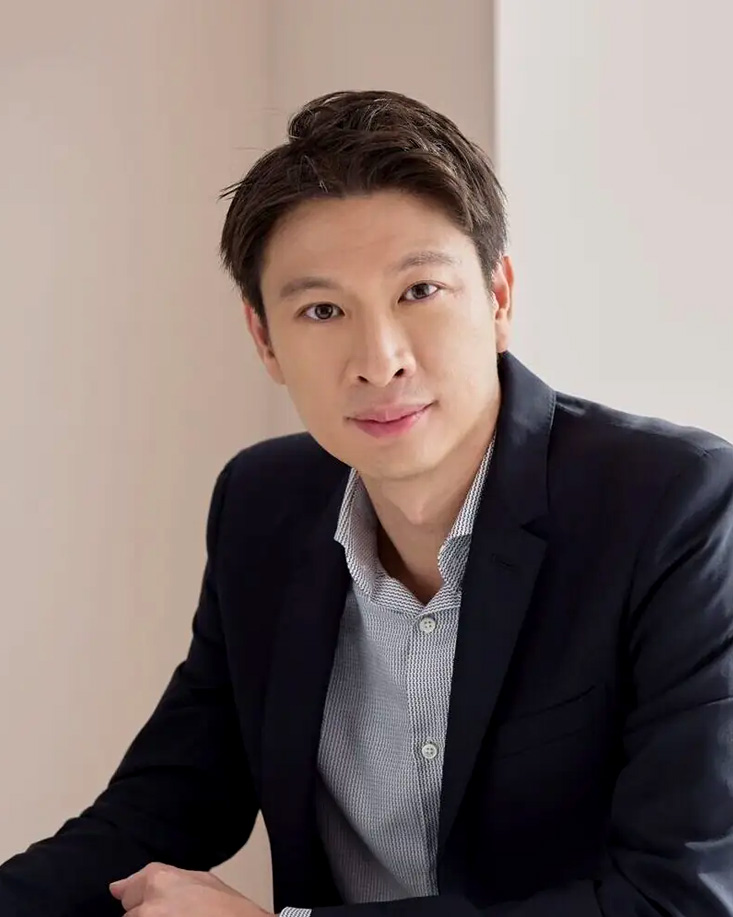
Dr Gerard Ee

Dr Gerard Ee is the Medical Director of The Clifford Clinic in Singapore. He earned his medical degree from St George's University of London and built his surgical experience across the Singapore General Hospital, National University Hospital, and Mount Sinai Hospital in New York. He holds Membership of the Royal College of Surgeons (Edinburgh) and a Postgraduate Diploma in Dermatology (Cardiff), and is fully accredited in aesthetic procedures including botulinum toxin, fillers, lasers, and light therapies. A strong advocate of minimally invasive, natural-looking results, Dr Ee has published in several medical and scientific journals and presented his research in cities including Taipei, Las Vegas, and London.
See all posts by Dr Gerard Ee »