

Laser Circumcision in Singapore – How It Works and How It Compares
Laser circumcision uses a focused carbon dioxide beam to cut the foreskin and seal small blood vessels at the same time. This reduces bleeding during the procedure. It is the main method in the Singapore public system for children, where KK Women’s and Children’s Hospital performs around 1,100 to 1,200 childhood circumcisions a year using the carbon dioxide laser for almost all of them. It is a good, established method, but it is not automatically superior. Published work indicates laser does not significantly reduce bleeding or infection compared with conventional surgical circumcision, so the sensible approach is to match the method to the patient rather than to the marketing. At The Clifford Surgery, the professional fee is S$1,888 before GST whichever method is used. For the complete overview, see our Circumcision Singapore guide.
How laser circumcision works
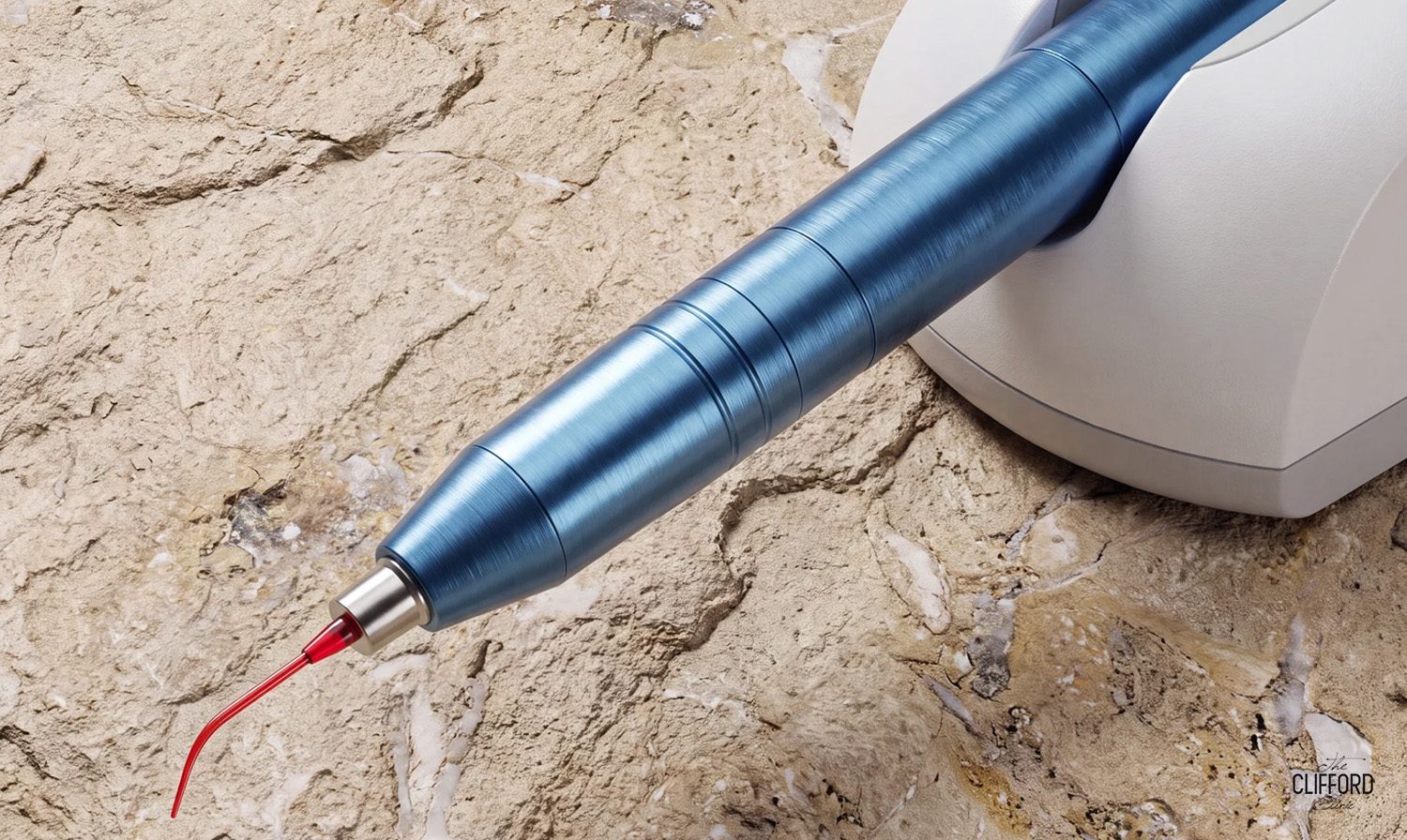
In a laser circumcision, the carbon dioxide laser is used as a cutting tool. It does not vaporise the foreskin, and nothing is done at a distance. The surgeon still marks the tissue, still removes the foreskin, and still closes the wound with sutures.
What the carbon dioxide beam adds is thermal sealing. As it cuts, the heat coagulates the small vessels at the wound edge, so there is less bleeding during the procedure than with a cold blade. The wound is then closed, usually with dissolvable stitches. The area is numbed first with local anaesthesia in older patients, or the child is asleep under general anaesthesia in a paediatric setting.
So laser is best understood as conventional circumcision performed with a different cutting instrument, rather than as a fundamentally different operation.
Who laser suits best
Laser is well suited to children in a hospital setting, which is exactly where it is most used in Singapore. It is efficient in high-volume paediatric lists, it controls the small-vessel bleeding that matters most in small anatomy, and surgeons using it regularly are well practised.
It also handles unusual or scarred anatomy reasonably well, because the surgeon retains full control over how much tissue is removed and where the incision runs. That flexibility is genuinely useful when the foreskin is thickened, when there is scarring from a skin condition, or when the anatomy is not straightforward.
Laser has no meaningful advantage for routine adult cases in a private setting. The device methods are faster, and they give a more consistent cosmetic result.
Laser for children in the public system
If your son is treated in a Singapore public hospital, laser is most likely the method that will be used. KK Women’s and Children’s Hospital carries out around 1,100 to 1,200 childhood circumcisions each year, with the carbon dioxide laser used for almost all of them.
The published outcomes are reassuring. KKH reports that no complications occur in more than 97.5 percent of its procedures, and that bleeding after the procedure, the commonest problem, occurs in only 1.82 percent of cases. Those are the numbers of a well-run, high-volume service.
This is also why a private clinic should refer infants and very young children to a hospital rather than take the case. Volume and paediatric anaesthetic support matter at that age, and the public system has both.

Laser versus conventional surgery
The intuitive claim is that a sealing beam must mean less bleeding, less infection and faster healing than a blade. The evidence is more restrained.
During the procedure, the laser does reduce bleeding at the cut edge. What is less well supported is the claim of superior outcomes afterwards. Published comparative work indicates that laser circumcision does not significantly reduce the risk of bleeding or infection compared with conventional surgical circumcision. The advantage is mostly intraoperative rather than in the recovery that follows.
Recovery is broadly comparable. Conventional circumcision takes about six to eight weeks for complete healing. Laser circumcision has a similar recovery period.
Laser versus the Shang Ring and the ZSR stapler
This is the comparison most adults want, because these are the three modern options.
The stapler circumcision is the fastest method. Stapler circumcision typically takes around ten minutes, and a randomised trial of the Shang Ring recorded an average operative time of about 6.4 minutes with average blood loss of about 0.7 mL, against 2.6 mL for conventional surgery. Laser is faster than a cold blade but does not generally match a stapler in terms of speed.
A stapler or ring standardises the cut line, so the edge is uniform by design rather than by hand. Laser can produce a neat result, but more of that result depends on the operator.
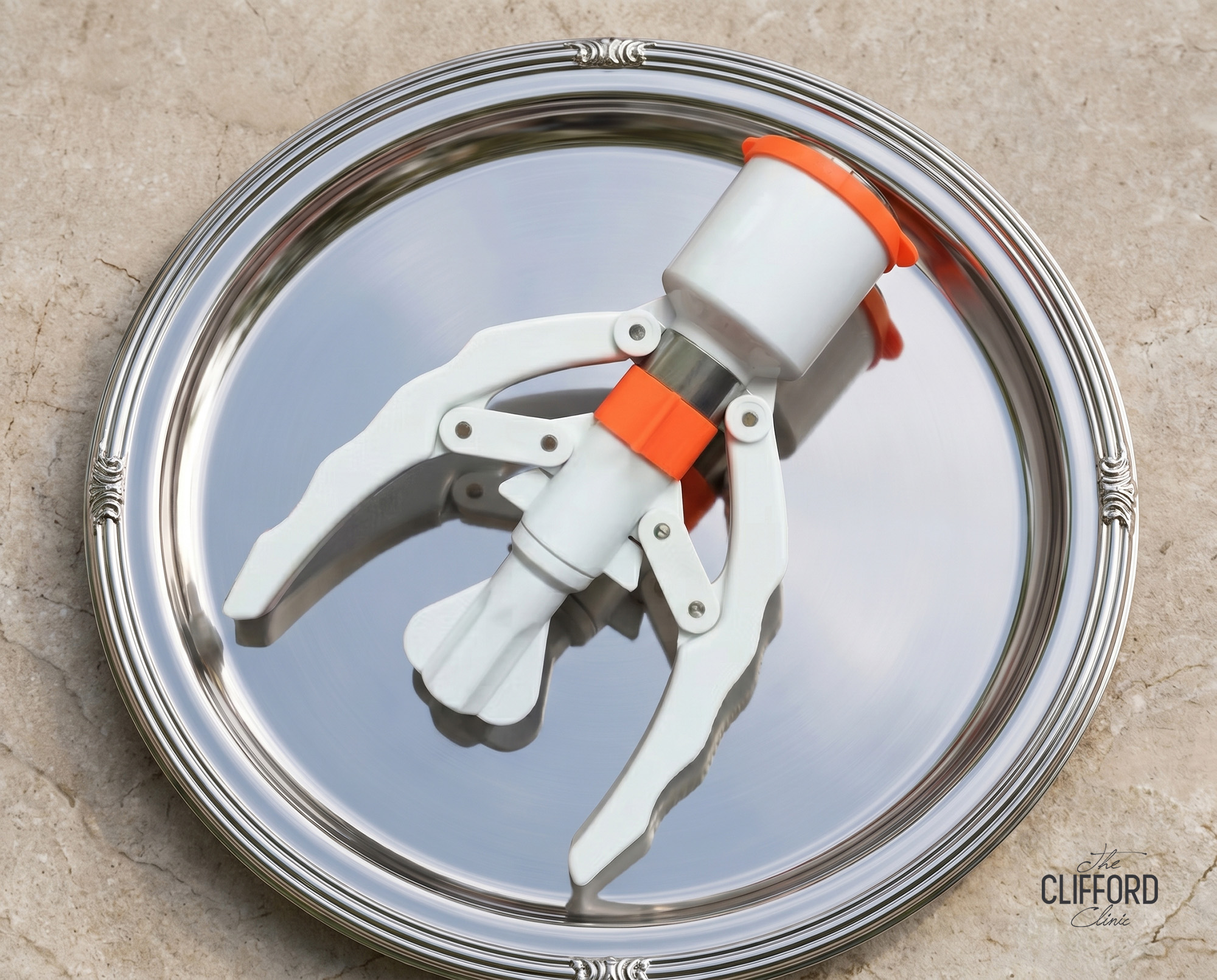
Both the Shang Ring and the ZSR stapler avoid conventional suturing, while laser circumcision usually still closes the wound with dissolvable stitches.
In terms of healing, the picture is more even than device marketing suggests. One comparative study reported average wound closure of about 23.7 days with the Shang Ring against 15.9 days with conventional circumcision, because the crush line left by a device takes longer to separate. A Cochrane review of 18 randomised trials found that devices simplify the technique and shorten the procedure, with no severe adverse events reported for either devices or conventional surgery. For the full side-by-side, see our circumcision techniques guide.
What laser does not do
A few claims circulate that are worth correcting plainly.
Laser circumcision is not painless. Anaesthesia makes the procedure comfortable, and once the anaesthesia is working, the procedure should not hurt regardless of the cutting instrument. Mild soreness in the days afterwards is normal with every technique.
Laser is not stitchless. It still needs dissolvable stitches to oppose the cut edges, unlike the ring and stapler devices.
Laser is not scarless. Every circumcision leaves a scar line where the tissue was joined. What varies is how neat and even that line is.
Laser is not a different operation with different medical benefits. The health effects of circumcision, such as the reduction in urinary tract infections in infancy and the reduced risk of certain infections, follow from the foreskin being removed, not from the tool used to remove it.
Cost and MediSave
At The Clifford Surgery, the professional fee is S$1,888 before GST, and this does not change with the technique chosen. The consultation is S$100 before GST and is waived if you proceed, follow-up is included, and medication is charged separately. Light sedation is available as an optional add-on.
Be cautious when comparing quotes that price by method. A laser premium does not reflect a proportionate difference in outcome. The more useful questions are what the fee covers, whether the consultation and follow-up are included, and what the setting is.
Circumcision is a day surgery procedure, so MediSave can be applied when there is a medical indication such as a tight foreskin. Phimosis, a tight foreskin, is the most common medical reason for adult circumcision at around 52.5 percent of cases in one large study. Claimable does not mean fully paid, and the exact limits should be confirmed at your consultation. The Baby Bonus Child Development Account works differently and does not require a medical reason. Our MediSave and insurance guide explains both.

Recovery after laser circumcision
The technique does not change the recovery process. Obtain sufficient rest and take the painkillers on schedule. Soreness and swelling improve with time. Most adults are back at desk work within a few days, and we typically provide around five to seven days of hospitalisation leave. Children commonly return to school after about a week.
Stitches, where used, dissolve over the following weeks. Strenuous exercise, swimming and cycling are avoided for about four weeks, and sexual activity for about four to six weeks in adults. Contact the clinic for persistent bleeding, smelly discharge or pus, fever, or pain that painkillers do not control. Our recovery guide sets out the full timeline.
A note from the clinic
Patients often arrive asking for laser specifically, because it sounds the most advanced. We explain that the laser is a cutting tool, and that the method matters far less than the assessment behind it. We offer laser, conventional, Shang Ring and ZSR, and we pick based on the patient’s anatomy rather than on which word sounds most modern.
Frequently asked questions
Is laser circumcision better than conventional surgery?
It reduces bleeding during the procedure, but published work indicates it does not significantly reduce bleeding or infection risk afterwards compared with conventional circumcision. Both are safe, established methods.
Is laser circumcision painless?
No method is painless. Anaesthesia makes the procedure comfortable, and once the anaesthesia takes effect the procedure should not hurt. Mild soreness afterwards is normal.
Does laser circumcision need stitches?
Usually yes. The wound is generally closed with dissolvable stitches, unlike the Shang Ring and ZSR stapler, which avoid conventional suturing.
Is laser used for children in Singapore?
Yes. KK Women’s and Children’s Hospital uses the carbon dioxide laser for almost all of its childhood circumcisions, around 1,100 to 1,200 a year.
How long is recovery after laser circumcision?
Healing takes about six to eight weeks, the same as conventional circumcision. Adults typically receive around five to seven days of hospitalisation leave.
Does laser leave less scarring?
Every circumcision leaves a scar line. How neat that line is depends more on the surgeon and the method of closure than on the use of a laser.
Is laser circumcision more expensive?
At The Clifford Surgery, the professional fee is S$1,888 before GST regardless of technique. Elsewhere, a laser premium is common.
Which method is best for me?
That depends on your anatomy, your reason for surgery and your priorities on speed, stitches and appearance. It is decided at the consultation rather than in advance.
Can I use MediSave for laser circumcision?
MediSave applies when there is a medical indication such as a tight foreskin, whichever technique is used. It does not depend on the method.
Is laser safer than the Shang Ring or stapler?
A Cochrane review of 18 trials reported no severe adverse events with either device or conventional techniques. All the established methods are safe in trained hands.
Book a consultation

If you are weighing laser against the other methods, a consultation is the fastest way to a clear answer. The doctor assesses your anatomy, explains which methods suit you, and gives you an itemised cost before you commit to anything.
Book a consultation at The Clifford Surgery
Related guides
- Circumcision Singapore, the complete guide
- Circumcision techniques compared
- Circumcision for boys, the age guide
- Circumcision recovery and aftercare
- MediSave, insurance and Baby Bonus
Medical review box
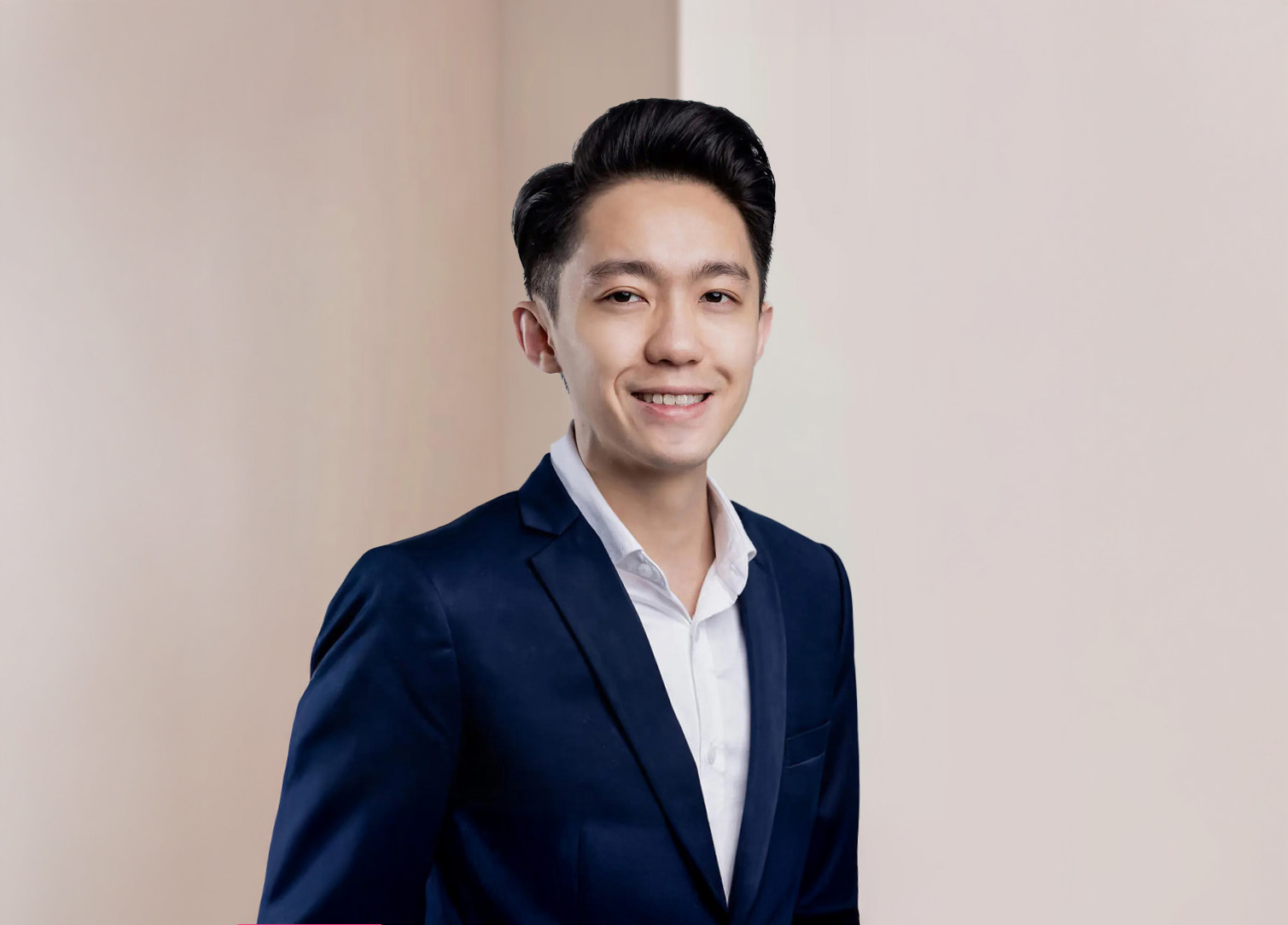
This article is written by Dr Law Zhi Wei of The Clifford Surgery. Dr Law is a Singapore-trained doctor with more than five years of surgical posting experience. He graduated from the National University of Singapore with an MBBS and holds Membership of the Royal College of Surgeons of Edinburgh, a Graduate Diploma in Family Medicine, and a Postgraduate Diploma in Practical Dermatology from Cardiff University. He trained in the Urology Department at Singapore General Hospital, where he performed hundreds of circumcisions, and completed rotations in urology, general surgery, and paediatric surgery at KK Women’s and Children’s Hospital, Sengkang General Hospital, and Changi General Hospital. He has personally performed more than 500 circumcisions across the conventional, laser-assisted, Shang Ring, and ZSR Stapler techniques. The Clifford Surgery operates a sterile surgical theatre as a Ministry of Health-accredited Day Surgery Centre, supported by the dedicated Urology Department led by Dr Nathaniel Heah. It is a CPF and MediSave accredited, CDA-approved medical institution. We assist with hospital insurance claims where there is a medical indication. This content is general information and not a substitute for a personal consultation.
Dr Law Zhi Wei profile, https://cliffordclinic.com/dr-law-zhi-wei/
Clinical research and publications, https://cliffordclinic.com/clinical-research/
References
- KK Women’s and Children’s Hospital, Laser circumcision outcomes. https://www.kkh.com.sg/about-kkh/who-we-are/clinical-outcomes/laser-circumcision-outcomes
- National University Hospital, Services for Circumcision. https://www.nuh.com.sg/care-at-nuh/services/department-of-urology/services-for-circumcision
Medical evidence references
- Friedman B, Khoury J, Petersiel N, et al. Pros and Cons of Circumcision, An Evidence-Based Overview. Clinical Microbiology and Infection. 2016. https://pubmed.ncbi.nlm.nih.gov/27497811
- Hohlfeld A, Ebrahim S, Shaik MZ, Kredo T. Circumcision Devices Versus Standard Surgical Techniques in Adolescent and Adult Male Circumcisions. The Cochrane Database of Systematic Reviews. 2021. https://www.cochranelibrary.com/cdsr/doi/10.1002/14651858.CD012250.pub2/full
- Sokal DC, Li PS, Zulu R, et al. Randomized Controlled Trial of the Shang Ring Versus Conventional Surgical Techniques for Adult Male Circumcision. JAIDS. 2014. https://pubmed.ncbi.nlm.nih.gov/24326606/
- Zhang Q, Gao L, Liu D, et al. Comparative Analysis on the Outcomes in Circumcising Children Using Modified Chinese ShangRing and Conventional Surgical Circumcision. Pediatric Surgery International. 2022. https://pubmed.ncbi.nlm.nih.gov/36550318
- Nabavizadeh B, Li KD, Hakam N, et al. Incidence of Circumcision Among Insured Adults in the United States. PLoS One. 2022. https://pubmed.ncbi.nlm.nih.gov/36251658

Author Bio
Dr Gerard Ee

Dr Gerard Ee is the Medical Director of The Clifford Clinic in Singapore. He earned his medical degree from St George's University of London and built his surgical experience across the Singapore General Hospital, National University Hospital, and Mount Sinai Hospital in New York. He holds Membership of the Royal College of Surgeons (Edinburgh) and a Postgraduate Diploma in Dermatology (Cardiff), and is fully accredited in aesthetic procedures including botulinum toxin, fillers, lasers, and light therapies. A strong advocate of minimally invasive, natural-looking results, Dr Ee has published in several medical and scientific journals and presented his research in cities including Taipei, Las Vegas, and London.
See all posts by Dr Gerard Ee »