

How To Combine Skincare Products with Acne Scar Treatments
Acne scars can linger long after the pimples have healed, leaving uneven texture, discoloration, and sometimes even a dent in your confidence. The good news? Combining the right skincare products with professional acne scar treatments can make a remarkable difference, helping your skin heal faster, appear smoother, and regain its natural radiance. But doing it wrong can slow progress or irritate your skin. Let’s dive into the science—and strategy—behind a skincare routine that works hand-in-hand with professional scar treatments.
Understanding Acne Scars and Your Skin’s Needs
Acne scars are not one-size-fits-all. Before layering products or treatments, it’s essential to understand the type of acne scars you’re dealing with:
- Atrophic scars: These are depressed or pitted scars caused by a loss of collagen and tissue. Common forms include icepick, boxcar, and rolling scars. They often respond well to treatments like microneedling or laser therapy.
- Hypertrophic scars: Raised scars that develop when the skin produces too much collagen during healing. While less common on the face, they require different approaches, often including steroid injections or laser resurfacing.
- Post-inflammatory hyperpigmentation (PIH): Dark spots left behind after a pimple heals. While technically not a scar, PIH can make your skin appear uneven and may take months to fade without intervention.
Knowing your scar type ensures you choose the right combination of professional treatments and at-home products. The wrong approach can irritate your skin or even worsen the appearance of scars.
Start With a Gentle Skincare Base
No matter which acne scar removal treatment you choose, your skincare routine should start with a foundation that protects and supports your skin. Think of it as preparing the soil before planting seeds—the healthier the soil, the better the growth.
Key steps for a strong skincare foundation:
1. Gentle Cleansing: Use a mild, non-foaming cleanser that doesn’t strip natural oils. This is especially important if you are undergoing laser therapy or microneedling, as overly aggressive cleansing can cause irritation.
2. Hydration: A lightweight, non-comedogenic moisturizer maintains your skin barrier, preventing dryness and flaking that can interfere with scar healing.
3. Sun Protection: Broad-spectrum sunscreen (SPF 30 or higher) is critical. UV exposure not only darkens existing scars but also reduces collagen formation and slows healing.
Tips: Avoid exfoliating scrubs, alcohol-based toners, or abrasive treatments before professional procedures. Even seemingly harmless ingredients can trigger redness, peeling, or post-treatment complications.
Layering Active Ingredients Wisely
Active ingredients—like retinoids, vitamin C, and chemical exfoliants—can significantly enhance acne scar recovery. But timing, concentration, and compatibility with professional treatments are crucial.
1. Retinoids
Retinoids accelerate skin cell turnover and stimulate collagen production, which helps smooth atrophic scars over time. However, they can increase skin sensitivity, so it’s important to pause retinoid use a few days before treatments like laser resurfacing or microneedling. After your skin has healed, gradually reintroduce retinoids at a low concentration to avoid irritation.
2. Vitamin C
A powerhouse antioxidant, vitamin C brightens pigmentation, strengthens collagen, and protects against environmental stressors. Morning application under sunscreen can help prevent further darkening of scars while supporting skin regeneration.
3. AHAs and BHAs:
Chemical exfoliants like glycolic acid (AHA) or salicylic acid (BHA) remove dead skin cells, fade pigmentation, and unclog pores. However, using them too close to treatments can irritate skin and prolong healing. Introduce them slowly and avoid aggressive chemical peels immediately before or after a procedure.
Pro tip: Layering these actives in moderation is better than using multiple high-strength products at once. Overloading the skin can lead to redness, peeling, and slower recovery.
Timing Your Routine With Treatments
Professional acne scar treatments—ranging from lasers to microneedling to chemical peels—work best when paired with a smart skincare routine. Here’s how to time everything for maximum benefit:
Before Treatment:
- Stop using strong acids, retinoids, or exfoliating scrubs at least 3–5 days before your procedure.
- Focus on soothing, hydrating products that strengthen your skin barrier. Ingredients like hyaluronic acid, ceramides, and niacinamide are excellent choices.
Immediately After Treatment:
- Your skin may be sensitive, red, or slightly swollen. Stick to gentle moisturizers and avoid makeup for at least 24–48 hours.
- Cold compresses and calming serums can help reduce inflammation.
Ongoing Maintenance:
- Reintroduce active ingredients gradually. Start with vitamin C or light exfoliants, then slowly add retinoids or stronger serums as advised by your provider.
- Consistency is key. Regular, gentle use of actives helps maintain results and prevents future scarring.
Using Targeted Serums and Spot Treatments
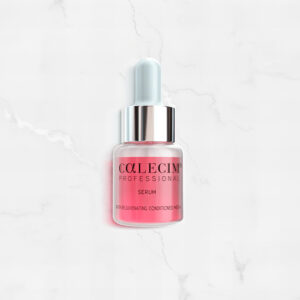
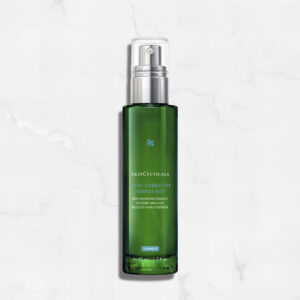
Beyond general skincare, targeted serums can complement professional treatments and speed recovery:
- Niacinamide: Reduces redness, regulates oil production, and strengthens the skin barrier. Ideal for post-treatment inflammation.
- Peptides: Signal the skin to produce collagen and elastin, supporting scar remodeling.
- Hydrating serums: Hyaluronic acid or glycerin keeps treated skin moist, preventing tightness and flaking.
Application tip: Apply serums after cleansing and before moisturizer. Always check with your provider if a product is safe to use after your specific treatment. Some actives may need to be paused to prevent irritation.
Consistency Is Key
The best combination of skincare and professional treatments is one that is sustainable. Acne scars do not disappear overnight—results are gradual, and overloading your skin with too many products can backfire.
- Stick to a simple daily routine that emphasizes hydration, protection, and gentle repair.
- Use treatments at recommended intervals. Overdoing procedures can damage skin rather than repair it.
- Document progress with photos. This not only motivates you but also helps your provider fine-tune your treatment plan.
Monitoring Your Skin’s Response
Keeping an eye on how your skin reacts ensures that your routine and treatments are helping, not hindering, progress.
Signs to watch for:
- Persistent redness, stinging, or swelling may indicate overuse of actives.
- Uneven tone or texture could mean a product is incompatible with your treatment.
- Slow fading of pigmentation might require additional professional intervention.
Regular check-ins with your aesthetic provider are essential. They can adjust your product combinations, tweak treatment settings, and provide guidance tailored to your skin type and scar type.
Lifestyle Factors That Support Healing
Skincare and treatments are only part of the equation. Healthy lifestyle habits can significantly affect how well your skin heals and responds:
- Hydration: Drinking enough water keeps your skin supple and aids cellular repair.
- Balanced diet: Foods rich in antioxidants, omega-3s, and vitamins A, C, and E support collagen production and skin regeneration.
- Sleep: Adequate rest allows your body to repair skin cells effectively.
- Stress management: High stress can worsen inflammation, which may delay scar healing.
Integrating these habits with a consistent skincare and treatment routine enhances your results and promotes long-term skin health.
Conclusion: Achieving Smoother Skin With Confidence
Combining the right skincare products with professional acne scar removal treatments can transform your skin. With careful timing, targeted actives, and consistent care, you can improve texture, fade pigmentation, and boost overall radiance. Every step—from gentle cleansing to professional procedures—is a piece of a personalized strategy that supports long-lasting results.
If you’re ready to take your acne scar care to the next level, The Clifford Clinic offers expert guidance and medical-grade treatments designed to complement your skincare routine. Book a consultation today and discover a plan tailored to your skin, helping you reclaim confidence and smooth, healthy-looking skin.
Transform Your Skin With Expert Treatments at The Clifford Clinic
At The Clifford Clinic, acne scars are just one chapter, not the whole story. Our experienced team provides customized treatments designed to smooth, refine, and restore your skin. Some of our most effective options include:
1. Secret RF: Micro-needling combined with fractional radiofrequency stimulates collagen and smooths scars, fine lines, and loose skin.
2. PICO MLA Laser: Uses picosecond pulses to treat pigmentation, acne scars, and pores, promoting rapid skin renewal with minimal downtime.
3. INFINI: Radiofrequency microneedling penetrates deep into the dermis to remodel stubborn scars and improve skin elasticity.
4. TCA CROSS: A pinpoint chemical treatment that lifts indented scars by promoting collagen regeneration at the scar base.
5. Edge Fractional CO2 Laser: Resurfaces skin with pinpoint precision to reduce scars, fine lines, and uneven texture.
Take the first step toward clearer, smoother skin by booking your personalized consultation at The Clifford Clinic today. Your skin deserves care that’s as unique as you are.

Author Bio
Dr Gerard Ee

Dr Gerard Ee is the Medical Director of The Clifford Clinic in Singapore. He earned his medical degree from St George's University of London and built his surgical experience across the Singapore General Hospital, National University Hospital, and Mount Sinai Hospital in New York. He holds Membership of the Royal College of Surgeons (Edinburgh) and a Postgraduate Diploma in Dermatology (Cardiff), and is fully accredited in aesthetic procedures including botulinum toxin, fillers, lasers, and light therapies. A strong advocate of minimally invasive, natural-looking results, Dr Ee has published in several medical and scientific journals and presented his research in cities including Taipei, Las Vegas, and London.
See all posts by Dr Gerard Ee »