
Gold PTT vs AGNES vs AviClear: Choosing a Sebaceous-Gland Acne Treatment
Gold PTT, AGNES and AviClear all act on the sebaceous gland, and they are not interchangeable. Which one suits you comes down to three questions: whether the acne is concentrated in a few pores that keep re-forming cysts, whether it is spread across the whole face, and whether you are pregnant or breastfeeding. Gold has a long history in medicine because it is chemically inert in the body, and nanotechnology gave it a new role: engineered at the nanometre scale, gold particles absorb light efficiently and convert it into heat exactly where they sit.
What are Gold nanoparticles?
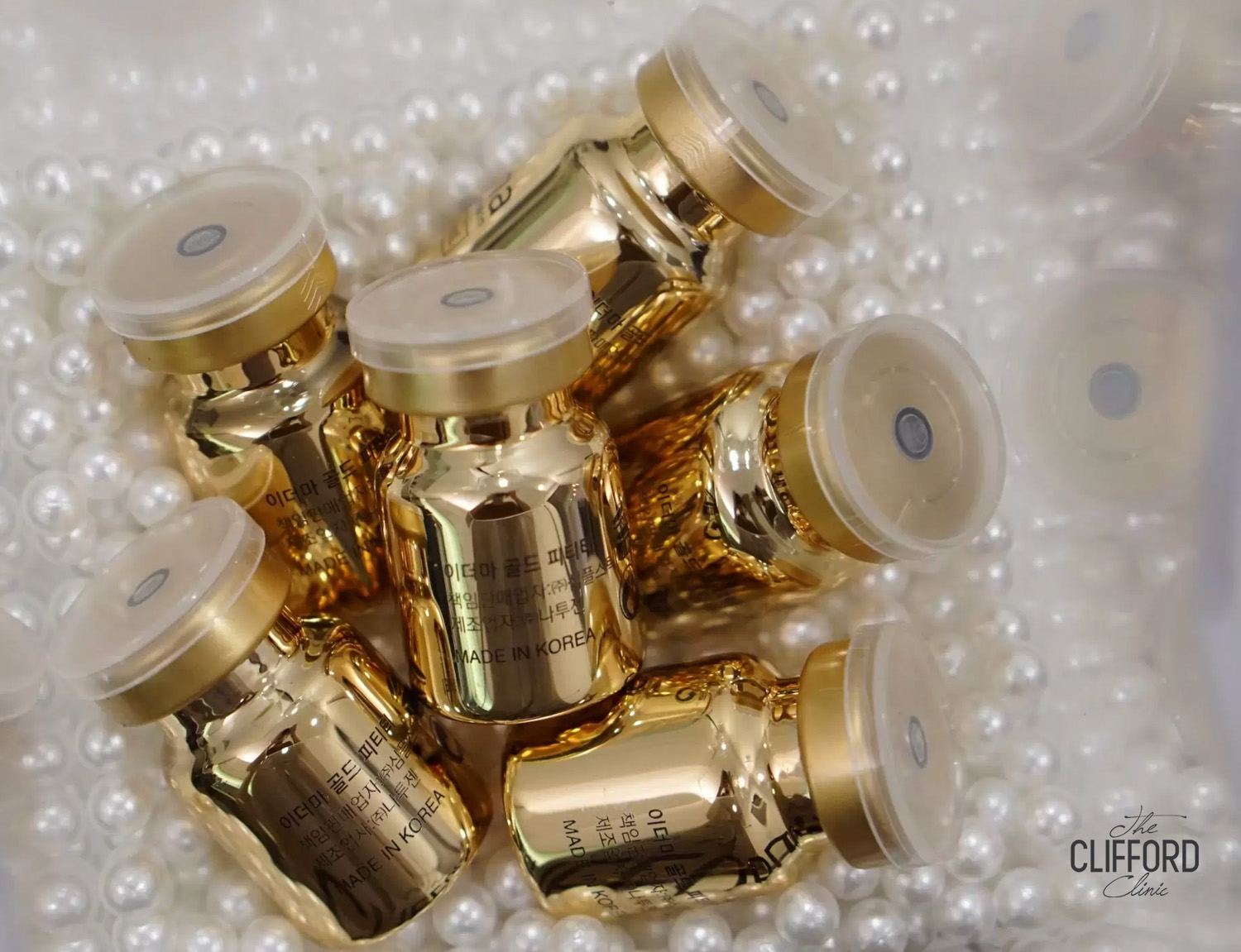
A size and surface that let them travel down a follicle to the sebaceous gland when driven by ultrasound. They do not penetrate on their own; delivery needs the Bellasonic 40 kHz LDM ultrasound.
Gold nanoparticles have powerful potential simply due to these 3 factors:
- Biocompatibility with human tissues
- Ability to penetrate easily into the deeper layers of the skin
- Efficient light-to-heat conversion
What research tells us
It is widely known that acne is mainly caused by overactive sebaceous glands in the skin, which combined with clogged pores and the proliferation of the P.acnes bacteria – leads to inflammation and nasty breakouts.
While there are a slew of treatments available to acne sufferers today, including over-the-counter creams and gels, to stronger, more powerful antibiotics and retinoid drugs – these techniques often come with undesirable side effects, and acne that eventually comes back if treatment is stopped.
Most treatments to date are aimed to intervene at one or more of the 4 stages of acne, but none has been designed to truly treat it at the root. This is where gold nanoparticles are set to completely change this.
The treatment involved the application of gold particles on to the skin that is later activated with a laser. Conducted with 75 patients in total – the results showed a decreased mean inflammatory lesion count by about 53% at 2 months, and 61% at 3 months.
The controlled evidence is summarised in four studies. In a sham-controlled randomised trial of 51 patients, three treatments one to two weeks apart reduced inflammatory lesions by 53% against 30% with sham at 14 weeks. In an open-label European multicentre study, 76% of patients achieved at least a 40% reduction after one course and 89% of those maintained it at 36 weeks. With topical retinoids and a 1064 nm laser, lesions fell 55% at two months and 68% at twelve. A study in Asian patients reported significant improvement and no serious adverse effects; it is the only one of the four conducted in Asian patients and its authors describe it as preliminary. The first three trials use the term gold microparticles for the same class of particle.”
Hitting jackpot: combining gold nanoparticles with laser therapy
Given gold’s biocompatibility and easy penetration into the deeper layers of the skin – combining acne laser treatment with the topical application of gold nanoparticles is the key to effectively disabling the sebaceous glands so that it stops producing most or any of its sebum overtime.
Gold Photothermal Therapy @ The Clifford Clinic
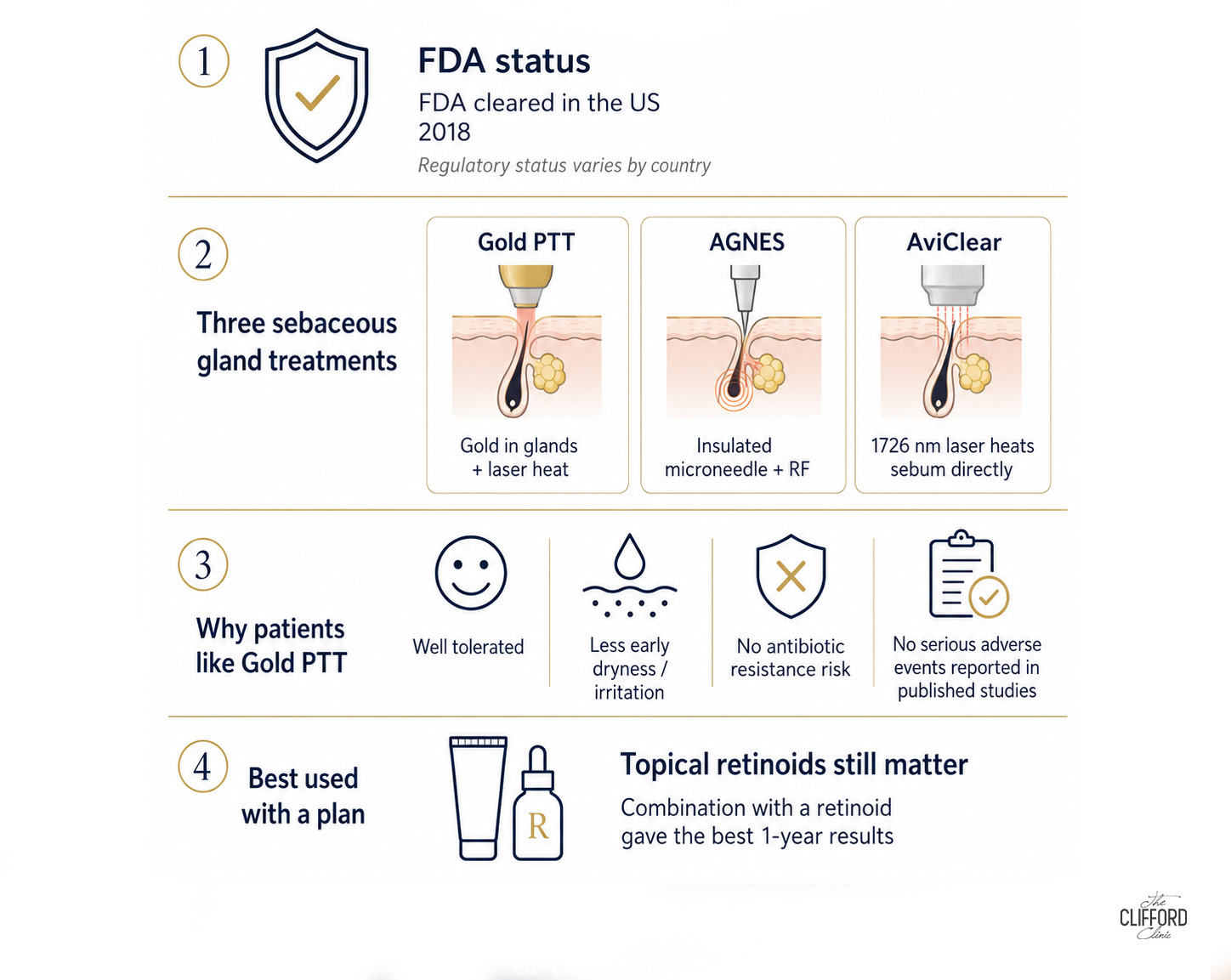
The technology received FDA clearance in the United States in 2018; regulatory status differs by country. Gold PTT is one of three treatments at the clinic that act on the sebaceous gland itself. Gold PTT places gold in the glands and heats it with a laser; AGNES inserts an insulated micro-needle into a single follicle and ablates its gland with radiofrequency; and AviClear uses a 1726 nm wavelength that sebum absorbs directly, heating every gland under the handpiece without particles or needles.
Gold PTT is well tolerated: it reduces sebaceous-gland activity without the dryness and irritation that benzoyl peroxide and retinoids can cause in the first weeks. Those topicals remain useful alongside it, and in the one-year study the combination with a retinoid gave the best results. No antibiotic-resistance risk applies, and no serious adverse events were reported in the published studies
There has also been no risk of resistance or long-term side effects reported thus far; eradicating the need for taking antibiotics; which has been raising alarm bells in recent years.
Gold PTT vs AGNES vs AviClear: who suits which
Pregnant and breastfeeding patients
Pregnancy removes most acne options at once: isotretinoin is contraindicated, oral tetracyclines and spironolactone are avoided, and topical retinoids are not advised. Gold PTT is the option Dr Ee most often discusses with pregnant and breastfeeding patients — a personal clinical position, not a safety claim — because its action is confined to the sebaceous glands where the gold sits, there is no systemic medication, and gold is bio-inert. No device has pregnancy-specific evidence. AGNES is not usually discussed first in pregnancy, and AviClear’s manufacturer lists pregnancy as a contraindication.
Teenagers
For adolescents the question is proportionality rather than contraindication. Isotretinoin is effective but needs lipid and liver monitoring and strict pregnancy prevention; long antibiotic courses raise resistance concerns; and adherence to daily topical regimens is poor in this age group. Untreated inflammatory acne scars, and the window to prevent scarring is while the acne is active. Gold PTT reduces gland activity without systemic exposure or blood tests, and improvement accumulates with each session.
Adults avoiding oral medication
For diffuse oily, acne-prone skin the choice is between Gold PTT and AviClear. AviClear has the larger trial: in the 104-patient multicentre study, 91.5% of patients had at least a 50% lesion reduction at one year after three sessions, and no pigment change was reported in any skin type in that trial. Its drawback is discomfort, because the laser heats every gland directly. In the clinic’s experience Gold PTT is the more comfortable of the two; comfort has not been compared between them in a trial.
Same-spot recurrent cysts

When the problem is a handful of pores that re-form nodules or cysts every few weeks, whole-face treatment is the wrong shape. AGNES treats exactly those follicles: in its randomised trial, inflammatory lesions fell by 17.2 per patient at 12 weeks against 3.2 in controls. It is done under topical numbing across two days and is often combined with Gold PTT, which handles the rest of the face.
FAQ
- What is a typical procedure like?
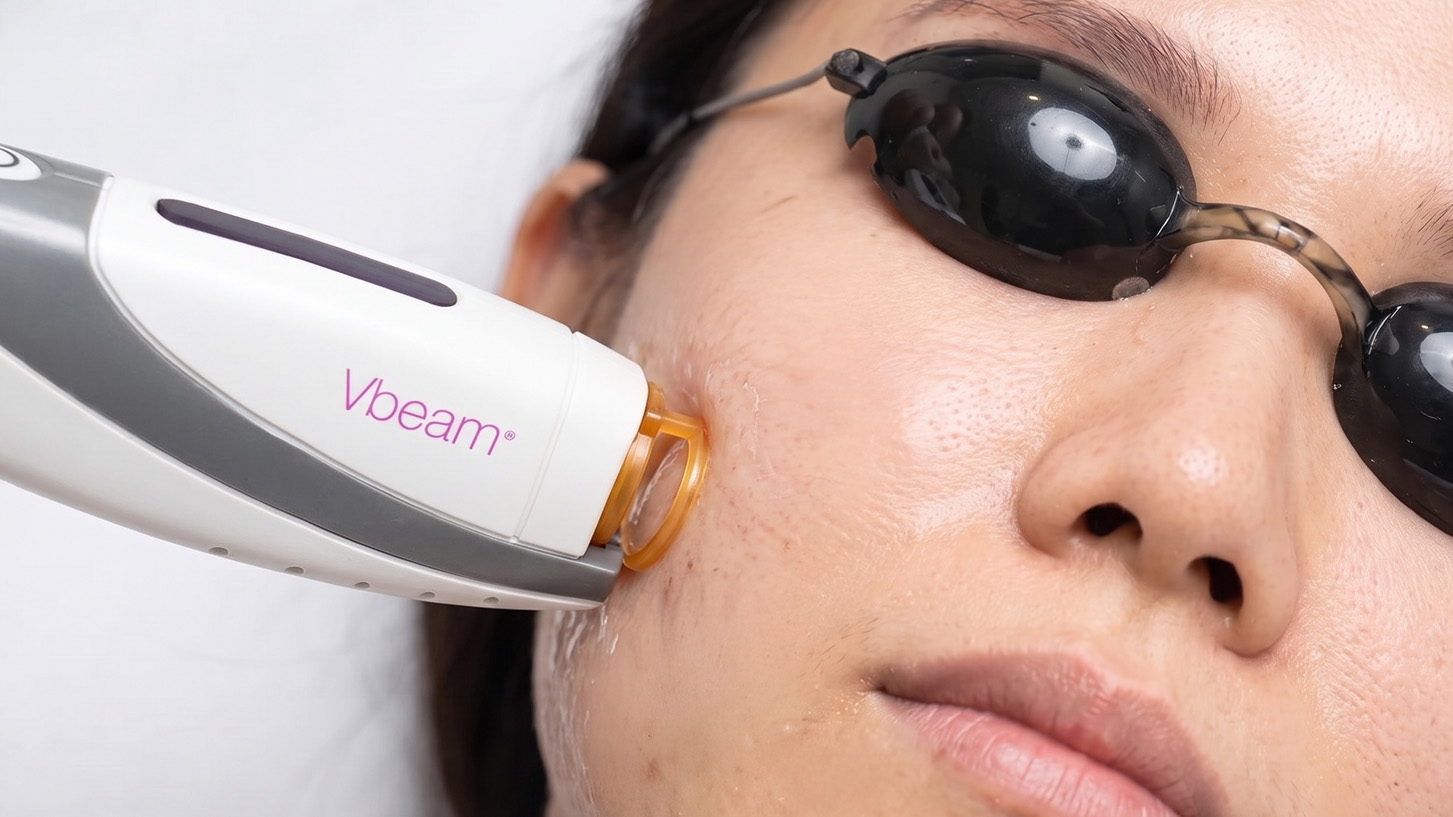
Our doctor will first cleanse your skin, followed by the application of gold particles by massaging and using the Bellasonic Ultrasound to pulse the gold particles into the oil glands. Then, we will finish up with the laser treatment to heat up the gold particles to let it work its magic.
- How long is the procedure?
The treatment takes only about 30 to 45 minutes to complete.
- Is treatment painful?
You might feel a slight heating sensation or tiny pin pricks during the treatment, but many patients say it is highly tolerable. No anaesthesia is required for this treatment.
- Are there any side effects?
There may be mild redness, dryness or itching for a few hours after the session.
- How many sessions are required?
A course is at least three sessions about a week apart, extended for persistent acne, with improvement consolidating around six weeks after the last session. The trials used three treatments one to two weeks apart.”
- Who is an ideal candidate?
Gold PTT suits oily, acne-prone skin on the face or back, and is particularly chosen for patients who cannot take oral medication. Whether it is the right one of the three depends on the pattern of your acne and your pregnancy status, which is what the section above sets out.
References
- Reynolds RV, Yeung H, Cheng CE, et al. Guidelines of Care for the Management of Acne Vulgaris. Journal of the American Academy of Dermatology. 2024;90(5):1006.e1–1006.e30.
- Ly S, Kamal K, Manjaly P, Barbieri JS, Mostaghimi A. Treatment of Acne Vulgaris During Pregnancy and Lactation: A Narrative Review. Dermatology and Therapy. 2023;13(1):115–130.
- Walsh TR, Efthimiou J, Dréno B. Systematic Review of Antibiotic Resistance in Acne: An Increasing Topical and Oral Threat. The Lancet Infectious Diseases. 2016;16(3)–e33.
- U.S. Food and Drug Administration. Sebacia Microparticles: 510(k) Premarket Notification K181518. 2018.
- Paithankar D, Hwang BH, Munavalli G, et al. Ultrasonic Delivery of Silica–Gold Nanoshells for Photothermolysis of Sebaceous Glands in Humans: Nanotechnology from the Bench to Clinic. Journal of Controlled Release. 2015;206:30–36.
- Paithankar DY, Sakamoto FH, Farinelli WA, et al. Acne Treatment Based on Selective Photothermolysis of Sebaceous Follicles with Topically Delivered Light-Absorbing Gold Microparticles. Journal of Investigative Dermatology. 2015;135(7):1727–1734.
- Fuchs CSK, Bay C, Adatto M, Lomholt H, Haedersdal M. Acne Treatment with Light-Absorbing Gold Microparticles and Optical Pulses: An Open-Label European Multicentred Study in Moderate to Moderately Severe Acne Vulgaris Patients. Lasers in Surgery and Medicine. 2019;51(8):686–693.

Author Bio
Dr Gerard Ee

Dr Gerard Ee is the Medical Director of The Clifford Clinic in Singapore. He earned his medical degree from St George's University of London and built his surgical experience across the Singapore General Hospital, National University Hospital, and Mount Sinai Hospital in New York. He holds Membership of the Royal College of Surgeons (Edinburgh) and a Postgraduate Diploma in Dermatology (Cardiff), and is fully accredited in aesthetic procedures including botulinum toxin, fillers, lasers, and light therapies. A strong advocate of minimally invasive, natural-looking results, Dr Ee has published in several medical and scientific journals and presented his research in cities including Taipei, Las Vegas, and London.
See all posts by Dr Gerard Ee »