



Circumcision for Boys Aged 6–12 in Singapore: A Comprehensive Guide for Parents
Circumcision is a common surgical procedure in Singapore, performed for medical, religious, cultural, and hygiene reasons. For parents considering circumcision for boys aged 6 to 12 years, choosing the right technique and clinic is especially important. At this age, children are more aware of their surroundings, healing considerations differ from infancy, and parents often prioritise safety, comfort, cosmetic outcomes, and recovery time.
With advances in medical technology, circumcision today is no longer limited to traditional surgical methods. Modern options such as Shang Ring circumcision, stapler circumcision, and laser-assisted techniques offer improved bleeding control, shorter procedure times, and more predictable healing.
This article provides a comprehensive, parent-focused overview of:
- Circumcision for children Aged 6-12
- The different circumcision techniques available in Singapore
- Circumcision services offered at Clifford Clinic
- The unique Clifford Technique combining Shang Ring circumcision with ValleyLab diathermy
- Why many parents choose Clifford Clinic for pediatric circumcision
- Recovery, aftercare, and common parental concerns
Understanding Circumcision in Boys Aged 6–12
Circumcision involves the surgical removal of the foreskin covering the glans of the penis. While some boys are circumcised in infancy, many families in Singapore choose to proceed during the primary school years.
Common reasons include:
- Medical indications, such as phimosis, recurrent balanitis, or infections
- Religious or cultural practices
- Hygiene considerations
- Family or personal preference
In boys aged 6–12, circumcision is usually performed:
- In a sterile operating theatre
- With local anesthesia, often with sedation to improve comfort
- By a doctor experienced in pediatric surgical care
At this stage of development, careful technique selection and pain management are critical to ensure a smooth recovery and minimal disruption to school and daily activities.
Why Technique Matters in Pediatric Circumcision
Children heal differently from both infants and adults. An ideal circumcision technique for school-aged boys should aim to:
- Minimise bleeding
- Reduce pain, swelling, and anxiety
- Achieve predictable cosmetic outcomes
- Allow a quicker return to normal activities
- Lower the risk of complications
For these reasons, modern device-assisted circumcision techniques have become increasingly popular in Singapore.
Different Circumcision Techniques Available in Singapore
Conventional (Traditional) Circumcision

Conventional circumcision is the traditional surgical approach using a scalpel or surgical scissors.
How it is performed:
- The foreskin is retracted and measured
- Excess foreskin is surgically removed
- Sutures may be placed to close the wound
Advantages:
- Long-established and widely practised
- Does not require specialised devices
Limitations:
- Greater bleeding compared to device-assisted methods
- Longer operating time
- Healing and cosmetic results depend heavily on surgical expertise
Laser Circumcision
Laser circumcision uses focused energy to cut tissue and coagulate blood vessels.
Advantages:
- Precise cutting
- Reduced bleeding compared to conventional surgery
- Less tissue trauma in selected cases
Limitations:
- Requires specialised equipment
- Cosmetic outcomes still depend on surgical planning
- Not necessarily superior to modern device techniques
Shang Ring Circumcision
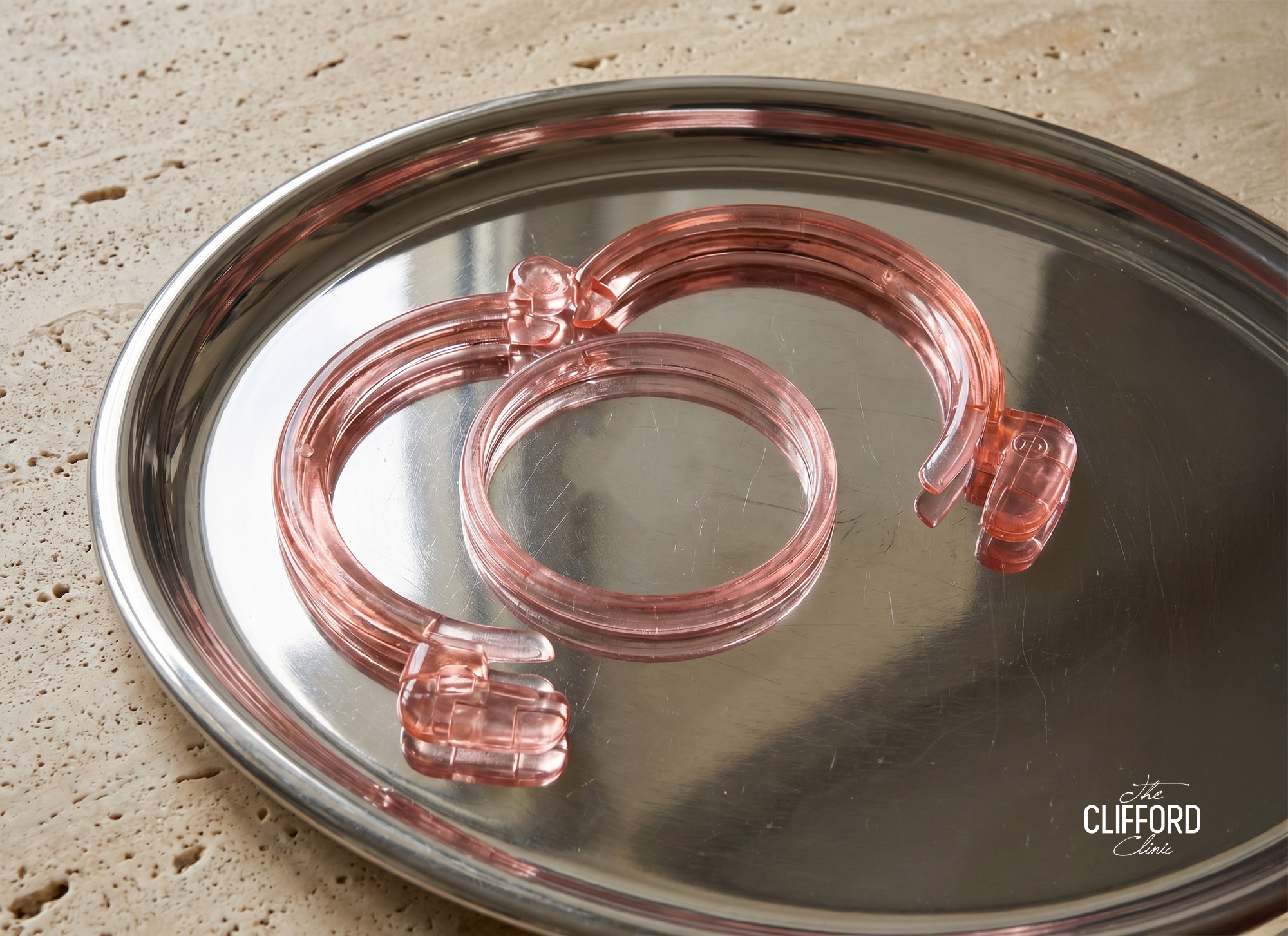
The Shang Ring Circumcision uses a medical circumcision device consisting of two concentric rings that clamp the foreskin securely.
How it works:
- The foreskin is positioned between the rings
- Compression cuts off blood supply to the foreskin
- Excess foreskin is removed
- The ring remains in place for several days before removal
Advantages for boys aged 6–12:
- Minimal bleeding
- Short procedure time
- Usually no sutures required
- Consistent cosmetic results
- Suitable for school-aged children
Considerations:
- Requires a follow-up visit for ring removal
- Proper sizing and technique are essential
Stapler Circumcision
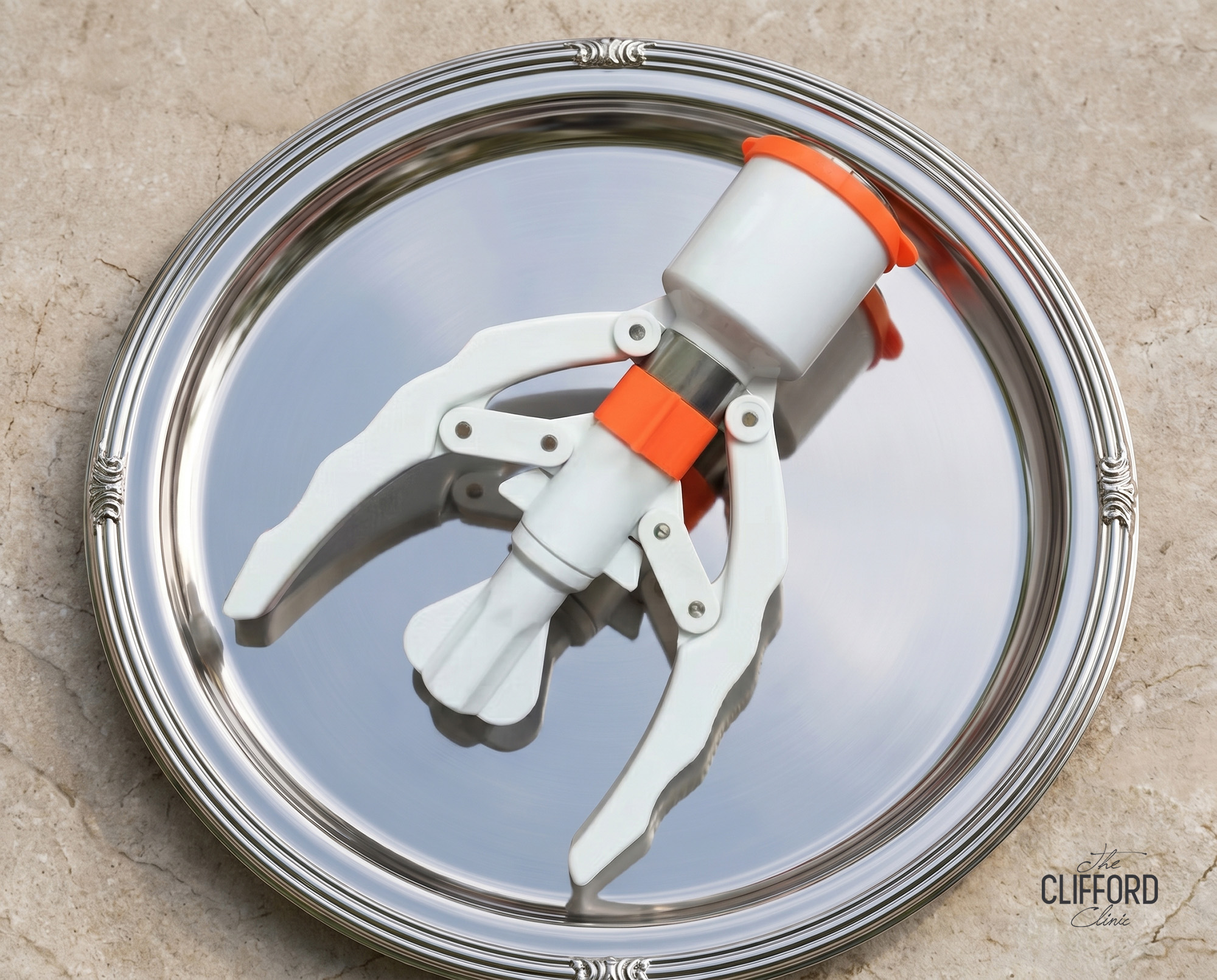
Stapler circumcision uses a single-use disposable stapling device that removes the foreskin and closes the wound simultaneously.
Advantages:
- Very fast procedure
- Reduced bleeding
- Even wound edges
- Predictable cosmetic appearance
Considerations:
- Slightly higher cost due to disposable device
- Staples may need removal depending on device type
Circumcision Services at The Clifford Clinic
At The Clifford Clinic, circumcision for boys aged 6–12 focuses on modern, evidence-based techniques designed to enhance safety and comfort.
Techniques Offered
- Shang Ring Circumcision
- Stapler Circumcision
These techniques are chosen because they:
- Reduce operative time
- Improve bleeding control
- Minimise postoperative discomfort
- Offer predictable healing and cosmetic outcomes
Each child is assessed individually to determine the most suitable approach.
The Unique Clifford Technique: Shang Ring Circumcision with ValleyLab Diathermy
Clifford Clinic offers a refined hybrid approach known as the Clifford Technique, which combines:
✔ Shang Ring Circumcision
with
✔ ValleyLab Diathermy
ValleyLab diathermy is an advanced electrosurgical system that allows precise tissue cutting and coagulation.
How the Combined Technique Works
- Anaesthesia — Local anesthesia with optional sedation
- Dorsal slit using ValleyLab diathermy — Controlled, bloodless opening of the foreskin
- Shang Ring placement — Inner and outer rings applied for circumferential compression
- Diathermy-assisted tissue control — Enhanced haemostasis
- Completion and dressing
Benefits of the Clifford Technique
- Superior bleeding control
- Cleaner surgical field
- Reduced operative time
- Lower risk of postoperative bleeding
- Faster and more comfortable recovery
This approach combines the efficiency of device-assisted circumcision with the precision of advanced electrosurgery, making it particularly suitable for pediatric patients.
Why Parents Choose Clifford Clinic for Pediatric Circumcision
- Sterile Operating Theatre
All circumcisions at Clifford Clinic are performed in a fully equipped, sterile operating theatre, rather than a standard clinic room. This provides hospital-grade infection control and safety.
- Highly Experienced Doctor with Dedicated Anaesthetic Support
Circumcision at Clifford Clinic is performed by a highly experienced doctor, with extensive urology training across major institutions in Singapore. Having performed more than 500 circumcisions, including pediatric cases and prior experience at KK Women’s and Children’s Hospital, the doctor is well versed in child-specific anatomy, bleeding control, and postoperative care.
Years of clinical experience have shown that advancements in circumcision techniques can significantly improve outcomes, particularly in reducing bleeding and improving recovery. This has informed the clinic’s refined approach, including the use of device-assisted circumcision combined with advanced diathermy, with the aim of achieving near-zero bleeding.
To maximise comfort and safety, a highly trained anaesthetist is involved in the procedure, providing sedation where appropriate. This team-based approach reduces anxiety, improves patient comfort, and allows the procedure to be carried out with precision in a controlled operating theatre environment.
- CDA Approved Clinic for Circumcision in Singapore (Baby Bonus)
When choosing a circumcision clinic for their child, many parents specifically search for a CDA approved clinic for circumcision, as this allows eligible medical expenses to be paid using funds from the Baby Bonus Scheme’s Child Development Account (CDA).

The Clifford Surgery is a CDA-approved clinic in Singapore, listed on the MSF Approved Institution search as THE CLIFFORD SURGERY, enabling parents to use CDA (Baby Bonus) funds for eligible circumcision-related medical bills, in accordance with prevailing government guidelines. This helps reduce out-of-pocket expenses for families planning circumcision during childhood, including boys aged 6–12.
The CDA can be used until 31 December of the year the child turns 12. Under the SG Child Support Package, from 2027 the CDA stays open until the end of the year the child turns 16, for children born on or after 1 January 2015. CDA funds can also pay for a sibling’s approved medical expenses, so a brother’s or sister’s CDA card can be used for your son’s circumcision, with the CDA trustee declaring the sibling relationship in writing. The CDA trustee, the parent who registered the child’s birth or applied for Baby Bonus, must be present to pay, with the child’s birth certificate and the trustee’s identification.
Parents looking for a CDA-approved clinic circumcision option are often unsure what can be claimed. At Clifford Clinic, families receive guidance on:
- Whether circumcision expenses are eligible for CDA (Baby Bonus) usage
- Required documentation for CDA payment
- How Baby Bonus (CDA) can be used together with Medisave and hospital insurance, where applicable
Parents looking for a CDA-approved clinic circumcision option are often unsure what can be claimed. At Clifford Clinic, families receive guidance on:
- Whether circumcision expenses are eligible for CDA (Baby Bonus) usage
- Required documentation for CDA payment
- How Baby Bonus (CDA) can be used together with Medisave and hospital insurance, where applicable
By being both a CDA-approved clinic and a Medisave-approved institution, Clifford Clinic offers parents a clear, transparent, and well-supported option for circumcision in Singapore.

- Medisave-Approved Institution
- Eligible circumcision procedures may be claimable under Medisave
- Helps reduce out-of-pocket costs for families
- Clear guidance provided on eligibility and documentation
- Assistance with Hospital Insurance Claims
- Support with hospital and surgical insurance claims
- Guidance on claim forms and required reports
- Simplifies administrative processes for parents
Recovery and Aftercare for Boys Aged 6–12
Most boys recover well after modern circumcision techniques.
What parents can expect:
- Mild swelling or discomfort for a few days
- Minimal bleeding
- Clear aftercare instructions
- Follow-up visits where required (e.g. ring or staple removal)
- Return to school typically within a short period
Parents are advised to keep the area clean, follow activity restrictions temporarily, and monitor for signs of infection.
Conclusion
Circumcision for boys aged 6–12 in Singapore has evolved significantly with modern device-assisted techniques. Options such as Shang Ring and stapler circumcision, especially when combined with advanced diathermy, offer safer procedures, reduced bleeding, and faster recovery.
With a sterile operating theatre, experienced pediatric surgical background including work at KK Women’s and Children’s Hospital, dedicated anaesthetic support, CDA and Medisave approval, and insurance claim assistance, Clifford Clinic remains a trusted choice for parents seeking high-quality circumcision care for their children.
Frequently Asked Questions (FAQ)
Is circumcision claimable under Baby Bonus in Singapore?
Circumcision may be payable using Baby Bonus (Child Development Account, CDA) funds when the procedure is performed at a CDA-approved clinic, subject to prevailing government guidelines and individual eligibility. As a CDA-approved clinic, Clifford Clinic can advise parents on whether CDA funds may be used for circumcision-related medical bills and guide them through the required documentation.
Can Baby Bonus be used together with Medisave for circumcision?
In some cases, Baby Bonus (CDA) and Medisave may both be used for eligible components of circumcision-related medical care. Eligibility depends on the procedure type and applicable regulations. Clifford Clinic provides guidance on how these payment options may be coordinated.
Why choose a CDA approved clinic for circumcision?
Choosing a CDA approved clinic for circumcision allows parents to offset eligible medical costs using Baby Bonus funds, reducing cash expenses while ensuring the procedure is performed at a regulated and approved medical institution.
Is circumcision safe for boys aged 6–12?
When performed by an experienced doctor in a sterile operating theatre, circumcision is generally safe for school-aged boys. Modern device-assisted techniques further improve safety and recovery.
What circumcision methods are suitable for children?
Modern techniques such as Shang Ring circumcision and stapler circumcision are commonly used for children due to reduced bleeding, shorter procedure time, and predictable healing.
Does circumcision for children require general anesthesia?
Circumcision is usually performed under local anesthesia, with sedation provided by a trained anaesthetist where appropriate to maximise comfort. General anesthesia is not routinely required.
How long does a circumcision procedure take?
Device-assisted circumcision procedures are typically quick, with the procedure taking about 10-15 minutes.
How long is the recovery after circumcision?
Most boys experience mild swelling and discomfort for a few days after circumcision, which typically improves with time and proper aftercare. Many children are able to return to school within a short period, provided they feel comfortable and follow medical advice.
However, to allow proper healing and reduce the risk of bleeding or wound disruption, rough play, contact sports, cycling, swimming, and other strenuous activities should be avoided for approximately 4–6 weeks. Parents will be given clear post-procedure instructions to guide a safe and smooth recovery.
Will my child need to stay overnight after circumcision?
Circumcision for children is generally a day procedure, and overnight hospitalisation is usually not required.
Is the cosmetic outcome of circumcision predictable?
With modern techniques and experienced surgical care, cosmetic outcomes are generally consistent and satisfactory.
What follow-up is required after circumcision?
Follow-up care depends on the circumcision technique used.
For Shang Ring circumcision, the ring is usually allowed to detach naturally on its own, which typically occurs within 2–3 weeks. A review at around 1 month after the procedure is scheduled to assess healing and ensure everything has healed well.
For stapler circumcision, the initial bandage is removed approximately 3 days after surgery. A follow-up review at about 1 month is also arranged to check wound healing and overall recovery.
Parents will be provided with clear aftercare instructions and advised on when to contact the clinic if there are any concerns during the recovery period.
Can circumcision be covered by insurance?
Some hospital or surgical insurance plans may cover circumcision when it is performed for medical indications, such as conditions affecting foreskin health or recurrent infections. Coverage depends on the individual insurance policy and its terms.
Where applicable, The Clifford Clinic assists parents with the necessary medical documentation to support insurance claims and provides guidance on the claims process.

Author Bio
Dr Gerard Ee

Dr Gerard Ee is the Medical Director of The Clifford Clinic in Singapore. He earned his medical degree from St George's University of London and built his surgical experience across the Singapore General Hospital, National University Hospital, and Mount Sinai Hospital in New York. He holds Membership of the Royal College of Surgeons (Edinburgh) and a Postgraduate Diploma in Dermatology (Cardiff), and is fully accredited in aesthetic procedures including botulinum toxin, fillers, lasers, and light therapies. A strong advocate of minimally invasive, natural-looking results, Dr Ee has published in several medical and scientific journals and presented his research in cities including Taipei, Las Vegas, and London.
See all posts by Dr Gerard Ee »