
Brown Acne Marks vs Red Acne Marks in Singapore, Which Laser or Treatment Helps?
Written by Dr Bernard Ong. Medically reviewed by Dr Gerard Ee
Brown acne marks and red acne marks are distinct entities that require distinct treatment. Brown marks are post-inflammatory hyperpigmentation, an excess of melanin that responds to Q-switched laser and topical therapy. Red marks are post-inflammatory erythema, a vascular change that also responds to Q-switched laser, with pulsed dye laser reserved for cases in which erythema predominates. Neither constitutes a scar, and both undergo gradual spontaneous resolution. True acne scarring, whether elevated or depressed, reflects altered dermal collagen and requires a separate approach. Establishing which of the three is present determines the device, the sequence and the realistic timeline, and prevents months spent on a treatment that cannot address the problem.
Why acne marks can be brown, red or textured
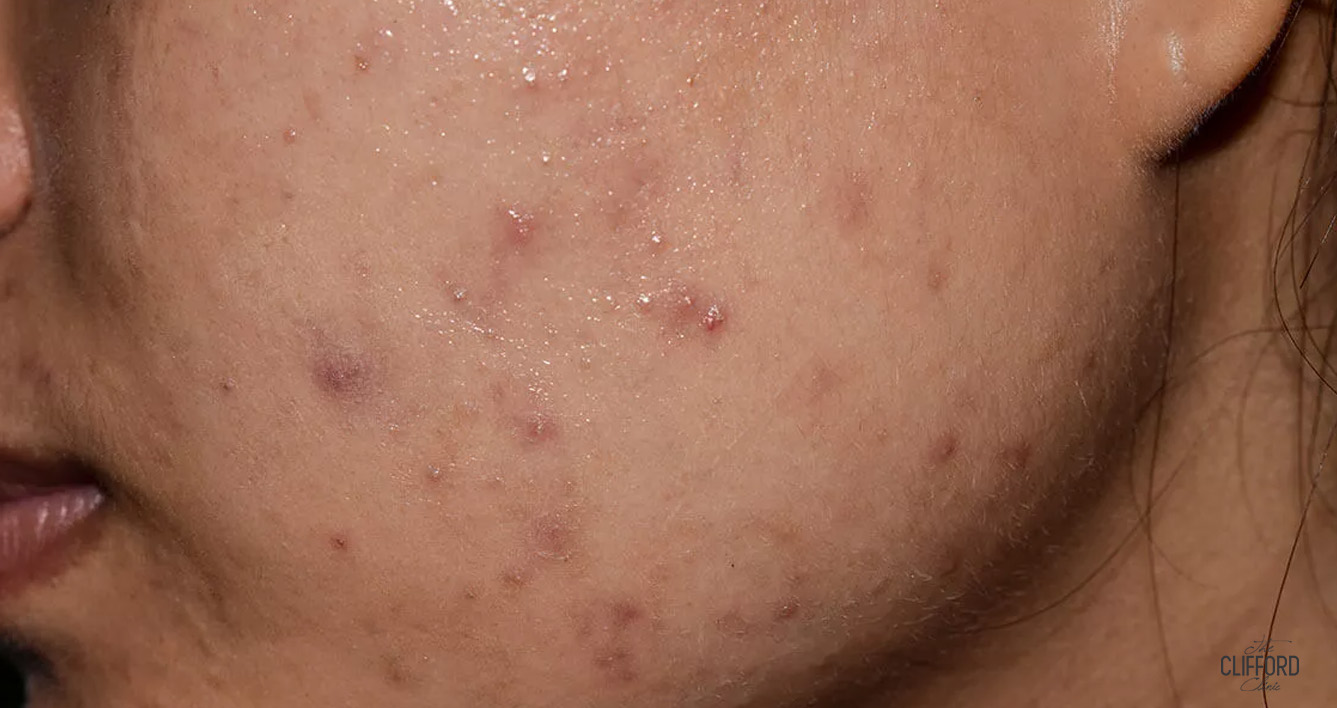
Resolution of an inflammatory acne lesion may leave three distinct changes. Inflammation stimulates the melanocytes, the pigment-producing cells of the skin, to deposit excess melanin in and beneath the healed lesion, and that surplus pigment is the brown mark. The capillaries that widened to bring immune cells to the site do not always constrict again once healing finishes, and the retained blood flow is what shows through as persistent redness. Where inflammation extends deep enough to disrupt dermal collagen, healing produces either an elevated hypertrophic scar, in which collagen is deposited in excess, or a depressed scar, in which collagen is lost. Mixed presentations are common, and a uniform protocol applied across all three produces incomplete results.
PIH vs PIE vs acne scars
Brown Acne Marks, Red Acne Marks and Acne Scars Compared
| Feature | Brown Marks, PIH | Red Marks, PIE | Acne Scars |
|---|---|---|---|
| Underlying Cause | Excess melanin | Dilated or damaged capillaries | Lost collagen |
| Appearance | Flat, tan to dark brown | Flat, pink to red | Raised or depressed change in contour |
| Natural Course | Fades slowly over months | Fades slowly over months | Permanent without treatment |
| First-Line Treatment | Q-switched laser, topical therapy | Q-switched laser, V Beam | Fractional laser, RF microneedling, subcision |
| Feel | Flat | Flat | Uneven texture |
Brown acne marks and post-inflammatory hyperpigmentation
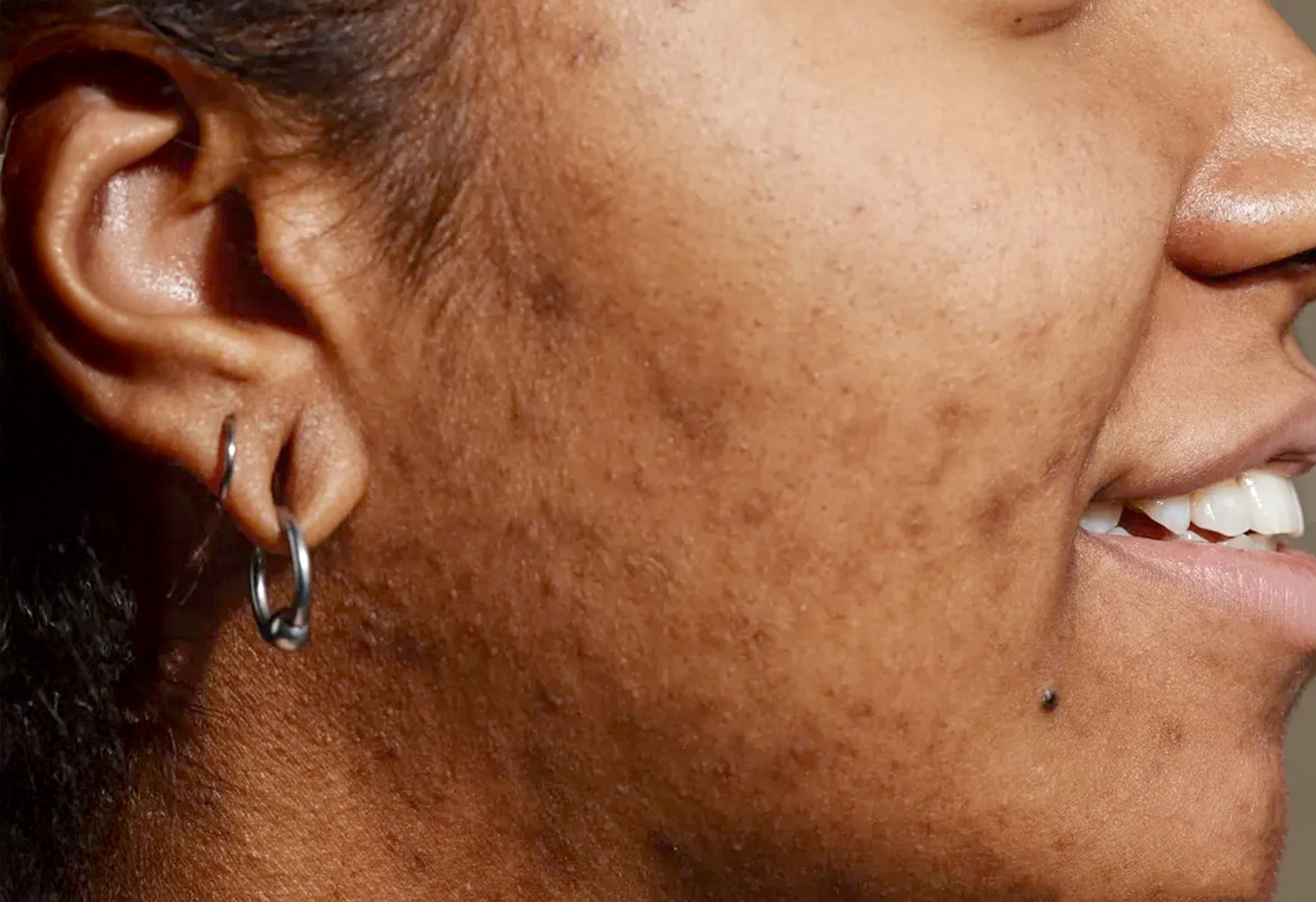
Brown marks are post-inflammatory hyperpigmentation (PIH), common in Asian skin because melanocytes respond strongly to cutaneous inflammation. They respond to topical agents such as retinoids, vitamin C, niacinamide and azelaic acid, and to Q-switched laser for resistant pigment once the acne is controlled. Our PIH treatment guide covers this in detail.
Red acne marks and post-inflammatory erythema
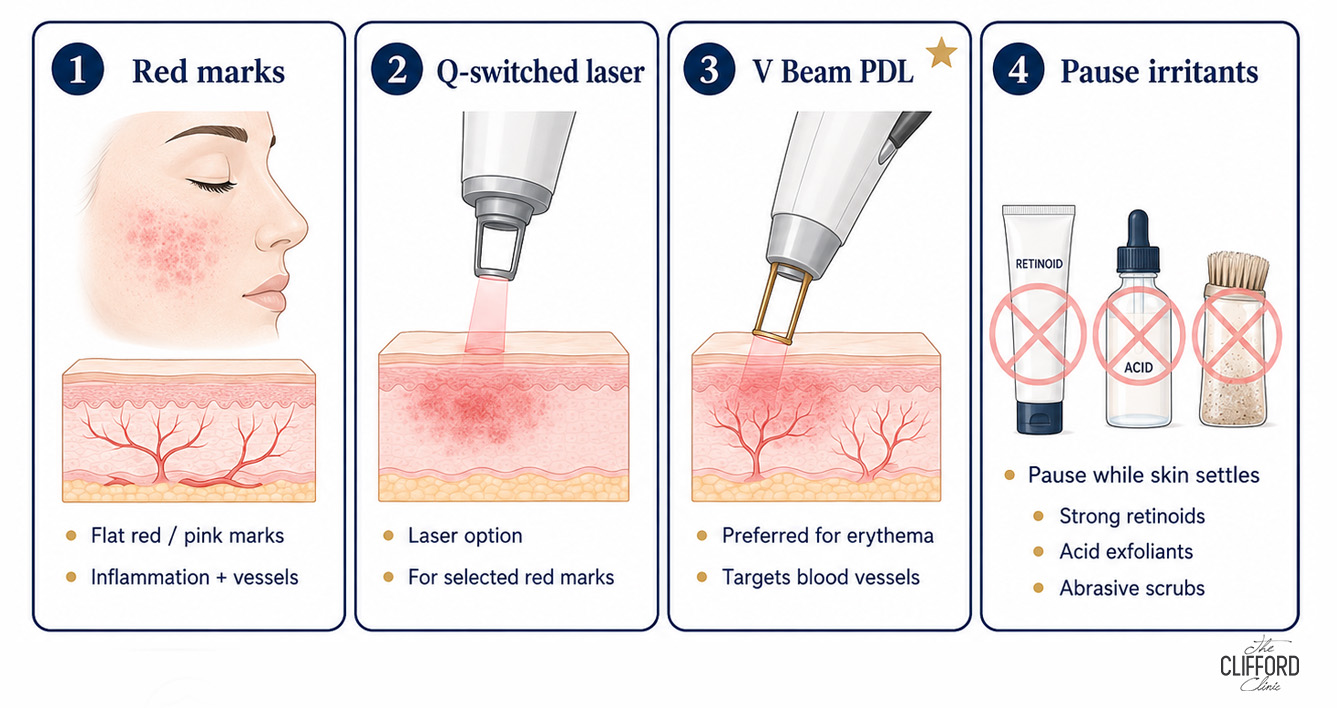
Red marks are post-inflammatory erythema (PIE), produced by capillaries that remain dilated after the inflammatory phase resolves. Q-switched laser addresses both the pigmented and the erythematous component. Where erythema predominates, the V Beam pulsed dye laser targets haemoglobin specifically and is the more selective option. Post-inflammatory erythema is more common in lighter skin phototypes and in recently resolved lesions. Many settle substantially over three to six months as the capillaries remodel, so laser treatment is generally reserved for marks persisting beyond that window.
Acne scars, depressed and hypertrophic
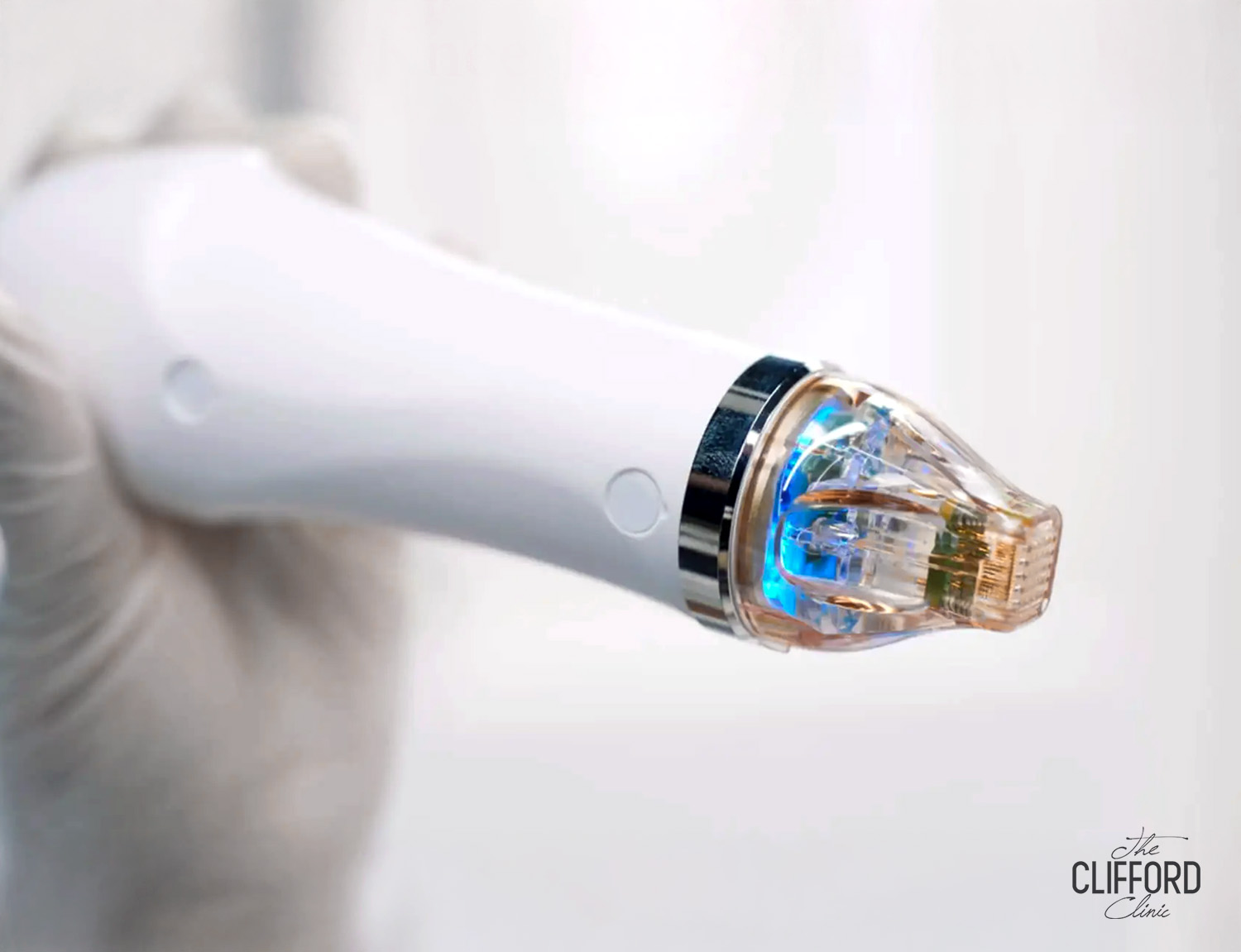
A palpable alteration in contour, whether a depression visible in angled light or a raised firm lesion, indicates scarring rather than a mark. Depressed scars represent collagen loss and require resurfacing or remodelling with fractional CO2 laser, RF microneedling like Secret RF or Infini, and subcision where the scar is tethered. Hypertrophic scars represent excess collagen and are managed differently, most often with intralesional corticosteroid. See our acne scar treatment page.
Which treatments help brown marks
Topical pigment therapy is the starting point, with Q-switched laser added for residual pigment. A typical course runs three to six sessions at three to four week intervals, with visible lightening usually appearing from the second or third session onward. Where hyperpigmentation coexists with textural irregularity, Secret RF radiofrequency microneedling addresses both in a single modality.
Which treatments help red marks
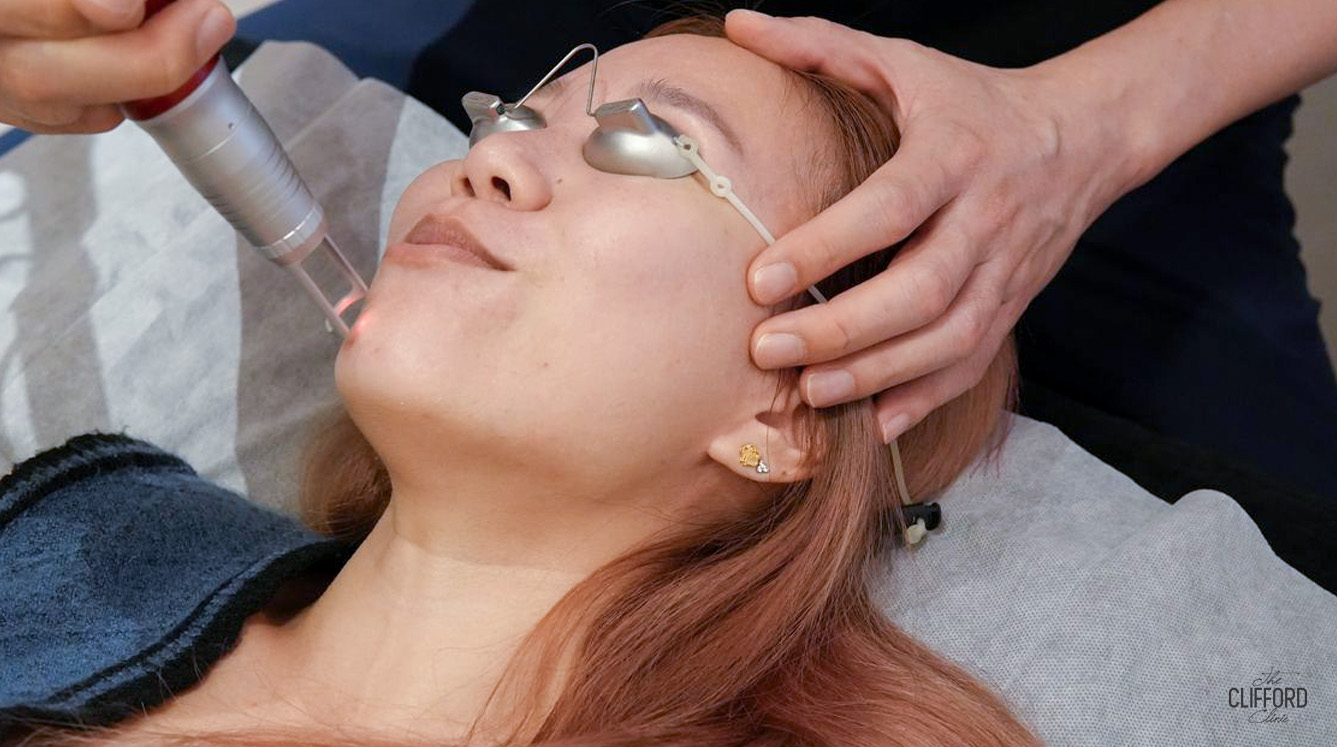
Q-switched laser is effective for red marks, and V Beam pulsed dye laser is preferred where erythema is the dominant feature. High-strength retinoids, strong acid exfoliants and abrasive scrubs perpetuate inflammation and are withdrawn while erythema is settling.
Poor skin tone and dullness
Acne marks frequently coexist with a generalised loss of radiance and uneven tone that lesion-directed treatment alone does not correct. Skin booster injections combined with exosomes address this diffuse component by improving dermal hydration and supporting tissue repair. This is an adjunct to laser-directed treatment at individual marks rather than a replacement for it.
Can one device treat both brown and red marks?
Q-switched laser addresses both the pigmented and the vascular component, which makes it the most useful single device where brown and red marks coexist. V Beam is added where erythema is severe or persists after a Q-switched course. Secret RF is indicated where textural change accompanies the discolouration, since it improves tone, texture and pigmentation together.
Why active acne matters
Treating marks while acne remains active means new lesions continue to form as treated ones resolve, so the overall mark count does not fall. Establishing control with an acne treatment plan first ensures the marks being treated are the final ones.
Suitable and not suitable
- Suitable: flat brown or red marks in a patient whose acne is controlled.
- Not suitable: active untreated acne, scarring that requires resurfacing rather than treatment directed at colour, or any undiagnosed lesion.
Doctor’s perspective. Separating pigment from erythema from scarring is the single most useful step at consultation. Many patients fear they have deep scars when most of what they see is pigment that clears more easily than expected. The reverse error matters more, because a patient who treats a true collagen deficit with a pigment laser will see no change and may wrongly conclude that no treatment is effective.
Frequently asked questions
Are brown acne marks scars?
No. Brown marks are post-inflammatory hyperpigmentation, a flat pigment change that fades with time and treatment, not a texture change.
Are red acne marks scars?
No. Red marks are post-inflammatory erythema from small blood vessels, not scar tissue, and they usually fade as the skin heals.
Does Q-switched laser help brown acne marks?
Yes. It fragments excess melanin into particles small enough for the skin to clear, and is effective for brown marks once the acne is controlled.
What treatment helps red acne marks?
Q-switched laser is effective for red marks, and V Beam pulsed dye laser is preferred where erythema predominates.
Can brown and red acne marks happen together?
Yes, very commonly, along with indented scars. Mixed cases are treated with more than one approach in sequence.
Should I treat acne before acne marks?
Yes. Active acne keeps producing new marks, so controlling breakouts first makes mark treatment far more effective.
Map your marks before treating them

A single assessment distinguishes pigment from erythema from scarring and establishes the correct treatment sequence. Learn about pigmentation treatment in Singapore, or book at The Clifford Clinic, 50 Raffles Place, #01-01 Singapore Land Tower. Call (65) 6532 2400 or WhatsApp (65) 8318 6332.
References
- Disorders of hyperpigmentation, part I, pathogenesis and clinical features of common pigmentary disorders. Journal of the American Academy of Dermatology, 2023. https://pubmed.ncbi.nlm.nih.gov/35151757.
- American Academy of Dermatology, acne scars. https://www.aad.org/public/diseases/acne/derm-treat/scars.
- DermNet, postinflammatory hyperpigmentation. https://dermnetnz.org/topics/postinflammatory-hyperpigmentation.

Author Bio
Dr Gerard Ee

Dr Gerard Ee is the Medical Director of The Clifford Clinic in Singapore. He earned his medical degree from St George's University of London and built his surgical experience across the Singapore General Hospital, National University Hospital, and Mount Sinai Hospital in New York. He holds Membership of the Royal College of Surgeons (Edinburgh) and a Postgraduate Diploma in Dermatology (Cardiff), and is fully accredited in aesthetic procedures including botulinum toxin, fillers, lasers, and light therapies. A strong advocate of minimally invasive, natural-looking results, Dr Ee has published in several medical and scientific journals and presented his research in cities including Taipei, Las Vegas, and London.
See all posts by Dr Gerard Ee »