

The Science Behind Hair Loss and How Treatments Work
Noticing more hair on your pillow or in the shower can be unsettling. While occasional shedding is normal, persistent thinning can signal something deeper. Understanding the science behind why hair loss happens—and how targeted treatments work—can empower you to take control of your hair health.
Understanding Hair Loss: More Than Just Shedding
Hair grows in cycles, and disruptions in these cycles can lead to noticeable hair loss. Each follicle goes through three main phases:
1. Anagen (Growth Phase): Lasts 2–7 years, when hair actively grows.
2. Catagen (Transition Phase): Lasts a few weeks, signaling the end of active growth.
3. Telogen (Resting Phase): Lasts around 3 months before hair falls out and a new strand begins to grow.
Normal shedding involves about 50–100 hairs per day. However, when the growth cycle is disrupted, follicles can miniaturize or stop producing hair entirely, leading to thinning or bald patches.
Common causes of hair loss include:
- Genetics: Male and female pattern hair loss (androgenetic alopecia) is largely hereditary.
- Hormonal changes: Pregnancy, menopause, or thyroid disorders can affect hair cycles.
- Medical conditions: Autoimmune disorders like alopecia areata target hair follicles directly.
- Stress and lifestyle factors: Poor diet, sleep deprivation, and high stress levels can trigger hair loss.
- Medications: Some treatments, such as chemotherapy or certain antidepressants, can interrupt growth cycles.
The Role of Scalp Health in Hair Growth
Healthy hair starts with a healthy scalp. A well-nourished, balanced scalp provides the ideal environment for follicles to thrive. Conditions like dandruff, inflammation, or blocked follicles can prevent hair from growing optimally.
Key factors for scalp health:
- Circulation: Adequate blood flow delivers oxygen and nutrients to hair follicles.
- Sebum balance: Natural oils protect the scalp but excess or deficiency can impede growth.
- Microbiome: A balanced scalp microbiome prevents infections and inflammation that can disrupt hair cycles.
Targeting scalp health is an essential component of any effective hair loss treatment in Singapore.
How Hair Loss Treatments Work
Modern hair restoration focuses on stimulating dormant follicles, strengthening existing strands, and promoting healthy scalp conditions. Let’s explore how different treatments tackle these challenges:
1. Stimulation of Follicles
Many non-invasive treatments aim to “wake up” follicles that have entered a resting phase prematurely. Techniques like laser therapy or ultrasound-based treatments deliver energy to follicles, increasing cell activity, boosting protein production, and encouraging stronger hair growth.
2. Nutrient and Growth Factor Delivery
Hair follicles need adequate nutrition and biochemical signals to function optimally. Treatments using growth factors or cell-derived messengers, such as exosomes, provide potent stimulants directly to the scalp. These treatments help reduce shedding, improve density, and can enhance the effects of other therapies.
3. Follicle Transplantation
For advanced hair loss, follicle transplantation offers a permanent solution. Individual follicular units are harvested and implanted in thinning areas, allowing new hair to grow naturally. Minimally invasive techniques reduce scarring and downtime, making this a highly effective option for long-term restoration.
4. Supporting Hair Quality
Alongside follicle stimulation, treatments often focus on improving strand strength and thickness. By enhancing blood flow, delivering essential nutrients, and maintaining a healthy scalp environment, these therapies improve hair texture, resilience, and overall appearance.
Lifestyle Factors That Influence Hair Loss
While treatments are critical, lifestyle habits play a major role in maintaining hair health. Consider:
- Nutrition: Protein, iron, zinc, and vitamins A, C, and D are essential for strong follicles.
- Stress management: Chronic stress can trigger telogen effluvium, a condition where hairs prematurely enter the resting phase.
- Sleep quality: Adequate rest supports cell repair and healthy hormone regulation.
- Hair care practices: Avoid excessive heat, harsh chemicals, and tight hairstyles that strain follicles.
Combining good habits with targeted treatments creates a holistic approach to hair restoration.
Signs You Might Need Professional Help
While occasional shedding is normal, consult a specialist if you notice:
- Rapid or patchy thinning
- A sudden increase in shedding
- Bald spots
- Noticeable changes in hair texture or thickness
A trained aesthetic doctor can assess your scalp health, identify underlying causes, and recommend personalized treatments for optimal results.
Conclusion: Take Control of Your Hair Health
Hair loss doesn’t have to be permanent. By understanding the science behind why follicles stop growing and how treatments work, you can make informed decisions about restoring hair health. With the right combination of professional therapies and supportive daily habits, it’s possible to slow, halt, or even reverse thinning hair.
If you’re seeking expert guidance, The Clifford Clinic offers personalized hair loss treatment in Singapore. Our experienced team will evaluate your scalp and create a tailored plan to restore your confidence and achieve healthier, fuller hair.
Effective Hair Loss Treatments at The Clifford Clinic
At The Clifford Clinic, hair loss is treated as a multi-faceted issue, combining advanced technology with personalized care. Here’s a closer look at some of our most effective treatments:
FUE (Follicular Unit Extraction) is a minimally invasive hair restoration method that involves harvesting individual hair follicles from a donor site—usually the back of the scalp—and transplanting them to thinning or bald areas. Because it targets each follicle individually, FUE minimizes scarring and promotes natural-looking growth.
Bellasonic uses high- and low-frequency ultrasound waves to enhance the absorption of hair growth serums and nutrients into the scalp. The ultrasound creates tiny, temporary channels in the skin, allowing topical treatments to penetrate deeper and work more effectively—without the need for needles or downtime.
Thulium Laser therapy is a clinically backed, non-invasive treatment that stimulates hair follicles at the cellular level. By enhancing protein production and encouraging cell repair, it strengthens hair strands and promotes new growth.
Exosome therapy uses naturally derived cell messengers rich in growth factors to reactivate dormant follicles and rejuvenate the scalp environment. This treatment works at a cellular level, stimulating collagen production, improving blood flow, and encouraging stronger, denser hair growth.
Take the first step toward restoring your hair and confidence by booking a personalized consultation at The Clifford Clinic today. Your hair deserves care that’s tailored, effective, and backed by science.
Author Bio
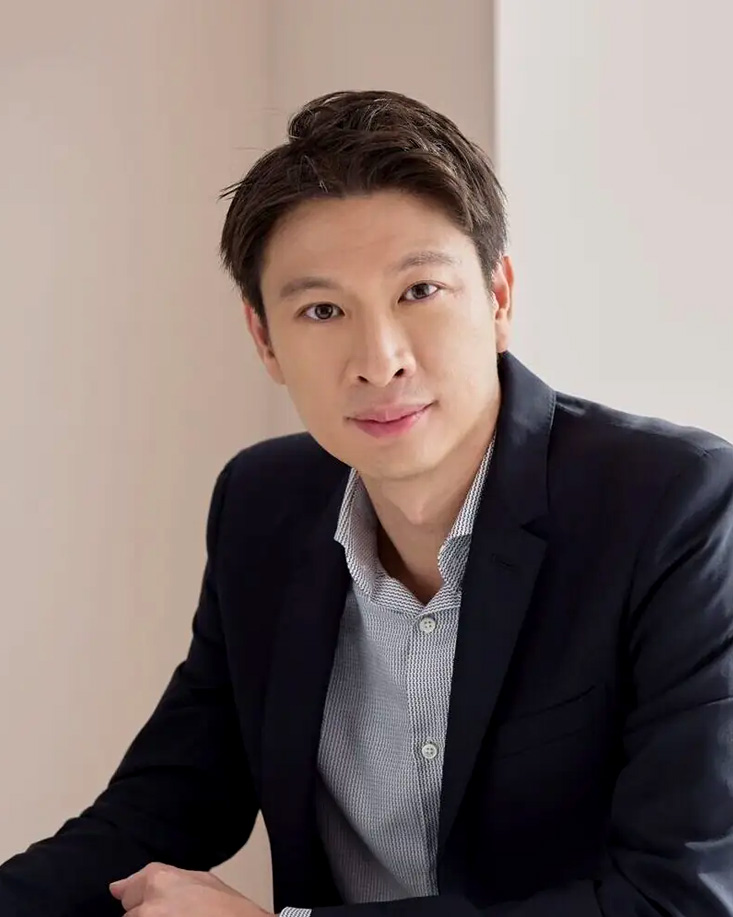
Dr Gerard Ee

Dr Gerard Ee is the Medical Director of The Clifford Clinic in Singapore. He earned his medical degree from St George's University of London and built his surgical experience across the Singapore General Hospital, National University Hospital, and Mount Sinai Hospital in New York. He holds Membership of the Royal College of Surgeons (Edinburgh) and a Postgraduate Diploma in Dermatology (Cardiff), and is fully accredited in aesthetic procedures including botulinum toxin, fillers, lasers, and light therapies. A strong advocate of minimally invasive, natural-looking results, Dr Ee has published in several medical and scientific journals and presented his research in cities including Taipei, Las Vegas, and London.
See all posts by Dr Gerard Ee »