
Pico Laser Treatment in Singapore
Pico Laser
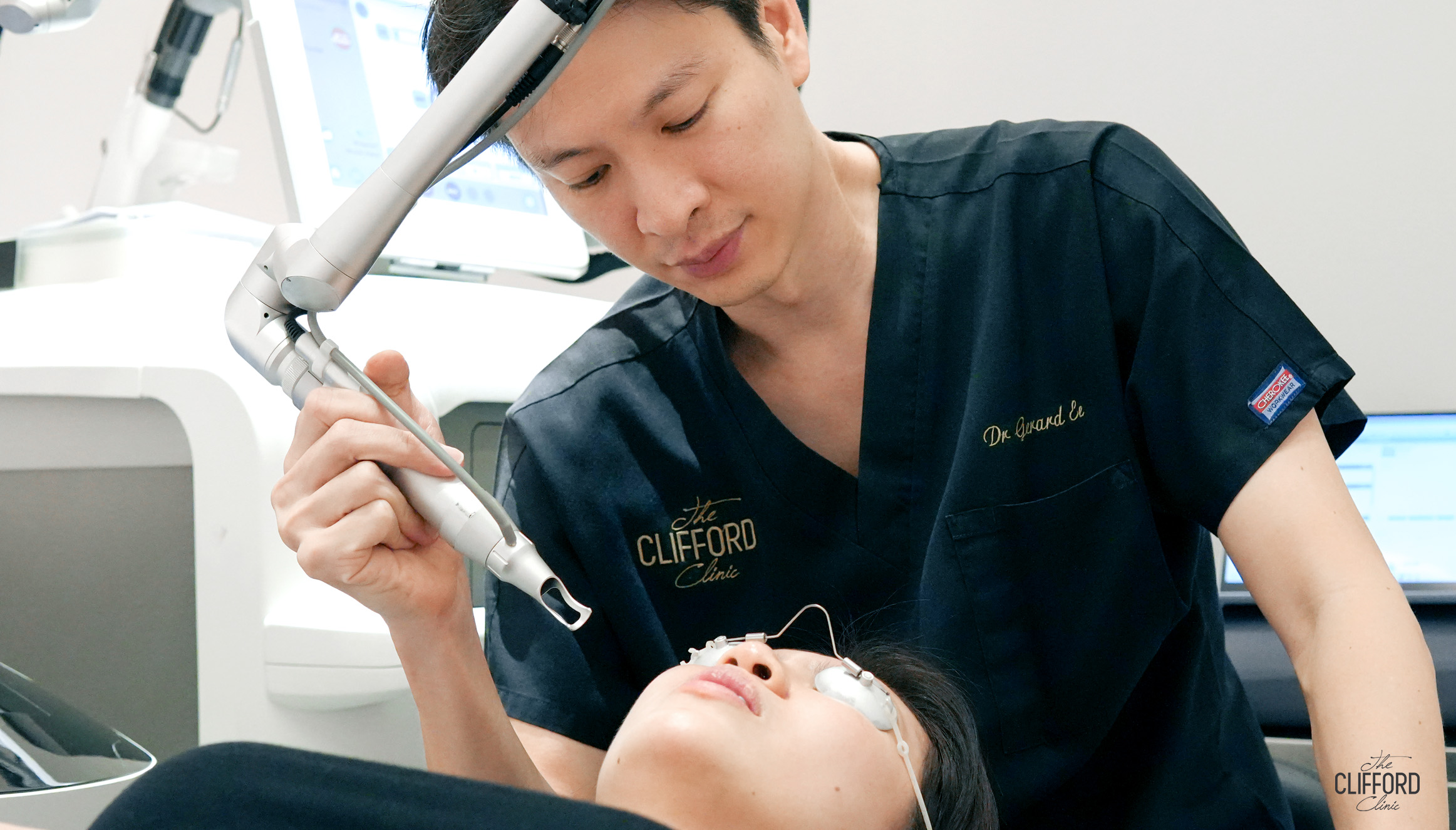
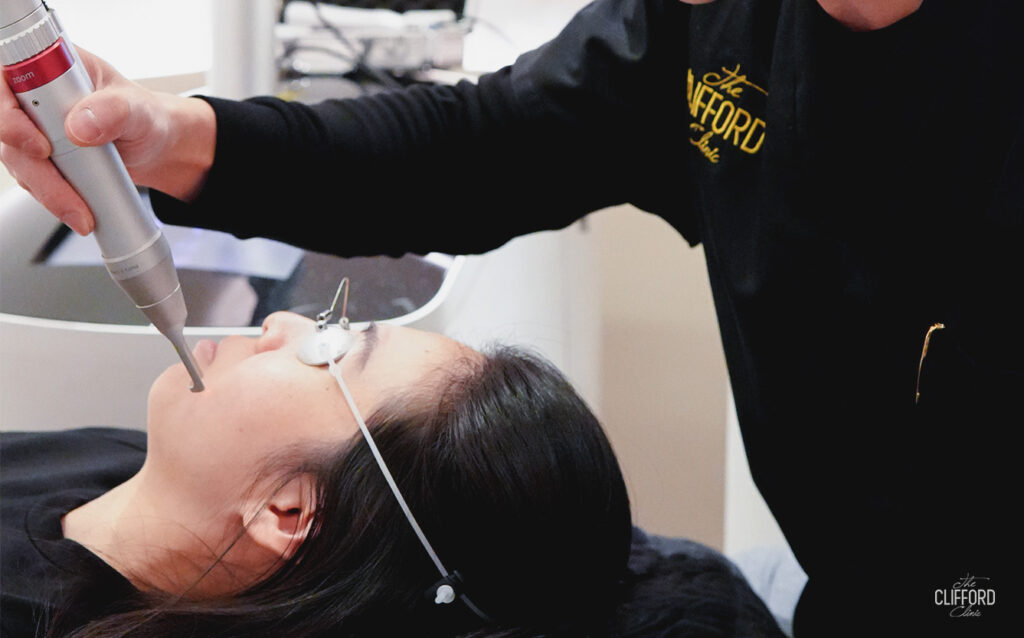
Pico Laser utilises the latest technology in laser innovation for the treatment of fine lines, pigmentation, tattoo removal and skin restoration. It addresses an extensive variety of skin concerns including hyperpigmentation and sun spots.
Call us today at (65) 6532 2400 to book an appointment on any of our cosmetic services and treatments.
What is the difference between Pico laser and normal laser?
Lasers use a solitary wavelength to deliver the vitality to targeted skin areas. Available at The Clifford Clinic in Singapore, Pico laser can distribute energy in prodigiously short bursts (within several billionths of a second). The speedier the laser is, the more proficient it is. A quick laser has a shorter span between laser beats, which means it gives more laser beats each second. The shorter burst of energy circulated by the laser disrupts the pigment-containing cells within the skin, resulting in fading and clearing of the affected area. The energy conveyed by the Pico laser can also rebuild skin collagen and improve its surface.
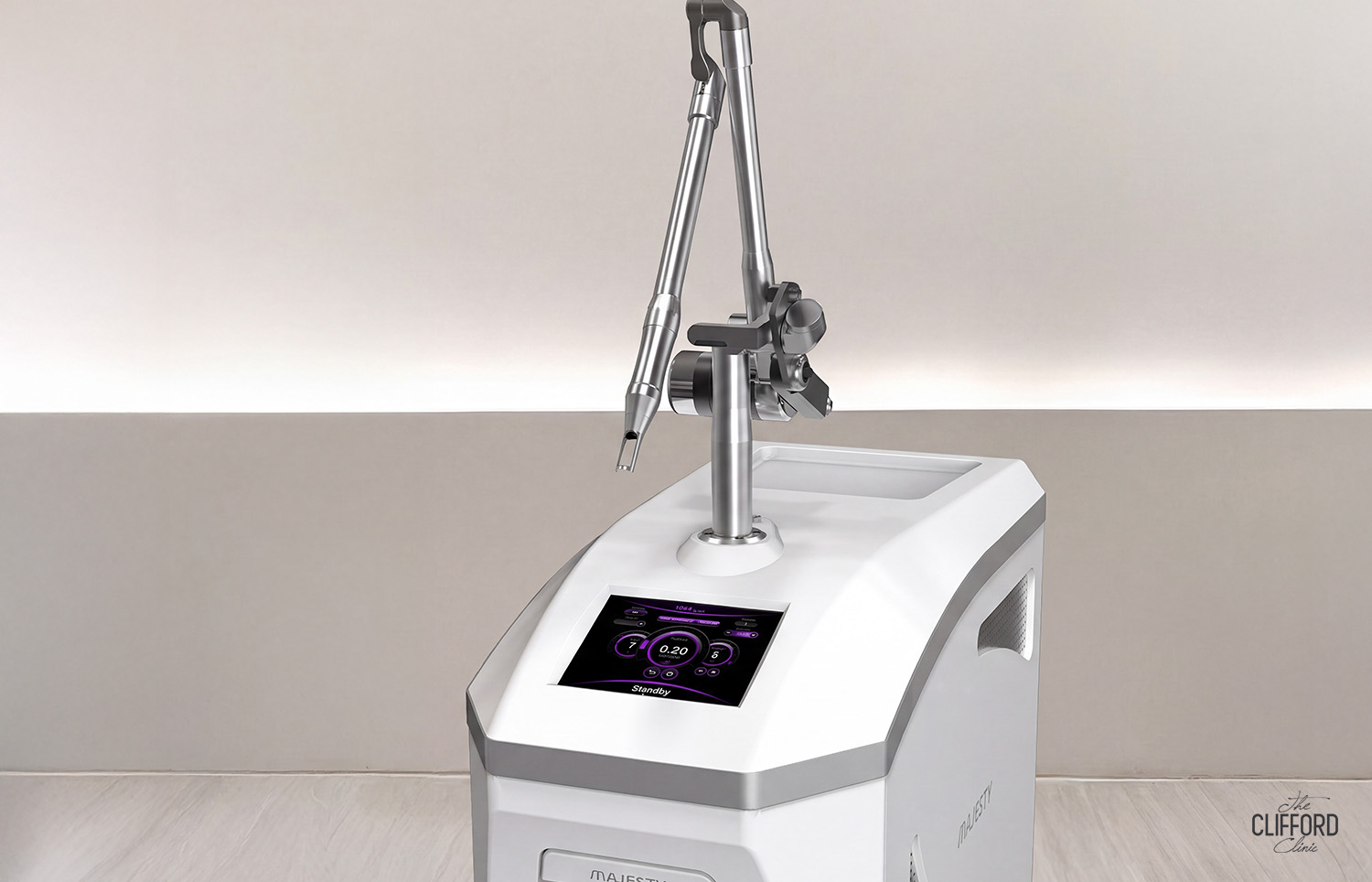
HOW DOES THE PICO LASER WORK?
The Pico laser can perform many different functions. It can get rid of pigmentations and treat acne scars, rough textures and pores at the same time. How the Pico laser is able to help scars is through the use of very fine laser beams that penetrates below the skin, causing tiny bubbles to form using micro-explosions.
The laser can penetrate far beneath the surface of the skin to decimate the melanin that causes hyperpigmentation. It separates dull spots into smaller particles, to be naturally eliminated by the body. Gradually, darker spots and dull spots on the face, neck, chest, hands, arms and legs will fade away.
When the laser is performed, the formed bubbles will fill up with collagen during the recovery and an “elevated” effect will help to raise depressed scars from acne.
Compared to the conventional subcision technique in the treatment of acne scars, the doctor would insert a needle below scars to raise it up manually. The Pico Laser utilises this Bubble Lift technology that replaces these old approaches entirely as it causes less discomfort and minimal injury while doing the same thing.

What Pico Laser Treats
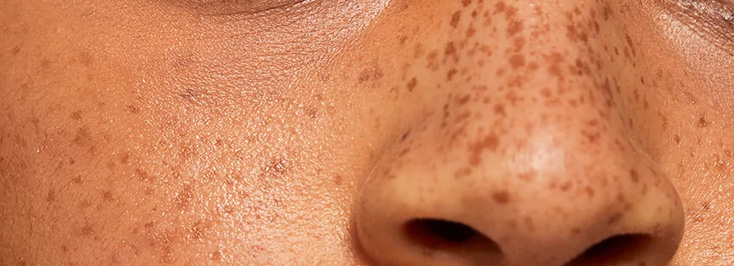
Freckles and Sun Spots
Superficial brown spots respond well to Pico laser, usually with visible lightening across a course of sessions. Treated spots often darken and crust lightly in the first week before flaking away. Freckles may return with sun exposure, so ongoing protection matters as much as the treatment itself.
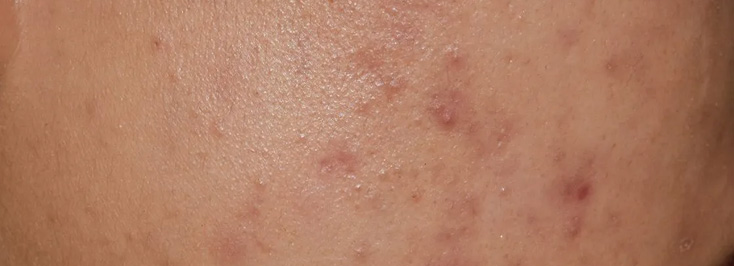
Post-Inflammatory Hyperpigmentation
These are the brown marks left behind by acne, eczema or irritation. Pico laser helps once the underlying cause is controlled. Treating marks while active acne continues simply produces new ones, so acne control comes first.
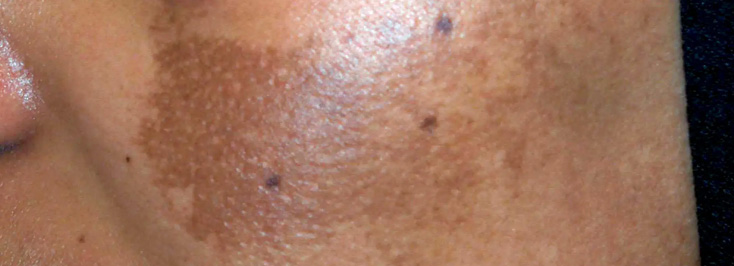
Melasma
Melasma is managed rather than cured. We use low energy toning settings as one part of a wider plan built around daily sun protection and topical treatment. Aggressive laser settings can worsen melasma, which is why our approach here is deliberately conservative.
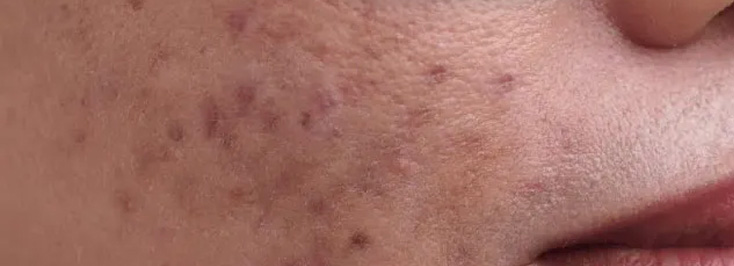
Acne Marks and Dermal Pigmentation
Brown acne marks respond to Pico laser, and a fractional handpiece can help shallow texture. Deeper pigment such as Hori’s naevus sits lower in the skin and needs a longer wavelength across a longer course of sessions.
Three Pico Laser Platforms, One Clinic
Most clinics in Singapore run a single Pico laser. We run three, and they are not interchangeable. Pigment sits at different depths in the skin, and different depths respond to different laser wavelengths. A freckle on the surface and a dermal patch on the cheek are both brown, but treating them the same way produces a good result on one and a disappointing result on the other. Running three machines means we choose the one that suits your diagnosis.Pico Laser Platforms Used at Clifford Clinic
| Our Pico Platforms | What We Use It For |
|---|---|
| Picocare | Our general workhorse for pigmentation. Covers surface pigment such as freckles and sun spots, deeper pigment, and melasma toning. |
| PicoPlus | Adds a ruby wavelength that melanin absorbs strongly, which helps with stubborn pigment that has not responded to other settings. |
| Helios 785 | A middle wavelength that suits mixed pigmentation and cases where a gentler approach is safer. |

What Causes Skin Pigmentation?
Skin pigmentation happens when the skin produces an excessive amount of melanin. Melanin is created by melanocytes and capacities as protection on skin cells to shield the skin from sun and UV-rays. Age spots, sun spots, and melisma can show up on the face, hands and arms if the skin is not properly taken care of.
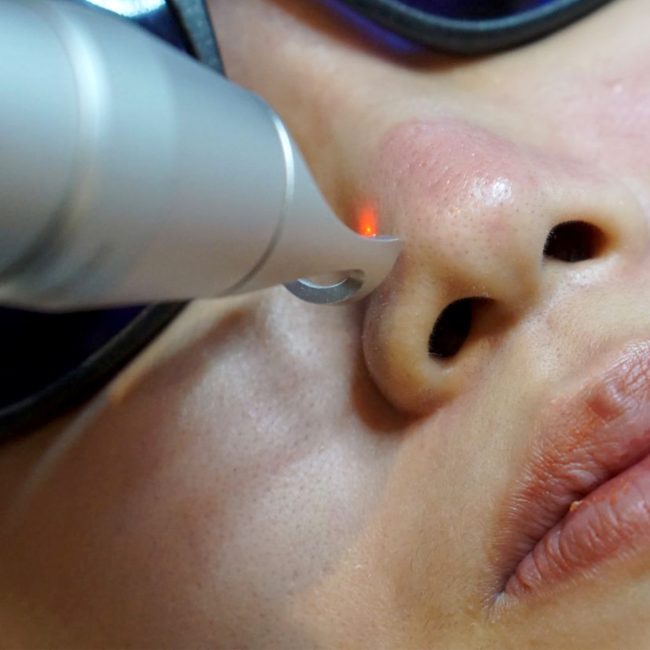
UV-damage is the biggest culprit for pigmentation to occur. The UVA and UVB beams are the key reasons for untimely skin maturing and they can cause hyperpigmentation and sun spots. The degree of UV damage depends on a person’s skin shade and the extent of the sun exposure. Melasma, which is an extremely common form of pigmentation, can now finally be removed and managed with this Pico Laser treatment. The Pico laser is able to break up the pigments in your skin more effectively, thus lightening the affected area in the process. Pico laser with HEXA MLA handpiece can also help to lift depressed acne scars and minimise enlarged pores on and around the nose area.
Because different causes produce different types of pigmentation, and each type sits at a different depth in the skin, the wavelength used matters as much as the laser itself. Our pigmentation removal treatment page sets out the causes and the full range of treatment options in more detail.
What Pico Laser Does Not Treat Well
Honest expectations are part of good care. Pico laser is not the right tool for red acne marks, which are vascular and suit a vascular laser instead. It does not remove raised growths such as seborrheic keratoses, which are treated by other methods after review. Deep indented acne scars usually need fractional resurfacing rather than a pigment laser. Melasma is controlled rather than cured.
Any pigmented spot that is new, changing or undiagnosed must be examined by a doctor before any cosmetic treatment is considered.
Are There Any Side Effects Of Pico Laser?
Pico laser is a comfortable and painless procedure with the use of topical numbing cream. Lesser side effects are seen after Pico laser, compared to other laser treatments. Patients normally experience minimal downtime after treatment. This treatment requires lesser sessions therefore, making it an efficient and effective choice for laser treatment in Singapore.
Temporary darkening of treated spots is expected rather than a complication, and our guide on why pigmentation looks darker after Pico laser explains what is normal in the first week and when to contact us.
How Many Pico Laser Sessions Will I Need?
The number depends entirely on the diagnosis.
Typical Pico Laser Course by Pigment Type
| Pigment Type | Typical Course | Interval Between Sessions |
|---|---|---|
| Freckles and Sun Spots | A small number of sessions | 3 to 4 weeks |
| Post-Inflammatory Hyperpigmentation | Several sessions | 3 to 4 weeks |
| Melasma Toning | A longer course with maintenance | 3 to 4 weeks |
| Dermal Pigmentation such as Hori’s Naevus | An extended course | 6 to 8 weeks |
Sessions are spaced apart because the body needs time to clear fragmented pigment, and because treating too frequently raises the risk of irritation and rebound pigmentation. Your doctor gives a realistic estimate after examining your skin rather than a fixed promise before diagnosis.
For a fuller explanation see our guide on how many Pico laser sessions you need.
Pico Laser Price in Singapore
Pico laser treatment at The Clifford Clinic starts from SGD 280 per session. The final cost depends on the pigment being treated, the platform your diagnosis calls for, the area covered and the number of sessions required.Pico Laser Pricing Guide
| Treatment | Indicative Price per Session |
|---|---|
| Pico Laser, From | SGD 280 |
| Full Face Pigmentation | Quoted after assessment |
| Melasma Toning Course | Quoted after assessment |
| Dermal Pigmentation such as Hori’s Naevus | Quoted after assessment |
What Makes a Good Pico Laser Treatment in Singapore?
Patients often ask which clinic has the best Pico laser. The more useful question is what separates a good treatment from a poor one, because the machine is only part of the answer.
Diagnosis comes before the laser. The same brown patch can be a sun spot, melasma or a dermal naevus, and each needs a different wavelength. A clinic that treats without diagnosing is guessing.
The range of platforms matters. A single machine limits what can be matched to your pigment. Ask which machines a clinic runs and which one they would use on your skin.
Settings should suit Asian skin. Melanin rich skin reacts to heat and inflammation by producing more pigment. Conservative settings and appropriate wavelengths protect against that.
Expectations should be realistic. A clinic that promises complete clearance of melasma in a fixed number of sessions is describing something the condition does not do.
The plan should be written down. You should leave a consultation knowing your diagnosis, the number of sessions expected, the interval between them and what the total will cost.
What to Expect
| Stage | What Happens |
|---|---|
| Consultation | A doctor examines your pigment, confirms the diagnosis and plans the wavelength, settings and number of sessions. |
| Treatment | The laser is applied to the target pigment. Most sessions take a short time depending on the area. |
| Immediately After | Mild redness for a few hours and temporary darkening of treated spots. |
| First Week | Treated spots may crust lightly and flake, then fade. Sunscreen is essential throughout. |
| Over the Course | Sessions are spaced several weeks apart and results build gradually. |
Aftercare
Aftercare protects your result. Use a gentle cleanser and moisturiser, apply broad spectrum SPF 50 every morning, leave any crusts to flake away naturally, and avoid heat, saunas and active skincare for about a week.
Sun protection is the single most important step, because ultraviolet exposure on recovering skin is the main preventable cause of post-inflammatory hyperpigmentation. Our Pico laser aftercare guide sets out the recovery week by week.
Why Choose The Clifford Clinic?
1. Precise, Targeted Treatment
Pico laser delivers ultra-short pulses of laser energy to target acne marks, pigmentation and uneven skin tone with precision, while minimising unnecessary heat exposure to surrounding skin.
2. Gentle with Minimal Downtime
Designed to treat pigmentation and improve overall skin clarity with minimal downtime, Pico laser is suitable for patients looking for a convenient treatment that fits easily into their routine.
3. Improves Post-Acne Marks & Skin Tone
By targeting excess pigment and stimulating skin renewal, Pico laser can help fade post-acne pigmentation, brighten dull skin and improve overall tone and texture over a course of treatments.
Frequently Asked Questions on Pico Laser
At The Clifford Clinic, Pico laser starts from SGD 280 per session. The final cost depends on the pigment type, the platform your diagnosis calls for, the area treated and the number of sessions required. A consultation is needed before an accurate quote can be given.
Yes, for correctly diagnosed pigmentation such as freckles, sun spots and post-inflammatory hyperpigmentation. Dermal pigment and melasma need modified approaches and longer courses. Effectiveness depends on matching the treatment to the diagnosis, which is why assessment matters more than the machine.
It is not suitable for red acne marks, raised growths or deep indented scars, which need different treatments. Melasma can be controlled but not cured. Treated spots temporarily darken before fading. Aggressive settings on melanin rich skin can trigger rebound pigmentation, which is why conservative settings matter.
Freckles and sun spots may stay clear for years with good sun protection, though new spots can form. Post-inflammatory hyperpigmentation usually clears permanently once the cause is controlled. Melasma recurs without maintenance. Daily sunscreen is the single biggest factor in how long results last.
Start with a diagnosis, because the treatment depends entirely on the type of pigmentation. Surface pigment such as freckles and sun spots responds to laser. Melasma is managed with sun protection, topical treatment and cautious laser toning. Post-inflammatory marks clear once the underlying cause is controlled.
There is no single best machine, only the right one for your pigment. We run three Pico platforms, Picocare, PicoPlus and the Helios 785. Surface pigment such as freckles and deeper pigment such as melasma respond to different settings, so the platform is chosen after your diagnosis rather than before it.
Most courses are spaced 3 to 4 weeks apart, extending to 6 to 8 weeks for deeper dermal pigment. Spacing allows the body to clear fragmented pigment and lowers the risk of irritation and rebound. Treating more frequently does not speed up the result.
Yes, with appropriate wavelengths and conservative settings. Its lower heat output reduces the risk of post-inflammatory hyperpigmentation in Fitzpatrick skin types three to five, which is why picosecond technology is preferred over older lasers for melanin rich skin.
Most patients tolerate it well and describe a mild snapping sensation. Comfort measures and conservative settings improve tolerance, and numbing cream can be applied beforehand.
Our Pico platforms can be fitted with a fractional handpiece, which is what we use for acne scars and shallow texture. Deeper indented scars usually need fractional resurfacing instead. Brown marks left by acne respond well to standard Pico settings once active acne is controlled.
Our Certified Medical Doctors

Dr. Gerard Ee
Dr. Gerard Ee is the founder and medical director of The Clifford Clinic. He is fully accredited in cosmetic treatments including fillers, Botox, light therapies, and more. Driven by his passion for sharing his expertise across the medical community, Dr. Ee has accumulated his surgical experiences internationally from working in the Mount Sinai Hospital in New York, National University Hospital (NUH), and Singapore General Hospital (SGH).
Dr. Chow Yuen Ho
Dr. Chow Yuen Ho is the founder and medical director of The Clifford Clinic. With over 10 years of clinical practice experience, the reputable aesthetic doctor specializes in non-invasive aesthetic and acne treatments. Dr. Chow has accomplished so much in this field. He served as the founding Director of Medical Informatics at SGH and then as the Managing Director of the Asian division of Alert Life Sciences Computing.


Dr. Law Zhi Wei
Dr. Law is a highly experienced medical professional specializing in acne treatments and aesthetic medicine. A graduate from the National University of Singapore and a member of the Royal College of Surgeons (Edinburgh), he has comprehensive clinical experience from renowned institutions such as KKH, SGH, and CGH. Passionate about the transformative power of effective acne care, Dr. Law is fully accredited in advanced treatments including lasers, radiofrequency, ultrasound therapies, Botox, and fillers. Holding a Postgraduate Diploma in Practical Dermatology from Cardiff University, he continuously updates his expertise to provide personalised, effective acne solutions, enhancing patients’ confidence and overall well-being.