

Stitch Free Circumcision in Singapore – Sutureless Options Explained
Not many people know this, but there are many different ways to perform a circumcision. For example, a circumcision can be done with (sutured/stitched) or without sutures (sutureless/stitch-free), and the method used affects the aesthetic outcome of the procedure, the level of pain experienced, how invasive the procedure will be, and most importantly, the risk of complications post-procedure.
If you have read our previous article about Choosing To Snip as An Adult: Health Benefits of Circumcision, welcome back to our blog. And if you are a new reader who just stumbled upon this blog page, we welcome you to our article too. Regardless of how you landed here, choosing to get “snipped” is just the first step of the process: once you decide to get circumcised, your next step is deciding how you want to get snipped. Read on to find out if the stitch-less method is something you want to pursue.
What is a circumcision? And should I get one? A recap.
Circumcision is a medical procedure that removes the double-layered fold of tissue (known as the foreskin) covering the glans and the urethral opening of the penis. Circumcision can be done via a conventional surgery or via the use of a device like the Shang Ring device.
Do I need to get circumcised?
Circumcision is a personal choice, in Singapore, only around 14.9% of men aged 15 are circumcised.
Why do some men choose to get circumcised?
Most men do it for cosmetic, hygiene, or religious reasons, but certain medical conditions can only be corrected via circumcision; The foreskin protects the glans and maintains a suitable moist environment for it to remain healthy.
In majority of men, the foreskin is stretchable and is able to retract from the glans without any issue. However, 13% of men are affected by a medical condition known as pathological phimosis, which prevent them from retracting their foreskin. If not corrected via circumcision, these men may risk developing paraphimosis, a secondary condition that is deemed a medical emergency due to its ability to restrict blood flow to the glans, potentially causing tissue death if the glans if blood flow is not restored. Other medical reasons for choosing to get snipped include dyspareunia (painful sexual intercourse) and balanitis (inflammation of the glans).
Are there benefits to getting snipped?
The short answer is: Yes, you can snip for health. Circumcision can lower the risk of contracting urinary tract infections (UTIs), lower the risk of transmission of certain sexually transmitted infections (STIs) such as human papillomavirus (HPV) and human immunodeficiency virus (HIV), and reduce the risk of phimosis (which is a significant risk factor for penile cancer).
Where can I get a circumcision in Singapore?
If you are considering getting circumcised, we recommend booking a consultation appointment at a reputable and accredited surgical centre such as ourselves, The Clifford Clinic and Surgery.
Stitch vs stitch-less
As mentioned, there are broadly two methods of performing a circumcision: stitched or stitch-less (sutured or sutureless).
What do we mean when we say “stitch”?
A surgical suture, also known informally as a “stitch”, is a medical device that holds tissue together after an incision is made or a cut/injury is suffered; The process of suturing an incision/wound involves the use of a needle and thread to hold the edges of the wound together.
During a conventional sutured circumcision, suturing the edges of the cut where the foreskin is removed is needed to complete the procedure as sealing the wound prevents infection and bleeding as well as support the edges of the wound to promote proper healing. The Sleeve Technique and Dorsal Slit Technique are examples of conventional circumcision techniques.
When a procedure is said to be “stitch-free”, “sutureless”, or has a “sutureless closure”, it means that a needle and thread is not used to close the wound. Sutureless closures are typically done using a device, bio-glue, mesh, or tape adhesion.
Don’t all surgical cuts need to be sealed with stitches? Are stitches actually harmful?
No, and no – Innovations in the medical field have made certain procedures doable without the use of sutures/stitches. Stitches are also not designed to harm you and when done by a certified medical professional, stitches play a vital role in post-surgery recovery. However, similar to all other medical procedures, there is still some risk involved when getting stitched. Known complications include:
- Wound infection
- Bleeding
- Tissue ischemia (tissue damage due to lack of blood flow)
- Scarring due to improper healing
- Suture allergy
- Increased pain experienced during healing
It is thus important to always choose to go to a reputable surgical centre when deciding to undergo any cosmetic or medical procedure to lower your risk of experiencing any of the above-mentioned complications.
Shang Ring circumcision: a stitch-free alternative
Not all surgeries can be done without stitches, if a stitch-less option is available, some patients may opt for it to avoid the possible complications listed in the section above. If you are reading this and are considering getting circumcised, fortunately for you, circumcision is a procedure that can be done without stitches.
Stitch-less Circumcision can be done using the aid of various medical devices such as the:
- Shang Ring device
- Mogen Clamp
- Gomco Clamp
- Plastibell Device
While we mainly touch on the benefits of the Shang Ring device (due to our clinic choosing to offer this particular stitch-free method owing to its association with lower risk of complications and minimized pain during recovery), if you are interested in learning more about the other methods of circumcision we recommend reading our page on Circumcision Techniques In Singapore where we go into detail on how each technique is performed and what are the pros and cons of each technique.
With that out of the way, let’s get straight to the point. The key benefits of the Shang Ring method are:
- Lower risk of post-procedure complications – After cutting away the foreskin the Shang Ring device holds the trimmed edges together during the recovery process, allowing the procedure to be finished without the use of sutures or surgical staples to seal the wound, eliminating risks associated with the use of sutures like infections or scarring.
- A more comfortable experience during anaesthesia – The Shang Ring method can be performed under local anaesthesia, avoiding the need to “knock you out” during the procedure; Local anaesthesia only numbs a small area of the body while you remain conscious as compared to general anaesthesia that renders the entire body unconscious.
- Less pain and bleeding experienced – As sutures are not needed, patients often report experiencing less pain, bleeding, discomfort, and irritation post-procedure.
- Improved cosmetic/aesthetic outcome – The Shang Ring device will act as a natural guide for the doctor during the cutting process, which results in a cleaner and more symmetrical finish.
- Faster to perform and recover from – The Shang Ring method is minimally invasive and faster to perform due to eliminating sutures for the procedure. The lack of sutures also speeds up the recovery process.
Putting a ring on it
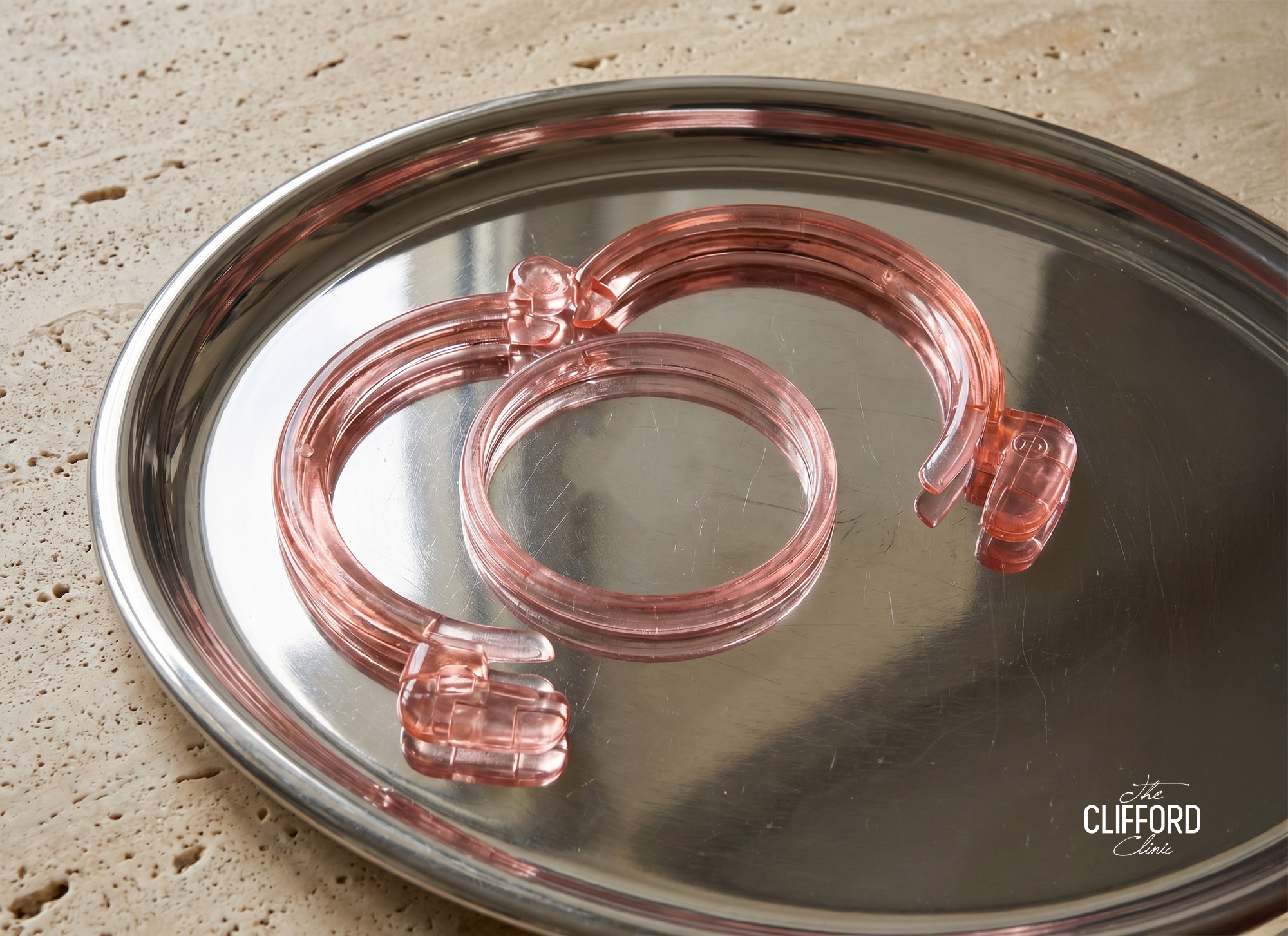
As the name implies, the Shang Ring device is, in fact, a ring. The device consists of two coaxial rings (one larger and one smaller) that fit into each other and lock in place.
When the device is in use, it clamps around the foreskin and acts as both a guide for the surgeon doing the cutting, as well as a “clip” that hold the wound close to allow for healing.
Size isn’t an issue
To ensure a perfect fit, on the day of the procedure, our doctor(s) will measure your penile circumference to determine the appropriate ring size for you.
Will this hurt?
Local anaesthesia will be applied to the procedure area before the circumcision to ensure you have a comfortable experience. Pain management medication will also be given to you after the procedure.
Yes, you get to take this innovative device home
Once the procedure is over, the Shang Ring will be left on the penis for around 7 to 10 days to aid with the recovery process. Once the 7 to 10 days are up, you may return to the clinic and our doctor(s) will assist you with unlocking and removing both rings.
It typically takes around four weeks to recover from a Shang Ring circumcision.
Want to find out more?
If you would like to read more about this procedure, we have a service page on Shang Ring Circumcision that you can visit. Or alternatively, swing by our clinic and surgical centre for a consultation session with one of our doctors.
Medical review box
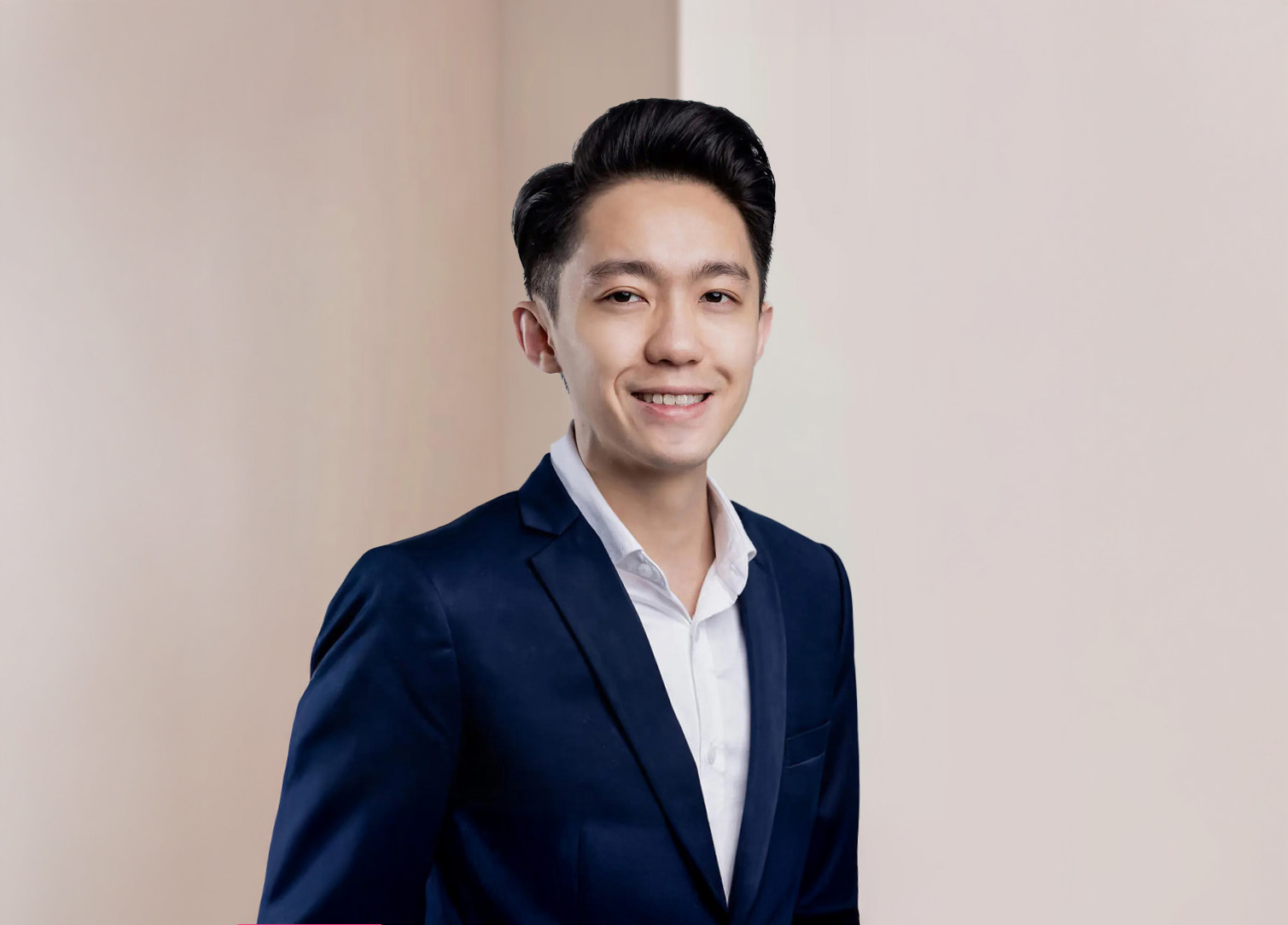
This article is written by Dr Law Zhi Wei of The Clifford Surgery. Dr Law is a Singapore-trained doctor with more than five years of surgical posting experience. He graduated from the National University of Singapore with an MBBS and holds Membership of the Royal College of Surgeons of Edinburgh, a Graduate Diploma in Family Medicine, and a Postgraduate Diploma in Practical Dermatology from Cardiff University. He trained in the Urology Department at Singapore General Hospital, where he performed hundreds of circumcisions, and completed rotations in urology, general surgery, and paediatric surgery at KK Women’s and Children’s Hospital, Sengkang General Hospital, and Changi General Hospital. He has personally performed more than 500 circumcisions across the conventional, laser-assisted, Shang Ring, and ZSR Stapler techniques, and he handles the consultation, the procedure, and the aftercare for each patient, supported by the dedicated Urology Department led by Dr Nathaniel Heah. Dr Law is also a published urology researcher, with peer-reviewed work in journals including the Journal of Urology, BJU International, the Asian Journal of Urology, and European Urology Supplements. The Clifford Surgery operates a sterile surgical theatre as a Ministry of Health-accredited Day Surgery Centre. It is a CPF and MediSave accredited, CDA-approved medical institution. We assist with hospital insurance claims where there is a medical indication. This content is general information and not a substitute for a personal consultation. Last updated June 2026.
Dr Law Zhi Wei profile, https://cliffordclinic.com/dr-law-zhi-wei/
Dr Nathaniel Heah profile, https://cliffordclinic.com/dr-nathaniel-heah/
Clinical research and publications, https://cliffordclinic.com/clinical-research/
The Clifford Surgery offers both sutureless methods. The Shang Ring places a ring that is dealt with as healing progresses, and the ZSR stapler cuts and seals in one action with staples that shed on their own. Which suits you is decided at consultation. Read more on our Shang Ring circumcision and ZSR stapler circumcision pages, or start with the complete Circumcision Singapore guide.

Author Bio
Dr Gerard Ee

Dr Gerard Ee is the Medical Director of The Clifford Clinic in Singapore. He earned his medical degree from St George's University of London and built his surgical experience across the Singapore General Hospital, National University Hospital, and Mount Sinai Hospital in New York. He holds Membership of the Royal College of Surgeons (Edinburgh) and a Postgraduate Diploma in Dermatology (Cardiff), and is fully accredited in aesthetic procedures including botulinum toxin, fillers, lasers, and light therapies. A strong advocate of minimally invasive, natural-looking results, Dr Ee has published in several medical and scientific journals and presented his research in cities including Taipei, Las Vegas, and London.
See all posts by Dr Gerard Ee »