

HBOT for Fatigue, Sleep and Brain Fog: Evidence vs Hype
Medically reviewed by The Clifford Clinic clinical team
Reviewer: Dr Gerard Ee
Practising at The Clifford Clinic, Raffles Place, Singapore
Last reviewed: June 2026
How we review: Articles in this hyperbaric oxygen library are written for The Clifford Clinic and reviewed by medical professionals. Reviewers check medical accuracy and ensure claims align with current MOH, UHMS and peer-reviewed guidance.
Hyperbaric Oxygen Therapy (HBOT) for fatigue, sleep and brain fog is one of the most searched HBOT topics in Singapore. This is likely due to it being the most aggressively marketed use of HBOT.
While HBOT is backed by clinical research and patient testimonials, the loud marketing can disorientate patients. This guide this aims to give an honest read of what the medical evidence actually says and separate the claims that have meaningful support from the ones that do not. Additionally, this guide will also explain why deep sleep is consistently the most reported benefit of HBOT, and take a look at where research is still developing. For a broader background of HBOT, please see our complete guide to hyperbaric oxygen therapy and our evidence grading guide.
HBOT for Fatigue
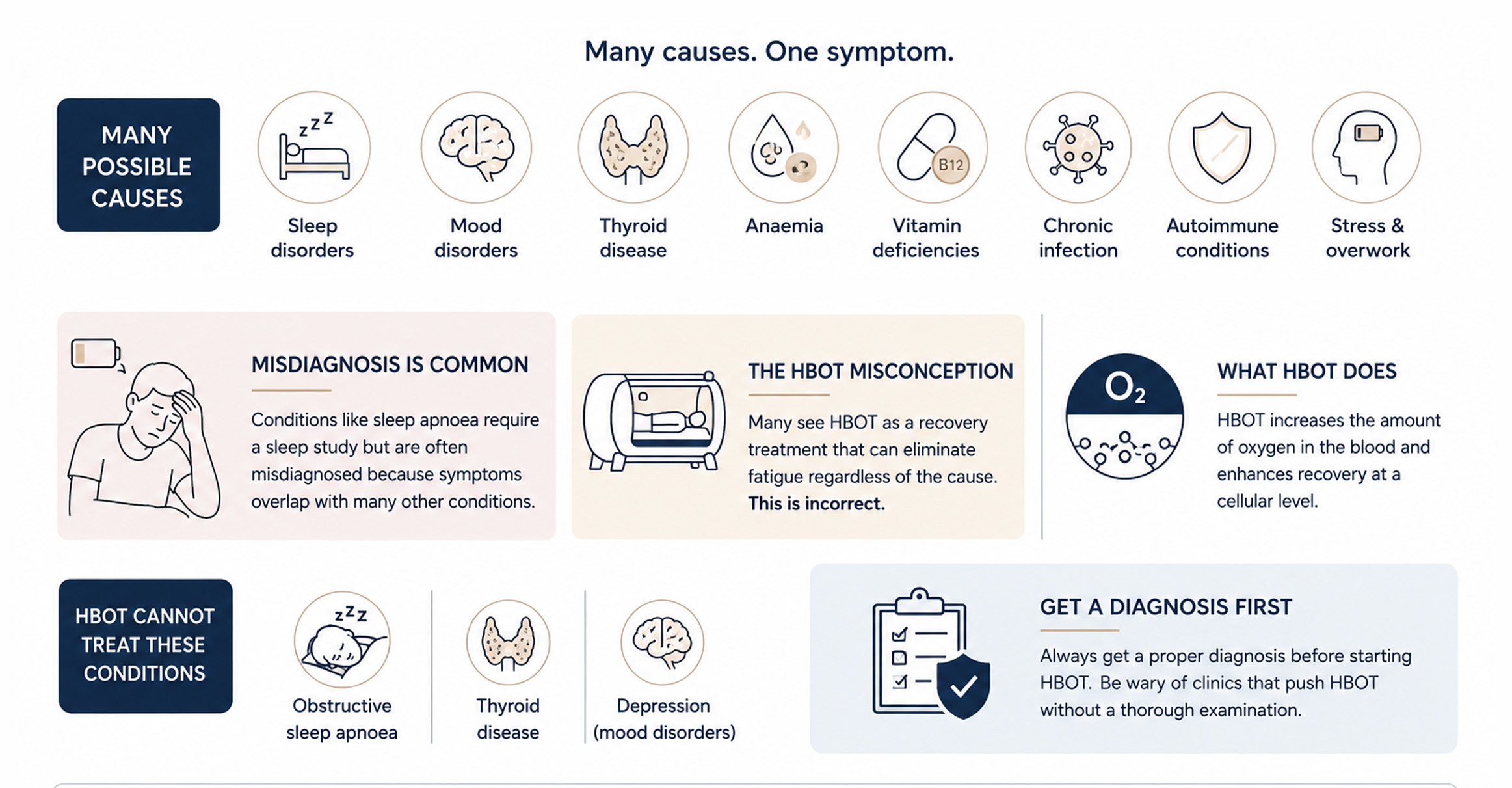
Persistent fatigue is one of the most frustrating problems plaguing Singaporeans. It has many possible causes ranging from sleep disorders, mood disorders, thyroid disease, anaemia, vitamin deficiencies, chronic infection, autoimmune conditions, undertreated post-viral states, to the cumulative effect of stress and overwork. Patients often find themselves bounced between specialists without a satisfying diagnosis as it is hard to pinpoint the root cause of the exhaustion. For example, disorders like sleep apnoea that requires a sleep study to identify is frequently misdiagnosed because its symptoms overlap with many other conditions. HBOT is thus very appealing to such patients as they perceive it as a recovery treatment that can eliminate fatigue regardless of its cause. This perception is actually incorrect and patients should not skip getting a proper diagnosis.
HBOT enhances recovery and boosts energy at a cellular level by increasing the amount of oxygen in the blood. However, conditions like obstructive sleep apnoea, thyroid disease, and depression cannot be treated by saturating tissue with oxygen. Patients should thus always get a diagnosis before starting a course of HBOT and be wary of establishments or clinics that immediately push them towards HBOT without performing a proper examination first.
Improved Quality of Sleep
Improved deep sleep is the most common benefit of hyperbaric oxygen therapy cited by patients. Improved deep sleep is often reported early in a course of HBOT and across very different patient groups such as athletes, post-surgical patients, longevity focused patients and patients suffering from persistent fatigue.
While the exact mechanism is not yet fully known and formal sleep-quality centric research for HBOT is still developing, current medical literature shows that HBOT possibly improves sleep architecture by modulating inflammation, supporting cellular energy production, and rebalancing the autonomic nervous system.
What Research Reveals About HBOT For Brain Fog
Brain fog is not a medical diagnosis, it is a term used to describe symptoms like slowed thinking, reduced concentration, forgetfulness, or mental sluggishness. Brain fog can have many underlying causes ranging from hormonal changes, nutritional deficiencies, post-viral syndromes, insufficient or inconsistent sleep, stress, Traumatic Brain Injury (TBI), or neuroinflammation.
HBOT is considered an emerging treatment for cognitive symptoms. Current research includes studies in post-stroke recovery, mild traumatic brain injury, post-concussion syndrome, post-traumatic stress and COVID related post-viral states. Research is most promising in post-concussion patients, mild traumatic brain injury patients, and certain post-COVID groups.
The current consensus is that HBOT is thought to improve brain fog if it is caused by fatigue, TBI, Long-COVID Syndrome, or neuroinflammation. HBOT allows for brain tissue to be deeply saturated with oxygen, improving cerebral blood flow, reducing neuroinflammation, and improving neuroplasticity. This promotes improved mitochondrial energy production which reduces fatigue, promotes the repair of damage caused by TBI or concussions, and neurocognitive functions of patients suffering from Long-COVID Syndrome.
However, as mentioned, research in this field is still emerging. Patients with a defined neurological or post-viral syndrome diagnosis should have a careful conversation with their doctor about what the current medical evidence shows and if it is relevant for their situation. Patients without a defined diagnosis for their brain fog should also be cautious as HBOT cannot treat certain causes of brain fog.
Long COVID and Post-Viral Fatigue

Post-viral syndromes like long COVID has driven substantial recent interest in HBOT for treating persistent fatigue and cognitive symptoms.
While the current data are not yet on par with the evidence backing established indicated uses of HBOT, early studies suggest that HBOT may improve certain symptoms of long COVID like fatigue and brain fog.
It is important to note that this is an active area of research with promising signals, not a proven treatment. The populations studied have been small, and the long-term effects of HBOT for treating long COVID have not been characterized yet. Patients with long COVID symptoms who consider HBOT should do so with realistic expectations and ideally in coordination with their primary care doctor.
Misleading Marketing
HBOT is occasionally marketed as a treatment that promises an immediate energy boost after just a single session. This is misleading, sets up false expectations, and undermines the genuine benefits of HBOT that do appear over time.
While the benefits of HBOT are real, they take a course of sessions to emerge, not a single visit. Aggressive marketing often inflates or exaggerates the benefits of HBOT, leading to patients who buy into that framing being disappointed or feeling underwhelmed by the results. Patients who go in with measured expectations thus tend to be the ones who report meaningful improvements.
Below is a summary table of some of the common claims that you may see being marketed, and the level of evidence backing the claims.
HBOT Fatigue and Sleep Claims: Evidence Tiers
| Claim | Evidence Tier | Our Comment |
|---|---|---|
| Improves Deep Sleep | Emerging | Most consistent patient-reported observation.
Research is emerging, but supported by clinical pattern. |
| Relieves Fatigue in Long COVID Patients | Emerging | Early supportive studies done, but this claim has not yet been established. |
| Improves Cognitive Symptoms After Mild TBI or Concussion | Emerging | This is an active research area. Improvement has been seen in selected patient groups. |
| HBOT Gives an Instant Energy Boost | No Clinical Evidence | This claim is not supported. Benefits of HBOT emerge over a course of sessions, not immediately. |
| Treats All Types of Fatigue | Contradicts Current Emerging Research | HBOT cannot treat all underlying causes of fatigue. The cause needs diagnosis first before deciding if HBOT is a good match for the patient. |
When to See a Doctor
If you suffer from persistent fatigue, poor sleep and brain fog, you should seek a professional diagnosis instead of jumping to HBOT. Without knowing the underlying cause of the symptoms experienced, it I not possible to determine if HBOT is a good match for your situation. Conditions like obstructive sleep apnoea, anaemia, hypothyroidism, depression, undiagnosed diabetes and chronic infections all produce symptoms that HBOT is marketed to treat, but are actually untreatable by HBOT.
A responsible HBOT clinic should ask you for your diagnosis or perform an inhouse examination on you before letting you start a course of HBOT to avoid allowing you to waste time on a treatment that is unable to address your actual issue.
MediSave and MediShield Life note
Fatigue, sleep and brain fog without a defined MOH-recognised neurological indication are not MediSave or MediShield Life claimable. Sessions for these goals are paid out of pocket. This reflects MOH’s evidence-based scheme design, not the value an individual patient may experience.
The Clifford Clinic Perspective
The Clifford Clinic’s clinical team believes in transparency and adhering to the evidence backed indications or uses of any treatment as the team feels that where the gap between marketing and evidence is widest, it is where patients are most likely to be disappointed.
The team will not make unsubstantiated claims. For example, the team is comfortable telling patients that improved deep sleep is a realistic expectation to have when doing a course of HBOT as it is backed by emerging studies and patient reports. That being said, Clifford’s team is also mindful not to oversell what HBOT can do to alleviate overall fatigue or improve productivity as managing patient’s expectations and being honest with them is a top priority.
While it may garner more attention to market HBOT as a treatment that provides instant alertness or energy after just a single treatment, the team believes in transparency over trend-based marketing. The team is open that HBOT does not provide instant energy and is not a substitute for diagnosing the actual cause of fatigue.
To aid in ensuring the right treatment is matched to each patient, The Clifford Clinic offers comprehensive health screening as a separate service. Patients with persistent fatigue often benefit more from a proper diagnostic workup, sleep assessment or thyroid panel than from a course of HBOT.
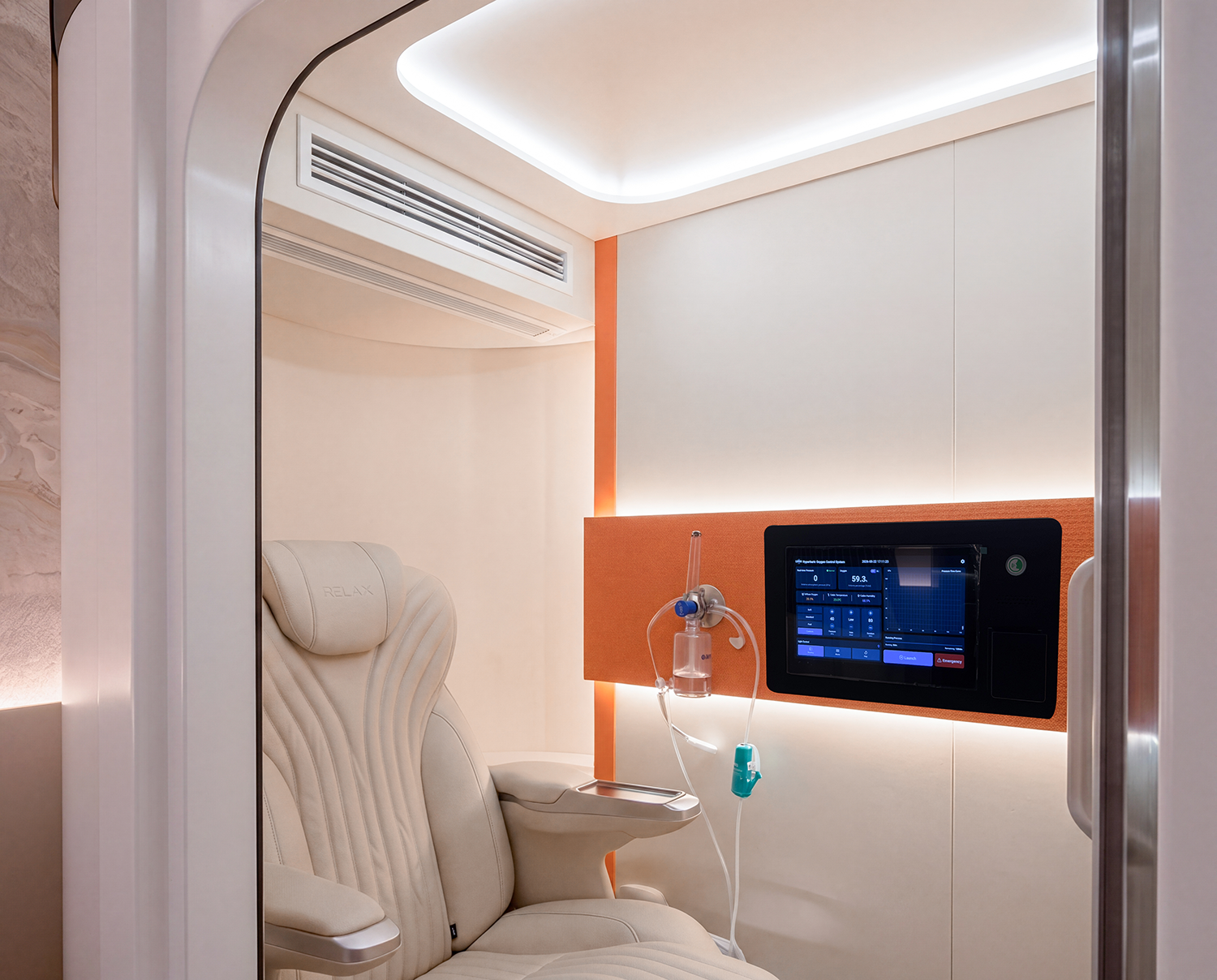
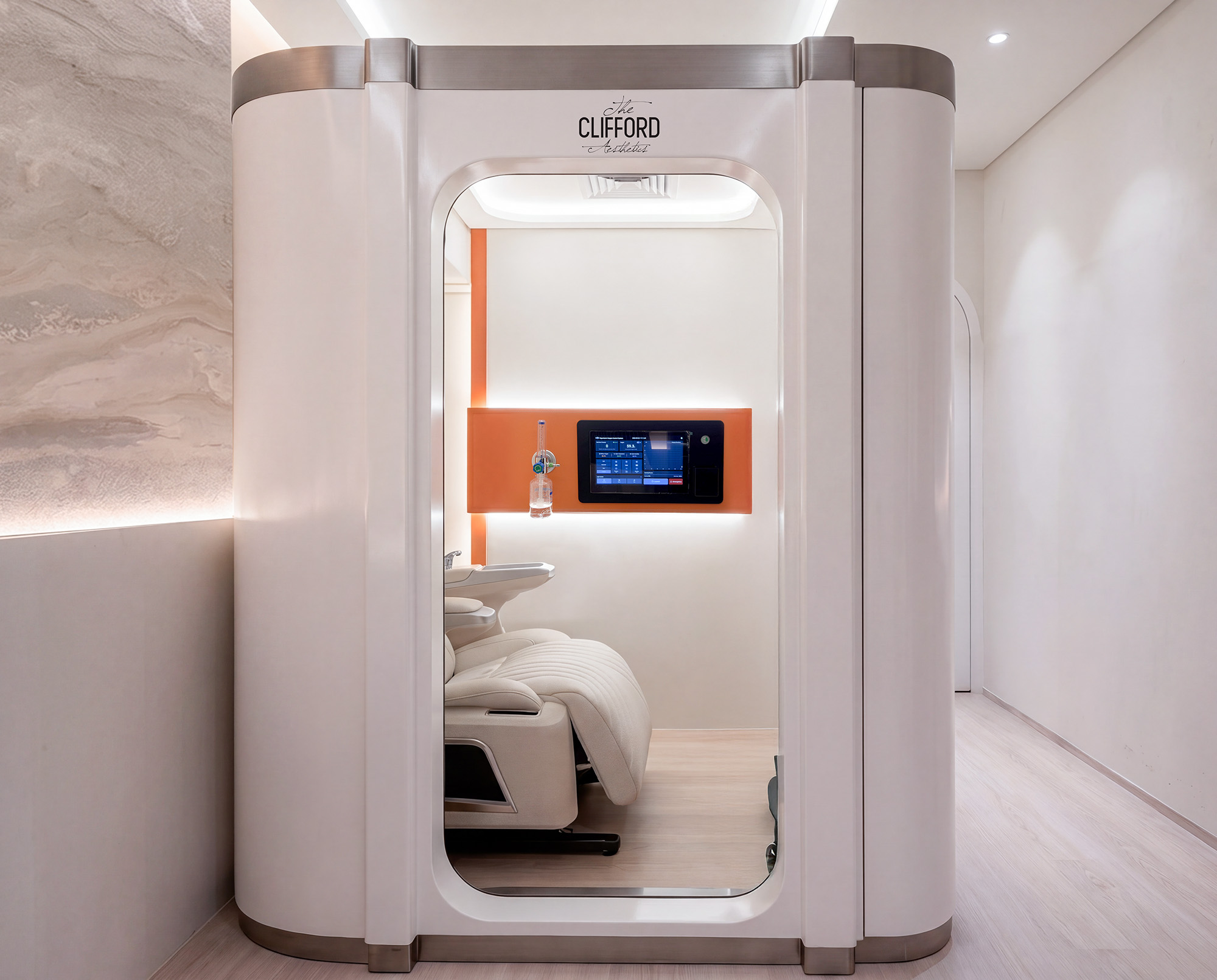
HBOT at The Clifford Clinic is delivered through a hard-shell chamber at a therapeutic pressure of 2.0 ATA, and all screening are led by a doctor. The clinical team’s guiding principle is always to be honest about evidence and careful with managing patients’ expectations.
Frequently Asked Questions
Will HBOT cure my fatigue?
Fatigue has many causes, not all can be treated by HBOT and most need their own specific type of treatment. HBOT is not a generic energy fix, a proper diagnosis should always be obtained before attempting any treatment.
Why do patients report better sleep after HBOT?
Improved deep sleep is the most consistent observation in HBOT. The mechanism is not fully understood, but current studies points to HBOT improving sleep architecture by modulating inflammation, supporting cellular energy production, and rebalancing the autonomic nervous system.
How long will it be before I notice better sleep?
Benefits are reported often early in a course, and sometimes within the first few sessions. Effects accumulate over a completed course.
Can HBOT treat brain fog after COVID?
Research is promising in selected long COVID populations. However, as it is not yet an established treatment, HBOT should be considered with realistic expectations.
Should I see a doctor first if I feel tired all the time?
Yes. A proper medical workup should come before trying HBOT. Sleep apnoea, thyroid disease, anaemia, depression and other causes cannot be treated with HBOT.
Is HBOT a substitute for sleep?
No. HBOT does not replace consistent and sufficient sleep, sensible sleep scheduling, or treating sleep disorders.
Will MediSave or MediShield Life cover this?
No. Fatigue, sleep and brain fog without a recognised neurological indication are not MOH-claimable.
Will I feel better after one session?
Benefits of HBOT emerge consistently appear over a course of sessions, not a single visit.
Key Research References
- Boussi-Gross R et al. Hyperbaric oxygen therapy in fibromyalgia and post-concussion syndrome — multiple studies.
- Hadanny A, Efrati S. Hyperbaric oxygen therapy: research developments in cognition and ageing.
- Tezgin D et al. The effect of hyperbaric oxygen on mitochondrial and glycolytic energy metabolism. Cell Stress and Chaperones.
- Kjellberg A et al. Hyperbaric oxygen therapy for long COVID: early case series.
- Kirby JP et al. Essentials of Hyperbaric Oxygen Therapy: 2019 Review. Missouri Medicine.
- Mayo Clinic. Hyperbaric oxygen therapy: overview and indications.
To discuss whether HBOT or a different investigation is the right next step for your fatigue, sleep or cognitive concerns, book a consultation at The Clifford Clinic.

Author Bio
Dr Gerard Ee

Dr Gerard Ee is the Medical Director of The Clifford Clinic in Singapore. He earned his medical degree from St George's University of London and built his surgical experience across the Singapore General Hospital, National University Hospital, and Mount Sinai Hospital in New York. He holds Membership of the Royal College of Surgeons (Edinburgh) and a Postgraduate Diploma in Dermatology (Cardiff), and is fully accredited in aesthetic procedures including botulinum toxin, fillers, lasers, and light therapies. A strong advocate of minimally invasive, natural-looking results, Dr Ee has published in several medical and scientific journals and presented his research in cities including Taipei, Las Vegas, and London.
See all posts by Dr Gerard Ee »