
Hair Loss Treatment in Singapore, Causes, Diagnosis, Options and Costs
Written by Dr Bernard Ong. Medically reviewed by Dr Gerard Ee
Hair loss treatment in Singapore depends on the cause of hair loss, the pattern of thinning, scalp health, medical history and whether the hair follicles are still active. Common treatment options include topical minoxidil, doctor prescribed medication, low level laser and light based therapy, regenerative treatments such as exosomes and polydeoxyribonucleotide, and treatment of underlying deficiencies or medical conditions. The right option for you starts with an accurate diagnosis rather than a treatment package.
The Clifford Clinic, an MOH licensed medical clinic at Raffles Place, has 16 years of experience treating hair loss in both men and women, with a clinical focus on non surgical, combination treatment, and is also a hair transplant centre. This guide explains how hair loss is diagnosed, every major treatment option available in Singapore, what each typically costs, and how to choose a hair loss clinic you can trust.
What type of hair loss do you have
Before comparing treatments, identify the pattern of your hair loss, because the pattern is often the biggest clue to the cause, and the cause determines which treatment can actually work.
Hair Loss Symptoms, Possible Causes and Next Steps
| Symptom | Possible Cause | Best Next Step |
|---|---|---|
| Receding Hairline | Male pattern hair loss | Doctor assessment, since earlier treatment preserves more hair |
| Widening Central Parting | Female pattern hair loss | Scalp check and possible blood tests |
| Sudden Diffuse Shedding | Telogen effluvium from stress, illness, crash diet or postpartum change | Identify and address the trigger, with medical review if prolonged |
| Round Patchy Bald Spots | Alopecia areata, fungal infection or inflammatory scalp disease | See a doctor promptly |
| Itchy, Flaky or Painful Scalp | Seborrhoeic dermatitis, psoriasis or scalp infection | Scalp diagnosis before any regrowth treatment |
| Shedding After Pregnancy | Postpartum shedding, sometimes iron or thyroid issues | Medical review if severe or lasting beyond twelve months |
| Thinning at Temples with Tight Hairstyles | Traction alopecia | Change styling habits, with medical review if no regrowth |
If you are unsure which category you fall into, a hair and scalp assessment with a doctor is the fastest way to find out, and our clinic is one minute from Raffles Place MRT.
Understanding the hair growth cycle
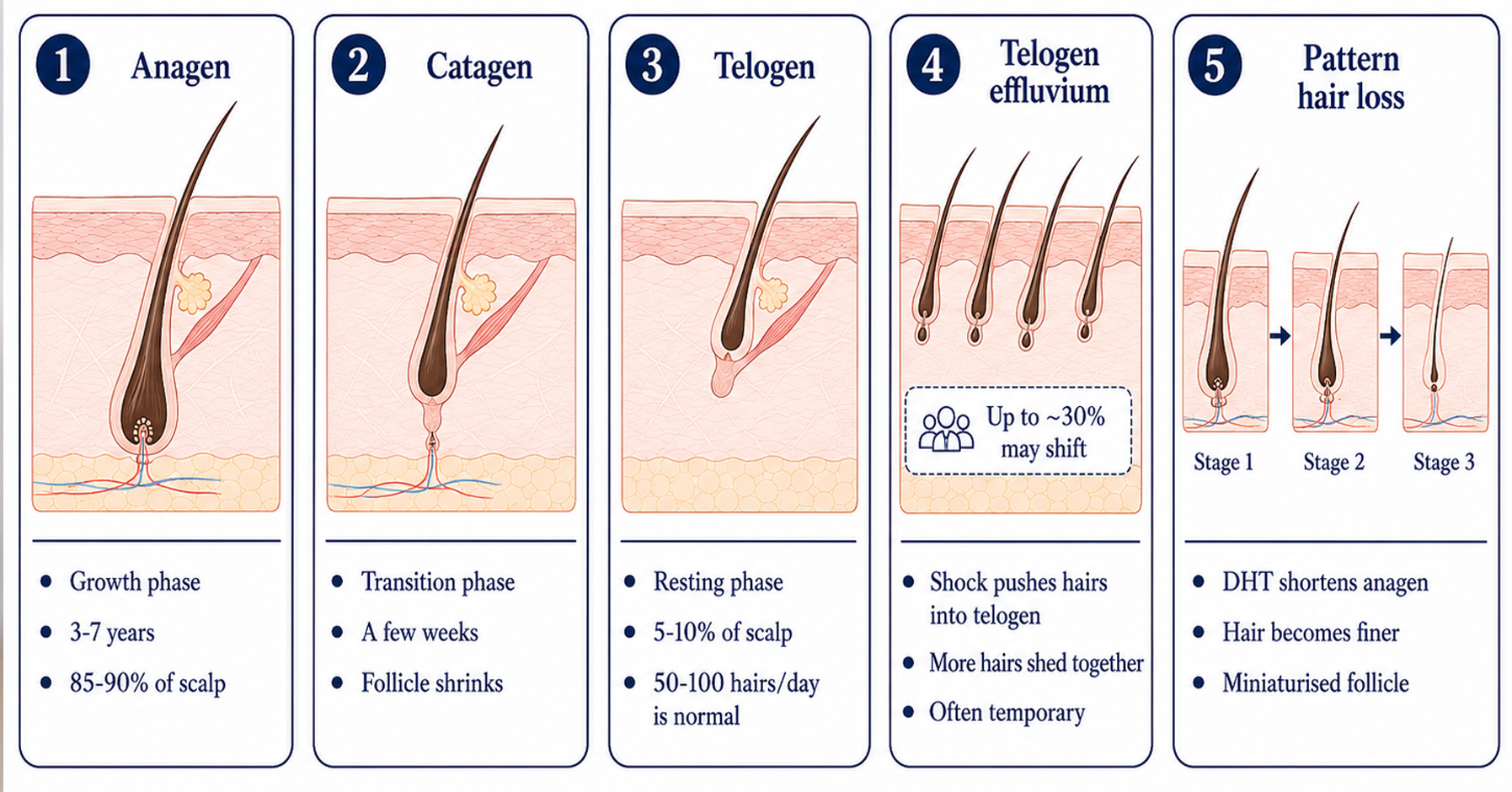
Every treatment decision makes more sense once you understand how hair grows. Each follicle cycles through three phases. The anagen or growth phase lasts three to seven years, and at any time around 85 to 90 percent of a healthy scalp is in anagen. The catagen or transitional phase is a short transition of a few weeks in which the follicle shrinks. The telogen or resting phase is when growth stops and the old hair detaches and eventually sheds, and in a healthy scalp about 5 to 10 percent of hairs are in telogen at once, which is why shedding 50 to 100 hairs a day is normal.
Hair loss happens when this cycle is disrupted, and the type of disruption defines the condition. In telogen effluvium a shock pushes a large proportion of follicles, up to around 30 percent, into telogen prematurely, so they shed together a few months later. In androgenetic or pattern hair loss, dihydrotestosterone progressively shortens the anagen phase in genetically sensitive follicles, and each cycle produces a finer, shorter hair until the follicle miniaturises and stops producing visible hair. This is why treatments take months rather than weeks, and why early treatment matters, because a miniaturised follicle can often be revived while a follicle dormant for years may be beyond rescue.
Common causes of hair loss in Singapore
Hair loss is a symptom rather than a diagnosis. Androgenetic alopecia, or pattern hair loss, is the most common cause in both men and women, driven by genetics and the effect of androgens on sensitive follicles. Telogen effluvium is sudden diffuse shedding that typically starts two to three months after a trigger such as illness, surgery, stress, rapid weight loss or childbirth, and it is usually self limiting. Postpartum hair loss is a common form of telogen effluvium after childbirth. Alopecia areata is an autoimmune condition causing round bald patches that needs prompt assessment. Traction alopecia results from prolonged tension on the hair, and scalp conditions such as seborrhoeic dermatitis and fungal infection must be treated before regrowth treatments can work. Nutritional deficiencies such as low iron, vitamin D or protein, and medical conditions such as thyroid disease and polycystic ovary syndrome, contribute more often than many people expect, and because several causes can coexist, treating only one factor often disappoints.
How hair loss is diagnosed
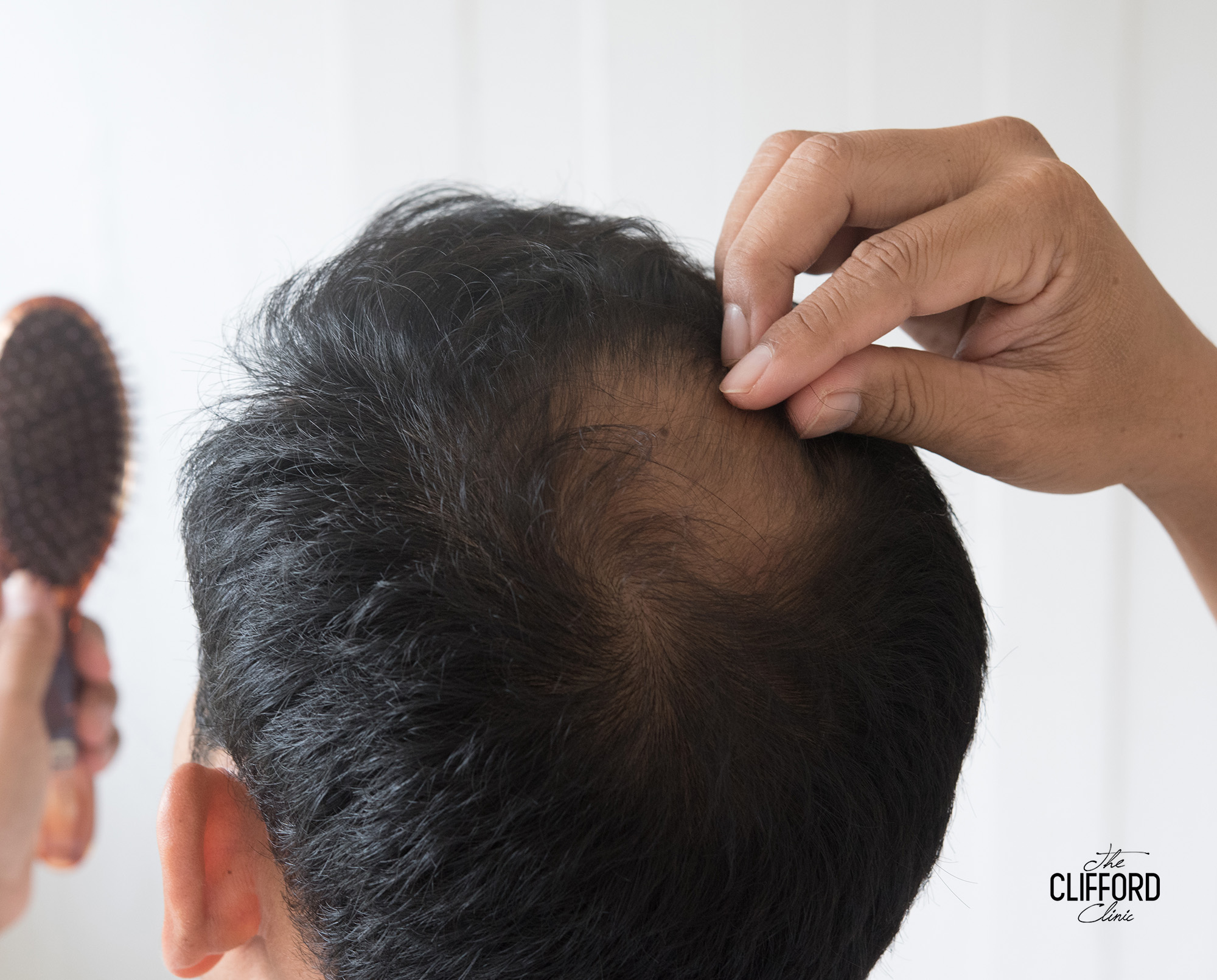
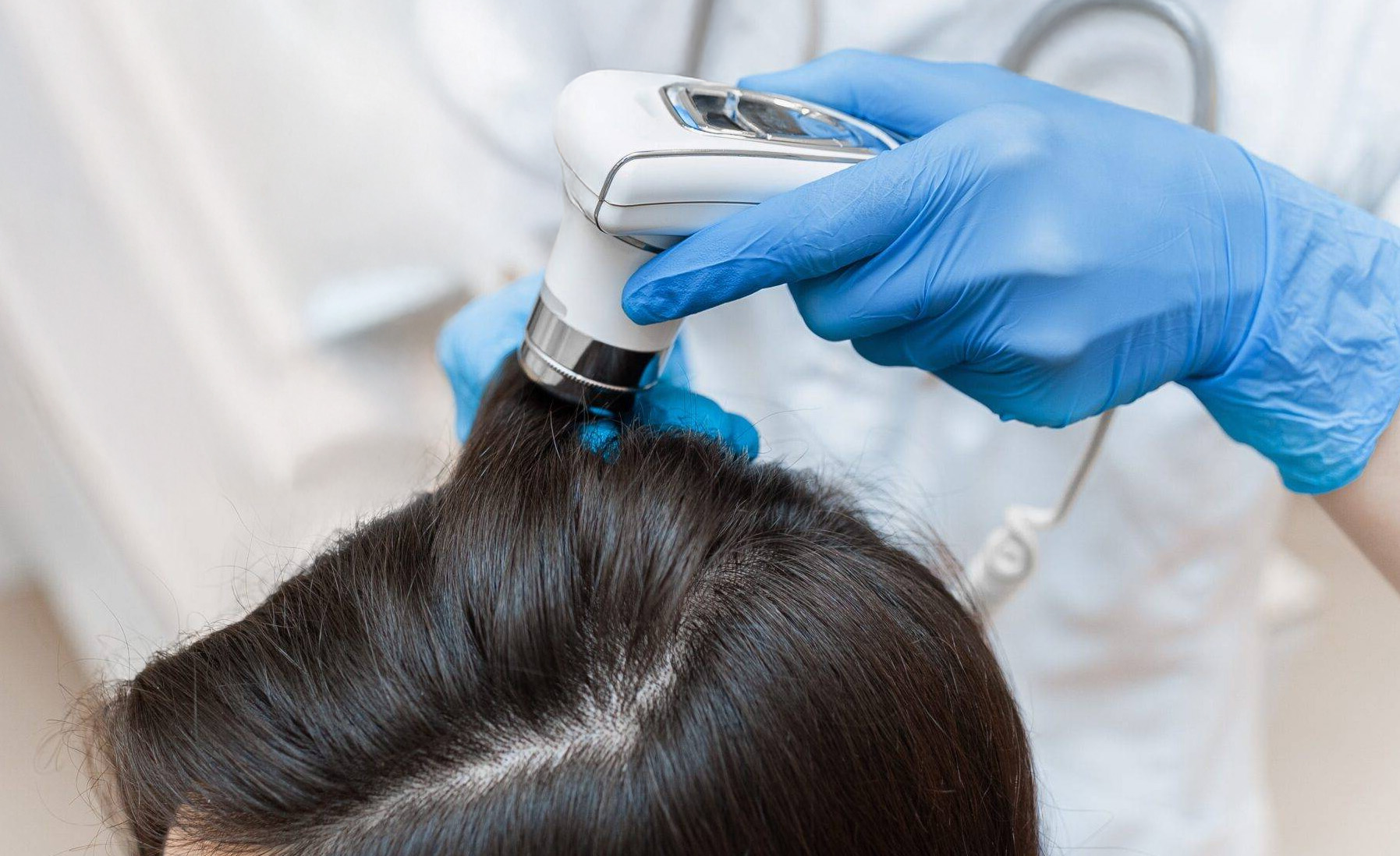
A proper hair loss diagnosis in Singapore should be done by a doctor and typically includes a medical history, family history, pattern assessment using the Norwood scale for men and the Ludwig scale for women, a pull test, a scalp examination, trichoscopy which is scalp microscopy, and blood tests where indicated. Blood tests may cover a full blood count, ferritin, thyroid function, vitamin D and hormonal screens. The Clifford Clinic also offers TrichoTest DNA analysis, a genetic test that helps predict response to different medications. A scalp biopsy is reserved for unclear or suspected scarring cases. Not every patient needs every test. Our hair loss diagnosis guide explains each step in detail.
Hair loss treatment options in Singapore
The table below compares the main options. Some of the medicines named are prescription or pharmacy medicines and some uses are off label, so they must be prescribed and monitored by a doctor.
Hair Loss Treatment Options Compared
| Treatment | Best For | Invasiveness | Time to Results | Maintenance | Notes |
|---|---|---|---|---|---|
| Topical Minoxidil | Pattern hair loss, selected shedding | Non-invasive | 3 to 6 months | Usually yes | First line, initial shedding common |
| Finasteride or Dutasteride for Men | Androgenetic alopecia | Non-invasive, oral | 3 to 6 months | Usually yes | Lowers DHT, strongest long-term data |
| Clascoterone, Topical Anti-Androgen | Androgenetic alopecia | Non-invasive | 3 to 6 months | Usually yes | Newer, low systemic effect, investigational |
| 1550 nm Erbium Glass Laser Fraxel 1550 |
Mild to moderate thinning | Non-invasive | 3 to 6 months | Often yes | Strong evidence, improves shaft diameter |
| 1927 nm Thulium Laser Fraxel 1927 |
Mild to moderate thinning | Non-invasive | 3 to 6 months | Often yes | Improves shaft diameter, often combined |
| Bellasonic LDM | Penetrates NMN, NAD plus, exosomes and AnteAGE into follicles | Non-invasive | Months | Often yes | Painless, no downtime |
| PDRN and Polynucleotides | Early to moderate thinning | Minimally invasive | Months | Periodic | Injectable, often paired with PRP |
| Exosomes and AnteAGE | Selected thinning cases | Minimally invasive | Months | Depends | Promising evidence, not yet standardised |
| NMN and NAD Plus | Adjunct support | Non-invasive | Months | Ongoing | Emerging evidence, supportive role |
| Correcting Deficiencies | Confirmed iron or vitamin D deficiency | Non-invasive | Varies | Depends | Only helps when a deficiency exists |
Medication, the evidence backed foundation
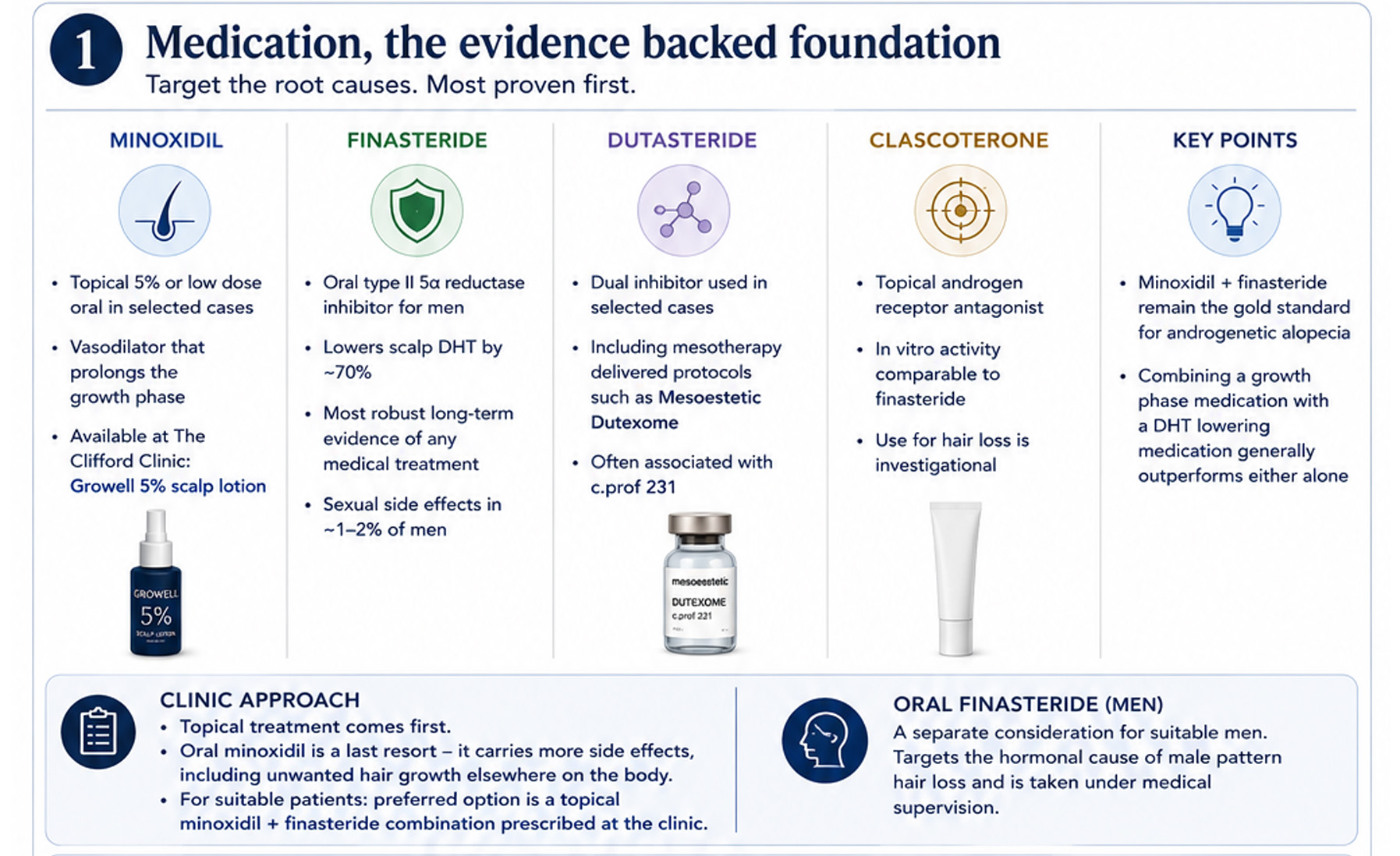
Minoxidil, applied topically at 5 percent or taken orally at low dose in selected cases, is the most widely used first line treatment, and it acts as a vasodilator that prolongs the growth phase. At The Clifford Clinic it is available as Growell 5 percent scalp lotion. Finasteride, an oral type two 5 alpha reductase inhibitor for men, lowers scalp DHT by around 70 percent and has the most robust long term evidence of any medical treatment, with sexual side effects in roughly 1 to 2 percent of men. Dutasteride is a dual inhibitor used in selected cases, including mesotherapy delivered protocols such as Mesoestetic Dutexome, often associated with c.prof 231. Clascoterone is a topical androgen receptor antagonist with in vitro activity comparable to finasteride, and its use for hair loss is investigational. Minoxidil and finasteride remain the gold standard treatments for androgenetic alopecia, and combining a growth phase medication with a DHT lowering medication generally outperforms either alone. See our medication guide and minoxidil guide. Topical treatment comes first at the clinic, and oral minoxidil is a last resort because oral minoxidil carries more side effects, including unwanted hair growth elsewhere on the body. For suitable patients the preferred option is a topical minoxidil and finasteride combination prescribed at the clinic. Oral finasteride is a separate consideration for suitable men, as it targets the hormonal cause of male pattern hair loss and is taken under medical supervision.
Laser and energy based therapy
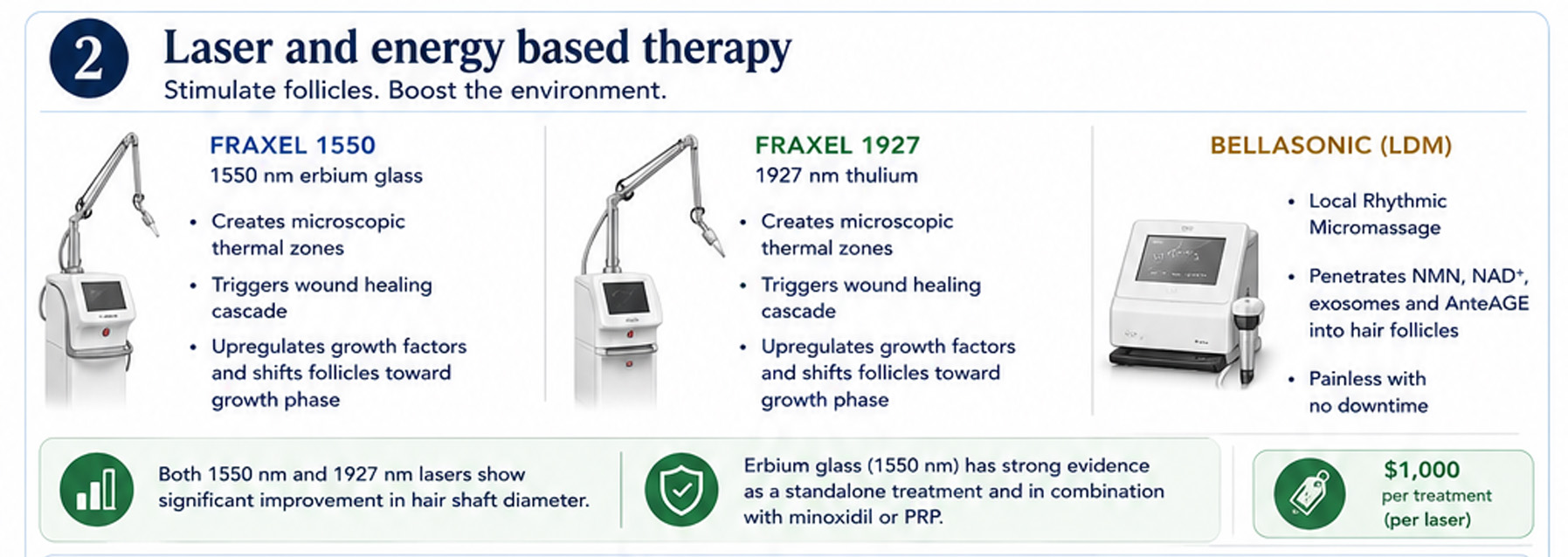
The Clifford Clinic offers two fractional lasers for hair, the 1550 nm erbium glass Fraxel 1550 and the 1927 nm thulium Fraxel 1927, both at $1,000 per treatment. Both create microscopic thermal zones that trigger a wound healing cascade, upregulating growth factors and shifting follicles toward the growth phase. Studies of both wavelengths show significant improvement in hair shaft diameter, and the erbium glass laser has strong evidence as both a standalone treatment and in combination with minoxidil or platelet rich plasma. Bellasonic is an LDM, or local rhythmic micromassage, device that penetrates NMN, NAD plus, exosomes and AnteAGE into the hair follicles, and it is painless with no downtime. See our laser guide.
Regenerative treatments
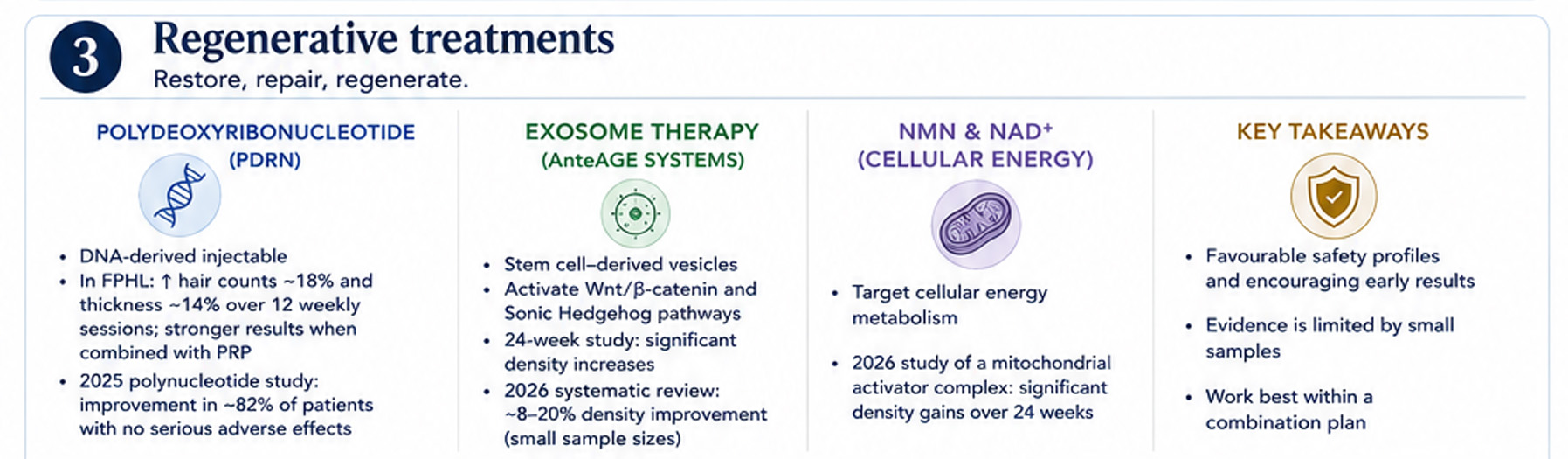
Polydeoxyribonucleotide is a DNA derived injectable that in female pattern hair loss improved hair counts by about 18 percent and thickness by about 14 percent over twelve weekly sessions, with stronger results when combined with platelet rich plasma. A 2025 polynucleotide study reported improvement in about 82 percent of patients with no serious adverse effects. Exosome therapy, including AnteAGE growth factor systems, delivers stem cell derived vesicles that activate the Wnt and beta catenin and Sonic Hedgehog pathways, and a 24 week study reported significant density increases while a 2026 systematic review estimated density improvements of roughly 8 to 20 percent, noting small sample sizes. NMN and NAD plus target cellular energy metabolism, and a 2026 study of a mitochondrial activator complex reported significant density gains over 24 weeks. These regenerative options have favourable safety profiles and encouraging early results, but the evidence is limited by small samples, so they work best within a combination plan. Compare them in our regenerative treatment guide and PRP guide.
The Clifford Clinic approach to non surgical hair loss
Our clinical focus is combination, non surgical treatment. For most men with male pattern hair loss and for women with female pattern hair loss, the clinic’s typical protocol pairs the erbium glass or thulium laser and Bellasonic with regenerative actives, which include exosomes, AnteAGE growth factors, NMN and NAD plus, usually every four to six weeks, alongside a tailored oral and topical medication plan, because oral and topical medication combined with in clinic treatments outperforms any single treatment alone. In the clinic’s experience many patients on this protocol see strong improvement after around six sessions, although outcomes vary between individuals and are never guaranteed.
In our clinical practice
A patient usually begins with a consultation and trichoscopy to establish the cause and stage of hair loss. If the non surgical protocol is suitable, the Fraxel laser is delivered every four to six weeks and Bellasonic every two to three weeks, which over a full course works out to roughly four to six Fraxel sessions and eight to twelve Bellasonic sessions, alongside a medication plan. Progress is reviewed with standardised photographs and trichoscopy at around the sixth session. In the clinic’s experience, the great majority of patients who complete the protocol see a good improvement.
Two examples from the clinic illustrate the approach. A man in his mid thirties with Norwood 3 thinning at the crown and hairline, who did not want a hair transplant, was treated with the Fraxel 1927 laser and Bellasonic together with NMN, NAD plus, exosomes and AnteAGE at about four week intervals, and achieved an excellent result in this instance after six sessions. A woman in her mid forties with Ludwig 2 thinning linked to a period of stress was treated with the same combination at about six week intervals, and achieved an excellent result in this instance after eight sessions. These are individual cases and results vary between patients.
Hair loss treatment cost in Singapore
Costs vary with the cause, the treatment plan and how advanced the hair loss is. Consultation and diagnosis, including targeted blood tests, usually cost under $500. Topical minoxidil runs around $70 to $80 per bottle, prescription oral medication is a modest monthly cost, the Fraxel 1550 and Fraxel 1927 lasers are $1,000 per treatment, and Bellasonic Hair is $300 to $400 per treatment. For a full breakdown, see our hair loss treatment cost guide. For an accurate quote a consultation is required, and you should be cautious of any provider quoting a package price before examining your scalp.
Female hair loss treatment in Singapore

Around half of all women experience noticeable hair loss at some point, and female hair loss deserves its own approach because the causes, tests and safe medication options differ from men. Common contributors include female pattern hair loss, postpartum shedding, menopause, polycystic ovary syndrome, thyroid disease, iron deficiency, vitamin D deficiency and traction alopecia. Several hair loss medications are not suitable during pregnancy or breastfeeding, so women who are pregnant, planning pregnancy or breastfeeding need specifically tailored advice. Read the full guide on female hair loss treatment in Singapore and the symptom focused hair thinning in women guide.
Male hair loss treatment in Singapore
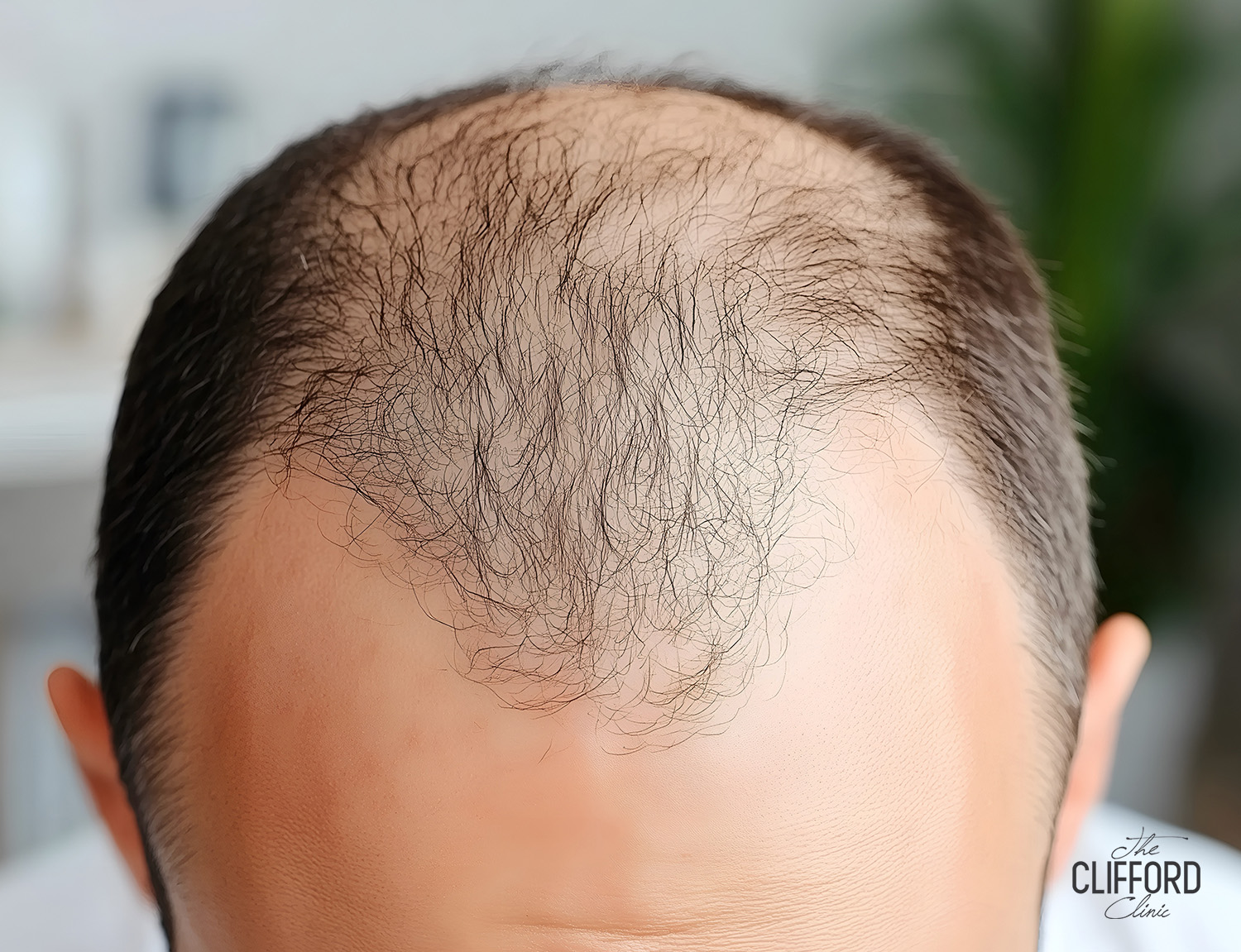
A majority of men experience some hair loss over a lifetime, and male pattern hair loss typically follows the Norwood pattern of receding temples and crown thinning. The key principles are to start early, because every treatment works better while follicles are alive, to build on a medication foundation, and to layer laser and regenerative options. See our guides on male pattern hair loss treatment and receding hairline treatment.
Doctor, dermatologist, trichologist or scalp centre
Only a medically qualified doctor or dermatologist can diagnose the cause of hair loss, order blood tests, prescribe medication and recognise conditions that need urgent treatment. A trichologist or scalp centre may help with scalp care but cannot order blood tests, prescribe medication or diagnose medical causes, and scalp treatments cannot fix genetic, hormonal or autoimmune hair loss. Do not buy a treatment package before you know the cause of your hair loss. A diagnosis costs far less than a year of the wrong treatment. In the clinic’s view, scalp centres are non-medical. While they may stimulate blood flow to the scalp, they are not considered an effective treatment for hair loss and are not recommended. Scalp care can help scalp comfort and hygiene, but it cannot address the genetic, hormonal, autoimmune or nutritional causes that drive most hair loss.
Our guide on who you should see explains the differences.
When to see a doctor promptly
See a doctor promptly if you notice sudden severe shedding, patchy or circular bald spots, scalp pain, redness, scaling or infection, loss of eyebrows or eyelashes, hair loss during pregnancy or breastfeeding, hair loss in someone under 18 or new loss over 65, or hair loss accompanied by fatigue, weight change or other symptoms. These signs can indicate underlying conditions that need treatment first.
How to choose a hair loss clinic in Singapore
Before committing to any provider, confirm that the provider is a medically qualified doctor at an MOH licensed clinic, that a diagnosis is made before treatment is recommended, that blood tests and trichoscopy are offered when appropriate, that treatment limits are explained honestly, that pricing is transparent, that side effects and alternatives are discussed, that you can decline packages without pressure, and that structured follow up is included to track progress objectively.
Explore hair loss treatment topics in Singapore
By patient type, see female hair loss treatment and male pattern hair loss treatment. By treatment, see non surgical treatment, the minoxidil guide, the medication guide, the laser guide, the regenerative guide and the PRP guide. By decision, see the cost guide, the diagnosis guide, the blood test guide, the guide to who you should see and the honest look at hair loss shampoos. By symptom, see receding hairline, hair thinning in women, stress related shedding, postpartum hair loss and patchy hair loss.
Frequently asked questions
What are the three common non surgical hair loss treatments.
Three common treatments are medication, fractional laser therapy and regenerative treatments such as exosomes, and the most suitable option depends on the cause of hair loss.
What is the most effective hair loss treatment.
For androgenetic alopecia, medication has the strongest long term evidence, and it is most effective combined with fractional laser and regenerative treatments, while for telogen effluvium treating the trigger matters most, so the most effective treatment is the one matched to your diagnosis.
Can thinning hair grow back.
Often yes if the follicles are still alive, because miniaturised follicles can regain thickness and telogen effluvium usually recovers, while areas bald for years are less likely to regrow.
How much does hair loss treatment cost in Singapore.
Topical minoxidil starts from around $70 to $80 per bottle, prescription medication is a monthly cost, the Fraxel 1550 and Fraxel 1927 lasers are $1,000 per treatment, and Bellasonic Hair is $300 to $400 per treatment.
Should I see a dermatologist or a hair clinic.
Either is appropriate provided a doctor makes the diagnosis, and a doctor led hair clinic offers diagnosis plus the full range of treatments under one roof.
How long before I see results.
Most medical treatments need three to six months before visible improvement, with full results at twelve months, so anyone promising visible regrowth in weeks is describing something other than biology.
When should I see a doctor urgently.
Sudden severe shedding, patchy bald spots, scalp pain or scarring, loss of eyebrows or eyelashes, or hair loss with other health symptoms all warrant prompt assessment.
References
Adil A, Godwin M. The effectiveness of treatments for androgenetic alopecia, a systematic review and meta analysis. Journal of the American Academy of Dermatology. 2017. PMID 28396101.
Almohanna HM, Ahmed AA, Tsatalis JP, Tosti A. The role of vitamins and minerals in hair loss, a review. Dermatology and Therapy. 2019. PMID 30547302.
Cho SB, Goo BL, Zheng Z, et al. Therapeutic efficacy and safety of a 1927 nm fractionated thulium laser on pattern hair loss. Lasers in Medical Science. 2018. PMID 29340854.
Dhillon S. Clascoterone, first approval. Drugs. 2020. PMID 33030710.
Gentile P, Garcovich S. Advances in regenerative stem cell therapy in androgenic alopecia and hair loss. Cells. 2019. PMID 31357509.
Ho CH, Sood T, Zito PM. Androgenetic alopecia. StatPearls. 2023. PMID 28613674.
Jedlowski PM, Anthony M. Use of fractionated laser therapy for the treatment of androgenetic alopecia, a systematic review and meta analysis. Lasers in Medical Science. 2023. PMID 38087122.
Kanti V, Messenger A, Dobos G, et al. Evidence based S3 guideline for the treatment of androgenetic alopecia. Journal of the European Academy of Dermatology and Venereology. 2018. PMID 29635493.
Kaufman KD. Androgens and alopecia. Molecular and Cellular Endocrinology. 2002. PMID 12573816.
Lee E, Choi MS, Cho BS, et al. The efficacy of adipose stem cell derived exosomes in hair regeneration. International Journal of Dermatology. 2024. PMID 39155501.
Lee IG, Lim HJ, Kwon EJ, et al. Hair growth enhancement via mitochondrial activation by mito activator complex. International Journal of Cosmetic Science. 2026. PMID 41657103.
Lee SH, Zheng Z, Kang JS, et al. Therapeutic efficacy of autologous platelet rich plasma and polydeoxyribonucleotide on female pattern hair loss. Wound Repair and Regeneration. 2015. PMID 25524027.
Liao AH, Lin KH, Chuang HC, et al. Low frequency dual frequency ultrasound mediated microbubble cavitation for transdermal minoxidil delivery. Scientific Reports. 2020. PMID 32152413.
Malih S, Yang P, Jalise SZ, Sheykhhasan M. Exosome driven treatments for hair regrowth in androgenetic alopecia, a systematic review. Molecular Biology Reports. 2026. PMID 42377704.
Malkud S. Telogen effluvium, a review. Journal of Clinical and Diagnostic Research. 2015. PMID 26558178.
Mella JM, Perret MC, Manzotti M, et al. Efficacy and safety of finasteride therapy for androgenetic alopecia, a systematic review. Archives of Dermatology. 2010. PMID 20956636.
Mubki T, Rudnicka L, Olszewska M, Shapiro J. Evaluation and diagnosis of the hair loss patient. Journal of the American Academy of Dermatology. 2014. PMID 25128118.
Pratt CH, King LE, Messenger AG, et al. Alopecia areata. Nature Reviews Disease Primers. 2017. PMID 28300084.
Rosette C, Rosette N, Mazzetti A, Moro L, Gerloni M. Cortexolone 17 alpha propionate is an androgen receptor antagonist in dermal papilla cells in vitro. Journal of Drugs in Dermatology. 2019. PMID 30811143.
Meephansan J, Ungpraphakorn N, Ponnikorn S, Suchonwanit P, Poovorawan Y. Efficacy of 1,550 nm erbium glass fractional laser treatment in androgenetic alopecia. Dermatologic Surgery. 2018. PMID 30096107.
Suchonwanit P, Rojhirunsakool S, Khunkhet S. A 1550 nm fractional erbium glass laser combined with topical 5 percent minoxidil versus minoxidil alone for androgenetic alopecia. Lasers in Medical Science. 2019. PMID 30982177.
Rudnicka L, Olszewska M, Rakowska A, et al. Trichoscopy update. Journal of Dermatological Case Reports. 2011. PMID 22408709.
Squadrito F, Bitto A, Irrera N, et al. Pharmacological activity and clinical use of PDRN. Frontiers in Pharmacology. 2017. PMID 28491036.
Tang X, Cao C, Liang Y, et al. Adipose derived stem cell exosomes antagonize the inhibitory effect of dihydrotestosterone on hair follicle growth by activating the Wnt and beta catenin pathway. Stem Cells International. 2022.
Thanasarnaksorn W, Limsuchaiwat N, Sirithanabadeekul P, et al. Polynucleotides as a novel therapeutic approach in androgenetic alopecia. Archives of Dermatological Research. 2025. PMID 39951159.
Trost LB, Bergfeld WF, Calogeras E. The diagnosis and treatment of iron deficiency and its potential relationship to hair loss. Journal of the American Academy of Dermatology. 2006. PMID 16600208.
van Zuuren EJ, Fedorowicz Z, Schoones J. Interventions for female pattern hair loss. Cochrane Database of Systematic Reviews. 2016. PMID 27168883.
Book a hair and scalp assessment
The first step is always a proper diagnosis. Our doctors examine your scalp, identify the cause of your hair loss, and recommend a plan matched to your condition, budget and goals, with no pressure to buy packages.
The Clifford Clinic. 50 Raffles Place, #01-01 Singapore Land Tower, Singapore 048623 (Exit B, Raffles Place MRT). Opening hours Monday to Friday 10am to 8pm, Saturday 10am to 5pm, closed on Sundays and Public Holidays. Call 6532 2400 or WhatsApp 8318 6332.
Last reviewed July 2026.
How this article was reviewed. As both author and medical reviewer, Dr Ong checked this article for medical accuracy, treatment suitability, Singapore context and compliance with HSA and MOH advertising guidelines.
Transparency. The Clifford Clinic provides the non surgical hair loss treatments described in this article. The information here is for education and does not replace an individual consultation.
Medical disclaimer. This article is for general information only and does not replace a consultation with a qualified medical practitioner. Individual results vary and no specific outcome is guaranteed. Any medication mentioned should be prescribed and monitored by a doctor.
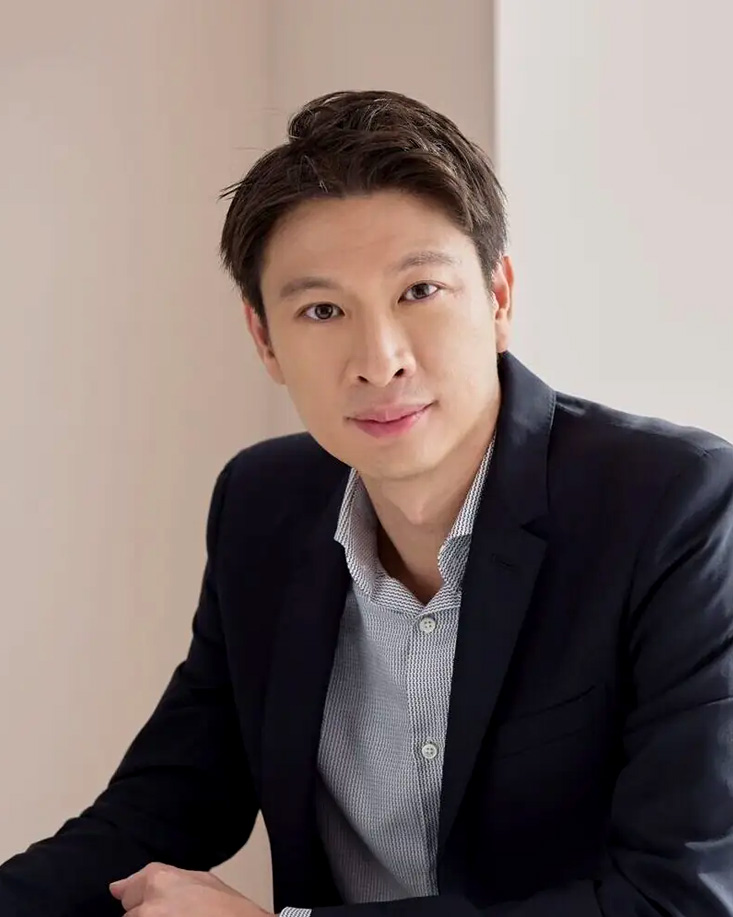
Author Bio
Dr Gerard Ee

Dr Gerard Ee is the Medical Director of The Clifford Clinic in Singapore. He earned his medical degree from St George's University of London and built his surgical experience across the Singapore General Hospital, National University Hospital, and Mount Sinai Hospital in New York. He holds Membership of the Royal College of Surgeons (Edinburgh) and a Postgraduate Diploma in Dermatology (Cardiff), and is fully accredited in aesthetic procedures including botulinum toxin, fillers, lasers, and light therapies. A strong advocate of minimally invasive, natural-looking results, Dr Ee has published in several medical and scientific journals and presented his research in cities including Taipei, Las Vegas, and London.
See all posts by Dr Gerard Ee »