
Getting Lasers for Scars? Read This Before You Book
Laser treatments have revolutionized the approach to managing acne scar in Singapore, offering hope to those seeking clearer, smoother skin. However, it’s essential to understand that lasers are not magical erasers that can make the blemishes on your skin disappear.
Understanding the nuances of this advanced technology is crucial to achieving optimal results while minimizing risks. Before opting for this treatment journey, it’s crucial to grasp several key facts to set realistic expectations and ensure optimal outcomes.
1. Laser Treatments Improve But Do Not Erase Scars
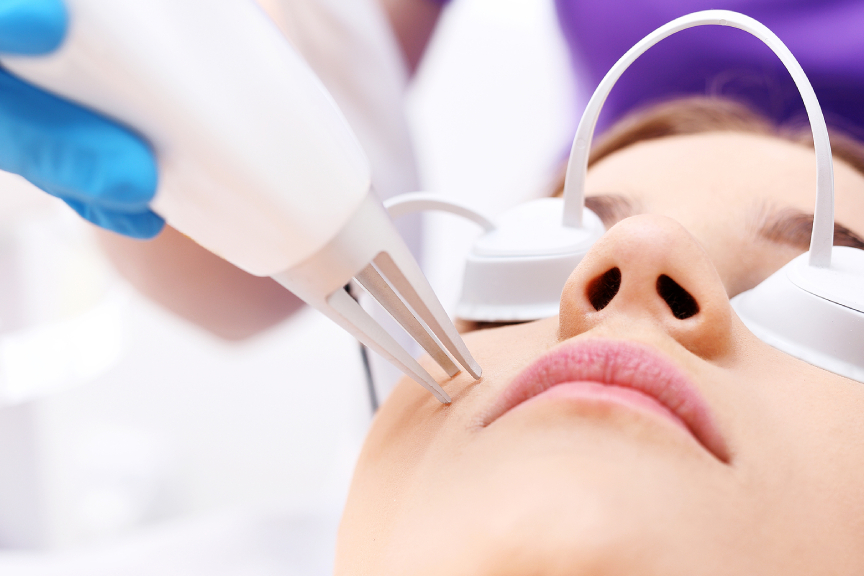
It’s essential to dispel a common myth regarding laser therapy, which is that lasers can completely eliminate scars. Rather, they work by stimulating controlled injury to the skin, prompting the body’s natural healing processes to replace damaged tissue with smoother, more uniform skin.
For instance, fractional lasers target microscopic columns of scar tissue, leaving surrounding skin intact for faster recovery. This process can significantly reduce a scar’s visibility, alleviate discomfort, and even restore mobility in cases where scars limit movement. Yet, the original scar is essentially replaced with another scar that’s subtler and blends more seamlessly with the surrounding skin.
2. The Provider’s Expertise Significantly Influences Results
The effectiveness of laser treatment hinges on the skill and knowledge of the practitioner. Board-certified dermatologists possess the necessary training to assess skin types, select appropriate laser modalities, and manage potential complications. Conversely, entrusting your skin to an inexperienced provider—or a non-medical setting—risks subpar results or complications like burns or hyperpigmentation. Therefore, choosing a reputable aesthetic clinic in Singapore with certified professionals is paramount.
3. A Thorough Medical Consultation Is Non-Negotiable
Skipping a pre-treatment consultation is a red flag. A reputable clinic will insist on a comprehensive evaluation to assess whether you’re a good candidate for laser therapy. During this session, your dermatologist will examine your scar type (e.g., icepick, boxcar, or rolling scars), skin tone, and medical history. Factors like diabetes, smoking habits, or a tendency for cold sores can influence treatment planning. Transparency about your goals—whether you seek subtle refinement or dramatic improvement—helps your provider design a realistic treatment roadmap.
4. Sun Protection Is Crucial During Pre- and Post-Treatment
Laser-treated skin becomes highly vulnerable to UV damage. Arriving for a session with a tan or sunburn not only jeopardizes results but also increases the risk of burns or permanent discoloration. Post-treatment, rigorous sun avoidance remains just as critical. Even brief sun exposure can trigger inflammation, prolong healing, or create new scars. Dermatologists recommend broad-spectrum SPF 30+ sunscreen, protective clothing, and avoiding peak sunlight for at least four weeks. This precaution is doubly important for darker skin tones, which are more prone to post-inflammatory hyperpigmentation.
5. Lifestyle Adjustments May Be Necessary Pre-Treatment
To optimize healing and outcomes, certain lifestyle modifications are recommended prior to laser therapy. Patients are advised to quit smoking for two weeks pre-treatment, as nicotine impairs blood flow and slows recovery. Similarly, blood-thinning supplements like vitamin E or aspirin should be paused to minimize bruising. Skincare routines must also adapt: retinoids and glycolic acid products, which increase skin sensitivity, should be discontinued 2–4 weeks prior. Such measures help prepare the skin for treatment and reduce the risk of complications.
6. Combination Therapies Often Yield the Best Outcomes
Laser treatment rarely operates in isolation. For deep or pitted acne scars, dermatologists frequently pair lasers with adjunct therapies. Subcision acne scars treatment in Singapore, for instance, involves releasing fibrous bands beneath the skin to lift depressed scars, enhancing the effects of subsequent laser sessions. Dermal fillers may also be used to volumize atrophic scars, while microneedling can amplify collagen production. This multimodal approach addresses scars from multiple angles, offering more comprehensive improvement than lasers alone.
7. Expect Treatment To Last Multiple Sessions
Laser therapy generally utilizes either ablative or non-ablative laser technologies. While ablative lasers (which remove outer skin layers) may deliver noticeable results in one session, non-ablative lasers (which target deeper tissue without surface damage) often require 3–6 treatments spaced weeks apart. This staggered approach allows gradual collagen remodeling, yielding natural-looking results over time. Patients should view laser therapy as a marathon, not a sprint, with cumulative improvements becoming apparent months after the final session.
8. Post-Treatment Care Dictates Long-Term Success
Proper aftercare is crucial to facilitate healing and enhance the effectiveness of laser treatments. This includes following the dermatologist’s instructions regarding skincare routines, avoiding sun exposure, and refraining from using products that may irritate the skin. Neglecting post-treatment care can lead to complications such as infections, prolonged redness, or pigmentation changes, potentially compromising the result
9. Results Unfold Gradually—Not Overnight
It’s important to set realistic expectations regarding the timeline for seeing results. While some individuals may notice improvements shortly after treatment, the full benefits often become apparent over several months as the skin heals and new collagen forms. Understanding this gradual process can help manage expectations and encourage adherence to the treatment plan.
Conclusion
Signing up for laser treatment for acne scars is a significant decision that requires careful consideration and preparation. By understanding the capabilities and limitations of laser therapy, selecting a qualified provider, and committing to recommended pre- and post-treatment protocols, individuals can maximize the potential benefits. While the journey to smoother skin may require time and patience, the improvements in skin texture and confidence can be well worth the investment.
Bid Farewell to Acne Scars at The Clifford Clinic
Acne scars can dim your self-assurance, but they don’t define you. At The Clifford Clinic, we specialize in turning your skin’s story from one of frustration to one of triumph. Our tailored treatments—from laser resurfacing to subcision—address even the most stubborn scars, blending advanced technology with artistry. Led by skilled aesthetic doctors, every plan is crafted to reveal your skin’s natural luminosity. Don’t let scars hold you back any longer. Book your consultation today and discover our tried-and-true treatments such as:
1. Secret RF
Secret RF delivers powerful skin rejuvenation by combining microneedling with fractional radiofrequency energy. This synergistic treatment penetrates deep into the skin, stimulating collagen regeneration to effectively minimize acne scars, smooth fine lines, and tighten ageing skin. With minimal downtime, it’s an ideal option for those looking to refresh their complexion without surgery.
2. PICO MLA
PICO MLA harnesses ultra-short picosecond laser pulses to treat acne scars, enlarged pores, and pigmentation concerns with remarkable precision. Paired with HEXA MLA technology, it initiates microscopic skin renewal at the dermal level while keeping the skin surface intact—minimizing downtime and enhancing safety for all skin tones.
3. INFINI
INFINI uses radiofrequency energy and microneedling to rejuvenate the skin from within, offering a powerful solution for deep acne scars and skin laxity. Its ability to deliver energy in multiple passes makes it significantly more effective than conventional laser treatments—without the extended downtime.
4. TCA CROSS
TCA CROSS is a specialized technique for treating ice-pick and boxcar acne scars. By applying concentrated trichloroacetic acid directly into each scar, this treatment encourages collagen remodeling from the inside out, helping depressed scars gradually rise to the skin’s surface over time.
Edge Fractional CO2 Laser is a tried-and-true method for smoothing uneven skin texture, fading acne scars, and softening wrinkles. By creating microthermal zones in the skin, it encourages natural regeneration, resulting in firmer, more radiant skin after just a short session.

Author Bio
Dr Gerard Ee

Dr Gerard Ee is the Medical Director of The Clifford Clinic in Singapore. He earned his medical degree from St George's University of London and built his surgical experience across the Singapore General Hospital, National University Hospital, and Mount Sinai Hospital in New York. He holds Membership of the Royal College of Surgeons (Edinburgh) and a Postgraduate Diploma in Dermatology (Cardiff), and is fully accredited in aesthetic procedures including botulinum toxin, fillers, lasers, and light therapies. A strong advocate of minimally invasive, natural-looking results, Dr Ee has published in several medical and scientific journals and presented his research in cities including Taipei, Las Vegas, and London.
See all posts by Dr Gerard Ee »