Shopping Cart
Call Us: (65) 6532 2400   WhatsApp: (65) 8318 6332

Eyebrow Transplant Singapore: FUE, Cost & Recovery

Restore sparse, uneven or scarred eyebrows with your own growing hair

Eyebrows frame the eyes and help define facial expression. When they become sparse, uneven or partially absent, pencils and brow pigmentation can improve their appearance, but they do not replace missing hair.

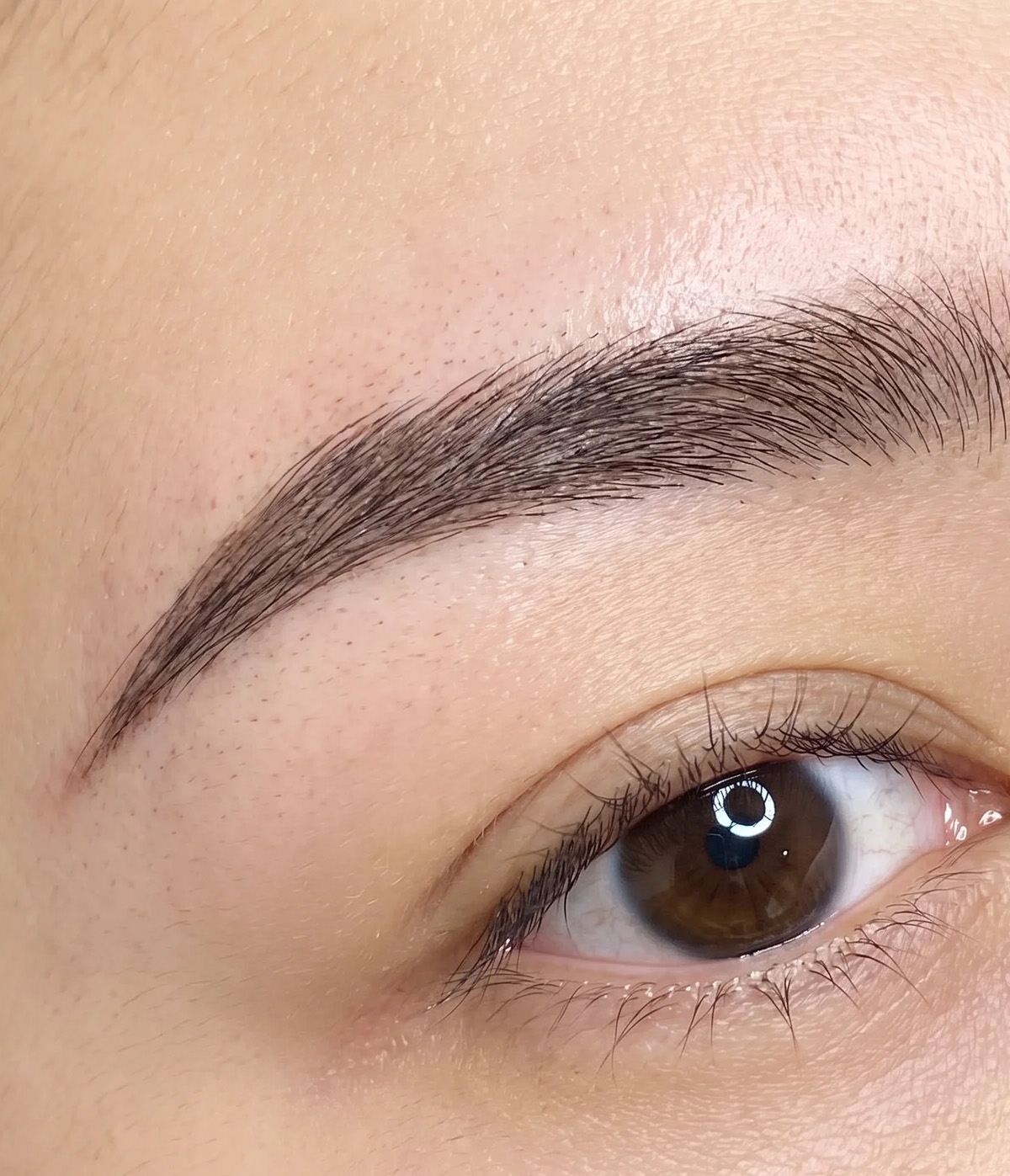
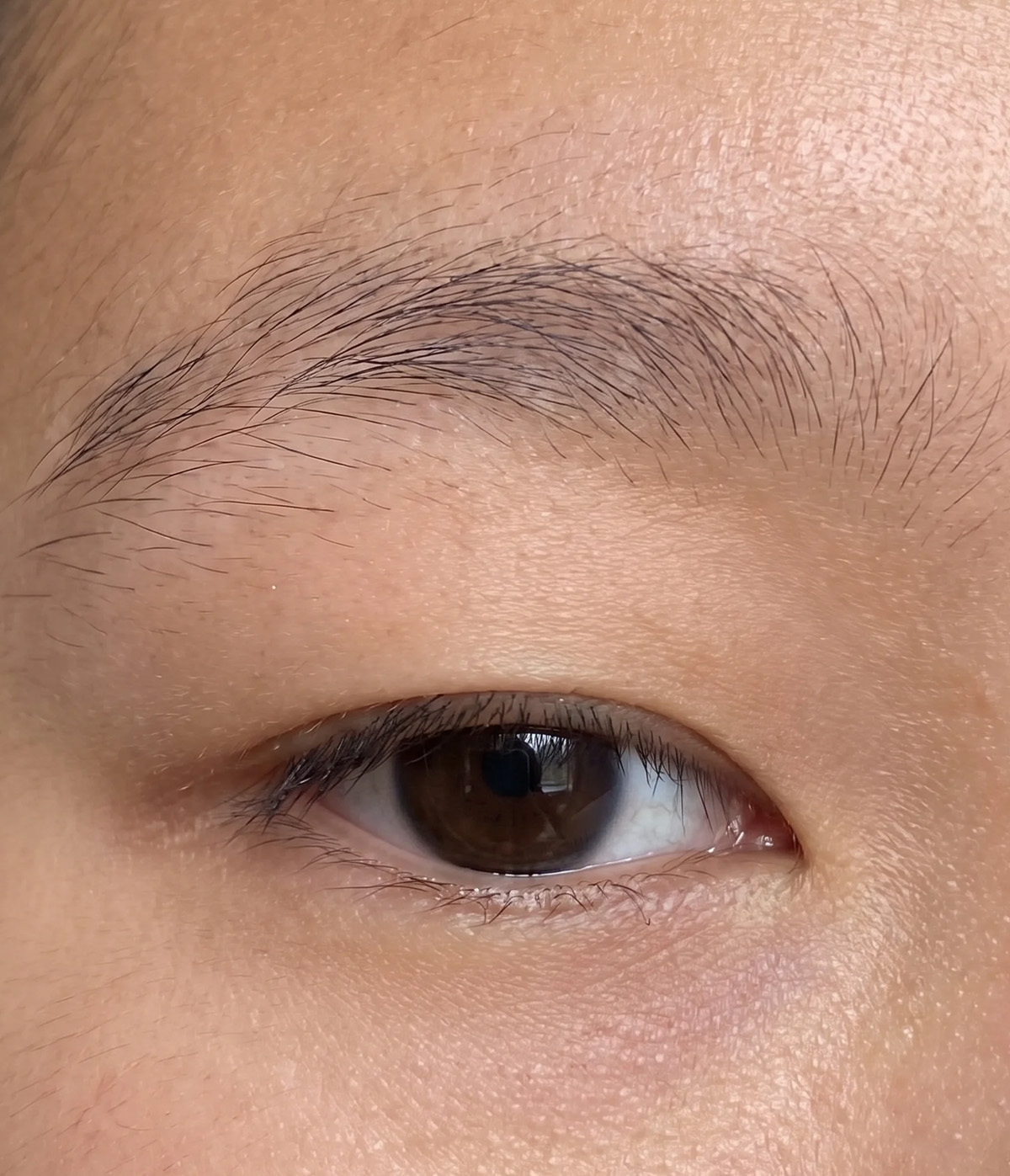
For people considering eyebrow transplant surgery in Singapore, the procedure offers a way to move healthy hair follicles from a donor area, usually the scalp, into carefully planned areas of the eyebrow. It may be used to add density, rebuild a thin tail, fill gaps, improve balance between the brows or restore hair over a suitable scar.

Unlike eyebrow embroidery or microblading, an eyebrow transplant places living follicles into the skin. The surviving follicles produce real hair, although the final result develops gradually and the transplanted hair usually requires regular trimming and grooming. Not every graft will necessarily survive, and a second session may occasionally be considered after the first result has fully matured.

Book a medical assessment at The Clifford Surgery

Eyebrow Transplant Surgery Summary

Treatment Detail Typical Information
Donor Hair Your own hair follicles, usually taken from a carefully selected area of the scalp
Technique Follicular Unit Extraction, commonly known as FUE
Graft Type Fine single-hair follicular grafts
Typical Graft Requirement Approximately 100 to 200 grafts, depending on the existing brows and intended result
Anaesthesia Local anaesthesia
Procedure Duration Around 3 to 4 hours
Visible Recovery Approximately 5 to 7 days
New Hair Growth Usually begins at around 4 months
Result Maturation Progressive improvement, with a more mature result at around 1 year
Ongoing Maintenance Transplanted hairs retain donor-hair characteristics, so regular trimming and grooming may be needed

What is an eyebrow transplant?

An eyebrow transplant is a surgical hair restoration procedure in which healthy follicles are removed from one part of the patient’s body and implanted into the eyebrows.

The donor area is usually located at the back or side of the scalp. Follicles are extracted individually using FUE, examined and prepared before being placed into small recipient sites within the brow.

Eyebrow transplantation requires more than transferring hair from one area to another. Each graft must be positioned at a shallow angle and aligned with the changing direction of natural eyebrow hair. The calibre, curve and growth pattern of the donor hair also influence the eventual appearance.

Fine single-hair grafts are generally preferred because natural eyebrow follicles usually emerge individually rather than in the larger follicular groups seen on the scalp. Donor selection, recipient-site angle, graft direction, scar quality and blood supply can all affect the outcome.

How can an eyebrow transplant help?

Eyebrow transplant surgery may help by placing hair into areas where follicles are sparse or absent. Depending on the individual anatomy and available donor hair, the procedure may be planned to:

  • Increase the visible density of naturally sparse eyebrows
  • Reconstruct an absent or shortened eyebrow tail
  • Fill gaps caused by previous over-plucking
  • Improve the balance between asymmetrical brows
  • Place hair over selected mature scars
  • Rebuild part or most of an eyebrow after injury, burns or surgery
  • Create a fuller brow where cosmetics alone do not provide enough texture
  • Reduce daily reliance on eyebrow pencils or temporary brow products

The procedure may improve the visual framing of the eyes, but it does not lift the brow, remove loose skin or change the position of the eyebrow. It also cannot guarantee perfect symmetry. Human faces are naturally asymmetrical, and the aim is usually improved balance rather than two brows that are exact mirror images.

Speak to our doctors about filling up your eyebrows

Why do eyebrows become sparse?

Some people have naturally fine or widely spaced eyebrow hair. Others notice progressive thinning or develop isolated areas of hair loss later in life.

Possible causes include:

  • Naturally sparse or short eyebrows
  • Repeated plucking, waxing or threading
  • Trauma, burns or surgical scars
  • Alopecia areata
  • Frontal fibrosing alopecia and other scarring alopecias
  • Trichotillomania or recurrent hair pulling
  • Inflammatory skin conditions
  • Thyroid disease and other medical conditions
  • Previous infection or treatment involving the eyebrow area
  • Age-related changes in hair density

Eyebrow loss is medically known as madarosis when it involves partial or complete loss of eyebrow or eyelash hair. Because eyebrow loss can have many causes, an accurate diagnosis should come before transplantation. Surgery may be inappropriate while an inflammatory, autoimmune or scarring condition is still active.

A person with recent or continuing eyebrow loss may need clinical examination, medical history review and, in selected cases, investigations or specialist assessment. Treating the underlying cause may stabilise the loss or allow some natural regrowth, reducing or changing the need for surgery.

Who may be suitable for an eyebrow transplant?

Potential candidates include people with:

Naturally sparse eyebrows

Some people have had fine, short or low-density eyebrows since adolescence. 

Permanent thinning after over-plucking

Repeated plucking can eventually damage some follicles. When natural regrowth has stopped and the pattern is stable, transplanted follicles may be used to restore selected gaps.

A short or thin eyebrow tail

The lateral tail is often one of the first areas in which thinning becomes noticeable. 

Eyebrow asymmetry

One eyebrow may naturally contain less hair or may have been affected by previous trauma, surgery or hair loss. 

Previous eyebrow tattooing or microblading

A previous brow tattoo does not automatically prevent transplantation. The skin must first be assessed for scarring, pigment placement, inflammation and the relationship between the tattooed outline and the proposed hair direction.


Who may need to postpone or avoid surgery?

Eyebrow transplantation may not be appropriate when the cause of hair loss is still active or unclear.

Further assessment or treatment may be needed for:

  • Recent, unexplained or progressive eyebrow loss
  • Active alopecia areata
  • Active eczema, dermatitis, infection or inflammation around the eyebrows
  • Insufficient or unsuitable donor hair
  • Uncontrolled health conditions that may affect surgery or healing
  • Medications or supplements that increase bleeding risk
  • Expectations that cannot reasonably be achieved with the available donor hair

In inflammatory and scarring conditions, clinical stability should be established before surgery is considered. Even after transplantation, reactivation of the underlying disease may affect native or transplanted follicles.

Eyebrow transplantation is not simply a smaller scalp transplant

An eyebrow transplant may involve fewer grafts than a scalp hair transplant, but the placement is often more technically exacting.

Scalp hair generally grows outward from the skin at a more noticeable angle. Natural eyebrow hairs lie much closer to the skin and change direction across the brow. A graft placed too upright can grow away from the face and become conspicuous.

A natural-looking eyebrow also has variations in density, calibre and direction. The central body is usually fuller, while the margins and tail require softer transitions. For this reason, graft count alone is a poor measure of quality. A larger number of poorly directed grafts will not necessarily create a better result.

Planning the eyebrow shape

A personalised design rather than a standard template

The eyebrow can be considered in three broad regions:

  1. The head, which is the inner portion closest to the nose
  2. The body, which provides most of the visible density
  3. The tail, which tapers towards the outer side of the face

Hair direction changes through these areas. Some hairs grow upwards near the inner brow, while others gradually turn outwards and lie increasingly parallel to the skin. In the central brow, hairs from the upper and lower borders can overlap to create natural-looking density.

During planning, the doctor should consider:

  • Existing eyebrow hair and its direction
  • Facial and orbital anatomy
  • The relationship between the eyes and brows
  • The position of the brow head, arch and tail
  • Natural facial asymmetry
  • Donor hair calibre, colour, curl and growth rate
  • Previous photographs showing the original eyebrow
  • Previous tattooing or microblading
  • Scar position and tissue quality
  • The amount of donor hair available
  • The patient’s preferred level of fullness

Published surgical reviews emphasise that angle, direction, donor selection and understanding of eyebrow anatomy are central to the result.

The final design should be agreed before the procedure. A fashionable brow shape may not remain suitable as preferences change, so the plan should respect the patient’s natural anatomy rather than follow a rigid template.

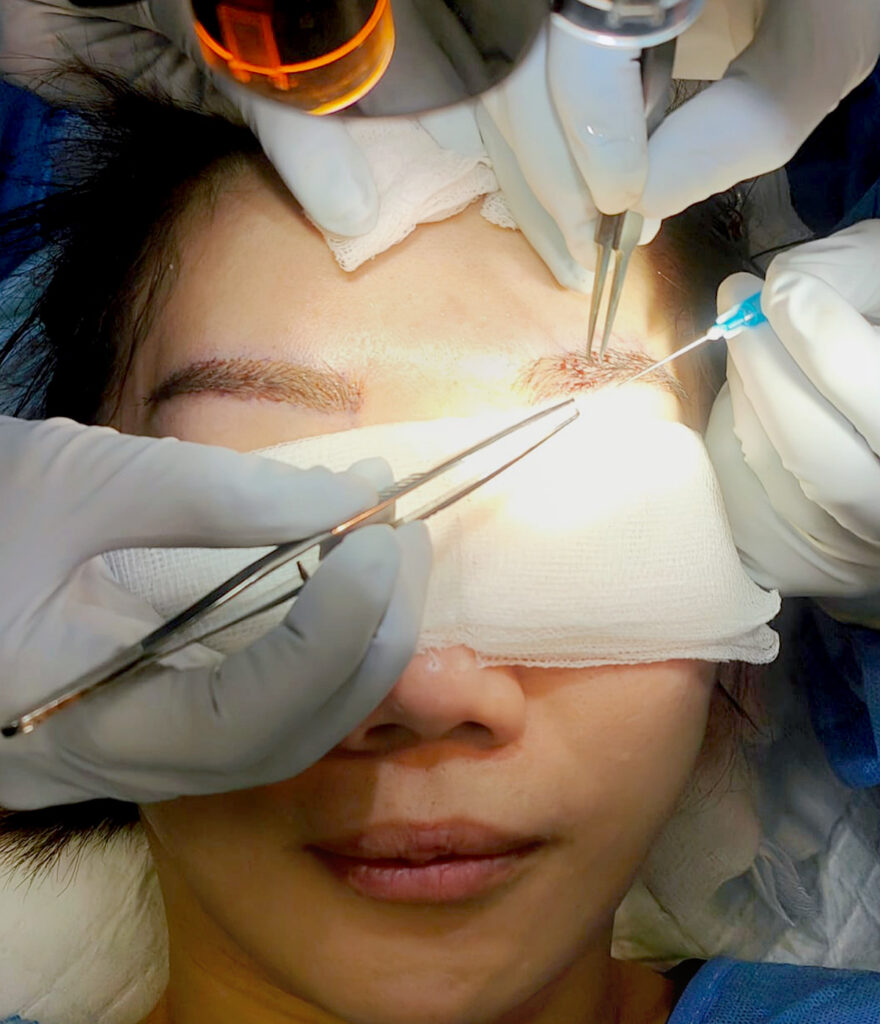
How FUE eyebrow transplant surgery is performed

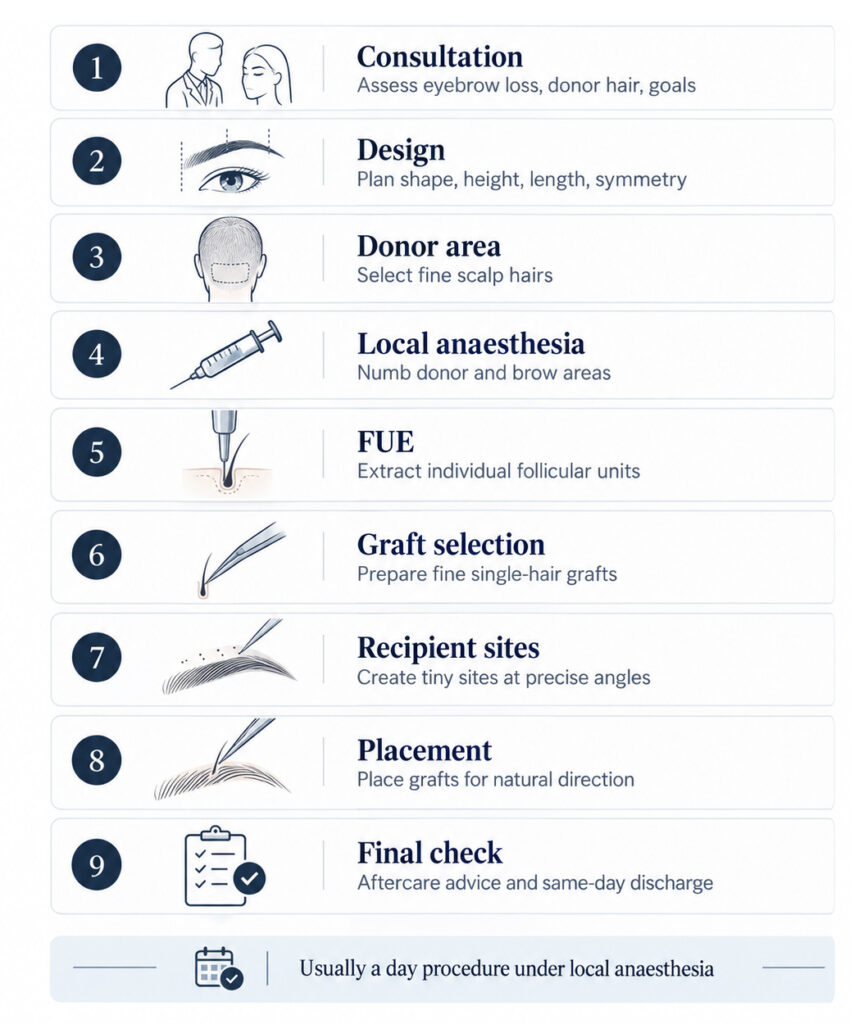
1. Medical consultation and diagnosis– The consultation begins with an assessment of the eyebrow loss, scalp donor hair, medical history and intended result.

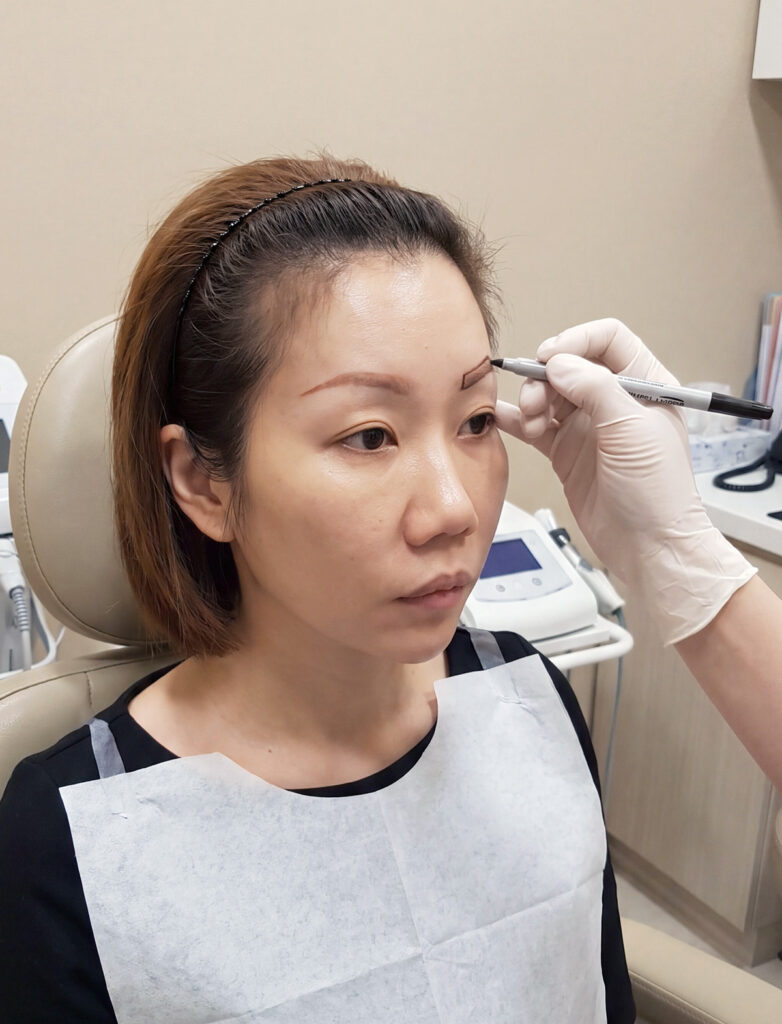
2. Eyebrow design– The proposed shape is drawn and reviewed while the patient is upright. Both eyebrows are considered together, including their height, length, density and natural asymmetry.

3. Donor-area selection – The selected donor region may be trimmed so that the curve and direction of individual hairs can be seen during extraction. The amount of trimming depends on the technique and number of grafts required.

4. Local anaesthesia- Local anaesthesia is administered to the donor and recipient areas. Once the areas are numb, patients may still notice pressure, movement or mild pulling, but sharp pain should be reported.

5. Follicular Unit Extraction– With FUE, follicular units are removed individually using a small punch. This avoids the long linear donor scar associated with removing a strip of scalp.

6. Graft inspection and selection– Extracted follicles are inspected and kept hydrated. Fine single-hair grafts are selected for placement in the eyebrow.

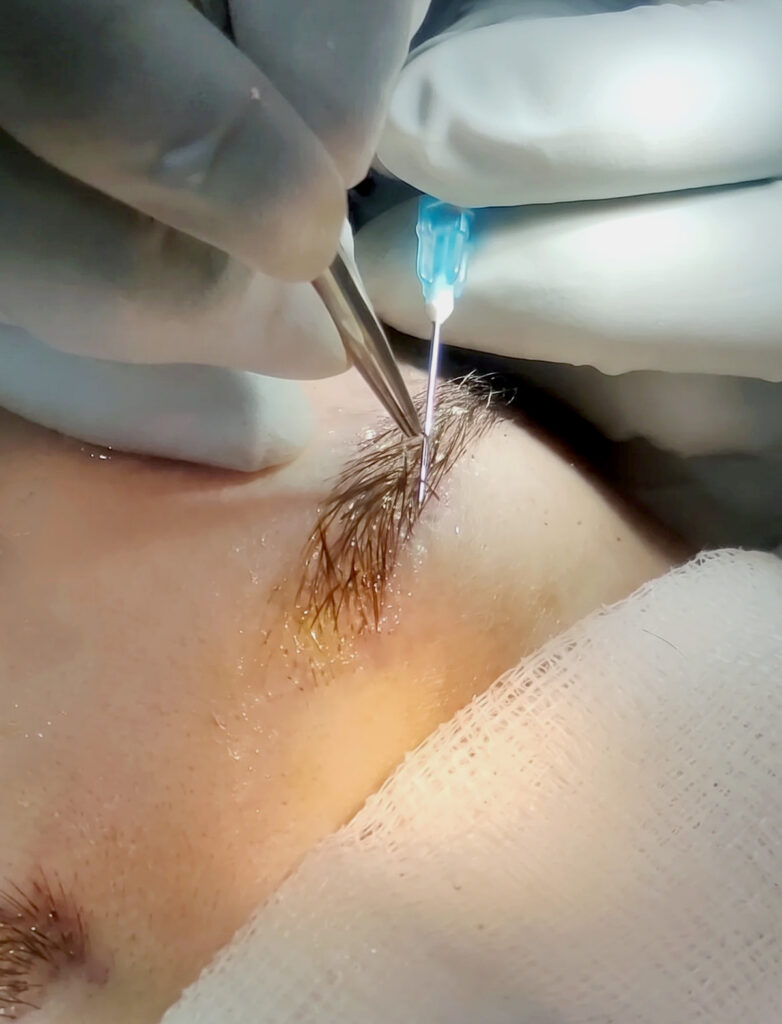
7. Creation of recipient sites– Small recipient sites are made within the planned eyebrow outline. Their angle, depth and direction determine how the transplanted hair is likely to emerge..

8. Graft placement– The prepared grafts are placed into the recipient sites according to the design. 

9. Final inspection and discharge– The eyebrows and donor area are inspected before the patient leaves. 

How many grafts are needed?

The required graft number depends on:

  • Whether one or both eyebrows are treated
  • Existing hair density
  • The length and width of the planned brow
  • Whether the treatment is for a small gap, a scar or a full reconstruction
  • Donor-hair calibre
  • Scar quality and blood supply
  • The amount of density that can be placed safely in one session

Published techniques have described approximately 70 to 120 grafts in selected eyebrow reconstructions, while thicker or more extensive reconstructions may require more. Clifford’s current eyebrow transplant service commonly uses around 100 to 200 grafts, depending on the existing brow and desired result.

The final number should be decided after examination. Dense packing may not be appropriate in scarred or poorly vascularised skin because each graft requires an adequate blood supply.

How long does eyebrow transplant surgery take?

At Clifford, an eyebrow transplant commonly takes approximately 3 to 4 hours. A smaller scar correction may require less time, while a more extensive or technically complex reconstruction may take longer.

The procedure should not be rushed. Time is needed to harvest the follicles, inspect them, prepare the recipient sites and place each graft in an appropriate direction.

Is an eyebrow transplant painful?

Local anaesthesia is used for the donor and eyebrow areas. The anaesthetic injections can cause brief stinging or pressure. Once the area is numb, most of the procedure should be tolerable, although patients may remain aware of movement and pressure.

Mild soreness, tightness or tenderness can occur after the anaesthetic wears off. Medication and aftercare will be advised according to the individual procedure.

Pain that becomes severe, rapidly worsens or is associated with visual symptoms should be reported promptly.

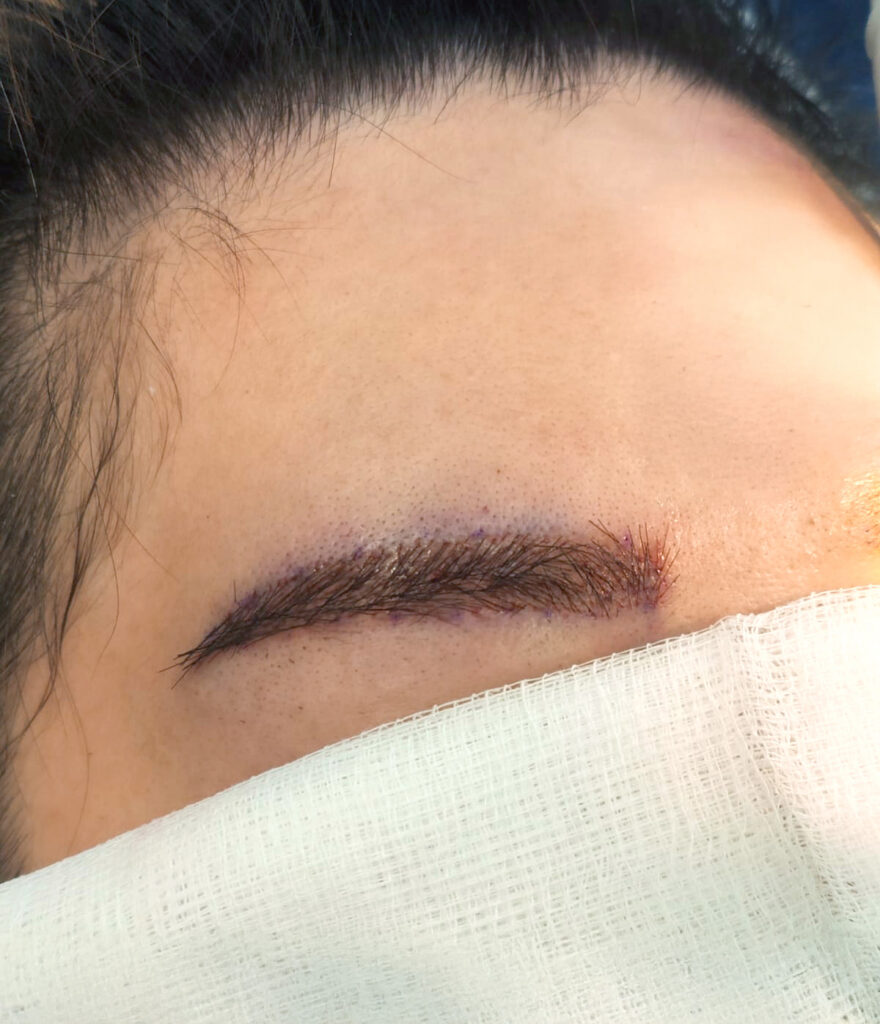
What will the eyebrows look like after one week?

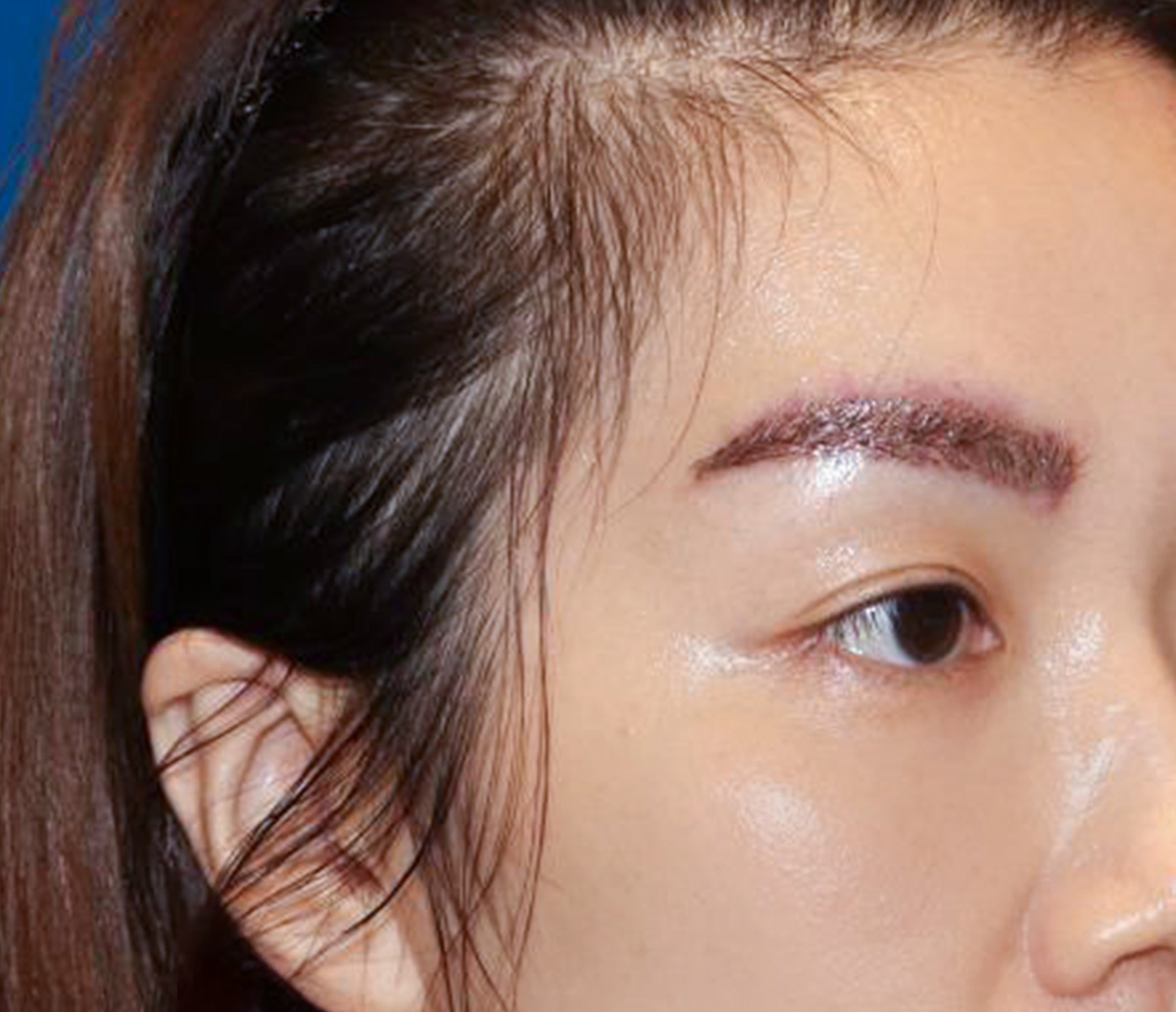
At around one week, most early swelling should be improving, but the eyebrows may still look darker or more sharply defined than intended because of short transplanted hairs, dried crusts and temporary redness.

The implanted hairs may appear densely packed at first. This does not represent the final density because many hair shafts subsequently shed before new growth begins.

Patients should not pick the crusts to make the brows look clearer. Premature removal can disturb healing grafts. Cleansing and crust removal should follow the specific instructions provided by the treating team.

Find out if FUE eyebrow hair transplant is suitable for you.

Eyebrow transplant cost in Singapore

The fixed cost of an eyebrow transplant at Clifford Surgery is S$7,800 before gst.

This is a fixed procedure fee rather than a per-graft price. The number of follicles required varies between patients, but the fee remains S$7,800 for the planned eyebrow transplant surgery.

The S$7,800 fee reflects the full process involved in eyebrow restoration, including medical assessment, donor-hair selection, extraction of fine follicular grafts, detailed eyebrow design and the careful creation of recipient sites. Placement requires close attention to the angle and direction of each hair so that the transplanted follicles follow the natural pattern of the eyebrow.

Patients should confirm during consultation what is included in the procedure fee, such as:

  • Preoperative assessment
  • The doctor’s and hair transplant team’s fees
  • Local anaesthesia
  • Procedure and facility charges
  • Standard medication and dressings
  • Scheduled postoperative reviews

A future refinement or additional density session, when considered appropriate after the first result has matured, is assessed separately. The need for another session cannot be determined reliably during the early stages of healing because eyebrow transplant growth develops gradually over approximately 9 to 12 months.

Why consider eyebrow transplant surgery at Clifford Surgery?

A medical assessment before surgical planning

Eyebrow thinning is not always a purely cosmetic concern. The assessment considers whether the loss is stable and whether a medical or inflammatory cause should be investigated before transplantation.

Individualised eyebrow design

The plan is based on the existing eyebrows, facial proportions, donor-hair characteristics, scar tissue and the patient’s preferences. The aim is balanced restoration rather than applying the same brow template to every patient.

FUE harvesting

Clifford Surgery already provides FUE hair transplantation and hair grafting. FUE allows individual follicular units to be selected from the donor area without creating a long linear strip scar.

Fine single-hair graft selection

Eyebrow restoration requires careful selection of fine individual follicles. The grafts are examined and positioned according to the changing direction of the natural brow.

Realistic counselling

Patients are counselled that results take time, not every graft survives, transplanted hairs require grooming, and a staged refinement procedure may occasionally be appropriate.

Follow-up through the growth cycle

The result cannot be evaluated during the first few weeks. Follow-up allows healing, hair growth, direction and density to be assessed over the following months.

Yes. Suitability depends more on the cause of hair loss, donor hair and intended design. The shape, width, arch, density and relationship to the surrounding facial features are planned individually.

Surviving follicles can continue to produce hair for many years. However, not every graft necessarily survives, and the native eyebrow may continue to change. Active hair-loss disorders can also affect long-term results.

Many Clifford eyebrow transplant procedures use approximately 100 to 200 grafts. A small gap may require fewer, while a fuller reconstruction or correction of both eyebrows may require more. The final number is determined after an examination.

The procedure commonly takes approximately 3 to 4 hours. More extensive or scar-related reconstruction may take longer.

Eyebrow transplantation is generally performed under local anaesthesia. The treatment areas are numbed while the patient remains awake.

Redness, swelling and crusting are usually most visible during the first week. The approximate visible recovery period of 5 to 7 days, although mild redness can last longer in some patients.

Speak to our doctors today!

An eyebrow transplant begins with understanding why the hair is missing and what can realistically be reconstructed. During your consultation at Clifford Surgery, the doctor will assess the eyebrow area, donor hair, medical history and intended design. You will receive an explanation of the proposed technique, likely graft requirement, recovery, maintenance, limitations and costs before deciding whether to proceed.