Shopping Cart
Call Us: (65) 6532 2400   WhatsApp: (65) 8318 6332

Hair Restoration & Hair Transplant in Singapore

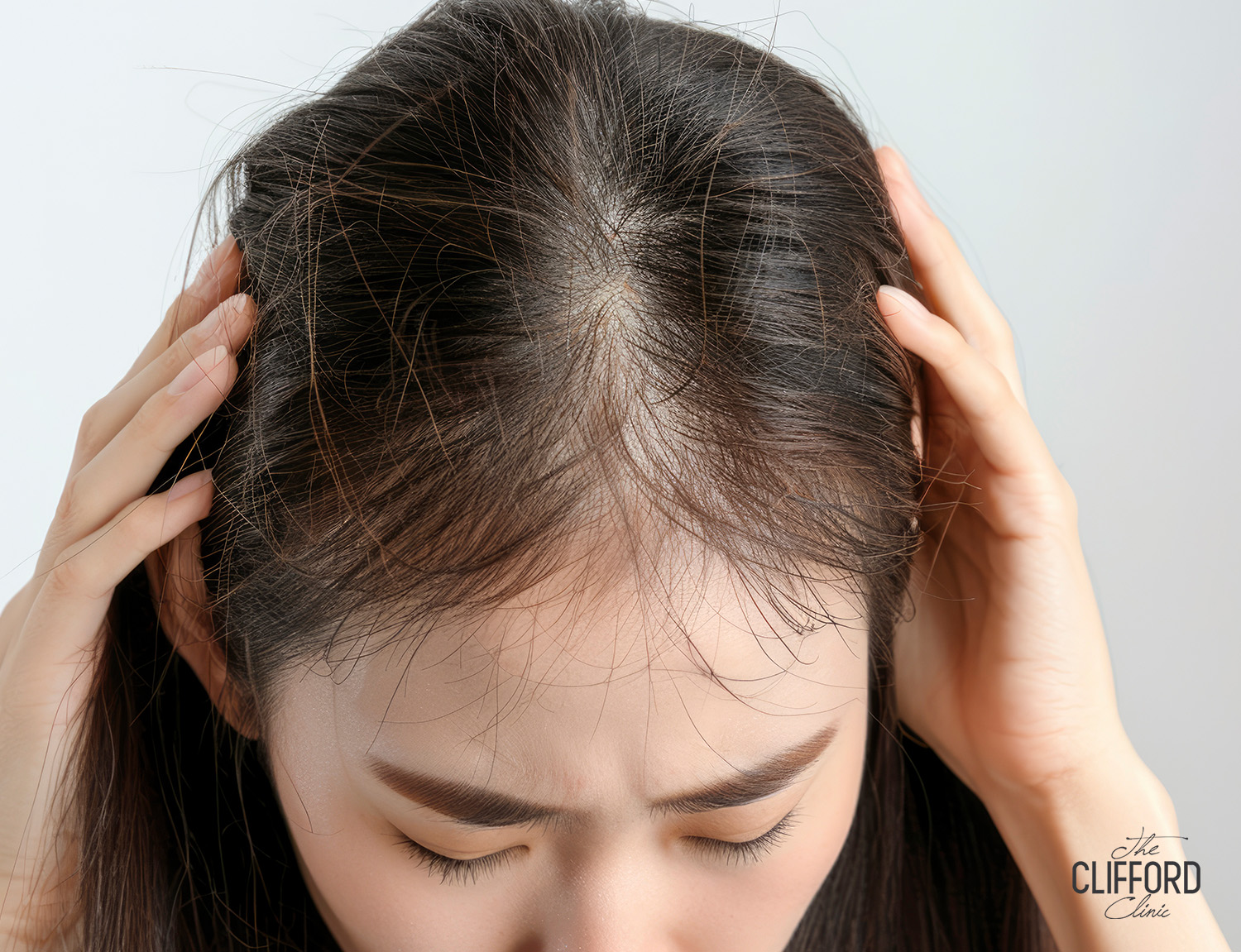
Hair loss, medically known as alopecia, is something many people experience at some point in life. It can be temporary or progressive, mild or severe and may appear as increased shedding, thinning hair, a receding hairline, bald patches, or reduced hair density over time.

Hair loss may be caused by factors such as stress, hormonal changes, autoimmune conditions, pregnancy, genetics and other causes and that it can affect men, women, young adults and even younger patients.

At The Clifford Clinic, we provide a wide range of hair restoration solutions for different stages and patterns of hair loss. 

The goal is not to apply a one-size-fits-all approach but to assess your scalp, hair density, hair loss pattern, donor area and treatment goals before recommending a suitable plan.

Hair Loss Can Affect Anyone

Hair loss is often associated with ageing, but age is only one possible factor. Alopecia can be linked to genetics, hormones, stress, pregnancy, medical conditions, autoimmune issues, scalp health, medications, nutritional factors and other triggers. Some people notice gradual thinning over many years, while others experience sudden shedding or a visible change in hair density within a short period.

Because the cause and pattern of hair loss can vary widely, the most effective approach starts with a proper consultation. For some patients, non-surgical treatment may help slow hair loss or improve density. For others with more established hairline recession or thinning, a hair transplant may be a suitable option.

What Causes Hair Loss?

Hair loss becomes more noticeable when this cycle is disrupted, when hair follicles miniaturise, or when new growth does not keep up with shedding.

Common signs that you may benefit from a hair restoration consultation include:

  • Sudden or unusually high hair fall
  • Thinning at the crown or parting line
  • Receding hairline
  • Male-pattern or female-pattern hair loss
  • Patchy hair loss
  • Loss of hair volume or density
  • Naturally fine hair that appears flatter over time
  • Hair loss after pregnancy, illness, stress, or hormonal changes
hair transplant singapore

Speak to our doctors about your hair restoration options.

What We Do

With over 15 years of experience in both aesthetic medicine and hair transplantation, The Clifford Clinic and our doctors specialise in providing effective hair loss solutions

The success and efficacy of a hair transplant is hinge on the experience, technique and knowledge of the doctor and/or hair technician; the survival rate of hair follicles and thus, the final coverage post-transplant, is affected by the accuracy and skill of the person harvesting the follicles.

When you choose to do a hair transplant at The Clifford Clinic, you can trust that you are in good and experienced hands.

There is no one-size-fits-all solution to hair loss

No single type of hair loss treatment is effective for everyone; the current most popular or “latest” treatment may be effective for everyone else, but it might not be suitable for you.

 How effective any treatment is for you can depend on:

  • the severity, location, or pattern of hair loss
  • what stage of the balding process you are currently in
  • hair density of the donor site (for hair transplants)
  • what is the cause of the hair loss

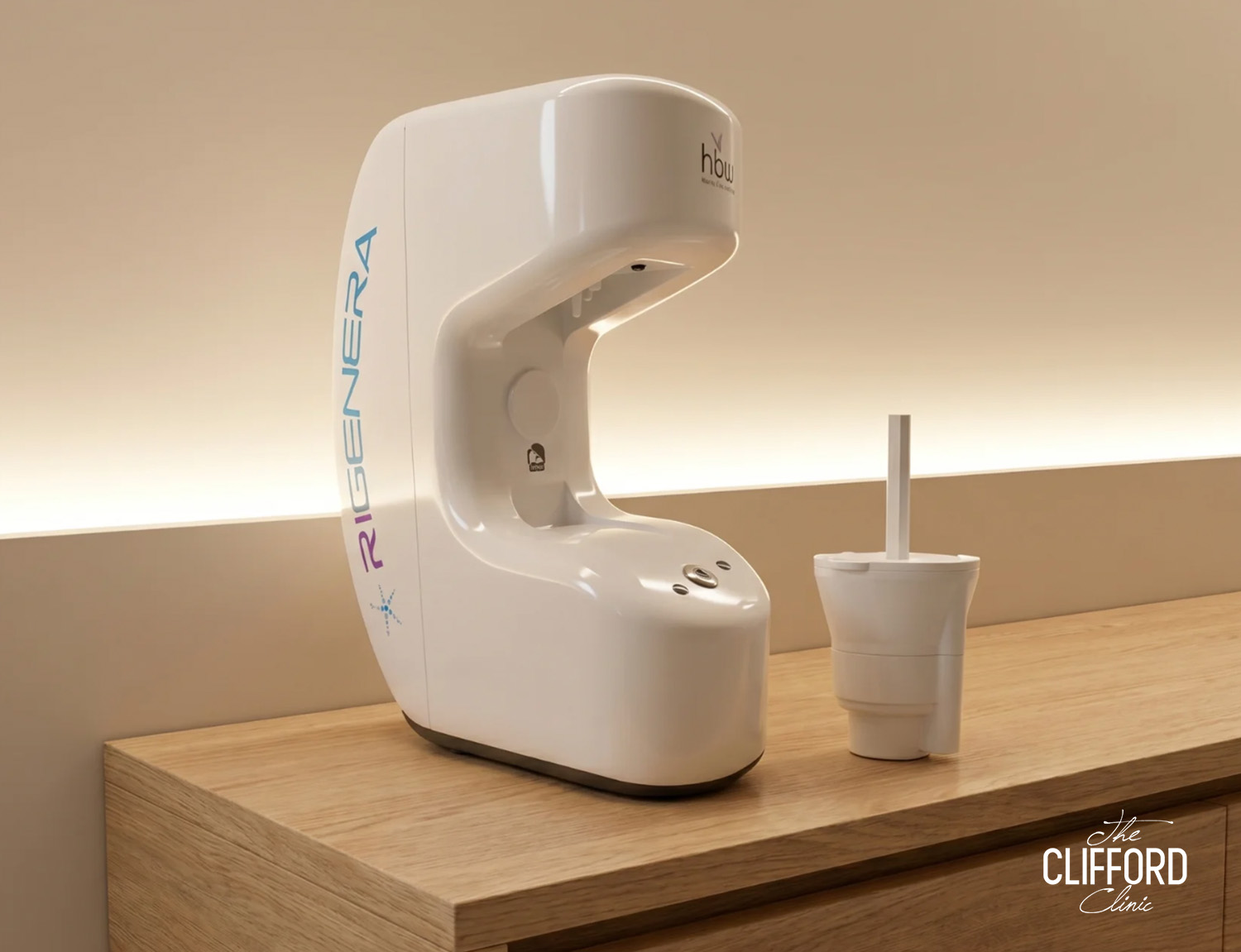
Regenera Activa

A new approach that relies on capillary regeneration technology in combating hair loss.

Female Hair Loss

Female hair loss, although common, is a very treatable condition. We offer 3 main courses of treatment for female hair loss.

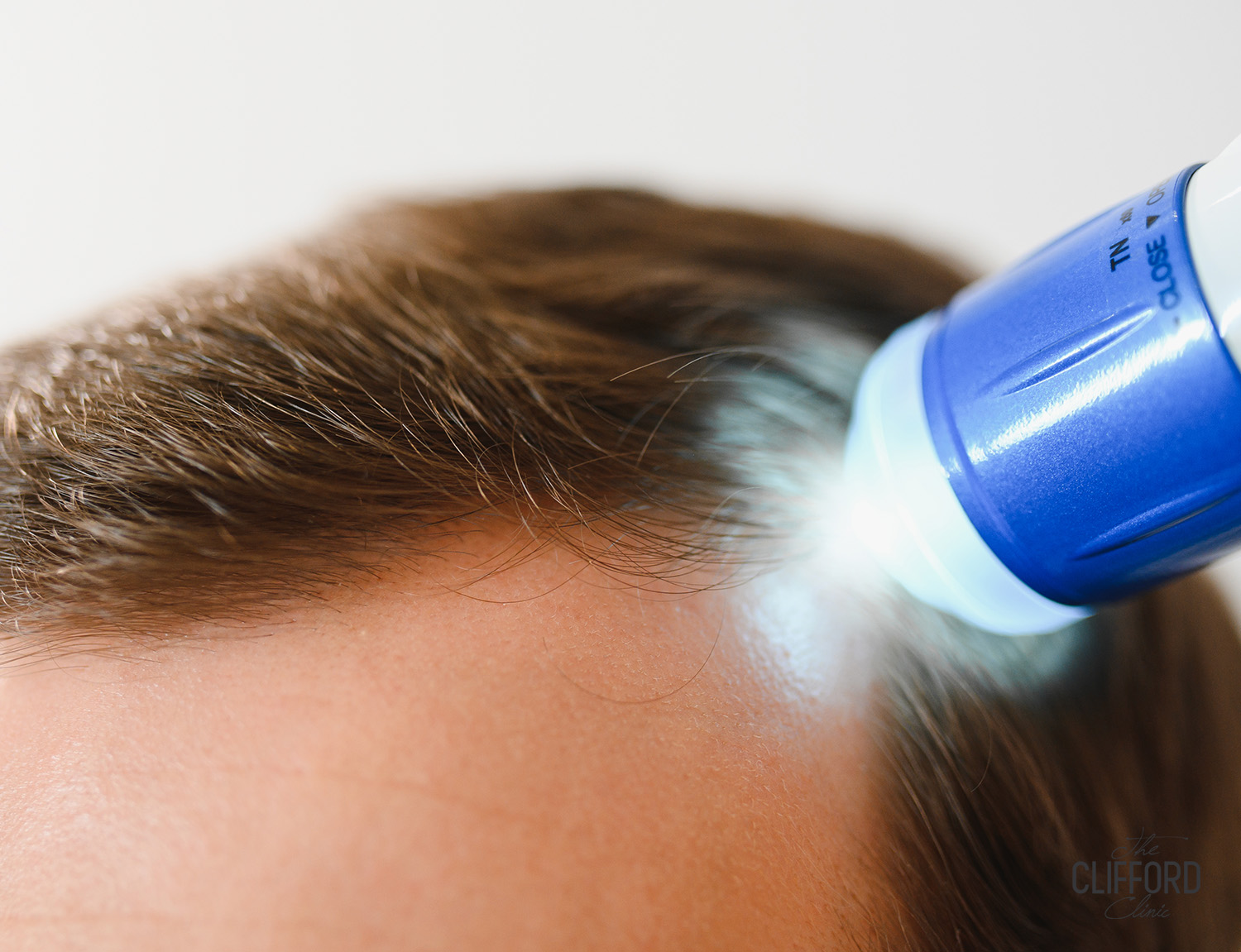
A painless and effective way to create a fuller head of hair through laser therapy to revitalize and nourish hair follicles.

Hair Transplant

FUE (Follicular Unit Extraction) is a new hair transplant technique that harvests individual follicles from the patient’s donor region one at a time, allowing for lower down time and smaller less noticeable post-transplant scarring.

Bellasonic Hair

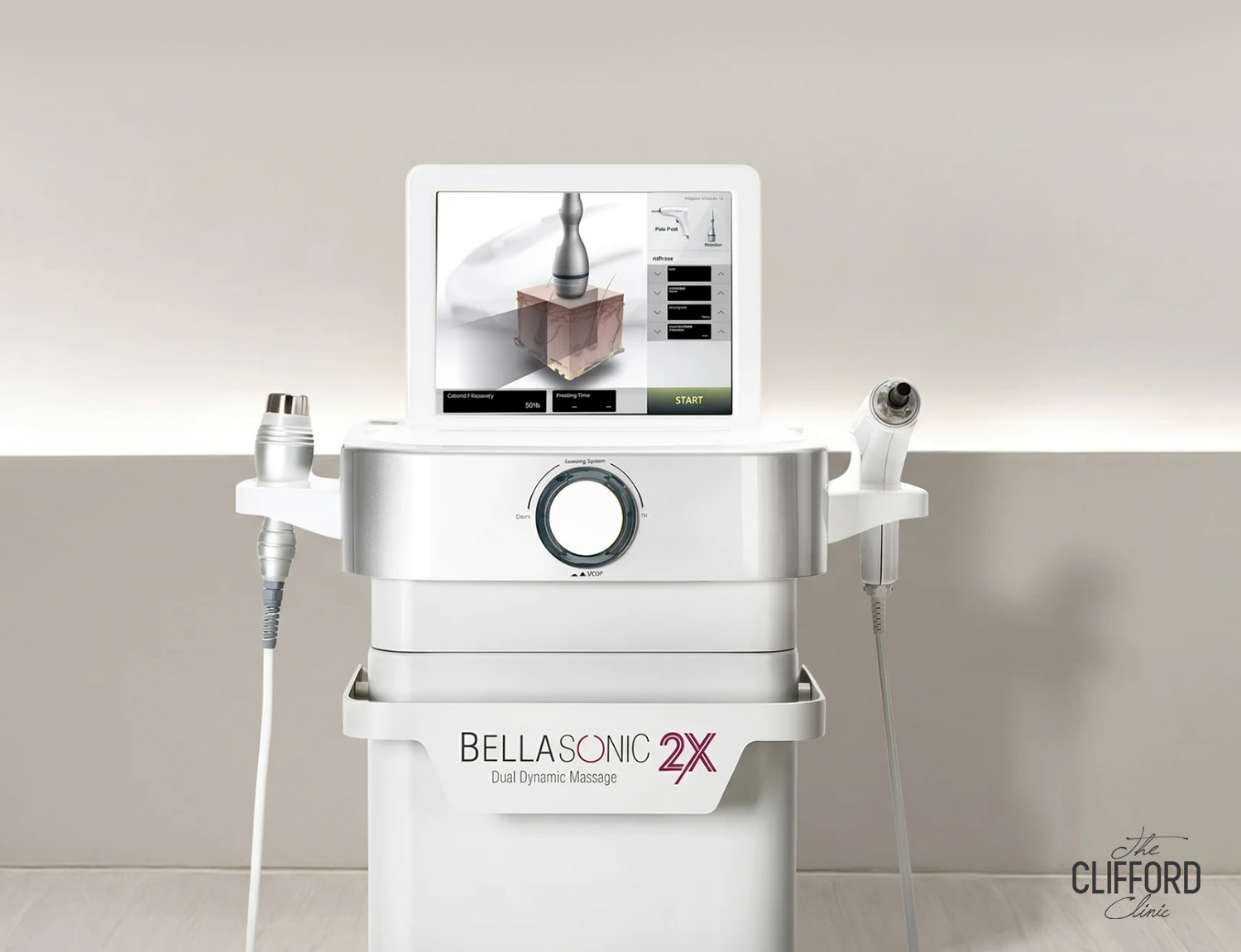
Bellsonic is an ultrasound therapy device that simultaneously improves blood flow and oxygenation to hair follicles via ultrasound and improves the delivery of topical hair restorative serums/medication such as stem cell-derived serums via the cavitation bubbles it produces.

Medications & Injections

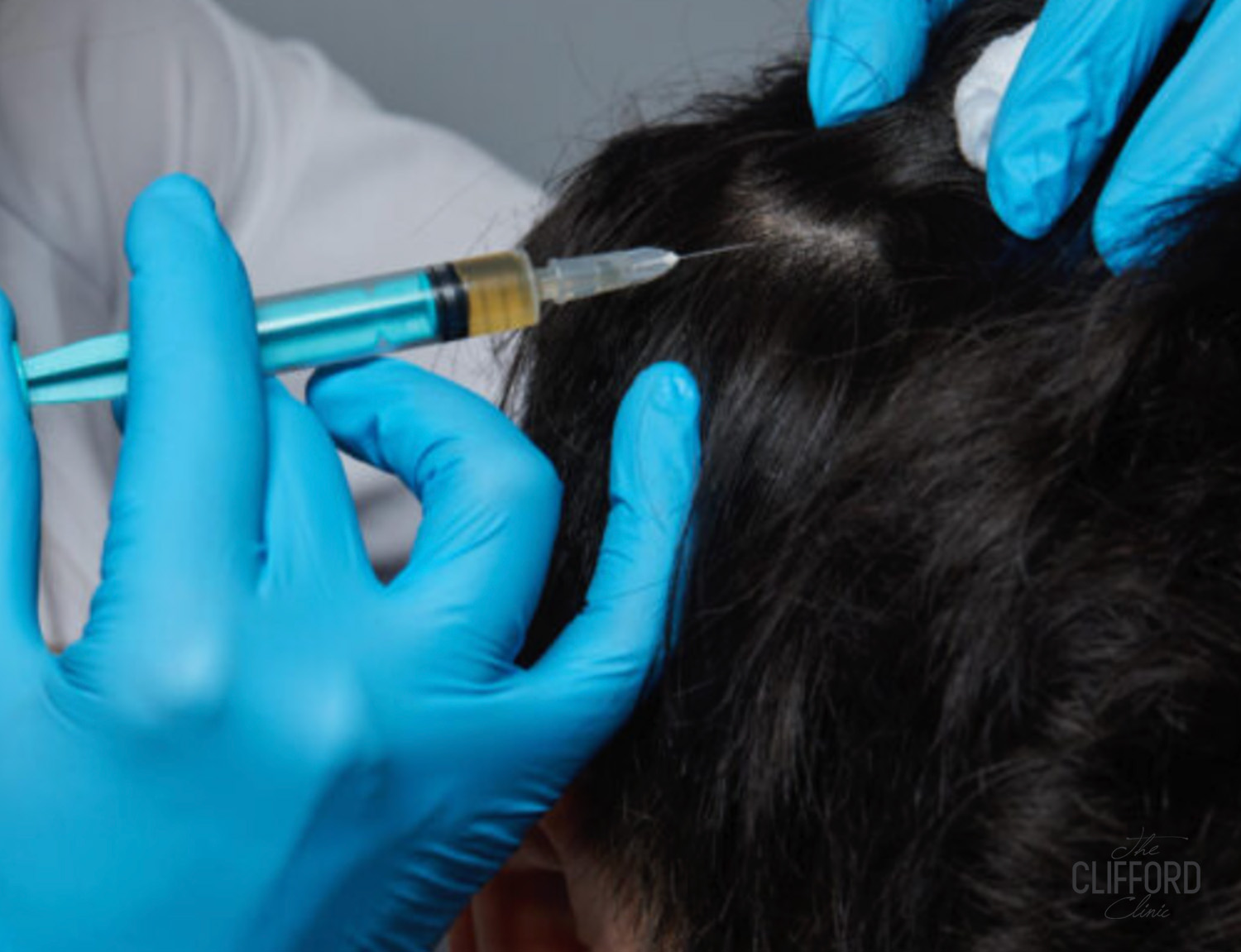
The Clifford Clinic also provides other surgery free alternatives such as steroid injections topical and oral supplements.

Who should go for hair restoration treatments?

You do not need to wait until you develop a visible bald patch on your scalp or a fully receded hairline

Anyone who feels that their hair is thinning or is experiencing abnormally high hair fall is eligible for a hair transplant or other hair restorative treatments.

Hair treatments offered at The Clifford Clinic aim to increase hair density or increase the physical thickness of each hair strand to increase volume and are suitable for treating individuals with:

Find out if FUE hair transplant is suitable for you.

Hair Transplant in Singapore

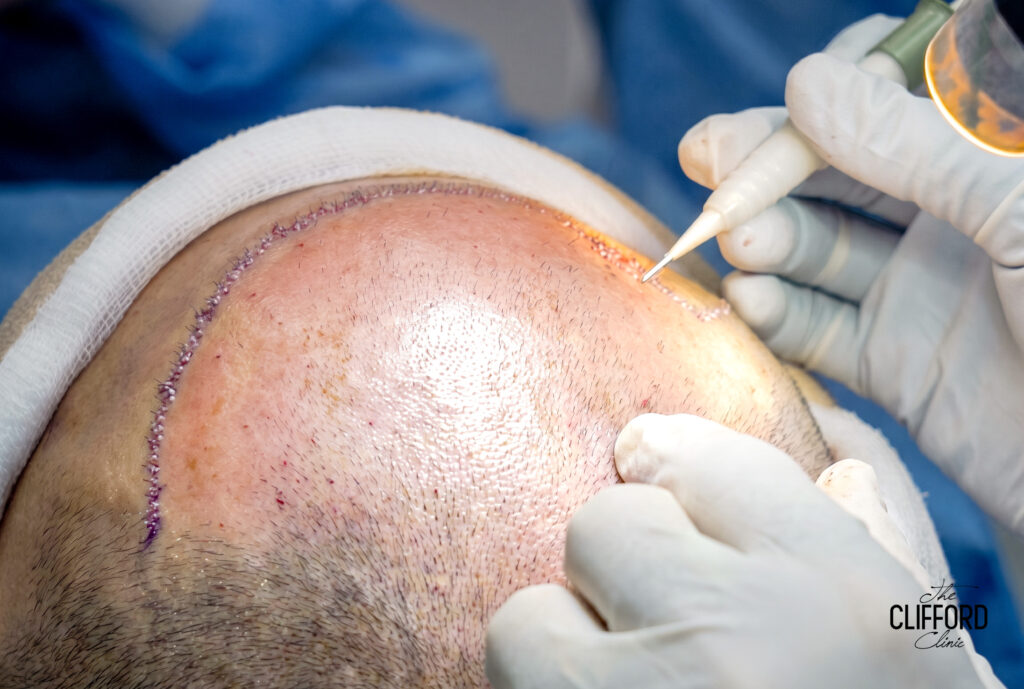
A hair transplant is a minimally invasive surgical procedure that moves healthy hair follicles from a donor area, usually the back or sides of the scalp to areas affected by thinning, baldness, or hairline recession.

It is designed to restore hair growth by relocating healthy follicles to areas of significant thinning or baldness, with the aim of achieving natural-looking results.

For many patients, a hair transplant is considered when hair loss has become more visible or when non-surgical options alone may not provide enough coverage.

It can be used to improve the hairline, frontal scalp, crown, or other areas, depending on donor hair availability and individual suitability.


Hair Transplant Singapore


A hair transplant may be suitable for patients with:

  • Male-pattern hair loss
  • Female-pattern thinning with suitable donor hair
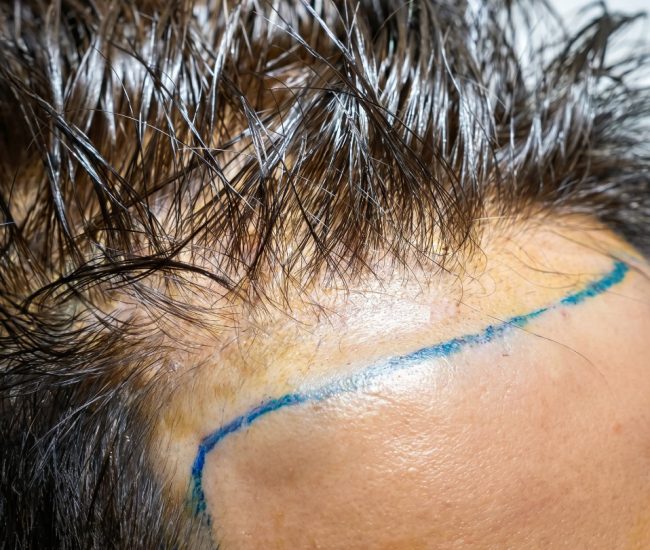
  • Receding hairline
  • Thinning crown
  • Areas of reduced density
  • Stable hair loss with realistic expectations
  • Adequate donor hair at the back or sides of the scalp

Not every patient is suitable for surgery. A proper medical consultation is important to assess the cause of hair loss, donor supply, scalp condition and whether ongoing hair loss needs to be stabilised first.

Why Graft Survival Matters More Than Graft Numbers

When comparing hair transplant options, many patients focus mainly on the number of grafts. However, graft survival is very important. Each micro-graft is a limited resource and poor survival can lead to wasted grafts, patchy coverage, unnatural-looking results and a higher cost per surviving graft.

At The Clifford Clinic, careful planning, harvesting, handling and implantation are all important parts of the process. The goal is not simply to transplant as many grafts as possible, but to maximise the chance that transplanted follicles survive, grow and blend naturally with your existing hair.

New Technology Is Helpful, But Technique Still Matters

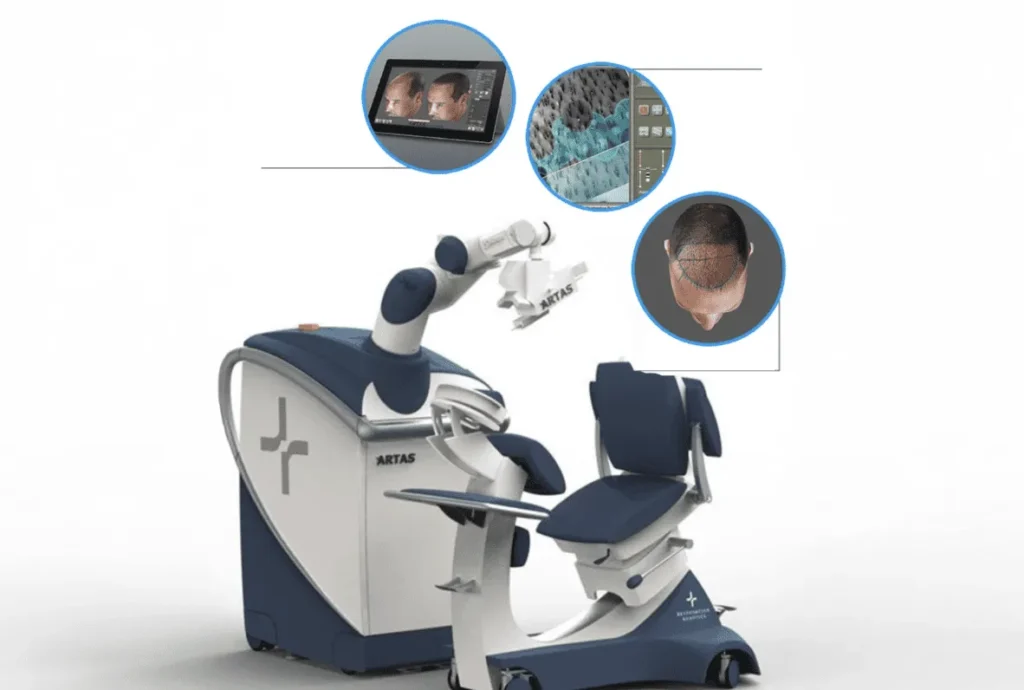
Modern hair transplant technology has improved significantly, but technology alone does not guarantee the best result. The Clifford Clinic was an early adopter of the ARTAS robotic hair transplant, while also recognising that robotic systems may have limitations for certain scalp types and treatment areas. 

This is why your treatment plan should be based on your hair loss pattern, donor density, hair characteristics, scalp condition and desired outcome, not just the newest device or trend.

Hair Transplant Surgery Procedure

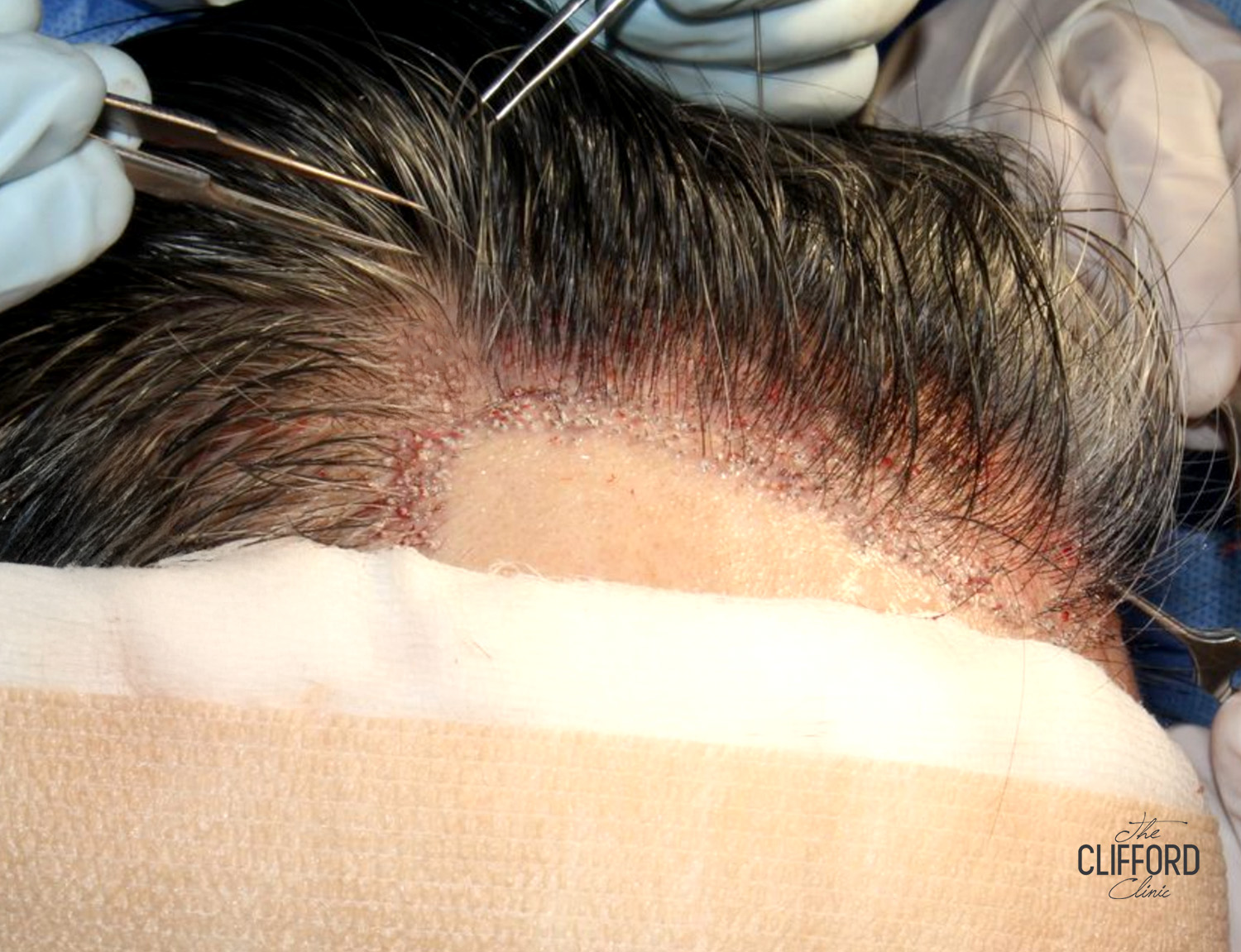
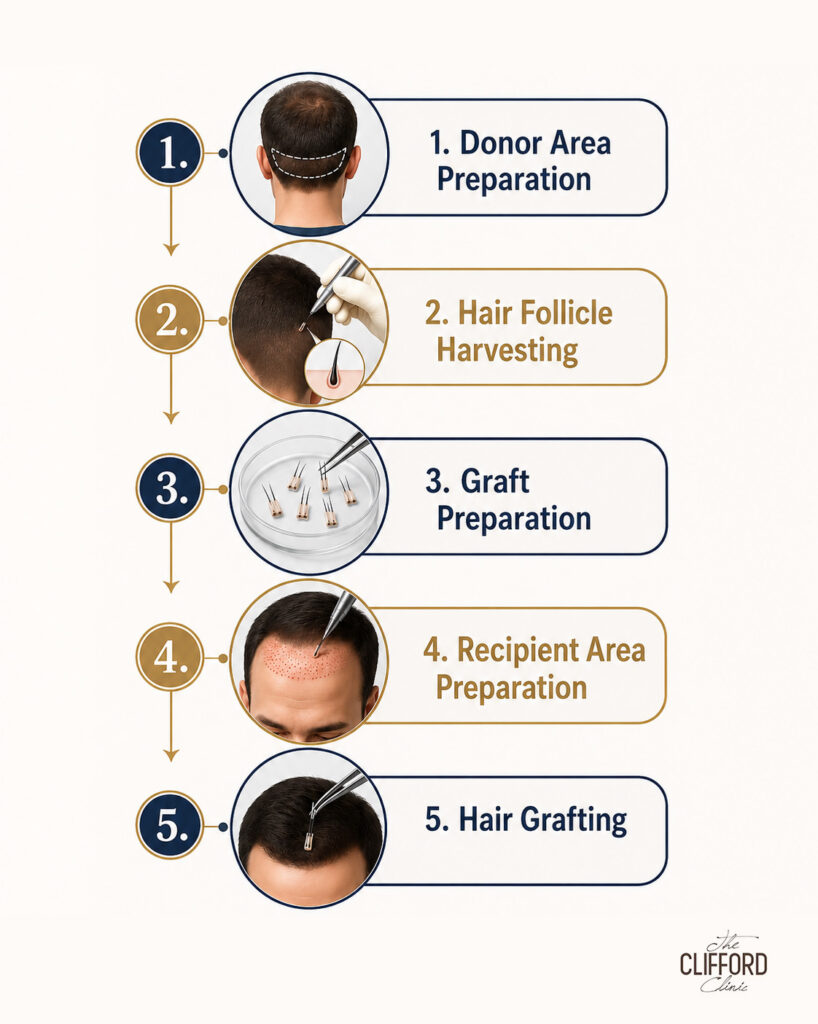
A hair transplant is a detailed, multi-step process. The Clifford Surgery page outlines the general process as donor area preparation, follicle harvesting, graft preparation, recipient area preparation and graft implantation.

1. Donor Area Preparation

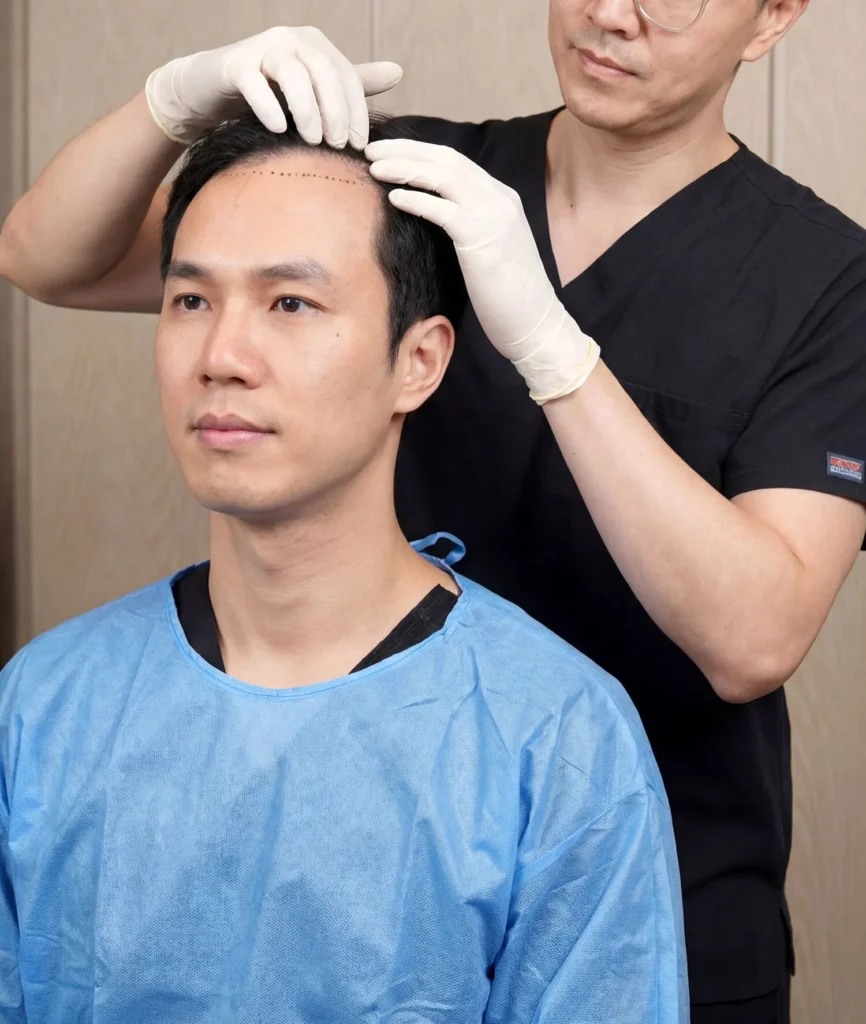
The doctor identifies a suitable donor area, usually at the back or sides of the scalp, where hair is typically more resistant to thinning. The area may be trimmed and prepared before extraction.

2. Hair Follicle Harvesting

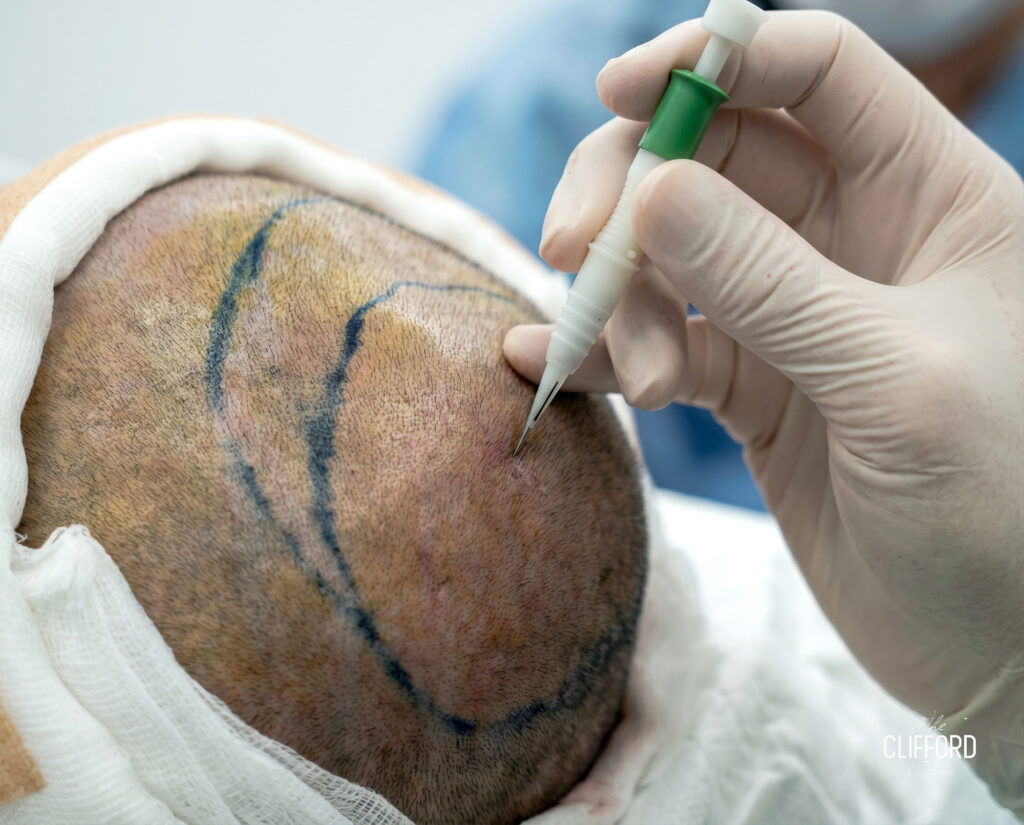
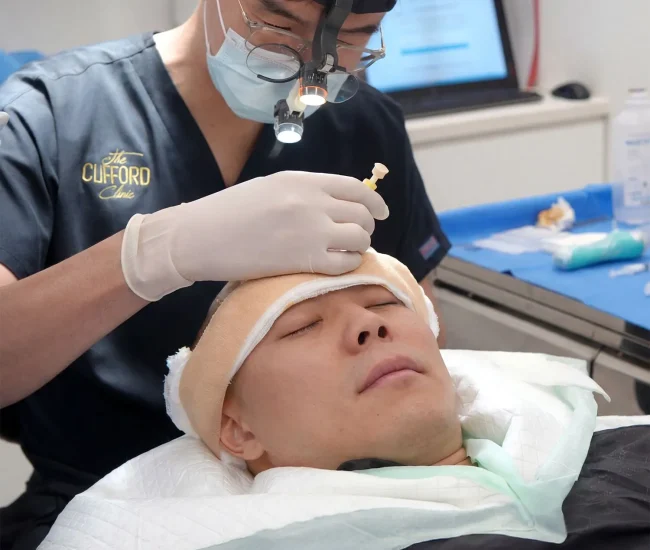
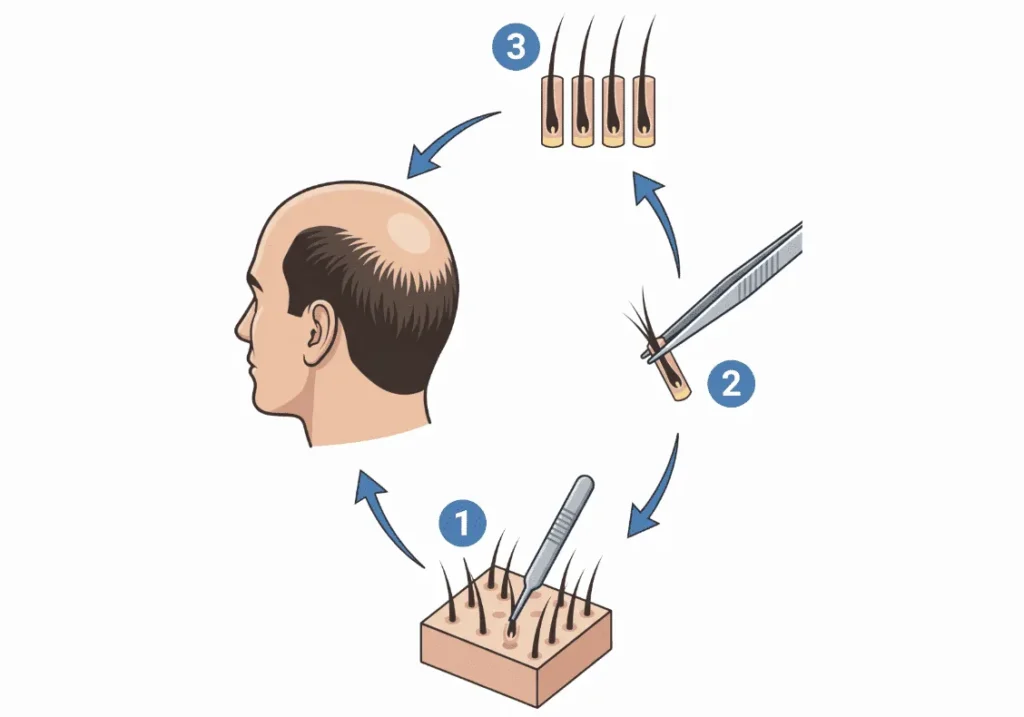
Healthy follicles are carefully extracted from the donor area. In FUE, this is done one follicular unit at a time using specialised tools.

3. Graft Preparation

The extracted grafts are cleaned, sorted and prepared carefully. Proper handling is important because grafts are delicate and need to remain viable before implantation.

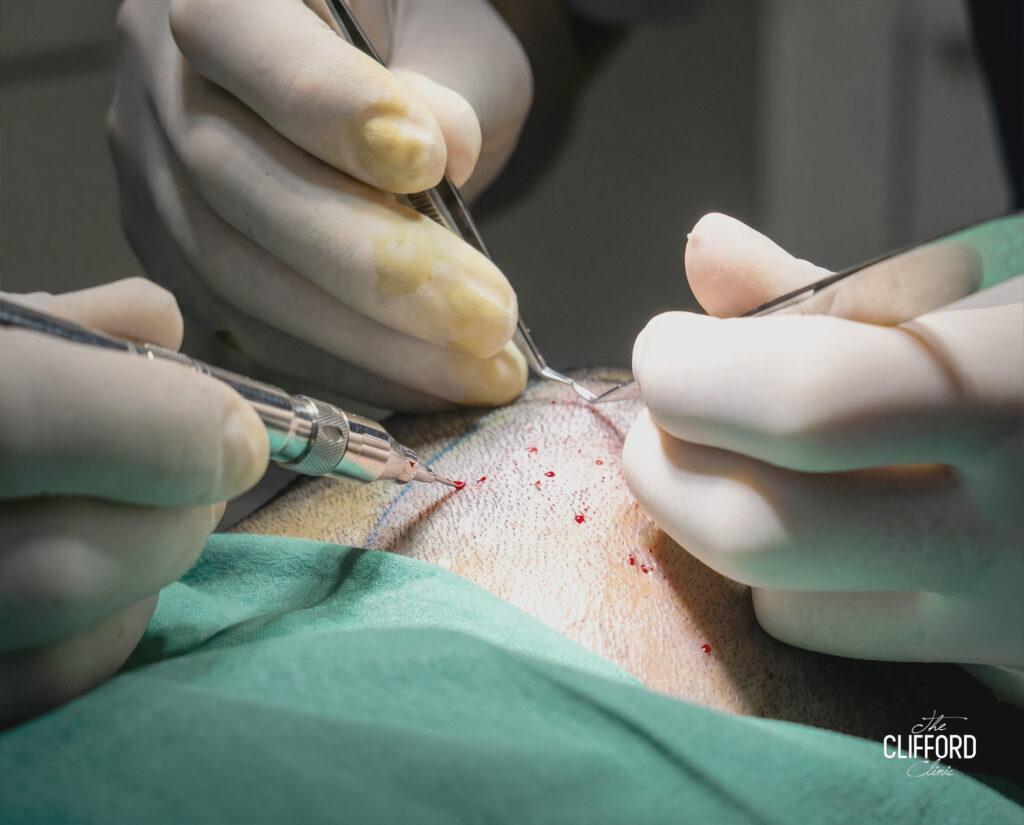
4. Recipient Area Preparation

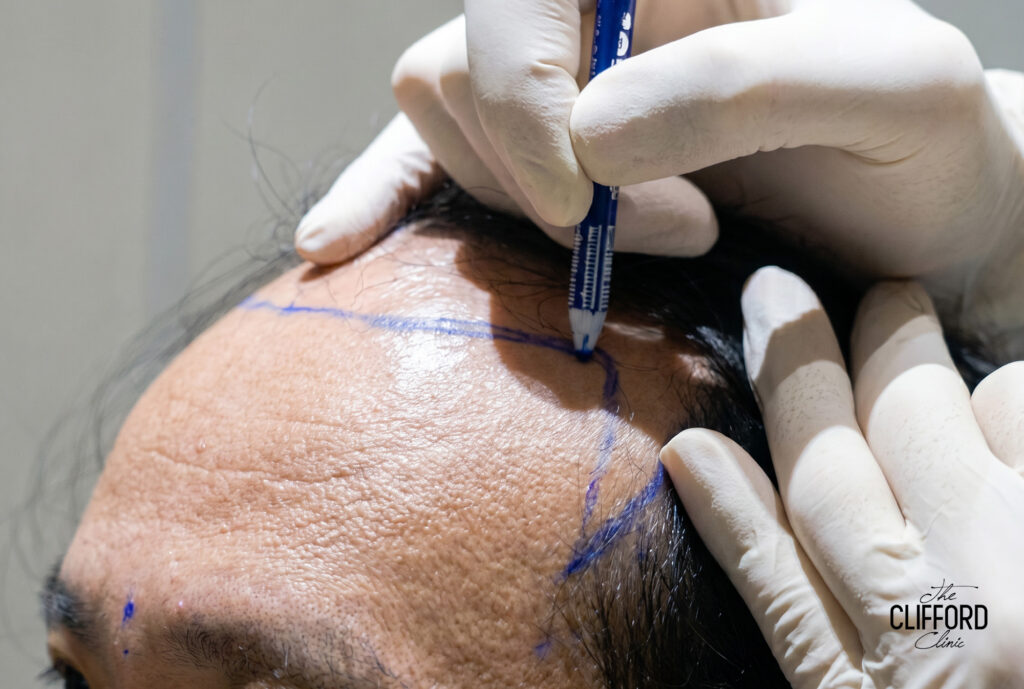
Small recipient sites are created in the thinning or balding area. These are planned according to the desired hairline, angle, direction and density so that the final result looks natural.

5. Hair Grafting

Prepared grafts are implanted into the recipient sites. The placement of each graft affects coverage, density, growth direction and overall appearance.

Types of Hair Transplant and Hair Restoration Options

Follicular Unit Extraction, FUE

FUE, or Follicular Unit Extraction, involves extracting individual follicular units directly from the donor area. The Clifford Clinic page describes FUE as a technique that harvests individual follicles one at a time, allowing for lower downtime and smaller, less noticeable post-transplant scarring.

FUE is often preferred by patients who want to avoid a linear scar and who may wish to keep shorter hairstyles. It is detailed and time-intensive and the number of grafts possible depends on donor density, scalp characteristics and the treatment plan.

Follicular Unit Transplantation, FUT

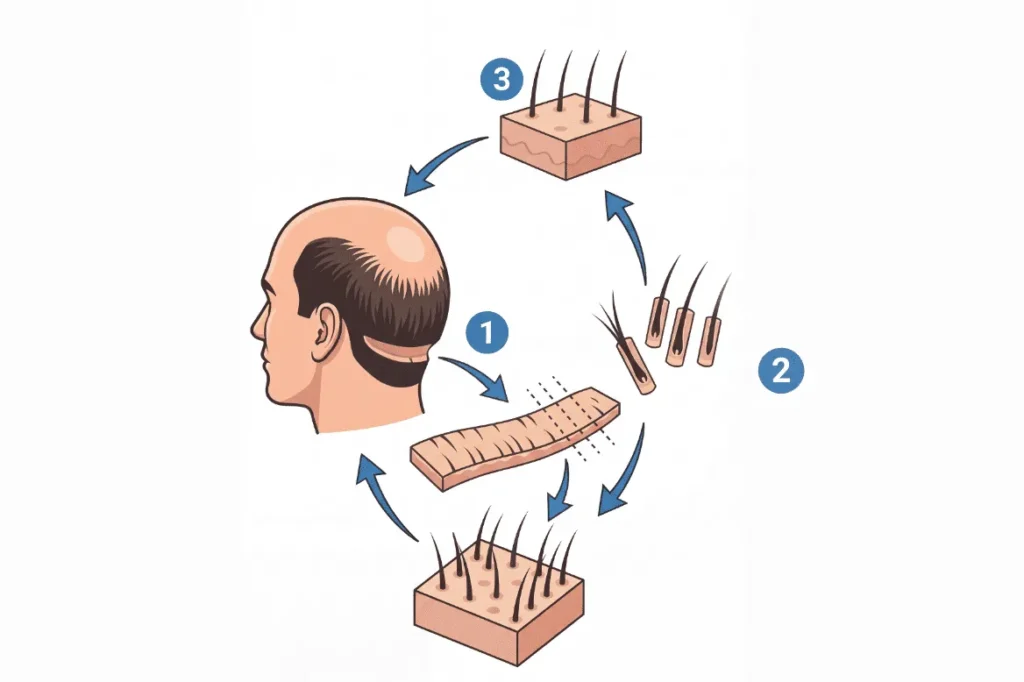
FUT, sometimes called strip surgery, involves removing a strip of scalp from the donor area and dissecting it into follicular units before implantation. The Clifford Surgery page explains that FUT may allow a larger number of grafts in one session, but it leaves a linear scar that may be visible with very short hairstyles.

Robotic Hair Transplant

Robotic hair transplantation uses imaging and computer-assisted technology to help identify and harvest suitable follicles. The Clifford Surgery page describes robotic systems as being able to map the scalp, identify suitable donor hairs and assist with natural-looking patterns.

However, robotic hair transplant may not be ideal for every patient. A doctor’s assessment is still essential.

Hair Transplant Price in Singapore

The cost of hair transplant in Singapore depends on the number of grafts required, the size of the treatment area, donor hair quality, technique used, doctor assessment and complexity of the case.

At The Clifford Clinic, the estimated price range for a hair transplant is:

SGD $6,000 before gst for approximately 2,000 grafts

This works out to be $3 per graft and the final cost may vary depending on the consultation, graft requirement, treatment plan and whether additional hair restoration treatments are recommended. Patients are encouraged to speak with our team for a personalised quotation.

Find out if FUE hair transplant is suitable for you.

Why Choose Hair Transplant in Singapore?

Many patients compare local treatment with overseas options such as Bangkok hair transplant, KL hair transplant. While medical travel may look attractive at first, there are important benefits to doing your hair transplant in Singapore.

1. Easier Follow-Up and Aftercare

Hair transplant recovery happens in stages. Follow-up matters because the team may need to review healing, advise on washing, monitor redness or swelling and guide you through shedding and regrowth. Doing the procedure in Singapore makes it easier to return for reviews without arranging flights, hotels, or overseas travel.

2. Better Continuity of Care

Hair restoration is not only about the procedure day. Your doctor may also recommend medication, scalp care, laser treatment, or other supportive treatments to maintain existing hair and improve long-term density. Local care makes it easier to build a long-term plan.

3. Regulated Healthcare Environment

Singapore’s healthcare services are regulated under the Healthcare Services Act. The Ministry of Health states that the HCSA regulates the delivery of healthcare services in Singapore and healthcare providers offering regulated services need the relevant HCSA licences before providing them.


4. Less Travel Stress During Recovery

The first 7 to 10 days after a hair transplant are important for protecting grafts. The Clifford Surgery page notes that early recovery focuses on keeping the recipient area clean, avoiding friction and preventing accidental rubbing or knocking while grafts anchor into place.

Recovering locally may reduce the stress of airports, long travel, luggage handling, heat exposure and scheduling overseas follow-up.

5. Competitive Pricing When Total Travel Costs Are Considered

Overseas hair transplant options in Bangkok, Malaysia, or South Korea may appear cheaper at first glance, but the total cost can increase once flights, hotels, transport, food, time away from work, and possible return trips for follow-up are included.

For a 2,000 graft hair transplant, an apple-to-apple comparison may bring the overall cost much closer than expected. At The Clifford Clinic, hair transplant pricing starts from SGD$6,000 for around 2,000 grafts, while allowing patients to recover locally with easier access to review and aftercare.

Hair Transplant Recovery and Hair Growth Timeline

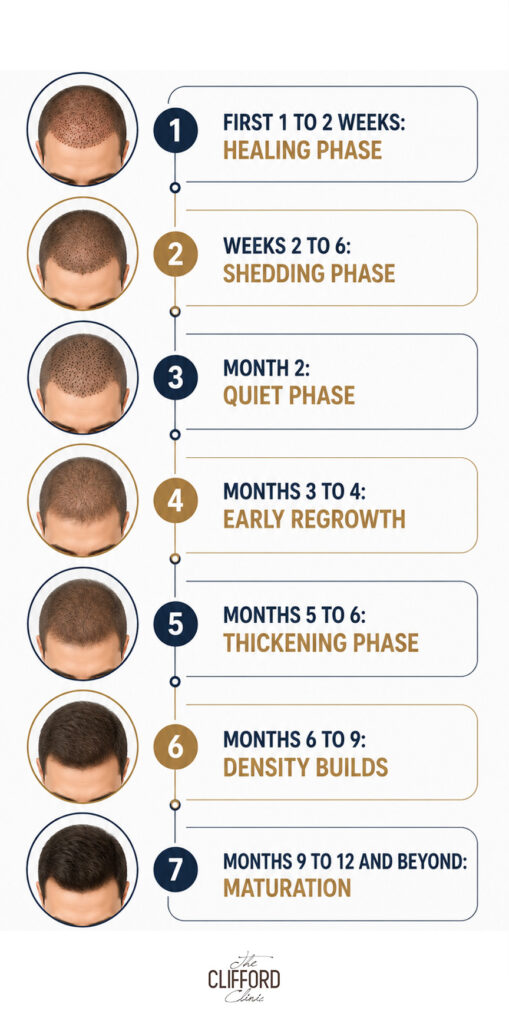
Recovery varies from person to person, but most patients can return to light activities within a few days. The first 7 to 10 days are focused on protecting graft survival, keeping the area clean and avoiding friction or impact. Gentle washing is commonly introduced after around 48 hours, depending on the doctor’s instructions.

First 1 to 2 Weeks: Healing Phase

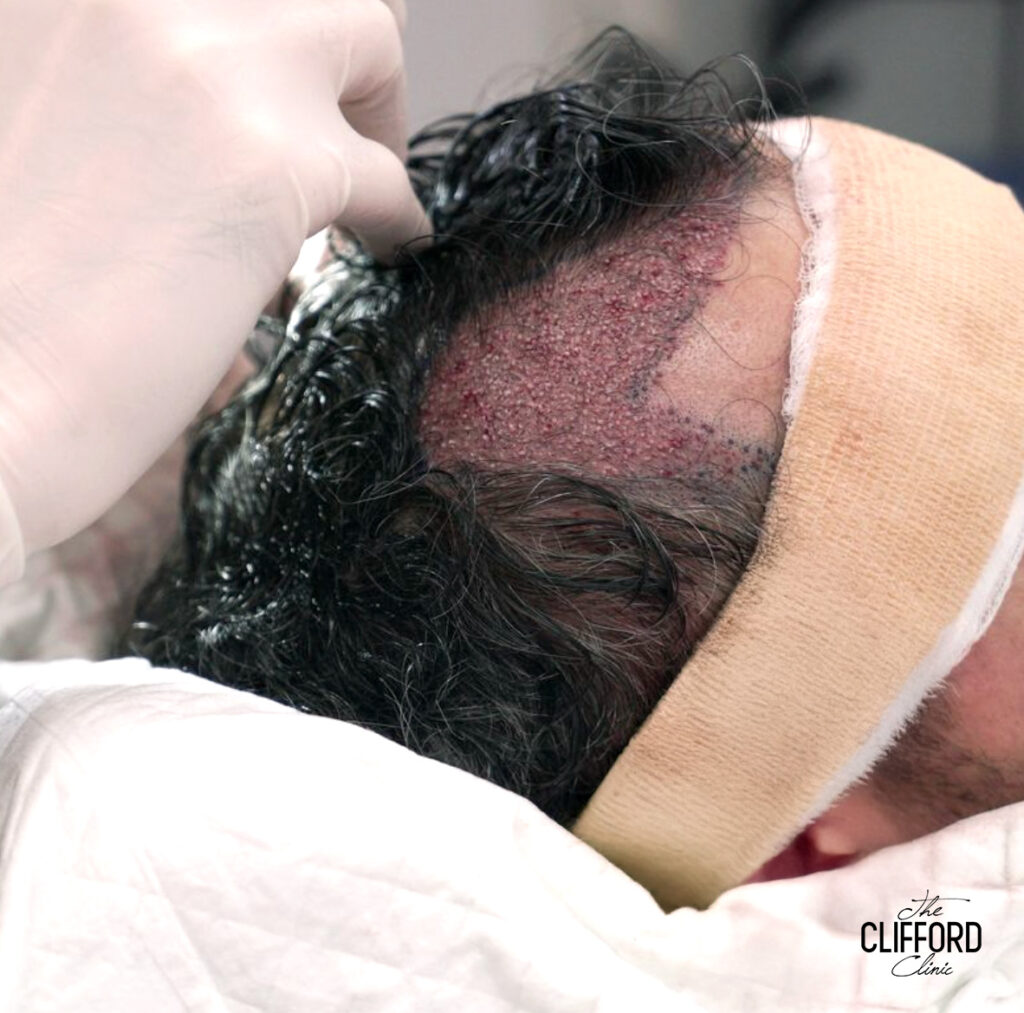
The transplanted area may look like short stubble. Small scabs may form around graft sites. During this stage, careful washing and avoiding contact with the grafts are important.

Weeks 2 to 6: Shedding Phase

Some transplanted hair shafts may shed. This can be worrying, but it is commonly part of the hair cycle. The follicle remains beneath the skin and may later restart growth.

Month 2: Quiet Phase

Growth may look slow or unchanged. This is normal for many patients.

Months 3 to 4: Early Regrowth

New hairs may begin to appear. Early growth can be fine, uneven, or lighter at first.

Months 5 to 6: Thickening Phase

Hair calibre may improve, and coverage may become more visible.

Months 6 to 9: Density Builds

This is when many patients begin noticing a more meaningful improvement in density and styling.

Months 9 to 12 and Beyond: Maturation

Hair texture, direction and thickness continue to mature. The Clifford Surgery page notes that many patients see representative results around 8 to 12 months, while crown areas may continue improving up to 12 to 18 months.

Benefits of Hair Transplant Surgery

Hair transplant surgery can be a suitable option for patients who want a more long-term solution for visible thinning or hairline recession. The Clifford Surgery page lists benefits such as natural appearance, long-term results, low maintenance after recovery, and improved confidence.

Key benefits may include:

  • Uses your own natural hair follicles
  • Can restore a receding hairline or thinning areas
  • Designed to blend with existing hair
  • Can provide long-term improvement when the patient is suitable
  • May reduce reliance on temporary cosmetic coverage
  • Low maintenance once recovery is complete
  • Can be combined with hair loss treatment to maintain existing hair

Results vary between patients, and the final outcome depends on donor hair quality, graft survival, hair loss progression, technique, and aftercare.

Who Should Consider Hair Restoration Treatments?

Hair restoration treatments may be suitable for people with:

  • Sudden abnormal hair fall
  • Male-pattern hair loss
  • Female-pattern hair loss
  • Age-related thinning
  • Reduced density or volume
  • Receding hairline
  • Thinning crown
  • Hair transplant goals with suitable donor hair

For younger patients, sudden hair loss, patchy hair loss, or hair loss linked to illness, stress, or hormonal changes should be medically assessed before considering cosmetic treatment.

Complementary Hair Regrowth Treatments

At The Clifford Clinic, we often pair hair grafting with supportive hair regrowth treatments to help patients achieve fuller, more sustainable results. While grafting restores hair in areas where follicles have been lost, non-surgical treatments can help protect and strengthen the hair that is still present.

Depending on your condition, our doctors may recommend oral or topical medications to help slow ongoing hair loss and support the activity of existing follicles. This can be especially helpful after a hair grafting procedure, as it allows both transplanted and non-transplanted hair to be cared for as part of a complete treatment plan.

Where needed, our specialists may also suggest targeted nutritional supplementation to address deficiencies that could affect hair strength, thickness, and overall scalp health. These recommendations are tailored to each patient, rather than given as a one-size-fits-all approach.

Together, these complementary hair loss treatments work alongside surgical grafting to support healthier hair growth, improve long-term maintenance and give your transplanted follicles the best environment to thrive.

Frequently Asked Questions

A hair transplant is designed to provide long-term results because transplanted follicles are taken from areas that are usually more resistant to thinning. However, results vary, and existing non-transplanted hair may continue to thin over time. Some patients may benefit from ongoing hair loss treatment to maintain surrounding hair.

The procedure is usually performed with local anaesthesia. Patients may feel some pressure or mild discomfort, but the surgical area is numbed during the procedure. Recovery symptoms such as tightness, tenderness, swelling, or scabbing can occur and are usually managed with aftercare instructions.

This depends on the size of the thinning area, your desired density, donor hair availability, and hair characteristics. Around 2,000 grafts may be suitable for some cases, but others may need fewer or more.

At The Clifford Clinic, the estimated range is SGD $6,000 before gst for a typical 2,000-graft case. The final price depends on your consultation and treatment plan.

It is natural to compare the cost of a hair transplant in Singapore with options in Bangkok or Kuala Lumpur, especially when overseas clinics may advertise lower starting prices. However, the true cost of a hair transplant is not just the procedure fee. Patients travelling for a hair transplant Bangkok or hair transplant Kuala Lumpur treatment often need to factor in flights, hotel accommodation, meals, local transport, time away from work, and possible return trips for follow-up reviews.

At The Clifford Clinic, an estimated 2,000 graft hair transplant ranges from SGD$6,000 to SGD$9,900, making it a competitive option when the full treatment journey is considered. More importantly, patients can recover comfortably in Singapore with easier access to medical follow-up, aftercare advice, and support during the important healing period.

From a medical point of view, this continuity matters. Hair transplant results depend not only on graft placement, but also on careful planning, graft handling, recovery guidance, and long-term maintenance. Choosing The Clifford Clinic allows patients to undergo FUE hair transplant treatment locally, with personalised care before, during, and after the procedure. For many Singapore-based patients, that added convenience, accountability, and peace of mind can offer better long-term value than travelling overseas for a lower advertised price.

FUE and FUT are different techniques. FUE avoids a linear strip scar and may suit patients who prefer shorter hairstyles. FUT may allow a larger number of grafts in some cases but leaves a linear scar. The best option depends on your donor area, goals, and doctor assessment.

CUSTOMISED HAIR LOSS TREATMENTS

The Clifford Clinic offers a wide range of effective hair loss treatment solutions to cater to the needs of every patient.

Speak to our doctors today!

A hair transplant is not the only solution to hair loss, The Clifford Clinic offers alternative hair loss treatments that produce just as effective results. Schedule a consultation with our doctors to find out what type of treatment is best for you.