

Muslim Circumcision (Sunat) in Singapore – A Guide for Parents
Sunat, the circumcision widely observed in Muslim families, is performed in Singapore as a straightforward day procedure. At The Clifford Surgery, boys are treated from the age of 6, usually with numbing cream and local anaesthesia rather than general anaesthesia, and go home the same day. Most families choose the school holidays for their son’s sunat so recovery doesn’t disrupt lessons. The procedure fee is S$1,888 before GST. As the clinic is an Approved Institution under the Baby Bonus scheme, the Child Development Account can be utilised to pay the bill even when there is no medical reason. Large reviews show circumcision is safe when performed by trained practitioners in a sterile setting, with no severe adverse events reported across 18 randomised trials. For the complete overview, see our Circumcision Singapore guide.
What sunat involves
Sunat is the removal of the foreskin, the fold of skin covering the head of the penis. Once removed, the head stays permanently exposed. It is a long-observed practice in Muslim communities for religious and cultural reasons, and in Singapore it is typically done in childhood rather than infancy. Clinically, it is the same operation as any other circumcision, governed by the same standards of sterility, anaesthesia, wound care, and follow-up.
The religious significance belongs to your family. The safety of the procedure belongs to the setting and the practitioner. A good clinic will respect the first completely while taking full responsibility for the second, and will never ask you to trade one against the other.
The best age, and why many families choose 6 to 12
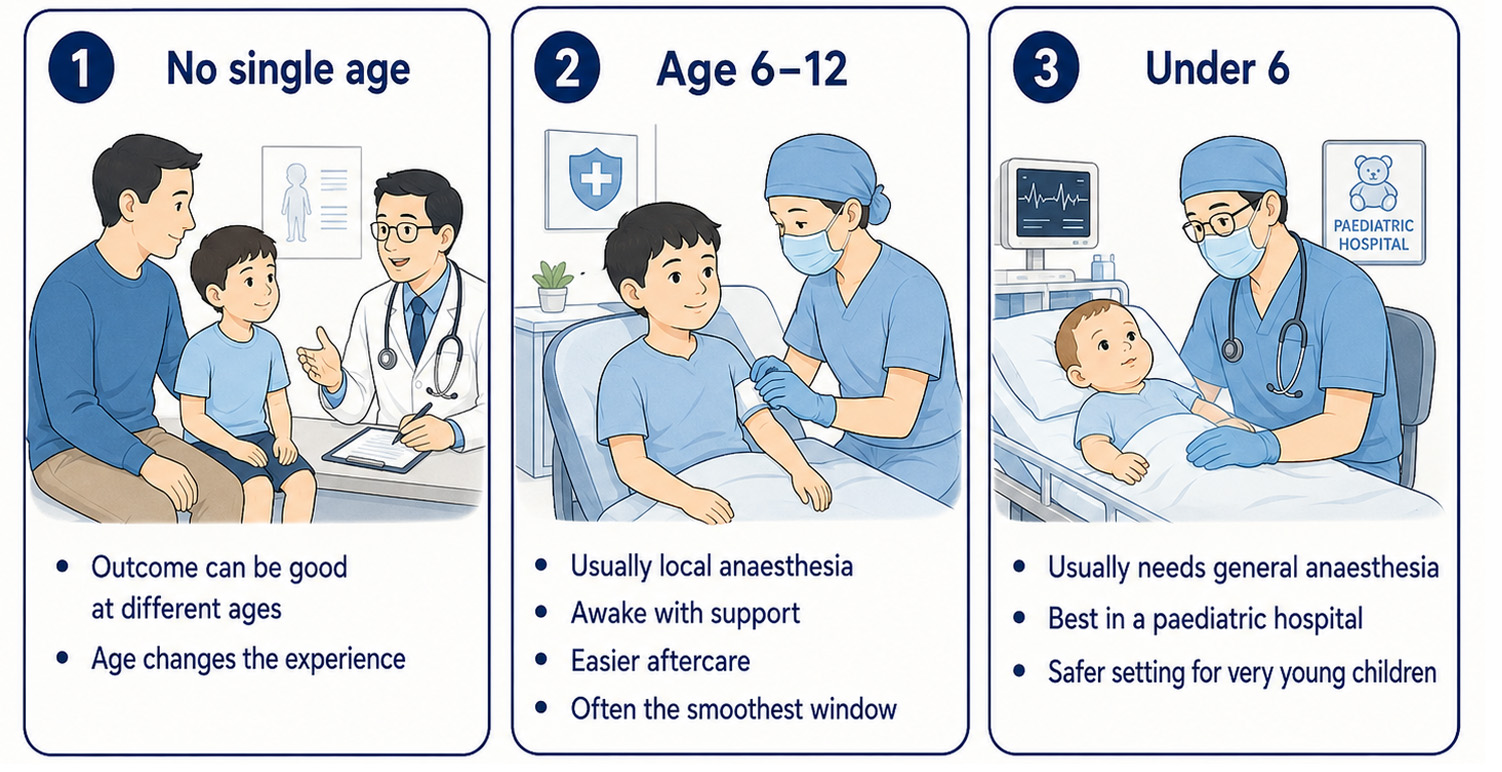
There is no single correct age, and families vary. Age changes the practical experience rather than the outcome.
Boys aged 6 and above can usually be treated with numbing cream and local anaesthesia while awake, which avoids general anaesthesia altogether. They can understand simple instructions, keep still with support, and follow aftercare such as avoiding rough play. This is why The Clifford Surgery treats boys from the age of 6, and why the window from 6 to 12 tends to be the smoothest in practice.
Younger children and infants are a different proposition. They generally need general anaesthesia to stay comfortable and still, which is best provided in a paediatric hospital setting with paediatric anaesthetic support. Public hospitals such as KK Women’s and Children’s Hospital handle a high volume of these cases, performing around 1,100 to 1,200 childhood circumcisions a year. If your son is younger than 6, a paediatric hospital is usually the safer setting.
Timing around the school holidays
Most parents plan sunat around the school calendar. Recovery is not long, but timing it during the holidays means less school missed and an easier recovery at home.
Healing takes about four weeks with the device methods used for children. Returning to school after roughly a week is common, with rough play, sports, swimming, and cycling paused for about four weeks. The June and December holidays give the most comfortable runway, and the December break in particular allows the quiet first week plus a further stretch before sports resume. If you are booking around a holiday period, book early, because these are the busiest weeks of the year for circumcision in Singapore.
Techniques used, and keeping the procedure comfortable
Several methods are available, and the right one is matched to the child rather than chosen by default.
Numbing cream is applied first, so the injection of local anaesthetic itself is far more tolerable. A ring block and a dorsal penile nerve block then numb the area fully. After that, the procedure should not hurt, and most boys describe pressure or movement rather than pain.
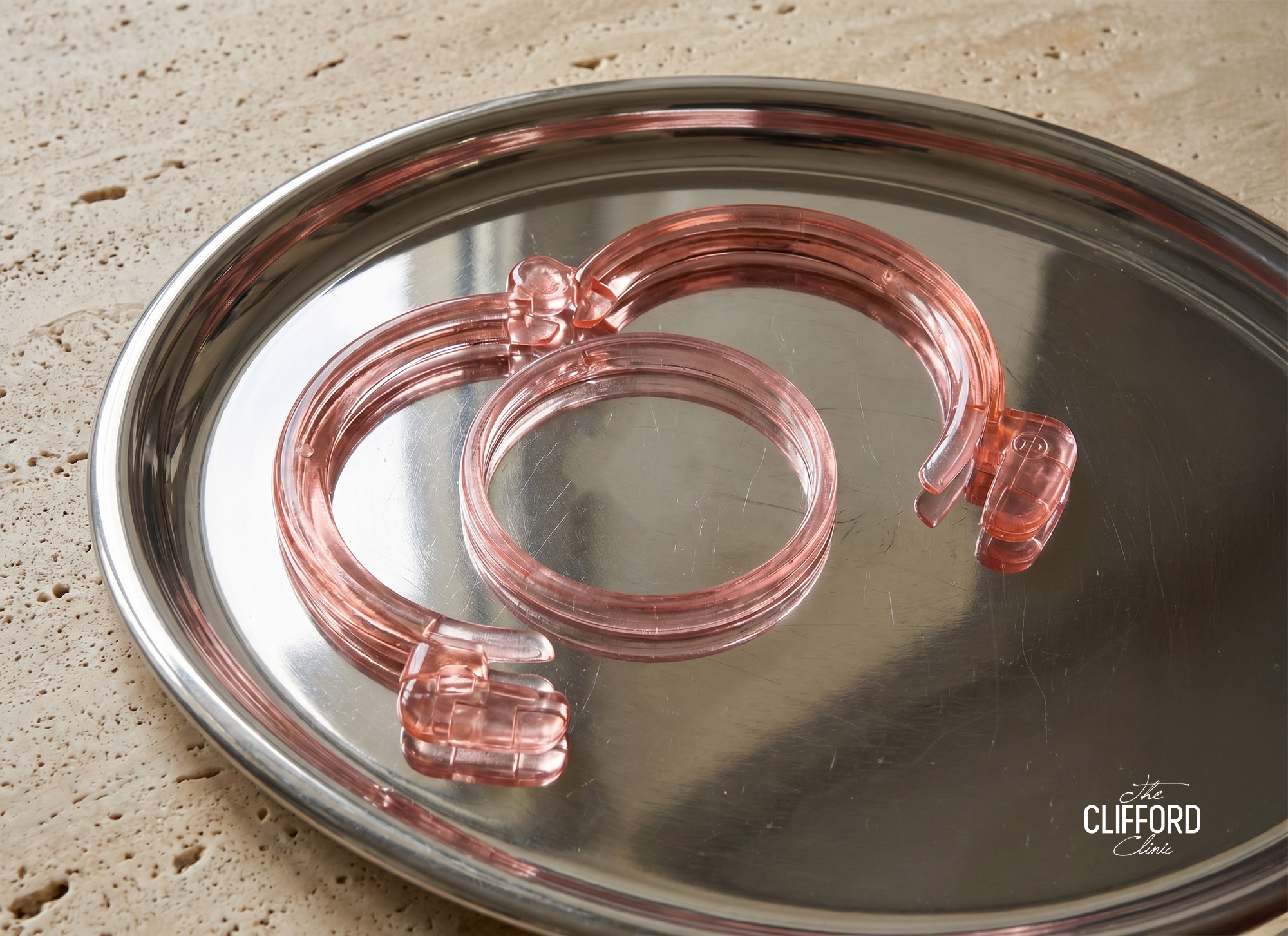
For the procedure itself, device methods are popular for children because they are quick and avoid conventional stitching. The Shang Ring is a sutureless device that clamps and removes the foreskin, with the ring left to detach naturally on its own, usually within 2 to 3 weeks. Stapler circumcision, often called ZSR, cuts and seals in a single action. Conventional surgery with dissolvable stitches handles unusual or scarred anatomy well, and laser is widely used in the public system. A randomised trial of the Shang Ring recorded an average operative time of about 6.4 minutes with blood loss of about 0.7 mL, against 2.6 mL for conventional surgery. For a full comparison, see our circumcision techniques guide.
Cost, and paying with the Baby Bonus CDA
The professional fee at The Clifford Surgery is S$1,888 before GST. The consultation is S$100 before GST and is waived if you proceed. Follow-up is included. Medication is charged separately. Light sedation is an optional add-on if you want your son to be more relaxed.
The important part for families is how it is paid. MediSave and insurance apply only when there is a medical indication such as a tight foreskin or recurrent foreskin infection. Sunat performed for purely religious reasons, with no medical problem, is not claimable under MediSave or insurance.
The Child Development Account is different. CDA funds can be used at Approved Institutions regardless of whether the procedure is medically necessary. The Clifford Surgery is registered as an Approved Institution, so the Baby Bonus CDA card can pay the clinic bill for an eligible boy. When you check the official list at go.gov.sg/listofais, search for Clifford Surgery rather than Clifford Clinic, because that is the registered name. Bring the CDA card and its PIN on the day, along with your son’s birth certificate. If the balance does not cover the full fee, the payment can be split at the counter. Our Baby Bonus and CDA guide explains the scheme in full.
Choosing between a clinic, a hospital and a traditional practitioner
Families in Singapore generally weigh three options.
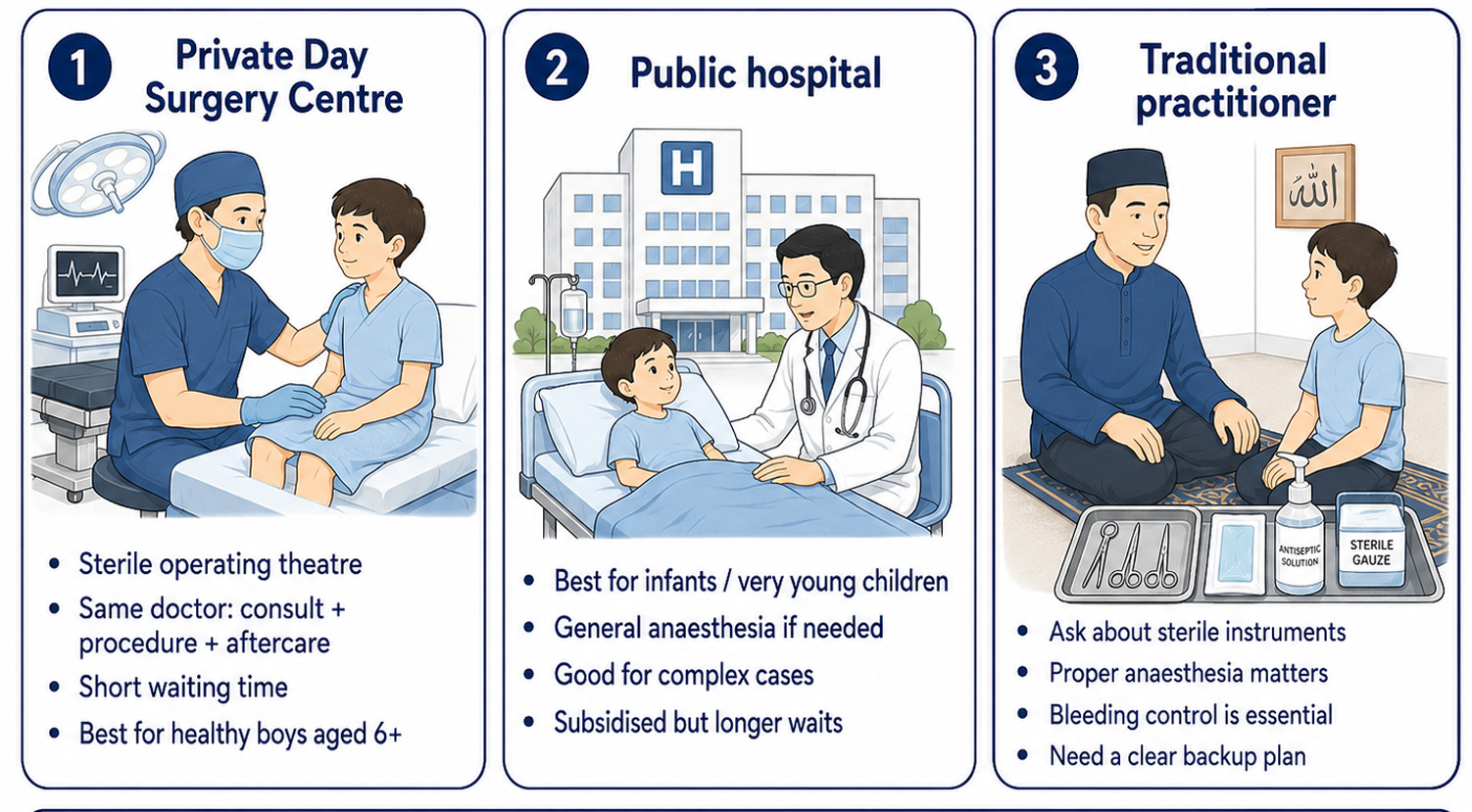
A private Day Surgery Centre offers a sterile operating theatre, a doctor who handles the consultation, the procedure and the aftercare, short waiting times, and the ability to book around the holidays. This suits healthy boys aged 6 and above.
A public hospital is the right choice for infants, for very young children who need general anaesthesia, and for boys with other medical conditions or unusual anatomy. Subsidised rates apply for eligible patients, with the trade-off of longer waits and less choice of doctor.
Traditional practitioners remain part of the cultural landscape for some families. The question to ask is about equipment. A circumcision is minor surgery, and it needs sterile instruments, proper anaesthesia, the means to control bleeding, and a clear plan if something does not go as expected. Where those are in place, the procedure is safe, and where they are not, the risk rises regardless of who performs it. Our guide on where to get circumcision in Singapore compares the settings in detail.
Aftercare and returning to school
Aftercare is simple, and doing it properly matters.
Give the prescribed painkillers on schedule rather than waiting for discomfort to build, and finish any prescribed antibiotics. Keep the area clean and dry, following the wound care instructions given on the day. Loose, breathable underwear reduces rubbing. Showering is generally fine after sunat, but baths and swimming should be avoided until the wound has healed completely.
Most boys return to school after about a week. Rough play, sports, and swimming should be avoided for about four weeks. A short review appointment checks that healing is on track, and for device methods, assesses whether the ring or staples need to be removed. Contact the clinic promptly for persistent bleeding, a smelly discharge or pus, fever, or pain that painkillers do not control. Our recovery guide sets out the timeline day by day.
A note from the clinic
“Families come to us for sunat with two reasonable questions, will it hurt him and will he be all right. Once the numbing cream and the local anaesthesia are working, the procedure should not hurt, and most boys are far calmer than their parents expect.”
Frequently asked questions
At what age can my son have sunat?
At The Clifford Surgery, boys are treated from the age of 6. Younger boys generally need general anaesthesia and are better cared for in a paediatric hospital setting.
Does my son need general anaesthesia?
Usually not from age 6. Numbing cream with local anaesthesia is normally sufficient, and light sedation can be added for an anxious child.
Can I use the Baby Bonus CDA for sunat?
Yes. CDA funds can be used at an Approved Institution even when there is no medical reason, so a religious circumcision can be paid from the account.
Can I use MediSave for sunat?
Only when there is a genuine medical indication such as a tight foreskin or recurrent foreskin infection. A purely religious circumcision does not qualify.
How much does sunat cost?
The professional fee is S$1,888 before GST, with the consultation at S$100 before GST and waived if you proceed. Follow-up is included and medication is separate.
How long will he need off school?
Most boys will be off from school for about a week. Rough play, sports, and swimming should be avoided for around four weeks.
Is it safe?
Circumcision has a strong safety record when performed by trained practitioners in a sterile setting. A Cochrane review of 18 randomised trials reported no severe adverse events with either device-based or conventional methods.
Which technique is used?
The method is chosen after assessment. Device methods such as the Shang Ring and the ZSR stapler are popular for children because they are quick and avoid conventional stitches.
When is the best time to book?
The June and December school holidays are the most convenient, and they are also the busiest, so book early.
Do you have female staff, and is privacy respected?
Consultations are private and handled discreetly, and you are welcome to raise any preference or concern when you book.
Book a consultation
If you are planning sunat for your son, a consultation is the simplest way to confirm he is suitable, agree the method, and plan the timing around school. You will also get a clear figure for the cost and confirmation of how the CDA applies to your family.
Book a consultation at The Clifford Surgery
Related guides
- Circumcision Singapore, the complete guide
- Circumcision for boys, the age guide
- MediSave, insurance and Baby Bonus
- Circumcision techniques compared
- Where to get circumcision in Singapore
Medical review box
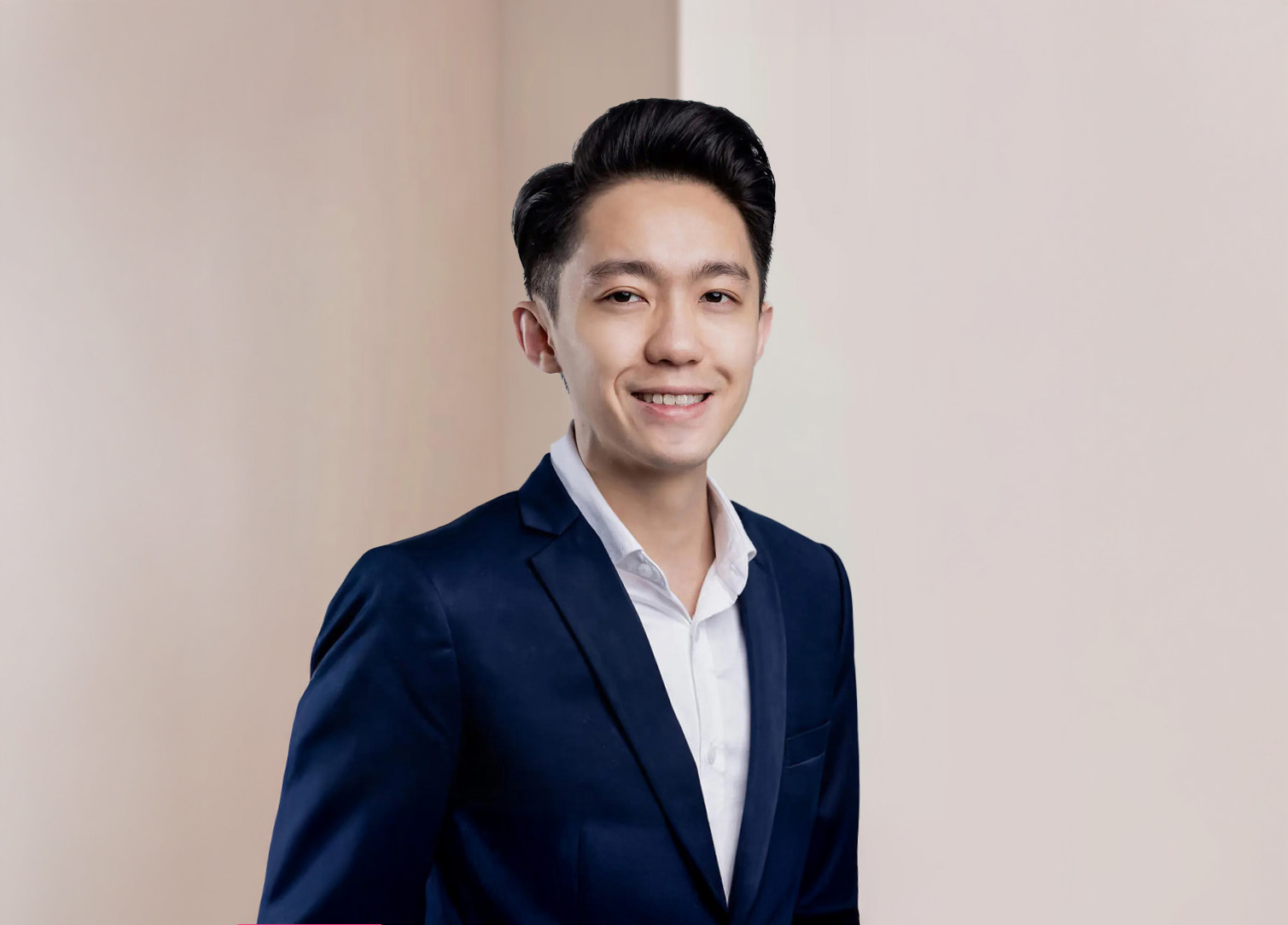
This article is written by Dr Law Zhi Wei of The Clifford Surgery. Dr Law is a Singapore-trained doctor with more than five years of surgical posting experience. He graduated from the National University of Singapore with an MBBS and holds Membership of the Royal College of Surgeons of Edinburgh, a Graduate Diploma in Family Medicine, and a Postgraduate Diploma in Practical Dermatology from Cardiff University. He trained in the Urology Department at Singapore General Hospital, where he performed hundreds of circumcisions, and completed rotations in urology, general surgery, and paediatric surgery at KK Women’s and Children’s Hospital, Sengkang General Hospital, and Changi General Hospital. He has personally performed more than 500 circumcisions across the conventional, laser-assisted, Shang Ring, and ZSR Stapler techniques, and he handles the consultation, the procedure, and the aftercare for each patient, supported by the dedicated Urology Department led by Dr Nathaniel Heah. The Clifford Surgery operates a sterile surgical theatre as a Ministry of Health-accredited Day Surgery Centre. It is a CPF and MediSave accredited, CDA-approved medical institution. We assist with hospital insurance claims where there is a medical indication. This content is general information and not a substitute for a personal consultation.
Dr Law Zhi Wei profile, https://cliffordclinic.com/dr-law-zhi-wei/
Clinical research and publications, https://cliffordclinic.com/clinical-research/
References
- Baby Bonus Approved Institutions list. https://go.gov.sg/listofais
- SingHealth, Circumcision for children. https://www.singhealth.com.sg/symptoms-treatments/circumcision-children-surgeries
- KK Women’s and Children’s Hospital, Laser circumcision outcomes. https://www.kkh.com.sg/about-kkh/who-we-are/clinical-outcomes/laser-circumcision-outcomes
Medical evidence references
- Hohlfeld A, Ebrahim S, Shaik MZ, Kredo T. Circumcision Devices Versus Standard Surgical Techniques in Adolescent and Adult Male Circumcisions. The Cochrane Database of Systematic Reviews. 2021. https://www.cochranelibrary.com/cdsr/doi/10.1002/14651858.CD012250.pub2/full
- Friedman B, Khoury J, Petersiel N, et al. Pros and Cons of Circumcision, An Evidence-Based Overview. Clinical Microbiology and Infection. 2016. https://pubmed.ncbi.nlm.nih.gov/27497811
- Sokal DC, Li PS, Zulu R, et al. Randomized Controlled Trial of the Shang Ring Versus Conventional Surgical Techniques for Adult Male Circumcision. JAIDS. 2014. https://pubmed.ncbi.nlm.nih.gov/24326606/

Author Bio
Dr Gerard Ee

Dr Gerard Ee is the Medical Director of The Clifford Clinic in Singapore. He earned his medical degree from St George's University of London and built his surgical experience across the Singapore General Hospital, National University Hospital, and Mount Sinai Hospital in New York. He holds Membership of the Royal College of Surgeons (Edinburgh) and a Postgraduate Diploma in Dermatology (Cardiff), and is fully accredited in aesthetic procedures including botulinum toxin, fillers, lasers, and light therapies. A strong advocate of minimally invasive, natural-looking results, Dr Ee has published in several medical and scientific journals and presented his research in cities including Taipei, Las Vegas, and London.
See all posts by Dr Gerard Ee »