Skin › Acne Scars
Subcision Acne Scars Treatment
What is Subcision?
Subcision is a minor surgical procedure used to treat depressed (atrophic) acne scars. The technique involves the insertion of a specialized medical-grade needle or cannula beneath the scar tissue.
By performing horizontal movements, the practitioner severs the fibrous bands that tether the surface of the skin to the underlying subcutaneous tissue. The release of these bands allows the skin to retract upward, while the subsequent wound-healing response stimulates the synthesis of new collagen in the vacant space.
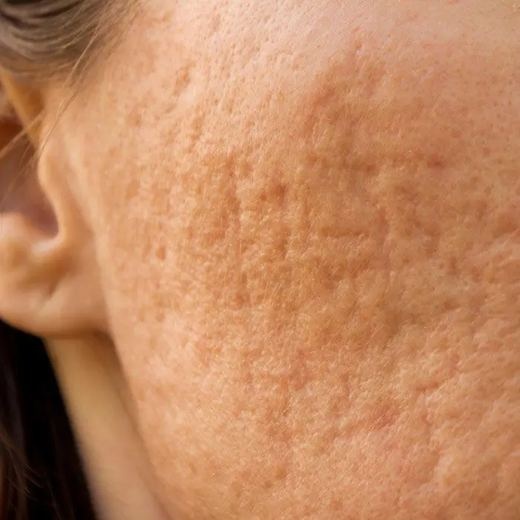
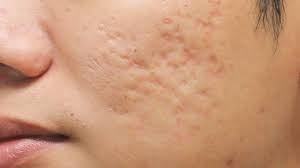
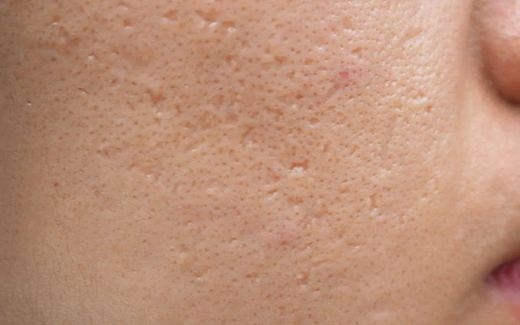
What is Acne Scars?
Subcision is most effective for rolling scars. These are characterized by broad depressions with sloping edges that give the skin a “wavy” texture. Because these scars are caused by internal tethering, they respond better to subcision than to surface-level treatments.


Suitability for Diverse Skin Tones
One of the primary advantages of subcision acne scars treatment is its safety profile across all Fitzpatrick skin types. Unlike some laser resurfacing treatments which may carry a higher risk of Post-Inflammatory Hyperpigmentation (PIH) in darker skin tones, common in Singapore’s demographic, subcision bypasses the epidermis. This reduces the risk of thermal damage and pigmentary changes.
Begin your aesthetic journey with confidence, right here with us.
WhatsApp Us
Pre-Treatment Considerations: Active Acne
Patients must have their acne in a state of remission before undergoing subcision acne scars treatment in Singapore.
Performing surgical intervention in the presence of active inflammatory acne increases the risk of:
- Bacterial translocation and infection
- Interruption of the healing cascade
- The formation of new acne lesions and subsequent scarring
The Subcision Treatment Process
Technical Modalities: Needle vs. Cannula
Nokor Needle
Designed for precise cutting. It is highly effective for localized, dense fibrous bands, but may involve a higher incidence of bruising (ecchymosis).
Blunt-Tip Cannula
Requires fewer entry points and is associated with reduced trauma to blood vessels and nerves, typically resulting in shorter recovery periods.
Clinical Instructions After Subcision
A post-care guide for patients who have completed subcision at The Clifford Clinic. Follow these instructions alongside any specific advice given by your doctor.
Immediate Post-Procedure Care
- Hemostasis
- If a compression bandage has been applied, keep it intact for the first 2 to 4 hours to minimize the risk of hematoma.
- Cold Therapy
- Apply a cold compress to the treated area for 10 to 15 minutes every hour for the first 24 hours to reduce edema and ecchymosis (bruising).
- Analgesia
- For minor discomfort, Paracetamol may be taken. Avoid Aspirin or Ibuprofen for 48 hours as these may increase bruising.
Wound Management & Hygiene
- Cleansing
- You may gently cleanse your face 12 hours post-procedure with a mild, pH-balanced cleanser. Pat dry with a clean towel; do not rub.
- Sun Protection
- Apply a broad-spectrum physical sunscreen (SPF 50 or higher) daily. This is critical in preventing UV-induced pigmentation of bruised areas.
- Topical Care
- If prescribed, apply an antibiotic ointment or recovery cream to the entry points twice daily for 3 days.
Activity Restrictions (Days 1 to 7)
- Physical Exertion
- Avoid strenuous exercise and heavy lifting for 5 days to prevent secondary swelling.
- Environmental Exposure
- Avoid saunas, steam rooms and swimming pools for 1 week to reduce the risk of infection.
- Skincare
- Discontinue use of Vitamin C, Retinoids and Chemical Exfoliants (AHA/BHA) until all entry points have fully epithelialized, usually 5 to 7 days.
Begin your aesthetic journey with confidence, right here with us.
WhatsApp Us
Our Doctors
Dr. Gerard Ee
Dr. Gerard Ee is the founder and medical director of The Clifford Clinic. He is fully accredited in cosmetic treatments and has extensive experience in acne scar revision.
Dr. Chow Yuen Ho
Dr. Chow Yuen Ho is the founder and medical director of The Clifford Clinic. With over 10 years of clinical practice, he has performed a wide range of aesthetic and medical procedures.
Frequently Asked Questions
The procedure is generally well-tolerated because doctors use local anesthesia (tumescent anesthesia). You will feel a few pinpricks during the numbing process, but after that, you should only feel a sensation of pressure or a “snapping” sound as the bands are released.
The social downtime is typically 3 to 7 days. Erythema (redness) and swelling are most prominent in the first 48 hours. Bruising usually transitions from purple to a faint yellow by day 5, at which point it can be covered with corrective makeup.
Cosmetics can typically be applied 48 hours after treatment, provided the entry points have closed. Ensure all application tools are sanitized.
Many doctors in Singapore recommend Subcision with fillers, or Subcision with Rejuran S.
Once the bands are cut, a “pocket” is created. If left empty, the bands may re-attach. Injecting a filler or a collagen stimulator acts as a spacer to prevent re-tethering while your body produces its own collagen.
Yes. Once the fibrous bands are cut and new collagen fills the space, the lift is generally permanent. However, results are gradual and continue to improve over 3 to 6 months as collagen remodels.
No. Most Singaporean doctors will insist on treating active inflammation first, to prevent the spread of bacteria and the risk of infection during the subcision process.