
Pico Laser vs Chemical Peel for Pigmentation, How to Choose
Written by Dr Bernard Ong. Medically reviewed by Dr Gerard Ee
Choosing between a Pico laser and a chemical peel is not really a question of which treatment is more powerful. The more useful question is where the pigment sits and why it formed. A superficial peel can improve pigment in the outer skin together with dullness or rough texture. A picosecond laser can target selected brown lesions and pigment that sits beyond the reach of a superficial peel. Melasma and post-inflammatory hyperpigmentation need more caution, because either treatment can make pigment darker when the skin is over-treated. For some patients, one method is enough. For others, the safest plan is to use them at different stages rather than combine them aggressively.
How chemical peels work
A chemical peel places a controlled acid solution on the skin to loosen and shed cells at a planned depth. Superficial peels work mainly within the epidermis and are commonly used for dullness, superficial post-inflammatory marks and selected melasma protocols. Medium-depth peels reach further and create more visible peeling, but they also carry a greater risk of prolonged redness and post-inflammatory hyperpigmentation in darker skin. The name of the acid is only part of the equation. Concentration, pH, contact time, layering, skin preparation and the condition of the skin on the day all affect how deeply a peel acts.
Peeling agents used for pigmentation
The choice of peel should match both the pigment concern and the patient’s tolerance for irritation.
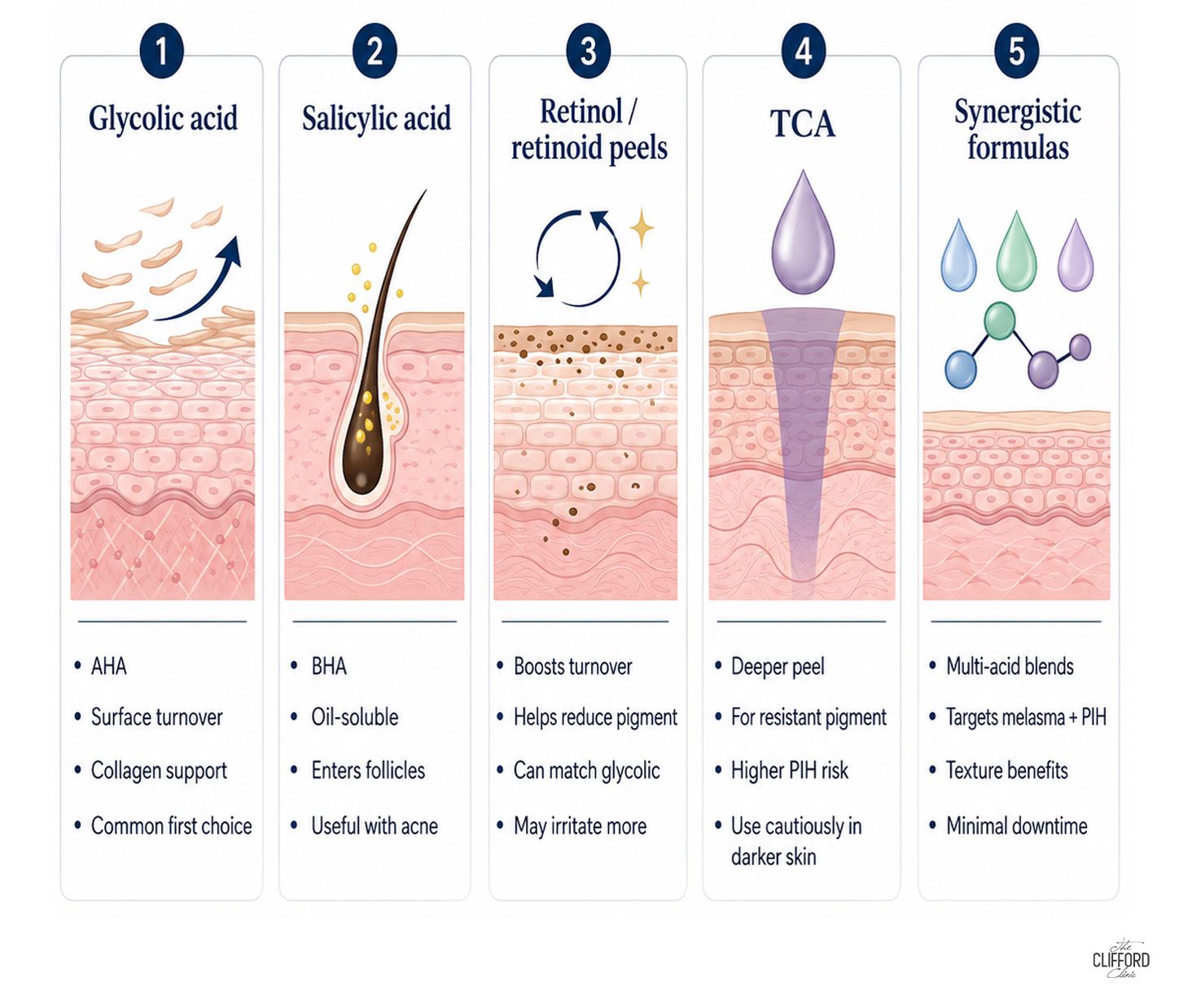
- Glycolic acid. This alpha hydroxy acid has a small molecular size and penetrates readily. It is one of the better-studied peeling agents for melasma and diffuse superficial pigmentation, although it is still used as an adjunct rather than a cure for melasma.
- Salicylic acid. Because it is oil-soluble and enters sebaceous follicles, salicylic acid is particularly useful when brown acne marks coexist with oily or acne-prone skin.
- Retinol and retinoid peels. These increase epidermal turnover and influence melanin production. A 2026 comparative study found that a 4 percent retinol peel and a 35 percent glycolic acid peel both improved melasma, with mild adverse effects occurring somewhat more often in the retinol group.
- Trichloroacetic acid. TCA can penetrate more deeply, but that extra depth also increases the risk of post-inflammatory hyperpigmentation. It therefore requires particular caution in Asian and other melanin-rich skin tones.
- Combination peels. Some professional formulations combine several acids or pigment-modulating ingredients. Evidence for one formulation cannot automatically be applied to every blended peel, so the exact product and protocol still matter.
How Pico laser works
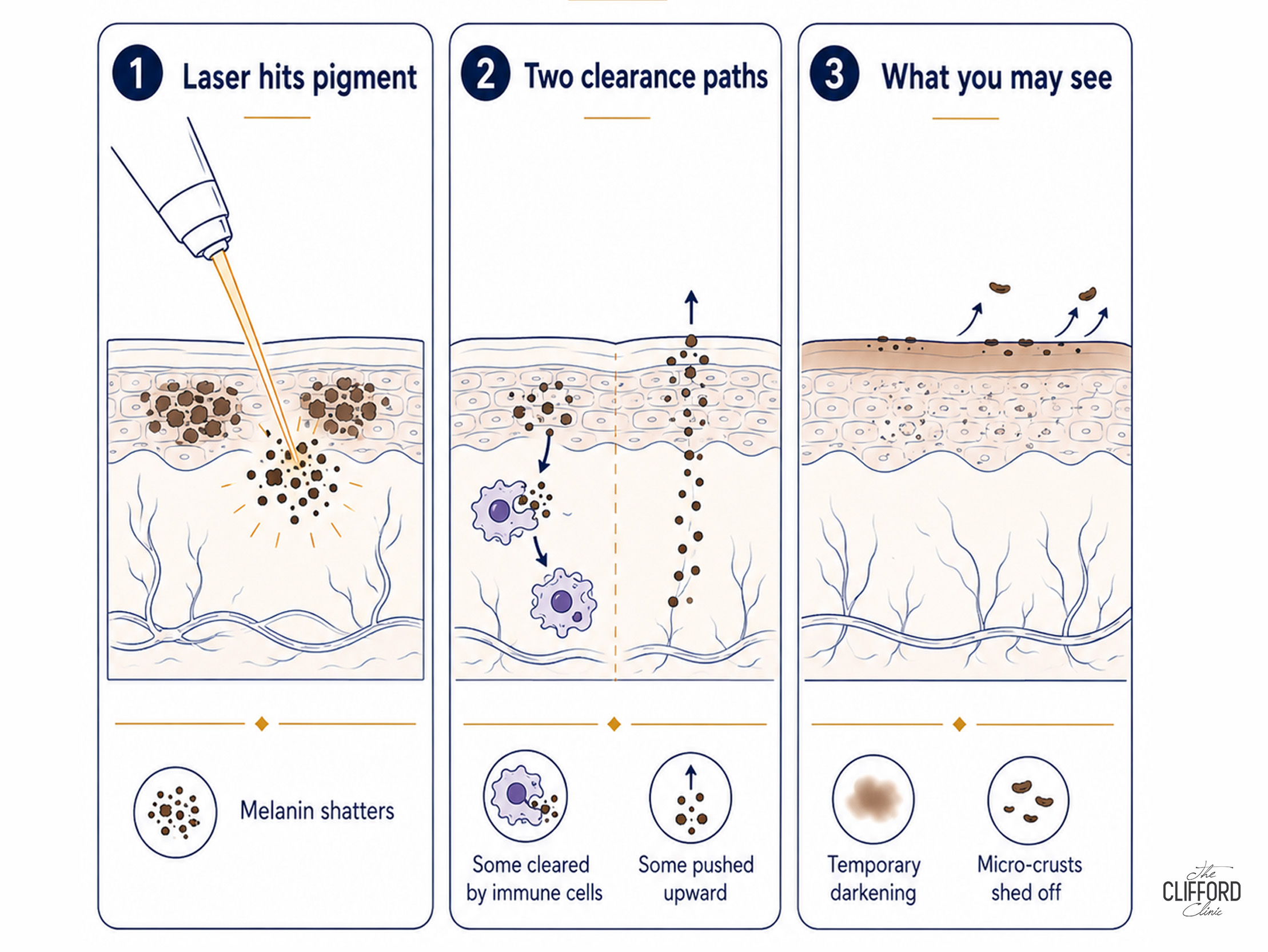
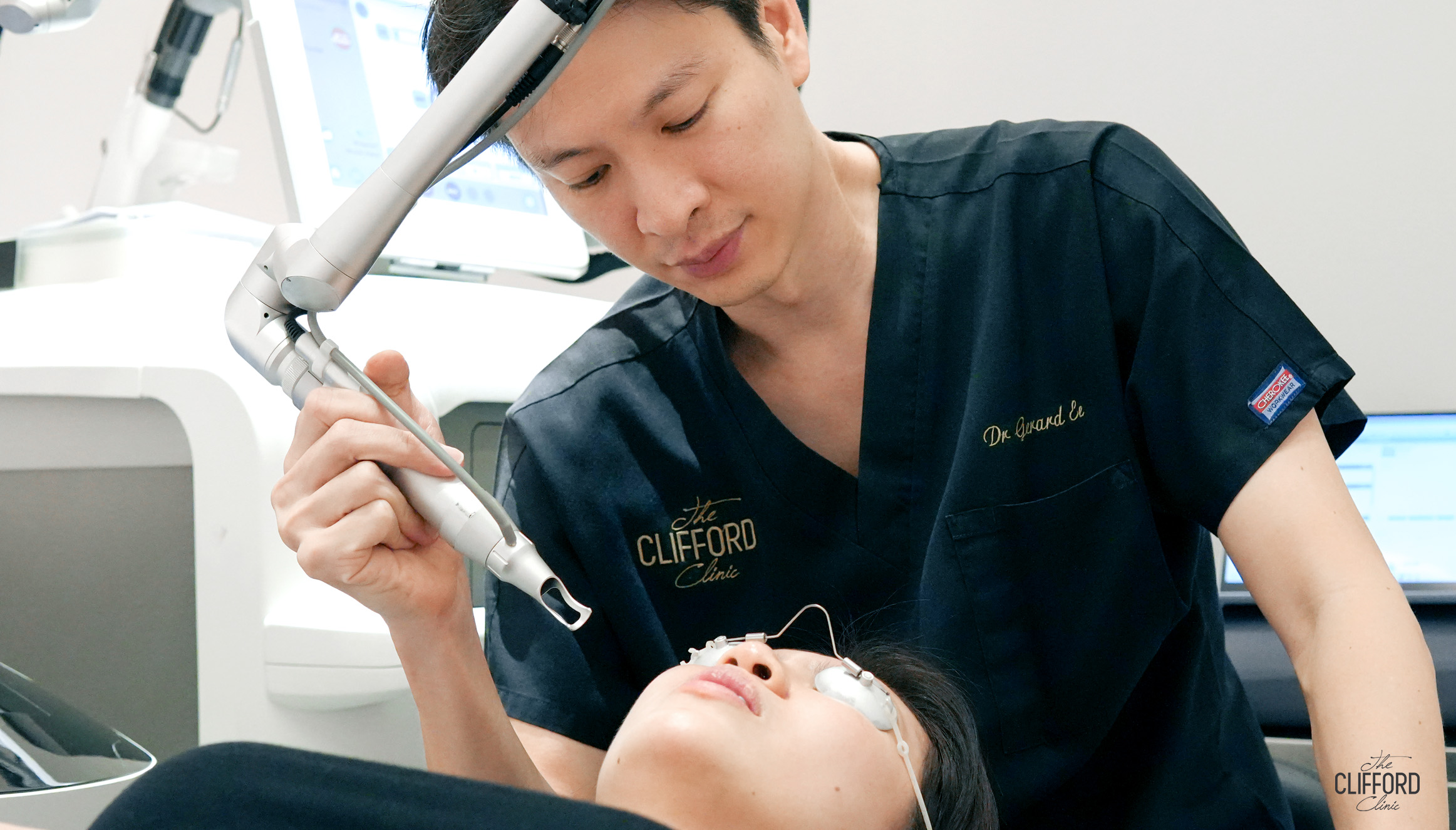
Picosecond lasers deliver energy in pulses measured in trillionths of a second. A wavelength is selected according to the pigment being treated and the device being used. The very short pulse creates a strong photoacoustic effect that breaks pigment into smaller particles while limiting the spread of heat compared with longer-pulse systems, although treatment is not completely heat-free. A flat spot handpiece used for freckles or sun spots is different from low-fluence toning used in selected melasma cases, and both differ from a fractional handpiece used to improve texture. The diagnosis and the settings are therefore at least as important as the word Pico.
Laser energy can reach pigment below the level affected by a superficial peel, including dermal pigmentation such as Hori’s naevus when an appropriate wavelength is chosen. A 2026 retrospective study reported better outcomes, fewer adverse effects and higher satisfaction with a 730 nm picosecond laser than with a 532 nm Q-switched Nd:YAG laser for facial pigmented disorders. That finding supports the use of the studied wavelength and protocol; it does not mean that every Pico device is superior for every type of pigmentation.
Which pigmentation types respond to each treatment
Chemical Peel and Pico Laser Compared for Pigmentation
| Pigment Concern | Chemical Peel | Pico Laser |
|---|---|---|
| Superficial Uneven Tone and Dullness | Often a sensible first option when pigment is diffuse and rough texture is also a concern; usually performed as a series. | Can help selected brown pigment, but may be more treatment than is needed for simple dullness. |
| Post-Inflammatory Hyperpigmentation | Useful for superficial marks, especially when oily or acne-prone skin is present; improvement is usually gradual. | May be considered for selected persistent marks, using conservative settings because laser can also trigger PIH. |
| Freckles and Superficial Sun Spots | May lighten diffuse surface pigment but is less precise for individual lesions. | More targeted for discrete lesions; treated spots may darken or crust before they clear. |
| Melasma | Superficial peels only, as a cautious adjunct after the condition has been stabilised. | Low-fluence treatment in selected patients; not a first-line cure and not suitable for aggressive treatment. |
| Dermal Pigmentation such as Hori’s Naevus | Not effective because the pigment lies below the depth reached by a superficial peel. | Appropriate when the wavelength and settings are matched to the pigment depth. |
| Coexisting Acne and Pigment | Salicylic acid can address both follicular acne and superficial brown marks. | Can target selected pigment, but active acne still requires its own treatment plan. |
Melasma considerations for peels and laser
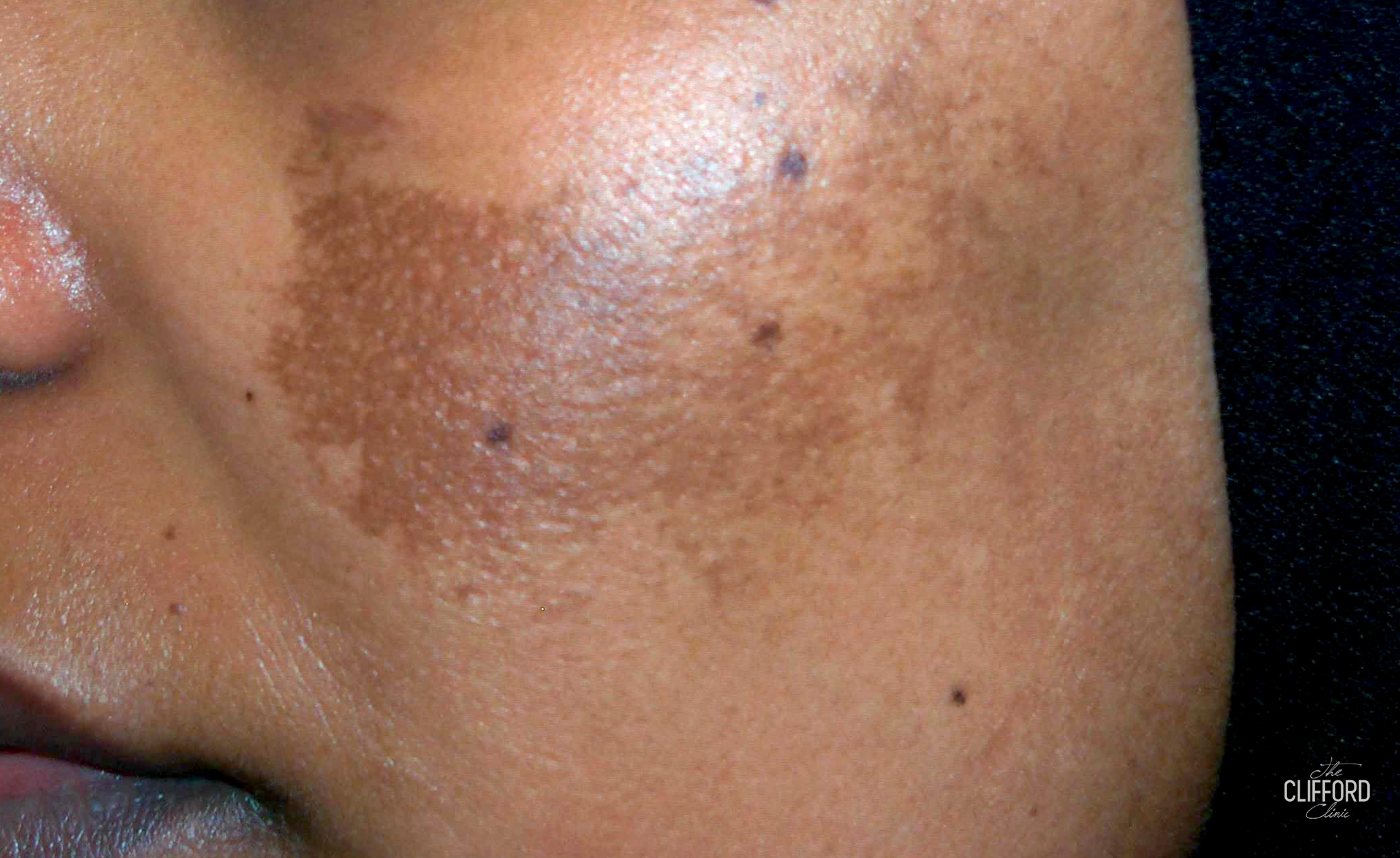
Melasma is not simply pigment sitting on the surface. It is a chronic, relapse-prone condition involving overactive melanocytes, changes at the basement membrane, increased vascular activity and sensitivity to ultraviolet light, visible light and heat. A superficial glycolic peel or carefully selected low-fluence laser treatment may be useful, but neither should lead the plan before the melasma has been stabilised.
The foundation remains consistent photoprotection and topical therapy. Oral tranexamic acid may be considered for selected patients after medical screening because it is not suitable for everyone. An overly strong peel or excessive cumulative laser energy can inflame the skin and produce the rebound pigmentation the treatment was intended to improve. Neither a peel nor a Pico laser is curative, so maintenance is part of the treatment rather than an optional extra.
Post-inflammatory hyperpigmentation and acne-prone skin
When acne is still active, controlling the acne comes first. Each new inflammatory lesion can leave a fresh brown mark, so treating pigment alone becomes a cycle of clearing old marks while new ones continue to form. Salicylic acid peels can be useful because they address both the follicle and superficial pigmentation. Pico laser may be added for selected persistent pigment after the acne and skin barrier are under control. The treatments can be staged, but there is no advantage in using both simply for the sake of doing more.
Downtime comparison
Downtime depends on the depth and endpoint of treatment. A superficial peel may cause stinging, redness, tightness and light flaking for roughly three to five days. Medium-depth peels produce more obvious peeling and usually need at least seven to ten days of recovery. Pico laser downtime varies more than many comparisons suggest: gentle toning may leave only a few hours of redness, while targeted treatment of freckles or sun spots can make the lesions darken and crust for about five to seven days. Pigment may continue to fade over the following weeks. Our Pico laser aftercare guide explains the usual recovery and skincare precautions in more detail.
Risk of irritation and rebound pigmentation
The main avoidable complication in Asian skin is treatment-induced post-inflammatory hyperpigmentation. Risk rises when the skin is already irritated, recently tanned or inflamed, when settings are too aggressive, when sessions are placed too close together, or when sun protection is inconsistent. Some patients benefit from a short course of pigment-suppressing skincare before treatment. Others need a simpler barrier-focused routine so that preparation itself does not cause irritation. A standard pre-treatment formula is therefore less useful than an individual plan.
Can chemical peels and Pico laser be combined?
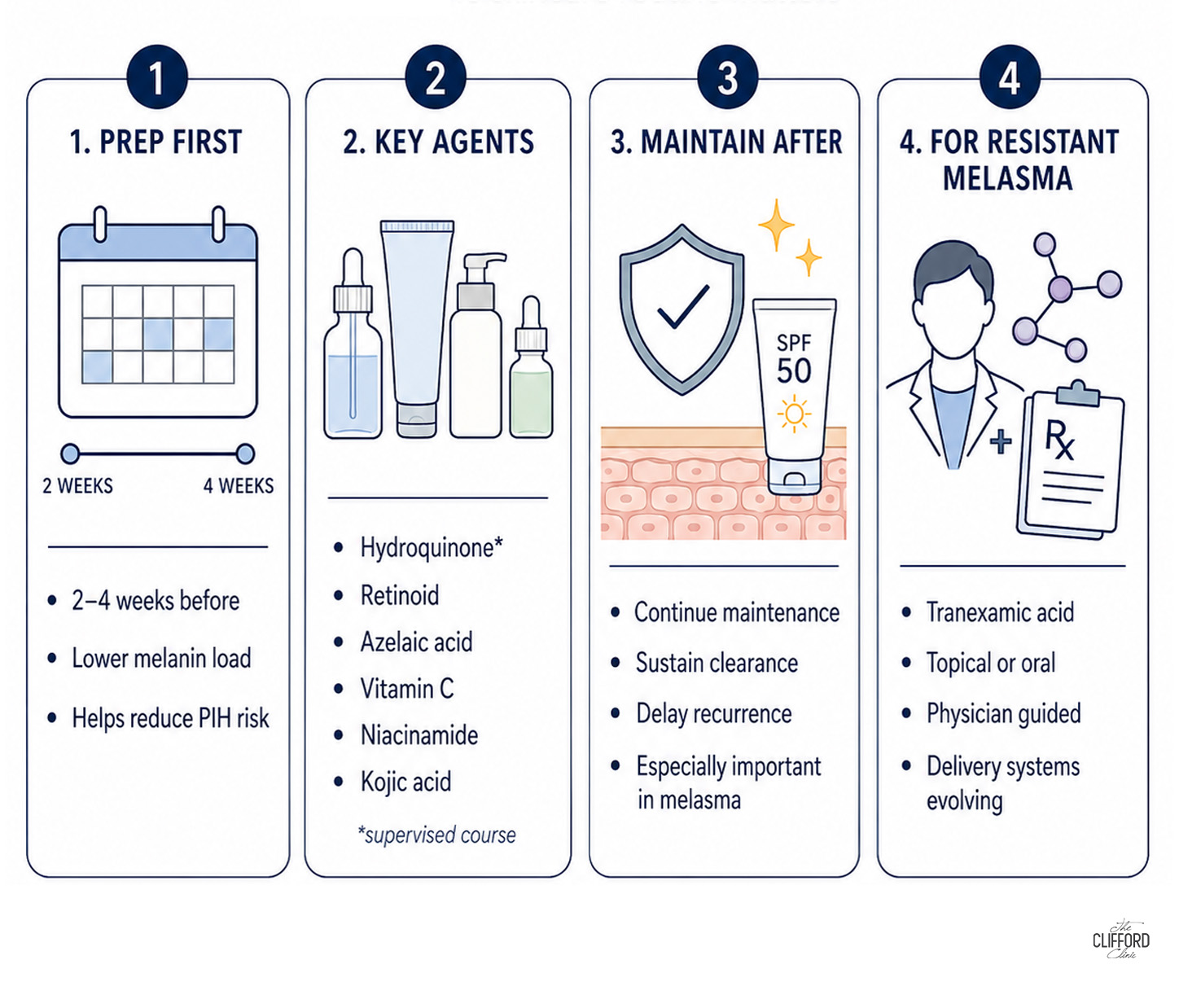
Yes, but combination treatment does not have to mean performing both procedures in the same session or using maximum intensity. A staged plan may begin with two to four weeks of sunscreen and topical treatment, followed by a superficial peel for diffuse epidermal pigment. Pico laser can then be considered if discrete or deeper pigment remains. In melasma and reactive skin, longer intervals and gentler endpoints are often safer than an ambitious schedule.
The role of topical preparation and maintenance
Procedures remove or disperse existing pigment; they do not switch off the tendency to make new pigment. Depending on the diagnosis, a maintenance plan may include supervised hydroquinone courses, retinoids, azelaic acid, vitamin C, niacinamide or kojic acid. These ingredients should not automatically be layered together, because irritation can undo the benefit. Topical or oral tranexamic acid may also be considered by a physician for resistant melasma. For recurrent conditions, especially melasma, daily sunscreen and a tolerable maintenance routine usually contribute more to durability than repeatedly escalating the procedure.
What neither treatment can do on its own
A peel or laser cannot compensate for an untreated trigger. Active acne, eczema, recent sun exposure, a damaged skin barrier and unstable melasma all increase the chance that pigmentation will return or worsen. The result is more likely to last when the trigger is addressed first and the procedure is used for the pigment that remains.
How to choose safely
A peel is more likely to suit diffuse superficial pigmentation, dullness, brown acne marks and patients who prefer gradual treatment. Pico laser is more likely to suit discrete freckles or sun spots, Hori’s naevus and selected pigment that has not responded adequately to topical therapy. Mixed patterns may need a staged combination. Melasma requires the most conservative approach regardless of which treatment is chosen.
Who may be suitable, and who should wait
- Chemical peels may suit: superficial uneven tone, dullness, post-inflammatory hyperpigmentation, coexisting acne and patients comfortable with a gradual series.
- Pico laser may suit: discrete freckles or sun spots, deeper or resistant pigment, Hori’s naevus and carefully selected, stabilised melasma.
- Treatment should be delayed or reassessed when there is: inflamed or infected skin, a recent tan or sunburn, an impaired skin barrier, unstable melasma, or any undiagnosed or changing pigmented lesion.
Doctor’s perspective. Patients often compare a peel and a laser as though they are two versions of the same treatment. They are not. The safest result usually comes from using the least aggressive treatment capable of reaching the correct pigment. In Asian skin, over-treatment can create a new pigmentation problem that takes longer to settle than the original concern.
Combining peels with the right laser
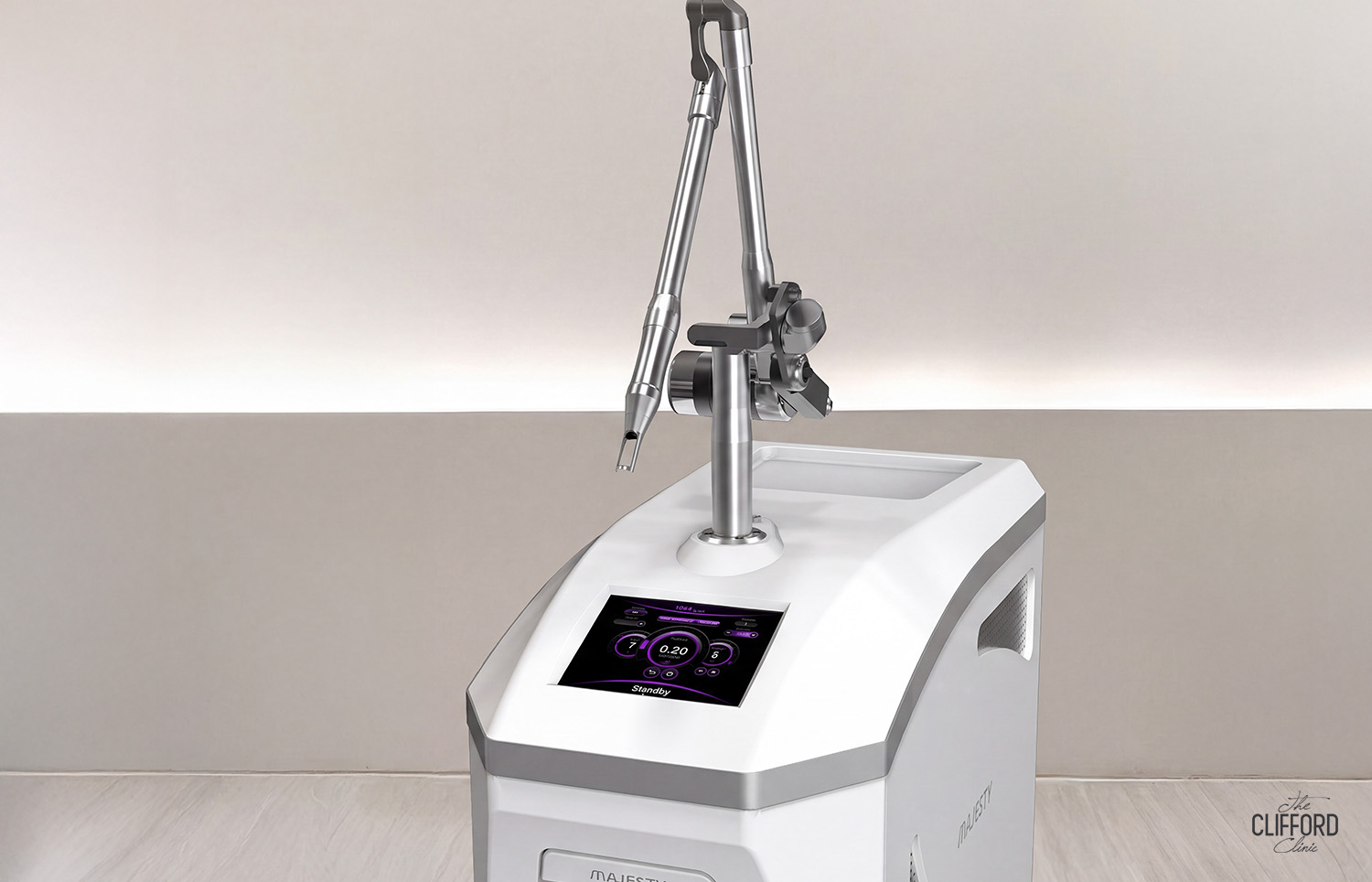
A superficial peel refines surface pigment and texture, while a picosecond wavelength matched to the depth, or the Fraxel platforms for deeper or diffuse pigment, reaches what a peel cannot.
Frequently asked questions
Is Pico laser better than a chemical peel for pigmentation?
Neither is better in every situation. Chemical peels are well suited to superficial, diffuse pigmentation and can also improve texture. Pico laser is more targeted for discrete lesions and pigment that lies beyond the reach of a superficial peel. The diagnosis should decide the treatment, not the assumption that a laser is automatically stronger or better.
Are chemical peels safe for Asian skin?
Yes, when the peeling agent, concentration, contact time and treatment interval are selected conservatively. Superficial peels are generally the safer starting point. Stronger or deeper peels carry a higher risk of post-inflammatory hyperpigmentation and are not appropriate for every patient.
Can a chemical peel worsen pigmentation?
It can. A peel that is too strong, repeated too soon or applied to inflamed skin may trigger post-inflammatory hyperpigmentation. Careful preparation, a controlled endpoint and consistent sun protection reduce the risk.
Which treatment is better for brown acne marks?
Salicylic acid peels are useful when active acne and superficial brown marks coexist. Pico laser may be considered later for selected marks that persist after the acne is controlled. Treating the acne first prevents new marks from replacing the ones being cleared.
Can Pico laser and chemical peels be combined?
Yes. They are usually most useful when they have separate roles: a superficial peel for diffuse surface pigment and texture, and Pico laser for selected residual or deeper pigment. They should be spaced and adjusted so that the skin is not over-treated.
Which treatment has more downtime?
A superficial peel commonly causes light flaking for three to five days, while a medium-depth peel usually needs seven to ten days or longer. Pico laser varies by protocol. Toning may cause only brief redness, whereas targeted treatment of brown spots can produce darkening or crusting for about five to seven days.
Choosing the right treatment for your skin

An accurate diagnosis allows a peel and a laser to be used for the problems they are best at treating, rather than as competing treatments. Learn more about Pico laser in Singapore and pigmentation treatment in Singapore, or book a consultation at The Clifford Clinic, 50 Raffles Place, #01-01 Singapore Land Tower. Call (65) 6532 2400 or WhatsApp (65) 8318 6332.
Selected References
- Chemical Peels for Melasma: A Systematic Review. Dermatologic Surgery, 2024. https://pubmed.ncbi.nlm.nih.gov/38530985/
- Comparative Efficacy of 35 Percent Glycolic Acid Peel Versus 4 Percent Retinol Peel in Melasma. Dermatologic Surgery, 2026. https://pubmed.ncbi.nlm.nih.gov/40970768/
- A Novel Professional-Use Synergistic Peel Technology to Reduce Visible Hyperpigmentation on the Face. Experimental Dermatology, 2024. https://onlinelibrary.wiley.com/doi/10.1111/exd.15069
- Comparing the Efficacy and Safety of a 730 nm Picosecond Laser With a 532 nm Q-Switched Nd:YAG Laser for Facial Pigmented Disorders. European Journal of Medical Research, 2026. https://pubmed.ncbi.nlm.nih.gov/41782066/

Author Bio
Dr Gerard Ee

Dr Gerard Ee is the Medical Director of The Clifford Clinic in Singapore. He earned his medical degree from St George's University of London and built his surgical experience across the Singapore General Hospital, National University Hospital, and Mount Sinai Hospital in New York. He holds Membership of the Royal College of Surgeons (Edinburgh) and a Postgraduate Diploma in Dermatology (Cardiff), and is fully accredited in aesthetic procedures including botulinum toxin, fillers, lasers, and light therapies. A strong advocate of minimally invasive, natural-looking results, Dr Ee has published in several medical and scientific journals and presented his research in cities including Taipei, Las Vegas, and London.
See all posts by Dr Gerard Ee »