
Pico Laser Singapore, What It Treats, What It Does Not, and Who Is Suitable
Pico laser is a picosecond laser used in Singapore to treat pigmentation such as freckles, sun spots and post-inflammatory hyperpigmentation, along with selected acne marks and tattoo pigment. Its ultra short pulses shatter melanin with little heat, which suits Asian skin. It is a tool rather than a diagnosis, so suitability depends on your pigment type, and a doctor’s assessment should come first.
What is Pico laser?
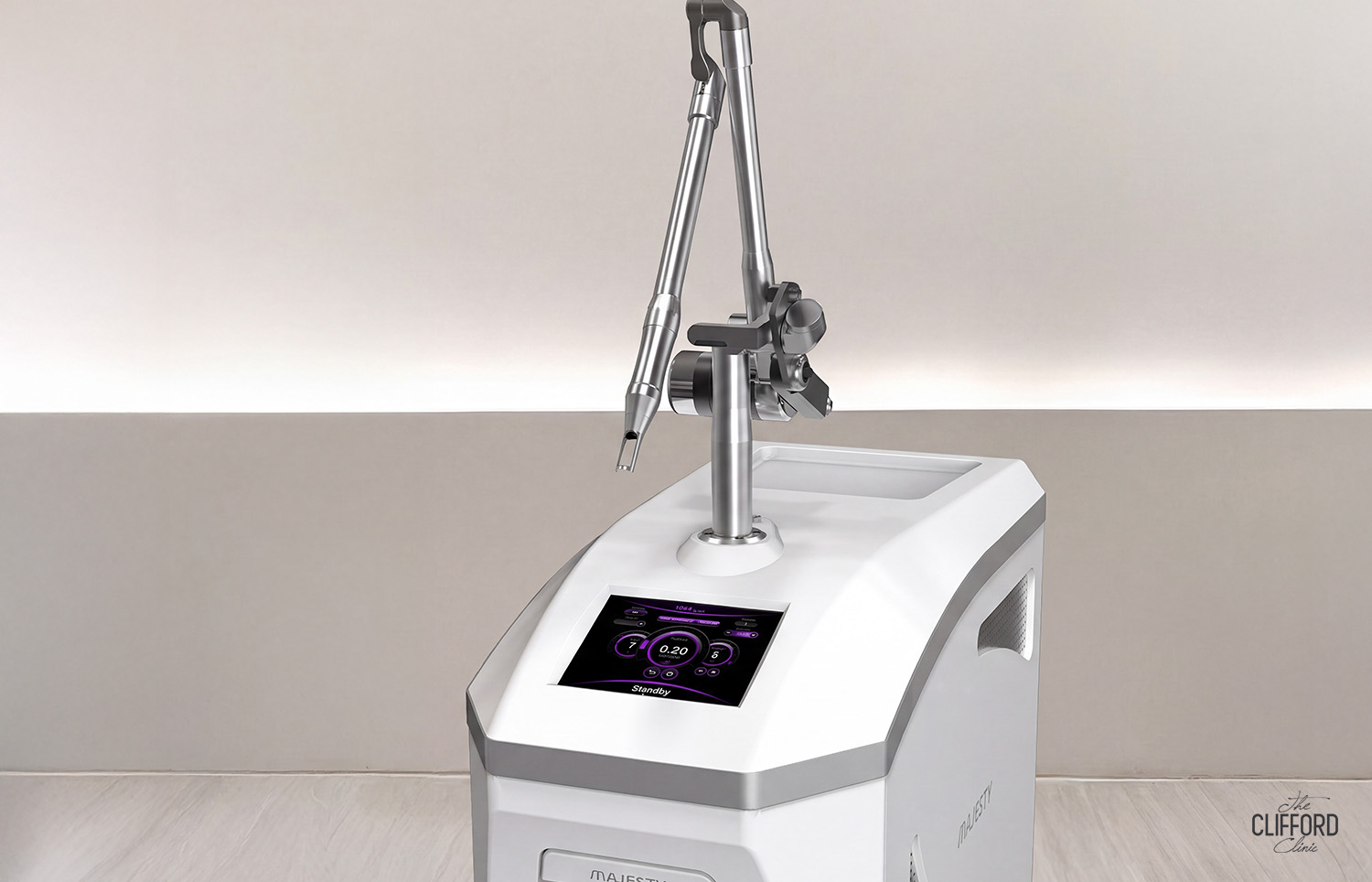
Pico laser refers to a family of lasers that fire in picoseconds, which are trillionths of a second and hundreds of times shorter than older Q-switched lasers. The extremely short pulse creates a pressure based effect that fragments pigment into fine dust, which the body then clears away naturally. Because far less energy is left behind as heat, the surrounding skin is spared. This matters in melanin rich Asian skin, where stray heat can trigger new pigmentation. You can read about the treatment itself on our Pico laser in Singapore page.
How Pico laser works on pigment
Melanin in an unwanted spot absorbs the laser pulse and shatters. Over the following weeks the fragmented pigment is carried away, so spots typically darken briefly, may form fine crusts, and then fade. Superficial epidermal pigment clears more quickly, while deeper dermal pigment requires a longer wavelength and more sessions.
What Pico laser may help with, and what it does not treat well
Pico Laser Suitability by Skin Concern
| Concern | Pico Laser Suitability | Notes |
|---|---|---|
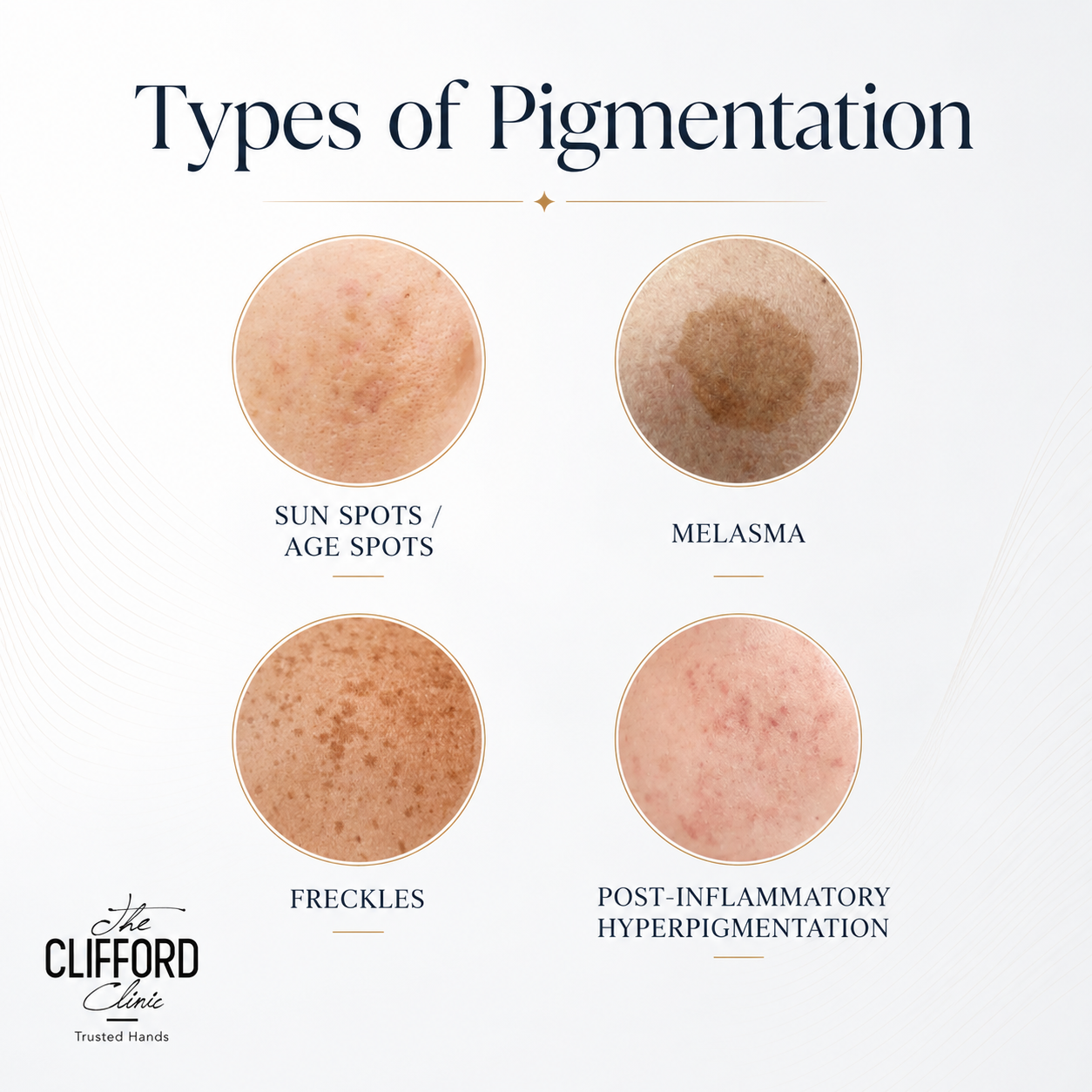
| Freckles, Sun Spots | Often responds well | Usually visible lightening within a few sessions, recurrence possible with sun exposure |
| Post-Inflammatory Hyperpigmentation | May help | Underlying acne or inflammation must be controlled first |
| Hori’s Naevus, Dermal Pigment | Suitable, longer course | Needs a 1064 nm wavelength and multiple sessions |
| Melasma | Needs careful assessment | Low energy settings only, risk of rebound, usually combined with sunscreen and topicals |
| Red Acne Marks | Not a good match | Redness is vascular, so vascular lasers are more appropriate |
| Deep Indented Acne Scars | Limited | Fractional resurfacing is often better for texture |
| Raised Moles, Seborrheic Keratoses | Not appropriate | These are growths, removed by other methods after medical review |
Pico laser for acne marks versus acne scars
Brown, flat marks left after pimples are post-inflammatory hyperpigmentation, a pigment problem that Pico laser targets directly. Indented or textured changes are true acne scars, a collagen problem better addressed with fractional resurfacing. Many patients have both, so plans often combine treatments. Our guide to acne marks versus acne scars explains the difference in detail.
Pico laser for melasma and why caution matters
Melasma is a chronic, relapsing condition driven by hormones, ultraviolet light, visible light and heat. Aggressive laser treatment can worsen it. Where Pico laser is used for melasma, doctors use gentle, low energy toning settings as part of a plan built on rigorous sun protection and prescription topicals, with realistic expectations of control rather than cure. Our melasma treatment guide covers this fully.
Who is suitable?
- Adults with diagnosed benign pigmentation such as freckles, sun spots, post-inflammatory hyperpigmentation or dermal pigment.
- Patients with stable, controlled melasma where a doctor has judged conservative laser toning appropriate.
- Those prepared to follow aftercare, especially daily sunscreen, and to complete a planned course.
Who may not be suitable?
- Anyone with an undiagnosed or changing pigmented spot, which needs medical review before any laser.
- Active skin infection, eczema flare or inflamed acne in the treatment area.
- Recently tanned or sunburnt skin, which raises the risk of side effects.
- Pregnancy, a tendency to keloid scarring, certain photosensitising medications, and unstable melasma all warrant postponement or alternatives, which your doctor will discuss.
Downtime and aftercare
Most pigmentation treatments involve mild redness for a few hours and temporary darkening or fine crusting of treated spots for several days. Makeup can usually be worn after a day. Sunscreen is essential throughout, because ultraviolet exposure on recovering skin is the main preventable cause of post-inflammatory hyperpigmentation. Our Pico laser aftercare guide sets out the recovery day by day.
How many sessions are usually needed?
It varies by pigment type. Discrete sunspots may respond in a small number of sessions, post-inflammatory hyperpigmentation commonly takes several, and dermal pigmentation or melasma toning may need a longer course with maintenance. Session estimates are made after diagnosis, not before.
Doctor’s perspective. Pico laser is one of the most useful pigment tools we have for Asian skin, but the machine matters less than the diagnosis. The same brown patch could be a sunspot that clears quickly, melasma that needs restraint, or a dermal naevus that needs a different wavelength entirely. Assessment first, laser second.
What to ask before treatment
- What is my exact diagnosis, and is laser the right first step for it?
- Which wavelength and settings will be used, and why?
- How many sessions are realistic for my pigment type, and what maintenance is expected?
- What are the risks for my skin tone, and what is the aftercare plan?

Frequently asked questions
Is Pico laser effective?
For correctly diagnosed superficial pigmentation such as freckles, sunspots and post-inflammatory hyperpigmentation, clinical experience and published evidence show good clearance rates. Effectiveness depends on treating the right condition with the right settings, and melasma and dermal pigment need modified approaches.
Does Pico laser remove pigmentation permanently?
Treated spots can clear fully, but new pigmentation can form with ongoing sun exposure, and melasma tends to relapse without maintenance. Sun protection largely determines how long results last.
Is Pico laser safe for Asian skin?
Yes, when performed with appropriate wavelengths and conservative settings. Picosecond pulses produce less heat than older lasers, which lowers the risk of post-inflammatory hyperpigmentation, though careful technique still matters in darker skin tones.
Does Pico laser help acne scars?
It may improve superficial texture and pigmented marks, and a fractional handpiece extends its reach. Deeper indented scars generally respond better to fractional resurfacing or combination scar treatment.
How many Pico laser sessions do I need?
It depends on the pigment type, ranging from a small number of sessions for discrete sunspots to longer staged courses for dermal pigmentation or melasma toning. Your doctor estimates after examining your skin.
What are the side effects of Pico laser?
Temporary redness, darkening and light crusting are expected. Uncommon effects include post-inflammatory hyperpigmentation or lightening, which conservative settings, session spacing and sunscreen minimise.
When to book a pigmentation assessment
If you are unsure what your pigmentation is, start with a diagnosis rather than a laser package. Learn about the treatment on our Pico laser in Singapore page and our pigmentation treatment in Singapore page, or book at The Clifford Clinic, 50 Raffles Place, #01-01 Singapore Land Tower. Call (65) 6532 2400 or WhatsApp (65) 8318 6332.
Selected References
- Comparing the efficacy and safety of a 730 nm picosecond laser with a 532 nm Q-switched Nd:YAG laser for facial pigmented disorders. European Journal of Medical Research, 2026.
- Comparison of picosecond and nanosecond Nd:YAG 1064 nm lasers in the treatment of melasma. Plastic and Reconstructive Surgery, 2023.
- Disorders of hyperpigmentation, part I: pathogenesis and clinical features of common pigmentary disorders. Journal of the American Academy of Dermatology, 2023.

Author Bio
Dr Gerard Ee

Dr Gerard Ee is the Medical Director of The Clifford Clinic in Singapore. He earned his medical degree from St George's University of London and built his surgical experience across the Singapore General Hospital, National University Hospital, and Mount Sinai Hospital in New York. He holds Membership of the Royal College of Surgeons (Edinburgh) and a Postgraduate Diploma in Dermatology (Cardiff), and is fully accredited in aesthetic procedures including botulinum toxin, fillers, lasers, and light therapies. A strong advocate of minimally invasive, natural-looking results, Dr Ee has published in several medical and scientific journals and presented his research in cities including Taipei, Las Vegas, and London.
See all posts by Dr Gerard Ee »