
肉毒杆菌
如何无需手术就能拥有完美女性 V 型下颌线

无停机时间,疼痛最小
如果您是女性,拥有柔和的 V 形下颌线会显得更加女性化和迷人。但问题是,有些女性的下颌脸却更明显、更有男子气概。
有些人天生就有男性化的下颌,但其他情况下,下颌也可能是因经常咀嚼或磨牙而形成的。下颌肌肉过度劳累,导致脸部看起来比实际更大。
简而言之,它使脸部看起来不平衡且没有吸引力。
但如果您可以矫正您的方下颌,使其与脸部其他部分完美对称地融合,那会怎样?
现在只需进行简单的非侵入性肉毒杆菌注射手术即可实现。
请立即拨打 (65) 6532 2400 预约我们的任何美容服务和治疗。
拥有你一直想要的自然下颌线,但却不相信这是可能的
肉毒杆菌(Botox)是一种肌肉松弛剂。在瘦脸疗程中,我们的医生会将Botox精准注射至下颌部位的特定肌肉区域,放松咬肌,从而使下颌线条逐渐变得更小、更柔和、更上镜。
自2002年被正式批准用于医美治疗以来,全球已完成了超过1100万次肉毒杆菌疗程。
Botox是一项安全性高、效果显著且经过广泛验证的治疗方式,请您放心选择。
如果你希望改善面部轮廓、摆脱“国字脸”困扰,Botox注射将是一个快速、无创且恢复期短的理想方案。

安全且成熟的手术,可让您获得适合您面部的完美下颌线
我们的治疗是一种安全、简单的过程,没有手术相关的风险和缺点。
01
我们的医生会先对您的下颌进行全面评估,并仔细研究您的整体面部结构。通过仔细检查,我们可以注射适当剂量的肉毒杆菌,让您拥有自然、匀称的面部。

02
感觉不到疼痛,可能只有下颌线有轻微的酸痛感。无需麻醉,但必要时我们可以进行局部麻醉。我们还会用冷敷袋麻醉该区域以减轻不适。
03
治疗后您可能会立即出现轻微肿胀,但这种肿胀会在几个小时内消退。
04
第一次治疗后约 3-5 天即可看到效果。
但是,根据您的情况,可能需要进行额外的治疗,间隔为第一次治疗后的 2 至 4 个月。
还必须意识到这种治疗不是永久性的。效果通常可持续长达 6 个月,还需要进行修饰治疗才能保持外观。
然而,研究表明,如果每年进行 4 次治疗,持续 2 至 3 年,目标肌肉将永久性变弱。因此,所需的肉毒杆菌毒素量最终会减少,后续治疗次数也会减少。
只需十分钟,无停机时间
该手术是非侵入性的,只需十分钟即可完成。几乎不需要停机时间,您可以立即恢复正常活动。
拥有超过10年经验的医生
Clifford 诊所的医生在美容手术方面拥有超过 10 年的经验。请放心,您的安全是我们的保证。我们有数百名像您一样的患者前来就诊,他们都对手术结果感到满意和高兴。
一次预约,成就美丽
Clifford 诊所的综合痤疮治疗计划是解决复发性痤疮和痤疮疤痕问题的关键。
今天就致电我们预约咨询 – 让我们讨论如何才能最好地彻底解决您的痤疮问题。
今天就安排您的咨询。
Botulinum Toxin for Eye Wrinkles
Botulinum Toxin for Eye Wrinkles in Singapore
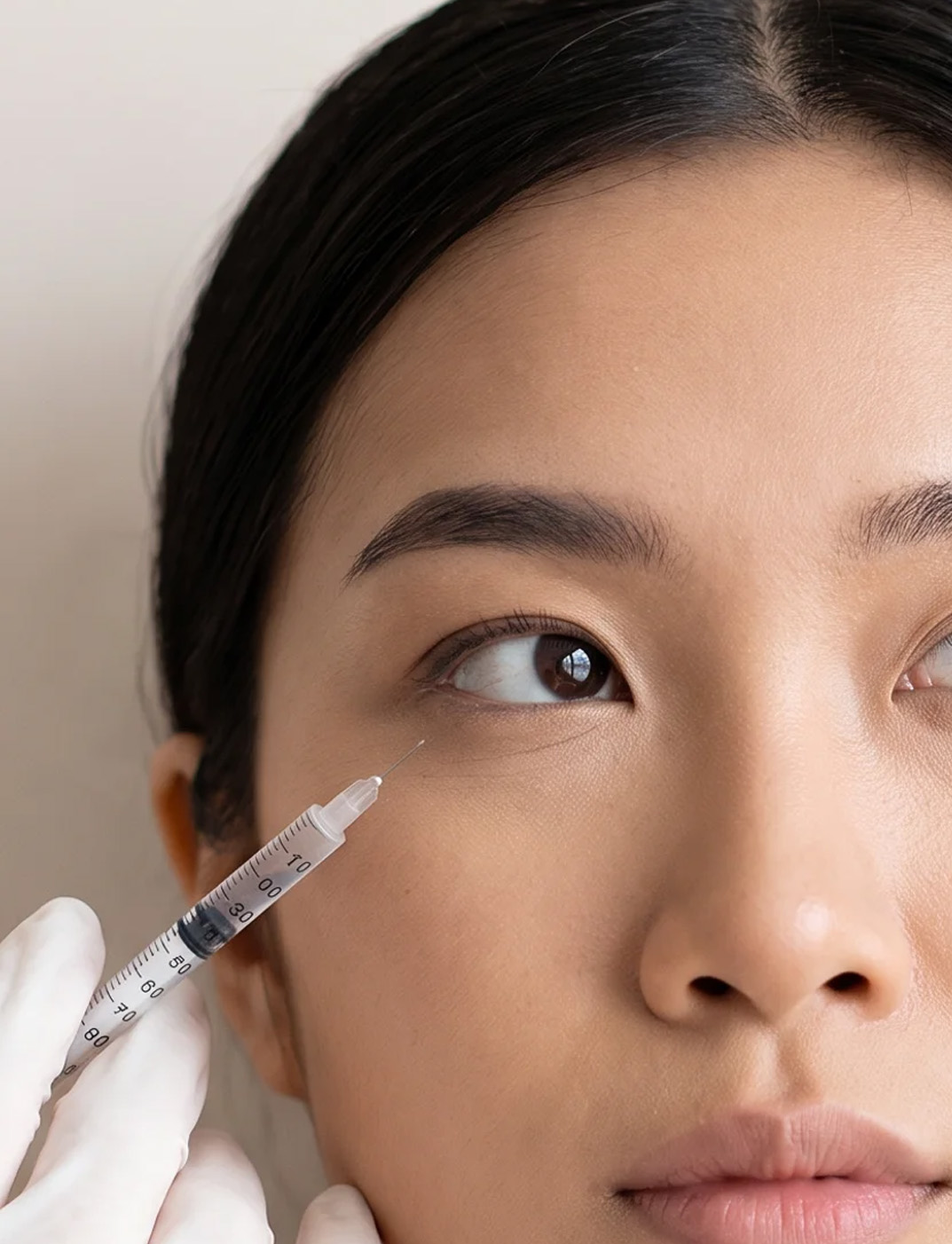
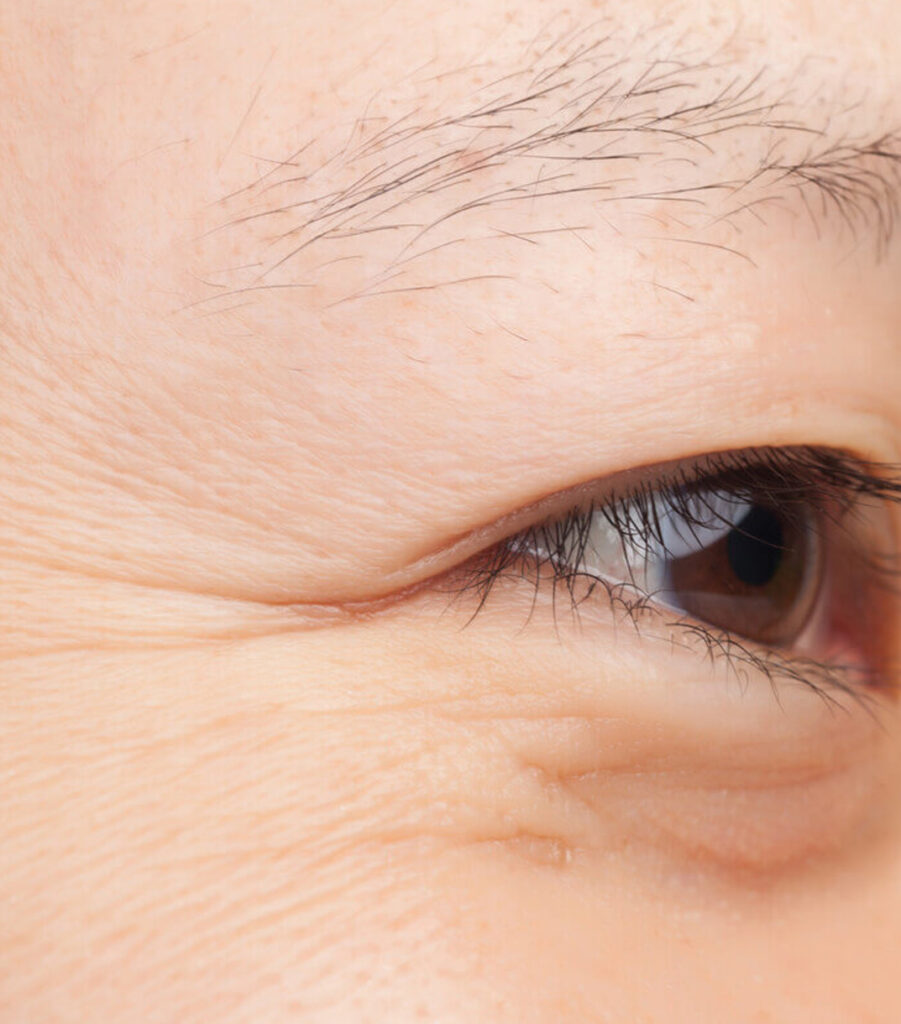
Fine lines around the outer corners of the eyes often become more visible when smiling, laughing or squinting. These lines are commonly called crow’s feet or lateral canthal lines. They are partly created by repeated contraction of the orbicularis oculi, the circular muscle surrounding the eye.
Carefully placed botulinum toxin type A injections can temporarily reduce selected muscle activity and soften dynamic eye wrinkles. The treatment plan should preserve natural facial expression rather than remove all movement around the eyes. Lateral canthal lines associated with orbicularis oculi activity are a recognised aesthetic treatment indication for certain registered botulinum toxin type A preparations in Singapore.
At The Clifford Clinic, the eye area is assessed both at rest and during facial movement. This helps the doctor determine whether the concern comes primarily from muscle activity, skin quality, pigmentation, volume loss, eye bags or a combination of these factors.
Call us today at (65) 6532 2400 to book an appointment on any of our cosmetic services and treatments.
What are crow’s feet and periorbital wrinkles?
Crow’s feet are the fine lines that extend from the outer corner of the eye towards the temple. They usually begin as dynamic wrinkles that appear during smiling or squinting. With repeated facial movement and changes in the skin over time, some lines may eventually remain visible at rest.
Dynamic eye wrinkles are generally more responsive to botulinum toxin because muscle contraction is an important part of their formation. Lines that are deeply visible at rest may still soften, although treatments directed at skin texture, hydration or laxity may also be considered.
Botulinum toxin type A reduces the release of acetylcholine from selected nerve endings. This temporarily decreases contraction in the treated portion of the muscle.6,7
How does botulinum toxin work around the eyes?
For crow’s feet, small amounts are usually placed into selected areas of the lateral orbicularis oculi. The position and amount used depend on the distribution of the lines, muscle strength, brow position, eyelid support and the patient’s usual facial expression.
The treatment does not need to eliminate every smile line. A measured approach can soften excessive creasing while retaining normal movement and expression.
Botulinum Toxin for Eye Wrinkles: Treatment Suitability
| Concern | Potential Role of Botulinum Toxin |
|---|---|
| Crow’s Feet | May soften lines extending from the outer corner of the eye |
| Dynamic Eye Wrinkles | Most suitable when the lines become prominent during smiling or squinting |
| Fine Lines Extending Towards the Temple | May improve when they are primarily caused by orbicularis oculi contraction |
| Mild Asymmetry During Smiling | Treatment may be adjusted when the difference is related to muscle activity |
| Selected Lower Eyelid Lines | May be considered after careful assessment of lower eyelid support and muscle activity |
| Deep Lines Visible at Rest | May soften, although skin-focused treatments may also be required |
What botulinum toxin does not treat
Botulinum toxin acts on muscle activity. It does not directly remove pigmentation, visible blood vessels, protruding eye bag fat, a tear trough hollow or significant loose skin.
Patients whose main concern is brown, blue or shadowed under-eye discolouration may require a separate assessment for dark eye circles. Prominent lower eyelid fat or eye bags may be better evaluated under eye bag treatment.
Crepey skin and laxity may require skin directed or energy based treatment, such as a laser eye lift, depending on the cause and severity. A consultation helps separate these concerns before a treatment plan is recommended.
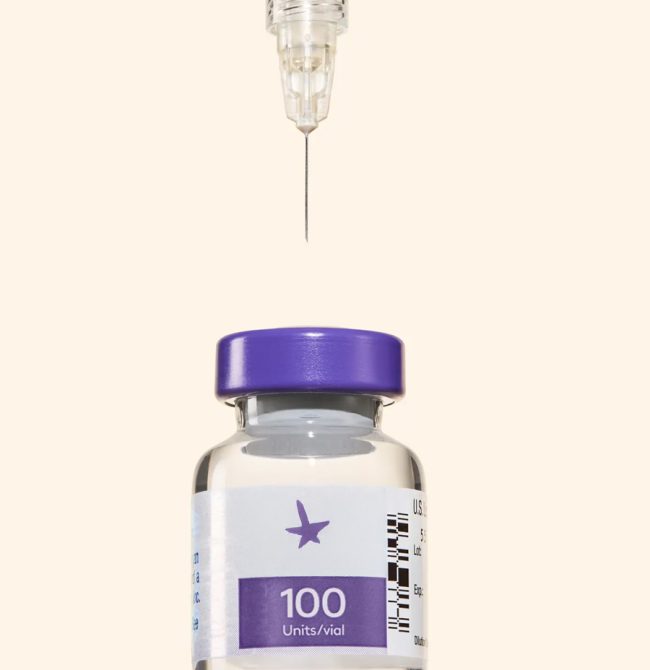
Who may be suitable for eye wrinkle treatment?
Treatment may be considered for adults whose crow’s feet or lateral eye wrinkles become prominent during facial expression. Suitable patients should understand that the result is temporary and that the aim is improvement rather than complete removal of every line.
Tell the doctor about previous eyelid or brow surgery, existing eyelid drooping, dry eye symptoms, difficulty closing the eyes, facial weakness, neuromuscular conditions, previous reactions to botulinum toxin and all current medications. Pregnancy, breastfeeding, infection near the planned injection sites and relevant medical conditions should also be discussed before treatment.
Patients with marked skin laxity, deep static wrinkles, prominent eye bags or substantial volume loss may obtain a more appropriate result from another treatment or a combination plan.
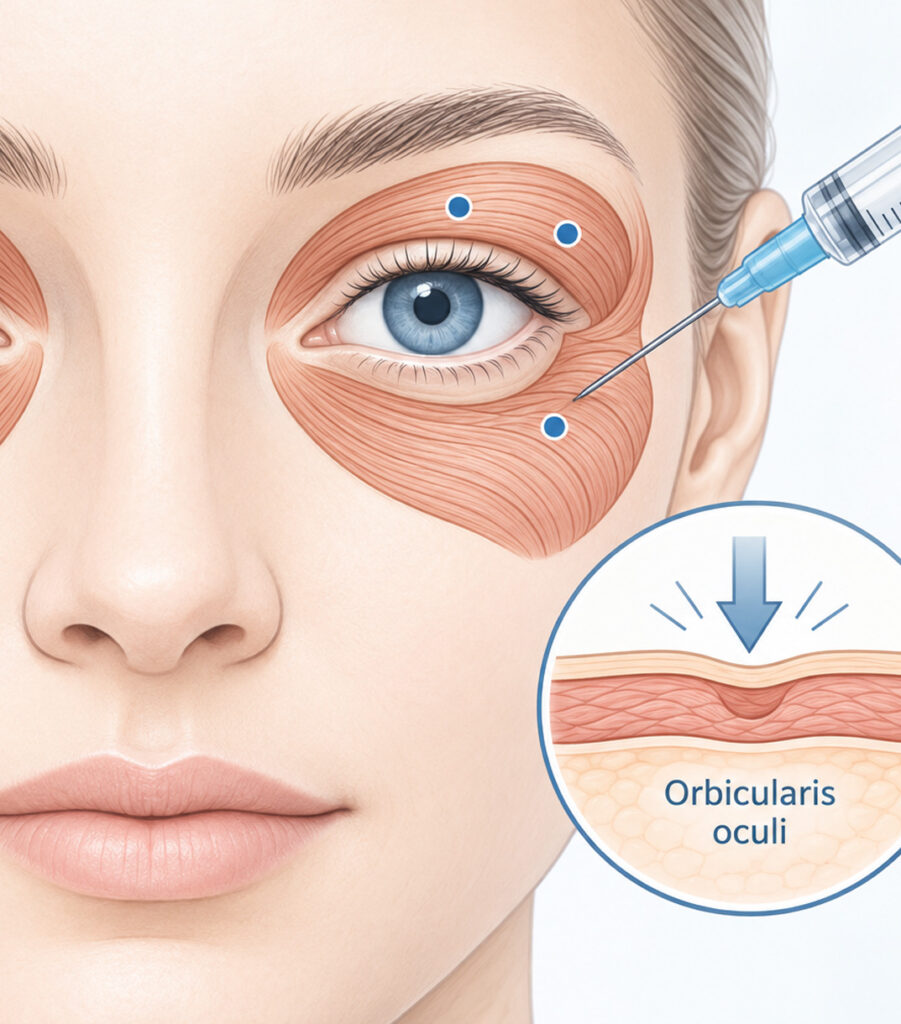
Our treatment is a safe and simple procedure without the risks and disadvantages associated with surgery.
01
01. Eye and facial assessment
The doctor examines the eye area at rest and while you smile, squint and raise your eyebrows. Brow height, eyelid position, facial asymmetry, muscle strength and the distribution of the wrinkles are considered together.
This step is important because crow’s feet do not appear in exactly the same pattern in every person. A fixed injection pattern may not suit every eye shape or pattern of facial movement.
02
02. Treatment planning
The planned injection sites are selected according to the muscles contributing to the wrinkles. Treatment is generally focused on the lateral eye area, while the forehead, frown lines and lower eyelids are assessed separately.
Different botulinum toxin type A preparations have product-specific units and protocols. The doctor therefore determines the treatment according to the exact formulation being used rather than applying a universal number of units.
03
03. Injection
The skin is cleansed before small injections are placed into the selected areas. Patients generally describe a brief pinching or stinging sensation at each injection point.
The appointment itself is usually brief. Anaesthetic cream is often unnecessary, although comfort measures may be discussed for patients who are particularly sensitive to injections.
04
04. Immediate recovery
Small raised bumps, redness or mild tenderness may be visible immediately after treatment. These usually settle, although bruising can occasionally occur.
Most patients can return to their normal routine. The treated area should not be firmly rubbed or pressed immediately after the procedure, and the doctor’s individual aftercare instructions should be followed.
When do results appear?
The effect develops gradually rather than immediately. Changes commonly begin during the first several days and become clearer as the treatment settles over the following one to two weeks.
The result is temporary and gradually diminishes as muscle activity returns. Duration varies according to the formulation, amount used, muscle strength, metabolism and individual response. Product information for established aesthetic formulations describes an effect lasting approximately three to four months, although individual results differ.
A review may be arranged after the treatment has settled. Further treatment should be considered according to the return of muscle activity and clinical assessment rather than an automatic fixed schedule.
Can botulinum toxin be combined with a skin booster?
Crow’s feet may be influenced by both muscle movement and the condition of the overlying skin. Botulinum toxin addresses the movement component, while an injectable hyaluronic acid treatment may be considered for hydration and fine skin texture in selected patients.
A 2025 randomised, controlled, double-blind split-face study included 25 women with moderate to severe dynamic canthal lines. Both sides received botulinum toxin type A, while one side also received an intradermal hyaluronic acid treatment and the other side received a simulated injection. The combination-treated side had lower canthal wrinkle severity at three months at rest and at three and six months during facial contraction. Patient satisfaction was also higher at three and six months, while electromyography measurements did not differ significantly between the two protocols.1
The study was small and involved a selected group of women. It suggests that combination treatment may have a role for some patients, but it does not establish that every patient with crow’s feet requires both treatments. Patients concerned about hydration or fine skin texture can read more about skin boosters.
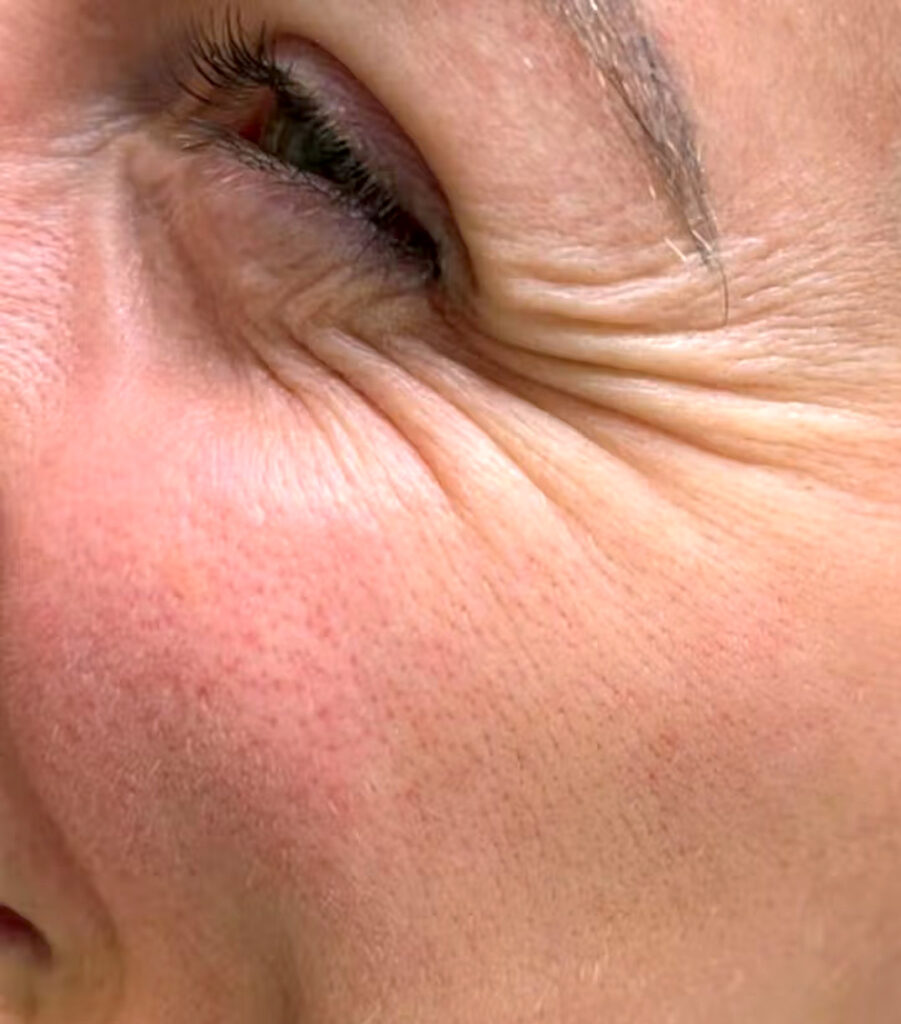
Side effects and risks
Temporary injection-site effects may include discomfort, redness, swelling, small bumps and bruising. Headache, temporary asymmetry or an effect that feels stronger or weaker than expected can also occur.
Treatment around the eyes may occasionally weaken a nearby muscle unintentionally. Possible effects include brow heaviness, eyelid drooping, altered eyelid closure, dry or watery eyes and a change in the smile. The likelihood depends partly on the injection position, dose, individual anatomy and existing eyelid function.
A 2024 case report described a 24-year-old woman who developed full eyelid ptosis four days after treatment involving the forehead, glabellar and crow’s-feet areas. She subsequently recovered after further medical management.2 A single case report confirms that the complication can occur, but it cannot establish how frequently it occurs.
Rare systemic or distant effects have been described after botulinum toxin treatment in other anatomical areas. A 2019 case report described generalised botulism-like symptoms following treatment of axillary hyperhidrosis.3 A separate study reported rare bilateral vocal-fold abductor paralysis after injections into laryngeal muscles for adductor spasmodic dysphonia.5 These reports do not estimate the risk following cosmetic eye treatment, since the treatment areas, doses and medical indications were different.
Unexpected eyelid drooping, visual disturbance or difficulty closing the eye should be assessed promptly. Generalised weakness or difficulty speaking, swallowing or breathing requires urgent medical attention.
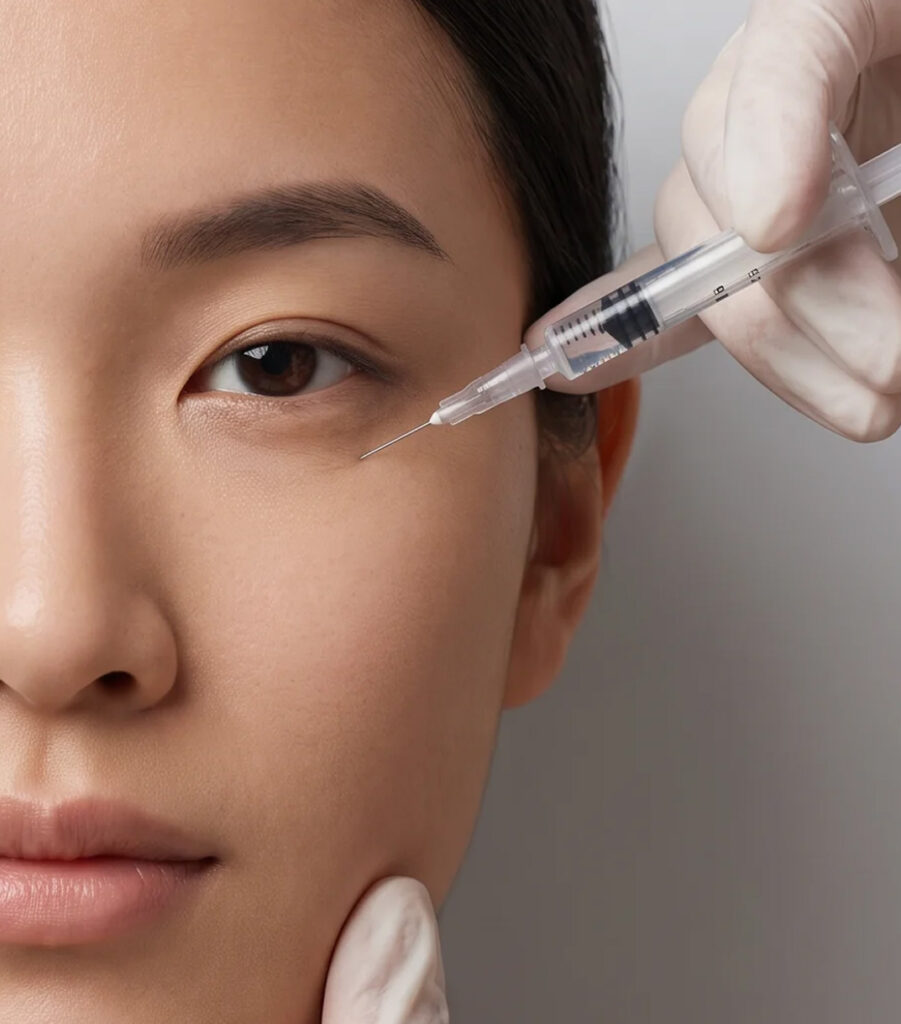
Why evidence from other treatment areas cannot be applied directly to the eyes
Published botulinum toxin research covers a broad range of anatomical areas and conditions. This includes an emerging aesthetic trend involving the trapezius muscles,4 treatment of laryngeal dystonia,5 non-cosmetic head and neck disorders,6,7 lower urinary tract disease,8 temporomandibular disorders9 and childhood achalasia.10
These studies involve different formulations, doses, injection sites, tissues and clinical outcomes. They should not be used as direct evidence that a treatment will improve eye wrinkles. For cosmetic periorbital treatment, the most relevant evidence in this reference set is the randomised canthal-line study,1 while the eyelid-ptosis case report provides direct information about a possible eye-area complication.2
Just Ten Minutes, and No Down Time
The procedure is non invasive and just requires ten minutes to complete. There is also little to no downtime required, and you will be able to resume your normal activities straight away.
Doctors with over 10 years of experience
The Doctors at the Clifford clinic has over 10 years of experience in aesthetic surgery procedures. Rest assured that you are in safe hands. We have hundreds of patients just like you who came to us, all leaving satisfied and happy with their results.
One Appointment Away From Beauty
A consultation can determine whether your concern is caused mainly by dynamic muscle movement or by skin texture, pigmentation, hollowing, eye bags or laxity. The treatment plan can then be matched to the actual cause rather than applying the same procedure to every eye concern.

to schedule your consultation today.
Botulinum toxin does not remove protruding lower eyelid fat. Eye bags are a structural concern and require a separate assessment of the lower eyelid, fat compartments, skin laxity and lid-cheek contour.
It does not directly remove pigment, visible blood vessels or structural shadowing. Dark eye circles have several possible causes, so treatment should be selected according to whether the main component is pigmentation, vascular visibility, thin skin, hollowing or an eye bag.
Selected lower eyelid lines or a prominent pretarsal muscle may sometimes be treated. This area requires conservative assessment because weakening the lower orbicularis oculi may affect eyelid support, smile dynamics or the appearance of existing eye bags.
The intended result is softer creasing while retaining normal expression. The outcome depends on the injection pattern and amount used, which should be adjusted to the patient’s anatomy and preferred degree of movement.
Most patients return to their usual activities after treatment. Small bumps and redness normally settle, although bruising or mild swelling may occasionally be visible for longer.
The result is temporary and generally lasts for several months. Muscle strength, formulation, amount used and individual metabolism all influence duration.
References
- Neves MLBB, Thome C, da Silva Junior SV, et al.
Efficacy and Durability of the Association of Botox and Skinvive in the Treatment of Moderate/Severe Wrinkles in the Periorbital Region: A Randomized, Controlled, Double-Blind, Split-Face Clinical Study.
Journal of Cosmetic Dermatology. 2025;24(8):e70403.
doi:10.1111/jocd.70403. - Musharbash IJ, Chakra RJ.
Treatment of Full Eyelid Ptosis Following Botox Injection: A Case Report.
Cureus. 2024;16(3):e55970.
doi:10.7759/cureus.55970. - Rouientan A, Alizadeh Otaghvar H, Mahmoudvand H, Tizmaghz A.
Rare Complication of Botox Injection: A Case Report.
World Journal of Plastic Surgery. 2019;8(1):116–119.
doi:10.29252/wjps.8.1.116. - Diaddigo SE, LaValley MN, Asadourian PA, Rohde CH.
“Barbie botox”: The systematic review of a popular trend.
Journal of Plastic, Reconstructive & Aesthetic Surgery.
2024;88:45–46.
doi:10.1016/j.bjps.2023.10.136. - Venkatesan NN, Johns MM, Hapner ER, DelGaudio JM.
Abductor paralysis after botox injection for adductor spasmodic dysphonia.
Laryngoscope. 2010;120(6):1177–1180.
doi:10.1002/lary.20855. - Persaud R, Garas G, Silva S, Stamatoglou C, Chatrath P, Patel K.
An evidence-based review of botulinum toxin (Botox) applications in non-cosmetic head and neck conditions.
JRSM Short Reports. 2013;4(2):10.
doi:10.1177/2042533312472115. - Awan KH.
The therapeutic usage of botulinum toxin (Botox) in non-cosmetic head and neck conditions: An evidence based review.
Saudi Pharmaceutical Journal. 2017;25(1):18–24.
doi:10.1016/j.jsps.2016.04.024. - Mangera A, Andersson KE, Apostolidis A, et al.
Contemporary management of lower urinary tract disease with botulinum toxin A: A systematic review of botox (onabotulinumtoxinA) and dysport (abobotulinumtoxinA).
European Urology. 2011;60(4):784–795.
doi:10.1016/j.eururo.2011.07.001. - İşisağ Ö, Atasoy H, Yıldız S.
Comparison of the effects of occlusal splint and Botox injections on the amount of mouth opening and chronic pain in individuals with temporomandibular disorders: A systematic review and meta-analysis.
Australian Dental Journal. 2025;70(2):132–140.
doi:10.1111/adj.13059. - Dara N, Aghaei M, Hosseini A, et al.
Efficacy of esophageal balloon dilatation with Botox injection in children with achalasia referred to a tertiary care center.
Scientific Reports. 2025;15:31228.
doi:10.1038/s41598-024-81781-5.
Botulinum Toxin
How To Get A Perfect Feminine V-Shaped Jaw Line, Without Needing Surgery
No Downtime, Minimal Pain
Having a gentle V-shaped jaw line is regarded more feminine and attractive if you are a woman. The problem is that some women have a more pronounced and manly square jaw face instead.
Some are born with the more masculine jaw, but in other cases it can be developed from constant chewing or grinding of the teeth. The jaw muscles become overworked, which causes the face to appear bigger than it actually is.
Botulinum toxin type A has also been studied for symptoms associated with temporomandibular disorders. A 2025 systematic review and meta-analysis of six studies found greater maximum mouth opening with botulinum toxin injections at the first week and with occlusal splints at the third month. Across the overall analysis and longer follow-up, however, there was no statistically significant difference between the approaches in maximum mouth opening or graded chronic pain.9 These findings concern the management of temporomandibular disorder symptoms rather than cosmetic jaw slimming.
In short, it makes the face look unbalanced and unattractive.
But what if you could fix your square jaw so that it blends in with the rest of your face with perfectly symmetry?
Call us today at (65) 6532 2400 to book an appointment on any of our cosmetic services and treatments.
Get The Natural Looking Jaw Line That You Always Wished For, But Didn’t Believe Was Possible
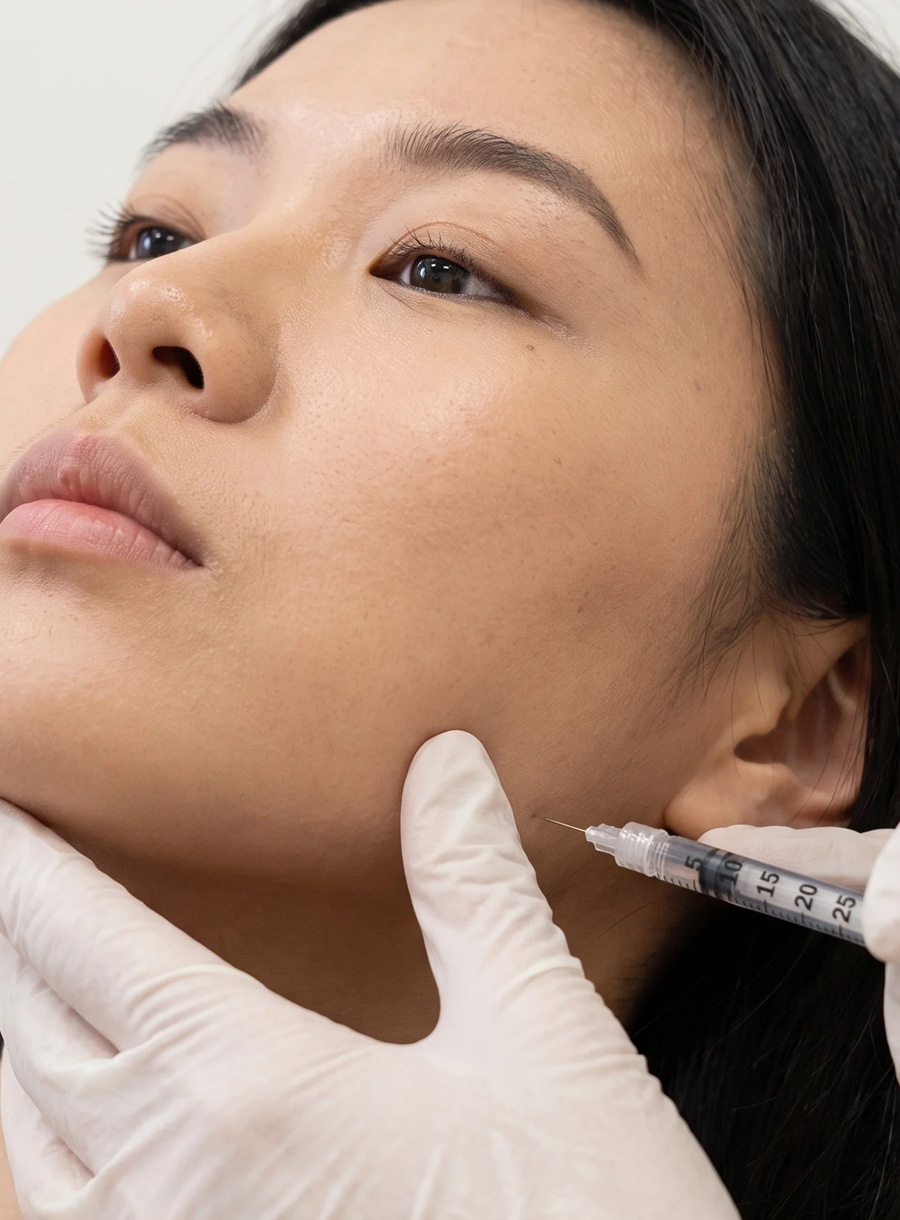
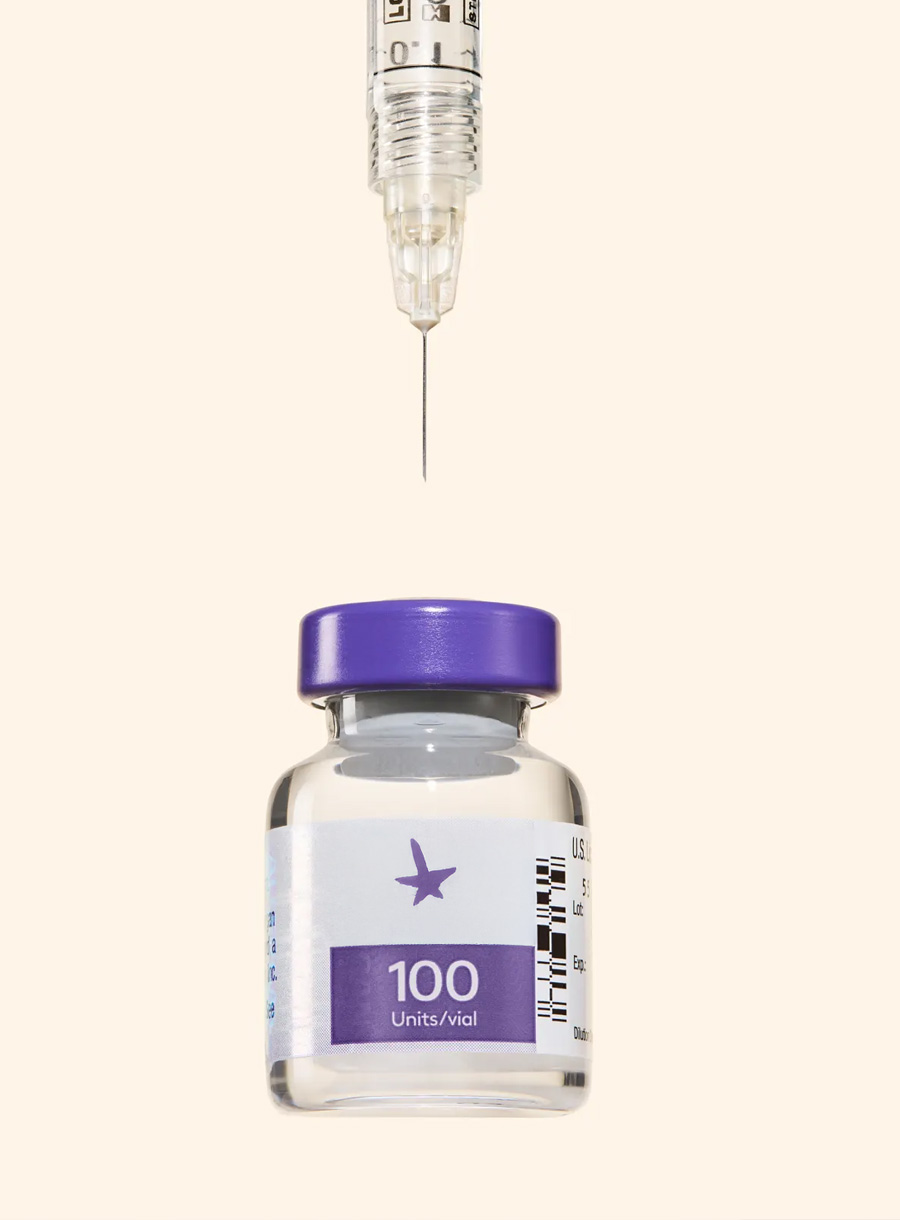
Botulinum toxin is a muscle relaxant. Our doctors will apply a few injections of botulinum toxin to predetermined areas of your jaw. This will relax your muscles, and will cause the shape of your jaw to decrease in size and become slimmer.
Since its approval for use as an aesthetic treatment in 2002, almost 11 million botulinum toxin treatments have been performed.o kn
For periorbital wrinkles, a 2025 randomised, controlled, double-blind split-face study involved 25 women with moderate to severe dynamic canthal lines.
Both sides received botulinum toxin type A, while one side also received an intradermal hyaluronic acid treatment and the other side underwent a simulated injection. The combination-treated side had lower canthal wrinkle-severity scores at three months at rest and at three and six months during facial contraction, together with higher patient satisfaction at three and six months. Electromyography measurements did not differ significantly between the two treatment protocols.1
Medical and Emerging Uses of Botulinum Toxin Beyond Facial Aesthetics
Evidence-based reviews have examined botulinum toxin in a range of non-cosmetic head and neck conditions. These include laryngeal dystonia, headache, cervical dystonia, masticatory myalgia, temporomandibular disorders, bruxism, sialorrhoea, blepharospasm and hemifacial spasm.6,7 The relevant anatomy, dose, expected outcome and strength of evidence vary according to the condition being treated.
Applications outside the face are similarly specific to the anatomical target. A 2025 study in children with achalasia compared balloon dilatation combined with botulinum toxin injection into the lower oesophageal sphincter against historical controls who received balloon dilatation alone. The combination group showed greater improvement in several symptoms, growth measurements and radiological findings.10 These findings concern paediatric achalasia and cannot be extrapolated directly to facial aesthetic treatment.
Published literature has also examined emerging aesthetic uses beyond the face. A 2024 publication reviewed the popular trend of botulinum toxin treatment involving the trapezius muscles.4 Trapezius treatment is anatomically distinct from jaw and upper-face injections, so its dose, intended effect and potential risks should be assessed separately.
Get The Perfect Jawline That Suits Your Face
Our treatment is a safe and simple procedure without the risks and disadvantages associated with surgery.
01
Our doctors will first conduct a thorough evaluation of your jaw and carefully study your overall facial structure. This careful examination allows us to administer the proper dosage of botulinum toxin to give you a natural looking and well-proportioned face.

02
There is no pain felt and probably only a slight sore feeling along the jaw line. No anaesthesia is required although we could apply some topical anaesthesia if necessary. We will also numb the area with a cold pack for added discomfort.
03
You may experience some slight swelling immediately after the treatment, but this will eventually subside within a couple of hours.
Potential adverse effects depend partly on the treated area and the spread of effect to nearby muscles. A 2024 case report described full upper-eyelid ptosis that began four days after treatment of the forehead, glabellar and crow’s-feet areas. The patient subsequently recovered following further medical management.2
04
Results are seen about 3-5 days after the first session.
However, depending on your situation, additional treatments may be required and spaced between 2 to 4 months after the first session.
Rare complications have also been described in substantially different treatment settings. These include generalised botulism-like symptoms following treatment for axillary hyperhidrosis and temporary bilateral vocal-fold abductor paralysis after injections into the laryngeal muscles.3,5 These reports do not indicate the incidence of complications after cosmetic facial treatment, but they reinforce the importance of appropriate patient selection, knowledge of the relevant anatomy, careful dosing and prompt assessment of unexpected symptoms.
It is also important to realise that this treatment is not permanent. The results will typically last for up to 6 months, with a touch-up treatment also required to maintain the look.
However, studies have shown that if the treatment is done 4 times a year for 2 to 3 years, the targeted muscles will become weakened permanently. Therefore, the amount of botulinum toxin needed will eventually decrease, and fewer subsequent treatments will be needed.
Just Ten Minutes, and No Down Time
The procedure is non invasive and just requires ten minutes to complete. There is also little to no downtime required, and you will be able to resume your normal activities straight away.
Doctors with over 10 years of experience
The Doctors at the Clifford clinic has over 10 years of experience in aesthetic surgery procedures. Rest assured that you are in safe hands. We have hundreds of patients just like you who came to us, all leaving satisfied and happy with their results.
Why Choose The Clifford Clinic?
- Doctor-Only Injections
All botulinum toxin treatments are performed by medical doctors trained in facial anatomy and injection techniques, ensuring accurate targeting of facial muscles and minimising risk of complications. - Customised Dosing and Placement
Dosage and injection points are adjusted based on individual facial structure, muscle strength, and aesthetic goals—whether for wrinkle reduction, jaw slimming, or facial contouring. - Use of Genuine, Approved botulinum toxin brands
The clinic uses only authentic, HSA-approved neurotoxins for treatments. - Functional and Aesthetic Applications
Botulinum toxin at The Clifford Clinic is used for both cosmetic and medical indications, including frown lines, crow’s feet, masseter hypertrophy, and bruxism—based on clinical assessment and treatment objectives.
Our Certified Medical Doctors

Dr. Gerard Ee
Dr. Gerard Ee is the founder and medical director of The Clifford Clinic. He is fully accredited in cosmetic treatments including fillers, botulinum toxin, light therapies, and more. Driven by his passion for sharing his expertise across the medical community, Dr. Ee has accumulated his surgical experiences internationally from working in the Mount Sinai Hospital in New York, National University Hospital (NUH), and Singapore General Hospital (SGH).
Dr. Chow Yuen Ho
Dr. Chow Yuen Ho is the founder and medical director of The Clifford Clinic. With over 10 years of clinical practice experience, the reputable aesthetic doctor specializes in non-invasive aesthetic and acne treatments. Dr. Chow has accomplished so much in this field. He served as the founding Director of Medical Informatics at SGH and then as the Managing Director of the Asian division of Alert Life Sciences Computing.


Dr. Law Zhi Wei
Dr. Law is a highly experienced medical professional specializing in acne treatments and aesthetic medicine. A graduate from the National University of Singapore and a member of the Royal College of Surgeons (Edinburgh), he has comprehensive clinical experience from renowned institutions such as KKH, SGH, and CGH. Passionate about the transformative power of effective acne care, Dr. Law is fully accredited in advanced treatments including lasers, radiofrequency, ultrasound therapies, botulinum toxin, and fillers. Holding a Postgraduate Diploma in Practical Dermatology from Cardiff University, he continuously updates his expertise to provide personalised, effective acne solutions, enhancing patients’ confidence and overall well-being.
One Appointment Away From Beauty
Our acne treatment plan involves not only eliminating your acne problems, but also the scarring that comes with it. We invite you to book a consultation with us to discuss how we can remove your acne problems for good. Just imagine a flawless face with no signs of acne or scarring.
to schedule your consultation today.
References
- Neves MLBB, Thome C, da Silva Junior SV, et al. Efficacy and Durability of the Association of Botox and Skinvive in the Treatment of Moderate/Severe Wrinkles in the Periorbital Region: A Randomized, Controlled, Double-Blind, Split-Face Clinical Study. Journal of Cosmetic Dermatology. 2025;24(8):e70403. doi:10.1111/jocd.70403.
- Musharbash IJ, Chakra RJ. Treatment of Full Eyelid Ptosis Following Botox Injection: A Case Report. Cureus. 2024;16(3):e55970. doi:10.7759/cureus.55970.
- Rouientan A, Alizadeh Otaghvar H, Mahmoudvand H, Tizmaghz A. Rare Complication of Botox Injection: A Case Report. World Journal of Plastic Surgery. 2019;8(1):116–119. doi:10.29252/wjps.8.1.116.
- Diaddigo SE, LaValley MN, Asadourian PA, Rohde CH. “Barbie botox”: The systematic review of a popular trend. Journal of Plastic, Reconstructive & Aesthetic Surgery. 2024;88:45–46. doi:10.1016/j.bjps.2023.10.136.
- Venkatesan NN, Johns MM, Hapner ER, DelGaudio JM. Abductor paralysis after botox injection for adductor spasmodic dysphonia. Laryngoscope. 2010;120(6):1177–1180. doi:10.1002/lary.20855.
- Persaud R, Garas G, Silva S, Stamatoglou C, Chatrath P, Patel K. An evidence-based review of botulinum toxin (Botox) applications in non-cosmetic head and neck conditions. JRSM Short Reports. 2013;4(2):10. doi:10.1177/2042533312472115.
- Awan KH. The therapeutic usage of botulinum toxin (Botox) in non-cosmetic head and neck conditions: An evidence based review. Saudi Pharmaceutical Journal. 2017;25(1):18–24. doi:10.1016/j.jsps.2016.04.024.
- Mangera A, Andersson KE, Apostolidis A, et al. Contemporary management of lower urinary tract disease with botulinum toxin A: A systematic review of botox (onabotulinumtoxinA) and dysport (abobotulinumtoxinA). European Urology. 2011;60(4):784–795. doi:10.1016/j.eururo.2011.07.001.
- İşisağ Ö, Atasoy H, Yıldız S. Comparison of the effects of occlusal splint and Botox injections on the amount of mouth opening and chronic pain in individuals with temporomandibular disorders: A systematic review and meta-analysis. Australian Dental Journal. 2025;70(2):132–140. doi:10.1111/adj.13059.
- Dara N, Aghaei M, Hosseini A, et al. Efficacy of esophageal balloon dilatation with Botox injection in children with achalasia referred to a tertiary care center. Scientific Reports. 2025;15:31228. doi:10.1038/s41598-024-81781-5.