
Why Accure Laser Did NOT Work For You
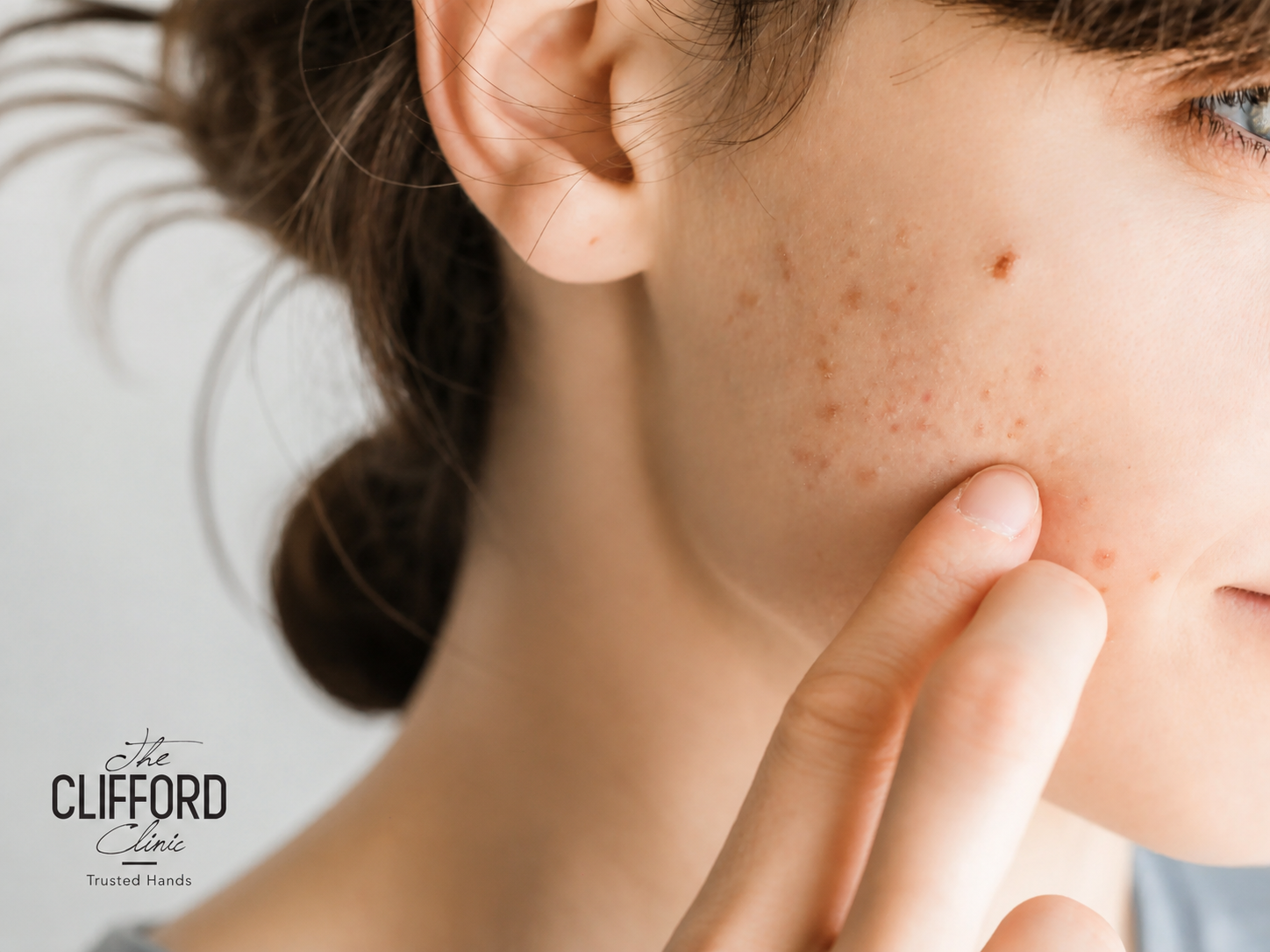
If you have done a course of Accure Laser but still experience pimple breakouts, you are not alone. Many patients in Singapore search for alternative acne treatments because popular treatments failed to deliver the expected results and clear skin.
Accure is an FDA-approved device that is backed by published clinical results. Accure can reduce acne for many patients, but there are specific and well-documented reasons it may underperform for certain patients. This guide aims to help you understand those reasons so that you can pursue a smarter acne treatment plan that actually fits your skin, your acne type, and your budget.
This article is written with the perspective of clinicians and content specialists who work with acne patients. We will walk through what Accure is actually designed to do, the seven most common reasons it disappoints individual patients, and what your next steps could look like if you are considering acne treatment Singapore alternatives or a combination approach.
What Accure Laser Is Actually Designed To Do
Accure is a 1726 nm laser system that targets the sebaceous glands, also known as oil glands, in the skin. Oil glands play a central role in inflammatory acne. Accure uses a treat to temperature approach, heating the gland to a controlled temperature while a cooling system and real-time monitoring protect the surface of the skin.
Accure was first cleared by the FDA in 2022 for the treatment of mild to severe inflammatory acne vulgaris. In October 2024, it received further clearance for the long-term treatment of mild to severe inflammatory acne vulgaris. While Accure is cleared for the reduction of inflammatory acne, it does not guarantee permanent and total clearance of acne for every patient.
Disappointment with the results of Accure Laser treatment is often due to a misconception regarding what the treatment is cleared for. Clinical data show that Accure Laser treatment results in an average inflammatory lesion count reduction of around 70 per cent at 6 months. This is achieved after a series of four treatments spaced roughly one month apart. With reference to this clinical data, Accure is cleared to achieve an average reduction of about 70 per cent in inflammatory lesions, not a 100 per cent reduction and it is not a permanent cure. Accure also targets inflammatory lesions, not blackheads and whiteheads.
Seven Documented Reasons Accure Laser May Not Have Worked For You
1. Success is defined as reduction, not clear skin
Accure laser does not promise 100 percent clear skin as clinical results indicate that Accure achieves an average reduction of inflammatory lesions of about 70 percent at the 6 month mark. An average of 70 percent means that some patients may either achieve results that are above or below 70 percent. This also means that a patient who responds strongly to the treatment can still have visible breakouts, because 70 percent fewer lesions is not the same as zero lesions.
A good doctor should always frame the clinical data, treatment timelines and treatment outcomes honestly during the consultation session to manage patients’ expectations.
2. You may have judged the result too early, or not completed the full course
Accure is not a single visit treatment, the treatment protocol involves a series of four sessions spaced about one month apart and improvement is measured at 6 months post-treatment. Laser treatments that target oil glands work gradually because the skin needs time to remodel and oil production needs time to settle. If you begin assessing results just a few weeks after your last session, or if you spaced out your treatment sessions too much, you may not have given the protocol a fair chance. Stopping a course of acne treatment halfway through is one of the most common reasons patients feel a treatment is ineffective.
3. Your acne type may not match what the laser targets
Accure is designed for inflammatory acne. Inflammatory acne is characterised by red and angry papules and pustules and is driven by overactive sebaceous glands. There is more than one type of acne. If you have comedonal acne, a laser that targets sebaceous glands will not be effective for you. Comedonal acne refers to blackheads and whiteheads that come from clogged pores rather than gland-driven inflammation.
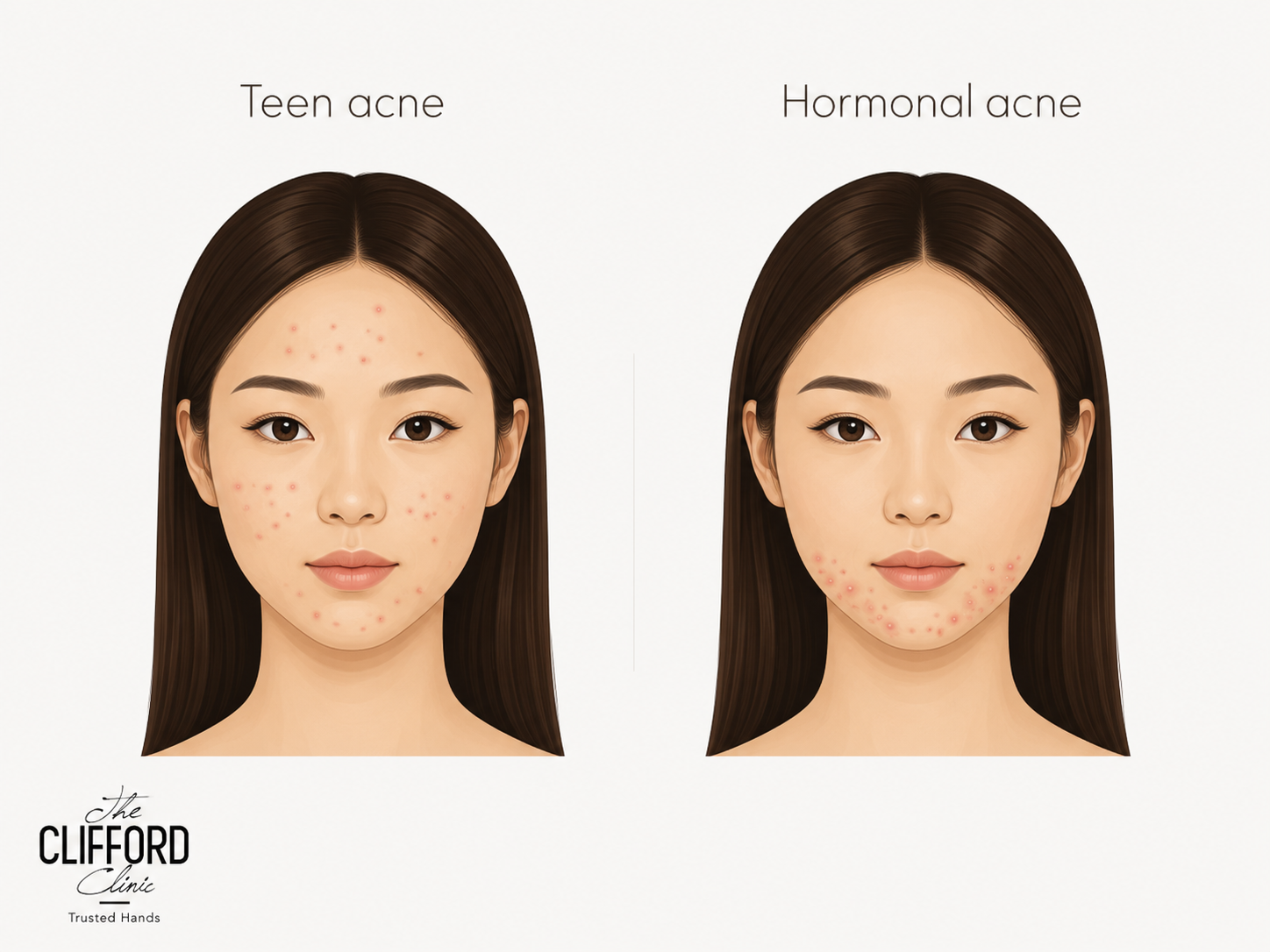
If your acne breakouts are heavily hormonal, mechanical, or driven by the use of certain products and lifestyle factors, Accure Laser would likewise not be effective for you. When the underlying driver of acne is not the oil glands, even a well performed laser session will have little effect. To avoid disappointment, we recommend undergoing a thorough acne assessment before committing to any treatments.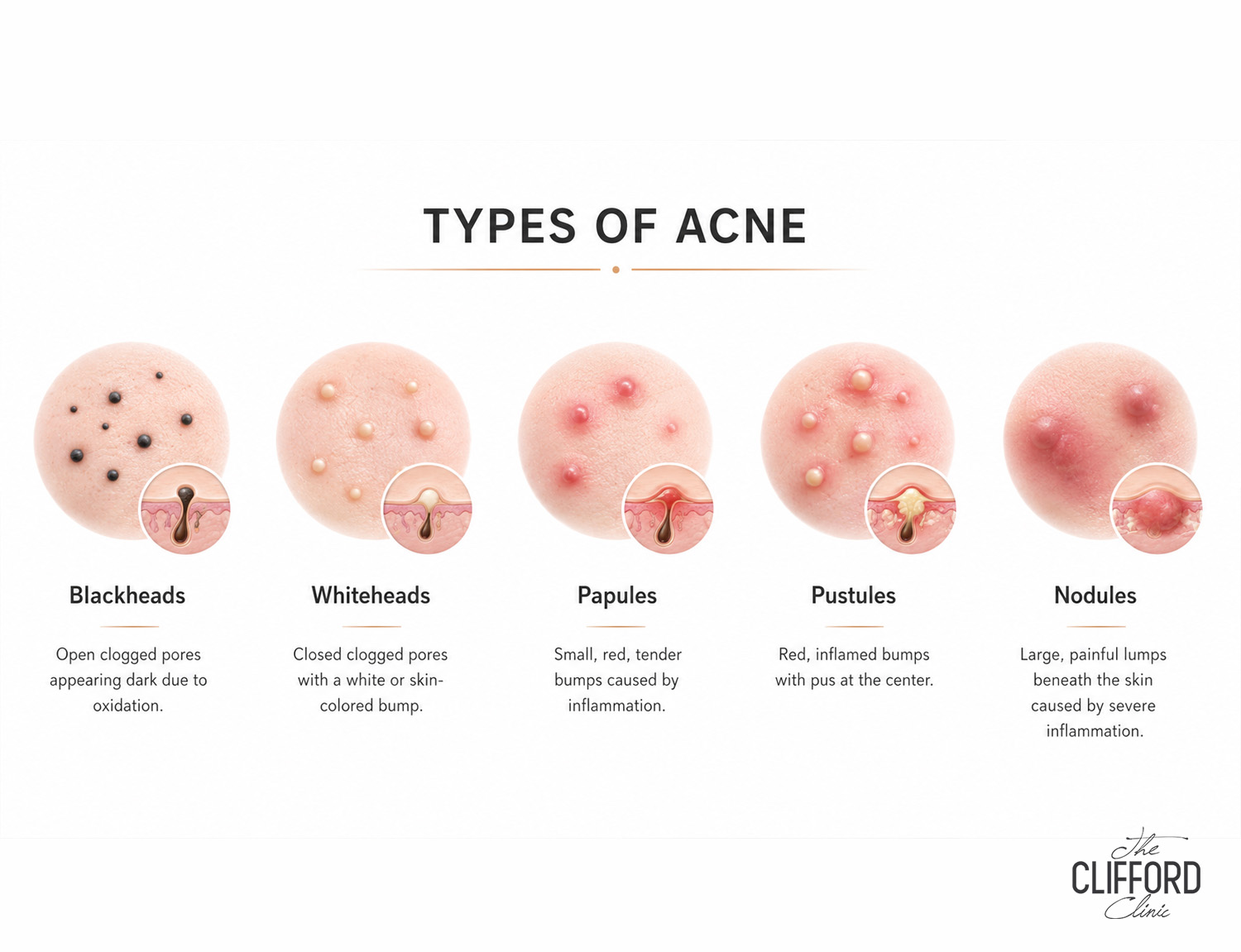
4. Hormonal and internal drivers were never addressed
A laser treats the skin from the outside. It does not change what is happening with your hormones, your gut, your stress levels, your diet, or your medications. Adult hormonal acne, polycystic ovary-related breakouts, and flares linked to certain contraceptives or supplements often need an internal strategy alongside anything done on the surface. If your acne kept returning after Accure, it is entirely possible the device did its job on the visible lesions while the real engine of your breakouts was never touched. This is why the strongest acne treatment Singapore plans combine in-clinic procedures with medical management rather than relying on a single machine.
5. Data on recurrence is limited
The published data reports lesion reduction and durability over months; however, published data on the percentage of patients who relapse after treatment is limited.
In one dataset, inflammatory lesion counts were reported down around 77 per cent at 6 months and around 70 per cent at 9 months after treatment. A small reduction in lesion count from 6 to 9 months does not equate to recurrence and should not be exaggerated into it. However, this does show that the response to Accure Laser can vary over time. Some sets of data also suggest that waiting three months after the final session before deciding whether a touch-up is needed is recommended.
Breakouts thus do not necessarily mean the treatment was ineffective; it could indicate that maintenance and a longer-term treatment plan are needed.
6. Pain, numbing, and tolerance can compromise results
Patient comfort is important because discomfort changes patient behaviour. Accure has two modes: a standard mode that relies on injectable local anaesthesia and a boost mode that uses topical numbing.
Some clinics will apply a topical numbing agent to their patients before Accure Laser treatment. However, the additional numbing time can cause a single treatment session to take up to about two hours. Additionally, while most patients report minimal to no pain when numbing is done properly, some patients still experience discomfort during treatment sessions. This can impact results, as if you feel uncomfortable, you may request gentler settings or delay your follow-up sessions. Lower settings or skipped sessions can make the treatment less effective. If pain is an important factor for you, you may want to explore alternative types of acne treatment or enquire about the clinic’s numbing protocol before booking a treatment session, because comfort protocols vary widely between clinics in Singapore.
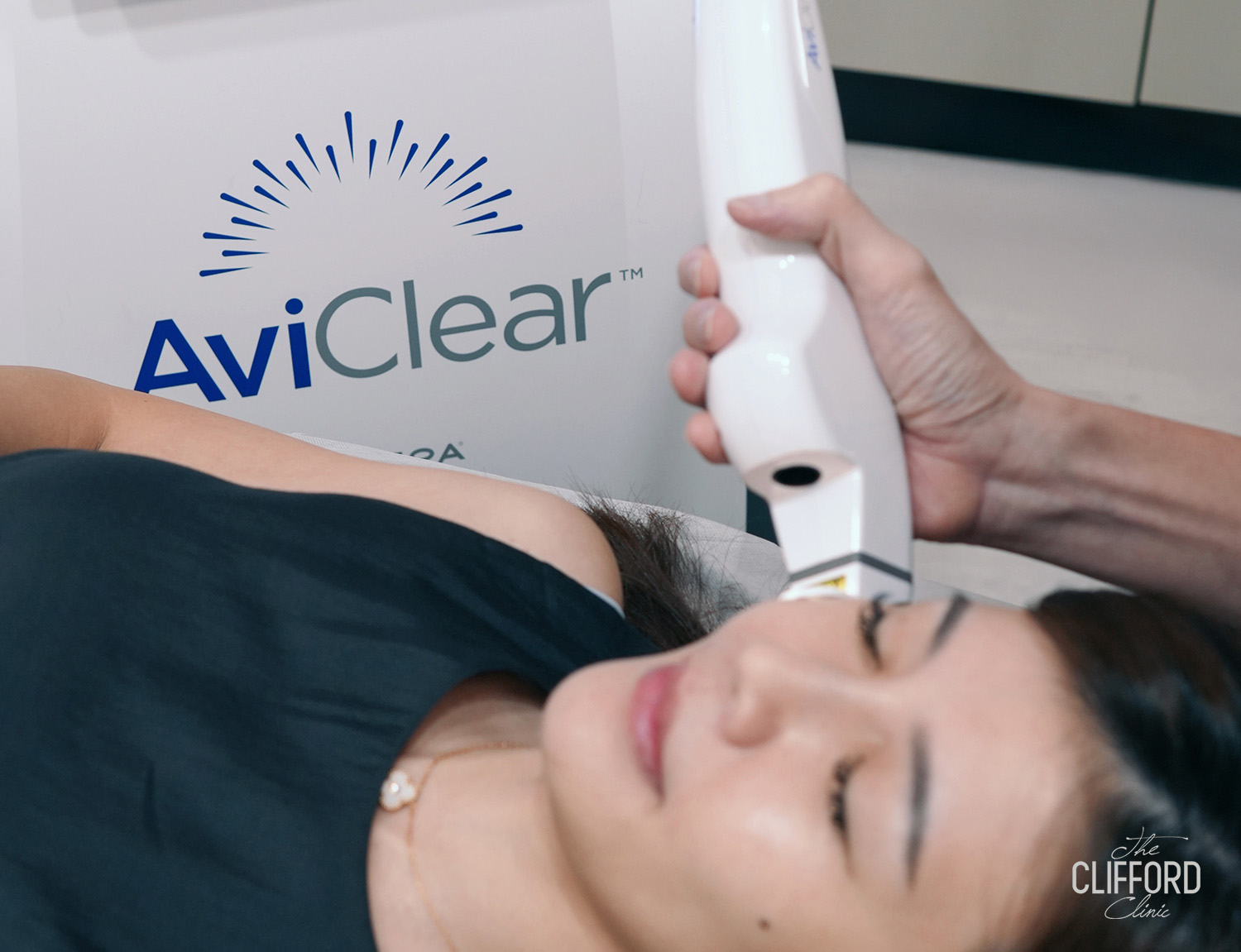
We would also like to add that numbing is handled differently from one laser to another. For example, with AviClear, application of numbing cream is generally not recommended because it can impact the performance of the laser and, hence, how the treatment is meant to work.
7. Device settings and provider experience
Treatment outcomes of any energy based device depend heavily on the settings used and the experience of the person operating it. The same laser can produce different results when handled by different doctors. Energy based devices also carry the risk of causing adverse health consequences such as skin discoloration, blistering and superficial burns when not handle properly. Provider experience, correct settings, and proper device maintenance can thus directly affect whether your treatment is safely delivered as intended.
What is the cost of Accure in Singapore
In Singapore, Accure is typically priced at around S$1,500 per treatment, with package options costing roughly S$2,400 for two sessions. Because the treatment is usually delivered as a series of treatments rather than a single visit, the total cost may be higher than other types of acne treatment.
A single visit can take up to about two hours once the numbing time and the procedure itself is accounted for, so to some patients, the real cost includes time as well as money. Due to the monetary and time cost, it is crucial that the right treatment is matched to the right kind of acne from the start to protect both your skin and your schedule.
At The Clifford Clinic, there is no separate consultation charge if you proceed with Accure Laser or AviClear. Pre-treatment numbing is also included in the treatment package. We advise always asking the clinic exactly what is included in the quoted price and what will be treated as add-ons as not all clinics follow the same transparent pricing model as The Clifford Clinic.
Accure Compared To AviClear At A Glance
Accure and AviClear are both sebaceous gland targeting lasers built to operate on the same 1726 nm wavelength. Note that and neither is a guaranteed cure for acne. The table below summarises documented points of difference between the two treatments.
| Category | Accure Laser | AviClear |
|---|---|---|
| Wavelength | 1726 nm sebaceous gland laser | 1726 nm sebaceous gland laser |
| FDA Status | Cleared in 2022 for mild to severe inflammatory acne. Long-term use clearance obtained in 2024. | Cleared for mild to severe inflammatory acne, with support for long-term use. |
| Typical Course | Four sessions spaced about one month apart | Up to three sessions |
| Reported Clinical Results | Around 70% average inflammatory lesion reduction at 6 months | Reported a high rate of treatment success at 52 weeks |
| Example Cost in Singapore | At The Clifford Clinic, from around S$1,500 per treatment session, with package options costing roughly S$2,400 for two sessions.
Consult and numbing included. |
At The Clifford Clinic, from S$1,800 for a single session, with package options costing roughly S$1,500 per session.
Consult included. Numbing is not needed for AviClear. |
A Smarter Acne Treatment Plan
A single device underperforming does not mean your acne is untreatable. It usually means the strategy used needs to be broader and better matched to your skin. To ensure you are choosing the most suitable treatment for your skin, you can use this checklist when choosing an acne treatment in Singapore.
- Start with a proper diagnosis to determine if your acne is inflammatory, comedonal, hormonal, or mixed before any treatment is done. It helps to understand what acne actually is so you can avoid paying for a treatment that targets the wrong problem.
- Treat the root cause, not just the symptoms. Effective treatment plans often combine an in-clinic procedure with medical management, such as topical or oral therapy, because treating the skin surface alone rarely controls hormonally driven acne.
- Match the device to the acne type. Energy-based options such as AGNES and Gold photothermal treatment work on the oil glands and inflammation, while concerns such as redness or pigmentation call for different devices. A combination protocol usually outperforms reliance on just one type of treatment.
- Plan for maintenance from the start rather than treating the treatment course as a one-time fix. As durable acne control often needs upkeep, a realistic plan includes a maintenance phase.
- Remember that different acne presentations need different treatment plans. Teenage acne, adult hormonal acne, back acne, and pregnancy acne each call for a tailored approach rather than a single blanket treatment.
- Separate treating active acne from acne scarring. If your main concern is the marks and texture left behind by acne, focus on resurfacing options such as fractional CO2 laser.
The Clifford Clinic offers a wide range of acne and acne scar treatments in Singapore, including options for active inflammatory acne, oil and sebum control, and depressed scars. The right combination of treatments for you depends entirely on your skin assessment and a good doctor will identify your acne type and build a plan around it rather than around a single treatment type. The most valuable first step is thus a consultation session with a clinical expert such as Dr Gerard Ee, our clinic’s founder. The machine is only one part of a good acne treatment strategy; identifying the root cause of your acne and matching the right machine to it is what determines your result.
Frequently Asked Questions
Does Accure Laser actually work for acne?
For many patients, it does reduce inflammatory acne. Clinical data reports an average inflammatory lesion reduction of about 70 percent at 6 months after a four session course. While that is meaningful improvement for a lot of patients, note that it is a reduction rather than a guaranteed full clearance. Also, individual results may vary.
Why did my acne come back after Accure?
Acne is often driven by hormones and other internal factors that a surface laser does not change. If those drivers were not addressed, breakouts can return even after the treatment reduced the number lesions.
Is Accure Laser painful?
Accure has a standard mode that uses injectable local anaesthesia and a boost mode that uses topical numbing. Most patients report minimal to no pain when numbing is used correctly, but comfort levels varies between individuals and each clinics’ numbing protocol can also affect patients’ comfort levels.
Is Accure better than AviClear?
Both treatments use the same 1726 nm wavelength to target oil glands and neither is a guaranteed cure. They differ in session counts and pricing. When choosing between Accure Laser and AviClear, the most important question is which treatment matches your specific acne type and schedule. We recommend booking a consolation session with a doctor to help you determine which treatment suits you better.
What are my options if Accure does not work for me?
Options range from medical therapy for hormonal acne to other energy based devices, chemical peels, oil control treatments, and dedicated acne scar procedures. The right treatment for you depends on your acne type and whether your goal is controlling active breakouts or improving scarring.
References
- United States Food and Drug Administration. Class 2 Device Recall, Accure Laser. FDA Medical Device Recalls database, record id 205151. accessdata.fda.gov.
- United States Food and Drug Administration. Manufacturer and User Facility Device Experience (MAUDE) adverse event database. accessdata.fda.gov.
- Accure Acne, Inc. FDA clears the Accure Laser System for the treatment of mild to severe inflammatory acne vulgaris. Company announcement, November 2022.
- Accure Acne, Inc. Accure Acne announces new FDA clearance (K242035) for the long term treatment of acne. PRNewswire, 15 October 2024.
- Dermatology Times. FDA clears Accure’s laser system for long term treatment of acne. dermatologytimes.com, 2024 to 2026.
- United States Food and Drug Administration. 510(k) clearance letter K242035, Accure Acne, Inc. accessdata.fda.gov.
- AviClear 510(k) summary, United States Food and Drug Administration device documentation, 1726 nm acne laser.
- Published Accure clinical reports describing inflammatory lesion count reductions at 6 and 9 months and treatment protocol details (company linked clinical data).
Editorial note for the clinic: device specifications, clinical percentages, recall framing, comparison points, and all pricing figures in this draft should be verified against current FDA records and current Singapore pricing, and signed off by Dr Ee, before publication.

Author Bio
Dr Gerard Ee

Dr Gerard Ee is the Medical Director of The Clifford Clinic in Singapore. He earned his medical degree from St George's University of London and built his surgical experience across the Singapore General Hospital, National University Hospital, and Mount Sinai Hospital in New York. He holds Membership of the Royal College of Surgeons (Edinburgh) and a Postgraduate Diploma in Dermatology (Cardiff), and is fully accredited in aesthetic procedures including botulinum toxin, fillers, lasers, and light therapies. A strong advocate of minimally invasive, natural-looking results, Dr Ee has published in several medical and scientific journals and presented his research in cities including Taipei, Las Vegas, and London.
See all posts by Dr Gerard Ee »