

Is Your Hair Routine Damaging Your Scalp And Roots?
Having thick, beautiful hair is often celebrated as a person’s crowning glory and, for women, a symbol of their femininity. It’s no wonder chemical hair treatments like coloring, straightening, perming, and relaxing have become beauty staples worldwide. While these transformations can boost confidence and promote greater self-expression, there’s an uncomfortable truth beneath the surface: the very processes that enhance aesthetics can systematically impair hair health. Read on as we examine how temporary beauty gains can lead to long-term hair loss.
Common Cosmetic Hair Treatments and How They Sabotage Your Strands
Chemical treatments work by force-feeding your hair a molecular makeover. Your hair’s strength lies in keratin proteins and delicate bonds that maintain its structure – which these treatments deliberately disrupt:
- Hair Dyes: Ammonia or ethanolamine lifts the cuticle (the hair’s protective outer layer) like shingles on a roof, allowing dyes to penetrate deep within. Hydrogen peroxide then strips hair of its natural pigment. This process weakens cuticle adhesion, leaving hair porous and fragile. Research shows repeated hair dyeing increases surface erosion visible under microscopes.
- Perms: Thioglycolate lotion works by severing disulfide bonds – the sturdy “cross-links” giving hair its resilience. Once broken, hair is reshaped around rods before a “neutralizer” (usually hydrogen peroxide) attempts to rebond it. But these reformed bonds are weaker, leading to internal fractures that cause frizz and breakage.
- Relaxers: Sodium hydroxide or lithium hydroxide literally dissolves disulfide bonds at an alkaline pH of 10–14. This corrosive process flattens curls but also degrades keratin proteins, thinning the hair shaft over time.
Here’s what this chemical warfare means for your hair:
- Hair Shaft Decay: Chemicals erode the hair’s inner cortex and fracture its protein scaffolding. This leads to split ends, mid-strand snapping, and thinning that no serum can fully reverse.
- Scalp & Strand Dehydration: Harsh alkalis strip sebum (natural oil) from scalp and hair. Without this lipid barrier, moisture evaporates, leaving hair brittle and the scalps tight and flaky.
- Follicle Betrayal: Chemical burns from relaxers or allergic reactions to dye inflame follicles. Chronic inflammation can scar follicles (cicatricial alopecia), permanently halting hair production. Even mild irritation disrupts growth cycles, pushing hairs prematurely into shedding phase.
The Long Game: When Chemical Damage Becomes Hair Loss
Repeated chemical processing doesn’t just create bad hair days—it rewires your hair’s biology. The damage compounds in four devastating ways:
1. The Brittleness Spiral: Each treatment further degrades the cuticle, exposing the cortex to environmental oxidants. This causes keratin proteins to fragment, reducing hair diameter until strands snap under minimal tension. You’re left with “see-through” ends and breakage that mimics balding.
2. Texture Amnesia: Relaxers permanently alter curl patterns by destroying cysteine bonds. Regrowth emerges curly while processed ends stay straight, creating weak points at the texture “seam.” This mismatch stresses roots and increases traction during styling.
3. Scalp Ecosystem Degradation: Chemical residues disrupt the scalp microbiome, allowing Malassezia fungus (dandruff’s trigger) to thrive. Inflammation also damages the sebaceous glands, causing either desert-like dryness or greasy flakes. A damaged scalp can’t nourish follicles, starving new growth before it thickens.
4. Follicle Deterioration: Sodium hydroxide relaxers can penetrate hair follicles, causing liquefaction necrosis (tissue death). Scar tissue replaces hair factories, leading to patchy irreversible loss. Even non-scarring inflammation miniaturizes follicles, producing wispy “baby hairs” instead of strong strands.
Preventative Measures: Rescuing Your Hair Before It’s Too Late
Damage control isn’t about miracle products—it’s strategic intervention. These steps rebuild resilience:
1. Make Moisturizing A Top Priority
Forget surface-level silicones; your hair needs deep, penetrating hydration to rebuild its compromised structure. Opt for products rich in hydrolyzed proteins (like keratin or wheat protein), which act as temporary patches for broken internal bonds.
Also, consider incorporating alpha hydroxy acids (glycolic or lactic acid) into your wash routine – they gently dissolve stubborn chemical residue without harsh sulfates. Finally, lock in moisture by mimicking your hair’s natural lipids with ceramides and squalane. A pro tip? Apply a pea-sized amount of pure argan oil to your hair before bed and sleep in a silk cap. The silk drastically reduces friction breakage, while your scalp’s warmth overnight helps the oil absorb deeply where it’s needed most.
2. Adopt A Scalp Care Routine
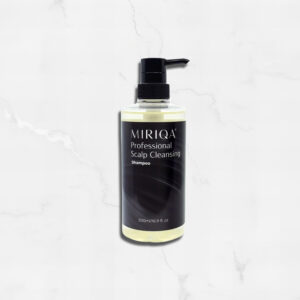
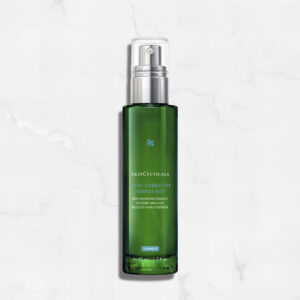
Treat your scalp with the same care you’d give your face – it’s the foundation for healthy growth. Start weekly treatments with a salicylic acid pre-wash to dissolve buildup and soothe persistent itching. Follow this with probiotic toners as these help rebalance the scalp’s microbiome pH, creating an environment where healthy flora can thrive.
Crucially, if you notice sores, significant inflammation, or unrelenting flakes, don’t rely solely on over-the-counter fixes. Consult a dermatologist promptly for professional assessment and hair loss treatment in Singapore–early intervention is key to preventing permanent scarring and follicle damage.
3. Remember That Less-Is-More
Minimizing chemical exposure is the single most effective protective strategy against hair damage and hair loss. Extend the intervals between touch-ups significantly: opt for demi-permanent dyes (lasting around 12 washes) or root shadowing techniques instead of frequent full-head permanent color.
If you relax your hair, stretch applications to 12–14 weeks and apply only to the new growth. Always use a thick base coat of petroleum jelly along the length of previously relaxed hair to prevent the corrosive chemicals from overlapping onto already fragile strands, which causes severe breakage. For daily styling, reduce heat dependency by air-drying your hair 80% before using any hot tools. When heat is unavoidable, use thermal protectants fortified with bond builders–these innovative ingredients actively repair broken disulfide bonds within the hair shaft.
4. Let Your Hair Recover Between Treatments
t’s recommended to commit to a complete 12-week “chemical holiday” at least every 18 months to allow deep structural recovery. During this detox period, schedule monthly trims (removing at least ¼ inch) to systematically cut away split ends before they travel up the hair shaft and cause more damage. Take care to also intensively nourish your hair three times a week with bond-restoring masks formulated with amino acids like citrulline or maleic acid to repair internal damage.
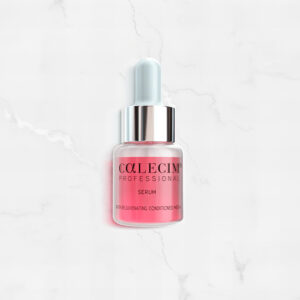
For a truly tailored approach, seek expertise beyond your stylist. Schedule a consultation at a reputable aesthetic clinic in Singapore specializing in advanced trichology. They can perform trichoscopy (scalp mapping) to detect early signs of follicle miniaturization or scarring invisible to the naked eye. Based on their findings, they might recommend targeted therapies or potent peptide serums designed to revive dormant growth cycles and support long-term scalp health.
Conclusion
Chemical treatments aren’t inherently evil—but their misuse will lead to your hair’s gradual demise. The path to vibrant hair lies in respecting its biology, and true beauty flourishes when we work with our hair’s natural architecture, not against it. Hopefully, the information discussed above helps you shift your focus towards mindful transformation from relentless alteration so you can still enjoy better styles and self-expression without sacrificing your strands.
Restore Fuller, Healthier Hair with The Clifford Clinic’s Proven Expertise
Struggling with hair loss or a receding hairline? You’re not alone—and the solution starts here. At The Clifford Clinic, we combine medical expertise with the latest hair restoration technologies to help you regain both your hair and your confidence. Our dedicated team of aesthetic doctors will personalize your treatment plan to suit your needs, ensuring results that are both visible and lasting. Take control of your hair journey today with our leading treatments, including:
FUE (Follicular Unit Extraction) is a state-of-the-art hair transplant procedure that involves extracting individual hair follicles from a donor area—typically the back of the scalp—and implanting them where hair is thinning or balding. Unlike traditional strip methods, FUE leaves no linear scar, allows for a quicker recovery, and is virtually undetectable. It’s also suitable for harvesting hair from other body areas, making it an excellent option for those with limited scalp donor hair.
Bellasonic is a next-generation ultrasound treatment that creates tiny, temporary openings in the skin to boost product absorption. Through alternating high and low-frequency waves, it gently disrupts the skin’s surface without damage or discomfort, allowing skincare actives to reach deeper layers. This non-invasive method greatly enhances the effectiveness of serums and creams, with no needles or recovery time required.
Thulium Laser Hair Rejuvenation is a clinically proven, painless solution that reactivates dormant hair follicles and encourages natural hair regrowth. By stimulating cellular renewal and boosting protein synthesis, this treatment increases hair density and slows down shedding. Trusted by dermatologists and supported by years of research, it delivers visible improvements in just a few sessions.
4. Exosomes Hair Loss Treatment
Exosome Hair Therapy taps into advanced regenerative science to tackle hair thinning at the root level. Using cellular messengers known as exosomes, this treatment enhances follicle health, boosts new hair growth, and reduces hair fall. It’s a non-surgical, low-risk option that works well alone or alongside other therapies for comprehensive hair restoration.
Author Bio
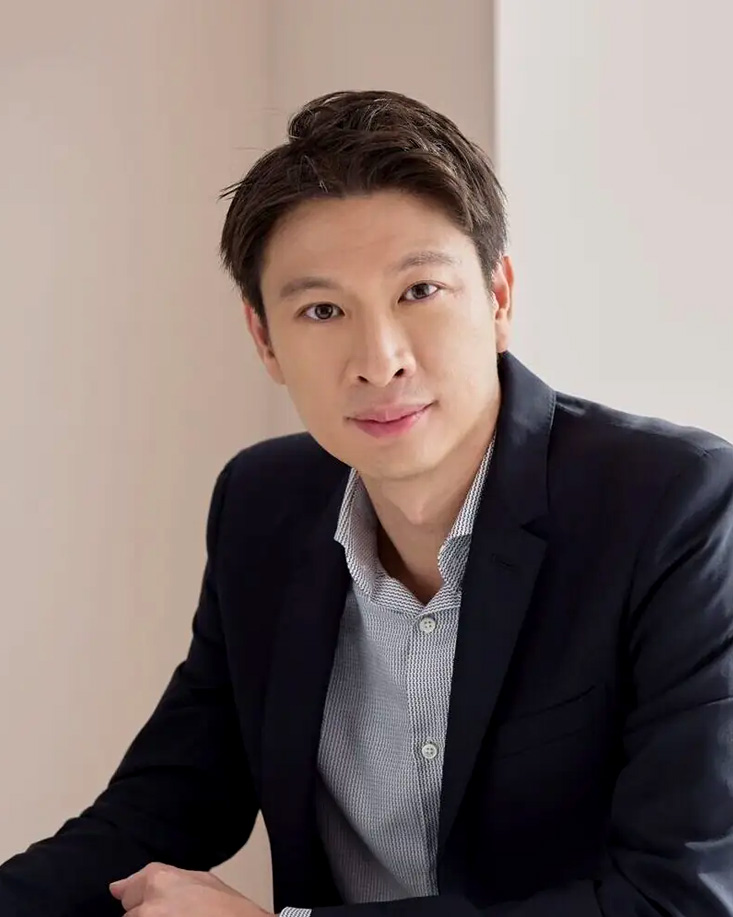
Dr Gerard Ee

Dr Gerard Ee is the Medical Director of The Clifford Clinic in Singapore. He earned his medical degree from St George's University of London and built his surgical experience across the Singapore General Hospital, National University Hospital, and Mount Sinai Hospital in New York. He holds Membership of the Royal College of Surgeons (Edinburgh) and a Postgraduate Diploma in Dermatology (Cardiff), and is fully accredited in aesthetic procedures including botulinum toxin, fillers, lasers, and light therapies. A strong advocate of minimally invasive, natural-looking results, Dr Ee has published in several medical and scientific journals and presented his research in cities including Taipei, Las Vegas, and London.
See all posts by Dr Gerard Ee »