




Stapler vs Conventional Circumcision – Which Heals Better
Circumcision, the surgical excision of the penile foreskin to expose the glans penis, is a common procedure performed for medical, cultural, religious, or personal reasons. Medically, circumcision is indicated for conditions such as phimosis (non-retractable foreskin), paraphimosis (foreskin trapped behind the glans), and chronic inflammatory conditions like balanitis, balanoposthitis, or balanitis xerotica obliterans (BXO). Non-medical indications include hygiene preferences, religious practices (e.g., in Jewish and Islamic traditions), and aesthetic considerations. Additionally, circumcision is associated with reduced risks of urinary tract infections (UTIs), with a meta-analysis indicating a 68% lower incidence in circumcised males, as well as decreased rates of sexually transmitted infections (STIs), including HIV (50-60% risk reduction in high-risk populations), and penile cancer (1-2% lifetime risk reduction).

In the United States, approximately 80.5% of males aged 14–59 are circumcised, according to the CDC’s National Health and Nutrition Examination Survey (2011–2014), though rates vary globally (e.g., 20% in the UK, >90% in parts of the Middle East). The procedure is generally safe, with a complication rate of 0.2–0.4% in infants and up to 2–10% in older children and adults, most commonly involving minor bleeding or infection. Severe complications, such as urethral injury or glans damage, are rare (<0.1%).
Circumcision can be performed using conventional techniques, involving scalpel or scissors dissection, or newer device-assisted methods like the stapler circumcision technique. Each approach has distinct advantages and limitations, including differences in operative time, postoperative pain, cosmetic outcomes, and cost. This blog post will explore these techniques in detail, providing a comprehensive comparison to guide informed decision-making.
CONVENTIONAL CIRCUMCISION
Conventional circumcision, the surgical removal of the penile foreskin to expose the glans penis, has been practiced for millennia, with evidence dating back to 2400 BCE in Ancient Egypt, as depicted in wall carvings and preserved mummies. This ancient procedure, initially rooted in cultural and religious traditions, remains prevalent today. Modern conventional techniques, such as the sleeve resection and dorsal slit methods, are widely used for adults and older pediatric patients. The sleeve technique involves two circumferential incisions to remove the foreskin as a single segment, offering precise control and favorable cosmetic outcomes. The dorsal slit method, often employed in cases of phimosis, involves a longitudinal incision to facilitate foreskin removal, particularly in patients with restricted foreskin mobility. These methods utilize scalpels or surgical scissors, requiring meticulous suturing to ensure hemostasis and optimal healing. Historically, circumcision was performed without anesthesia, but modern practices incorporate local or general anesthesia for patient comfort. Globally, conventional circumcision accounts for a significant proportion of procedures, with over 1.2 million performed annually in the United States alone, according to recent estimates. While effective, these techniques demand surgical expertise to minimize complications like bleeding or infection, reported in 0.2–2% of cases. Their enduring use underscores their reliability, despite the emergence of device-assisted alternatives.
How is Conventional Circumcision Performed?
Conventional circumcision, a time-tested surgical procedure, involves the precise removal of the penile foreskin using techniques such as the sleeve resection and dorsal slit methods, typically under local or general anesthesia for patient comfort.
The sleeve resection technique begins with careful marking of the outer foreskin to determine the exact amount to be excised, ensuring optimal cosmetic and functional outcomes. Two circumferential incisions are made: one on the outer foreskin and another on the inner mucosal layer. The foreskin is then removed as a single segment, and meticulous hemostasis is achieved using electrocautery to control bleeding. The skin edges are sutured with absorbable stitches to promote alignment and healing, typically resulting in a neat scar line. This method is favored for its precision and is commonly used in adults and older pediatric patients.
The dorsal slit technique is often employed for patients with tight phimosis, where the foreskin cannot be retracted. After marking the outer foreskin, a vertical incision is made at the 12 o’clock position to expose the urethral meatus, facilitating access to the glans. This is followed by circumferential cuts on the outer and inner foreskin to complete the excision. Electrocautery ensures hemostasis, and the skin edges are sutured to support healing. Both techniques require surgical expertise to minimize complications, such as bleeding or infection, which occur in approximately 0.2–2% of cases. These methods remain widely practiced, with over 1 million procedures performed annually in the United States, according to recent data.
Complications
Conventional circumcision, while generally safe, carries potential complications, with rates varying by patient age, surgical expertise, and setting. The overall complication rate ranges from 0.2–2% in infants to 2–10% in older children and adults. Below are the primary complications associated with conventional circumcision techniques (e.g., sleeve resection and dorsal slit):
- Bleeding: The most common complication, occurring in approximately 0.1–1% of cases. Minor bleeding is often managed with pressure or sutures, but severe cases may require surgical intervention.
- Infection: Localized infections at the incision site occur in 0.2–0.4% of procedures. Systemic infections are rare but may necessitate antibiotics or, in extreme cases, hospitalization.
- Pain and Discomfort: Postoperative pain is common but typically managed with analgesics. Inadequate anesthesia during the procedure can exacerbate discomfort.
- Wound Dehiscence: Suture line separation, seen in <1% of cases, can delay healing and increase infection risk.
- Scarring or Cosmetic Issues: Excessive or insufficient foreskin removal may lead to poor cosmetic outcomes or adhesions, reported in 0.1–0.5% of cases.
- Urethral Injury: Rare (<0.1%), but damage to the urethral meatus can occur, potentially requiring reconstructive surgery.
- Meatal Stenosis: Narrowing of the urethral opening, seen in 0.3–0.9% of cases, may develop months to years post-procedure and require surgical correction.
- Rare Complications: Include glans injury, penile necrosis, or fistula formation, with incidences below 0.01%.
STAPLER CIRCUMCISION
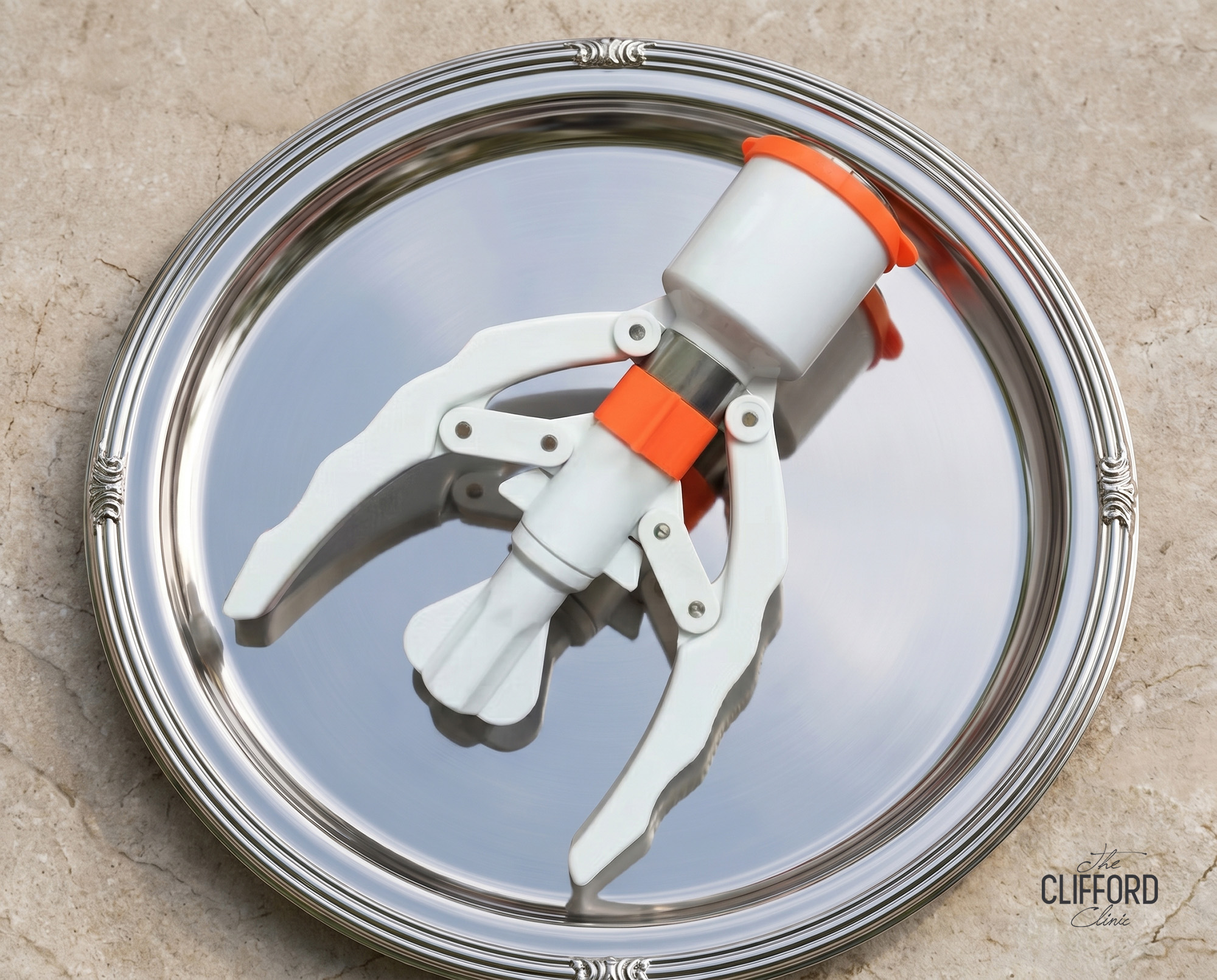
Stapler circumcision represents a modern, innovative approach to the surgical removal of the penile foreskin, integrating cutting and wound closure into a single, efficient step. This technique significantly reduces operative time, minimizes blood loss, and enhances patient comfort compared to conventional methods like the sleeve resection or dorsal slit. By utilizing specialized disposable devices, stapler circumcision has emerged as a preferred option in many clinical settings, particularly in Asia, due to its speed, precision, and high patient satisfaction rates. Devices such as the ZSR Stapler, CircCurer (Langhe), Clonmed Disposable Circumcision Stapler, and Touchstone SISO Circumcision Stapler have gained prominence globally, each offering unique design features tailored to optimize outcomes. For instance, the ZSR and Touchstone staplers, approved by regulatory bodies like Singapore’s Health Authority and Australia’s Therapeutic Goods Administration (TGA), are noted for their ergonomic design and reliable performance.
How is Stapler Circumcision Done?
The procedure is typically performed under local anesthesia, ensuring minimal discomfort. It begins with the application of a numbing cream, followed by local anesthetic injections to maximize patient comfort. Once anesthesia takes effect, a dorsal slit incision may be made to facilitate placement of the stapler device, which consists of an inner bell to protect the glans and an outer bell equipped with a circular blade and staples. The device is carefully positioned and secured around the foreskin, and upon activation, it simultaneously cuts the foreskin and seals the wound edges with specialized staples, often accompanied by a silicone ring to support healing. This dual-action mechanism eliminates the need for traditional suturing, reducing operative time to approximately 5–15 minutes, significantly faster than the 30–60 minutes required for conventional circumcision.
A dressing is applied over the silicone ring, which is typically removed after 3–5 days for wound inspection. The staples and silicone ring naturally detach within 2–4 weeks. The procedure’s minimally invasive nature and rapid recovery, with patients often resuming normal activities within 4–7 days, have driven its popularity.
Complications
Circumcision with a stapler device is generally safe and efficient, but it carries potential complications, which are typically less frequent or severe compared to conventional methods. Based on clinical studies and available data, the overall complication rate for stapler circumcision ranges from 0.4% to 2.5%, slightly lower than the 2–10% reported for conventional techniques in older children and adults. Below is a detailed overview of the complications associated with stapler circumcision:
- Bleeding: Minor bleeding occurs in approximately 0.2–0.8% of cases, often at the staple site. This is usually managed with pressure or minor interventions, but severe bleeding requiring surgical correction is rare (<0.1%).
- Infection: Localized wound infections are reported in 0.1–0.5% of cases, comparable to or lower than conventional methods. Systemic infections are exceedingly rare.
- Postoperative Pain: Pain is generally mild due to the minimally invasive approach, with studies reporting lower pain scores (e.g., 2.3 vs. 4.1 on a 10-point scale compared to conventional methods). However, discomfort during staple detachment (2–4 weeks after the procedure) can occur in some patients.
- Edema/Swelling: Postoperative swelling is common (up to 10–20% of cases) due to tissue compression by the silicone ring or staples. This typically resolves within 1–2 weeks.
- Incomplete Staple Detachment: In 12–60% of cases, staples may not detach spontaneously within 2–4 weeks, requiring manual removal.
- Wound Dehiscence: Separation of the wound edges is rare (<0.5%) but can occur if staples are improperly placed or if the patient engages in strenuous activity during recovery.
- Hematoma: Small hematomas may form in 0.1–0.3% of cases, typically resolving without intervention. Larger hematomas are rare but may require drainage.
- Device-Related Complications: Malfunction of the stapler (e.g., misfiring or improper staple formation) is extremely rare (<0.1%) but can lead to incomplete circumcision or tissue trauma.
- Rare Complications: Urethral injury, glans damage, or fistula formation are exceptionally rare (<0.01%), but are possible with improper device placement or in patients with anatomical abnormalities.
WHAT DO WE PRACTICE AT THE CLIFFORD CLINIC?
At The Clifford Clinic, stapler circumcision is recommended for most patients due to its minimally invasive nature, offering distinct advantages over conventional circumcision techniques such as the sleeve resection or dorsal slit methods. Devices like the ZSR, and Touchstone SISO Stapler integrate cutting and wound closure into a single step, streamlining the procedure and enhancing patient outcomes. Unlike conventional circumcision, which often requires general anaesthesia, stapler circumcision is typically performed under local anesthesia. This reduces anesthesia-related risks, such as nausea or prolonged recovery, and is well-tolerated, with a 2019 study reporting 95% of patients experiencing minimal intraoperative discomfort. The procedure’s efficiency is a significant benefit. Stapler circumcision takes 5–15 minutes, compared to 30–60 minutes for conventional methods, as demonstrated in a 2015 randomized trial (mean operative time: 7.6 minutes for stapler vs. 23.4 minutes for conventional). This shorter duration minimizes patient discomfort and procedural stress. Additionally, stapler devices achieve superior hemostasis, with intraoperative blood loss averaging 2.3 mL compared to 6.8 mL for conventional techniques, reducing the need for additional interventions.
Postoperative advantages further distinguish stapler circumcision. Pain is significantly reduced, with a 2021 study reporting a mean visual analog scale score of 2.3 for stapler circumcision versus 4.1 for conventional methods. Recovery is notably faster, with patients resuming normal activities within 4–7 days, compared to 7–14 days for conventional circumcision, according to clinical data. The use of a silicone ring and staples, which typically detach naturally within 2–4 weeks, eliminates the need for suture removal, enhancing convenience. However, manual staple removal may be required in 12–60% of cases, depending on the device, as noted in a 2020 meta-analysis.
Complication rates are lower with stapler circumcision, ranging from 0.4–2.5% compared to 2–10% for conventional methods, per World Health Organization reports. Bleeding (0.2–0.8%) and infection (0.1–0.5%) are less frequent, and severe complications like urethral injury or glans damage are rare (<0.01%). Postoperative edema, a common concern, resolves within 1–2 weeks in most cases (10–20% incidence). The uniform circular incision created by stapler devices ensures superior cosmetic outcomes, with 92% of patients in a 2021 study reporting satisfaction due to the absence of jagged edges often seen with scalpel-based techniques.
Although stapler circumcision offers numerous benefits, it has limitations that make conventional circumcision preferable in certain complex cases. For instance, balanitis xerotica obliterans (BXO), characterized by severe scarring and fibrosis of the foreskin, often requires the precise tissue manipulation and excision capabilities of conventional techniques, as stapler devices may struggle with scarred or thickened tissue. Similarly, partial circumcisions, which involve selective foreskin removal, demand customized incisions that staplers, designed for uniform circular cuts, cannot accommodate effectively.
In summary, stapler circumcision’s advantages, including significantly shorter operative times, lower complication rates, faster recovery, and superior cosmetic outcomes due to uniform incisions, make it the preferred choice at The Clifford Clinic for most patients.
Medical review box

This article is written by Dr Law Zhi Wei of The Clifford Surgery. Dr Law is a Singapore-trained doctor with more than five years of surgical posting experience. He graduated from the National University of Singapore with an MBBS and holds Membership of the Royal College of Surgeons of Edinburgh, a Graduate Diploma in Family Medicine, and a Postgraduate Diploma in Practical Dermatology from Cardiff University. He trained in the Urology Department at Singapore General Hospital, where he performed hundreds of circumcisions, and completed rotations in urology, general surgery, and paediatric surgery at KK Women’s and Children’s Hospital, Sengkang General Hospital, and Changi General Hospital. He has personally performed more than 500 circumcisions across the conventional, laser-assisted, Shang Ring, and ZSR Stapler techniques, and he handles the consultation, the procedure, and the aftercare for each patient, supported by the dedicated Urology Department led by Dr Nathaniel Heah. Dr Law is also a published urology researcher, with peer-reviewed work in journals including the Journal of Urology, BJU International, the Asian Journal of Urology, and European Urology Supplements. The Clifford Surgery operates a sterile surgical theatre as a Ministry of Health-accredited Day Surgery Centre. It is a CPF and MediSave accredited, CDA-approved medical institution. We assist with hospital insurance claims where there is a medical indication. This content is general information and not a substitute for a personal consultation. Last updated June 2026.
Dr Law Zhi Wei profile, https://cliffordclinic.com/dr-law-zhi-wei/
Dr Nathaniel Heah profile, https://cliffordclinic.com/dr-nathaniel-heah/
Clinical research and publications, https://cliffordclinic.com/clinical-research/
At The Clifford Surgery, we perform both, and our stapler method is the ZSR stapler. The right choice is made after assessment rather than in advance. For all the methods side by side, see our circumcision techniques guide, or start with the complete Circumcision Singapore guide.

Author Bio
Dr Gerard Ee

Dr Gerard Ee is the Medical Director of The Clifford Clinic in Singapore. He earned his medical degree from St George's University of London and built his surgical experience across the Singapore General Hospital, National University Hospital, and Mount Sinai Hospital in New York. He holds Membership of the Royal College of Surgeons (Edinburgh) and a Postgraduate Diploma in Dermatology (Cardiff), and is fully accredited in aesthetic procedures including botulinum toxin, fillers, lasers, and light therapies. A strong advocate of minimally invasive, natural-looking results, Dr Ee has published in several medical and scientific journals and presented his research in cities including Taipei, Las Vegas, and London.
See all posts by Dr Gerard Ee »