


Growth Hormone Stimulation Testing in Singapore 2026: The Treadmill Exercise Test Explained
A growth hormone stimulation test checks whether the body can release enough growth hormone when it is asked to. The treadmill, or exercise, version uses a structured run on a treadmill as the trigger, because vigorous exercise is one of the strongest natural signals for the body to release this hormone. It is most often used in children and teenagers who are growing slowly, and it is valued because it is physiological and well-tolerated rather than relying on a drug.
This guide is for parents of children with short stature or slow growth, and for adults who have been advised to have hormone testing. It explains in plain terms what the test is, why a single blood test is not enough, who needs it, how the day itself runs, what the results mean, and what usually happens next. It is meant to help you ask good questions at the consultation, not to replace medical advice for your own situation.
What is a growth hormone stimulation test?
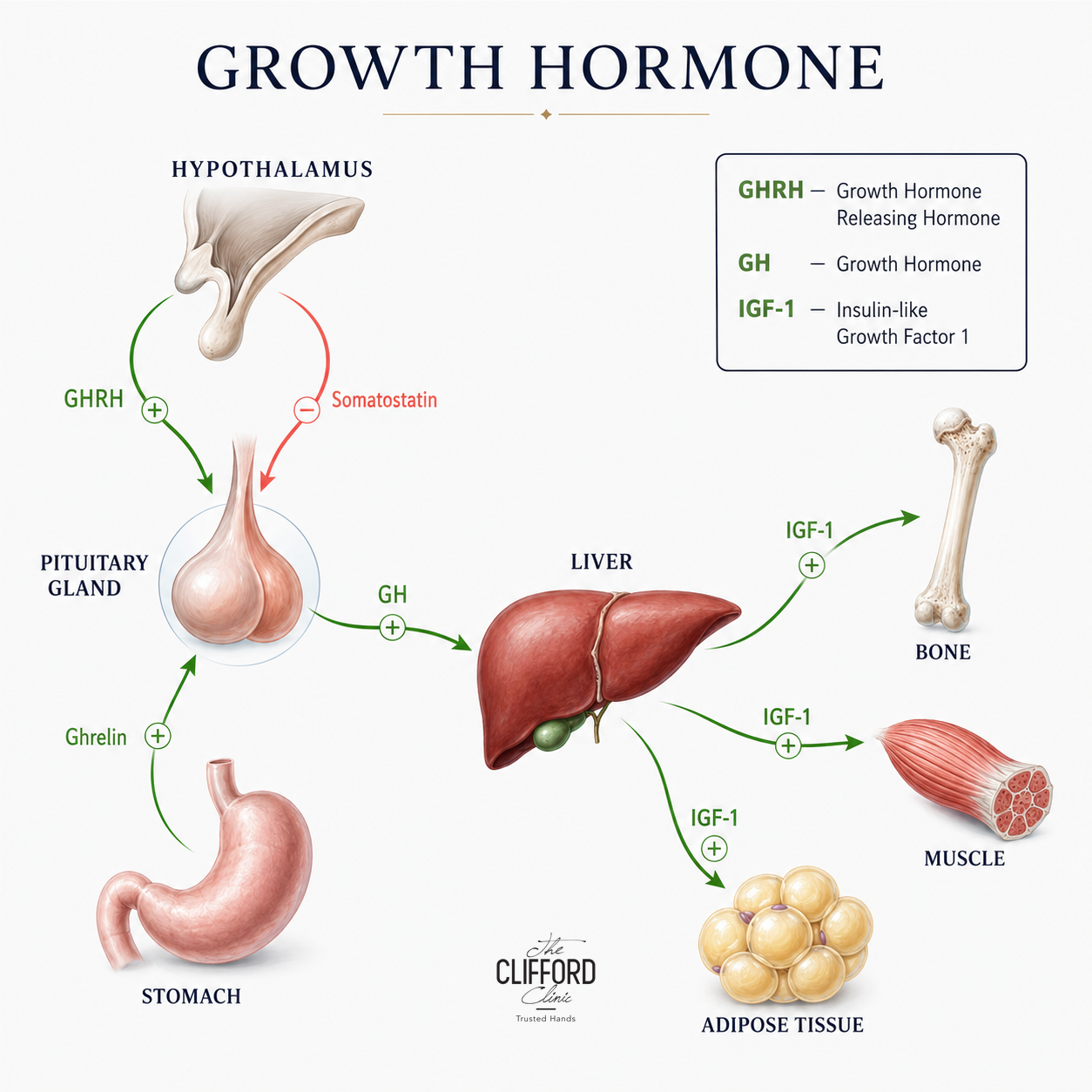
A growth hormone stimulation test is a blood test done in stages, before and after a deliberate trigger that prompts the pituitary gland to release growth hormone. The pituitary is a small gland at the base of the brain that controls growth. In a stimulation test we measure growth hormone at the start, apply a trigger, then measure it several more times to capture the highest level the gland can reach. The treadmill test uses exercise as the trigger.
There are several recognised triggers, including insulin, glucagon, and the medicine macimorelin. The exercise test stands out because the stimulus is a normal physical activity rather than a drug, which makes it comfortable for children and avoids medication side effects.
Why can a normal blood test still miss growth hormone deficiency?
Because growth hormone is released in short bursts rather than steadily, a single random blood level can be very low even in a perfectly healthy person. During the day, levels in a healthy child are often close to undetectable between bursts. A one-off reading, therefore, cannot reliably rule the condition in or out. A stimulation test solves this by pushing the gland to show its maximum output, so a genuinely low peak after a proper stimulus is much more meaningful than a low random sample.
How does exercise make the body release growth hormone?
Vigorous exercise switches the growth hormone system on through several pathways at once. It lowers a brake hormone called somatostatin, raises an accelerator called growth hormone-releasing hormone, and produces signals from working muscles, including the build-up of lactate, that all encourage the pituitary to release stored growth hormone. The result is a measurable rise in growth hormone within a short window after the exercise ends.
Research supports the use of high-intensity interval exercise as a reliable trigger in children. A 2021 study by Dror and colleagues showed that a short, structured high-intensity interval protocol stimulated growth hormone release in children with slow growth, and suggested it could serve as a practical physiological provocation test.
Who needs a growth hormone stimulation test?
The test is not a routine screen. It is ordered when there is already a real reason to suspect a growth hormone problem. In practice, there are three main groups.
- Children who are growing slowly or are very short
The most common reason is short stature that falls outside the normal range. Doctors look for a height that is more than two standard deviations below the average for a child’s age and sex, or a growth rate that has slipped below the 25th percentile over time. Growth hormone deficiency affects roughly 1 in 3,500 to 1 in 4,000 children. Many cases have no single identifiable cause, and the stimulation test helps identify the children who would benefit from treatment to support their adult height and overall health.
- Teenagers moving from child to adult care
Many children diagnosed with growth hormone deficiency turn out not to need treatment as adults. Around 65 per cent of children with idiopathic, that is unexplained, childhood growth hormone deficiency produce completely normal levels when they are retested as young adults, because many childhood cases are temporary or related to a constitutional delay. Retesting at this transition stage, including with an exercise test, helps decide who can safely stop treatment and who should continue.
- Adults being assessed for growth hormone deficiency
In adults, the exercise test is used as a screening tool. Adult growth hormone deficiency is uncommon and usually follows a known problem in the pituitary region, such as a pituitary tumour, previous radiotherapy to the head, or a significant head injury. When deficiency is suspected in an adult, the diagnosis is confirmed with a pharmacological provocative test, such as the insulin tolerance, glucagon, or macimorelin test, rather than exercise alone, and pituitary imaging is usually arranged as well.
How is the treadmill test done, step by step?
A clear, standard routine is important because a test that does not reach the right exercise intensity can give a falsely low result in a healthy person. Here is how the day usually runs.
- Before the test: fasting and a medication review
The test is done after an overnight fast of about 8 to 12 hours, because food, especially sugar, suppresses growth hormone and can blunt the response. The doctor will also review current medicines, because some affect the result. We come back to which medicines matter in the next section.
- At the start: a small cannula, with numbing cream
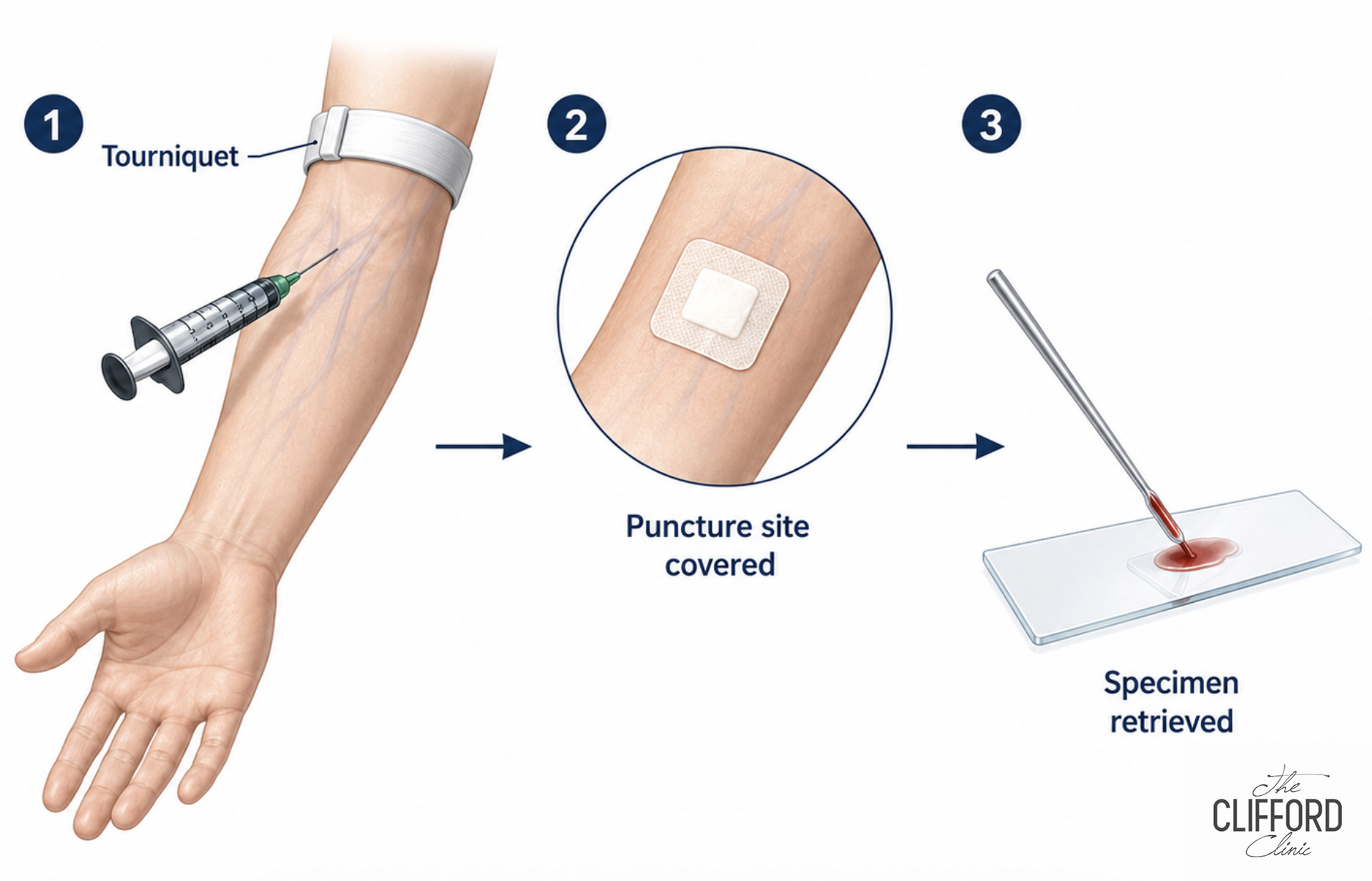
A thin plastic tube called a cannula is placed in a vein so that several blood samples can be taken without repeated needle pricks. For children, numbing cream is applied to the site about 30 to 60 minutes beforehand to reduce the discomfort of insertion and keep the child calm, which also helps the baseline reading. The first samples, for growth hormone, IGF-1, and glucose, are taken at rest before any exercise.
- The exercise: a treadmill run
The child or adult then runs on a treadmill, dressed in sports attire, working hard enough to raise the heart rate. The run lasts about 10 minutes. The cannula and tubing are secured with a soft bandage so the line stays in place during the activity.
- After the exercise: timed blood samples
Timing matters because the growth hormone peak after exercise is brief. A baseline sample is taken before the run. After the 10-minute run, two more samples are taken from the cannula, 10 minutes apart, as shown in the table below. These timed samples capture the highest point the gland reaches, which is the number used to interpret the test.
Exercise Growth Hormone Stimulation Test
| Blood Test Marker | 0 min Baseline |
R1 + 10 min After running |
R1 + 20 min After running |
|---|---|---|---|
| Growth Hormone GH |
✓ | ✓ | ✓ |
| Insulin-like Growth Factor IGF-1 |
✓ | – | – |
Glucagon Stimulation Test
| Blood Test Marker | 0 min | 60 min | 90 min | 120 min | 150 min | 180 min |
|---|---|---|---|---|---|---|
| Glucose | ✓ | ✓ | ✓ | ✓ | ✓ | ✓ |
| Growth Hormone | ✓ | ✓ | ✓ | ✓ | ✓ | ✓ |
| Cortisol | ✓ | ✓ | ✓ | ✓ | ✓ | ✓ |
| Insulin-like Growth Factor IGF-1 |
✓ | – | – | – | – | – |
Insulin Stimulation Test
| Blood Test Marker | 0 min | 15 min | 30 min | 45 min | 60 min | 90 min | 120 min |
|---|---|---|---|---|---|---|---|
| Glucose | ✓ | ✓ | ✓ | ✓ | ✓ | ✓ | ✓ |
| Growth Hormone | ✓ | ✓ | ✓ | ✓ | ✓ | ✓ | ✓ |
| Cortisol | ✓ | ✓ | ✓ | ✓ | ✓ | ✓ | – |
| Insulin-like Growth Factor IGF-1 |
✓ | – | – | – | – | – | – |
✓ A red marker means a blood sample is taken at that time point. On the website, this shows as a red blood drop.
Is the treadmill test safe?
The exercise test has a good safety profile, and one of its main advantages is that it is self-limiting. If the person becomes too tired to continue, the test simply stops, which gives it a wide margin of safety. By comparison, the insulin tolerance test deliberately lowers blood sugar and can cause problems in people with epilepsy or heart disease, while the glucagon test often causes nausea and vomiting, particularly in children. For many children and teenagers, the exercise test is a well-tolerated first option.
What medicines and other factors can affect the result?
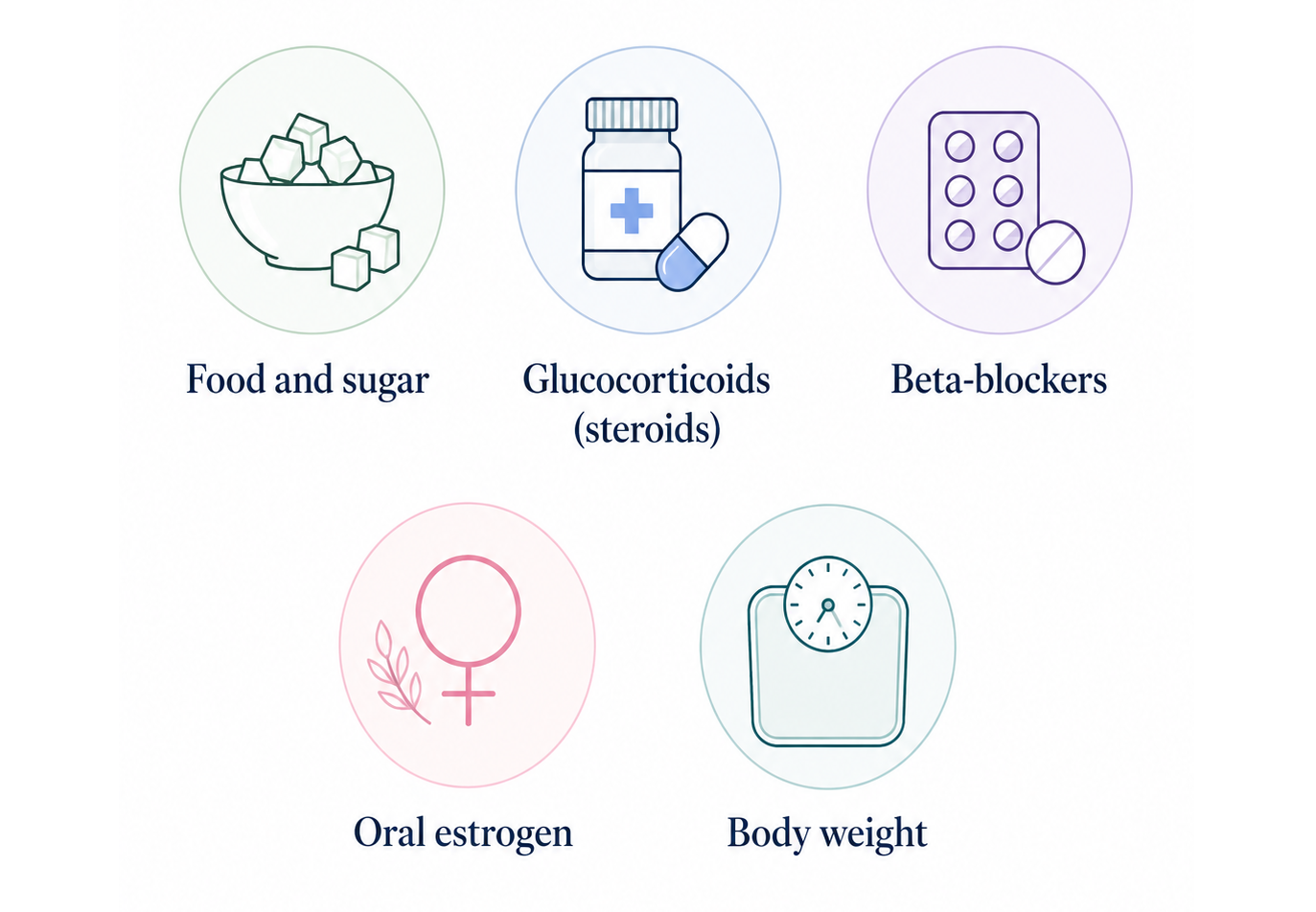
Several things can raise or lower the growth hormone response, which is why the pre-test review matters. Being aware of them helps avoid a misleading result.
- Food and sugar: Eating before the test, especially sugary food, suppresses growth hormone, which is why the overnight fast is needed.
- Glucocorticoids (steroids): These can suppress the growth hormone response and may need to be paused before testing, on the doctor’s advice.
- Beta-blockers: These actually increase the growth hormone response, and in some protocols, they are added on purpose to strengthen the exercise stimulus rather than stopped.
- Oral estrogen: This tends to raise the stimulated growth hormone peak, so in some women it can mask a deficiency rather than create a false one. The doctor takes hormone status into account when reading the result.
- Body weight: a higher body weight naturally lowers the growth hormone response, which is allowed for during interpretation, especially in adults.
How are the results interpreted?
In children
In children, a peak growth hormone above 10 ng/mL is generally reassuring and makes deficiency unlikely, while a peak below 7 ng/mL raises real concern. A low result on the exercise test is not a diagnosis on its own. Because a child may simply have had an off day or not pushed hard enough, a low result is confirmed with a second, different stimulation test, such as the arginine test, before treatment is considered.
In adults
In adults, the threshold is set lower, and the context matters a great deal. A peak below 3 ng/mL points to severe deficiency when it occurs alongside known pituitary disease. Body weight is an important factor here, because a higher body mass index lowers the response on its own. In a person with obesity, a lower peak may be normal for their body rather than a sign of pituitary failure, and tests such as macimorelin, which still vary with body weight but use weight-adjusted cut-offs, may be preferred.
What happens if the result is normal?
A reassuring result lets the doctor look elsewhere for the cause of slow growth. Common explanations include constitutional delay, where a child is simply a late developer and will catch up, or an underlying condition that affects growth, such as coeliac disease or inflammatory bowel disease. In girls, genetic causes such as Turner syndrome or changes in the SHOX gene are also considered. The focus shifts from hormone replacement to finding and managing the real cause.
What happens if the test shows a deficiency?
If the test points to a deficiency, the assessment moves forward in a clear sequence. A second, different stimulation test is used to confirm the finding. An MRI scan of the pituitary, usually with contrast, is arranged to look for any structural cause. If growth hormone deficiency is confirmed, treatment with recombinant human growth hormone can be started.
For children, the dose is based on body weight, in the region of 0.16 to 0.24 mg per kilogram each week, given as a small daily injection. For adults, the dose is much lower and is adjusted to keep IGF-1, a marker that reflects growth hormone action, in the normal range while avoiding side effects such as fluid retention or joint aches. Treatment is monitored over time, alongside checks such as bone age in children.
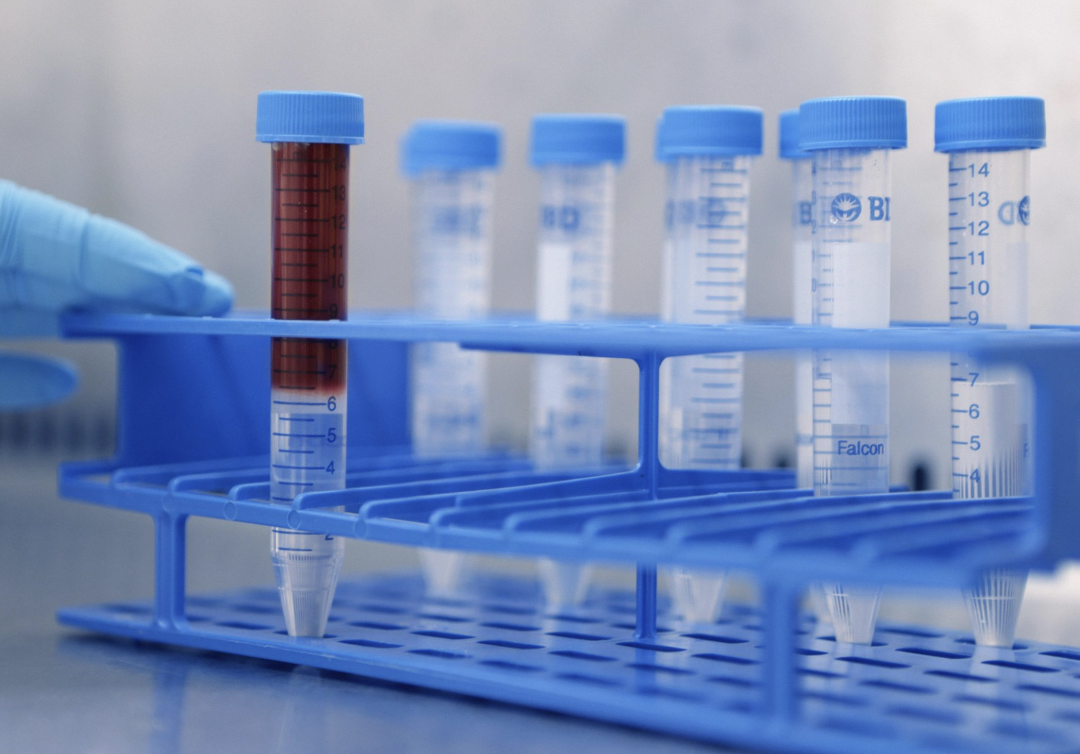
What does the test involve in Singapore, and what does it cost?
The test is done as a planned half-day appointment. You arrive fasted, the cannula is placed with numbing cream, the exercise is supervised, and the timed samples are taken during recovery, so you should set aside a couple of hours in total. Children are welcome to bring something familiar to help them feel at ease.
The cost depends on the number of hormone samples, the assays used, and the supervision involved, so it is confirmed at the consultation rather than quoted as a single figure. Where the test is part of investigating a genuine medical concern, some of the cost may be claimable, and the team will explain what applies to your situation before anything is booked.
Frequently asked questions
Why can’t one blood test diagnose growth hormone deficiency?
Growth hormone is released in short bursts and is often undetectable in between, so a single random level cannot rule the condition in or out. A stimulation test pushes the pituitary to show its maximum output, which is far more informative.
Is the treadmill growth hormone test safe for children?
It has a good safety profile. The exercise is self-limiting, so it can be stopped at any time, and it avoids the low blood sugar risk of the insulin tolerance test and the nausea linked to the glucagon test.
Does my child need to fast before the test?
Yes. An overnight fast of about 8 to 12 hours is needed because food, and sugar in particular, suppresses growth hormone and can affect the result.
What growth hormone level counts as a pass?
In children, a peak above 10 ng/mL is generally reassuring, while a peak below 7 ng/mL raises concern. A low result is confirmed with a second, different test before any diagnosis is made.
Can the test diagnose growth hormone deficiency in adults?
In adults, it is used as a screen only. The diagnosis is confirmed with a pharmacological provocative test, such as the insulin tolerance, glucagon, or macimorelin test, usually after pituitary imaging.
References and further reading
- Melmed S. Pathogenesis and Diagnosis of Growth Hormone Deficiency in Adults. New England Journal of Medicine. 2019;380(26):2551 to 2562. Explains how adult growth hormone thresholds are interpreted in the context of body weight and pituitary damage.
- Yuen KCJ, Biller BMK, Radovick S, et al. AACE and ACE Guidelines for Management of Growth Hormone Deficiency in Adults and Patients Transitioning from Pediatric to Adult Care. Endocrine Practice. 2019;25(11):1191 to 1232. The reference guidance for the transition from childhood to adult growth hormone care.
- Dror N, Pantanowitz M, Nemet D, Eliakim A. High-Intensity Interval Exercise Test Stimulates Growth Hormone Secretion in Children. Growth Hormone and IGF Research. 2021. Evidence that a short high-intensity interval exercise protocol can act as a physiological growth hormone provocation test in children.
This article is for general information and does not replace a consultation. If you are concerned about your child’s growth or your own hormone health, please arrange an assessment.