




Shang Ring Circumcision vs Stapler Circumcision for Boys in Singapore: A Medical and Practical Comparison for Parents
Circumcision is one of the most commonly performed surgical procedures worldwide, with the World Health Organization estimating that approximately 38–40% of males globally are circumcised. Circumcision in Singapore is frequently performed for medical, cultural, religious, and hygiene reasons, particularly in school-going boys. As medical technology advances, parents are increasingly presented with modern circumcision techniques that promise improved safety, faster recovery, and better cosmetic outcomes.
Two of the most widely discussed device-assisted methods today are Shang Ring circumcision and stapler circumcision. While both aim to improve upon traditional surgical circumcision, they differ significantly in design, execution, recovery experience, and suitability for children. This article provides a detailed, evidence-based comparison of Shang Ring versus stapler circumcision for boys in Singapore, helping parents make an informed decision grounded in medical facts rather than marketing claims.
Understanding Circumcision in School-Going Boys
In boys, circumcision is most commonly indicated for phimosis, recurrent balanitis, recurrent urinary tract infections, or for preventive hygiene reasons. Studies show that pathological phimosis affects approximately 1–3% of boys, with incidence increasing after early childhood. For school-aged children, timing becomes important as it affects school attendance, physical activity, and psychological comfort.
Modern circumcision techniques were developed to address concerns associated with conventional surgical circumcision, including bleeding, uneven foreskin removal, longer operative time, and postoperative discomfort. Device-based circumcision aims to standardise the procedure, reduce operator variability, and improve healing outcomes.
What Is Shang Ring Circumcision?
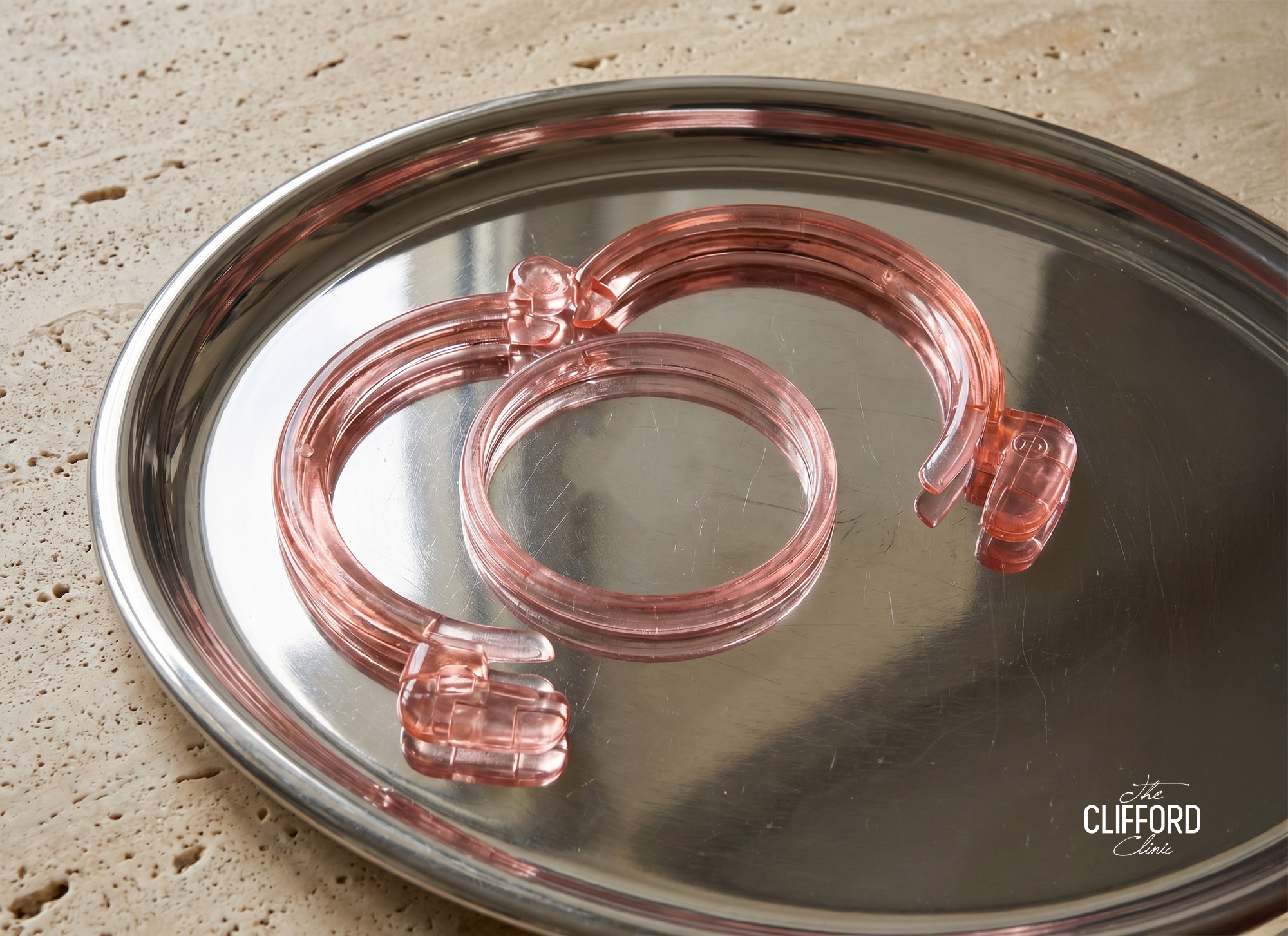
Shang Ring circumcision is a suture-less, clamp-based technique developed to provide a controlled, bloodless circumcision. The device consists of two concentric rings: an inner ring placed beneath the foreskin and an outer ring that clamps the foreskin securely between them. Once locked, blood flow to the foreskin is stopped, allowing the excess foreskin to be excised cleanly.
Large-scale clinical studies, including WHO-supported trials, have demonstrated that Shang Ring circumcision is associated with significantly reduced intraoperative bleeding, with reported bleeding rates of less than 1%. Operative time is also short, averaging 5–10 minutes, making it particularly suitable for children who may struggle with prolonged procedures.
The ring remains in place for several days and is then removed by a doctor. Healing occurs by secondary intention, but studies show excellent cosmetic outcomes with low rates of scarring or irregular edges.
What Is Stapler Circumcision?
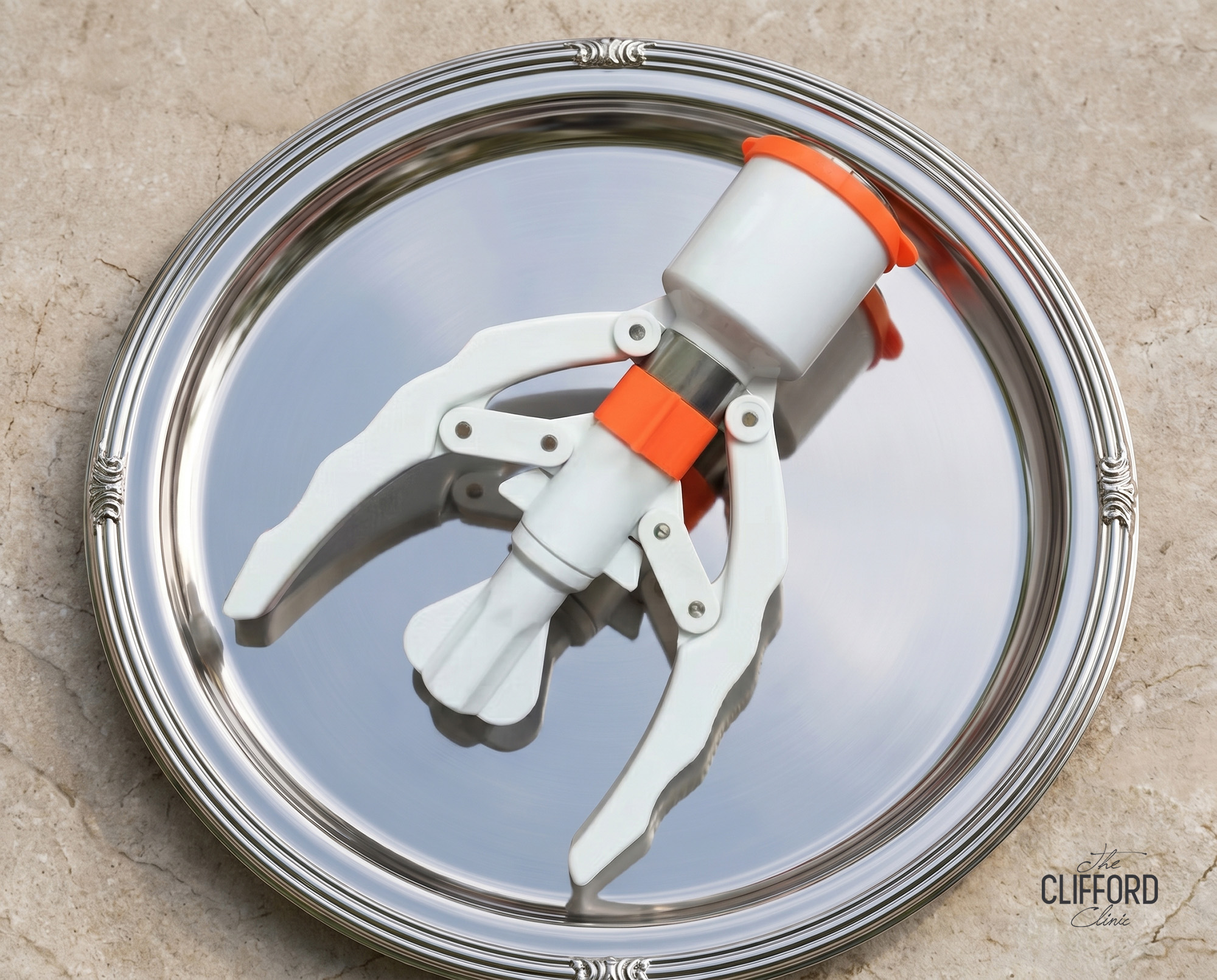
Stapler circumcision uses a single-use circular stapling device that simultaneously excises the foreskin and places a ring of metal staples to close the wound. The concept is similar to gastrointestinal surgical staplers and was adapted to reduce procedure time and standardise outcomes.
Clinical studies report average operative times of 5–8 minutes, comparable to Shang Ring circumcision. Immediate wound closure may appear cosmetically neat initially. However, staples remain embedded in the tissue and must fall out naturally over time or be removed if retained.
Safety and Complication Rates: What the Evidence Shows
Safety is the foremost concern for parents. Meta-analyses comparing device-assisted circumcision techniques show overall complication rates of 2–5%, most of which are minor and manageable. However, the type of complication differs between Shang Ring and stapler circumcision.
Shang Ring circumcision demonstrates lower rates of postoperative bleeding and infection, largely because there are no sutures or foreign bodies left behind. In contrast, stapler circumcision introduces metal staples, which can act as a foreign body and increase local irritation.
In paediatric populations, studies suggest that children tolerate clamp-based devices better, as there is less manipulation of the wound during the healing phase.
Pain Experience and Anaesthesia Considerations
Pain perception in children is both physiological and psychological. Proper anaesthesia is therefore critical. In Singapore, Shang Ring circumcision for boys is commonly performed under local anaesthesia, often with optional sedation monitored by an experienced anaesthetist. This significantly reduces anxiety and movement during the procedure.
Studies assessing pain scores using validated paediatric pain scales show lower postoperative pain scores with Shang Ring circumcision, particularly after the first 24 hours. Stapler circumcision patients may experience discomfort from staples rubbing against underwear or skin during daily activities.
Healing Time, Recovery, and Return to School
Healing time directly impacts school attendance and physical activity. Research indicates that most boys undergoing Shang Ring circumcision can return to school within 2–3 days, with full healing typically achieved within 2–3 weeks.
Stapler circumcision may show faster initial wound closure, but complete comfort is sometimes delayed until all staples have fallen out, which may take 10–21 days. During this period, some boys report sensitivity or anxiety related to visible staples.
Cosmetic Outcomes and Long-Term Satisfaction
Cosmetic outcome is not merely aesthetic; it affects long-term satisfaction and body image. Parent-reported satisfaction rates for Shang Ring circumcision exceed 95% in multiple studies, citing even foreskin removal and minimal scarring.
Stapler circumcision initially appears neat, but uneven staple loss or localised scarring has been reported. Long-term cosmetic satisfaction remains high overall but is slightly lower than clamp-based techniques in paediatric cohorts.
Which Is More Suitable for Boys in Singapore?
In Singapore’s clinical setting, where safety, hygiene, and parental reassurance are paramount, Shang Ring circumcision is often preferred for boys due to its lower complication rates, absence of foreign material, and predictable recovery. It is especially suitable when performed in a sterile operating theatre by an experienced doctor, with appropriate anaesthesia support.
Stapler circumcision remains an option, but parents should be counselled regarding staple-related issues and the possibility of additional follow-up visits.
Final Thoughts for Parents
Choosing between Shang Ring and stapler circumcision should be based on medical evidence, child comfort, recovery considerations, and surgeon expertise, rather than convenience alone. For school-going boys in Singapore, Shang Ring circumcision offers a strong balance of safety, comfort, cosmetic outcome, and minimal disruption to daily life.
A proper consultation with an experienced doctor remains essential to determine the most appropriate approach for each child.
Medical review box

This article is written by Dr Law Zhi Wei of The Clifford Surgery. Dr Law is a Singapore-trained doctor with more than five years of surgical posting experience. He graduated from the National University of Singapore with an MBBS and holds Membership of the Royal College of Surgeons of Edinburgh, a Graduate Diploma in Family Medicine, and a Postgraduate Diploma in Practical Dermatology from Cardiff University. He trained in the Urology Department at Singapore General Hospital, where he performed hundreds of circumcisions, and completed rotations in urology, general surgery, and paediatric surgery at KK Women’s and Children’s Hospital, Sengkang General Hospital, and Changi General Hospital. He has personally performed more than 500 circumcisions across the conventional, laser-assisted, Shang Ring, and ZSR Stapler techniques, and he handles the consultation, the procedure, and the aftercare for each patient, supported by the dedicated Urology Department led by Dr Nathaniel Heah. Dr Law is also a published urology researcher, with peer-reviewed work in journals including the Journal of Urology, BJU International, the Asian Journal of Urology, and European Urology Supplements. The Clifford Surgery operates a sterile surgical theatre as a Ministry of Health-accredited Day Surgery Centre. It is a CPF and MediSave accredited, CDA-approved medical institution. We assist with hospital insurance claims where there is a medical indication. This content is general information and not a substitute for a personal consultation. Last updated June 2026.
Dr Law Zhi Wei profile, https://cliffordclinic.com/dr-law-zhi-wei/
Dr Nathaniel Heah profile, https://cliffordclinic.com/dr-nathaniel-heah/
Clinical research and publications, https://cliffordclinic.com/clinical-research/
Both methods are available for boys aged 6 and above at The Clifford Surgery, and the choice is made after examining your son. For the wider decision, timing, anaesthesia and school planning, see our circumcision for boys age guide, or start with the complete Circumcision Singapore guide.

Author Bio
Dr Gerard Ee

Dr Gerard Ee is the Medical Director of The Clifford Clinic in Singapore. He earned his medical degree from St George's University of London and built his surgical experience across the Singapore General Hospital, National University Hospital, and Mount Sinai Hospital in New York. He holds Membership of the Royal College of Surgeons (Edinburgh) and a Postgraduate Diploma in Dermatology (Cardiff), and is fully accredited in aesthetic procedures including botulinum toxin, fillers, lasers, and light therapies. A strong advocate of minimally invasive, natural-looking results, Dr Ee has published in several medical and scientific journals and presented his research in cities including Taipei, Las Vegas, and London.
See all posts by Dr Gerard Ee »