


Phimosis Treatment Singapore 2026: Tight Foreskin Guide
Phimosis means the foreskin cannot be pulled back fully over the head of the penis. For adults and older boys in Singapore, it is treated only when it causes symptoms, and the usual first step is a 4 to 8 week course of topical steroid cream with gentle daily retraction, which resolves around two-thirds of cases. When cream does not work, or when scarring from a skin condition called balanitis xerotica obliterans is present, circumcision is the definitive treatment.
This guide is for adult men and boys aged 6 and above. It is part of our complete guide to circumcision in Singapore, and focuses specifically on tight foreskin: what it is, when it needs treating, what cream can and cannot do, the surgical options, recovery, and the cost in Singapore in 2026.

On this page:
- What is phimosis (tight foreskin)?
- Is a tight foreskin normal, or a problem?
- What are the symptoms, and when should you see a doctor in Singapore?
- What causes phimosis in adults and older boys?
- How is the severity of phimosis graded?
- Can phimosis go away without surgery? Does steroid cream work?
- When does phimosis need circumcision?
- What are the surgical options, and how do they compare?
- How much does phimosis treatment cost in Singapore in 2026?
- What is recovery like after phimosis surgery?
- What is paraphimosis, and why is it an emergency?
- How I approach phimosis in my Singapore practice
- Frequently asked questions
What is phimosis (tight foreskin)?
Phimosis is the inability to completely retract the foreskin over the glans penis. It is a physical finding, not a single disease, and it has several possible causes.
In young boys, the foreskin is naturally fused to the glans and cannot be retracted. This is called physiological phimosis and it is normal. It usually separates on its own, and most boys can retract the foreskin by puberty. Pathological phimosis is caused by scarring or chronic inflammation of the foreskin tip, and it does not resolve by itself. In adults, a foreskin that has become tight after previously being retractable is almost always pathological and worth assessing.
Is a tight foreskin normal, or a problem?
A tight foreskin only needs treatment when it causes symptoms. A snug foreskin that retracts without difficulty and causes no trouble does not require any intervention.
Treatment is indicated when phimosis is linked to recurrent infection of the glans and foreskin (balanoposthitis), repeated episodes of the foreskin getting stuck behind the glans (paraphimosis), urinary symptoms or infections, pain during erections or intercourse, or visible scarring of the foreskin opening. In practice, men tend to present with one of three concerns: ballooning or discomfort when passing urine, recurrent redness and itch, or difficulty during intimacy.
What are the symptoms of phimosis, and when should you see a doctor in Singapore?
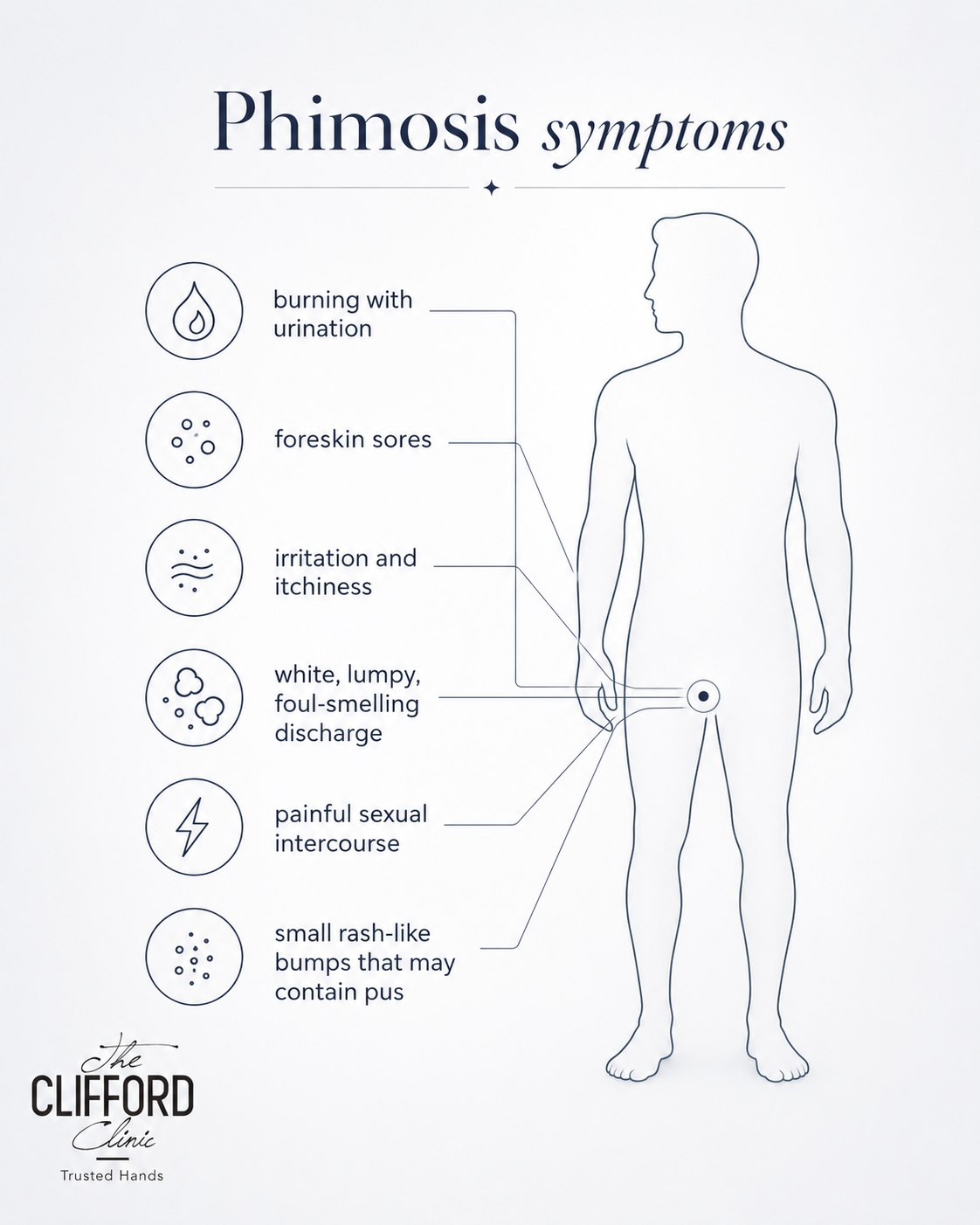
Common symptoms include an inability to retract the foreskin, a tight whitish ring at the tip, soreness, redness or swelling, splitting or bleeding of the foreskin when retraction is attempted, ballooning of the foreskin during urination, and pain during erection or sex.
You should see a doctor if you notice a hardened, pale, scarred ring at the foreskin tip, repeated infections, blood when retracting, or any episode where the foreskin becomes trapped behind the glans. That last situation, paraphimosis, is a medical emergency and is covered in its own section below.
What causes phimosis in adults and older boys?
In this age group, phimosis is usually acquired. The main causes are scarring from a skin condition, chronic or repeated infection, and injury from forceful retraction.
The single most important cause to recognise is balanitis xerotica obliterans, also known as lichen sclerosus. It presents as a firm, pale, scarred ring at the foreskin tip. It is a key risk factor for treatment failure with steroid creams, and almost always requires surgery. Recurrent balanitis, poorly controlled diabetes, and repeated minor tears from pulling a tight foreskin back too hard can worsen phimosis.
How is the severity of phimosis graded?
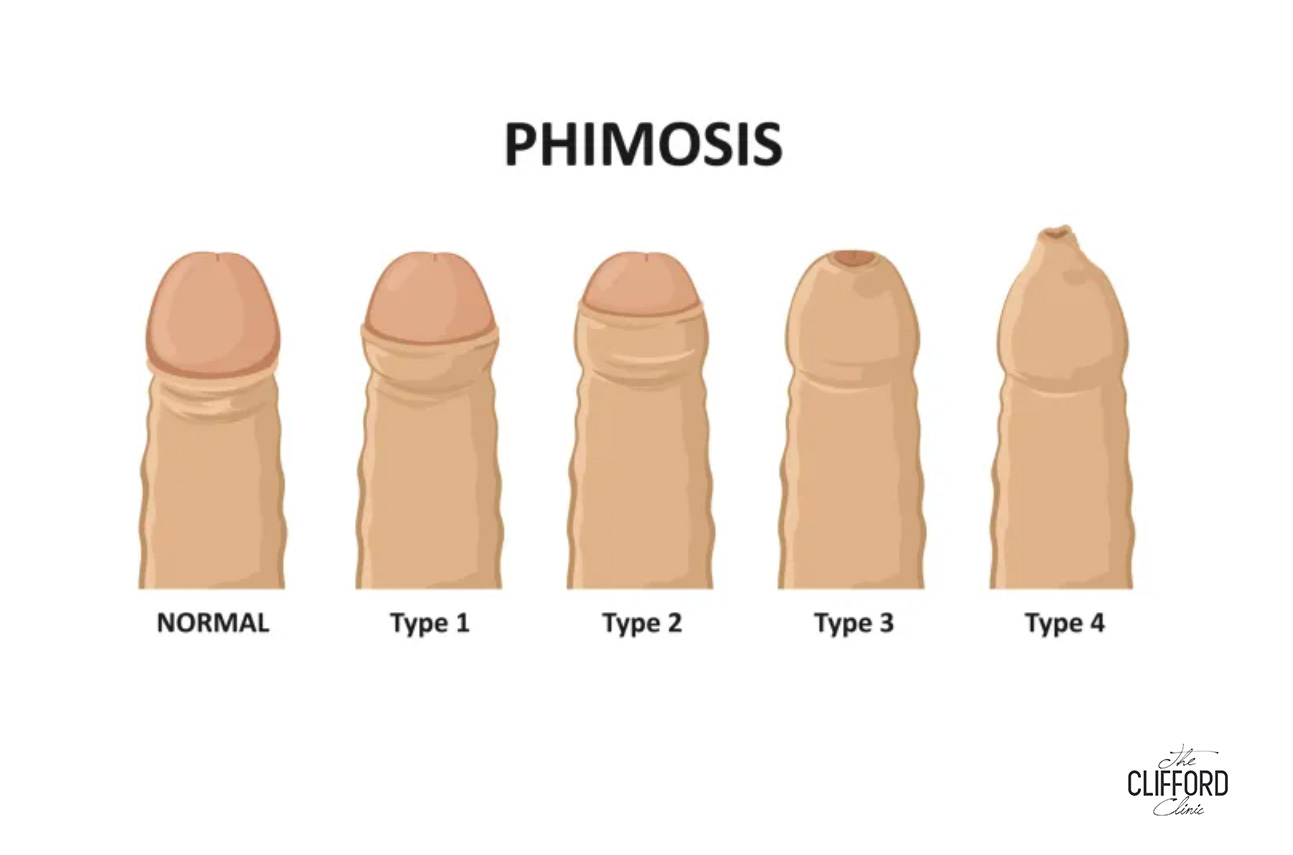
Doctors grade phimosis by how far the foreskin can be retracted. A commonly used clinical scale runs from a foreskin that is fully retractable at one end to one that cannot be retracted at all at the other.
Grading can help guide treatment and track progress, but the appearance of the foreskin matters more than the grade alone. A tight but healthy-looking foreskin tends to respond well to cream, while a scarred, altered-looking foreskin is far more likely to require surgery regardless of how it is graded.
Can phimosis go away without surgery? Does steroid cream work?
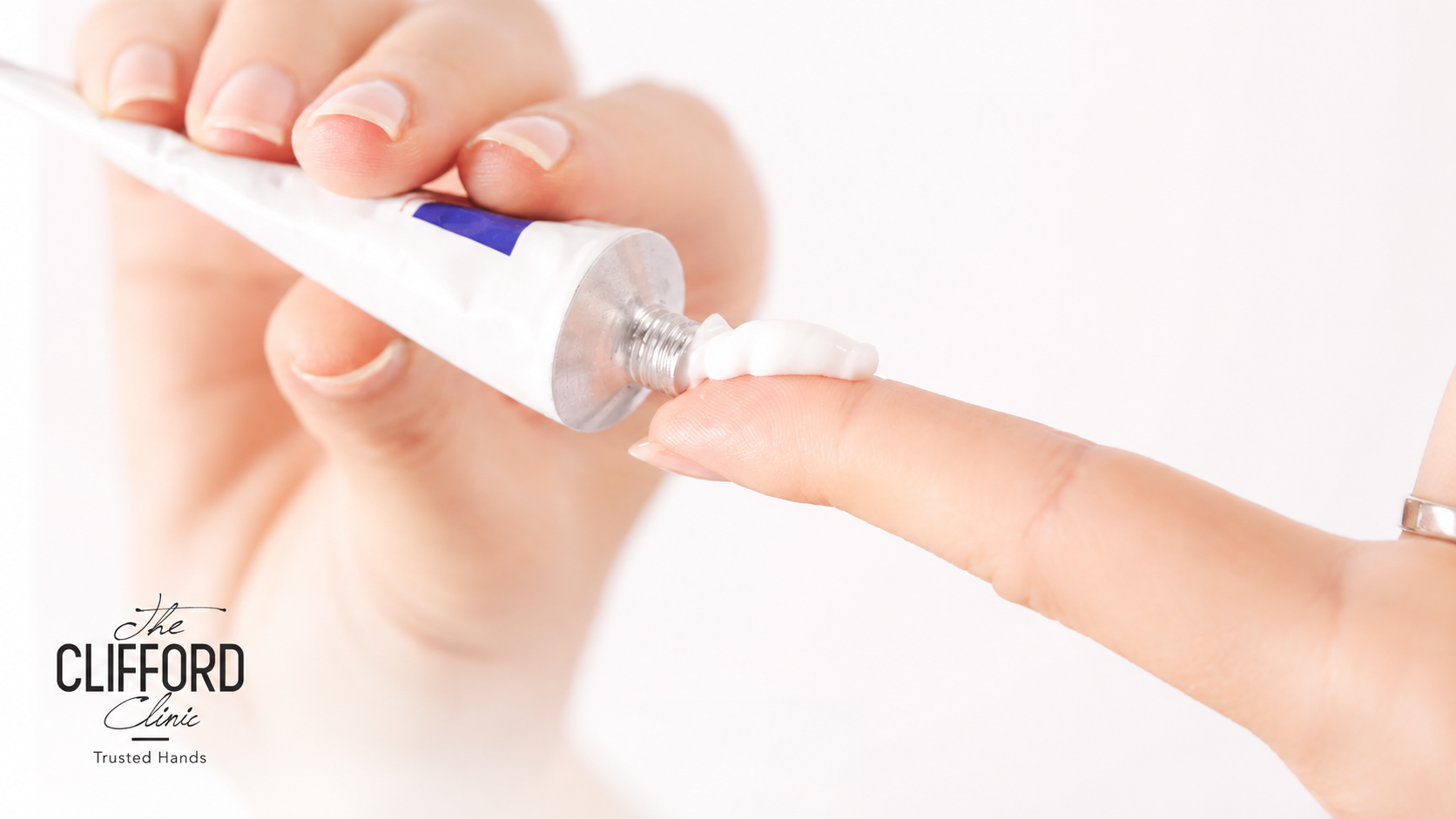
Some cases of phimosis improve without surgery. Topical steroid cream applied consistently to the tight tip for 4 to 8 weeks, combined with gentle daily retraction, is the recommended first-line treatment before any operation is considered.
A Cochrane systematic review found that topical corticosteroids applied to the tight foreskin for 4 to 8 weeks, together with gentle retraction, improve the chance of complete or partial resolution compared with no treatment, and that side effects are rare and similar to placebo. A 2026 multicentre study of 235 boys using 0.05% betamethasone twice daily for 8 weeks reported about 68% success, with no meaningful difference across severity grades or age. The one factor that predicted failure was altered foreskin skin. Success rates were 72% when the skin looked healthy, dropping to around 29% when it appeared scarred or abnormal.
Successful reduction of phimosis can only occur when the steroid cream is applied twice daily for the full 4 to 8 weeks. In clinical practice, the results are often lower, and the usual reason is a lack of compliance. Many men and parents are unable to comply with the course of 4 to 8 weeks.
Furthermore, phimosis can recur after the steroid cream is stopped, and a scarred foreskin, suggesting balanitis xerotica obliterans is much less likely to respond. Hence, in practice, circumcision remains the mainstay of treatment for established phimosis.
When does phimosis need circumcision?
Circumcision is considered when a proper course of steroid cream and gentle retraction has failed, or when there is established pathological phimosis, particularly from balanitis xerotica obliterans. It is also the more reliable choice when symptoms are severe or recurrent.
Circumcision removes the tight, scarred tissue completely, which is why it is regarded as the definitive treatment for phimosis with a very low chance of recurrence. Where the cause is medical rather than cultural or religious, a foreskin-preserving operation called preputioplasty can be an alternative for selected patients, although it is avoided when balanitis xerotica obliterans is present because the disease tends to recur in the foreskin that is left behind.
What are the surgical options for phimosis, and how do they compare?
There are two broad surgical approaches for phimosis. Circumcision removes the foreskin, whilst preputioplasty widens the tight ring, keeping the foreskin. Circumcision itself can be done by conventional dissection or with a device such as the Shang Ring or a circular stapler.
At The Clifford Clinic, the common methods are conventional circumcision and device-assisted circumcision using the Shang Ring or the ZSR stapler. For a fuller walkthrough of each method, see our guide to circumcision techniques in Singapore. The table below compares the options in general terms.
Circumcision and Foreskin-Preserving Treatment Methods
| Method | How It Works | Foreskin Kept? | Main Trade-Off |
|---|---|---|---|
| Conventional Circumcision | Foreskin cut away and stitched | No | Longer recovery and increased risk of bleeding |
| Shang Ring | Ring removes foreskin and detaches in 1 to 2 weeks | No | Ring worn for about 2 weeks |
| ZSR Stapler | Stapler cuts and seals the edge in one step | No | Added device cost |
| Preputioplasty | Tight ring widened while the foreskin is preserved | Yes | Not suitable for BXO and may recur |
Conventional circumcision has the advantage that the removed tissue can be sent for testing, which is useful when balanitis xerotica obliterans is suspected. The Shang Ring and ZSR stapler shorten the procedure and avoid separate stitching, with low complication rates and higher satisfaction in studies. Preputioplasty preserves the foreskin but is generally avoided when balanitis xerotica obliterans is present, with recurrence around 6 to 7% in children.
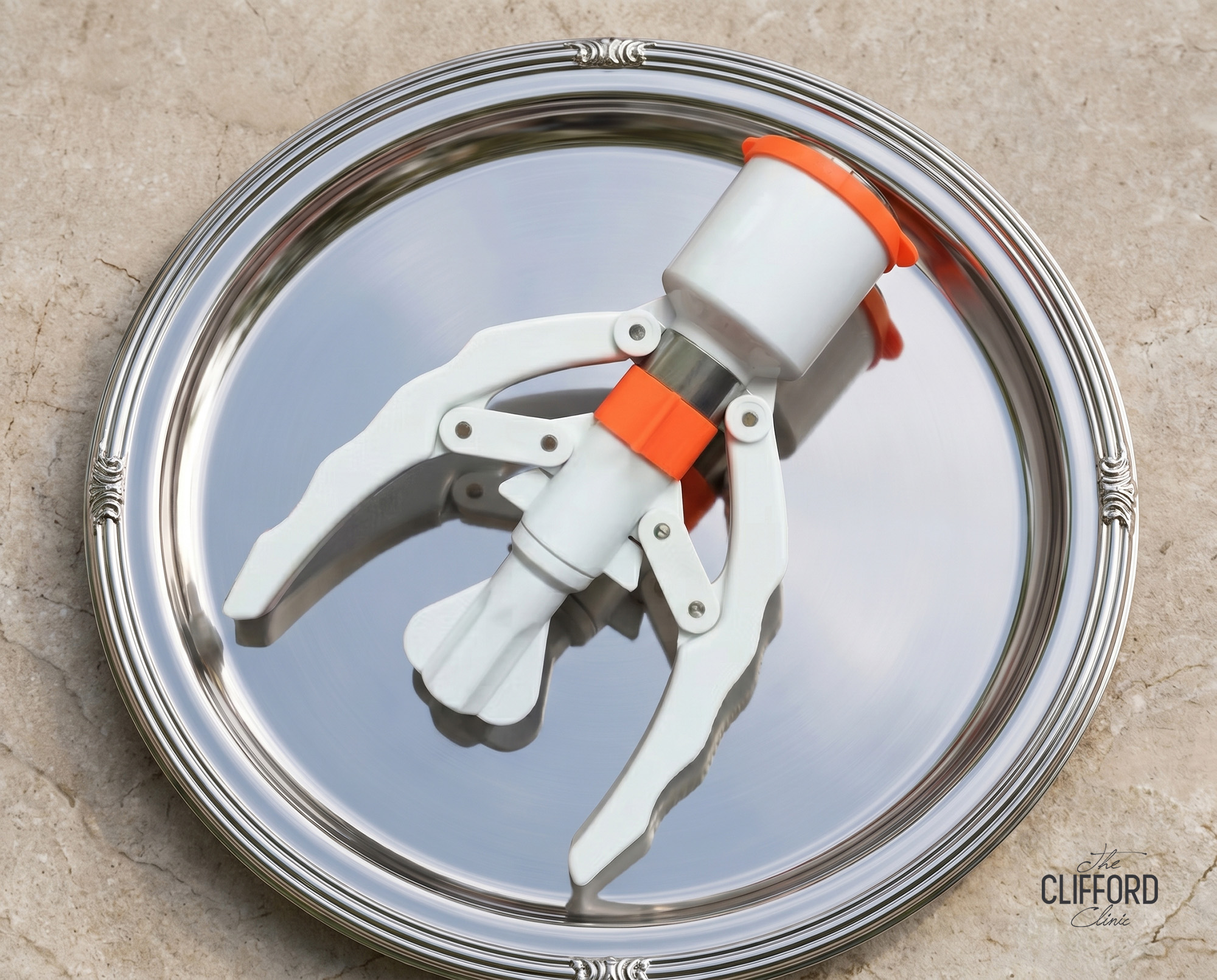
A Cochrane review of circumcision devices in adolescents and adults found that devices simplify the technique, shorten the procedure, and improve consistency of results between cases. For many men with phimosis, a device-based approach offers a more predictable, standardised procedure with a clean, uniform outcome, which is why it has become the preferred option in many modern practices.
How much does phimosis treatment cost in Singapore in 2026?
At The Clifford Clinic, the fee for circumcision is $1,888, payable by cash or Medisave. Symptomatic phimosis is a medical condition, therefore, Medisave can be used to offset the cost of the procedure.
The Clifford Clinic is also a CDA-approved clinic, so the Child Development Account (CDA) and Baby Bonus can be applied for eligible boys and combined with Medisave where eligible. If you are covered by hospital insurance or an Integrated Shield Plan, the procedure is claimable when the circumcision is medically indicated, such as symptomatic phimosis. The out-of-pocket amount you are left with depends on your specific plan and rider, and we are happy to talk through your insurance options at the consultation.
Sedation is available as an optional add-on, more often used for younger boys aged 6 to 12, and is priced at consultation.
What is recovery like after phimosis surgery?
Most adults are comfortable enough to return to desk-based work within a few days, with initial healing over about 2 to 3 weeks and full recovery by around 6 weeks. Children generally heal faster.
Some swelling and discomfort in the first few days is normal and is managed with simple painkillers. With device methods, the Shang Ring is removed at about day 10 to 14, and the stapler edges separate over roughly 2 to 3 weeks. Strenuous exercise is usually avoided for about 2 weeks, and sexual activity is typically resumed at around 4 to 6 weeks. For a day-by-day account, see our circumcision recovery timeline.
What is paraphimosis, and why is it an emergency?
Paraphimosis is when a retracted foreskin becomes trapped behind the glans and cannot be pulled forward, causing the glans to swell. It needs prompt medical care because the trapped ring can cut off blood flow to the head of the penis if it is left untreated.
Phimosis and paraphimosis are often confused. In phimosis, the foreskin cannot be retracted, while in paraphimosis, it has retracted and will not return. A tight foreskin can also make erections uncomfortable or cause the skin to split during sex. These are common reasons men finally seek treatment, and they resolve once the underlying tightness is addressed.
How I approach phimosis in my Singapore practice
I start by being upfront about how well each option tends to work in practice. For a tight but healthy-looking foreskin, a course of steroid cream with gentle retraction can help. However, in practice, it often fails because it has to be applied correctly and consistently for weeks, and many men fail to do so. When the cream is not used as directed, the foreskin stays tight, and the problem recurs. For a scarred foreskin that suggests balanitis xerotica obliterans, or where cream has already failed, I would recommend circumcision.
Across the circumcisions I have performed in Singapore, the men who do best are the ones who come in early, before repeated infections or forceful retraction have caused scarring. Rather than spend months on a treatment that depends heavily on daily compliance, many men prefer a definitive solution from the outset. When circumcision is the chosen route, I talk through conventional and device-assisted methods so the choice fits the person in front of me.
Frequently asked questions
Can phimosis heal on its own in adults?
Physiological phimosis in young boys often resolves with age, but a tight foreskin that develops in adulthood is usually acquired and does not heal by itself.
Does steroid cream really work for phimosis?
It can. In studies, topical steroids applied for 4 to 8 weeks with gentle retraction resolve around two-thirds of cases. These results depend on the cream being applied correctly and consistently every day for the full course, but in everyday practice, that rarely happens. Many men forget doses, stop early once things feel slightly better, or do not keep up the gentle retraction, and the foreskin tightens again. So the real-world success rate tends to be lower than the trial figures suggest.
Patients with scarred foreskin, suggestive of balanitis xerotica obliterans, respond poorly to steroid creams. They often require surgery.
How long should I use steroid cream before deciding on surgery?
A typical course is 4 to 8 weeks of twice-daily cream with gentle daily retraction. If there is little or no improvement after a proper course, or if the foreskin looks scarred, surgery is required.
Is circumcision the only surgical option for phimosis?
No. Preputioplasty widens the tight ring while keeping the foreskin. It is generally avoided when balanitis xerotica obliterans is present, because the condition tends to recur in the remaining foreskin.
Will phimosis come back after circumcision?
Circumcision removes the tight, scarred tissue completely, so it is regarded as the definitive treatment with a very low chance of recurrence.
Is phimosis surgery painful?
The procedure is done under local anaesthesia and is well-tolerated. Some discomfort and swelling in the first few days afterwards is normal and is managed with painkillers.
Can I claim Medisave for phimosis treatment in Singapore?
Yes. Because symptomatic phimosis is a medical condition, Medisave can be used to offset the eligible portion of the cost of circumcision when it is medically indicated.
How much does a phimosis circumcision cost in Singapore?
At The Clifford Clinic, the fee is $1,888 by cash or Medisave. As a CDA-approved clinic, we can also apply CDA and Baby Bonus for eligible boys. Hospital insurance and Integrated Shield Plans are claimable for medical indications of circumcision, so speak to us at the consultation.
Is circumcision for phimosis covered by insurance in Singapore?
When it is medically necessary, such as for symptomatic phimosis, circumcision can be claimed through Medisave and, for those with an Integrated Shield Plan, hospital insurance. Patients claiming through hospital insurance are billed under a different structure, and the out-of-pocket amount depends on the plan and rider, which we work through at the consultation.
What is balanitis xerotica obliterans?
It is a scarring skin condition, also called lichen sclerosus, that produces a firm, pale ring at the foreskin tip. It is a common cause of phimosis that does not respond to cream, and it usually needs circumcision.
Is a tight foreskin dangerous?
A tight foreskin that causes no symptoms is not dangerous. It needs attention when it leads to infections, urinary symptoms, pain, or paraphimosis, where the foreskin becomes trapped behind the glans and the glans swells.
How long is the recovery after a phimosis circumcision?
Most adults return to desk work within a few days, with initial healing over 2 to 3 weeks and full recovery by about 6 weeks. Strenuous activity is usually avoided for about 2 weeks, and sex for about 4 to 6 weeks.
At what age can a boy have a circumcision for phimosis?
At The Clifford Clinic, circumcision is offered from age 6.
Can diabetes cause phimosis?
Yes. Poorly controlled diabetes raises the risk of recurrent balanitis, which can lead to scarring and phimosis.
Which circumcision method is suitable for phimosis with scarring?
Both conventional and device-assisted circumcision can be used when balanitis xerotica obliterans is suspected. Device-assisted options such as the ZSR stapler and the Shang Ring are often well-suited, as they give a neat and uniform cut even when the skin is thickened. Regardless of the circumcision method, the removed foreskin can still be sent for laboratory testing.
The bottom line
Phimosis is common, treatable, and rarely an emergency, but it should not be ignored when it causes symptoms. Steroid cream can be a reasonable first step, though it only works if it is applied correctly every day for several weeks. In practice, few patients apply it as consistently as required. For this reason, circumcision is often offered. If you would like the wider picture, read our complete guide to circumcision in Singapore, or arrange a consultation at The Clifford Clinic to discuss what suits your situation.
If a tight foreskin is troubling you and you would like it assessed, contact us today at (65) 6532 2400, email us at thecliffordclinic@gmail.com, or book a consultation through our contact us page.
References
- Moreno G, Corbalan J, Penaloza B, Pantoja T. Topical corticosteroids for treating phimosis in boys. Cochrane Database of Systematic Reviews, 2024.
- Campos JM, et al. Topical steroids are effective even in severe phimosis: evidence from a multicenter cohort. Journal of Pediatric Surgery, 2026.
- Hohlfeld A, Ebrahim S, Shaik MZ, Kredo T. Circumcision devices versus standard surgical techniques in adolescent and adult male circumcisions. Cochrane Database of Systematic Reviews, 2021.
- Osmonov D, Hamann C, Eraky A, et al. Preputioplasty as a surgical alternative in treatment of phimosis. International Journal of Impotence Research, 2022.
- European Association of Urology. EAU Guidelines on Paediatric Urology (phimosis section).
- Ministry of Health Singapore. Hospital bills and fee benchmarks, including TOSP code SH808P (Penis, Paraphimosis/Phimosis/Reduction Prepuce, Circumcision).
By Dr Law Zhi Wei, The Clifford Clinic. Published 18 June 2026. Last updated 18 June 2026.