


Which Patient Populations Benefit Most From Modern Circumcision Devices? A Singapore Doctor’s Guide to Shang Ring and ZSR Stapler Circumcision
By Dr Law Zhi Wei
An evidence-based guide to adult and adolescent circumcision in Singapore
Circumcision in adults and adolescents has come a long way from the traditional scalpel-and-suture approach. Today, most adult patients in Singapore are choosing modern, device-based techniques such as Shang Ring circumcision and ZSR Stapler circumcision, sutureless, minimally invasive procedures that take just 10–15 minutes, involve significantly less bleeding, and allow patients to return to normal activities within a few days.
But which patient populations benefit most from these new circumcision devices? In this guide, we draw on the latest evidence, including the 2021 Cochrane systematic review of circumcision devices, large randomised trials and real-world rollouts, to identify the groups of adult and adolescent patients who gain the most from Shang Ring and ZSR Stapler circumcision, and the smaller group of patients for whom conventional surgical circumcision remains the better option.
The Newest Adult Circumcision Devices
Two modern device-based techniques now dominate adult and adolescent circumcision practice worldwide: the Shang Ring and the ZSR Stapler (also known as the disposable circumcision stapler, or simply stapler circumcision). Both are sutureless, minimally invasive alternatives to conventional hand-sewn circumcision.
Shang Ring Circumcision
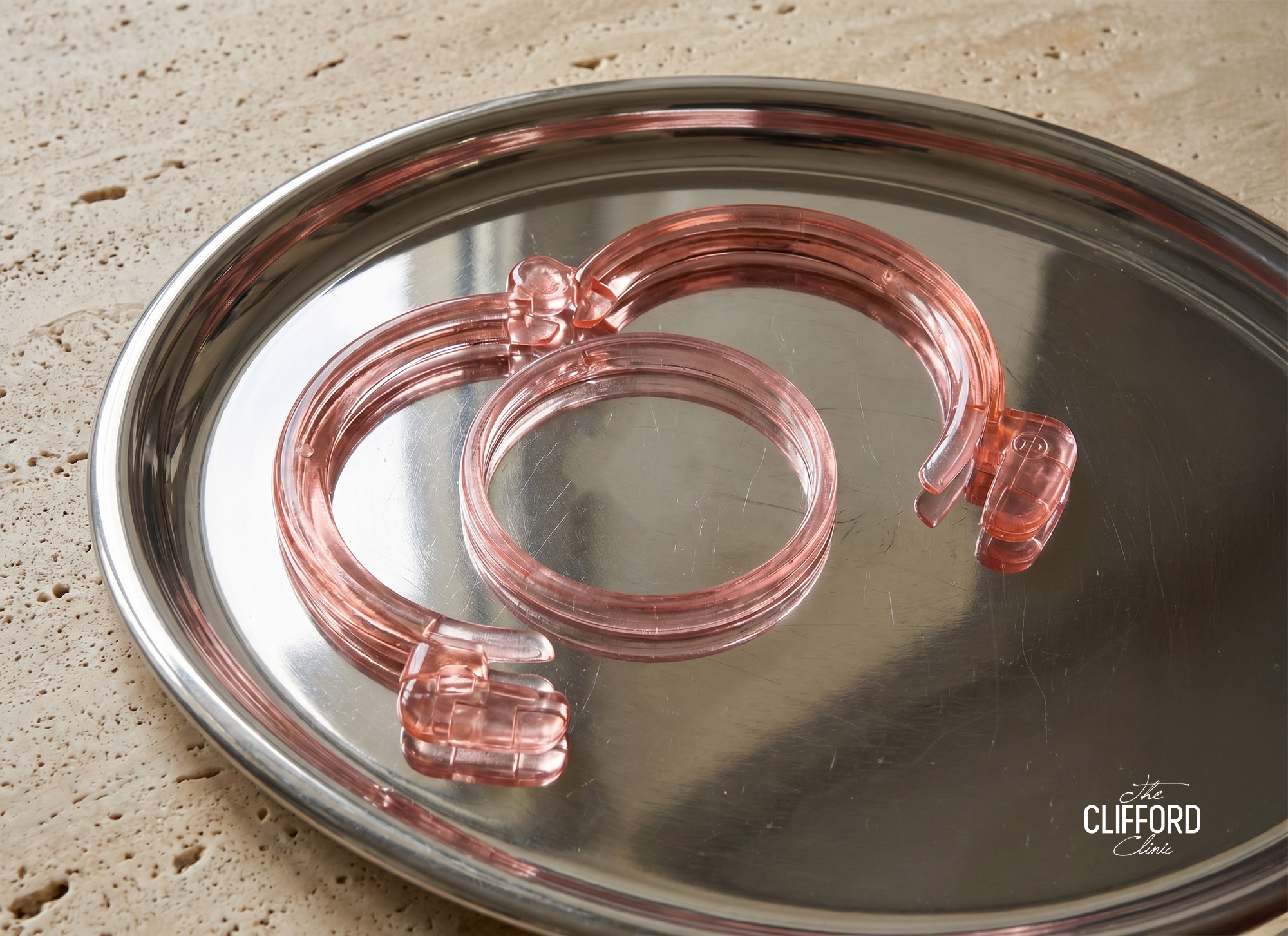
The Shang Ring is a World Health Organisation-prequalified device consisting of two concentric plastic rings that clamp the foreskin in place. The excess foreskin is then trimmed away painlessly, leaving a clean, circumferential wound.
A topical numbing cream is applied for around 30 minutes before the procedure; no injections are required, which makes it an attractive option for patients who would rather avoid needles. The whole procedure takes about 10–15 minutes, and the outer ring remains in place for approximately one week before being removed in a quick clinic visit.
ZSR Stapler Circumcision
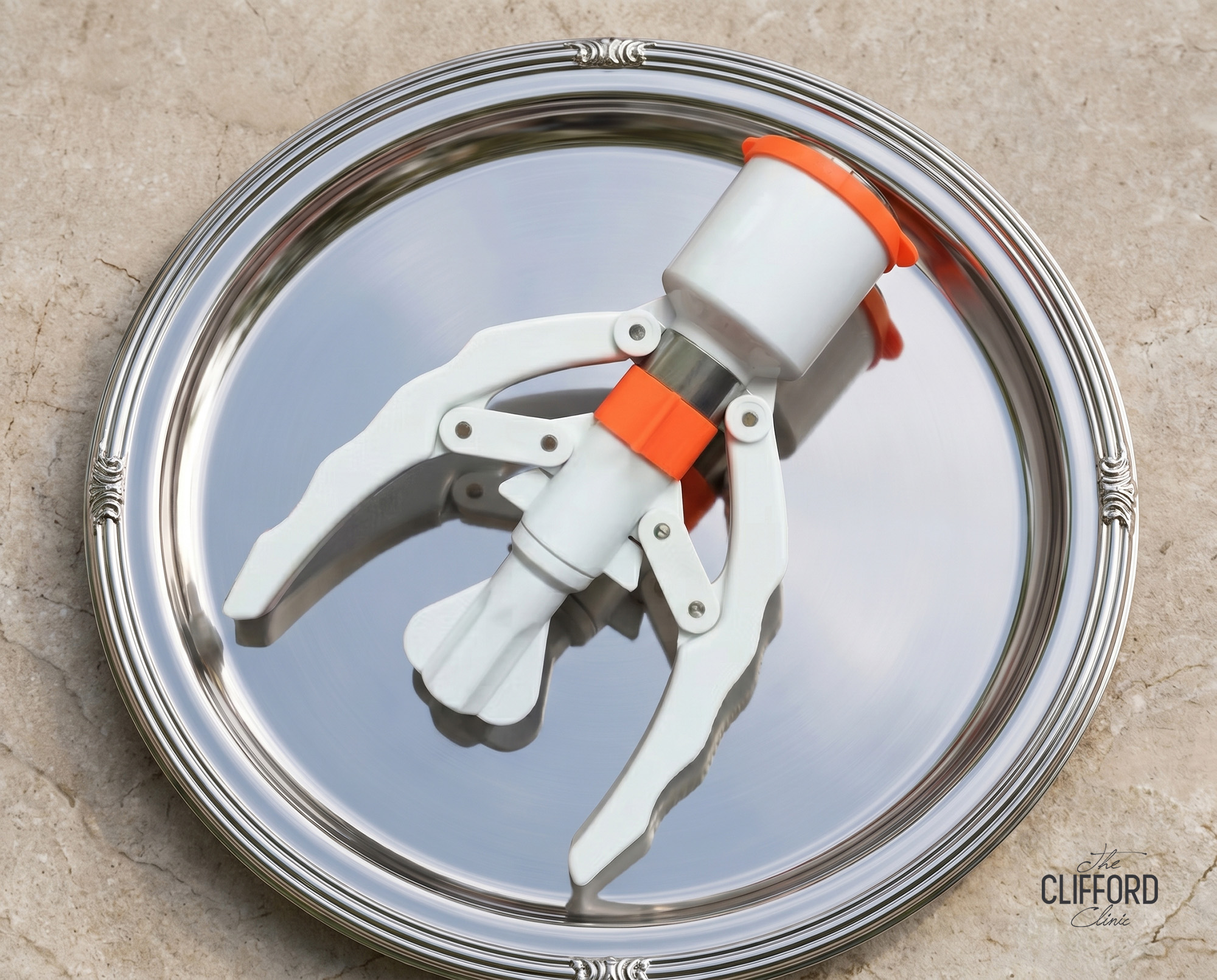
The ZSR Stapler is a single-use device that simultaneously cuts the foreskin and applies a circular row of stainless-steel staples around the wound edge. There are no traditional sutures and no external ring to manage afterwards. The staples gradually loosen and fall away over the following two to three weeks.
The procedure is short, usually 10–15 minutes from skin preparation to dressing and is performed under local anaesthesia. The stapler technique gives excellent control of bleeding and a uniform, neat cosmetic edge that is difficult to achieve with handsewn techniques.
How Do Shang Ring and ZSR Stapler Compare to Conventional Circumcision?
The 2021 Cochrane systematic review of 18 randomised trials and more than 5,000 participants compared device-based circumcision with standard surgical techniques. The headline findings: device-based methods reduce operative time by approximately 17 minutes, probably result in no difference in serious adverse events, and may result in higher patient satisfaction.
Device-specific evidence is even more favourable. A 2015 meta-analysis published in Urology comparing Shang Ring with conventional circumcision found:
- Significantly shorter operative time
- Less intraoperative blood loss
- Lower intraoperative pain scores
- Higher satisfaction with penile appearance
- Lower overall adverse event rates compared with conventional circumcision
In a large real-world rollout in Kenya, Shang Ring circumcision recorded an overall adverse event rate of just 0.3% across thousands of procedures. Published series of ZSR Stapler circumcision likewise demonstrate markedly reduced intraoperative bleeding, faster wound healing, and complication rates that are at least comparable to — and in some series lower than — conventional circumcision.
Bleeding is one of the most consistent differences. Conventional circumcision has reported intraoperative and early postoperative bleeding rates of around 2–5%; Shang Ring and ZSR Stapler series consistently report bleeding rates below 1%.
Expert insight — Dr Law Zhi Wei
Across more than 500 circumcisions I have performed, the move towards device-based techniques such as Shang Ring and ZSR Stapler has been the single most meaningful change in adult circumcision practice. The procedure itself takes a fraction of the time, intraoperative bleeding is minimal, and patients are often surprised by how quickly they recover. For most of my adult and adolescent patients in Singapore, these devices are now my preferred approach.

Which Patient Populations Benefit Most From These Devices?
1. Working Adults Who Need Minimal Downtime
Working adults are arguably the patients who gain the most from modern circumcision devices. With a much shorter procedure time and far less tissue handling than conventional circumcision, Shang Ring and ZSR Stapler circumcision typically allow:
- Same-day discharge with minimal restriction
- Return to office-based work within 1–3 days
- Resumption of light activity within about 2 weeks
- Full healing in approximately 3–4 weeks
For patients who cannot afford a long recovery, whether because of career demands, travel commitments, or family responsibilities, these are decisive practical advantages.
2. School-age Boys, Adolescents and Young Adult Men
Although the Shang Ring is WHO-prequalified for males aged 13 and above, a growing body of clinical research has demonstrated safe and effective use in significantly younger boys using the no-flip technique. A 2017 study from Ningbo First Hospital, published in the Journal of Paediatrics and Child Health, reported successful Shang Ring circumcision in 104 boys aged 6 to 14 years, with patient satisfaction rates as high as 97% when the device was correctly sized. Further randomised trials in Kenya have also confirmed safety in boys aged 10–12. The ZSR Stapler has likewise been used safely in older children and adolescents in multiple published series.
At The Clifford Clinic, the Shang Ring is offered for boys from 6 years of age onwards, in line with this published clinical experience.
A 2019 study in PLoS One of adolescents aged 13–17 undergoing device-based circumcision found severe adverse events in only 0.3% of cases, with more than 95% saying they would recommend the procedure to peers. For school-age boys, adolescents and young adults, the key benefits include:
- A short, predictable procedure
- Less postoperative pain than conventional handsewn surgery
- A neat, uniform cosmetic result
- Faster return to school, sports and social activities
3. Men with Phimosis, Balanitis or Other Medical Indications
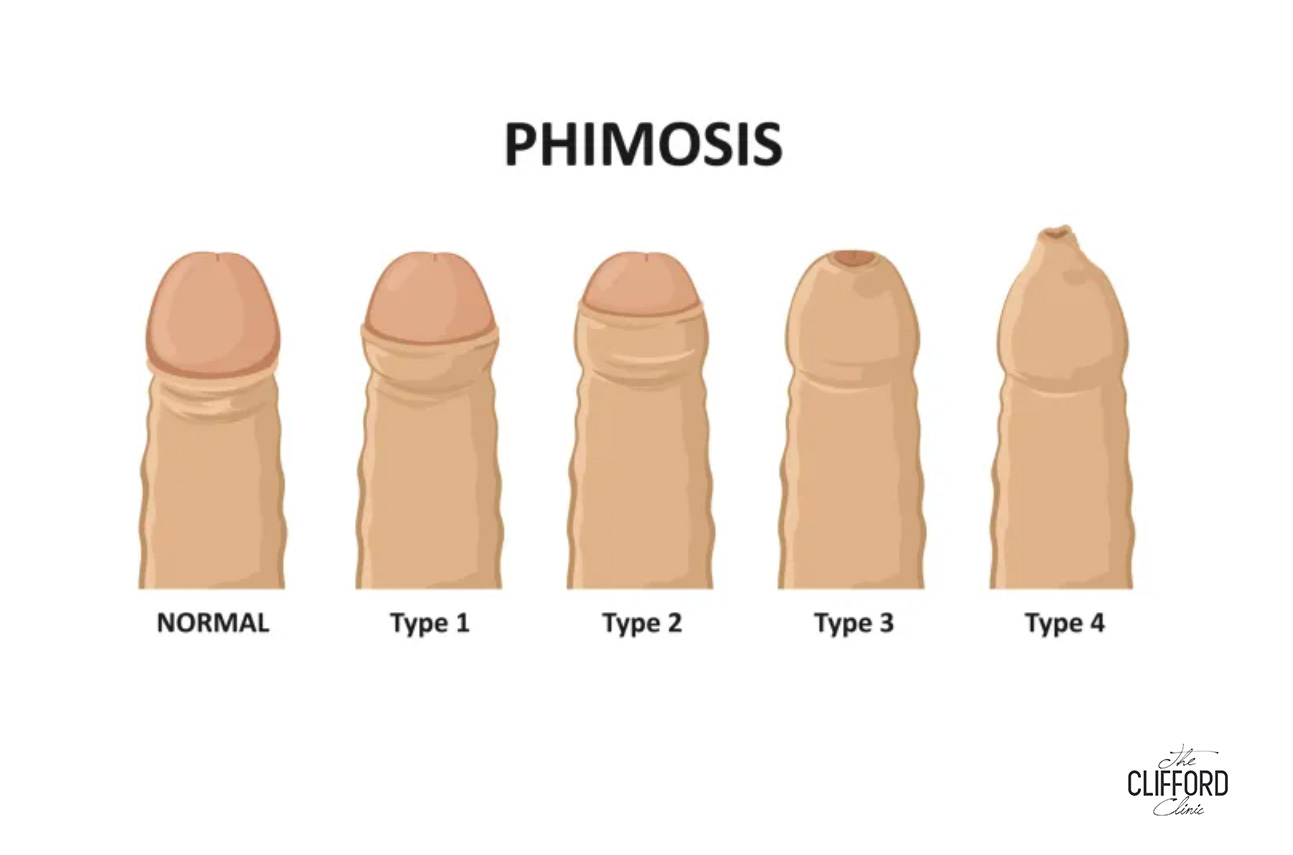
Recurrent phimosis, balanitis xerotica obliterans (lichen sclerosus), recurrent balanoposthitis and paraphimosis are among the most common reasons adult men in Singapore seek circumcision. For the majority of patients with mild to moderate disease, both the Shang Ring and the ZSR Stapler are excellent definitive options.
Patients with extreme tight phimosis, dense scarring or a very thickened foreskin may still require a modified or conventional approach — which is why a focused clinical assessment is essential. When circumcision is medically indicated, the procedure typically qualifies for Medisave use and may be eligible for hospital insurance claims in Singapore.
4. Patients Who Want a Needle-Free Experience
One under-appreciated advantage of the Shang Ring is that it can be performed with topical anaesthesia alone — no injections. A 2018 randomised trial in PLoS One showed that men receiving topical anaesthesia for Shang Ring circumcision had outcomes comparable to those who received injectable anaesthesia. The trade-off is time: topical anaesthesia needs about 30 minutes to take full effect.
For adolescents, young adults, and any patient with a strong dislike of needles, this can make the difference between accepting and declining the procedure. Both the Shang Ring and the ZSR Stapler also tend to generate less postoperative pain than conventional sutured circumcision — there is less tissue handling, no suture-related discomfort, and no separate suture-removal visit.
5. Patients Prioritising Cosmetic Outcome
Because both the Shang Ring and the ZSR Stapler create a uniform circumferential wound edge, the cosmetic result tends to be very consistent — without the slight irregularity that can occasionally appear with handsewn techniques. The 2015 Urology meta-analysis specifically documented higher satisfaction with penile appearance among Shang Ring patients compared with conventional circumcision patients. For men who place a high value on the cosmetic result, this is an important consideration.
6. Patients with Stable Chronic Conditions
Published evidence shows that men with stable chronic conditions — including HIV with controlled viral load on antiretroviral therapy — can safely undergo device-based circumcision. Healing times, adverse event rates and complication profiles are comparable to those of patients without chronic conditions, although individual surgical planning is always important.
Expert insight — Dr Law Zhi Wei
In my Singapore practice, the typical patient who benefits most from a Shang Ring or ZSR Stapler circumcision is an adult man between 20 and 50 who simply wants the procedure done with minimal disruption to his life. He wants a short procedure, minimal bleeding, a neat cosmetic result, and to be back at work within a few days. For this profile — which describes most of the adult men I see for circumcision in Singapore — device-based circumcision is, in my view, the modern standard of care.
Which Patients Are Less Suited to Device-Based Circumcision?
Not every patient is an ideal candidate. The 2021 Cochrane review and several device-specific studies identify the following groups for whom conventional surgical circumcision generally remains the preferred approach:
Anatomical contraindications
- Hypospadias, epispadias or other urethral abnormalities
- Buried penis or micropenis
- Webbed penis or chordee
- Extreme tight phimosis with extensive scarring or chronic paraphimosis
Clinical contraindications
- Active genital infection or ulcers
- Active sexually transmitted infection
- Bleeding disorders or coagulopathy
Behavioural considerations
The Shang Ring sits on the penis for about seven days and must be left undisturbed; patients who are unlikely to follow post-procedure instructions reliably are not ideal candidates for it. The ZSR Stapler, by contrast, has no external ring to manage, which can make it a more practical option for patients who travel frequently or have limited access to follow-up care. A focused pre-procedure clinical assessment is the most reliable way to identify these factors and match each patient to the safest and most effective technique.
Choosing the Right Circumcision Technique in Singapore
Adult and adolescent patients in Singapore have access to the full spectrum of circumcision techniques — conventional surgical circumcision, laser circumcision, Shang Ring circumcision and ZSR Stapler circumcision. The right choice depends on a combination of:
- Age and anatomy — to rule out contraindications and choose an appropriately sized device
- Indication — medical (phimosis, recurrent balanitis, lichen sclerosus) versus elective (hygiene, religious, cosmetic)
- Lifestyle — expected recovery time, return-to-work timeline and personal tolerance for downtime
- Pain and needle tolerance — which influences anaesthesia choice and device selection
- Coverage — whether the procedure is medically indicated and therefore eligible for Medisave use, hospital insurance claims, or, for younger patients, the Baby Bonus Child Development Account (CDA)
At The Clifford Clinic, both Shang Ring and ZSR Stapler circumcision are routinely performed in a dedicated sterile operating theatre. As a CPF and Medisave-accredited clinic, we are also able to support eligible patients with Medisave deductions and hospital insurance claims where the procedure is medically indicated. Every consultation begins with a focused clinical assessment so that the technique recommended is the one most suited to the individual patient rather than a one-size-fits-all approach.
Conclusion
The Shang Ring and ZSR Stapler have meaningfully transformed adolescent and adult circumcision. For most healthy adult men, especially those seeking a quick procedure, minimal bleeding, a fast recovery and a neat cosmetic result, these device-based techniques are now widely regarded as a modern standard for circumcision. The evidence base, from the 2021 Cochrane review to the 2015 Urology meta-analysis and large real-world rollouts, supports their use across a broad range of patient populations.
As with any surgical procedure, the most important step is a proper clinical assessment. With the right device, the right indication, and an experienced practitioner, modern circumcision is safer, faster and more comfortable than ever before.
About the Author
Dr Law Zhi Wei is a Singapore-trained medical doctor at The Clifford Clinic with more than five years of surgical rotation experience across general surgery, urology and paediatric surgery at Singapore General Hospital, Changi General Hospital, Sengkang General Hospital and KK Women’s and Children’s Hospital, including registrar postings in urology and general surgery. He has personally performed more than 500 circumcisions across conventional, laser, Shang Ring and ZSR Stapler techniques. The Clifford Clinic operates a fully equipped sterile surgical theatre and is CPF and Medisave-accredited, with assistance available for hospital insurance claims where there is a medical indication.
References
- Hohlfeld A, Ebrahim S, Shaik MZ, Kredo T. Circumcision Devices Versus Standard Surgical Techniques in Adolescent and Adult Male Circumcisions. Cochrane Database of Systematic Reviews. 2021.
- Cao D, Liu L, Hu Y, et al. A Systematic Review and Meta-Analysis of Circumcision With Shang Ring vs Conventional Circumcision. Urology. 2015.
- Yan B, Zhang L, Chen J, et al. Choosing the Appropriate ShangRing Size for Paediatric Circumcision Using the No-Flip Technique. Journal of Paediatrics and Child Health. 2017. (PMID: 28799669)
- Awori Q, Li PS, Lee RK, et al. Use of Topical Versus Injectable Anaesthesia for Shang Ring Circumcisions in Men and Boys in Kenya. PLoS One. 2018.
- Mavhu W, Hatzold K, Madidi N, et al. Is the PrePex Device an Alternative for Surgical Male Circumcision in Adolescents Ages 13–17 Years? PLoS One. 2019.
- Odoyo-June E, Owuor N, Kassim S, et al. Rollout of Shang Ring Circumcision With Active Surveillance for Adverse Events and Monitoring for Uptake in Kenya. PLoS One. 2019.
- Basourakos SP, Nang QG, Ballman KV, et al. Shang Ring Versus Mogen Clamp for Early Infant Male Circumcision in Eastern Sub-Saharan Africa: A Multicentre Non-Inferiority Randomised Trial. The Lancet Global Health. 2022.
- Grudzińska M, Gondek J, Czajkowski M, Matuszewski M. Impact of Device-Assisted Circumcision on Sexual Quality of Life in Adult Males: A Systematic Review. The Journal of Sexual Medicine. 2025.