


Circumcision’s Impact on Men’s Sexual Well-being
Circumcision, a procedure practiced for thousands of years across various cultures, involves the surgical removal of the foreskin that covers the glans (head) of the penis. Typically performed as an outpatient procedure, it can be done under local or general anesthesia, depending on the patient’s age and medical circumstances
Circumcision in Singapore is performed for both medical and non-medical reasons. Medical indications include conditions such as phimosis (inability to retract the foreskin), paraphimosis (retracted foreskin that cannot return), and recurrent balanitis (inflammation of the glans). It is also recommended for boys with recurrent urinary tract infections (UTIs), particularly those with urinary tract abnormalities, where it reduces recurrence risk by approximately 90%. Large-scale randomized controlled trials in Africa have shown that adult male circumcision reduces the risk of acquiring HIV through heterosexual intercourse by about 60%, and it lowers the incidence of high-risk HPV strains by 30–35%. Additionally, circumcised men have a significantly lower lifetime risk of penile cancer, a rare malignancy with an incidence of less than 1 in 100,000 in developed countries, though the absolute risk reduction is small due to the disease’s rarity. Non-medical indications include religious and cultural practices, most notably in Jewish and Muslim communities, where neonatal or childhood circumcision is traditional. Some individuals also choose circumcision for perceived benefits in hygiene, reduced odor, or cosmetic preference, though these are subjective and not universally supported by clinical evidence.
A persistent misconception about circumcision is that it diminishes sexual satisfaction and function by reducing penile sensitivity. This belief often stems from the theory that chronic exposure of the glans penis leads to keratinization, a thickening of the outer skin layer, resulting in decreased tactile sensation during sexual activity and, consequently, poorer sexual outcomes. However, multiple high-quality studies challenge this assumption. A 2013 systematic review of 36 studies involving over 40,000 men found no significant differences in sexual desire, erectile function, or overall satisfaction between circumcised and uncircumcised men. More recent randomized controlled trials, including a two-year follow-up of 1,000 African men, reported similar or slightly higher sexual satisfaction scores among circumcised participants, with no evidence of reduced glans sensitivity on objective monofilament touch testing. Fine-touch sensitivity thresholds on the glans were comparable or even lower (more sensitive) in circumcised men in some studies. In this article, we evaluate the scientific validity of the keratinization hypothesis and explore circumcision’s true impact on men’s sexual well-being.

Circumcision and Sexual Well-Being: Preserving Satisfaction, Function, and Comfort
Sexual Satisfaction
Circumcision is often theorized to reduce sexual satisfaction and sensation due to the removal of fine-touch nerve endings in the foreskin, potential neural reorganization, and keratinization (thickening) of the glans. These concerns, though widespread, are largely speculative and have fueled unnecessary anxiety, sometimes lowering self-esteem and creating biased perceptions of poorer sexual outcomes in circumcised men.
High-quality research, however, tells a different story. A 2025 meta-analysis by Yıldız Karaahmet A et al., a “super-study” that combines data from multiple rigorous trials to deliver the strongest level of scientific evidence, included over 10,000 men and found that circumcised men reported higher sexual satisfaction than uncircumcised men, with a statistically significant odds ratio of 2.48 (95% CI: 1.62–3.79, p < 0.00001). This aligns with penile anatomy: while the foreskin contains some sensory nerve endings, the glans and inner mucosal surfaces remain the primary sites of erogenous sensation. After circumcision, direct stimulation of these highly innervated areas, without the dampening effect of a mobile foreskin, may enhance perceived pleasure for some men.
Erectile Function
A persistent myth claims that circumcision causes erectile dysfunction (ED), yet the evidence tells a very different story. This misconception often stems from rare surgical complications—occurring in fewer than 1% of cases and usually reversible, or from online anecdotes and anti-circumcision activism that amplify isolated negative experiences. Another common trigger is psychological anxiety: the fear of “losing part of the penis” can spark temporary performance issues, but this is entirely mental, not physical.
To evaluate any true connection, we must first understand how ED actually develops, and none of its core mechanisms involve the foreskin. The most common cause, accounting for about 70% of cases in men over 40, is vascular: narrowed arteries from atherosclerosis, hypertension, diabetes, or smoking restrict blood flow into the penis. Other pathways include neurological damage (10–20%, from diabetes or spinal injury), hormonal imbalances (5–10%, like low testosterone), structural problems (under 5%, such as Peyronie’s disease), and medications or stress. Circumcision affects none of these, it removes only the foreskin, leaving intact the blood vessels, nerves, and erectile tissue essential for erection.
Low-quality reports occasionally describe worsened ED after circumcision, but these are almost always confounded by pre-existing conditions such as diabetes, obesity, or low libido, that independently cause the problem. In sharp contrast, a 2025 high-quality meta-analysis by Yıldız Karaahmet A et al. used the IIEF-5, a gold-standard 25-point erectile function scale, and found that circumcised men actually scored slightly higher, with a mean difference of 0.28 points (95% CI: 0.11–0.46, p = 0.002).
In short, circumcision does not impair erectile function and may even be associated with a tiny edge in reported performance.
Painful Intercourse
Pain-free intercourse is a cornerstone of sexual satisfaction. Dyspareunia, recurrent pain during or after sex, affects quality of life and is far more common in women (7–20% current prevalence) than in men (2–10%). Yet in men, circumcision consistently reduces dyspareunia, contributing to greater comfort and pleasure. The latest evidence strongly supports this. A 2025 meta-analysis of 14,737 men found that circumcised men had 62% lower odds of dyspareunia compared to uncircumcised men (OR: 0.38, 95% CI: 0.16–0.88, p = 0.03). This aligns with longitudinal data from Kenya: in a randomized trial of over 2,700 men, pain during intercourse decreased significantly only in the circumcised group over 24 months, alongside greater gains in overall sexual satisfaction. Prospective studies further show circumcision reduces penile coital injuries, scratches, abrasions, and soreness by up to 70%, all common triggers of dyspareunia.
For men with phimosis, paraphimosis, or frenulum breve, circumcision eliminates mechanical pain from tearing, entrapment, or friction, resolving symptoms in >95% of cases. While some cross-sectional surveys in select populations report higher dyspareunia in circumcised men, these are outliers, often limited by recall bias, cultural stigma, or small samples, and contradicted by higher-quality RCTs and meta-analyses.
In summary, circumcision reduces structural and inflammatory causes of penile pain, leading to less dyspareunia and enhanced sexual comfort for many men—especially those with foreskin-related issues.
Device-Assisted Circumcision and Sexual Quality of Life
Device-assisted circumcision, such as the Shang Ring circumcision and Stapler circumcision, has been increasingly popular as an alternative to conventional circumcision techniques. The popularity for device-assisted circumcision stems from the following benefits:
- Improved Safety. Device-assisted circumcision techniques, such as the Shang Ring and stapler circumcision, offer enhanced safety profiles compared to conventional methods, particularly in reducing intraoperative bleeding and overall adverse events. The Shang Ring, a collar-based device, minimizes bleeding through bloodless clamping and sutureless closure. It was found to have significantly less intraoperative blood loss (mean difference: -2.82 mL) and a lower overall complication rate (3.0% vs. 5.9% for conventional circumcision. Similarly, stapler circumcision (e.g., ZSR and Touchstone Staplers) cuts and seals tissue simultaneously, further curbing hemorrhage. A prospective randomized trial (n=879 adults) reported negligible intraoperative bleeding in the stapler group (vs. measurable loss in 7.8% of conventional cases) and an overall complication rate of 2.7% (vs. 7.8%; p < 0.01), with postoperative bleeding in only 1.1% of patients.
- Reduced operative time. The Shang Ring circumcision shortens surgery to a median of 6–8 minutes (vs. 20–30 minutes for conventional methods), with a mean difference of 7 minutes. Stapler circumcision is even faster, averaging 3–5 minutes (vs. 22–28 minutes conventionally), with reductions of ~18–20 minutes in randomized trials.
- Less postoperative pain. Both devices minimize tissue trauma. The Shang Ring group reports lower pain scores on day 1 (mean VAS: 1.2 vs. 2.8; p < 0.01) and requires less analgesia (OR: 0.44, 95% CI: 0.31–0.63). Patients who underwent stapler circumcision experience mild or no pain in 92% of cases on postoperative day 1 (vs. 68% in conventional; p < 0.001), with faster resolution by day 3.
- Faster recovery & return to normal activity. Patients who underwent device-assisted circumcision such as Shang Ring circumcision and stapler circumcision, recovered fully in ~3 weeks with devices (vs. 4–6 weeks conventionally). Men resume normal activities in 7–10 days (Shang Ring) or 5–7 days (stapler), compared to 14–21 days for open surgery. Wound swelling and wound care needs are also markedly reduced when compared to conventional circumcision techniques.
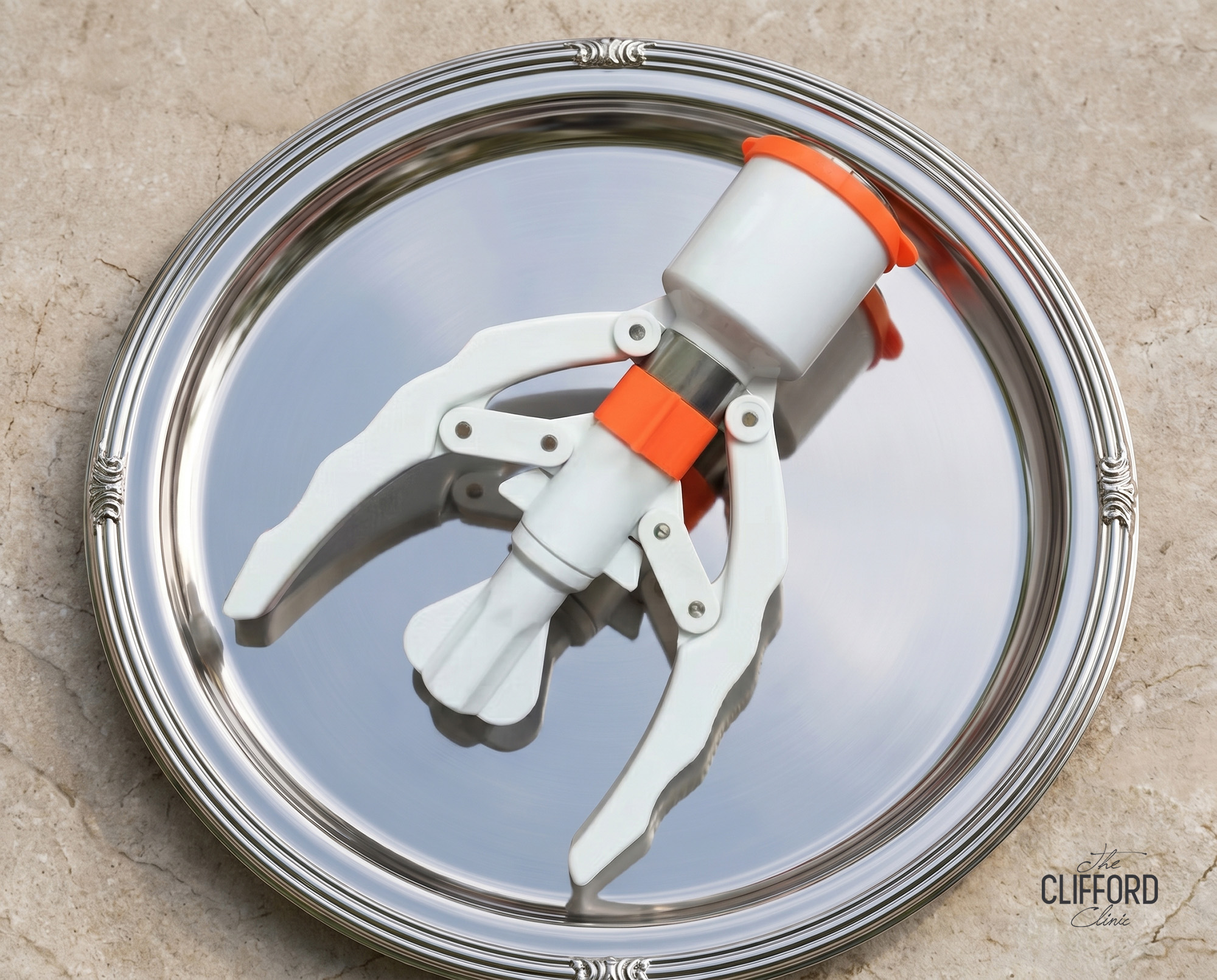
Preserved or Enhanced Sexual Function with Device-Assisted Circumcision
Techniques such as the Shang Ring and circular stapler circumcision maintain or improve sexual satisfaction, erectile function, and overall sexual quality of life, with minimal adverse effects. High-quality evidence consistently shows neutral to positive impacts on male sexual health.
- Sexual Satisfaction & Quality of Life: A 2023 systematic review of 12 studies (n=5,842 men) found no decline in overall sexual satisfaction post-device circumcision; 58% of Shang Ring users and 62% of stapler users reported unchanged or improved satisfaction at 6–12 months. The IIEF-15 (International Index of Erectile Function) global satisfaction domain showed a slight increase in stapler groups (+0.8 points, 95% CI: 0.3–1.3, p = 0.002).
- Erectile Function: Both devices preserve erectile rigidity. In a randomized trial (n=1,200), IIEF-5 scores were identical at baseline and 6 months in the Shang Ring (mean: 22.1) and stapler (mean: 22.3) groups, with <1% reporting new ED. Some men noted firmer erections due to reduced foreskin drag.
- Ejaculatory Control & Intercourse Duration: Stapler circumcision is linked to better ejaculatory control and longer intravaginal ejaculatory latency time (IELT). A prospective study (n=628) reported IELT increased from 3.8 to 5.2 minutes post-stapler (p < 0.01), with 72% reporting improved control. The Shang Ring shows neutral effects on ejaculation, with no cases of premature ejaculation induction.
- Adverse Sexual Effects: Transient glans sensitivity changes occur in <5% and resolve by 3 months. Long-term dyspareunia or dissatisfaction is rare (<1%) and not significantly different from conventional methods.
While early cross-sectional reports raised concerns about prolonged intercourse or reduced pleasure, RCTs and meta-analyses refute this; there is no high-quality study that shows worsened sexual function. The consensus from WHO-reviewed data: device-assisted circumcision is sexually safe, with potential benefits in control and confidence for some men.
Conclusion
In summary, circumcision, whether performed for medical, cultural, or personal reasons, does not compromise men’s sexual health and, in many cases, enhances it. Far from the myths of reduced sensitivity, erectile dysfunction, or chronic pain, high-quality evidence—including 2025 meta-analyses of over 25,000 men—consistently shows neutral to modestly positive effects on sexual satisfaction (OR: 2.48 for higher satisfaction), erectile function (IIEF-5 MD: +0.28), and freedom from dyspareunia (62% lower odds, OR: 0.38). These benefits are particularly pronounced in men with foreskin-related conditions like phimosis or recurrent balanitis, where circumcision resolves pain in >95% of cases and reduces coital injuries by up to 70%.
Modern device-assisted techniques, such as the Shang Ring and stapler circumcision, elevate the procedure further: faster, less painful, safer (complications <3%), and with quicker recovery. Crucially, they preserve or improve sexual function, 58–62% report unchanged or better satisfaction, <1% experience new ED, and some gain better ejaculatory control (IELT +1.4 minutes). Ultimately, circumcision is a safe, effective procedure that aligns with both health protection and sexual well-being. For men considering it, the data is clear: no meaningful loss, and often subtle gains in pleasure, performance, and comfort. Decisions should be informed, individualized, and free from fear, grounded in science, not stigma.

Author Bio
Dr Gerard Ee

Dr Gerard Ee is the Medical Director of The Clifford Clinic in Singapore. He earned his medical degree from St George's University of London and built his surgical experience across the Singapore General Hospital, National University Hospital, and Mount Sinai Hospital in New York. He holds Membership of the Royal College of Surgeons (Edinburgh) and a Postgraduate Diploma in Dermatology (Cardiff), and is fully accredited in aesthetic procedures including botulinum toxin, fillers, lasers, and light therapies. A strong advocate of minimally invasive, natural-looking results, Dr Ee has published in several medical and scientific journals and presented his research in cities including Taipei, Las Vegas, and London.
See all posts by Dr Gerard Ee »