
Acne Treatment in 2026: How AGNES RF, AviClear (aviclear) and Gold PTT Help Stop Repeat Acne Breakouts
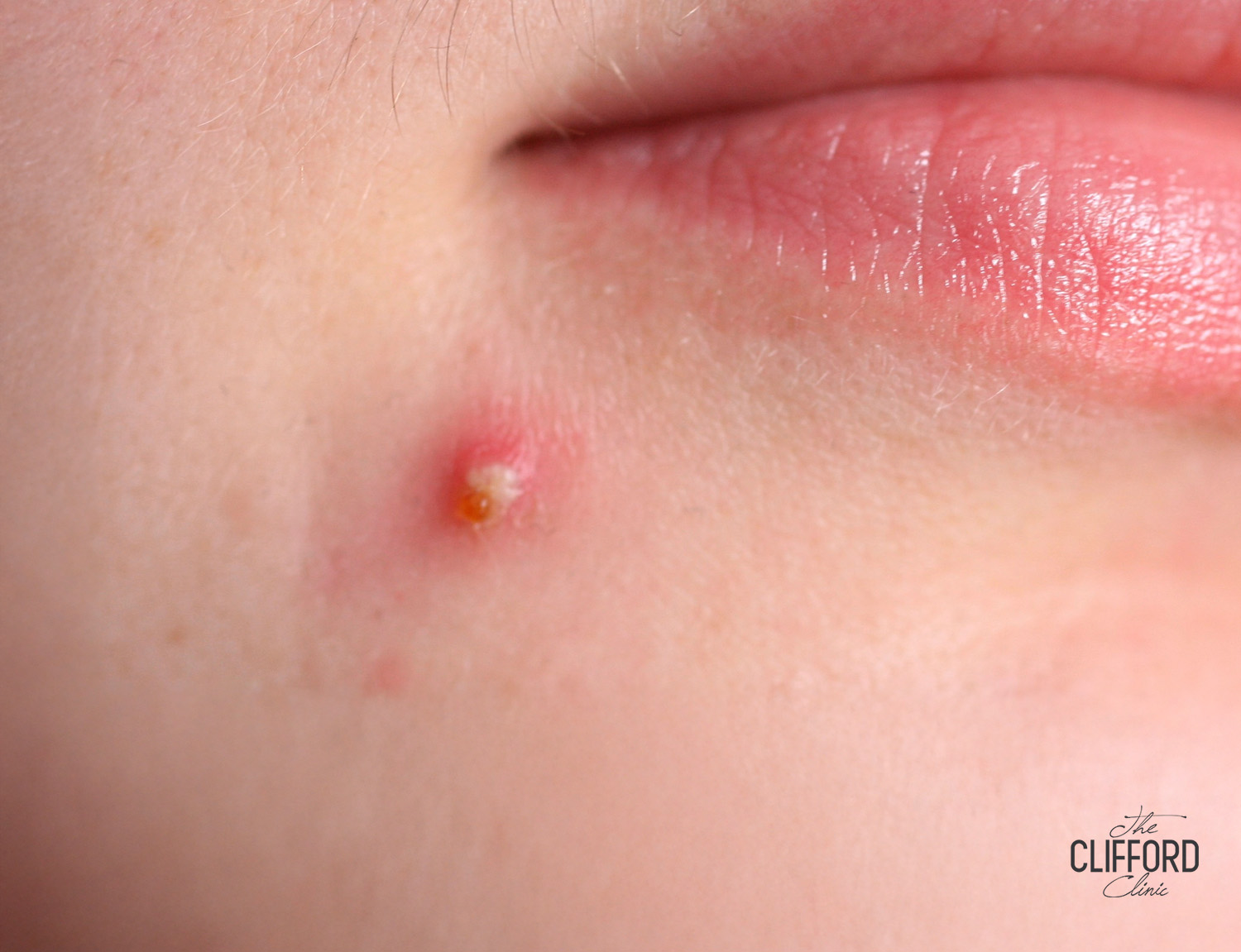
The internet is full of acne advice, but most people aren’t actually searching for “interesting skincare.” They’re searching for relief from an acne breakout that keeps returning, often in the same places, at the same times and with the same frustrating mix of oiliness, clogged pores, and inflammation.
That’s why the acne treatment conversation has been changing quickly. Instead of focusing only on surface-level control, more clinics and research are putting a spotlight on what fuels many recurring acne breakouts in the first place: the sebaceous (oil) gland.
This matters because an acne breakout isn’t just a “bad skin day.” Persistent inflammatory acne can leave behind marks and, in some cases, permanent texture changes over time. In a Channel NewsAsia feature, Dr Gerard Ee explained that after acne subsides, it may leave behind brown or red marks due to inflammation and tissue damage, and that recurrent acne in the same spots can eventually contribute to shallow pits as collagen structures become damaged. That same feature also includes a public, real-world celebrity example: actor-host Mark Lee, who shared his long journey with acne scars and why structured clinic care and maintenance mattered for him.
In this article, the focus is modern, oil-gland-targeting acne treatment using three options you requested: AGNES RF, AviClear (often searched as “aviclear”), and Gold PTT. Then we’ll connect those in-clinic options to something that determines results just as much as the procedure itself: holistic take-home aftercare, including prescription creams such as Epiduo and Stieva‑A, plus practical lifestyle support.
Why your acne breakout keeps coming back even when you’re trying hard
A repeat acne breakout usually isn’t caused by one single thing. Most acne is driven by a combination of excess sebum, clogged follicles, inflammation, microbial imbalance, and individual triggers like friction, stress, hormones, and comedogenic products. When these factors keep stacking up, you can get into a loop where breakouts calm down briefly and then return.
That loop is one reason standard “spot treatment only” routines fail. A spot gel can shrink today’s pimple, but it doesn’t necessarily change the environment that created it. That’s where a more modern acne treatment philosophy comes in: if you can safely reduce overactive sebaceous gland activity and calm inflammatory cycles, you may reduce how often acne breakouts ignite in the first place.
The baseline still matters: evidence-based acne treatment is the foundation
Before talking about devices, it’s important to anchor this in what dermatology guidelines already support. The American Academy of Dermatology’s acne guideline highlights several topical therapies, including benzoyl peroxide, topical retinoids, and topical antibiotics, and also recognizes systemic options such as doxycycline, minocycline, sarecycline, combined oral contraceptives, spironolactone, and isotretinoin, depending on acne severity and patient factors.
Why does this matter in an article about AGNES RF, Aviclear, and Gold PTT? Because in real life, many of the best outcomes come from combining in-clinic treatments with a strong at-home plan. Device-based acne treatment can reduce the “fuel” (oil-gland activity) and inflammation, but maintenance is what keeps pores from silently re-clogging between sessions. You don’t want a short-term win followed by the same acne breakout returning because the fundamentals were skipped.
The modern shift in acne treatment: targeting sebaceous glands more directly
AGNES RF, AviClear and Gold PTT share a common strategic target: the pilosebaceous unit, especially the sebaceous gland. They are not identical technologies, and they are not used for identical patients, but they sit in the same category of “oil-gland-focused” acne treatment options.
This approach is especially relevant when someone has recurring inflammatory acne breakouts, moderate-to-severe acne that isn’t responding well enough to topicals alone, or when a person wants to reduce reliance on long-term oral medication. It’s also relevant when scarring risk is increasing, because controlling inflammation earlier can reduce how much long-term damage a repeat acne breakout can cause.
AGNES RF acne treatment: precision radiofrequency for repeat breakout hotspots
AGNES RF is commonly described in the research context as selective sebaceous gland electrothermolysis. The idea is targeted energy delivery—often using insulated microneedle-style approaches—to focus thermal injury where it matters most: the gland and follicular structure driving recurring inflammation. In practical terms, this acne treatment style is frequently discussed for people who notice repeat breakouts in the same zones or even the same “repeat offender” pores.
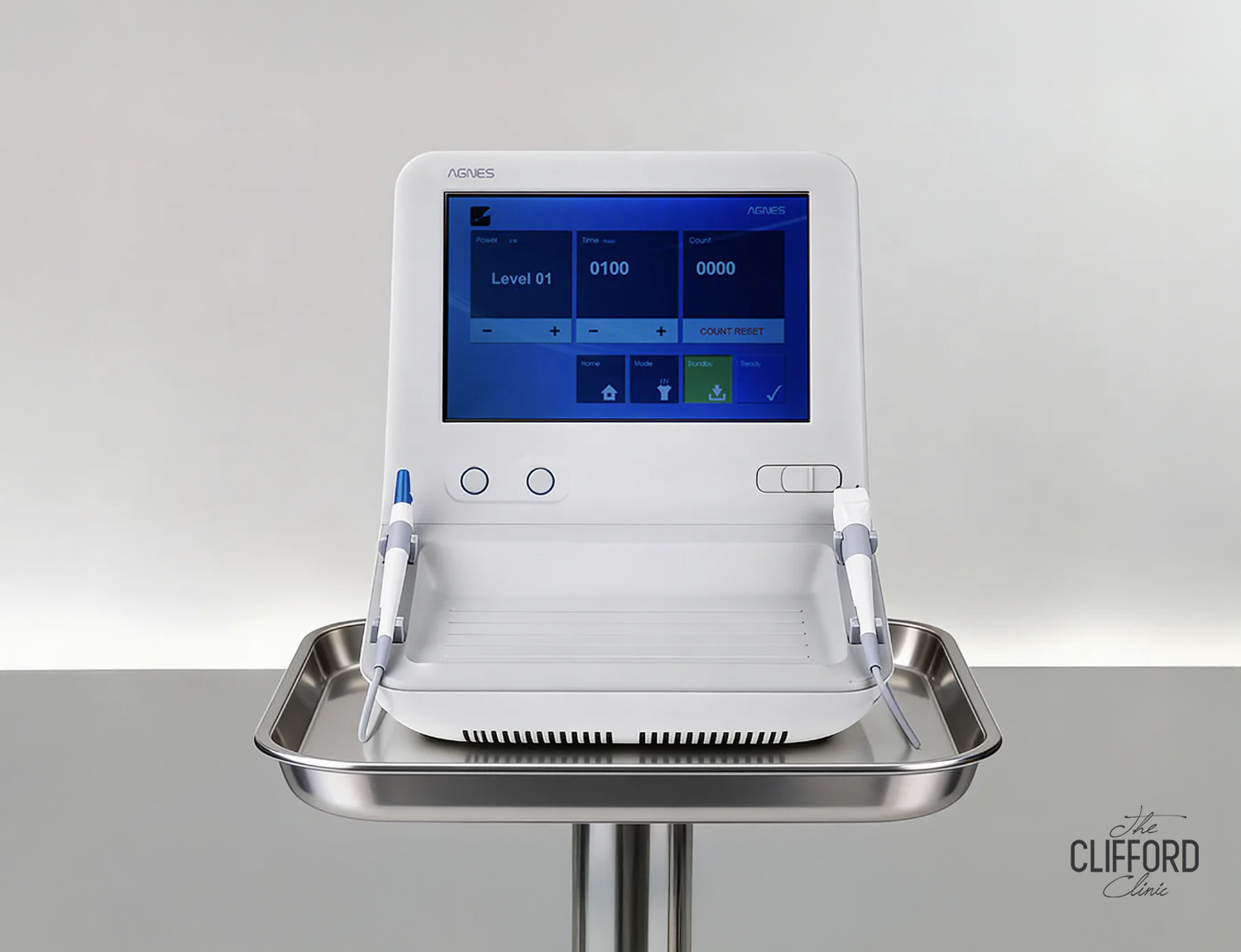
A prospective pilot study reported that after a series of treatments, there was a substantial reduction in both inflammatory and non-inflammatory lesion counts, with clinically evident relapse in a minority of patients at one-year follow-up, and transient post-treatment redness that faded after a few days. That kind of data is one reason targeted sebaceous gland electrothermolysis gained attention as a way to reduce recurring acne breakouts rather than only chasing individual pimples.
More importantly from an evidence-strength perspective, a prospective randomized controlled trial evaluating intralesional electrothermolysis using a monopolar radiofrequency device with a proximally insulated single microneedle reported statistically significant improvement of inflammatory acne at 12 weeks compared with a control approach. The same paper reported no serious adverse events in the study and noted that treatment-related adverse events were not observed in the discussion section.
AviClear (aviclear) acne treatment: a seboselective 1726 nm laser built around long-term results
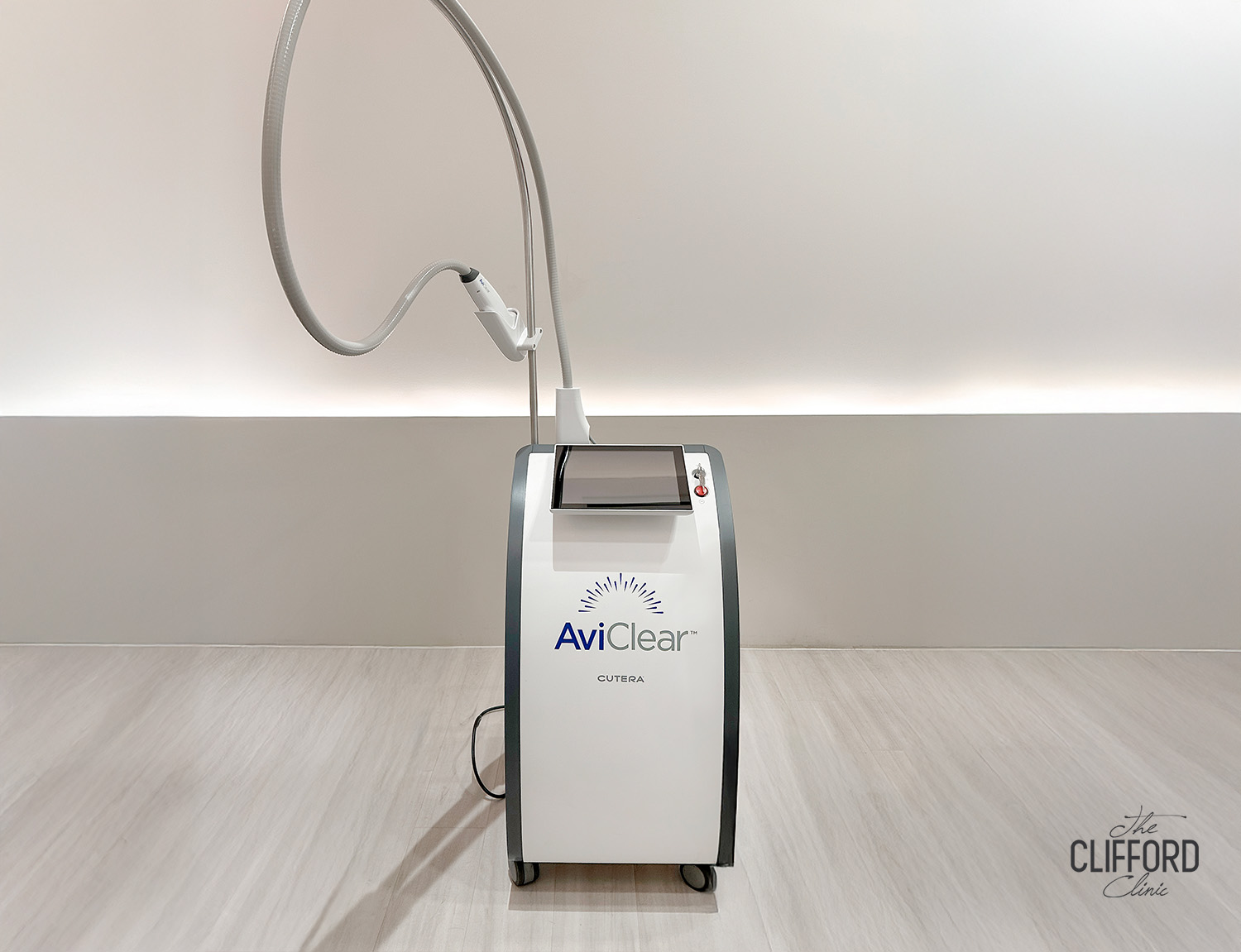
AviClear is one of the most discussed energy-based acne treatment systems because it is designed specifically around sebaceous gland targeting. In FDA documentation for the AviClear Laser System, it is described as an infrared diode laser with a nominal wavelength of 1726 nm. The same FDA summary explains that the laser energy heats sebum within sebaceous glands and results in controlled thermal injury of the glands, with the goal of reducing or eliminating sebum production and improving acne vulgaris.
Critically, the FDA indication for use in the same document states that the AviClear Laser System is indicated for the long-term treatment of mild to severe inflammatory acne vulgaris. That “long-term” language is exactly why aviclear is often searched by people who feel stuck in a repeat acne breakout cycle and want a time-bound, device-based acne treatment plan.
When readers ask, “Does aviclear actually last?” the best answer is evidence-based and realistic: many patients do see sustained improvement, but outcomes vary and maintenance still matters. A 2026 expert consensus paper published on PubMed Central summarized clinical outcomes for a contact-cooled 1726 nm laser at three months and one year, reporting a responder rate (defined as at least 50% inflammatory lesion count reduction) of 79.8% at three months and 91.5% at one year, and “clear/almost clear” ratings increasing over time as well.
Gold PTT acne treatment: photothermal therapy using gold nanoparticles
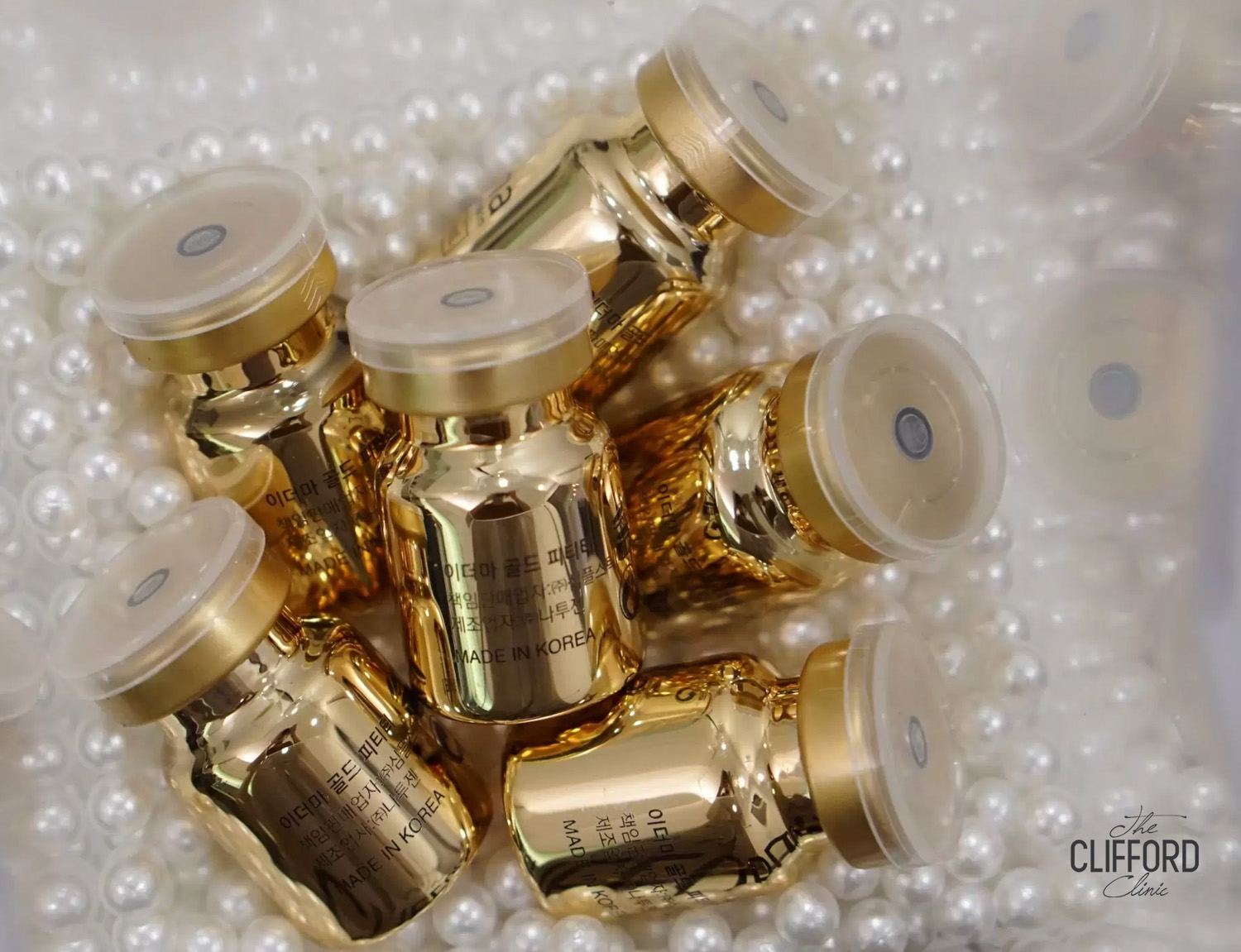
Gold PTT, short for Gold Photothermal Therapy, is another acne treatment approach designed to influence acne through targeted heat effects, often discussed in relation to gold nanoparticles and light-based activation. Compared with AGNES RF and aviclear, Gold PTT is sometimes described as a newer or more emerging approach in the public conversation, but it has published clinical data that makes it worth discussing carefully.
A preliminary study on gold photothermal therapy in Asian patients reported significant clinical and histologic improvements in acne vulgaris without serious adverse effects, and described histopathological findings including decreased inflammatory cell infiltration after treatment. For readers dealing with persistent inflammatory acne breakouts, this points to a larger theme: oil and inflammation can be addressed through multiple technology pathways, and the best-fit option depends on acne type, severity, skin sensitivity, and the clinician’s protocol.
Gold PTT is best presented with balanced expectations. It may be promising, but protocols can differ across settings, so a patient should always ask what exact system is being used, what evidence supports that protocol, what downtime is expected, and how the clinic handles active acne breakout flares during a course of treatment.
Why “holistic care” is not a buzzword in acne treatment, but the difference-maker
One reason acne treatment content fails to convert (and fails to help) is that it talks about procedures as if they happen in a vacuum. In reality, what you do between clinic visits often determines whether your results build steadily or whether a new acne breakout resets your progress.
That holistic approach includes your cleanser, your moisturizer, your sunscreen, your makeup habits, your mask hygiene if you use masks often, and your willingness to avoid picking or squeezing lesions. In the Channel NewsAsia feature, Dr Gerard Ee specifically advised seeking professional help early before persistent acne becomes acne scars, and he also advised not squeezing pimples and keeping the face clean with a gentle cleanser. These may sound like basic tips, but they become more powerful when paired with oil-gland-targeting devices because they reduce the daily triggers that can undermine even the best in-clinic acne treatment.
Holistic care also includes the “right level” of prescription support. This is where take-home aftercare often becomes the bridge between a high-tech in-clinic procedure and a stable long-term result.
Prescription aftercare that supports device-based acne treatment: Epiduo and Stieva‑A
Epiduo is a prescription topical acne treatment that combines adapalene (a topical retinoid) with benzoyl peroxide. According to the FDA label, each gram of Epiduo gel contains 0.1% adapalene and 2.5% benzoyl peroxide, and it is indicated for topical treatment of acne vulgaris in patients 12 years of age and older. The same label describes typical use as applying a thin film once daily after washing, while avoiding the eyes, lips, and mucous membranes, and it highlights the importance of minimizing sun exposure and using sunscreen when exposure cannot be avoided.
From a practical acne treatment planning perspective, Epiduo is often used as a “maintenance anchor” because it targets multiple acne drivers at once: adapalene helps normalize how cells shed inside pores and reduces microcomedone formation, while benzoyl peroxide helps reduce inflammatory acne lesions and is commonly used to reduce bacterial contribution and resistance concerns in broader acne regimens. When someone is doing in-clinic treatments for recurring acne breakouts, this kind of prescription maintenance can help keep pores from quietly re-clogging during the weeks where the skin is settling and remodeling.
Stieva‑A (sometimes misspelled as “stevia‑a” online) is a tretinoin cream, which is another type of topical retinoid frequently used in acne treatment. A GSK product monograph describes Stieva‑A cream as containing tretinoin in strengths such as 0.01%, 0.025%, or 0.05%. A consumer-facing medicine information page also explains that Stieva‑A contains tretinoin, belongs to a group of medicines called retinoids, and is used to treat acne (spots), helping to reduce oiliness and the formation of new blemishes over time.
In a holistic acne treatment plan, the key with retinoids such as adapalene or tretinoin is not “more and faster.” It is consistency, tolerance, and barrier support. Irritation, dryness, and stinging can happen—especially early—so dermatology-supervised pacing matters. The Epiduo label, for example, notes that erythema, scaling, dryness, and stinging/burning may occur, are most likely in the first weeks, and often lessen with continued use; it also emphasizes sun protection. That’s why many clinicians pair prescription creams with a gentle, non-comedogenic moisturizer and a sunscreen that the patient will actually use daily.
Lifestyle support that is evidence-informed: diet, sleep, and stress without the hype
Holistic acne care often gets distorted online into extreme rules. A more credible message is that lifestyle factors can influence acne for some people, and the impact varies by person. The American Academy of Dermatology’s public education page on diet and acne notes that some studies suggest cow’s milk may be linked to acne breakouts for some individuals. A systematic review on diet and acne reported that high glycemic index and glycemic load have a modest but significant pro-acnegenic effect, and that dairy consumption may be pro-acnegenic in select populations, with effects likely dependent on factors such as sex and ethnicity.
This is the most helpful way to frame diet in an acne treatment article: not as blame, not as “cut everything,” but as a structured experiment if the acne breakout pattern suggests it could help. If a patient notices that high sugar loads or certain dairy patterns reliably precede flares, that becomes one more lever that can support in-clinic and prescription approaches.

Sleep is another often ignored factor. A 2025 comprehensive review discussed a bidirectional relationship between acne and sleep, describing associations between acne and poor sleep quality and increased stress, and noting possible pathways where sleep deprivation could exacerbate acne through hormonal, inflammatory, and immune mechanisms.
In the Channel NewsAsia feature, Dr Ee also tied the acne conversation to scar prevention by emphasizing early professional care for persistent acne before it becomes acne scars. This matters for an article centered on AGNES RF, aviclear, and Gold PTT, because these technologies are often discussed precisely when a patient is moving beyond “mild acne” and into a more persistent inflammatory pattern where scarring risk becomes a real concern.
Bringing it all together: a smarter acne treatment pathway for recurring acne breakouts
When someone searches “acne treatment” today, they’re often looking for a plan, not a product. A plan usually starts with evidence-based foundations, then adds targeted options based on the acne breakout pattern. If the pattern suggests localized, relapse-prone lesions, AGNES RF-style selective electrothermolysis has published pilot and randomized trial evidence supporting improvement in inflammatory acne. If the pattern is broader inflammatory acne and the patient wants a sebaceous-gland-focused device approach, aviclear (AviClear) is FDA-indicated for long-term treatment of mild to severe inflammatory acne vulgaris, with an FDA-described mechanism built around heating sebum within sebaceous glands. Gold PTT adds another pathway with published preliminary data showing clinical and histologic improvement without serious adverse effects reported in that study.
What makes these options work better in real life is what happens after the session: a gentle routine, no picking, sun protection, and prescription maintenance when appropriate. Epiduo provides a fixed combination of adapalene and benzoyl peroxide with clear dosing guidance and common early irritation expectations, while Stieva‑A provides tretinoin-based retinoid therapy that supports long-term pore normalization when used consistently under supervision.
That is how you stop thinking in terms of “one acne breakout at a time” and start thinking in terms of “building a stable baseline.” And that, ultimately, is what most people want when they search for acne treatment: fewer relapses, less inflammation, less scarring risk, and skin that feels predictable again.
References
- American Academy of Dermatology. Acne clinical guideline highlights.
- Reynolds RV, et al. Guidelines of care for the management of acne vulgaris (PubMed summary).
U.S. FDA. AviClear Laser System 510(k) summary (K230660): indication for long-term treatment and 1726 nm device description/mechanism. - Metelitsa A, et al. Consensus Panel Recommendations for optimizing use of a contact-cooled 1726 nm laser for acne (PMC), including clinical outcome table and conflict-of-interest disclosure.
- Lee JW, et al. Selective sebaceous gland electrothermolysis as a treatment for acne: prospective pilot study (PubMed).
- Ahn GR, et al. Selective sebaceous gland electrothermolysis using a single microneedle RF device: prospective randomized controlled study (PDF screenshots).
- Suh DH, et al. Photothermal therapy using gold nanoparticles for acne in Asian patients: preliminary study (PubMed).
- U.S. FDA. Epiduo gel label: composition, dosing, irritation and sun precautions.
- American Academy of Dermatology. Diet and acne public education page (milk and acne breakout discussion).
- Meixiong J, et al. Diet and acne systematic review (PubMed).
- Samaniego M, et al. Sleep disturbances and acne comprehensive review (PMC).

Author Bio
Dr Gerard Ee

Dr Gerard Ee is the Medical Director of The Clifford Clinic in Singapore. He earned his medical degree from St George's University of London and built his surgical experience across the Singapore General Hospital, National University Hospital, and Mount Sinai Hospital in New York. He holds Membership of the Royal College of Surgeons (Edinburgh) and a Postgraduate Diploma in Dermatology (Cardiff), and is fully accredited in aesthetic procedures including botulinum toxin, fillers, lasers, and light therapies. A strong advocate of minimally invasive, natural-looking results, Dr Ee has published in several medical and scientific journals and presented his research in cities including Taipei, Las Vegas, and London.
See all posts by Dr Gerard Ee »