

Baby Skin Booster: How ECM Breakdown Products May Support Skin Recovery and Texture in Singapore
In Singapore, many patients describe a similar pattern: skin that looks persistently dull, “tired,” uneven in texture, or slow to recover after breakouts, procedures, or irritation. Climate and lifestyle factors can play a role.
High UV exposure, heat and sweat, frequent air-conditioning, and common use of active skincare can create cycles of barrier stress and low-grade inflammation. When the skin remains in this “repair mode,” it may not transition efficiently into stable remodelling where collagen reorganises and the surface becomes smoother.
This is where ECM-based concepts are relevant. ECM (extracellular matrix) materials are widely studied in medicine because they can influence how cells behave during healing and remodelling, beyond simple “filling” or short-term hydration.
What is Extracellular Matrix (ECM)?

The extracellular matrix (ECM) is the supportive framework that surrounds and holds skin cells in place, like the “scaffolding and cushioning” of the dermis. It is made up of structural proteins (mainly different types of collagen and elastin) plus gel-like components such as proteoglycans and glycosaminoglycans (including hyaluronic-acid–related molecules) that help the skin retain water and withstand stretching.
The ECM is not just a passive filler: it acts like a communication platform that tells cells how to behave whether to migrate, settle, repair damage, or produce new collagen through both chemical signals (binding and storing growth factors and cytokines) and mechanical signals (how firm or organised the tissue feels to the cells).
When the ECM is healthy and organised, skin tends to look smoother and recover more predictably; when it is fragmented by inflammation, UV exposure, or injury, the skin can become less resilient and more prone to uneven texture and slower recovery.
What is Re2O skin booster?
Re2O skin booster is commonly positioned as an ECM-based skin booster used to support skin quality rather than create dramatic volumisation. In clinical terms, “ECM-based” means the product concept is designed around the dermal matrix environment with the scaffold and signals around cells that affect inflammation control, collagen organisation and overall tissue behaviour.
Because different brands and formulations can vary, the practical focus for patients in Singapore should be the treatment intent (skin quality and recovery), suitability and a medically structured plan rather than relying only on marketing labels.

What the ECM actually does, in simple terms
The extracellular matrix is the “support framework” around skin cells. It is made of structural proteins (such as collagens), glycoproteins and proteoglycans. But it does more than hold tissue together.
Well-studied ECM functions include:
-
Mechanical support: cells respond differently depending on how firm or organised their surrounding matrix is.
-
Signalling and regulation: ECM can bind and organise growth factors and cytokines (immune signalling proteins).
-
Remodelling guidance: during healing, matrix changes help direct whether tissue becomes functional and organised, or more scar-like and disorganised.
A useful idea is that healing is not only “cells making collagen.” It is “cells responding to an environment.” If the environment stays inflamed or degraded, the collagen that forms may be less organised and the results can be inconsistent.
“ECM breakdown products”: why degradation matters
A key concept in ECM science is that breakdown is not just destruction. When ECM materials degrade, they can release biologically active components, often called bioactive fragments or cryptic peptides and other matrix-associated signalling packages. These breakdown products can influence:
-
Cell migration (helping the right cells move into the area)
-
Immune response direction (shifting away from persistent inflammation)
-
Angiogenesis (supporting microvascular activity, which affects repair quality)
-
Progenitor cell recruitment (bringing repair-capable cells to the area)
In simple Singapore patient terms: a well-prepared ECM-based material is intended to support the skin’s “reset” from ongoing repair signals toward a more stable remodelling phase.
How can this relate to skin texture?
Texture issues: fine roughness, visible pores, uneven surface reflectance, often reflect a combination of:
-
low-grade inflammation and barrier instability
-
collagen fragmentation (from UV and inflammation)
-
uneven dermal support under the surface
If the dermal environment is repeatedly degraded (for example by persistent inflammation), the skin can look “less structured.” ECM-based approaches are discussed in medicine precisely because they can influence the microenvironment where remodelling happens, not only the surface.

Immune balance: why macrophages matter for skin recovery
When any biomaterial or procedure is placed in tissue, the immune system responds. A central cell type in that response is the macrophage.
Macrophages exist on a spectrum, but a simplified view helps lay understanding:
-
Pro-inflammatory patterns support early clean-up but can prolong redness and tissue breakdown if they persist.
-
Pro-remodelling / regulatory patterns support resolution and more organised rebuilding.
ECM-based materials that are well-prepared and able to degrade in a controlled way have been consistently associated with a more “pro-remodelling” immune pattern in many tissue settings. This is one of the reasons ECM approaches are discussed in constructive remodelling contexts.
For Singapore patients, this matters because many “skin quality problems” are not purely cosmetic. They are partly about how the skin handles repeated irritation. If your skin tends to remain reactive after treatments, it is often a sign that the plan needs better pacing and better control of inflammatory triggers.
Matrix-bound nanovesicles: a newer way to think about signalling
A particularly useful ECM concept is that the matrix can carry signalling packages, sometimes referred to as matrix-bound nanovesicles. These contain biologically active cargo and may contribute to how ECM materials influence immune behaviour and tissue remodelling.
Patients do not need to memorise this term. The practical point is: ECM-based approaches are studied because they can deliver more than physical support and they can influence signalling in the tissue environment.

Why outcomes vary: the “quality factors” behind ECM materials
In the medical literature, ECM-based outcomes range from poor to excellent and a major reason is how the ECM material is prepared. Important factors include:
1) Tissue source and donor factors
ECM varies by tissue type and even donor age can change ECM composition and behaviour (for example, differences in crosslinking and bioactive content).
2) Decellularisation quality
ECM materials are often created by removing cells from tissue. If cell remnants remain, the body can react with stronger inflammation and poorer remodelling. Suggested decellularisation benchmarks include minimal visible nuclei, low residual DNA content and short DNA fragment length, although real-world products can vary.
3) Residual processing chemicals
Detergents used in decellularisation can sometimes persist in trace amounts and negatively affect cell behaviour. From a patient’s standpoint, this is one reason you want products with strong manufacturing standards and reputable clinical sourcing.
4) Crosslinking
Chemical crosslinking can slow degradation and increase mechanical strength, but it can also reduce the release of bioactive breakdown products and is often associated with less favourable tissue integration in many contexts.
5) Sterilisation method
Sterilisation approaches (for example irradiation or ethylene oxide) can alter ECM structure and bioactivity depending on dose and method.
6) Physical form (sheet vs powder vs hydrogel/injectable form)
ECM can be processed into different forms. In injectables, the form affects how the material interacts with host cells, how it spreads and how it degrades.
Why this matters for Re2O skin booster in Singapore: if a treatment is positioned as “ECM-based,” the quality of the material and the injection plan matters. The concept is not just “what is injected,” but “how the tissue responds and remodels over time.”
What Re2O skin booster may be used for in Singapore
In clinical aesthetic practice in Singapore, Re2O skin booster is commonly discussed in relation to skin quality goals, such as:
-
uneven texture and roughness
-
dullness and reduced radiance
-
early fine lines linked to dermal quality
-
skin that feels less resilient or slower to recover
-
“tired” looking skin where hydration-only approaches are insufficient
It is important to keep expectations realistic. Skin boosters do not replace lifting procedures for significant laxity and they are not a substitute for pigmentation programmes where melanin drivers are dominant. In many Singapore patients, the best outcomes come from combining skin-quality injectables with barrier repair, sun strategy and carefully sequenced devices.
Achieving the Korean glass skin
In Singapore, these “skin quality” goals are also commonly framed as Korean glass skin, skin that looks smoother and more even under natural light because texture, hydration handling, and overall dermal support are more consistent.
In clinical planning, Re2O skin booster is therefore often considered for patients who feel their skin looks dull or tired despite good skincare, or who notice that their skin takes longer to “settle” after breakouts, heat, or procedures.

A practical framework: when the plan should change
A useful way to personalise treatment is to identify which of these is the main limiter:
-
Inflammation/barrier instability
If skin is reactive, stings easily, or stays red after minor triggers, the first priority is usually stabilisation such as skincare simplification, barrier repair and reducing procedural intensity. -
Pigmentation-driven uneven tone
In Singapore, pigment management often requires its own plan. If pigment is dominant, treat pigment drivers first and use skin boosters as supportive care. -
Acne activity
Active inflammatory acne generally needs medical control first. Skin boosters may be considered later for recovery and texture planning. -
Early laxity in otherwise stable skin
If laxity is primary and the skin is calm, devices may be the main lever, with skin boosters as supportive layers.
This is where sequencing matters. Stacking multiple inflammatory procedures too close together can keep skin in a prolonged repair state and reduce the consistency of results.
What a typical Re2O skin booster treatment plan can look like in Singapore
Exact protocols vary by clinician and patient needs, but common elements include:
-
Assessment first: identify whether the texture is inflammation-driven, dehydration-driven, or structural.
-
Series-based approach: many skin quality treatments are planned as a course rather than a single session.
-
Conservative pacing for reactive skin: longer intervals and simpler combinations if the skin tends to flare.
-
Maintenance strategy: skin quality work often needs periodic maintenance in Singapore because ongoing UV exposure and lifestyle stressors continue.
Safety and downtime (Singapore patient expectations)
Expected short-term effects after skin booster injections include:
-
mild redness and swelling
-
tenderness
-
small bumps, depending on the technique
-
Bruising in some patients
Less common but more serious risks exist for any injectable procedure, including infection and vascular complications. In Singapore, this is why treatment should be performed by trained medical professionals with appropriate emergency protocols and follow-up.
Where The Clifford Clinic fits in
The Clifford Clinic offers Re2O skin booster as part of a structured skin-quality programme. The clinical approach is typically to match the injectable plan to the skin’s behaviour such as barrier stability, inflammation tendency and recovery speed rather than using a fixed, one-size schedule. For Singapore patients, this matters because environmental triggers (UV, humidity, air-conditioning, heat-related acne flares) can change how the skin responds across the year.
If you are considering Re2O skin booster in Singapore, a useful consultation focuses on: what is driving your texture or slow recovery, which procedures should be prioritised and how to sequence treatments to reduce cumulative inflammation.
Frequently asked questions
Is Re2O skin booster only for hydration?
It is generally positioned as a skin-quality treatment that focuses on the dermal environment rather than hydration alone. Some patients notice improved comfort and glow, but the core aim is typically texture and resilience.
How soon do results appear?
Some patients notice early improvements in surface feel within days to weeks. Changes related to remodelling are usually assessed over a longer period and are better judged after a planned series.
Can it help if my skin is acne-prone?
If acne is active and inflamed, control is usually the first priority. After stabilisation, skin-quality planning may be considered.
Can it be combined with devices in Singapore clinics?
Yes, but spacing and sequencing should be individualised. The goal is to avoid overlapping inflammation that keeps the skin in repair mode.
Closing clinical takeaway for Singapore patients
Skin texture and “slow recovery” often reflect what is happening in the dermal microenvironment such as immune signalling, matrix breakdown and whether the skin transitions from inflammation into stable remodelling. ECM-based concepts are clinically useful because degradation can generate bioactive fragments and signalling components that influence immune behaviour and remodelling patterns, not just short-term appearance.
In Singapore, Re2O skin booster is commonly positioned as an ECM-focused option within a broader plan that also includes barrier optimisation, trigger control (especially UV and acne-related inflammation) and careful sequencing of procedures. The Clifford Clinic provides Re2O skin booster in Singapore as part of a medically structured skin-quality programme.
References (plain text)
Cramer MC, Badylak SF. Extracellular Matrix-Based Biomaterials and Their Influence Upon Cell Behaviour. Ann Biomed Eng. 2020;48(7):2132–2153. doi:10.1007/s10439-019-02408-9.
Author Bio
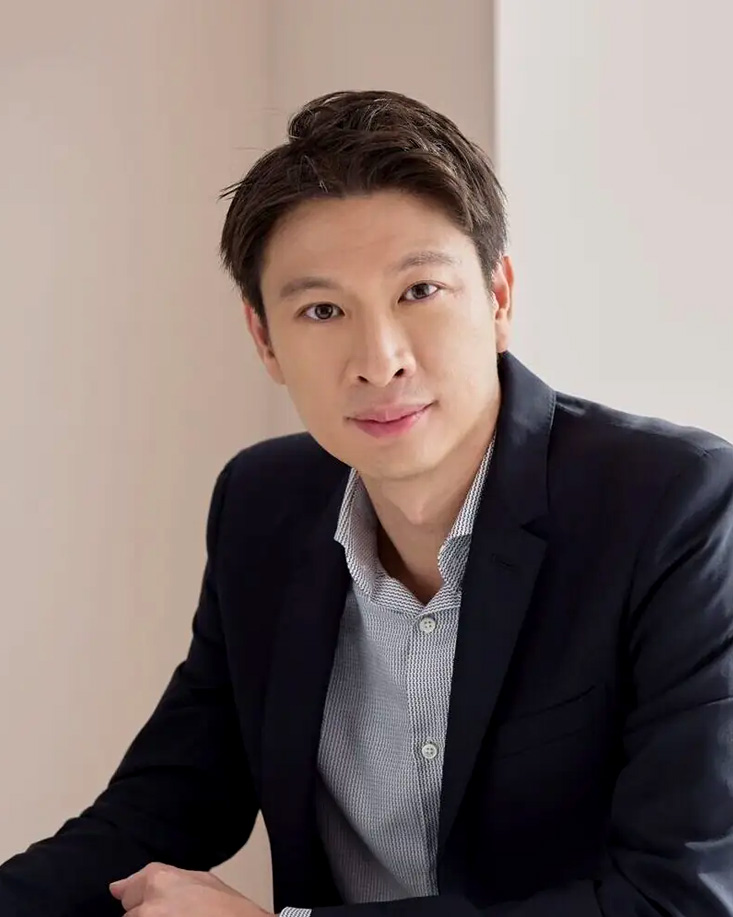
Dr Gerard Ee

Dr Gerard Ee is the Medical Director of The Clifford Clinic in Singapore. He earned his medical degree from St George's University of London and built his surgical experience across the Singapore General Hospital, National University Hospital, and Mount Sinai Hospital in New York. He holds Membership of the Royal College of Surgeons (Edinburgh) and a Postgraduate Diploma in Dermatology (Cardiff), and is fully accredited in aesthetic procedures including botulinum toxin, fillers, lasers, and light therapies. A strong advocate of minimally invasive, natural-looking results, Dr Ee has published in several medical and scientific journals and presented his research in cities including Taipei, Las Vegas, and London.
See all posts by Dr Gerard Ee »