


Acne Treatment Singapore: A Complete Medical Guide To Clearer Skin, Acne Control And Acne Scar Prevention
Acne treatment in Singapore has entered a new era. Patients no longer need to rely only on drying lotions, harsh scrubs or repeated short courses of medication. Modern acne care is now diagnostic, medical, personalised and preventive. It should treat visible pimples, reduce excess oil, calm inflammation, improve clogged pores and protect the skin from acne scars.
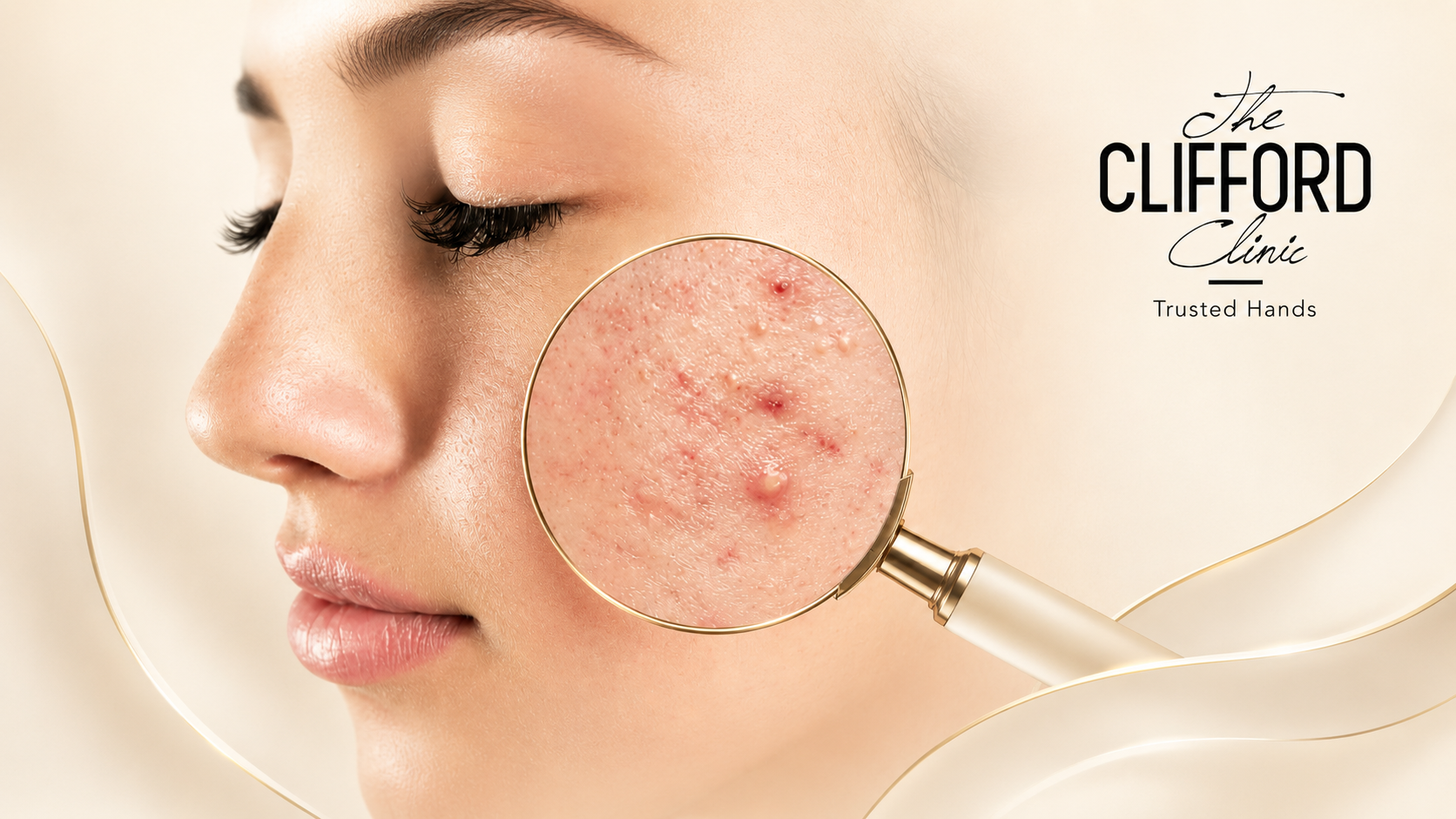
Acne is a chronic inflammatory condition of the pilosebaceous unit. It occurs when hair follicles become blocked by oil and dead skin cells. This may lead to whiteheads, blackheads, pimples, pustules, nodules and cystic acne. Acne may affect teenagers, adults, women with hormonal acne and men with persistent inflammatory breakouts. It often appears on the face, forehead, jawline, chest, shoulders and back. Acne is a condition caused when follicles become plugged with oil and dead skin cells, leading to whiteheads, blackheads or pimples.
In Singapore, acne can be worsened by humidity, sweat, sunscreen, makeup, friction, stress, hormonal changes and comedogenic skin care. Many patients also struggle with recurring acne in the same areas. The cheeks, chin, jawline and forehead are common problem zones. When acne returns again and again, treatment should move beyond surface control. The deeper question is why the acne keeps returning.
A doctor should assess acne type, acne severity, skin sensitivity, scarring risk, medication history, hormonal clues, lifestyle triggers and previous treatment response. The best acne treatment in Singapore is not one fixed product or one machine. It is a structured plan that matches the biology of the patient’s acne.
Why Acne Should Be Treated Early
Acne is often dismissed as a cosmetic issue. That is a mistake. Persistent acne can leave red marks, brown marks, enlarged pores, textural changes and permanent depressed scars. The longer inflammatory acne continues, the greater the chance of long term skin damage.
The 2024 American Academy of Dermatology acne guideline recommends proven medical treatments such as benzoyl peroxide, topical retinoids, topical antibiotics and oral doxycycline. It also strongly recommends oral isotretinoin for severe acne, acne causing scarring, acne causing major burden or acne that has failed standard topical or oral treatment. The same guideline conditionally recommends clascoterone, salicylic acid, azelaic acid, oral minocycline, sarecycline, combined oral contraceptives and spironolactone.
This tells us that acne treatment should not be random. Mild acne, moderate acne, severe acne, cystic acne and hormonal acne need different strategies. A patient with blackheads and whiteheads may need topical pore regulation. A patient with painful cysts may need early escalation. A patient with oily skin and recurrent inflammatory acne may benefit from sebaceous gland targeting treatments such as AviClear, AGNES RF or Gold PTT.
Understanding The Main Types Of Acne
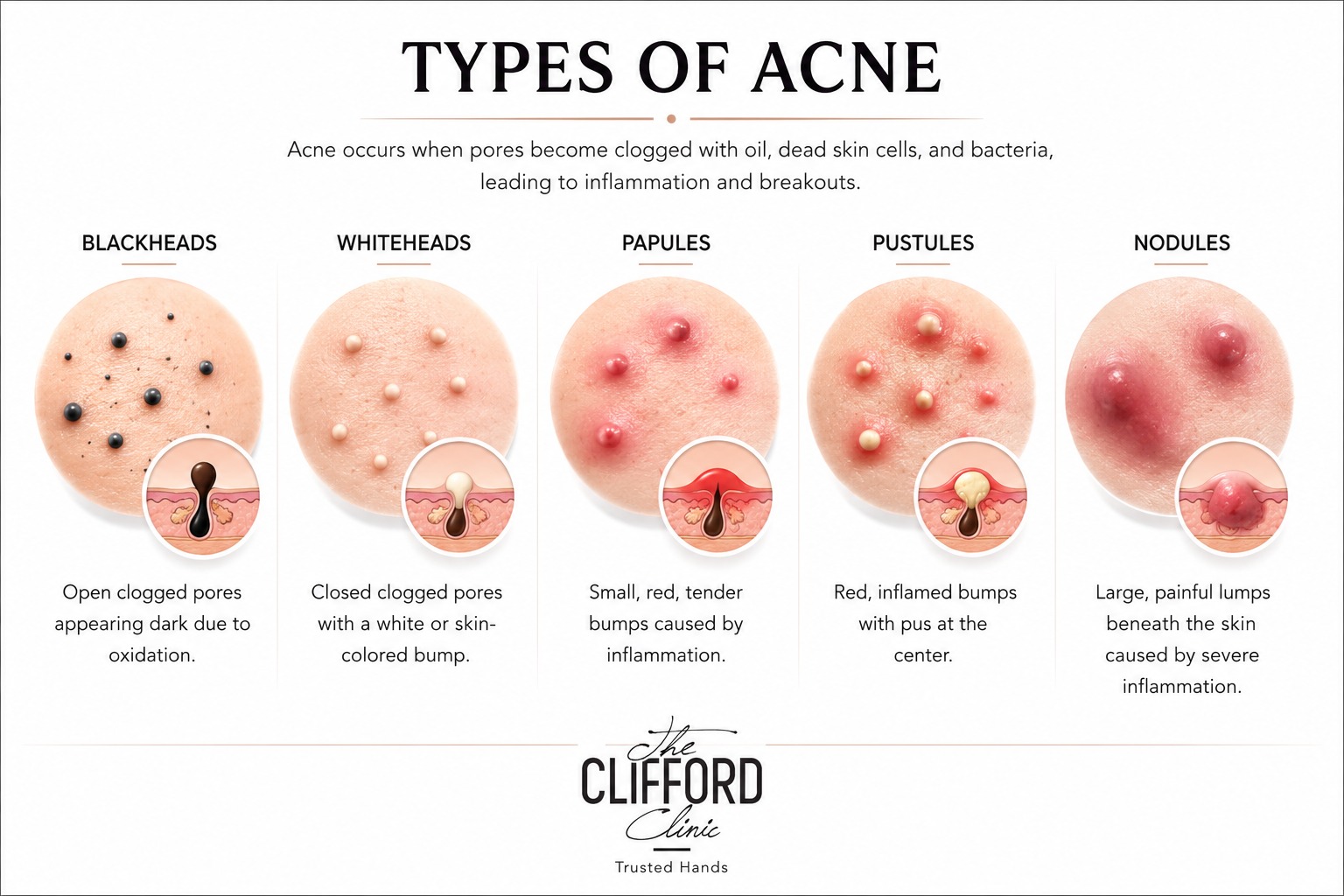
Acne is easier to treat when it is correctly classified. Comedonal acne appears as blackheads and whiteheads. These are caused by blocked pores and abnormal shedding of skin cells inside the follicle.
Inflammatory acne appears as red bumps, tender pimples and pustules. It involves inflammation, oil gland activity and acne associated bacteria. Cystic acne is deeper, more painful and more likely to scar. It can appear as tender lumps under the skin. Hormonal acne often affects the chin, jawline and lower face. It may flare before menstruation or during periods of hormonal change.
Adult acne may be more persistent than teenage acne. It may be affected by stress, cosmetics, sleep, hormonal factors and previous incomplete treatment. Back acne and chest acne may also require medical attention because thicker skin, sweat, friction and occlusive clothing can make body acne more resistant.
The Four Main Drivers Of Acne
Acne is not caused by poor hygiene. Most patients with acne already wash their face. Some wash too much, which can irritate the skin and weaken the skin barrier.
The main drivers of acne are excess sebum production, clogged pores, Cutibacterium acnes activity and inflammation. These factors often overlap. Excess oil makes the follicle more likely to clog. A clogged follicle creates a closed environment. Bacterial imbalance and inflammation then contribute to redness, swelling and tenderness.
This is why effective acne treatment often combines several mechanisms. A retinoid may help clogged pores. Benzoyl peroxide may reduce bacteria and inflammation. Azelaic acid may help acne and pigmentation. Oral medication may reduce deeper inflammation. Hormonal treatment may help androgen driven acne. Devices such as AviClear, AGNES RF and Gold PTT aim to reduce acne by targeting sebaceous gland activity.
The Foundation Of A Good Acne Treatment Plan
Every acne treatment plan should begin with skin barrier respect. Harsh cleansing, aggressive exfoliation and frequent product switching can worsen acne prone skin. NICE advises people with acne to use a skin pH neutral or slightly acidic synthetic detergent cleanser twice daily. It also advises avoiding oil based and comedogenic skin care, sunscreen and makeup. Makeup should be removed at the end of the day.
A basic acne routine usually includes a gentle cleanser, a balancing and not over hydrating moisturiser and targeted prescription treatment. Acne medications work better when the skin barrier is stable. Inflamed and irritated skin is less tolerant of active ingredients.
Patients should also avoid squeezing pimples. Picking can worsen inflammation and increase the chance of post inflammatory marks and scars. In professional acne care, extractions may be performed selectively, but uncontrolled squeezing at home often leads to more harm than good.
Topical Acne Treatment Options
Topical acne treatments remain essential. They can treat early acne, maintain results and prevent relapse after stronger treatments.
Benzoyl peroxide is useful because it helps reduce acne associated bacteria and inflammation. Topical retinoids help regulate cell turnover inside the follicle. They are especially useful for blackheads, whiteheads and maintenance. Azelaic acid may help inflammatory acne and pigmentary marks. Salicylic acid can help oiliness and pore congestion. Topical antibiotics may be used in selected cases, but antibiotic resistance is a concern, so they are often combined with benzoyl peroxide.
The 2024 American Academy of Dermatology guideline supports combining topical therapies with different mechanisms of action. It also supports limiting systemic antibiotic use where possible.
Winlevi And Clascoterone For Acne
Winlevi is the brand name for Clascoterone 1% cream. It is an important newer topical acne option because it works differently from many traditional acne creams. Clascoterone is a topical androgen receptor inhibitor. It helps reduce androgen driven activity in sebaceous glands and hair follicles without being an oral hormonal medication.
Two phase 3 randomized clinical trials published in JAMA Dermatology studied clascoterone cream 1% in 1440 patients. The trials found greater treatment success with clascoterone. They also reported reductions in both inflammatory and non-inflammatory lesions. Adverse events were mainly mild.
Winlevi may be useful for patients with acne that appears androgen driven, oily or hormonally influenced. It may be considered when a doctor wants a topical option that addresses androgen receptor activity in the skin. It is not a universal replacement for retinoids, benzoyl peroxide, antibiotics, oral medication or device based treatment. It is one valuable tool in a broader medical acne plan.
Oral Acne Treatment Options
Oral acne treatment may be needed when acne is moderate, severe, painful, cystic, widespread or scar prone. Oral antibiotics can reduce inflammatory acne, but they should be used carefully and for suitable durations. Oral contraceptives and spironolactone may help selected female patients with hormonal acne. Oral isotretinoin may be used for severe acne, acne that scars or acne that has failed other treatment.
These treatments require medical assessment. Pregnancy status, medical history, medication interactions, mental wellbeing, laboratory monitoring and personal goals may affect suitability. Patients should not self-prescribe oral acne medications.
Acne Treatment Timeline And Expectations
Acne treatment takes time. With most prescription acne drugs, visible results may take four to eight weeks and complete clearing may take months or longer.
This is why consistency matters. Changing products every few days can create irritation and confusion. A doctor should review progress after a suitable trial period. If acne is worsening, scarring or causing significant distress, escalation should not be delayed.
The Rise Of Sebaceous Gland Targeting Treatments
Traditional acne treatments often focus on bacteria, inflammation and clogged pores. Newer acne technologies are increasingly focused on the sebaceous gland. This is logical because the sebaceous gland produces sebum. Excess sebum is a major contributor to clogged pores and inflammatory acne. Always treat the root cause.
AviClear, AGNES RF and Gold PTT are three modern approaches that target sebaceous gland activity in different ways. AviClear uses a 1726 nm laser. AGNES RF uses radiofrequency delivered through microneedles. Gold PTT uses gold particles activated by light energy. These treatments are not identical. They differ in mechanism, procedure style, downtime, suitability and evidence base.
Dr Gerard Ee has been publicly featured in educational articles on modern acne treatments, including AviClear, AGNES RF, Gold PTT and acne scars. His blog also lists articles on acne treatment in Singapore, teenage acne, acne scar prevention and AviClear.
AviClear For Acne Treatment In Singapore
AviClear is a 1726 nm laser designed to target sebaceous glands. As a laser device, the accurate regulatory term is FDA cleared. The FDA database lists the AviClear Laser System under 510 k number K213461, with a substantially equivalent decision dated March 24, 2022.
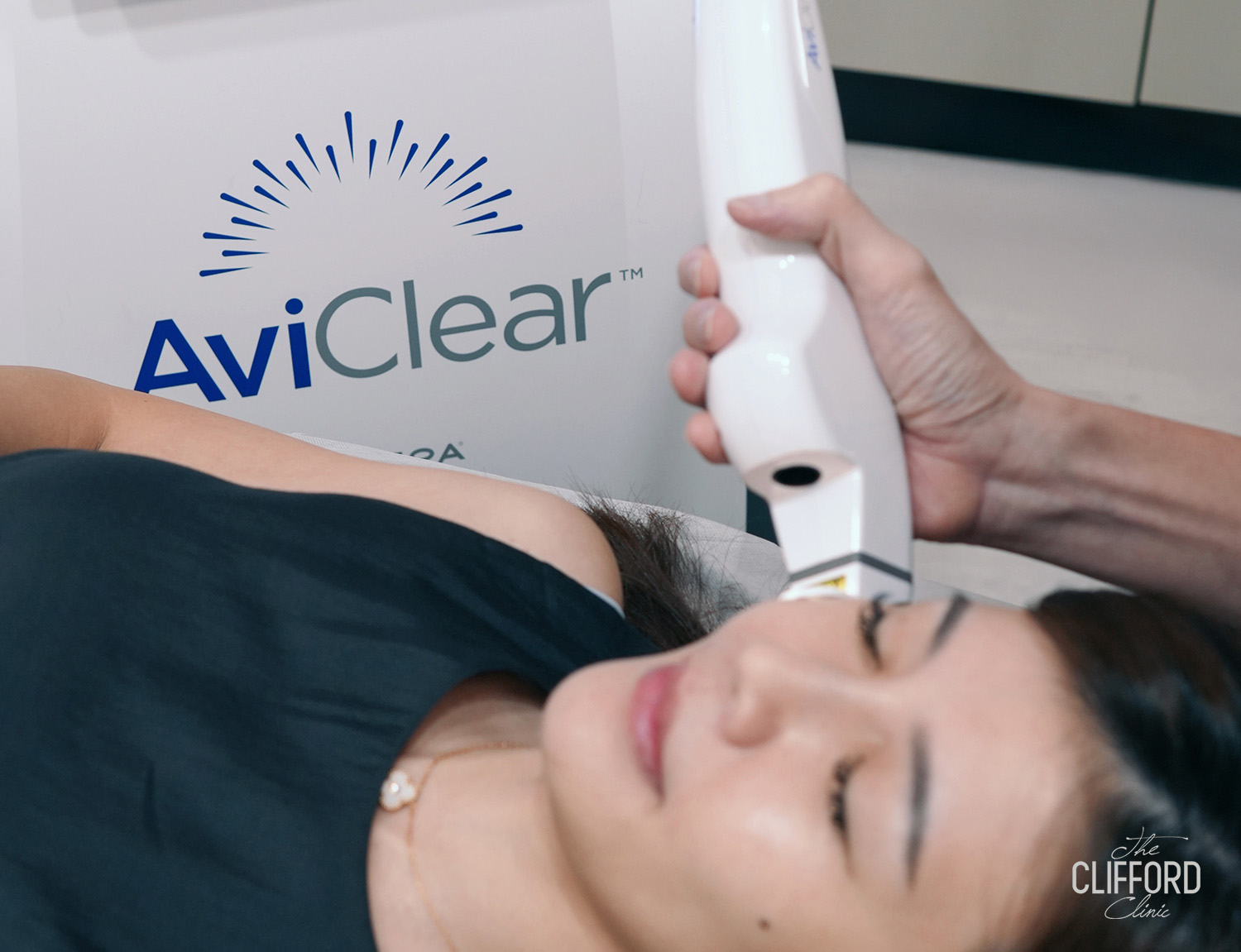
Official AviClear information describes it as the first FDA cleared laser for the long term treatment of mild, moderate and severe inflammatory acne vulgaris. It also states that the 1726 nm wavelength selectively targets and suppresses sebaceous glands.
The mechanism is based on selective photothermolysis. The laser wavelength is chosen because it interacts with sebum in the sebaceous gland. The goal is to reduce oil gland activity while preserving surrounding skin structures. Contact cooling helps protect the epidermis and improve comfort.
Dr Gerard Ee has explained AviClear in public media as a treatment that goes beyond surface control. In The Straits Times, he stated that “AviClear uses targeted light energy to reduce oil gland activity.”
Clinical literature on 1726 nm acne lasers has reported sustained improvement. A one year multicentre study of 104 patients with Fitzpatrick skin types II to VI reported that 79.8 percent achieved at least 50 percent improvement in inflammatory lesion counts at 12 weeks, rising to 91.5 percent at 52 weeks. The proportion of patients rated clear or almost clear increased to 66.2 percent at 52 weeks.
AviClear may be considered for patients with broader inflammatory acne, oily skin patterns or recurrent breakouts where sebaceous gland activity appears central. It may appeal to patients who want a device based option or who are not suitable for some oral medications. Suitability still requires medical assessment.
AGNES RF For Cystic And Recurrent Acne
AGNES RF refers to a radiofrequency microneedling approach used for selective sebaceous gland electrothermolysis. It is often discussed for recurring cystic acne, repeated same pore breakouts and localised acne hot spots.
The doctor identifies problematic follicles. A fine insulated microneedle delivers radiofrequency energy deeper into the skin. The aim is to reduce the activity of the oil gland linked to that recurrent lesion. This makes AGNES RF different from broad facial lasers. It is more targeted and procedural.
A prospective randomized controlled study evaluated selective sebaceous gland electrothermolysis using a single microneedle radiofrequency device for acne patients. Another 2024 study on nonablative monopolar radiofrequency reported that treatment was well tolerated without significant adverse effects, and concluded that therapeutic outcomes persisted up to 6 months after two sessions.
AGNES RF is not suitable for every acne patient. Dr Gerard Ee has emphasised the importance of assessment. In The Business Times, he explained that “patients need to be first assessed” and noted that AGNES is not suitable for everyone, including pregnant women.
AGNES RF may be useful when acne returns repeatedly in the same few pores. It may be especially relevant for deep cheek acne, chin cysts and recurrent jawline lesions. It can also be combined with topical maintenance, oral treatment or scar care where appropriate.
Gold PTT For Acne Treatment
Gold PTT means Gold Photothermal Therapy. This treatment uses gold particles that are introduced into pores and sebaceous structures. A laser or light source then activates the particles. The particles convert light energy into heat. This heat is intended to reduce sebaceous gland activity and calm acne at the source.
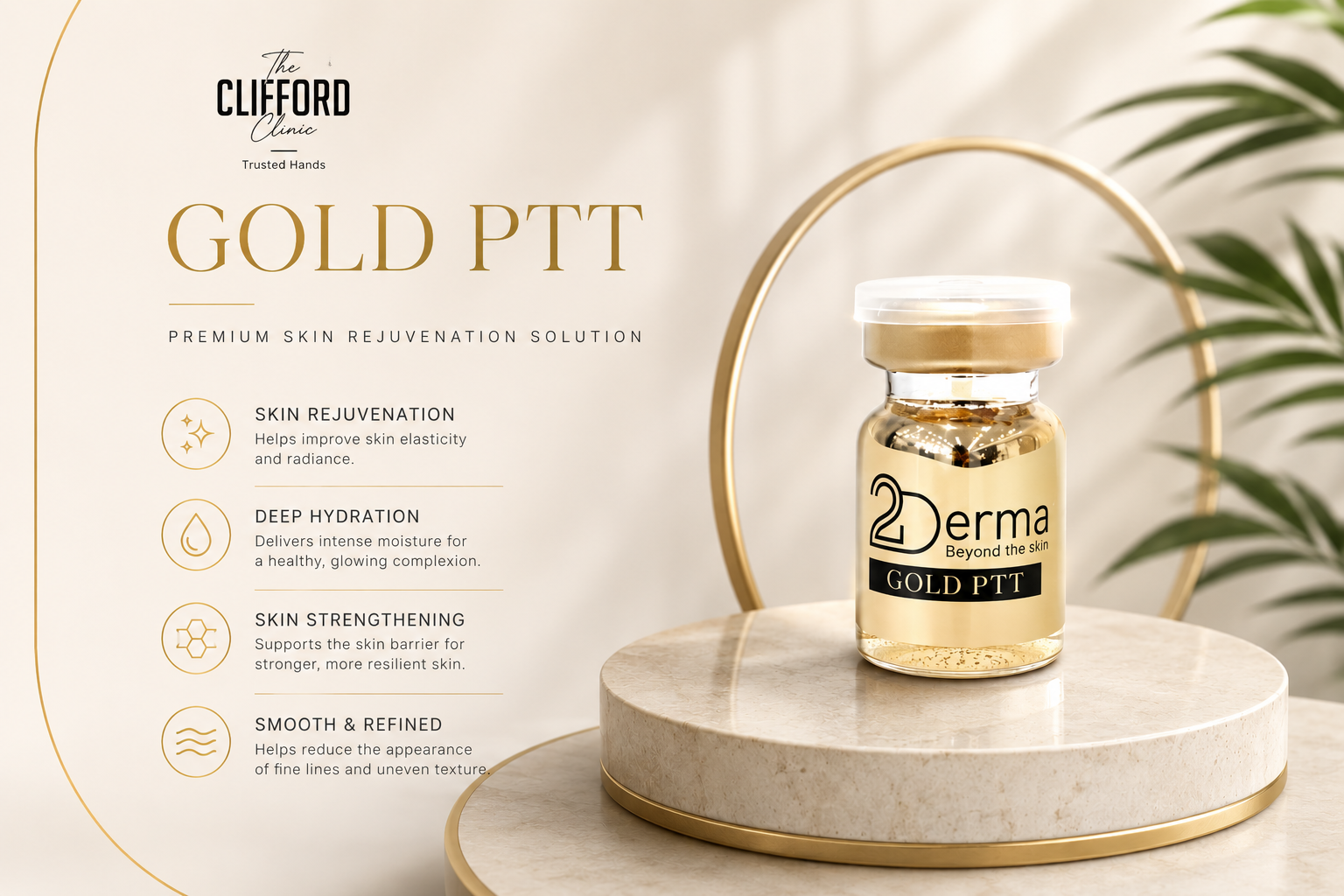
Dr Gerard Ee’s educational content describes Gold Photothermal Therapy as the use of gold nanoparticles with light energy to target acne causing sebaceous glands and bacteria. His article explains that gold particles absorb light and convert it into localised heat.
The Business Times also describes Gold PTT as a procedure where gold nanoparticles are delivered into pores and glands, followed by laser treatment to heat the gold and oil glands.
Clinical research supports the concept of laser activated gold microparticles for acne. A prospective multicentre study reported that topically applied gold microparticles followed by 1064 nm laser irradiation was effective for moderate to moderately severe acne, with good tolerability and participant satisfaction.
Gold PTT may be suitable for selected patients with oily, inflammatory or treatment resistant acne. Its role should be explained clearly. It is not a magical cure. It is a sebaceous gland targeting treatment that may be combined with medical skincare, topical maintenance and scar prevention.
Comparing AviClear, AGNES RF And Gold PTT
AviClear, AGNES RF and Gold PTT share one important idea. They all focus on sebaceous gland activity. Yet they do this in different ways.
AviClear is a broad based laser treatment using 1726 nm energy. It may suit patients with widespread inflammatory acne and oil driven breakouts.
AGNES RF is more localised. It may suit repeated cystic acne in specific pores. It is often chosen when the same lesion returns in the same location.
Gold PTT uses gold particles and laser energy to create selective heating in follicular and sebaceous structures. It may suit oily, inflamed skin where a particle assisted photothermal approach is appropriate.
The correct choice depends on acne pattern, skin type, downtime tolerance, budget, pregnancy status, medication history and scar risk. A medical consultation should come before the device decision.
Acne Scars And Why Prevention Matters
Acne scar treatment in Singapore is often more complex than active acne treatment. This is because scars affect skin structure. Red marks and brown marks are not the same as true scars. Red marks are usually post inflammatory erythema. Brown marks are post inflammatory hyperpigmentation. True acne scars involve loss, tethering or uneven rebuilding of collagen.
Dr Gerard Ee has explained in The Straits Times that acne scars develop when inflammation damages deeper skin layers. He also stated that “a single treatment rarely works for every patient.”
Common acne scar types include ice pick scars, boxcar scars and rolling scars. Ice pick scars are narrow and deep. Boxcar scars are wider with defined edges. Rolling scars create broader depressions due to deeper tethering. Many patients have more than one scar type.
Acne scar treatment may involve fractional laser, radiofrequency microneedling, subcision, collagen stimulators, TCA CROSS, vascular lasers, pigment lasers, chemical peels or combination therapy. The first priority is to control active acne. Treating scars while acne continues to flare can lead to disappointment because new scars may still form.
A Practical Acne Treatment Framework
A good acne treatment plan should follow a clear sequence.
First, confirm that the condition is acne. Rosacea, folliculitis, dermatitis and medication related eruptions can look similar.
Second, classify the acne. The doctor should identify whether the acne is comedonal, inflammatory, cystic, hormonal, truncal or mixed.
Third, assess scarring risk. Painful cysts, long standing inflammation and repeated picking increase risk.
Fourth, stabilise the skin barrier. Gentle cleansing, moisturiser and sunscreen are important.
Fifth, choose the correct treatment combination. This may include topical medication, oral medication, Winlevi, AviClear, AGNES RF, Gold PTT or scar treatment.
Sixth, maintain results. Acne is often chronic. Maintenance prevents relapse.
Frequently Asked Questions
- What is the best acne treatment in Singapore?
The best acne treatment depends on acne type, severity, skin sensitivity and scar risk. Mild acne may improve with topical treatment. Moderate inflammatory acne may need combination therapy. Severe cystic acne may need oral medication or device based treatment. AviClear, AGNES RF and Gold PTT may be considered when sebaceous gland activity is a major driver.
- When should I see a doctor for acne?
You should see a doctor if acne is painful, cystic, persistent, worsening, leaving scars or not responding to pharmacy products. Early treatment is especially important when there are deep nodules, recurrent jawline cysts, cheek scars or post acne marks.
- Is acne caused by dirty skin?
No. Acne is not caused by poor hygiene. It is driven by excess oil, clogged follicles, inflammation and acne associated bacteria. Over washing can irritate the skin and make treatment harder.
- Is AviClear FDA approved?
AviClear is a medical laser device, so the precise term is FDA cleared. The FDA database lists the AviClear Laser System under 510 k number K213461 with a decision date of March 24, 2022.
- How does AviClear work?
AviClear uses a 1726 nm wavelength that targets sebaceous glands. By reducing oil gland activity, it aims to reduce future inflammatory acne. The treatment also uses cooling to protect the skin surface and improve comfort.
- Who is suitable for AviClear?
AviClear may suit patients with mild, moderate or severe inflammatory acne, especially when oil production is prominent. A consultation is still needed because pregnancy status, skin condition, medication history and expectations matter.
- What is AGNES RF best for?
AGNES RF may be useful for recurrent cystic acne and repeated same pore breakouts. It targets selected sebaceous glands using microneedle radiofrequency. It is more localised than broad laser treatment.
- Is AGNES RF suitable for everyone?
No. AGNES RF requires assessment. It may not be suitable during pregnancy or for certain skin or medical conditions. The doctor should explain risks, downtime and alternatives before treatment.
- What is Gold PTT?
Gold PTT is Gold Photothermal Therapy. Gold particles are delivered into pores and sebaceous structures, then activated with light or laser energy. The aim is localised heat that reduces oil gland activity.
- Can Gold PTT help oily skin and acne?
Gold PTT may help selected patients with oily, inflammatory acne. Clinical research has reported improvement in moderate to moderately severe acne after laser activated gold microparticle therapy.
- What is Winlevi?
Winlevi is clascoterone 1 percent cream. It is a topical androgen receptor inhibitor used for acne vulgaris in people 12 years of age and older. It may help patients whose acne is influenced by androgen activity in the skin.
- Is Winlevi the same as oral hormonal medication?
No. Winlevi is topical. It works locally in the skin. Oral hormonal medicines act systemically and need different assessment.
- Can acne scars be removed completely?
Some scars can improve greatly, but complete removal is not always realistic. The result depends on scar type, scar depth, skin type, treatment method and number of sessions. Combination treatment is often needed.
- Should I treat acne or acne scars first?
Active acne should usually be controlled first. Scar treatment works best when new breakouts are reduced. In some cases, a clinic may treat acne and scars together in a staged plan. This however, only works if the clinic has got the correct equipment that treats ongoing acne and also improve scars simultaneously.
- How long does acne treatment take?
Many prescription treatments take four to eight weeks to show visible improvement. Some device based treatments improve gradually over several months. Maintenance is often needed to keep results stable.
- Can teenagers receive acne treatment?
Yes. Teenagers can receive acne treatment. Early care may reduce scarring risk. The treatment should be age appropriate and guided by a doctor.
- Can adults receive acne treatment?
Yes. Adult acne is common. It may involve hormonal changes, stress, cosmetics, oil production or long standing inflammation. Adult acne often needs a structured plan rather than repeated spot treatment.
- Can I use acne treatment during pregnancy?
Some acne treatments are not suitable during pregnancy. Pregnant patients should seek medical advice before using prescription creams, oral medications, lasers or radiofrequency treatments.
- Does diet cause acne?
Diet may affect some individuals, but acne is not usually caused by one food alone. If a patient notices consistent flares after certain foods, this should be discussed during consultation.
- What should I expect at an acne consultation?
A good acne consultation should include diagnosis, acne grading, scar risk assessment, skin care review, medical history, treatment discussion and a maintenance plan. It should also explain expected timelines, possible side effects and realistic outcomes.
Conclusion
Acne treatment in Singapore should be medically guided, personalised and preventive. The aim is not only to clear visible pimples. The deeper aim is to reduce acne recurrence, calm inflammation, protect the skin barrier and prevent scars.
Traditional treatments remain important. Benzoyl peroxide, retinoids, azelaic acid, antibiotics, hormonal therapies and isotretinoin all have roles when selected correctly. Newer treatments now expand the options. Winlevi offers topical androgen receptor inhibition. AviClear uses 1726 nm laser energy to target sebaceous glands. AGNES RF uses selective radiofrequency electrothermolysis for recurrent acne prone follicles. Gold PTT uses light activated gold particles to reduce sebaceous gland activity.
Dr Gerard Ee’s public educational work and media commentary reflect this modern approach. Acne should be assessed by type, severity and root cause. The treatment should then be matched to the patient rather than chosen by trend. With the right plan, clearer skin is possible, and scar prevention becomes far more achievable.
References
- Mayo Clinic. Acne symptoms and causes.
- NICE. Acne vulgaris management recommendations.
- American Academy of Dermatology. Guidelines of care for the management of acne vulgaris.
- Mayo Clinic. Acne diagnosis and treatment.
- FDA. 510 k premarket notification for AviClear Laser System K213461.
- AviClear. Why AviClear.
- JAMA Dermatology. Efficacy and safety of topical clascoterone cream 1 percent for facial acne.
- Winlevi. Clascoterone cream 1 percent product information.
- PubMed. Selective sebaceous gland electrothermolysis using a single microneedle radiofrequency device for acne patients.
- PubMed. Long term efficacy and safety of nonablative monopolar radiofrequency in moderate to severe acne vulgaris.
- PubMed. Prospective multicentre study of laser activated gold microparticles for inflammatory acne.
- JAAD article summary. Safe and effective acne treatment across skin types with a 1726 nm sebum selective laser.