
Loviselle PLLA Collagen Biostimulator in Singapore
Natural collagen regeneration for smoother skin, softer contours and gradual facial rejuvenation
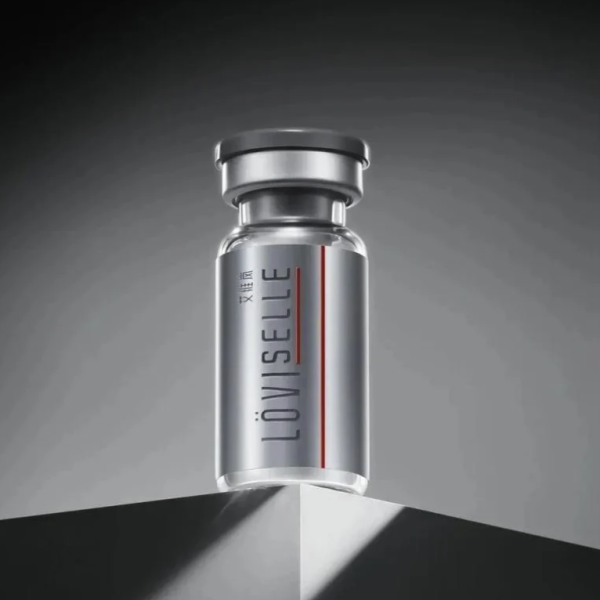
Loviselle is a Poly-L-lactic acid (PLLA) collagen biostimulator designed for natural-looking facial rejuvenation, often referred to as a “baby face” filler.
Unlike traditional hyaluronic acid fillers that provide immediate volume, Loviselle works by gradually stimulating the skin’s own collagen production, improving facial support and restoring a smoother, fresher appearance over time.
Made from biocompatible and biodegradable PLLA, it acts as a scaffold within the skin to encourage collagen regeneration, with results developing progressively over weeks to months rather than instantly.
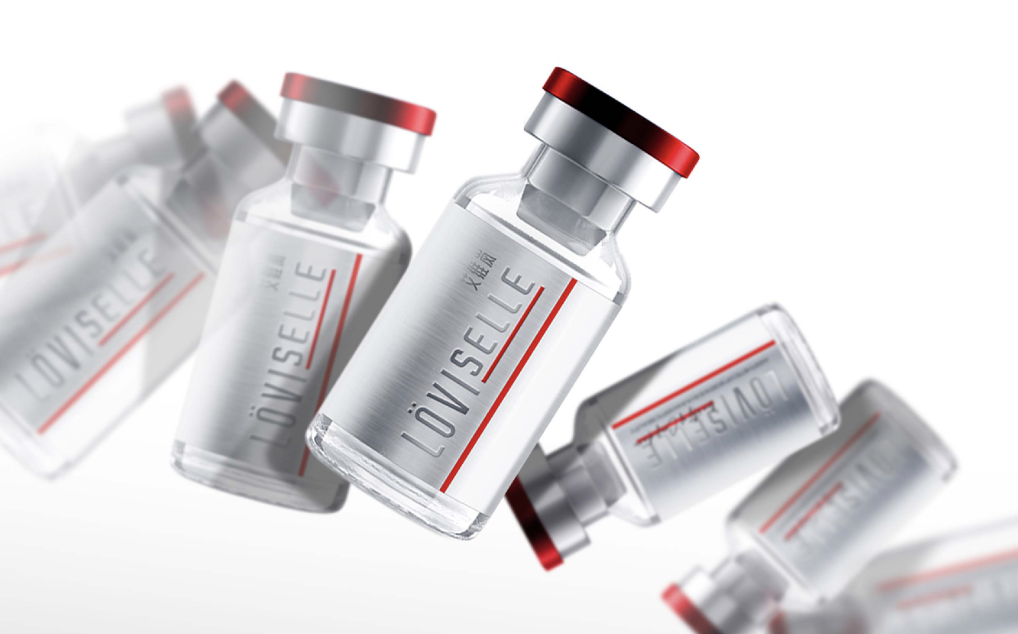
Book a consultation at The Clifford Clinic to find out more about Loviselle PLLA biostimulator
What is Loviselle?
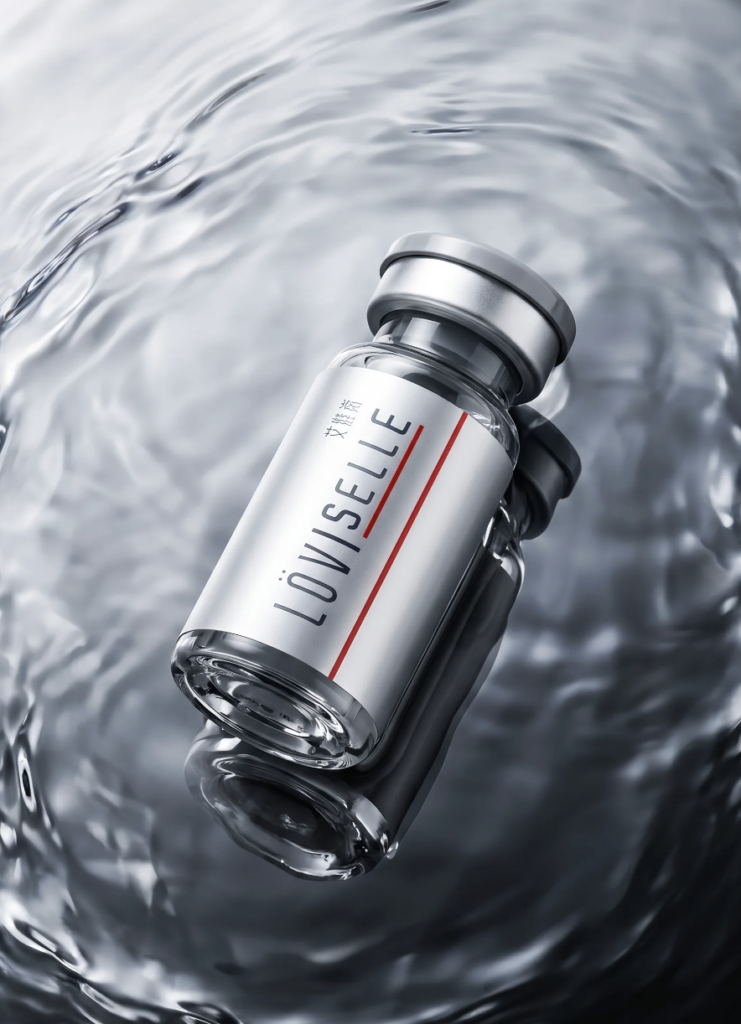
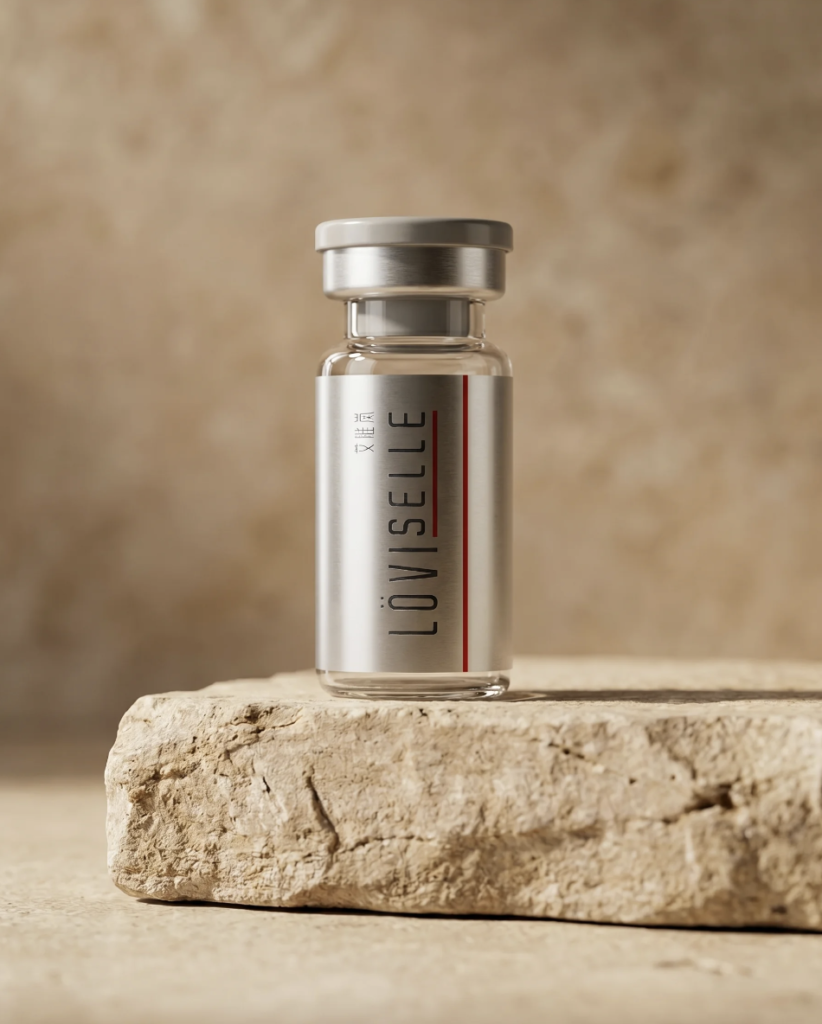
Loviselle, also written as Löviselle, is a Chinese made PLLA biostimulator developed by Changchun SinoBiomaterials Co., Ltd. Launched global operations in 2016, they worked closely with the Changchun Institute of Applied Chemistry, Chinese Academy of Sciences and established a subsidiary in Sweden as part of its development journey.
The treatment belongs to the growing category of regenerative aesthetic injectables. These are treatments designed to improve the quality, firmness and structure of the skin by stimulating the body’s own tissue repair pathways. Loviselle is positioned as a collagen regeneration treatment for patients who want healthier-looking skin, improved facial volume and a smoother overall appearance.
The key ingredient is PLLA. This material has been used in medical and aesthetic applications because it is biodegradable and gradually broken down by the body. It is a polylactic acid as biocompatible and biodegradable, with carbon dioxide and water as degradation products.
The idea behind Loviselle is not to create an exaggerated or obviously altered face. Instead, the aim is gradual restoration. The treatment can be especially suitable for patients who feel that their face has started to look tired, hollow, deflated or less firm, but who do not necessarily want a dramatic filler look.

How does Loviselle work?
Ageing affects the face in several layers. It is not only a skin surface problem.
Over time, several changes happen beneath the skin:
- Collagen declines
The skin loses part of its natural support network, making it less firm and less elastic. - Skin becomes thinner
This can make fine lines, crepiness and texture changes more visible. - Facial fat compartments shrink or descend
This can lead to flattening of the cheeks, facial deflation and a more tired appearance. - Ligaments and deeper support structures loosen
This can contribute to early jowling, softening of the jawline and facial sagging. - Bone support changes over time
As deeper facial support changes, the overlying tissues may appear less lifted and less smooth.
These changes can result in deeper smile lines, flatter cheeks, skin crepiness, early jowling and a less even facial contour.
Why is Loviselle called a “baby face” filler?
The term “baby face” filler is used because the goal is to restore softness, smoothness and youthful facial support. This does not mean that the treatment makes the face look childish or artificially round. A well-planned PLLA treatment should respect the patient’s natural anatomy.
The “baby face” concept usually refers to several features associated with a fresher appearance. These include better cheek support, smoother facial transitions, softer smile lines, improved skin bounce and a more hydrated-looking surface. In younger skin, collagen is denser and more organised. With age, collagen decreases and the skin loses some of its spring. PLLA biostimulation aims to encourage the body to rebuild part of that supportive collagen network.
Loviselle may therefore appeal to patients who do not want sharp sculpting or exaggerated contouring. It is more suitable for those who prefer a healthy, refreshed and naturally rejuvenated look.

Benefits of Loviselle PLLA treatment
The main benefit of Loviselle is gradual collagen regeneration. Rather than relying only on an injected gel to create shape, the treatment encourages the skin to produce new collagen. This can improve the underlying quality and support of the skin over time.
Patients may consider Loviselle for facial volume loss, especially when the face looks tired or deflated. Common concerns include flatter cheeks, deeper smile lines, early skin laxity and a loss of youthful roundness. The treatment may help restore subtle volume in a way that looks soft and natural.
Loviselle may also help improve skin smoothness. As collagen develops, the skin may feel firmer and appear more refined.
Longevity is another reason patients consider PLLA. Loviselle is marketed as a long-lasting collagen biostimulator, with results that may last over 30 months after a planned course of 3 to 4 sessions. However, longevity varies between patients. Factors such as age, skin condition, metabolism, lifestyle, treatment area, dose, injection technique and maintenance plan can all influence how long the result lasts.
Loviselle as compared to other hyaluronic acid fillers
Hyaluronic acid fillers and PLLA biostimulators are both injectable treatments, but they work differently.
Hyaluronic acid fillers are gel fillers. They provide immediate volume and shape. They are useful when a patient needs precise contouring, structural support or immediate correction of a fold or hollow. They are also reversible with hyaluronidase in selected cases, which is one of their practical advantages.
Loviselle works differently. It is not primarily a gel based volumiser. It is a collagen-stimulating injectable. The improvement is gradual rather than immediate. It is better suited for patients who want progressive facial rejuvenation, collagen support and a softer, natural result.
The choice is not always one or the other. Some patients benefit from hyaluronic acid filler for precise contouring and PLLA for broader collagen support. Others may be better suited for PLLA alone if the main concern is general facial ageing, deflation and skin quality. A doctor should assess facial anatomy, tissue thickness, skin laxity, volume loss and previous filler history before recommending the best approach.

Which areas can Loviselle treat?
In clinical aesthetic practice, PLLA-type treatments are often assessed more broadly for facial rejuvenation, but the exact treatment areas should depend on local regulatory indications, doctor assessment and patient anatomy.
Commonly discussed areas for PLLA collagen stimulation include the cheeks, smile lines, lower face, temples and areas of general facial deflation.
The cheeks are especially important because midface support influences the rest of the face. When cheek support weakens, the nasolabial folds can deepen and the lower face may appear heavier.
The temples may also show hollowing with age, creating a more tired or skeletal appearance. Lower face laxity can make the jawline look less clean. In suitable patients, collagen biostimulation may help improve the underlying support of these areas.
However, not every area is suitable for PLLA. Thin-skinned areas, highly mobile areas and high-risk vascular zones require caution. PLLA should not be injected casually into inappropriate planes. Medical guidance highlights that PLLA requires proper patient selection, technique and monitoring and that treatment in certain areas, such as the lips and peri-orbital region requires caution because of risks such as nodules or papules.
Who is suitable for Loviselle?
Loviselle may be suitable for adults who have early to moderate facial volume loss, soft tissue deflation, reduced skin firmness or deeper nasolabial folds. It may also suit patients who want gradual improvement rather than an instant filler result.
Good candidates are usually patients who understand that collagen stimulation takes time. They should be comfortable with a treatment plan that may involve several sessions and progressive results. Patients who want an immediate dramatic change may be better suited for other treatments, or a combination approach.
Loviselle may be especially suitable for patients who say that their face looks tired even when they are well rested. It may also help those who feel that their face has lost the soft fullness they had in younger years, but who do not want the face to look puffy or obviously filled.
It may be less suitable for patients with unrealistic expectations, active infection at the treatment site, a history of keloid or hypertrophic scarring, known allergy to PLLA or product components, or patients who are pregnant or breastfeeding. Published medical summaries also state that the safety and efficacy of PLLA have not been established in individuals younger than 18.
Book a doctor-led consultation at The Clifford Clinic, so you can understand your diagnosis, the most suitable options and what results are realistic for your skin.
What happens during a Loviselle consultation?
A proper consultation is important because PLLA is a planning based injectable. It is not simply a matter of asking which line the patient wants filled. The doctor needs to assess the face as a whole before deciding whether Loviselle is suitable.
During the consultation, the doctor will usually assess:
- Facial proportions
This includes how the cheeks, temples, lower face, jawline and smile lines relate to one another. - Skin quality
The doctor will look at skin thickness, firmness, texture, elasticity and overall collagen loss. - Volume loss and facial deflation
This helps determine whether the patient needs collagen stimulation, structural support, or a different type of treatment. - Areas of laxity
Mild skin looseness, early jowling and loss of support may affect how the treatment plan is designed. - Previous aesthetic treatments
Patients should inform the doctor about previous fillers, thread lifts, skinboosters, lasers, energy based treatments or other injectable treatments.
The consultation should also include a discussion about the patient’s preferred aesthetic style. Some patients want a lifted and refreshed look. Some prefer softer cheeks. Others are mainly concerned about nasolabial folds or general skin firmness. The treatment plan should be designed around the patient’s anatomy and goals, rather than using a fixed template.

When will I see results?
There may be some immediate fullness after treatment, but this is partly due to the injected fluid and swelling. This early effect usually reduces as the fluid is absorbed.
The true collagen-stimulating effect develops gradually. Many patients begin to notice improvement after several weeks, with more visible changes over 2 to 3 months. The face may look smoother, fresher and better supported. The final result usually depends on the number of sessions completed and the patient’s collagen response.
A typical course may involve 3 to 4 sessions, spaced several weeks apart. This allows the doctor to build the result progressively and avoid overcorrection. Medical summaries of PLLA state that a series of injections is often recommended at 3 to 6 week intervals, with correction depending on the number of sessions rather than simply increasing the volume in one session.
Can Loviselle be combined with other treatments?
Yes, Loviselle can be part of a broader facial rejuvenation plan. Depending on the patient’s concern, it may be combined with skin tightening treatments, pigment lasers, resurfacing lasers, botulinum toxin, skinboosters or hyaluronic acid fillers.
The key is not to stack treatments randomly. Collagen biostimulation works best when the skin is given time to respond. Treatment timing should be personalised to reduce inflammation, avoid unnecessary swelling and protect skin barrier recovery.
How many sessions are needed?
Most patients require a course rather than a single session.
As a general guide, it is recommended to do 3 to 4 sessions of treatment. Results are commonly described as lasting over 30 months after a complete course, although individual results vary.
The safest approach is to build slowly. With PLLA, more is not always better. Good outcomes depend on careful placement, appropriate dilution, even distribution and realistic treatment spacing.
What side effects can occur?
Common side effects include redness, swelling, tenderness, bruising, small needle marks and temporary firmness. These usually settle within days to a week.
Less common risks include infection, delayed swelling, inflammatory reactions, small lumps, nodules, asymmetry and unsatisfactory cosmetic outcome. As with all injectable fillers, vascular complications are rare but serious.
Patients should seek urgent medical attention if they experience severe pain, skin colour changes, visual symptoms or symptoms suggestive of vascular compromise.
Aftercare after Loviselle
Aftercare may include gentle massage if instructed by your doctor, avoiding heavy exercise for the first 24 to 48 hours, avoiding alcohol, avoiding excessive heat exposure and keeping the skin clean. Patients should avoid pressing, rubbing or manipulating the area aggressively unless they have been specifically taught the correct massage technique.
Makeup should be avoided immediately after injections to reduce contamination risk. Saunas, hot yoga, facial massage and intense treatments should be postponed until the skin has settled.
Patients should also attend review appointments. Because collagen stimulation develops slowly, follow up allows the doctor to assess progress and decide whether further sessions are needed.
Book a consultation for Loviselle PLLA collagen biostimulation
Loviselle is suitable for patients who want gradual, natural looking facial rejuvenation, improved collagen support and a smoother facial appearance without an obviously filled look. It is especially relevant for patients with early facial deflation, deeper nasolabial folds, reduced skin firmness or a tired facial appearance.
A consultation allows the doctor to assess whether Loviselle is appropriate for your skin, facial anatomy and goals. The best results come from careful planning, correct injection technique and a personalised treatment schedule.
If you are considering Loviselle PLLA collagen biostimulation, book a consultation to find out whether this “baby face” collagen stimulator is suitable for your face, your skin and your long-term aesthetic plan.
Frequently Asked Questions
Yes, Loviselle is described as a polylactic acid facial filler, but it behaves differently from a standard hyaluronic acid filler. It is better understood as a collagen biostimulator because it works by encouraging new collagen formation over time.
Both are PLLA-based collagen-stimulating injectables, but they are different brands with their own product characteristics, manufacturing processes and regulatory status. A doctor should advise on which product is appropriate and available in your location.
Loviselle is marketed as a long lasting PLLA collagen biostimulator, with results that may last over 30 months after a course of 3 to 4 sessions. However, individual results vary. Age, metabolism, treatment area, dosage, technique and lifestyle all affect longevity.
The aim of Loviselle is gradual collagen restoration, not sudden overfilling. When performed properly, the result should look natural. Overfilling can still happen if treatment is poorly planned, so conservative dosing and experienced injection technique matter.
Loviselle is not a surgical facelift. It cannot remove excess skin or reposition deep tissues like surgery. However, by improving collagen support and volume in selected areas, it may create a fresher and subtly lifted appearance in suitable patients.