



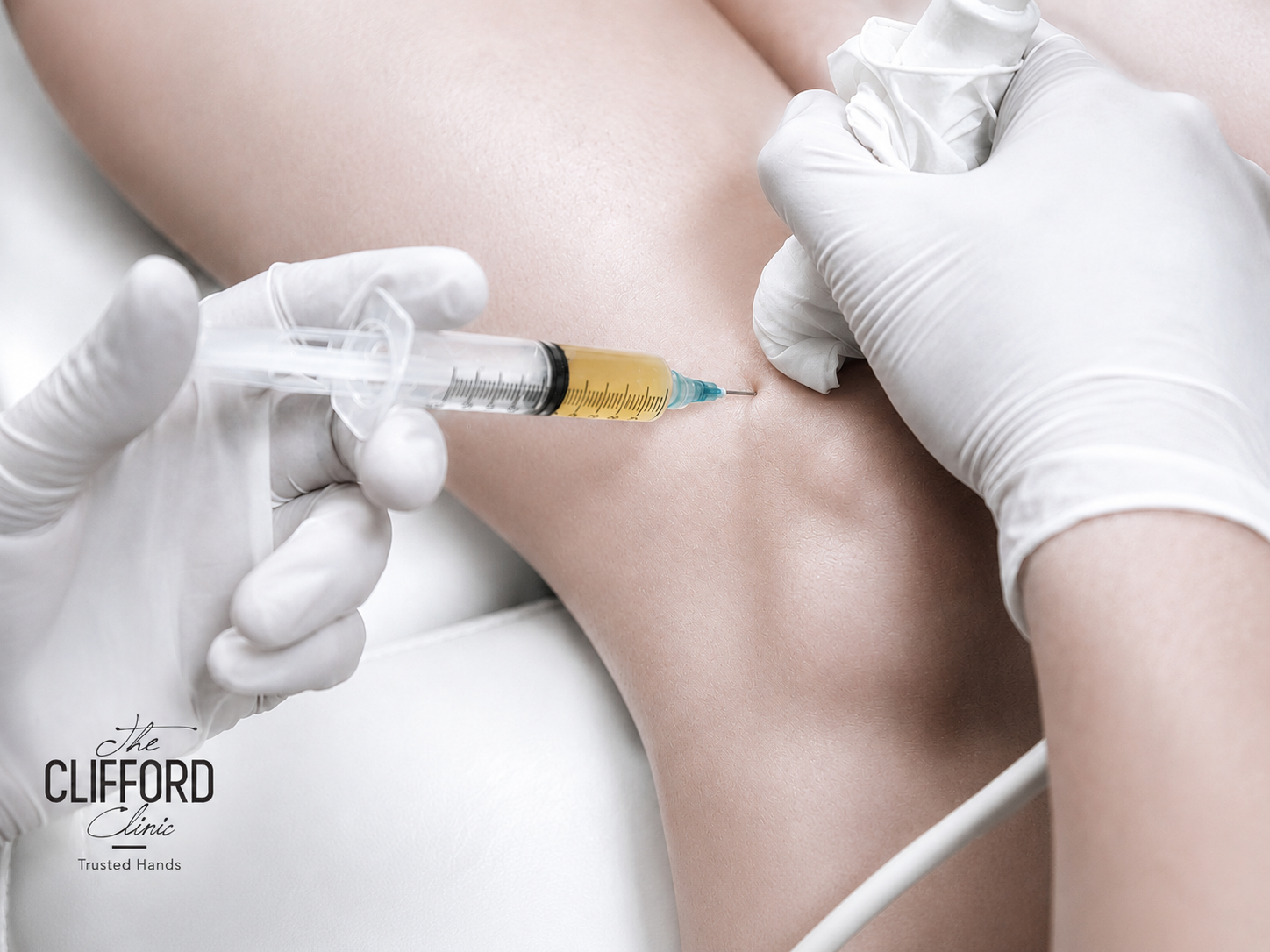
Tenex for Knee Pain: The Doctor’s Complete Guide (What It Is, Who It Helps, and Recovery)
Tenex for Knee Pain: The Complete Guide (What It Is, Who It Helps, Recovery and What to Look for in a Doctor)
Knee pain that lingers for months can be a different beast from a “fresh” injury. You rest, you ice, you do some physio, maybe you even stop sport for a while yet the moment you return to running, jumping, squats, or stairs, the pain flares again. In many of these cases, the problem isn’t a torn ligament or a meniscus issue. It’s often chronic tendon degeneration around the knee and it is commonly called tendinopathy, where the tendon becomes irritated and “unhealthy” over time.
That’s where Tenex comes in.
Tenex (also called the Tenex procedure or ultrasound-guided percutaneous ultrasonic tenotomy) is a minimally invasive, ultrasound-guided treatment designed to remove damaged, painful tendon tissue through a tiny opening without large surgical incisions. The goal is simple: reduce pain and help the tendon heal more normally, so you can get back to activity with less downtime than traditional surgery in appropriately selected cases.
This article is a full guide to Tenex for knee pain, so you know what it is, how it works, who it’s for (and who it’s not for), what to expect in recovery and why doctor and clinic experience matters so much for confidence and outcomes. We’ll also explain how The Clifford Clinic approaches Tenex care, focusing on ultrasound precision, safety and a structured return-to-activity plan.
Quick overview: What is Tenex?
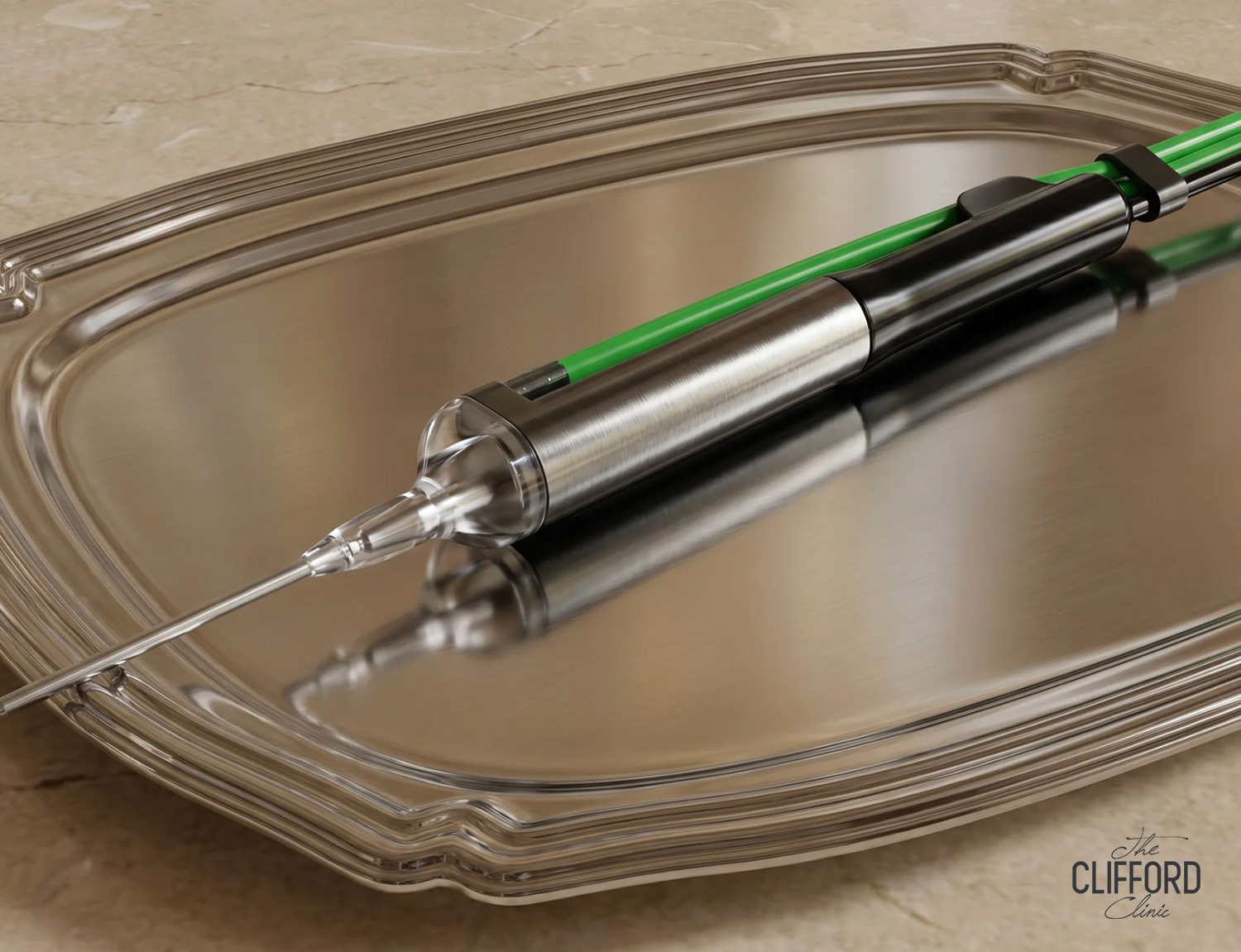
Tenex is a minimally invasive procedure that uses ultrasound guidance and a specialised ultrasonic device to target pain-causing damaged tendon tissue. Under ultrasound, your doctor pinpoints the diseased portion of the tendon and uses high-frequency ultrasonic energy to break down the unhealthy tissue while aiming to leave healthier tissue as undisturbed as possible. The disrupted tissue is then removed through the same small access point.
People often like Tenex because it’s:
-
Targeted and ultrasound-guided
-
Minimally invasive (tiny opening rather than a big incision)
-
Commonly performed with local anesthesia (not always requiring general anesthesia)
“Tenex knee pain” usually means chronic tendon pain around the knee
A key point: Tenex is primarily a tendon treatment, not a “general knee pain cure.”
When people search “Tenex knee pain,” they’re often dealing with chronic tendinopathy, an ongoing tendon degeneration and irritation around the knee. The two most common patterns are patellar tendinopathy (jumper’s knee) and quadriceps tendinopathy.
With patellar tendinopathy, pain is typically felt at the front of the knee, most often at or just below the kneecap. It usually flares with activities that load the tendon, such as jumping and landing, climbing stairs, squats and lunges and running, especially hills, sprints, or speed work.
With quadriceps tendinopathy, pain is usually felt above the kneecap, where the quadriceps tendon attaches. It tends to be triggered by squats and stairs, heavy lower-body training and repetitive loading in sport.
In general, Tenex is considered when the problem is chronic and stubborn and when a proper assessment usually includes clinical examination and imaging (often ultrasound) that shows a clear tendon-based pain source that has not improved despite appropriate conservative care.
How Tenex works
Here’s a simple explanation of how Tenex works.
First, your doctor uses ultrasound imaging to pinpoint the exact area of the tendon that is unhealthy and causing pain. Next, the area is numbed with local anaesthesia to keep you comfortable. A tiny opening is then made in the skin, often described as a micro-incision, sometimes only a few millimetres.
Through this access point, an ultrasonic tip is guided into the targeted area to break down the damaged tissue and remove it through the device. By clearing out the diseased tissue and “resetting” the problem spot, the procedure aims to reduce ongoing irritation and encourage the tendon to heal and rebuild in a healthier way.
Why chronic tendon pain behaves differently (and why rest alone often fails)
Tendinopathy isn’t always an “inflammation problem.” In many chronic cases, the tendon develops:
-
Thickening
-
Disorganized fibers
-
Areas that look darker (hypoechoic) on ultrasound
-
Sometimes, neovascularisation (new small blood vessels)
This is why you can rest for a while, feel slightly better, then flare again the moment you reload the tendon. The structure hasn’t properly recovered, so the same trigger brings the pain back.
Tenex is designed for situations where there’s a stubborn pocket of unhealthy tissue that keeps the tendon stuck in a “bad loop.”
Conditions commonly treated with Tenex (including the knee)
Many reputable clinical summaries describe Tenex for chronic tendon pain in areas like the elbow, heel/foot, shoulder, hip and knee.
Common examples include:
-
Tennis elbow/golfer’s elbow
-
Rotator cuff tendinopathy
-
Patellar tendinopathy (jumper’s knee)
The real deciding factor isn’t the label. It’s whether your doctor can confirm the pain is coming from a treatable tendon lesion.
Who is a good candidate for Tenex for knee pain?
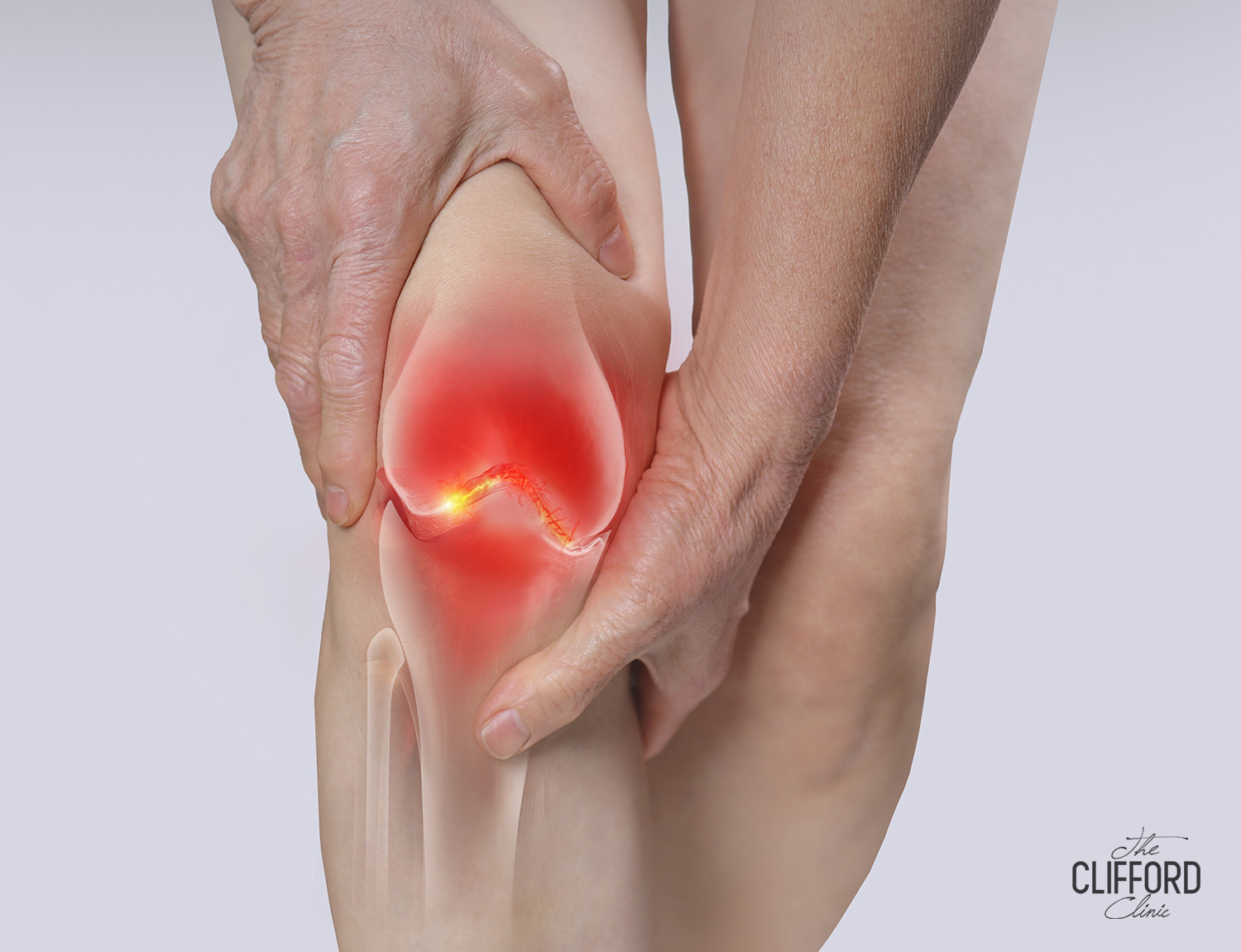
Tenex is typically considered when your pain is chronic and tendon-patterned, lasting months rather than days, with localised tenderness at the patellar tendon or quadriceps tendon and symptoms that are clearly triggered by loading such as jumping, stairs, squats, or running.
It’s usually recommended only after you’ve tried a proper conservative plan, meaning a structured rehabilitation programme focused on progressive loading, consistent physiotherapy (not just rest), correction of contributing factors like biomechanics and training errors and enough time and consistency to judge whether rehab is truly working.
Imaging should also support the diagnosis of tendinopathy: on ultrasound, this often appears as tendon thickening, a disrupted fibrillar pattern and focal hypoechoic regions. If the tendon looks relatively normal and the pain is mainly joint-related, Tenex may not be the right tool.
Who may NOT be suitable (or needs a different plan first)
Tenex may not be appropriate if your main issue is:
-
Knee arthritis (joint cartilage wear pattern, stiffness, swelling)
-
Meniscus tears causing mechanical locking/catching
-
Ligament instability (ACL/PCL-type symptoms)
-
Large acute tendon tears need repair rather than debridement
-
Active infection or skin issues at the site
-
Certain medical/bleeding risks that require individualised planning
The biggest mistake is treating “knee pain” as one diagnosis. It’s not. The best clinics spend time making sure Tenex is aimed at the right target.
What happens at a proper Tenex knee assessment?
A high-quality assessment usually starts with a detailed symptom map. Your doctor will clarify exactly where the pain is located, which specific movements reproduce it, what your current training or sport load looks like and what treatments you’ve already tried plus how consistently and for how long.
Next comes a focused tendon examination. This typically includes pinpoint tenderness testing, loading-based provocation tests to recreate tendon pain in a controlled way and an assessment of contributing factors such as hip and ankle mechanics, mobility and strength deficits that may be overloading the tendon.
Finally, a good evaluation often includes real-time diagnostic ultrasound. Ultrasound isn’t only used to “confirm” the issue. It helps identify the exact pathological zone within the tendon, ensures the pain isn’t coming from a different structure and provides precise guidance if Tenex is ultimately chosen as the treatment approach.
Tenex procedure step-by-step (what patients usually experience)
While protocols vary slightly between clinics, the typical Tenex flow is usually:
(1) ultrasound targeting to identify the exact tendon lesion
(2) local anaesthesia to fully numb the area
(3) a tiny access point (micro-incision)
(4) ultrasonic treatment to break down and remove the unhealthy tissue
(5) a dressing plus a clear aftercare plan, usually including a staged rehabilitation approach.
Many patients describe the experience as more like pressure and movement rather than sharp pain because the area is numbed but your doctor should still explain what sensations are normal and what would be a reason to contact the clinic.
Tenex recovery for knee pain: a realistic timeline
A common misunderstanding is thinking Tenex equals instant full recovery. Tenex is minimally invasive, but it still treats a tendon and tendons heal on a timeline.
First 48–72 hours
-
Mild soreness, swelling, tenderness
-
You’ll usually be advised to limit heavy loading
Week 1–2: protect and restore comfortable movement
-
Gentle range of motion
-
Light daily activity
-
Avoid jumping/running and deep heavy squats unless cleared
Week 3–6: rebuild strength and tendon capacity
-
Begin progressive strengthening (often guided by a physiotherapist)
-
Tendons need graded loading to remodel well
Return to sport
This depends on:
-
the tendon involved
-
severity and chronicity
-
your sport demands
-
your rehab consistency
Some manufacturer-facing materials mention recovery ranges like 4–6 weeks in general terms, but real-world return to full sport can be longer for high-impact athletes and depends heavily on rehab quality.
What results can you expect?
Evidence for ultrasound-guided percutaneous ultrasonic tenotomy (including Tenex-style approaches) suggests many patients experience improvements in pain and function in chronic tendinopathy, especially when paired with good rehab. A 2024 review concluded that percutaneous needle tenotomy and Tenex are generally safe and beneficial for tendinopathy refractory to conservative care.
For patellar tendinopathy in high-level athletes, a 2025 study reported generally favourable outcomes and return to sport, while noting the need for larger studies.
The honest message: Tenex can be very helpful for the right diagnosis but it works best when you treat the tendon and the reasons it became overloaded in the first place.
Risks and side effects (what good clinics discuss upfront)
Even minimally invasive procedures have risks. Potential issues include:
-
temporary flare of pain
-
bruising/swelling
-
infection (rare but possible)
-
irritation of nearby structures
-
incomplete relief, or recurrence if loading issues aren’t corrected
Ultrasound guidance helps reduce risk by improving targeting and avoiding unintended structures, but clinician skill still matters.
Tenex vs PRP vs steroid injections vs surgery (how to think about choices)
Tenex vs PRP
-
PRP aims to stimulate healing biologically.
-
Tenex aims to physically remove unhealthy tissue and stimulate healing through targeted debridement.
These aren’t “enemies.” The right option depends on what your tendon actually looks like on imaging, your symptom history and how you responded to rehab.
Tenex vs steroid injection
Steroids can reduce pain short-term in some conditions, but chronic tendon problems are often more about tissue quality and load management than quick suppression. Your doctor should explain if a steroid is appropriate (or not) for your specific case.
Tenex vs surgery
Open surgery can be effective, but it’s more invasive with typically longer downtime. Tenex is positioned as a minimally invasive option for selected chronic cases that don’t require formal tendon repair.
Why doctor and clinic expertise matter for Tenex knee pain
Tenex is not just “a device.” It’s a diagnosis- and ultrasound-dependent procedure. Outcomes depend on:
1) Diagnostic accuracy
Treating the wrong structure leads to disappointment even if the procedure is technically perfect.
2) Ultrasound skill
Musculoskeletal ultrasound is operator-dependent. Better scanning improves:
-
lesion identification
-
targeting accuracy
-
safety margins during the procedure
3) A rehab pathway, not a one-off procedure
Many people fail not because Tenex “didn’t work,” but because they returned to loading too fast, or never rebuilt capacity properly. A clinic that integrates rehab is a major advantage.
Why choose The Clifford Clinic for Tenex for knee pain?
Patients want confidence and it comes from process, not hype.
At The Clifford Clinic, our Tenex approach is built around three pillars:
1) Ultrasound-first precision (diagnose, confirm, then treat)
We take an ultrasound-first precision approach to diagnose, confirm and then treat. Before recommending Tenex, we prioritise a detailed assessment with ultrasound confirmation to identify the true pain generator (for example, patellar tendon versus quadriceps tendon versus joint-related pain), confirm the exact lesion location and severity and ensure Tenex is genuinely the right match for your condition. Because Tenex is ultrasound-guided by design, strong ultrasound competency is central to safe, accurate and targeted treatment.
2) Experienced, procedure-focused care
We also focus on experienced, procedure-led care. Our doctors are experienced in image-guided musculoskeletal procedures and follow a structured protocol designed to improve consistency and patient comfort. This typically includes careful ultrasound mapping and marking, a controlled local anaesthesia technique, precise targeting with real-time ultrasound guidance and clear aftercare instructions with a staged loading plan.
3) A guided recovery plan (so you don’t “guess” your way back)
Finally, we provide a guided recovery plan, so you don’t have to guess your way back to activity. We emphasise a step-by-step approach with clear checkpoints such as what to do in the first week, when to restart strengthening, how to progress loading without flare-ups and return-to-run or return-to-sport guidance. This matters because tendon recovery is highly sensitive to load progression, even after a minimally invasive procedure.

What patients often feel after Tenex (and what’s normal)
Many patients report feeling relieved that the procedure is quick and controlled, reassured by seeing the ultrasound targeting in real time and more optimistic once they clearly understand the recovery plan and what progress should look like. It’s also completely normal to feel sore for a few days and to be cautious about loading the knee early on.
A good clinic prepares you for both experiences, so you don’t panic over expected post-procedure soreness or unintentionally disrupt healing by doing too much too soon.
When to consider a Tenex consult
Frequently Asked Questions
Does Tenex hurt?
Local anaesthetic is typically used, so most people feel pressure or movement rather than sharp pain.
How long does it take?
Procedure time varies by case and clinic workflow, but Tenex is generally positioned as a short, outpatient-style treatment.
How soon can I walk?
Many people can walk the same day, but activity restrictions depend on the tendon involved and the extent of pathology. Your doctor will guide this.
Is Tenex a “permanent fix”?
It can be a major turning point for chronic tendon pain, but long-term success depends on addressing training load, biomechanics and strength so the tendon doesn’t get re-overloaded.
Closing: The goal is not just pain relief, but a durable return to activity
Tenex is a powerful option when knee pain is coming from chronic tendon degeneration that simply isn’t responding to a good rehab plan. It’s minimally invasive, ultrasound-guided and designed to target diseased tissue while supporting a healthier healing process.
At The Clifford Clinic, the focus is on precision diagnosis, experienced ultrasound-guided procedural care and a structured return-to-activity plan so patients feel confident not only during the procedure, but throughout recovery.
References
-
Penn Medicine. “Tenex for Chronic Tendon Pain.”
-
Tenex Health. Physician product overview (micro-incision, local anesthesia).
-
Omodani T, et al. “Ultrasound-Guided Percutaneous Ultrasonic Tenotomy for Refractory Patellar Tendinopathy…” (PubMed, 2025).
-
Nishida Y, et al. Ultrasound findings in patellar tendinopathy (PMC, 2021).
-
Maag L, et al. “Effectiveness of Percutaneous Needle Tenotomy…” (PMC, 2024).
-
Imaging descriptions of patellar tendinosis features on ultrasound (2021–2024 sources).

Author Bio
Dr Gerard Ee

Dr Gerard Ee is the Medical Director of The Clifford Clinic in Singapore. He earned his medical degree from St George's University of London and built his surgical experience across the Singapore General Hospital, National University Hospital, and Mount Sinai Hospital in New York. He holds Membership of the Royal College of Surgeons (Edinburgh) and a Postgraduate Diploma in Dermatology (Cardiff), and is fully accredited in aesthetic procedures including botulinum toxin, fillers, lasers, and light therapies. A strong advocate of minimally invasive, natural-looking results, Dr Ee has published in several medical and scientific journals and presented his research in cities including Taipei, Las Vegas, and London.
See all posts by Dr Gerard Ee »