


How Do I Know if Tirzepatide Is Suitable for Me? — Singapore Doctor’s Guide (2025)
How Do I Know if Tirzepatide Is Suitable for Me? Singapore Doctor’s Guide (2025)
Quick answer (so you know where this is going)
- Tirzepatide is a once-weekly GLP-1/GIP injection used under prescription to help with weight loss and type 2 diabetes (T2D) control.
- In Singapore, you’re likely a candidate if you have BMI ≥30, or BMI ≥27 with a weight-related condition (e.g., T2D, fatty-liver/MASLD, hypertension, dyslipidaemia, OSA, PCOS) and you’re willing to pair medication with nutrition, activity, and regular reviews.
- It’s not for those who are pregnant/planning pregnancy, breastfeeding, have a history of MTC/MEN2, or prior pancreatitis.
Read on for a full checklist covering eligibility, benefits, dosing, side effects, cost, and where to get tirzepatide in Singapore plus alternatives like semaglutide.
For the full guide on tirzepatide, click here to read.

The suitability checklist: “Am I a candidate for Tirzepatide in Singapore?”
You’re more likely to be suitable if one or more apply:
- BMI ≥30, or BMI ≥27 with at least one weight-related condition
(type 2 diabetes, dyslipidaemia, hypertension, fatty-liver/MASLD, obstructive sleep apnoea, PCOS, knee OA aggravated by weight, etc.). - You’ve tried structured lifestyle measures (nutrition + activity) and want medical help to make progress or prevent regain.
- You can commit to weekly injections, dose reviews, lab monitoring, and a lifestyle framework (protein, resistance training, sleep/stress).
You’re generally not suitable if:
- You’re pregnant, planning pregnancy, or breastfeeding.
- You (or a 1st-degree relative) have medullary thyroid carcinoma (MTC) or MEN2.
- You have a history of pancreatitis or active gallstone disease (requires careful risk-benefit discussion).
- You have severe gastroparesis/GERD, uncontrolled GI disease, or an active eating disorder.
- You’re on insulin/sulfonylureas without a dose-adjustment plan (risk of hypos).

Baseline work-up (what a clinic typically checks in Singapore)
Before starting Tirzepatide injection, expect:
- History & physical: weight, BMI, waist, blood pressure, comorbidities, medication review (esp. diabetes drugs), reflux/gallstone symptoms.
- Labs: HbA1c, fasting glucose ± insulin, lipids, liver function (LFTs), eGFR/renal, pregnancy test where relevant; ± TSH if indicated.
- Lifestyle screen: sleep, shift work, alcohol, prior diet attempts, resistance training or injuries limiting exercise.
Some clinics add body composition (DXA/BIA) and waist tracking to protect lean mass and guide protein targets.
Benefits to expect (realistic, not hype)
Weight loss: appetite reduction and satiety help you reduce intake without constant willpower battles.
Metabolic gains: improvements in A1c, post-meal glucose, triglycerides, and sometimes BP with concurrent lifestyle changes.
Function & quality of life: fewer weight-related symptoms (e.g., knee pain on stairs), easier mobility, sleep improvements when OSA risk falls.
Dosing & titration: how Tirzepatide injection is usually started
Typical tirzepatide Singapore schedule (doctor-guided):
2.5 mg once weekly × 4 weeks
5 mg weekly, then step up every ≥4 weeks as tolerated
→ 7.5 mg → 10 mg → 12.5 mg → 15 mg (if needed)
Not everyone needs the highest dose. Many patients do well stabilising at an effective, well-tolerated level. Slow-track titration is common if you’re sensitive to nausea or reflux.
Missed dose rule of thumb: within 4 days, take it; otherwise skip and resume on your usual day. Never double-dose.

Side effects and how we manage them (doctor playbook)
Common, usually dose-related and transient:
- Nausea/fullness, reflux/heartburn, constipation
- Occasionally bloating, belching, fatigue
What helps:
- Meal strategy: small, protein-forward meals; minimise greasy/fried foods; slow eating; don’t lie down soon after meals.
- Hydration & fibre: 25–35 g/day; consider psyllium; gentle ginger tea for nausea.
- Supplements/meds: magnesium citrate or a stool softener for constipation; a short-course H2RA/PPI if reflux persists (doctor-led).
- Titration pace: stay longer at each step or pause at the best-tolerated dose.
- Red flags: severe persistent abdominal pain (consider pancreatitis or gallstones), uncontrolled vomiting, dehydration—seek urgent review.
Day-to-day with the tirzepatide injection
- Once weekly (same day), rotate sites: abdomen, thigh, upper arm.
- Storage: unopened pens refrigerated 2–8 °C; after first use, many brands allow a limited room-temperature window (check your label).
- Travel: use an insulated pouch; don’t freeze; carry a doctor letter, spare needles, and a travel sharps solution.
Your clinic will teach technique, site rotation, and sharps disposal before you self-inject at home.
What outcomes are “good” and what if you plateau?
Doctors often call it a good early response if by 8–12 weeks you’re trending down in weight, waist, or appetite with improving energy and metabolic markers. If weight stalls:
- Confirm protein (≈ 1.2–1.6 g/kg/day) and fibre intake; check meal timing and liquid calories.
- Progress resistance training (2–3×/week), add NEAT (daily steps, standing, incidental movement).
- Consider dose step-up or slow-track hold if side effects are the bottleneck.
- Review sleep, stress, alcohol, and medications that promote weight gain.

How long will I stay on Tirzepatide injection?
Plan for 6–12 months to reach goals, then re-assess. Some patients maintain on a lower dose; others step off and continue with a maintenance toolkit (nutrition, training, behaviour plan). Discuss a taper or stop strategy and what to do if appetite rebounds.
Lifestyle framework that amplifies results (and protects lean mass)
- Protein: ~1.2–1.6 g/kg/day; anchor every meal with lean protein.
- Fibre: 25–35 g/day from vegetables, legumes, whole grains; hydrate well.
- Resistance training: 2–3 sessions/week (full-body), plus NEAT (8–10k steps/day as a target).
- Sleep & stress: 7–9 hours; manage stress (it drives appetite).
- Alcohol: moderate or avoid and empty calories + reflux risk.
Tirzepatide vs semaglutide: which is right for me?
Both are effective incretin therapies and popular weight loss injections in Singapore.
- Tirzepatide (GLP-1/GIP) may offer greater appetite suppression in some, with dose-dependent benefits; cost and availability vary.
- Semaglutide (GLP-1) is a weekly alternative with robust data; sometimes preferred for tolerability, cost, or stock.
- Choice depends on your clinical profile, side-effect pattern, budget, and doctor experience. If response is suboptimal, we can switch or adjust titration.
Alternatives if tirzepatide isn’t suitable
- Semaglutide (weekly) or liraglutide (daily) GLP-1s
- Metformin (insulin resistance/PCOS), orlistat (fat absorption), selected appetite suppressants under supervision
- Non-drug: structured nutrition coaching, resistance-training plan, behaviour support
- Bariatric/metabolic surgery for higher BMI or multiple comorbidities when durable outcomes are needed
Your doctor will match the option to goals, health profile, contraindications, and budget.

Where to get tirzepatide in Singapore
- Private clinics offering medical weight management can evaluate, prescribe, and train you in injections, with scheduled reviews and blood tests.
- Hospital outpatient pharmacies dispense with a valid prescription.
- It is not over-the-counter; a licensed clinician must assess and monitor you.
Tirzepatide injection cost in Singapore and what to expect
Pricing varies with dose, brand, what’s included (pens/needles, reviews, labs, coaching) and GST:
- Entry doses often cost less than higher steps; expect monthly fees to rise with dose escalation.
- Ask clinics to provide transparent quotes: what’s included, GST handling, lab frequency, coaching or nutrition sessions, and follow-up cadence.
Frequently Asked Questions
- Is Tirzepatide injection prescription-only?
Yes. Tirzepatide Singapore access requires a doctor’s consult, suitability checks, and regular reviews. - How fast will I see weight loss?
Appetite shifts can be early; weight loss typically builds across weeks 4–12 and continues with titration + lifestyle. Outcomes vary. - What if I’m very nauseated?
We may slow titration, adjust meal size/timing, add fibre/ginger, and consider short-course reflux meds. Most patients settle after a few weeks at each step. - Can I take tirzepatide if I have diabetes?
Yes. Tirzepatide is registered for type 2 diabetes. We’ll review other glucose-lowering meds to avoid hypoglycaemia and set targets for A1c and weight. - Can I travel with pens?
Yes. Keep within label temperature limits (insulated pouch), bring a doctor letter, and plan injections around your time zone. Never freeze the pen. - What happens after I stop?
We transition to a maintenance plan (protein, resistance training, NEAT, sleep). Some patients use lower-dose maintenance or switch to another GLP-1 if appetite rebounds.
Decision tree: “Is tirzepatide suitable for me?”
Screen yourself
- BMI ≥30 OR ≥27 + comorbidity?
- Not pregnant/planning, not breastfeeding?
- No personal/family MTC/MEN2; no prior pancreatitis?
Ready for the process? - Weekly injection + follow-ups + labs
- Willing to adopt a protein-centred diet, resistance training, and sleep goals
Book an assessment - Baseline history, vitals, labs; discuss goals, timeline, budget, alternatives
- If suitable: 2.5 mg weekly × 4 weeks, injection teaching, side-effect toolkit, next review scheduled
Titrate, track, and adjust
- Step up dose as tolerated; monitor weight, waist, BP, labs
- Troubleshoot nausea/constipation; confirm protein & steps
- Re-decide at 3–6 months: maintain, step up, switch, or step down
The doctor’s bottom line
You’ll know Tirzepatide injection is suitable when:
- You meet medical criteria (BMI/comorbidity) and have no red-flag contraindications.
- You’re ready for weekly injections, dose reviews, and a lifestyle framework (protein + resistance training + sleep).
- You accept that medication is a tool, not a magic wand—and you’ll use the window it creates to build habits that last.
If that sounds like you, speak to a clinician experienced with tirzepatide Singapore. At your assessment you’ll get a clear answer on eligibility, dosing, side effects, tirzepatide injection cost in Singapore, and where to get it and plus a realistic plan to reach your goals and keep them.
What is Tirzepatide injection and how does it work?
Tirzepatide is a dual-incretin agonist. It activates GLP-1 and GIP receptors. Practically, that means:
Appetite regulation: less hunger and fewer cravings.
Gastric emptying slows: you stay fuller for longer.
Metabolic effects: better post-meal insulin response and lower glucagon, improving glucose control in T2D.
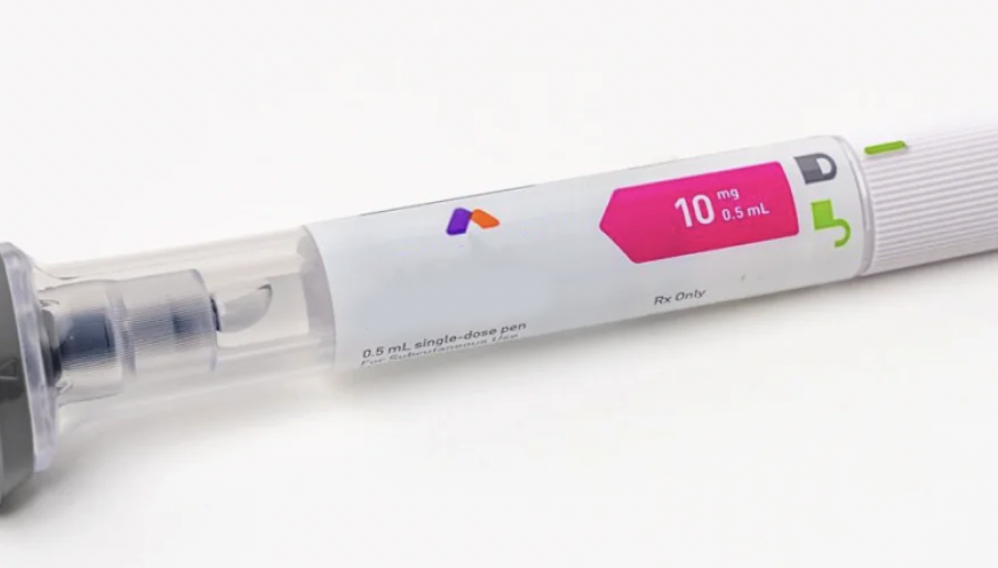
It’s given as a weekly subcutaneous injection (pen device). In Singapore, tirzepatide is prescription-only and started with doctor supervision, baseline labs, and a titration plan.

Author Bio
Dr Gerard Ee
Linkedin Profile
Dr Gerard Ee is the Medical Director of The Clifford Clinic in Singapore. He earned his medical degree from St George's University of London and built his surgical experience across the Singapore General Hospital, National University Hospital, and Mount Sinai Hospital in New York. He holds Membership of the Royal College of Surgeons (Edinburgh) and a Postgraduate Diploma in Dermatology (Cardiff), and is fully accredited in aesthetic procedures including botulinum toxin, fillers, lasers, and light therapies. A strong advocate of minimally invasive, natural-looking results, Dr Ee has published in several medical and scientific journals and presented his research in cities including Taipei, Las Vegas, and London.
See all posts by Dr Gerard Ee »- 5-FU for Keloid Scars: How It Works, Steroid Combinations and Risks
- Breastfeeding, Pregnancy and Mammograms After Breast Implants
- Breast Implant Safety and Monitoring, Rupture, Capsular Contracture and BIA-ALCL
- Breast Implant Removal, Replacement and Revision in Singapore
- Paraphimosis – Why a Stuck Foreskin Is an Emergency and What to Do