


ECM Skin Booster: A Complete Guide to Healthier, Firmer and More Resilient Skin
Written by Dr Gerard Ee
Healthy skin is not only about brightness, hydration or the absence of fine lines. Beneath the surface, your skin relies on a complex support network that determines how firm, elastic, smooth and resilient it looks over time. This network is known as the extracellular matrix, or ECM. As aesthetic medicine becomes more precise, treatments are moving beyond surface glow and simple hydration. One of the most talked-about innovations is the ECM skin booster, a treatment designed to support the skin’s structural foundation rather than merely soften the surface.
An ECM skin booster is commonly chosen by people who want better skin quality without the obvious volumising effect associated with traditional dermal fillers. Instead of reshaping the face, the goal is to improve how the skin behaves: how it holds moisture, how it bounces back, how refined its texture appears, and how well it responds to ageing, stress and environmental damage.
This guide explains what an ECM skin booster is, how it works, who it may suit, what results to expect, and what to consider before treatment.
What Is an ECM Skin Booster?
An ECM skin booster is an injectable skin-quality treatment that focuses on the extracellular matrix of the dermis. The ECM is the skin’s internal framework, made up of structural and signalling components such as collagen, elastin, proteoglycans, glycosaminoglycans, fibronectin and other proteins. These elements help create the environment in which skin cells function, repair and communicate.
Some ECM skin boosters, including products described as Re2O-type ECM boosters, are based on human acellular dermal matrix, often shortened to hADM. In simple terms, hADM refers to donated human dermal tissue that has been processed to remove cellular material while preserving important matrix components. The remaining matrix is then prepared into a form suitable for professional medical use.
Unlike a hyaluronic acid skin booster, which mainly improves hydration, an ECM skin booster aims to support the skin’s structural environment. Unlike a dermal filler, it is not primarily intended to add lift, contour or volume. Its role is subtler and more foundational: improving the quality, resilience and appearance of the skin over time.
Why the Extracellular Matrix Matters for Skin Ageing
To understand why ECM skin booster treatments are gaining attention, it helps to understand the role of the extracellular matrix itself.
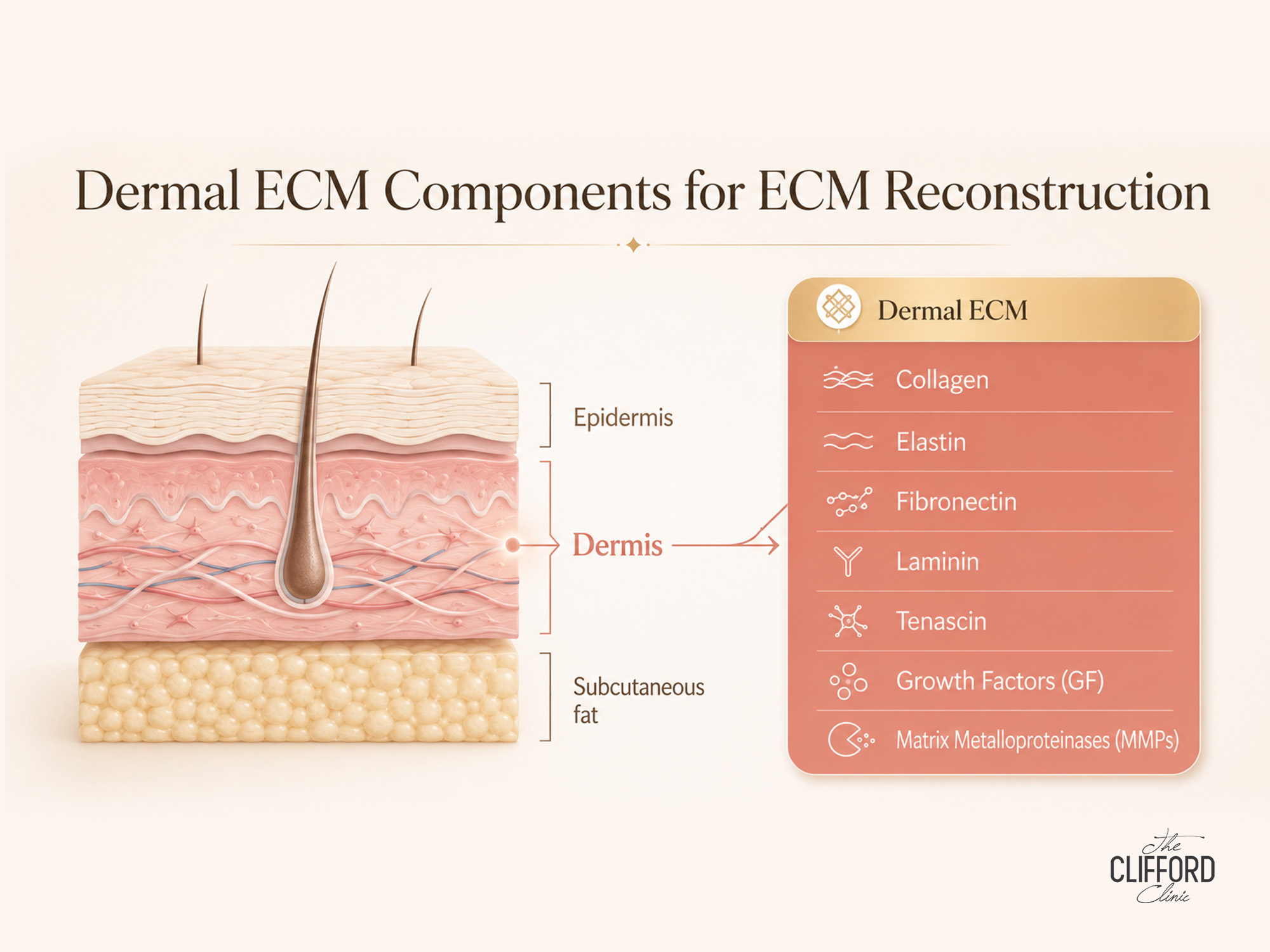
The dermis, the deeper layer of the skin, contains fibroblasts and a collagen-rich ECM. Fibroblasts are the cells responsible for producing and maintaining many of the skin’s structural proteins. When the ECM is strong and organised, skin tends to look firmer, smoother and more elastic. When the ECM becomes fragmented or depleted, skin can start to appear thinner, rougher, duller and less resilient.
Ageing, ultraviolet exposure, pollution, stress, inflammation and lifestyle factors can all contribute to ECM decline. Collagen fibres become more disorganised. Elastin loses some of its spring. Hyaluronic acid and other water-binding molecules decrease. Fibroblasts receive weaker mechanical support from their environment, which may reduce their ability to maintain youthful skin structure.
This is why collagen stimulation alone is not always enough. Collagen needs a supportive matrix around it. The ECM skin booster concept is built around this idea: if the skin’s internal environment is supported, other processes related to repair, hydration and firmness may function more effectively.
How Does an ECM Skin Booster Work?
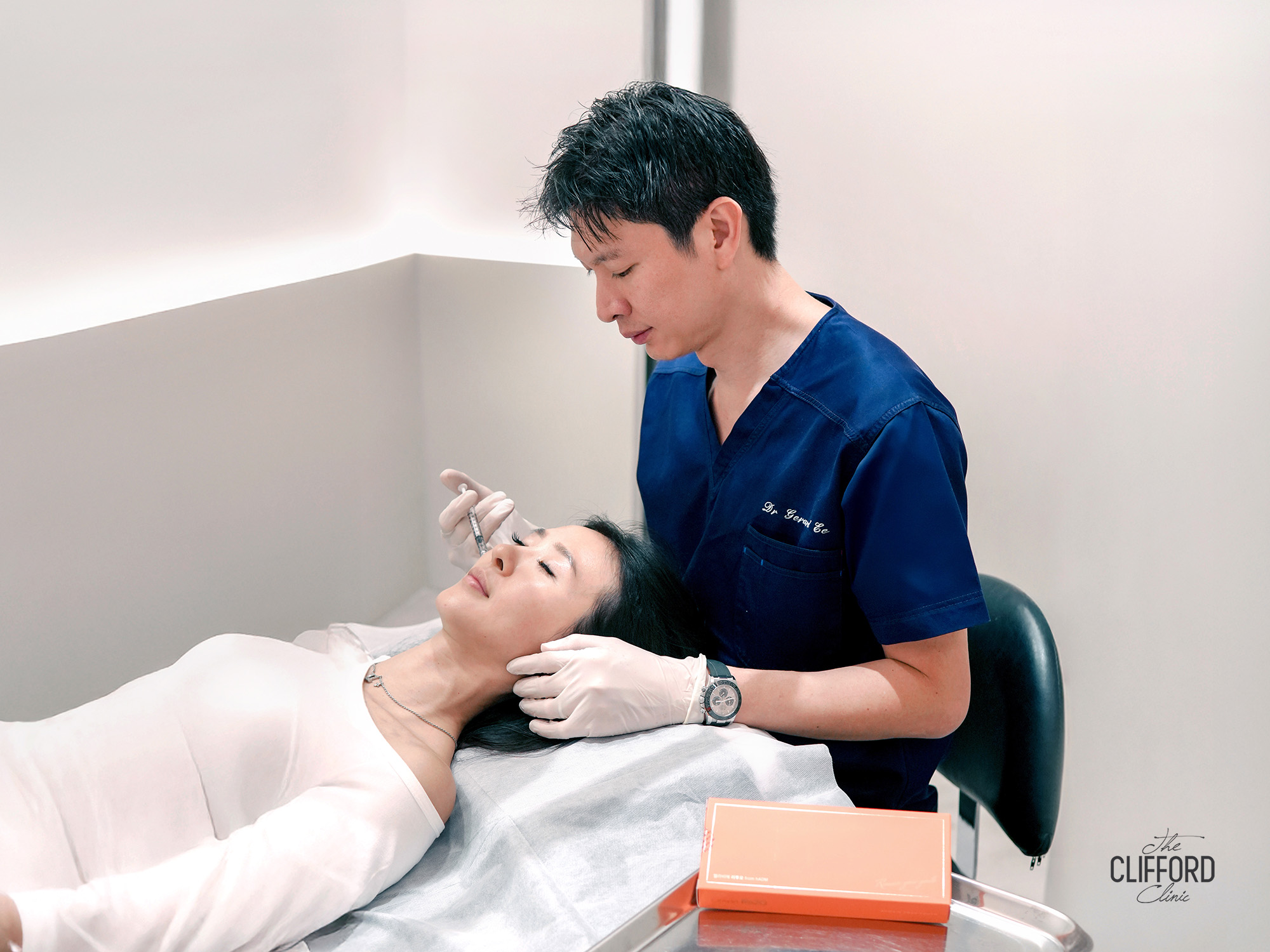
An ECM skin booster is typically administered through a series of small injections into the skin. The exact technique, depth, amount and treatment pattern depend on the product used, the treatment area and the doctor’s assessment.
Once placed in the dermal layer, the ECM-based material is intended to support the surrounding tissue environment. Rather than acting like a traditional filler that creates immediate shape, it works as a skin-quality treatment. The improvement is usually gradual and may include better hydration, smoother texture, improved elasticity, refined pores and a fresher overall appearance.
The mechanism can be understood in three stages.
First, the ECM skin booster introduces matrix components into areas where the skin’s natural structure may be weakened. These components may include collagen, elastin-related proteins and proteoglycans, depending on the formulation.
Second, the treatment may help create a more supportive microenvironment for fibroblasts. Fibroblasts are central to skin repair and dermal maintenance. A healthier matrix can provide signals and structure that help these cells function more effectively.
Third, as the skin environment improves, visible changes may become noticeable. These are not usually dramatic overnight transformations. Instead, patients often seek ECM skin booster treatment for natural-looking improvements in skin smoothness, bounce, glow and firmness.
ECM Skin Booster vs Traditional Skin Boosters
The term “skin booster” is now used for a wide range of injectable treatments. Not all skin boosters work in the same way, and this is where many patients become confused.
Hyaluronic acid skin boosters focus mainly on hydration. Hyaluronic acid attracts water, helping skin look plumper, smoother and more luminous. These are popular for dehydrated, dull or crepey skin.
Polynucleotide or PDRN skin boosters are often used for skin repair, sensitivity, healing support and rejuvenation. They are commonly discussed in relation to improving skin recovery and supporting regenerative activity.
Collagen biostimulators such as PLLA, PDLLA, PCL or calcium hydroxylapatite-based injectables are designed to stimulate collagen production. These may be used for firmness, skin laxity or deeper structural rejuvenation, depending on the product and technique.
ECM skin booster treatments focus on supporting the dermal matrix itself. They are not only about water-binding, and they are not primarily about adding facial volume. Their unique appeal lies in targeting the skin’s foundation: the environment that supports collagen, elastin, hydration and cellular function.
For many patients, the choice is not necessarily one treatment over another. A doctor may recommend an ECM skin booster on its own or as part of a broader plan involving lasers, radiofrequency, HIFU, hyaluronic acid boosters, polynucleotides or topical skincare.
Benefits of ECM Skin Booster Treatment
The main benefit of an ECM skin booster is overall skin quality improvement. It is designed for people who look in the mirror and feel their skin appears tired, thin, dull, rough or less springy than before.
Potential benefits may include improved hydration, smoother skin texture, enhanced elasticity, better radiance, softer fine lines, refined-looking pores and a stronger appearance of skin resilience. Some patients also consider ECM skin booster treatment when their skin no longer responds as well to skincare alone.
Because the treatment focuses on the dermal environment, the results are typically natural. The face should not look overfilled or artificially altered. Instead, the skin may look fresher, healthier and more supported.
An ECM skin booster may be especially appealing for people who want a regenerative-style approach but do not want the obvious fullness of traditional fillers. It can be suitable for patients who want to improve skin quality across larger areas such as the cheeks, lower face, neck or hands, rather than correcting a single fold or contour.
Who Is Suitable for an ECM Skin Booster?
An ECM skin booster may be suitable for adults who are concerned about early to moderate signs of skin ageing. Common concerns include dullness, dehydration, fine lines, rough texture, enlarged-looking pores, reduced elasticity and a general loss of skin bounce.
It may also suit people who have thin or crepey-looking skin, especially in areas where the skin naturally becomes more delicate over time. Some patients choose ECM skin booster treatment as a preventative maintenance option, while others use it as part of a corrective rejuvenation plan.
However, not everyone is a good candidate. People with active skin infections, uncontrolled medical conditions, known allergies to relevant product components, active inflammatory skin disease in the treatment area, or a history of severe reactions to injectables should be assessed carefully. Pregnant or breastfeeding patients are usually advised to postpone elective aesthetic injectable treatments unless specifically cleared by a doctor.
Because some ECM boosters are derived from human tissue, patients should also be comfortable with the product origin and should ask clear questions about processing, screening, traceability, regulatory status and safety data.

Treatment Areas for ECM Skin Booster
An ECM skin booster may be used in areas where skin quality needs support. The face is the most common area, particularly the cheeks, under-eye region, forehead, lower face and around the mouth. The neck is another popular area because neck skin often shows ageing through laxity, crepiness and horizontal lines.
Other possible areas include the décolletage and hands. These zones are frequently exposed to sunlight and may show thinning, dryness and textural change earlier than expected.
That said, not every area is suitable for every person. The under-eye region, forehead and nose area require particular caution because of anatomy and vascular risk. The best treatment plan should always be customised after a medical consultation.
What Happens During ECM Skin Booster Treatment?
A proper ECM skin booster journey should begin with consultation, not injection.
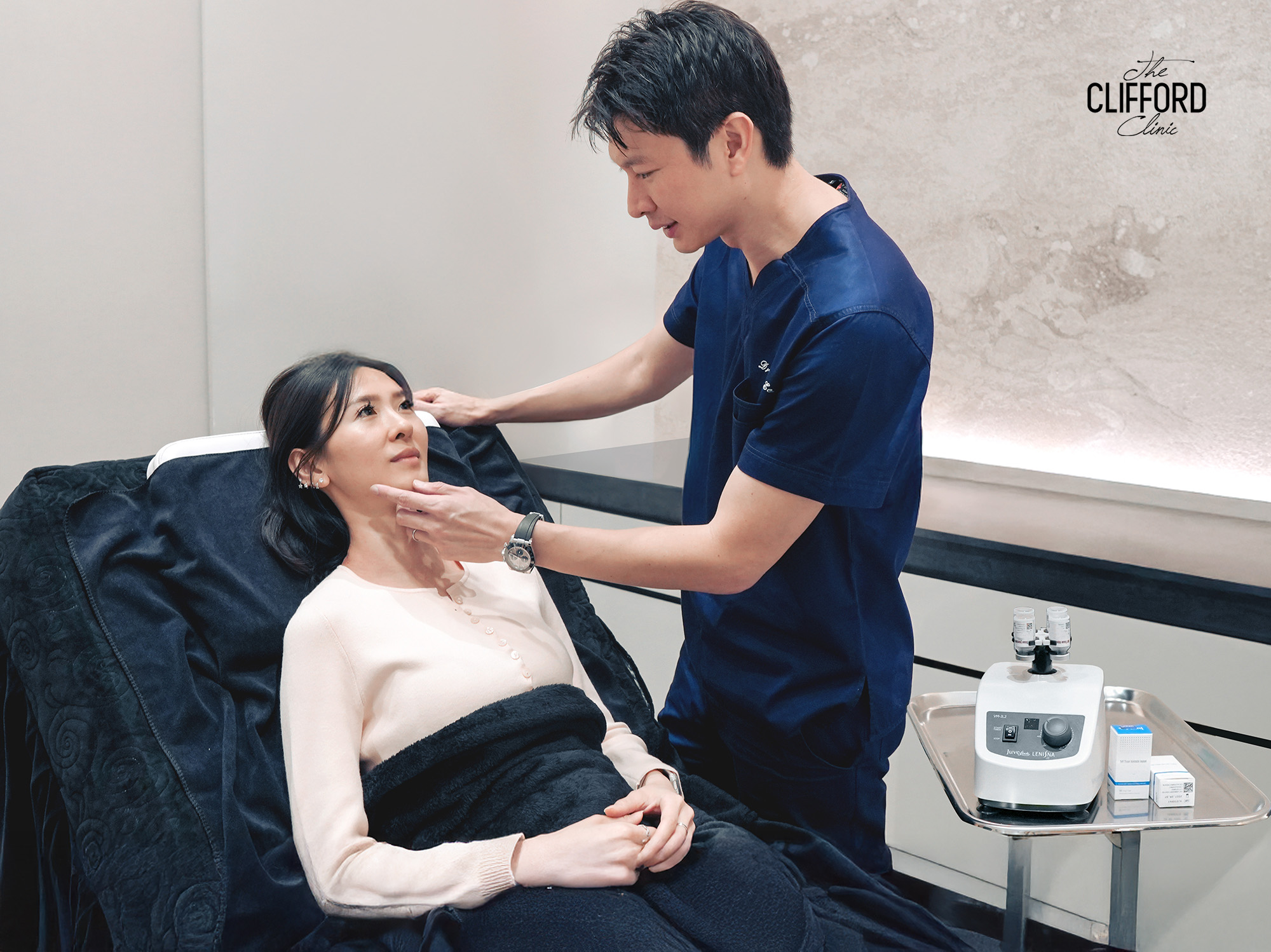
During the consultation, the doctor should assess your skin condition, medical history, allergies, previous aesthetic treatments, current skincare routine and treatment goals. This step is important because dullness, pigmentation, acne scars, redness, enlarged pores and fine lines may require different solutions.
Before treatment, topical numbing cream may be applied to improve comfort. The skin is then cleansed thoroughly. The ECM skin booster is administered using small injections, often placed across the treatment area in a planned pattern. Depending on the area and technique, the procedure itself may take around 15 to 30 minutes, although total appointment time can be longer because of consultation, numbing and aftercare instructions.
After treatment, small bumps, redness, tenderness or mild swelling may appear at injection points. These effects are usually temporary. Some people return to normal daily activities quickly, while others prefer to keep their schedule light for a day or two.
When Will Results Appear?
ECM skin booster results are usually progressive. Some people may notice early skin improvements in glow or hydration within days, especially once initial redness or bumps settle. Improvements in texture, firmness and elasticity often take longer because they depend on the skin’s response and remodelling process.
A typical treatment plan may involve a series of sessions spaced several weeks apart, followed by maintenance. The exact number of sessions depends on age, skin condition, degree of ageing, treatment area, product used and the doctor’s protocol.
It is important to have realistic expectations. An ECM skin booster will not lift heavy sagging skin like surgery. It will not replace volume in the same way as dermal fillers. It will not erase deep wrinkles overnight. Its strength lies in gradual, natural-looking skin quality enhancement.
Is ECM Skin Booster Safe?
When performed by a qualified medical practitioner using an appropriate product and proper technique, ECM skin booster treatment is generally positioned as a minimally invasive aesthetic procedure with limited downtime. However, it is still an injectable treatment, and all injectable procedures carry risk.
Common temporary effects may include redness, swelling, small bumps, tenderness, bruising or mild discomfort. Less common complications can include infection, prolonged inflammation, nodules, allergic-type reactions or unsatisfactory cosmetic outcome. Any injectable treatment placed in the face also requires respect for vascular anatomy. Serious vascular complications are uncommon, but they are the reason patients should never treat injectables as casual beauty services.
Safety depends on several factors: patient selection, product authenticity, medical technique, sterile handling, anatomical knowledge and post-treatment care. In Singapore, aesthetic injectable products and procedures are subject to medical and regulatory considerations, and consumers are advised to consult qualified medical practitioners rather than purchase or use DIY injectable kits.
Before undergoing ECM skin booster treatment, ask your provider what product is being used, whether it is appropriate for your treatment area, what side effects are possible, what aftercare is required, and what emergency protocols are in place.
Can ECM Skin Booster Be Combined With Other Treatments?
Yes, an ECM skin booster may be combined with other aesthetic treatments when medically appropriate. Combination planning is common because different treatments target different layers and concerns.
For example, lasers may help with pigmentation, dullness and surface irregularity. Radiofrequency microneedling may improve acne scars, pores and texture. HIFU or ultrasound-based treatments may support lifting and tightening in selected patients. Hyaluronic acid boosters may improve hydration, while polynucleotide treatments may support repair and sensitivity.
An ECM skin booster can fit into these plans by supporting the dermal matrix. The key is sequencing. Some treatments should not be performed too close together, especially if they involve heat, inflammation or skin barrier disruption. A doctor should advise whether ECM skin booster should be done before, after or between other procedures.
How to Choose an ECM Skin Booster Provider
Choosing the right provider is just as important as choosing the treatment. A strong provider should offer a medical consultation, explain product origin, discuss benefits and limitations honestly, assess your skin rather than sell a fixed package, and give clear aftercare instructions.
Avoid providers who promise instant perfection, guarantee identical results for everyone, minimise all risks, or push treatment without reviewing your medical history. Also avoid any DIY injectable product sold online or through social media. Injectables should not be self-administered.
A good consultation should leave you with clarity. You should know what the treatment can realistically improve, what it cannot do, how many sessions may be needed, what side effects to expect, and when to seek medical help. Dr Gerard Ee, medical director of The Clifford Clinic stresses that given the fact of the number of different type of ECM skin boosters out there in the market today, a doctor should be able to weigh up the pros and cons of each product and explain why one would choose for example Lenisna from Sculptra from RE20. Each product when used correctly offers a different indication and use case. It also gives different outcomes. There are some overlap, but it is only experience that can determine which is the best biostimulator for you.
ECM Skin Booster Aftercare
Aftercare instructions may vary, but general guidance often includes keeping the skin clean, avoiding harsh actives for a short period, staying away from strenuous exercise immediately after treatment, and avoiding sauna, steam rooms, excessive heat or heavy alcohol consumption while the skin settles.
Makeup may need to be avoided until the doctor says it is appropriate. Sunscreen is important, especially if your treatment plan includes lasers, pigmentation care or other resurfacing procedures.
If you experience severe pain, unusual discolouration, worsening swelling, visual symptoms, signs of infection or any symptom that feels abnormal, seek medical attention promptly.
Is ECM Skin Booster Worth Considering?
An ECM skin booster may be worth considering if your main concern is skin quality rather than facial reshaping. It is especially relevant for people who want smoother texture, better hydration, refined pores, improved elasticity and a healthier-looking complexion.
Its appeal lies in a more complete view of skin ageing. Skin does not age because of collagen loss alone. It ages as the entire dermal environment changes. By focusing on the extracellular matrix, ECM skin booster treatments offer a foundation-focused approach to rejuvenation.
The best results come from proper diagnosis, realistic expectations and a personalised plan. For some patients, ECM skin booster may be the central treatment. For others, it may work best alongside lasers, energy-based devices, polynucleotides, hyaluronic acid boosters or a disciplined skincare routine.
When performed thoughtfully, an ECM skin booster can help the skin look fresher, stronger and more resilient without changing the natural character of the face.
Frequently Asked Questions About ECM Skin Booster
- What is an ECM skin booster?
An ECM skin booster is an injectable treatment designed to support the skin’s extracellular matrix, the internal framework that helps maintain firmness, elasticity, hydration and texture. It is mainly used to improve skin quality rather than add facial volume.
- How is ECM skin booster different from hyaluronic acid skin booster?
A hyaluronic acid skin booster mainly focuses on hydration by attracting and retaining water in the skin. An ECM skin booster focuses on the dermal matrix, which includes collagen, elastin, proteoglycans and other structural components. Both may improve skin quality, but they work through different mechanisms.
- Is ECM skin booster the same as dermal filler?
No. A dermal filler is usually used to restore volume, contour facial features or soften deeper folds. An ECM skin booster is intended to improve skin quality, texture, hydration and resilience. It should not create an overfilled look when used appropriately.
- Who is a good candidate for ECM skin booster?
ECM skin booster may suit adults with dull skin, rough texture, fine lines, reduced elasticity, enlarged-looking pores, dehydration or early signs of ageing. Suitability should be confirmed through a medical consultation.
- Is ECM skin booster painful?
Most patients describe injectable skin boosters as tolerable, especially when numbing cream is used. You may feel small pricks, pressure or mild stinging during the procedure.
- Is there downtime after ECM skin booster?
Downtime is usually mild, but it varies. Temporary redness, small bumps, swelling, tenderness or bruising can occur after treatment. These effects often settle within a few days, although individual recovery differs.
- When will I see ECM skin booster results?
Some people notice improved hydration or glow within days, while texture and elasticity improvements may develop gradually over several weeks. A series of sessions may be recommended for more visible and lasting results.
- How many ECM skin booster sessions are needed?
Many patients may be advised to start with a short series of treatments spaced several weeks apart, followed by maintenance. The exact number depends on skin condition, treatment goals, age and the doctor’s protocol.
- Can ECM skin booster be combined with laser or HIFU?
Yes, ECM skin booster may be combined with treatments such as lasers, RF microneedling, HIFU, ultrasound tightening, hyaluronic acid boosters or polynucleotides when suitable. Proper sequencing is important, so the plan should be designed by a qualified medical practitioner.
- Is ECM skin booster safe?
ECM skin booster is generally considered a minimally invasive injectable treatment when performed appropriately, but it still carries risks. Possible side effects include redness, swelling, bruising, infection, nodules or inflammatory reactions. Rare but serious complications can occur with injectable treatments, which is why proper medical technique and product authenticity matter.
- Can I do ECM skin booster at home?
No. ECM skin booster and other aesthetic injectables should not be self-administered. DIY injectable kits and unregistered injectable products can be dangerous and may cause serious complications.
- How much does ECM skin booster cost?
The cost of ECM skin booster varies depending on the clinic, product, treatment area, number of sessions and whether it is combined with other treatments. A consultation is usually needed for accurate pricing.
References
- Shin, J. W. et al. “Molecular Mechanisms of Dermal Aging and Antiaging Approaches.” This review discusses dermal ageing, collagen, fibroblasts, ECM changes and anti-ageing strategies.
- Fisher, G. J. et al. “Skin aging from the perspective of dermal fibroblasts.” This source explains the role of dermal fibroblasts and the collagen-rich extracellular matrix in skin ageing.
- Yi, K. H. et al. “Skin boosters: Definitions and varied classifications.” This review describes the evolution of skin boosters beyond traditional hyaluronic acid fillers.
- Ghatge, A. S. et al. “The Effectiveness of Injectable Hyaluronic Acid in the Improvement of Facial Skin Quality.” This systematic review discusses injectable HA and improvements in hydration, firmness, brightness, texture and elasticity.
- L&C Bio product information. The manufacturer describes Re2O as a product made by finely grinding hADM and containing ECM components such as collagens, elastin, proteins and proteoglycans.
- Kirsner, R. S. et al. “Human acellular dermal wound matrix: evidence and experience.” This paper discusses human acellular dermal matrix as a scaffold for regenerative healing.
- Petrie, K. et al. “Clinical applications of acellular dermal matrices: A review.” This review summarises evidence for acellular dermal matrices in a range of clinical settings.
- U.S. Food and Drug Administration. “Dermal Fillers / Soft Tissue Fillers.” The FDA outlines approved uses, risks, vascular complications and cautions against OTC or needle-free filler injection.
- Health Sciences Authority Singapore. “Dangers of DIY aesthetic injectable kits.” HSA advises consumers against DIY aesthetic injectable kits and states that aesthetic injectables should be administered by qualified medical practitioners.
- Singapore Medical Council. “Guidelines on Aesthetic Practices for Doctors.” The SMC page outlines Singapore’s aesthetic practice guidelines and requirements for doctors performing approved aesthetic procedures.