

Acne Treatment with Aviclear For Darker Skin
AviClear For Effective Ance Treatment On Darker Skin Tones And How Skin Colour Affects Response To Laser-based Treatments
Fact or myth? Laser treatments are incompatible with darker skin – Laser-based skin treatments have gained prominence in recent years as effective solutions to a myriad of skin concerns ranging from skin laxity, wrinkles, acne and acne scars, uneven pigmentation, to unwanted hair growth. However, the safety of using dermatological lasers to treat individuals with deeper complexions remains a key concern as the higher skin melanin content in darker skinned individuals makes them more susceptible to getting burned.
AviClear Laser System is an acne management treatment laser and the only FDA approved laser device (as of the time this blog was written) indicated to be a universal skin type laser, meaning, AviClear is safe for use on all skin tones and all severities of acne. In this blog post, we will delve into what makes AviClear safe for use on dark skin tones and why higher skin melanin content causes skin to be more susceptible to laser burns.
What is AviClear?
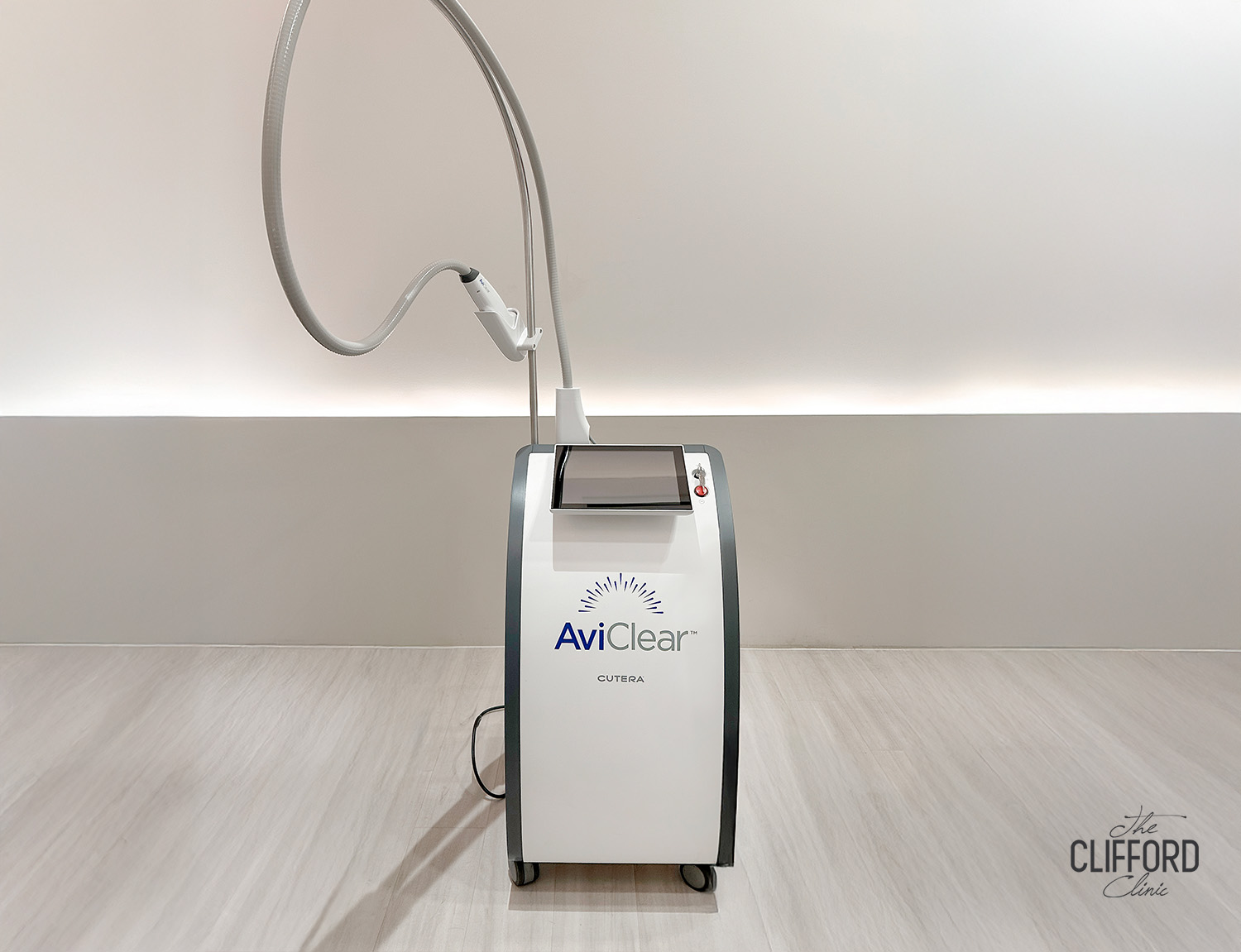
AviClear is a new laser-based acne management treatment that treats acne/current acne outbreaks and prevents future acne flare ups by suppressing sebaceous glands (oil glands). Due to its ability to target the root cause of acne, excess sebum (oil) production, AviClear treatment is best known for achieving long lasting results in addition to being effective at treating all acne types (mild, moderate, to severe) and skin types (oily, dry, sensitive, or combination skin).
A less well know advantage that the AviClear Laser System has over other laser devices such as the Intense Pulsed Light (IPL) Laser, the CO2 Laser, or certain Fraxel Lasers, is its suitability for use on melanin-rich skin as AviClear does not target melanin. We will touch on the science behind why AviClear is safe for use on dark skin tones in a later section.
Please note that as we believe in promoting skin tone inclusivity and representation when it comes to the provision of healthcare/medical information, this blog post will focus on AviClear for the treatment of deeper skin tones and why certain types of dermatological lasers are unsuitable for more melanated skin. We encourage you to read our other blog post on the use of AviClear to achieve long-term clear skin if you would like a more in-depth look at why the AviClear Laser System is so effective at combating acne.
Additionally, we would like to recommend the acne information page written by our Medical Director, Dr Gerard Ee, as accompanying reading material to our blog post as Dr Ee has written a detailed summary covering the pathogenesis (development process) of Acne Vulgaris, the possible complications linked to acne, and the various treatment solutions for acne and acne scars.
We would also like to stress the importance of consulting a licensed medical doctor or dermatologist, such as our medical team at The Clifford Clinic, for a proper skin assessment before starting any treatment(s) to ensure that you will receive a treatment plan that is suited for your needs and safe for your skin.
What is melanin and how it affects skin tone
Melanin is a naturally occurring biomolecule produced by melanosomes in melanocytes (melanin producing cells) located primarily in the basal layer (deepest layer) of the epidermis (outermost layer of the skin) that functions as the pigment/biochrome that gives skin its colour.
In humans, skin colour can range from pale “white” to very deep “brown”/ “black”, with the amount of melanin present in the skin determining skin colour; Variations in melanin concentration between individuals is responsible for skin tone variance, less melanin results in lighter skin hue while more melanin results in darker/deeper hues. Individuals with darker skin have a wider distribution of melanosomes, and thus, a higher epidermal melanin content as well as more reactive fibroblasts (cells responsible for scar formation).
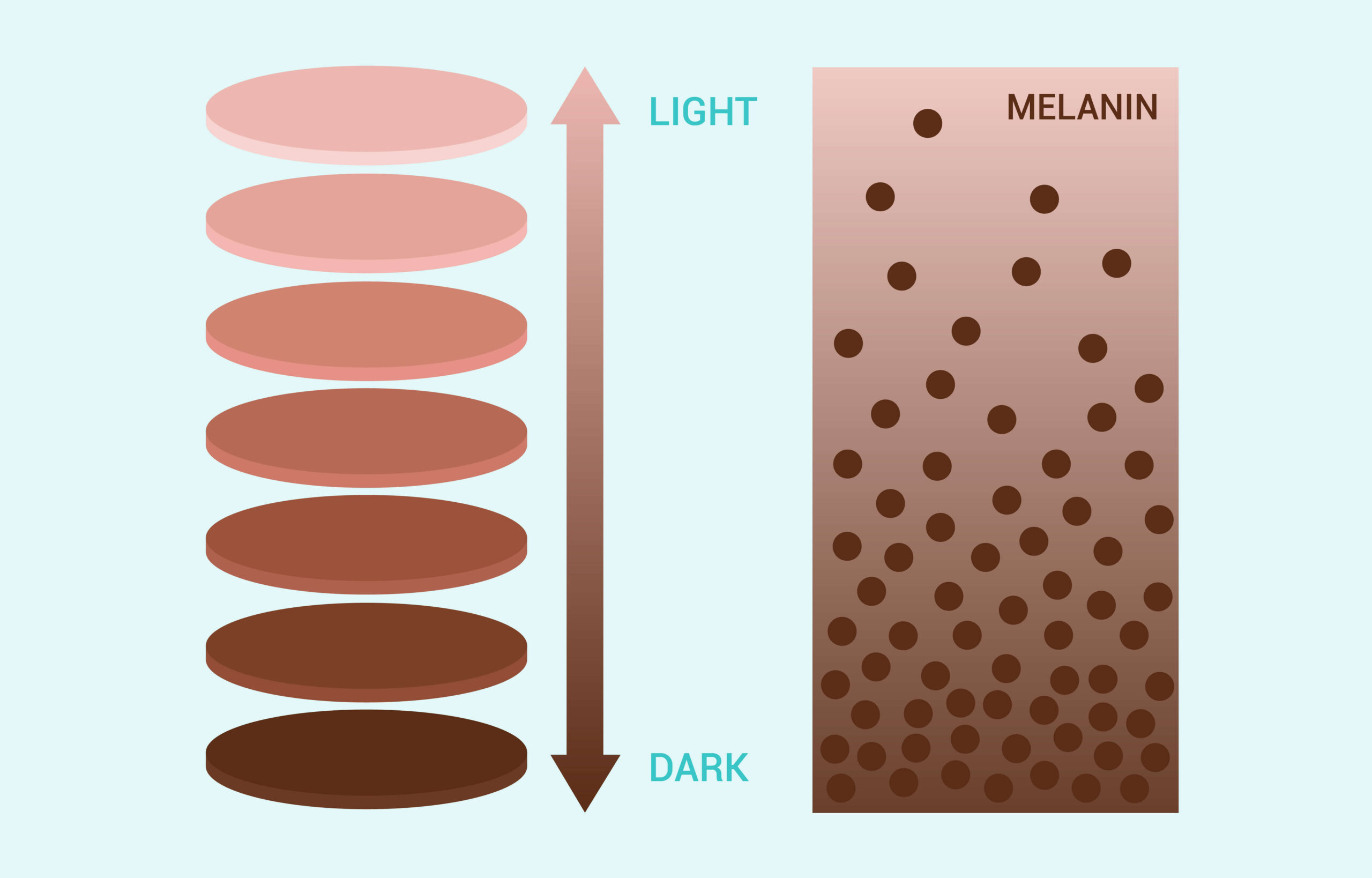
Apart from giving the skin its colour, melanin more importantly serves as the skin’s natural protection against ultraviolet radiation (UV radiation) from the sun due to its ability to absorb UV radiation.
Natural skin colour vs tanning
Your natural skin tone is genetically determined and thus cannot be changed; However, your skin can temporarily darken in response to exposure to sun light. This is known as “tanning”.
UV radiation causes damage to skin cells, thus, when exposed to sunlight for prolonged periods of time or when exposed to harsh sunlight, melanocytes produce more melanin to absorb the UV radiation and protect the skin. The accumulation of more melanin in the skin is what causes the skin to darken. Excessive exposure to sunlight can also result in uneven pigmentation due to increased melanin production.
Eumelanin and pheomelanin (might remove this section if it makes the post too long)
The skin contains both eumelanin and pheomelanin, with eumelanin being responsible for producing brown, deep brown, to black pigments while pheomelanin is responsible yellowish to reddish pigments. The ratio of eumelanin to pheomelanin in the skin determines skin tone/colour.
Melanin and its interaction with light
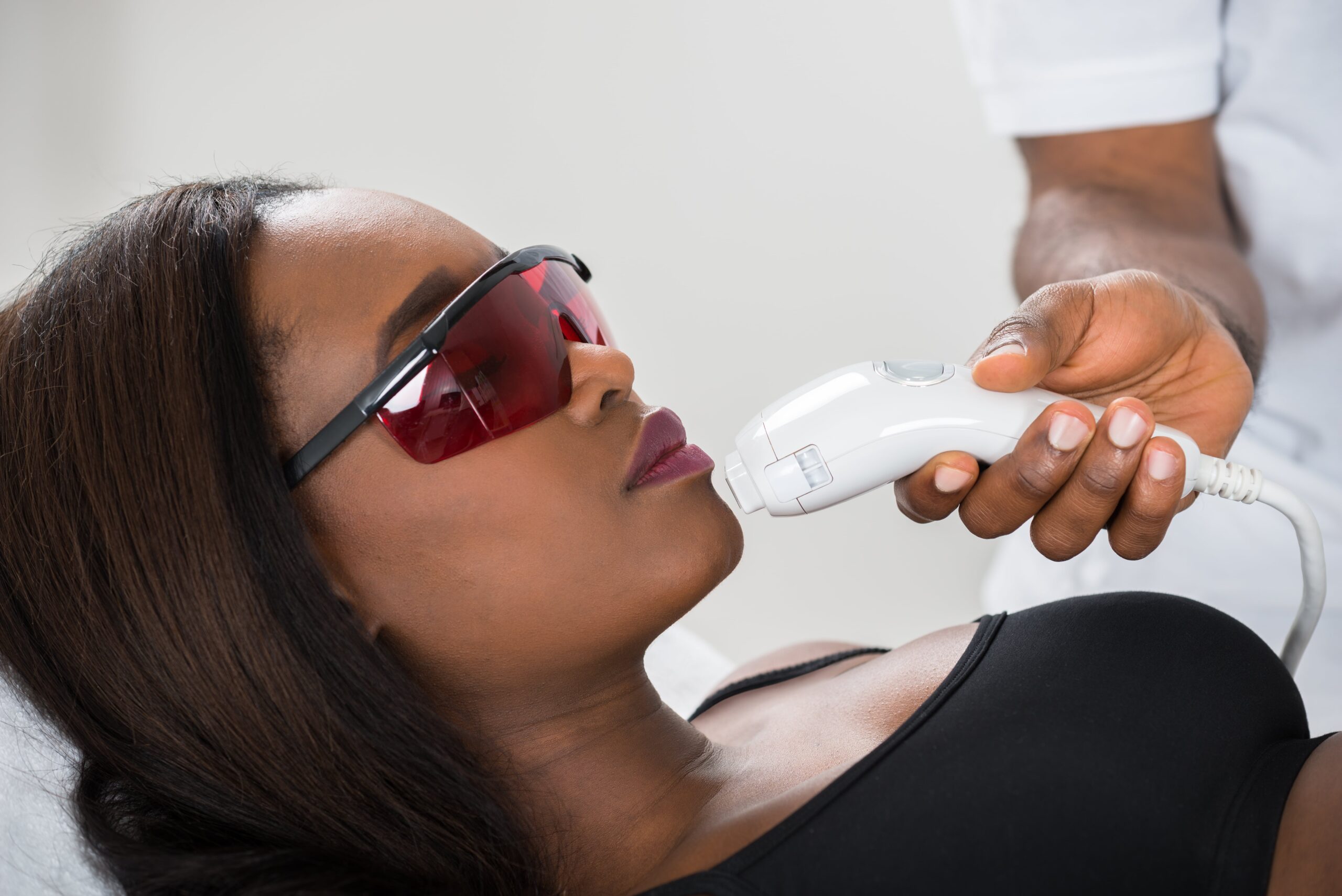
As melanin absorbs and scatters UV radiation, individuals with deeper skin tones experience less epidermal damage (burning/sunburns) when exposed to sunlight. However, individuals with more melanated skin face a higher risk of suffering from burning or other adverse side-effects, like hyperpigmentation or scarring due to epidermal injury, when undergoing laser or light-based treatments.
Melanin in the skin’s epidermis function as chromophores (region that absorbs specific wavelengths of light), absorbing laser/light energy and converting the energy into heat energy that causes thermal damage to or destroying the surrounding tissue; Shorter wavelengths of light are more readily absorbed by melanin as compared to longer wavelengths of light and are thus more likely to cause epidermal damage. This issue is further exacerbated by the mechanism of action of most dermatological lasers as most dermatological lasers work by specifically targeting (via the use of a specific laser wavelength) chromophores in the epidermis, such as melanin, haemoglobin, or water.
It is therefore important to consider the wavelength of the laser used, how many passes the laser does over the treatment area, and the melanin content of the skin when choosing a laser-based treatment. Devices with built in cooling functions pre, during, or post-treatment can also deliver more favourable outcomes and minimize the risk of unwanted epidermal damage by providing thermal protection for the skin’s epidermis.
Are all lasers unsafe for use on darker skin?
It is untrue that all laser or light-based treatments are unsuitable for use on deeper skin tones. Generally, lasers that specifically target melanin, deliver high thermal energy, perform a high number of passes, or have a shorter wavelength should be avoided by individuals with deeper skin tones. Examples of such lasers include:
- Traditional ablative lasers like CO2 Lasers
- Delivers high thermal energy to the treatment area.
- IPL Lasers – Unable to effectively discriminate between melanin in the skin and hair follicles.
- Certain Q-switched Lasers – Older Q-switched Lasers may have longer pulse durations that cause excessive heating of the skin.
AviClear as a safe treatment option for melanin rich skin
The crux of why the AviClear treatment suitable for all skin types lies with the intended target of the device: the skin’s sebaceous (oil) glands.
AviClear Laser System is an infrared Indium Phosphide (InP) diode laser device that utilises a 1726 nm wavelength laser in combination with a built-in cooling system to bring about selective and temperature-controlled thermal damage to sebaceous glands found beneath the surface of the skin with minimal interaction with melanin in the epidermis, greatly reducing the risk of scarring and hyperpigmentation commonly associated with other laser-based treatments when used on dark skin.
1726 nm wavelength laser
- The 1726 nm wavelength is not significantly absorbed by epidermal melanin, reducing the risk of unwanted thermal damage and post-inflammatory hyperpigmentation (skin darkening due to inflammation).
- The longer 1726 nm wavelength allows for deeper penetration into the skin while bypassing melanin, allowing for sebaceous glands to be targeted without causing damage to the surface of the skin.
AviCool cooling system
- A cooling system housed within the AviClear Laser System unit that stabilizes and regulates the skin’s temperature during the treatment.
- AviCool minimises discomfort felt and protects the surrounding tissue from thermal damage during the treatment. This provides an additional layer of protection when treating deeper skin tones.
Is AviClear medically indicated as safe for use on darker skin?
Yes, all information we have provided about the safety and effectiveness of AviClear is clinically backed; A medical study was conducted by Cutera to determine the suitability of AviClear for treating mild to severe inflammatory acne vulgaris. Here is a quick summary of the study and its findings:
A total of 304 AviClear treatment sessions were administered to a group of test subjects with Fitzpatrick Skin Types ranging from Type I-III, Type IV-V, and Type VI. Test subjects also had a range of acne severity ranging from Mild, Moderate, to Severe.
The study found that there was a 37.1% (± 28.5%) mean reduction in inflammatory lesion (pimples containing pus) counts at four weeks after the final treatment visit, and a 49.5% (± 26.5%) mean reduction in inflammatory lesion counts at twelve weeks after the final treatment visit, as compared to the original inflammatory lesion count taken at the start of the study before AviClear treatment.
The study also found that all 304 treatment sessions were well tolerated by all Fitzpatrick Skin Types as no treatment session was prematurely ended due to excessive discomfort or adverse side effects. Additionally, no serious adverse events related to the treatment protocol/laser device were recorded during the study and at twelve weeks post final treatment visit.
In conclusion, AviClear treatment is clinically shown to be safe and effective for all Fitzpatrick Skin Types (Type I to Type VI). That being said, while AviClear treats active acne, prevents future acne flareups, and prevent new acne scars from forming, and indirectly improve the appearance of scars and skin texture via reducing inflammation, it does not directly treat pimple scars.
Continue reading to the end of this blog post if you would like to know about alternative laser-based treatments that are safe for darker skin and can be used to treat acne scars, reduce acne inflammation, and/or rejuvenate skin.

Author Bio
Dr Gerard Ee

Dr Gerard Ee is the Medical Director of The Clifford Clinic in Singapore. He earned his medical degree from St George's University of London and built his surgical experience across the Singapore General Hospital, National University Hospital, and Mount Sinai Hospital in New York. He holds Membership of the Royal College of Surgeons (Edinburgh) and a Postgraduate Diploma in Dermatology (Cardiff), and is fully accredited in aesthetic procedures including botulinum toxin, fillers, lasers, and light therapies. A strong advocate of minimally invasive, natural-looking results, Dr Ee has published in several medical and scientific journals and presented his research in cities including Taipei, Las Vegas, and London.
See all posts by Dr Gerard Ee »